
'%20id='ico-down'%20stroke='%23000000'%20stroke-width='1.5'%3e%3cg%20transform='translate(1092.250000,%20254.750000)'%3e%3cpolyline%20id='Path-2-Copy-4'%20transform='translate(5.500000,%202.750000)%20scale(1,%20-1)%20rotate(-180.000000)%20translate(-5.500000,%20-2.750000)%20'%20points='0%200%205.5%205.5%2011%200'%3e%3c/polyline%3e%3c/g%3e%3c/g%3e%3c/g%3e%3c/svg%3e)


Moving
About Italy
An introduction to Italy
Italy needs no introduction – if you’re a tourist. But as an expat, you probably have more questions than you have answers for. Here’s what you need to know.


Italy has an outsize place on the world’s stage. For over 3,000 years, it has been an important center for art, literature, religion, film, music, and gastronomy. That’s in addition to its status as one of the world’s major economies. All told, that compelling package is reason enough for any international to consider moving to Italy.
But on the downside, finding a job in Italy isn’t always easy. In addition, low salaries offer fewer opportunities to save, and taxes aren’t exactly low. And finally, Italian visas can be a hassle.
This article offers an introductory look at life in Italy, providing an overview of the political system, what healthcare and education are available to internationals, the working culture, and, of course, the food.
Take a look:
The Relocator
Planning a new life in Italy? Give yourself some peace of mind with The Relocator. On their easy-to-use platform, you'll be able to compare your options quickly, getting quotes from some of the biggest names in global relocations. Move abroad confidently with The Relocator.

A brief overview of life in Italy
From the Alps to the Mediterranean coast, Italy has an astonishing topographical variation. This diversity (PDF) underpins every aspect of Italian culture – from economic activities to linguistic dialects and cuisine.
Little wonder, then, that Italy is home to so many immigrants. There were just over five million (PDF in Italian) foreign citizens living in Italy as of 2021. That’s about 8.7% of Italy’s population, according to IStat, the national institute of statistics. Add in foreigners who have acquired Italian citizenship, and you have 6.8 million people.
Romanians comprise the largest group of foreigners, at just over a million people. Other major source countries are Morocco, Albania, China, and Ukraine.
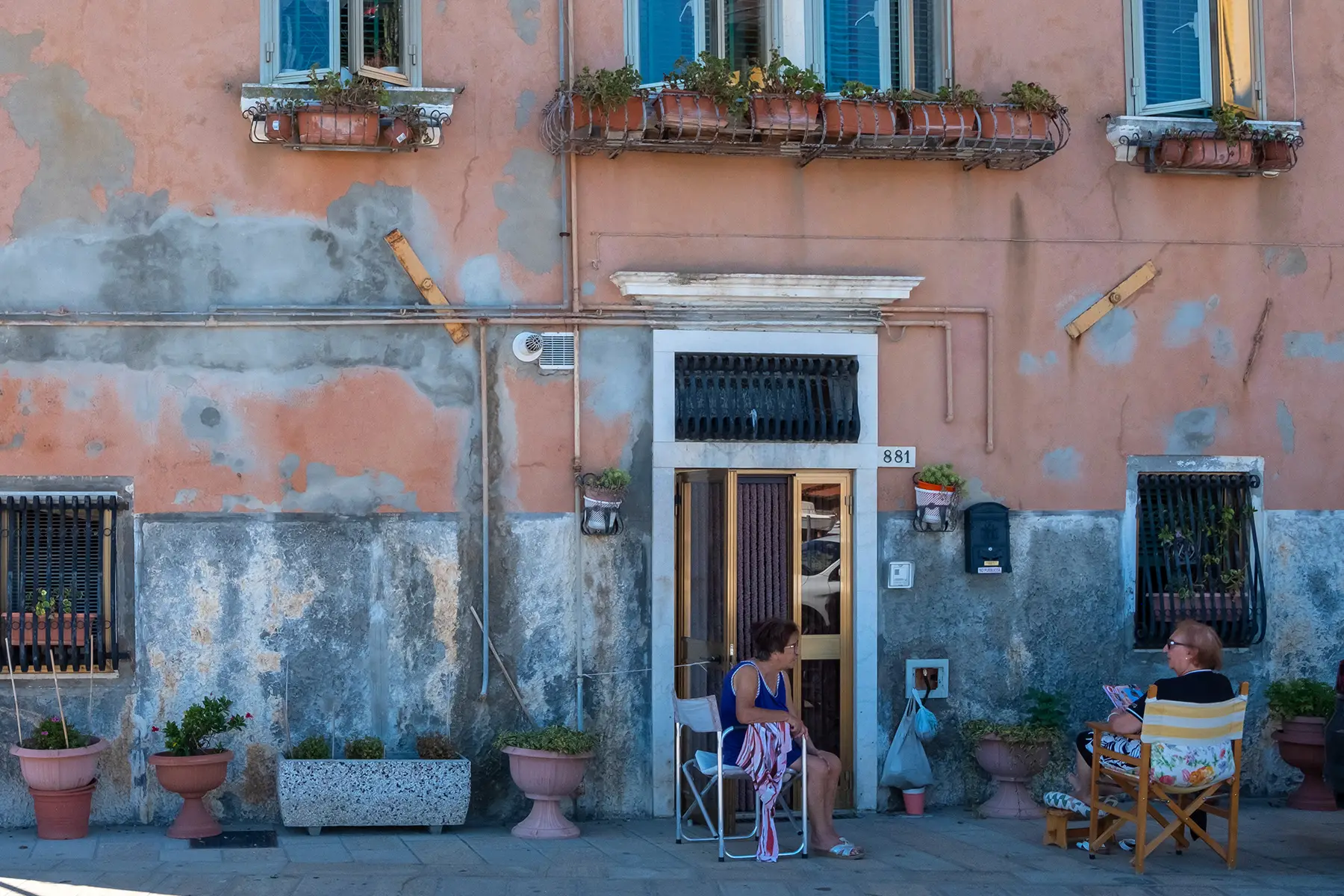
In general, more foreigners choose to live in northern Italy, according to a 2020 report (in Italian) by the Migrantes Foundation, in collaboration with aid organization Caritas Italiana.
Regions such as Piedmont, Lombardy, Liguria, and Emilia-Romagna are home to 61% of foreign residents in Italy. Central Italian hot spots such as Tuscany and Umbria account for another quarter. By contrast, only about 10% of all foreigners make their home in southern Italy.

On the other hand, poor finances, job opportunities, and little digital adoption deliver a sharp dose of reality. Italy ranked 45th out of 46 countries in HSBC’s 2021 Expat Explorer survey. It also scored lowest in the ‘future outlook’ rank, which rates internationals’ optimism for the coming 12 months.
What quality of life can you expect?
It’s often said that Italians know how to enjoy life. Yet, they also have a few things to complain about. For example, many of Italy’s scores on the OECD Better Life Index are below average.
This is particularly evident when it comes to income, employment, education, environmental quality, social connections, and life satisfaction. But it’s not all doom and gloom – the country outperforms the average in health, work-life balance, and civic engagement.
Certainly, Italians have less spending money than other countries. The mean net-adjusted household disposable income per capita comes in at US$29,431 a year. The OECD average is US$30,490 a year.
On the other hand, life expectancy in Italy is around 84 years, three years higher than the average. In addition, only about 3% of employees work very long hours in paid work, and Italians devote more time to leisure and personal care than any other OECD nation.
A quick overview of Italy’s geography
If you’re moving to Italy for the weather, you’ll have few complaints. The boot-shaped country is handily located at the center of the Mediterranean basin. At 301,230 square kilometers, it is the seventh-largest country in the European Union. In addition, Sardinia, Sicily, and dozens of smaller islands lie within its borders.
The country shares maritime borders with Albania, Algeria, Croatia, Greece, Libya, Malta, Montenegro, Spain, and Tunisia. Its major land neighbors are to the north: Austria, France, Slovenia, and Switzerland. Two independent microstates, San Marino and Vatican City, are enclaves within Italy. Meanwhile, Campione d’Italia is an Italian exclave in Switzerland.
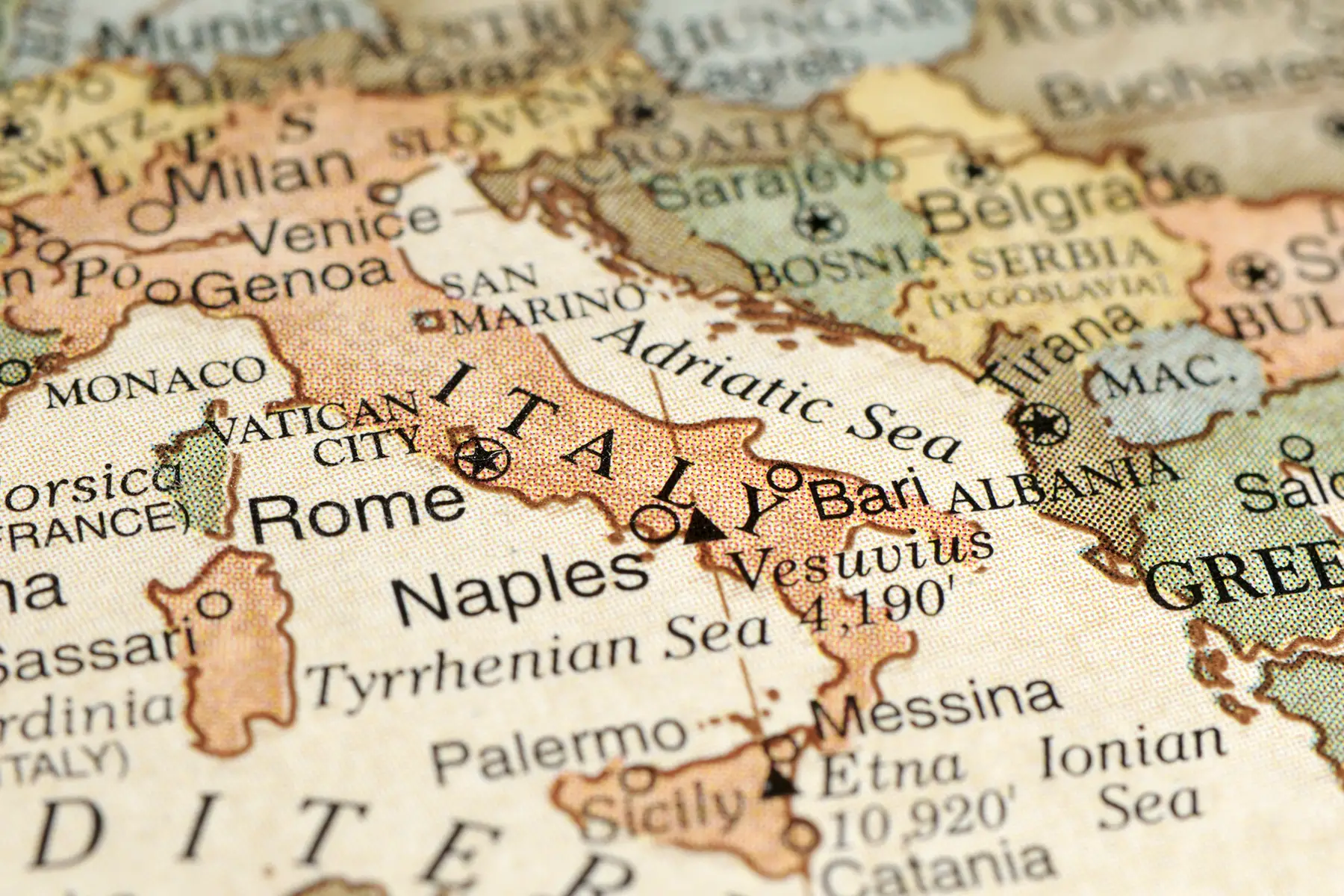
Mountains cover more than a third of Italian territory. The Alps – including the peaks of Mont Blanc and Monte Rosa – arch across the top of the peninsula, while the Apennines form its backbone.
Italy’s 7,600km coastline is perhaps its most well-known feature. Whether on the Adriatic, Tyrrhenian, Ligurian, or Ionian Sea, you’ll never be too far from the beach.
Regions of Italy
Italy is divided into 20 regions. Five regions are autonomous because of linguistic and cultural differences. These are Aosta Valley, Friuli-Venezia Giulia, Sardinia, Sicily, and Trentino-Alto Adige/South Tyrol (Südtirol).
Local regulations vary from one region to another, so take that into account when choosing where to live.
Three of Italy’s main cities
The best Italian city for you depends on what you’re looking for. Bigger cities generally offer better jobs and a more vibrant nightlife. Italy’s smaller cities are quieter and more affordable.
Rome
Italy’s largest city is home to four million people. As one of the world’s oldest great cities, Rome (Roma) has attracted foreigners since ancient times. As of January 2022, some 500,000 Roman residents are foreigners. Life in Rome is about 10% cheaper than in Milan, making the Italian capital a very attractive proposition.
In Italy’s political and tourist capital, expats can expect to find jobs in the diplomatic, financial, and hospitality sectors.
Milan
Italy’s second-biggest city is the country’s hub for finance, fashion, and technology. Some 3.2 million people live in Milan (Milano), including 463,000 foreigners. Milan is situated just south of the Alps. That puts the rest of Europe within easy reach, so it’s perfect for avid travelers.
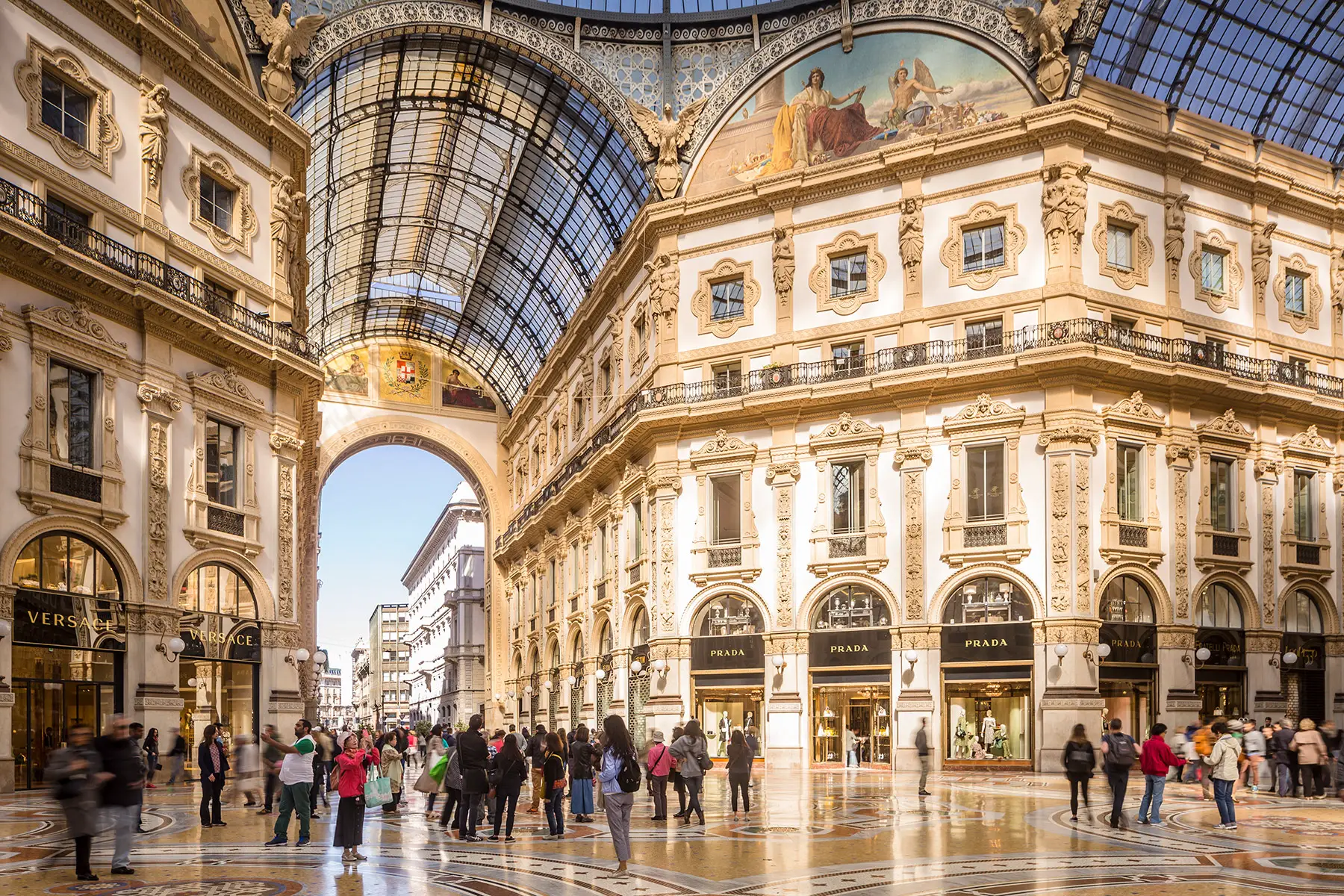
However, the home of La Madonnina is Italy’s most expensive city. Consumer watchdog Codacons (in Italian) says groceries in Milan cost 47% more than in Naples (Napoli) in 2022. A cup of coffee in Milan costs €1.03 on average, in line with the national average of €1.04 but well above the Neapolitan rate of 90 cents. If you’re looking to save money, it might be worth searching for housing in outlying areas such as Varese and Monza.
Torino
The capital of Piedmont is a historical and cultural center. Many expats first come to Torino to study. Its higher education facilities – including the University of Turin and its Polytechnic – attract students from all over the world.

However, as Italy’s third-largest economic center, Torino is also a hub for engineering, banking, telecommunications, and manufacturing – particularly confectionery and chocolate.
About 2.2 million people live in Torino. That included just over 200,000 foreign residents as of 2022.
A few interesting facts and figures
- Name: Repubblica Italiana (Italian Republic) or simply: Italia
- Population: 59.2 million
- Climate: Mediterranean
- Official languages: Italian. Around 50% of the population speaks a regional language or dialect as its mother tongue, such as Friulian. French, Slovene, German, and Ladin are also recognized as official languages in certain parts of the country. Depending on the region, other recognized languages include Sardinian, Venetian, Arbëresh, and Occitan.
- Religions: Catholic 79%, Non-Catholic Christian 5%, Non-believer/agnostic 8%, Atheist 4%, others 4% (data from 2021)
- Government type: Parliamentary republic.
- Chief of state: President Sergio Mattarella (as of February 2015)
- Head of government: Prime Minister Giorgia Meloni (as of October 2022)
- Currency: Euro (€)
Humans have lived in the area corresponding to modern Italy since antiquity. The Etruscan civilization dates to 900 BCE. After that, a succession of Italic peoples made the peninsula their home.
Some of Italy’s key historical dates
The most well-known group of these people is certainly the Romans. Rome was founded as a kingdom in 753 BCE, but the monarchy was overthrown, and the Roman Republic was created in 509 BCE. Italy was subsequently unified, and the Roman Empire dominated and influenced Western Europe, Northern Africa, and the Near East.
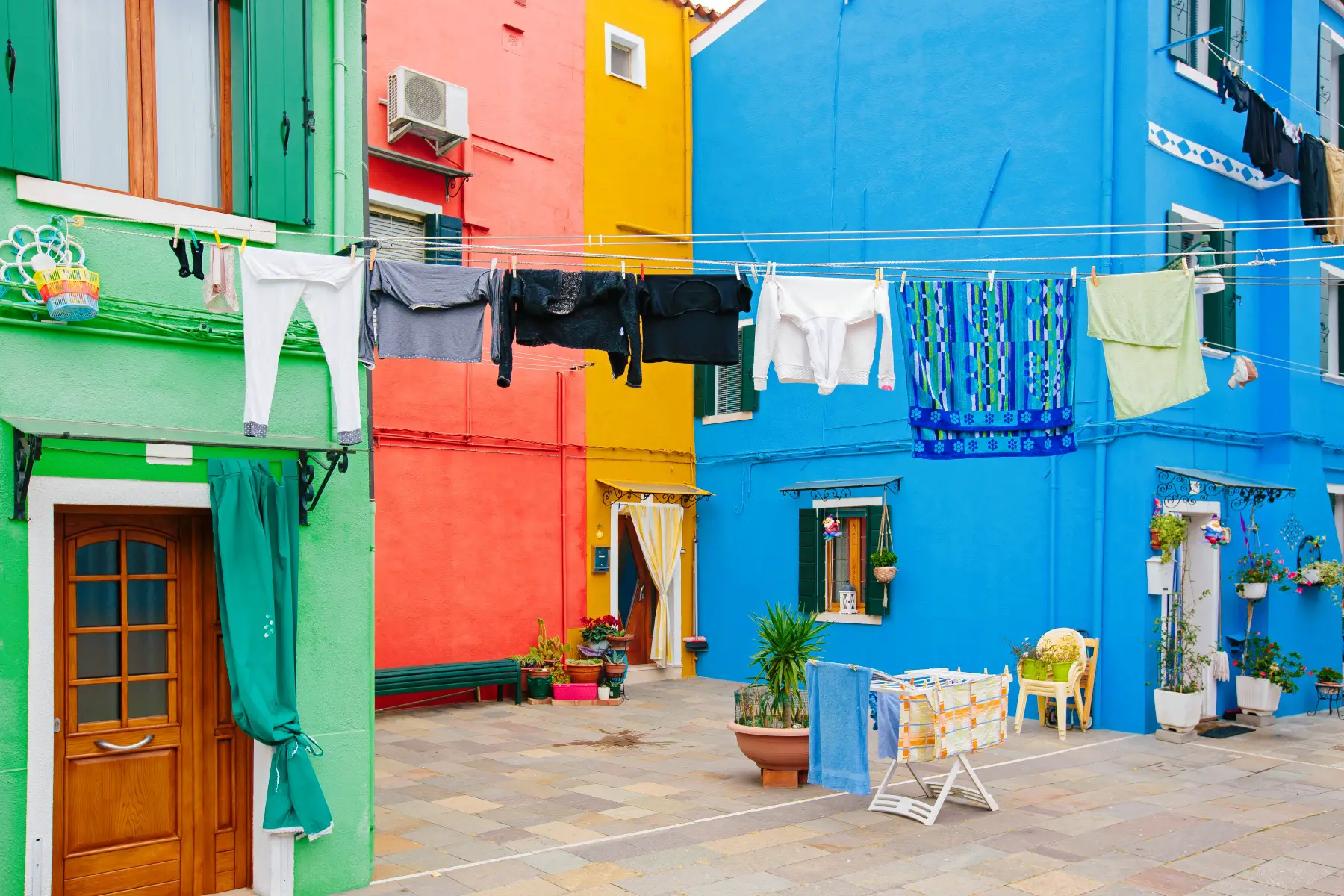
When Rome fell in 476 CE, Italy fragmented into numerous city-states and entities. By the Middle Ages, the peninsula was home to a mix of political systems. Genoa (Genova) and Venice (Venezia) were prosperous maritime republics that traded with the rest of the world. The pope held sway over Central Italy, while the Southern societies were more feudal in nature.
Then came the Renaissance, perhaps the most important event in the European Middle Ages. Thought to have begun in Florence, the movement promoted the rediscovery of classical thought, art, and literature and shaped the modern world as we know it. It wasn’t until the mid-19th century, however, that Italy was reunified.
Key dates in modern Italian history
- 1861: Risorgimento, or unification of Italy into a single state under King Victor Emmanuel II
- 1871: Rome is captured and becomes the capital of modern Italy
- 1890: New Penal Code is enacted. Homosexual activity is legalized.
- 1915: Italy enters World War I on side of Allies
- 1919: Italy gains Trentino, South Tyrol, and Trieste from Austria-Hungary in post-war peace treaties.
- 1922: Fascist leader Benito Mussolini becomes Prime Minister and establishes an authoritarian system
- 1935: Italy invades Ethiopia
- 1936: Mussolini allies with Nazi Germany
- 1939-40: Italy annexes Albania and enters World War II alongside Germany
- 1941–43: Italian loses colonies in East Africa
- 1943: The Allies invade Sicily and then mainland Italy. Mussolini is overthrown. Italy signs an armistice with the Allies and declares war on Germany. German troops pour into Italy.
- 1943–45: Italian Civil War. Mussolini’s Italian Socialist Republic fights against the Italian partisans and the Italian Co-Belligerent Army of the Kingdom of Italy.
- 1945: The Axis forces in Italy surrender. Mussolini is captured and executed.
- 1946: Italy votes to replace the monarchy with a republic in a referendum
- 1947: Italy gives up power of land and territories under the Paris Peace Treaties
- 1948: Christian Democrats win first parliamentary elections. New constitution is adopted
- 1951: Italy joins the European Coal and Steel Community
- 1957: Italy becomes a founder member of the European Economic Community
- 1974: Referendum confirms divorce law
- 1978: Abortion is legalized
- 1984: Italy becomes a secular state; Roman Catholicism loses its status as the state religion
- 1995: The Schengen Agreement comes into force
- 2002: The euro replaces the lira currency
- 2005: Italy’s parliament ratifies the EU constitution
- 2008: Italy is officially in recession
- 2013: Sicily declares state of emergency after hundreds of migrants die trying to reach Europe from Africa
- 2022: Giorgia Meloni becomes the first female Prime Minister. She leads Italy’s most right-wing government since 1945.
Italian economy and living standards
Despite its laidback image, Italy boasts the world’s ninth-biggest economy. The country was one of Europe’s weakest economies at the end of World War II, but it is now one of its strongest. Services, particularly tourism, are the biggest contributor to gross domestic product (GDP), but Italian-manufactured products have a worldwide reputation. Italy is also a leading producer of select agricultural products, notably olive oil, rice, tomatoes, and wine.

As might be expected, living standards are generally high. The country outperforms the OECD average in health, work-life balance, and civic engagement. Yet, Italy underperforms the OECD in income, employment, education, environmental quality, and life satisfaction.
Italy ranks 35th on Numbeo’s Cost of Living Index. Life is cheaper than in the United States and France but more expensive than in Saudi Arabia and Spain. In 2023, average monthly expenses for a household in Italy were around €2,437. Of course, this varies depending on where you live and the size of your household.

Income disparity in Italy has risen since the 2008 financial crisis. As of December 2021, its inequality of income distribution ratio was 5.86, higher than the Euro area average of 4.93. Italy was more unequal than Czechia (3.4) and the Netherlands (3.88). By comparison, Italy was better off than Spain (6.19) and Bulgaria (7.45). In addition, Italy has a lower GDP per capita than the EU average.
What are Italian people and society like?
As one of Europe’s largest countries, Italy is home to 59.2 million people. It also has a higher population density than many EU countries, with 201 inhabitants per square kilometer.
Native Italians form the dominant ethnic group. Some 8% of the population comprises non-Italian minorities. Romanian Italians are the largest minority group, at about 1.8% of the population. Maghrebi or Arabic Italians comprise 1.1%, and Albanians 0.8%, World Atlas data shows. Although Italy is generally considered a welcoming country, immigration from North Africa has become a controversial topic that Italian politicians frequently exploit.
In terms of languages, standard Italian is the most widely spoken. However, there are many regional dialects across the length and breadth of the peninsula. A few languages enjoy legal protections and/or recognition in specific areas. These include:
- French in Valle d’Aosta
- German and Ladin in the Trentino-Alto Adige
- Slovene in Trieste
- Friulian in Friuli
- Sardinian in Sardinia
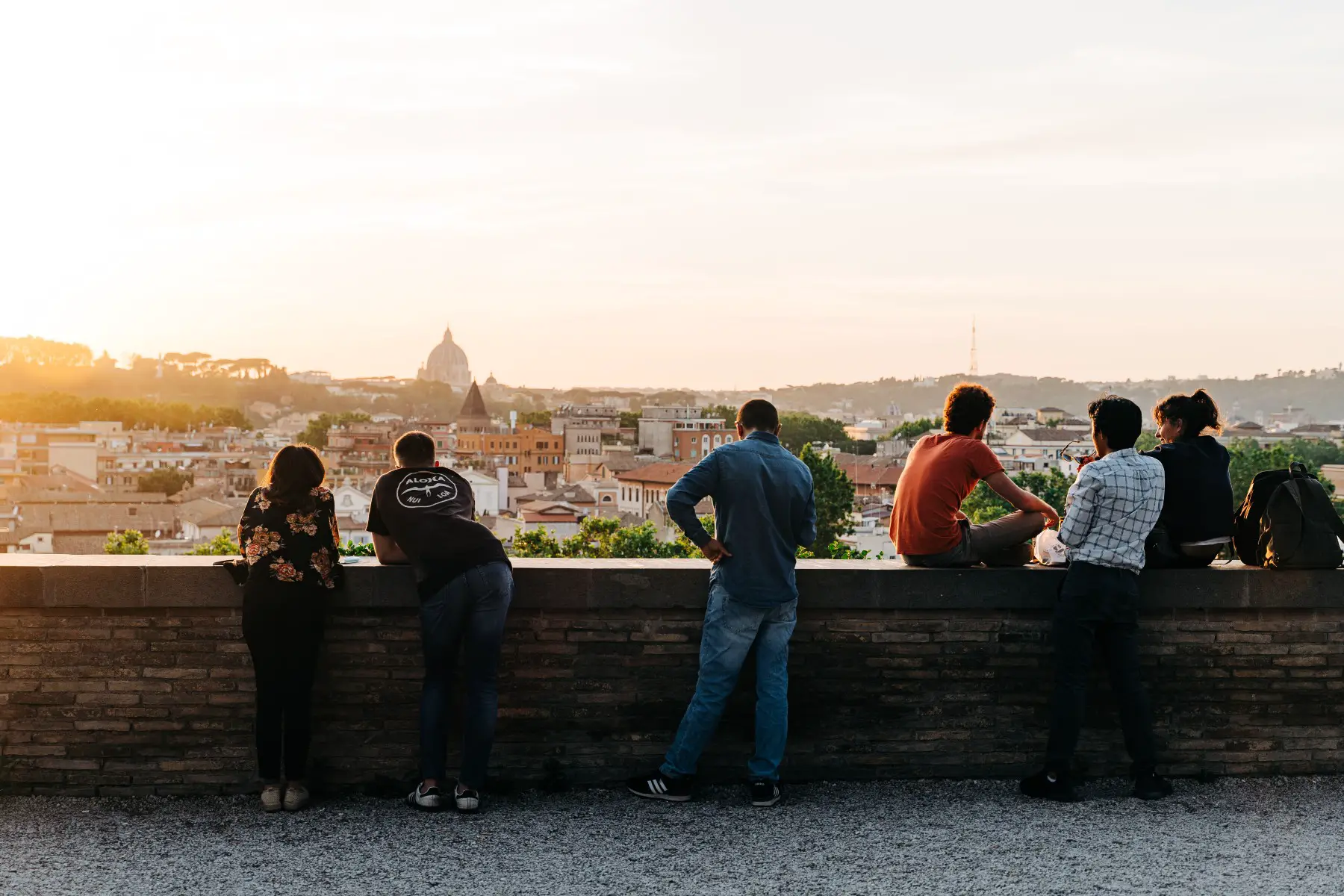
Religion in Italy
Italy has been a secular state since 1984, and the constitution protects freedom of religion. However, the image of Italy as staunchly Catholic isn’t too far off the mark. Some 79% of the population still identifies as Roman Catholic.
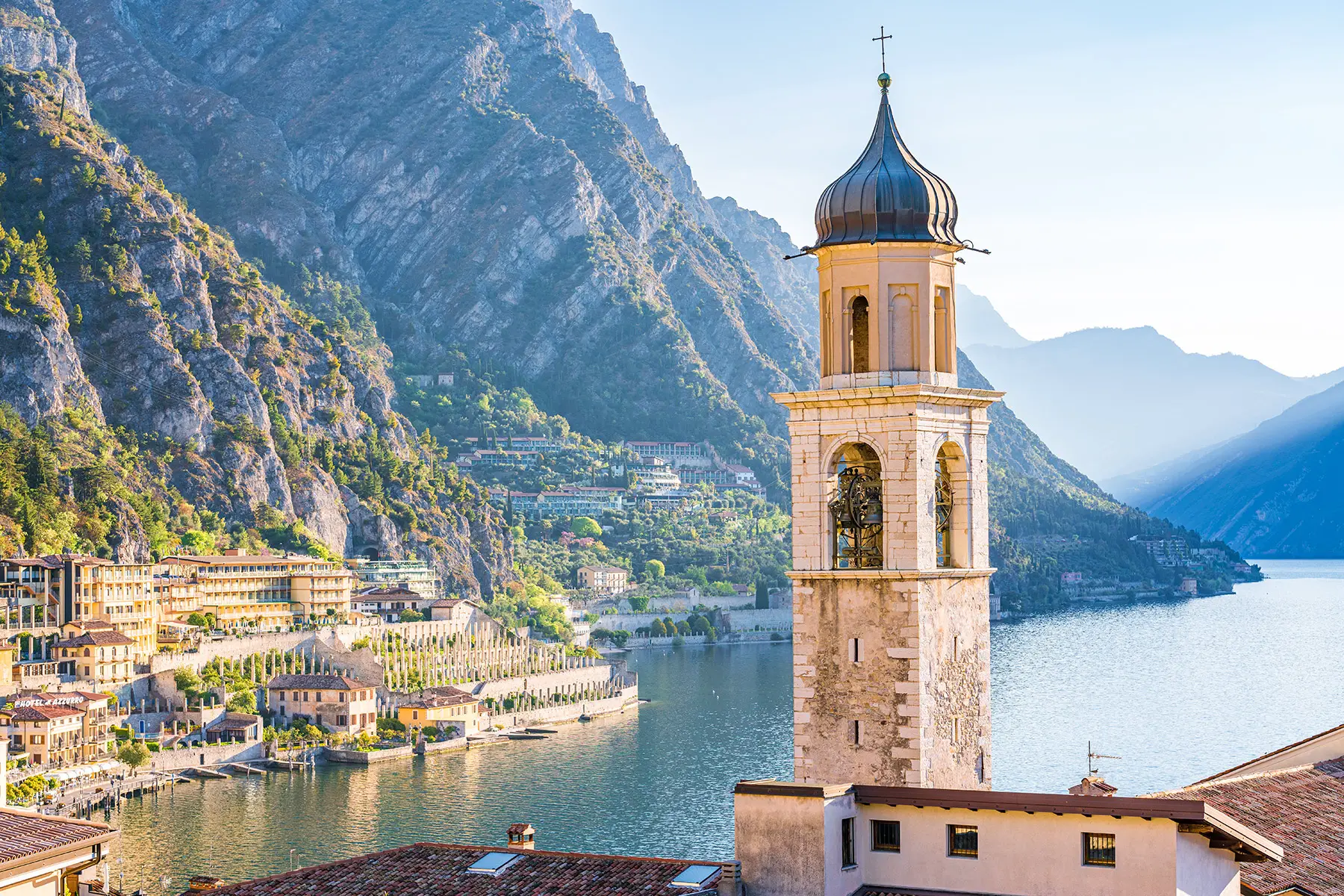
Religion is less important to most Italians today than in the last century. Religious activity is largely restricted to Sundays and special celebrations such as Christmas and Easter, although mass may be a feature of daily life in rural areas.
Italian customs and etiquette
Adopting local customs and etiquette can help you settle into a new country more easily. Here’s what you should know about Italy:
- Greeting friends and family with a kiss (on the cheek) is common, irrespective of gender.
- Italians appreciate good dress sense. Making a good impression – la bella figura – is an integral part of the culture.
- In social situations, time is flexible. In Italy, being on time can mean being 20 or 30 minutes late.
- Chivalry is alive and well. The young open doors for the elderly, and men often open doors for women.
- Friends may drop in unannounced, particularly on Sundays and holidays. This is less common in cities than in rural areas.

As you’d expect in Italy, customs often revolve around food, especially sharing it:
- You may be invited to dinner more quickly than in other European countries. Bring a gift of wine, chocolates, or flowers.
- If a visitor drops in before dinner time, it’s expected that you will offer them a meal.
- Some Italians may say grace before meals.
- Meals can last hours. Plan accordingly.
- Leave your wine glass nearly full if you don’t want a refill.
Italian lifestyle and culture
The world owes a cultural debt to Italy, one of the birthplaces of Western civilization. As a global crossroads for over 2,000 years, several important phenomena began on the peninsula: from the Renaissance to Baroque and neoclassicism, from the Roman Republic to the Roman Catholic Church, and from Michelangelo to Machiavelli.
Today, Italy’s cultural heft is felt on a number of fronts: in art, music, film, fashion, food, and cars. New arrivals to Italy can experience all of these every day. The bigger cities are famous around the world for their cultural attractions, whether it’s the Uffizi Gallery in Florence or the Vatican museums in Rome.
Like everywhere else, however, Italians might hang out with friends at a restaurant, head to a local football match, or curl up at home with a spot of Netflix.
Art and culture in Italy
Italy hosts a wide range of music and theatre events throughout the year. Depending on the city you’re in, you’ll easily find local orchestras, live bands, and even opera performances. The best take place in the bigger metropolitan areas, of course, such as La Scala and the Sala Verdi in Milan. Even smaller cities, such as Naples and Verona, are home to their own opera venues, such as the Teatro San Carlo and the Arena di Verona respectively. Rock music may be harder to come by. However, Måneskin fans will find several venues across the country, especially for touring acts.

The major contemporary art galleries, on the other hand, tend to be concentrated in Milan and Rome. Venice, even outside the biennale, remains a major draw for new and emerging talent.
Italian cinema is also having a moment. Directors such as Paolo Sorrentino and Luca Guadagnino have earned plaudits around the world. Others such as Alice Rohrwacher, Matteo Garrone, and Laura Bispuri are producing exciting work focused on present-day issues.
Beyond an understanding of life on the peninsula, Italian movies can expand your language comprehension. Netflix, Prime Video, and local services such as Raiplay all offer a wide range of Italian-language entertainment. At the cinema, foreign films will often be dubbed in Italian. To watch movies in other languages, such as English or French, you’ll have to head to bigger cities such as Rome or Milan.
Italian sports
Italy’s relatively mild climate offers plenty of opportunity for sport. With the long coastlines and beautiful mountains, Italians regularly go sailing, swimming, hiking, and skiing. It’s possible to find sporting activities even in smaller towns.
Football, of course, is the most popular sport in Italy. Six in 10 Italians say they’re interested in the sport. There are nine national and regional tournaments on the country’s football calendar: three are professional, and six are amateur. Each club sells tickets to its games on its website.
Festivals in Italy
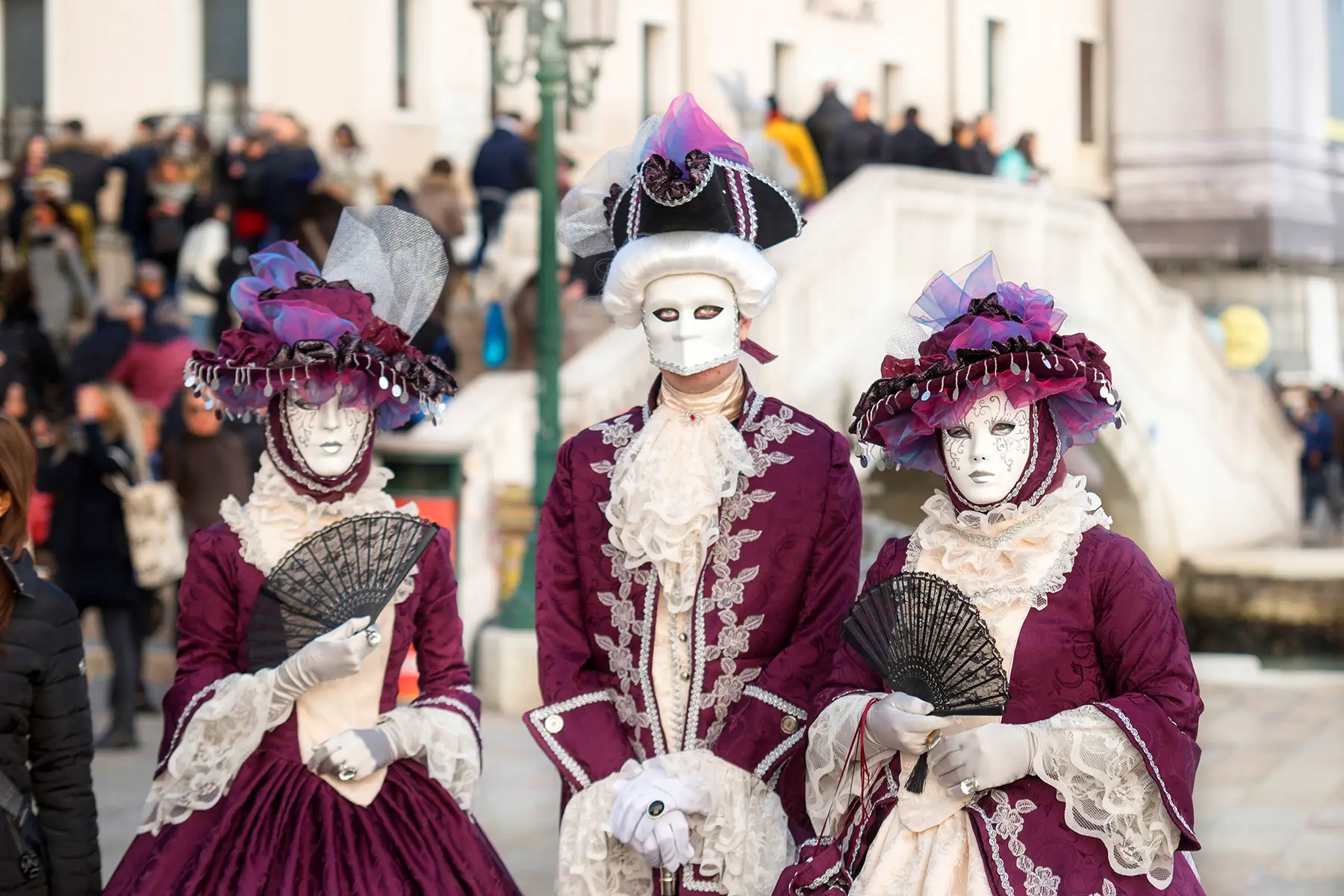
Italian festivals attract millions of visitors each year. From costume extravaganzas and religious parades to food festivals and neighborhood contests, there’s plenty to choose from. Perhaps the most famous is Venice’s Carnevale. However, there are lively carnival parades all over the country. Viareggio and Putignano are just two examples.
Sporting events abound in Italy, too. For horse-racing fans, there’s the Palio in Siena, and the L’Ardia Di San Costantino is one of the biggest festivals in Sardinia. The Formula One Italian Grand Prix takes place in Monza at the end of summer each year.
Italians have a strong regard for their history and culture. Several festivals commemorate historical events. The Archidado Joust (Giostra dell’ Archidado) in Cortona is held on the second Sunday of June each year. The streets are decorated in medieval style, while knights, flag throwers, and crossbow shooters roam the streets.
A bit of facts on Italian cuisine
You’ll often hear that you’ll never eat poorly in Italy. Stick with local fare, and you’ll find yourself agreeing. However, the term ‘Italian food’ may be a misnomer. Italian cuisine – whether food or drink – varies widely across the peninsula. Indeed, there are as many types as there are sauces and condiments to cook them.
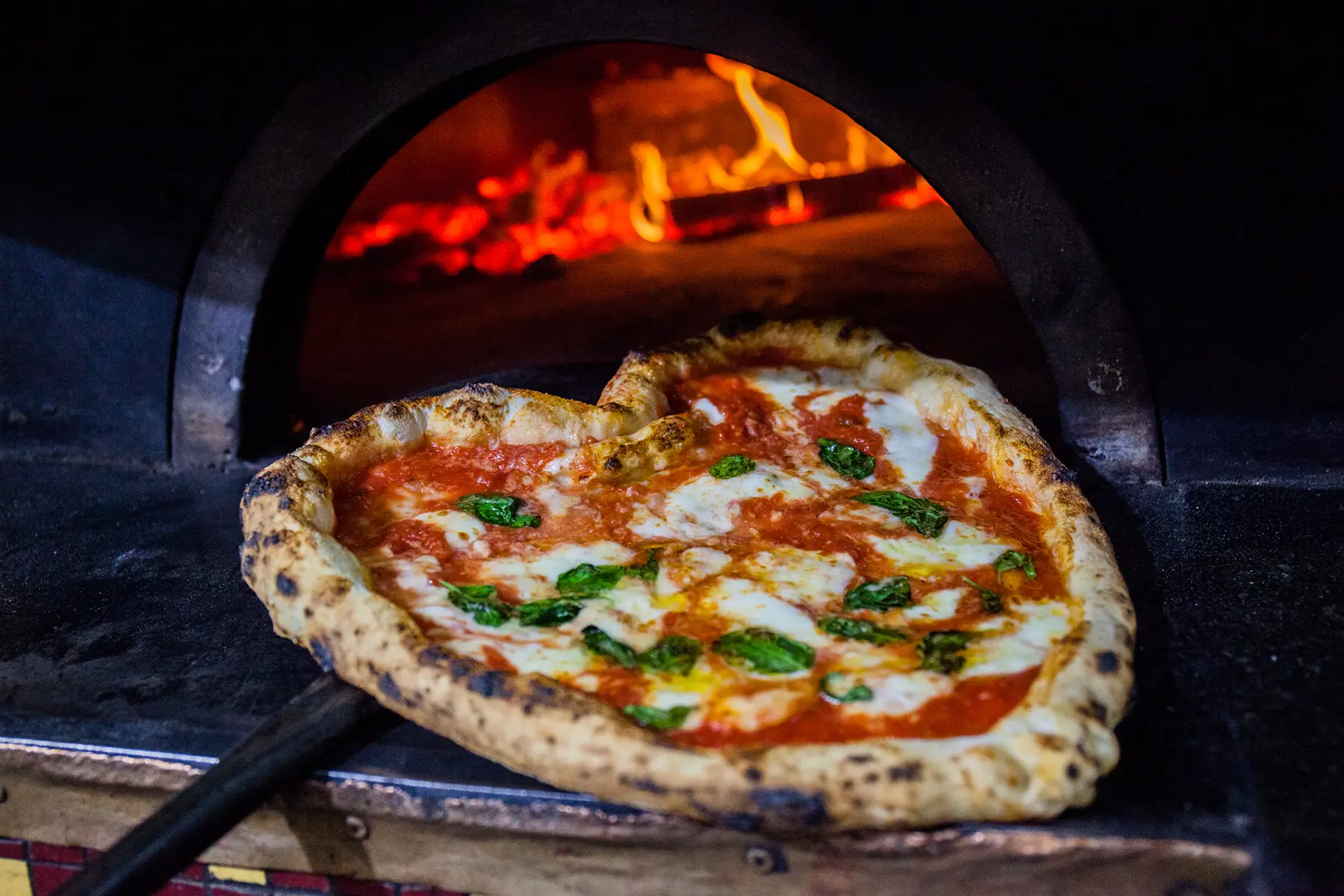
Even common sauces – such as the meat-based ragù – differ from region to region. While ragù alla bolognese (Bolognese sauce made with minced beef) is perhaps the most well-known around the world, you’ll find a Neapolitan version made with beef and pork, a Calabrian one with chilies, one from Bari that is often made with horse meat, and a white version without tomatoes from Umbria. Not only will you eat well wherever you are, but you’ll also find Italian food reasonably priced. Restaurant prices are 14% lower in Italy than in the US, according to Numbeo.
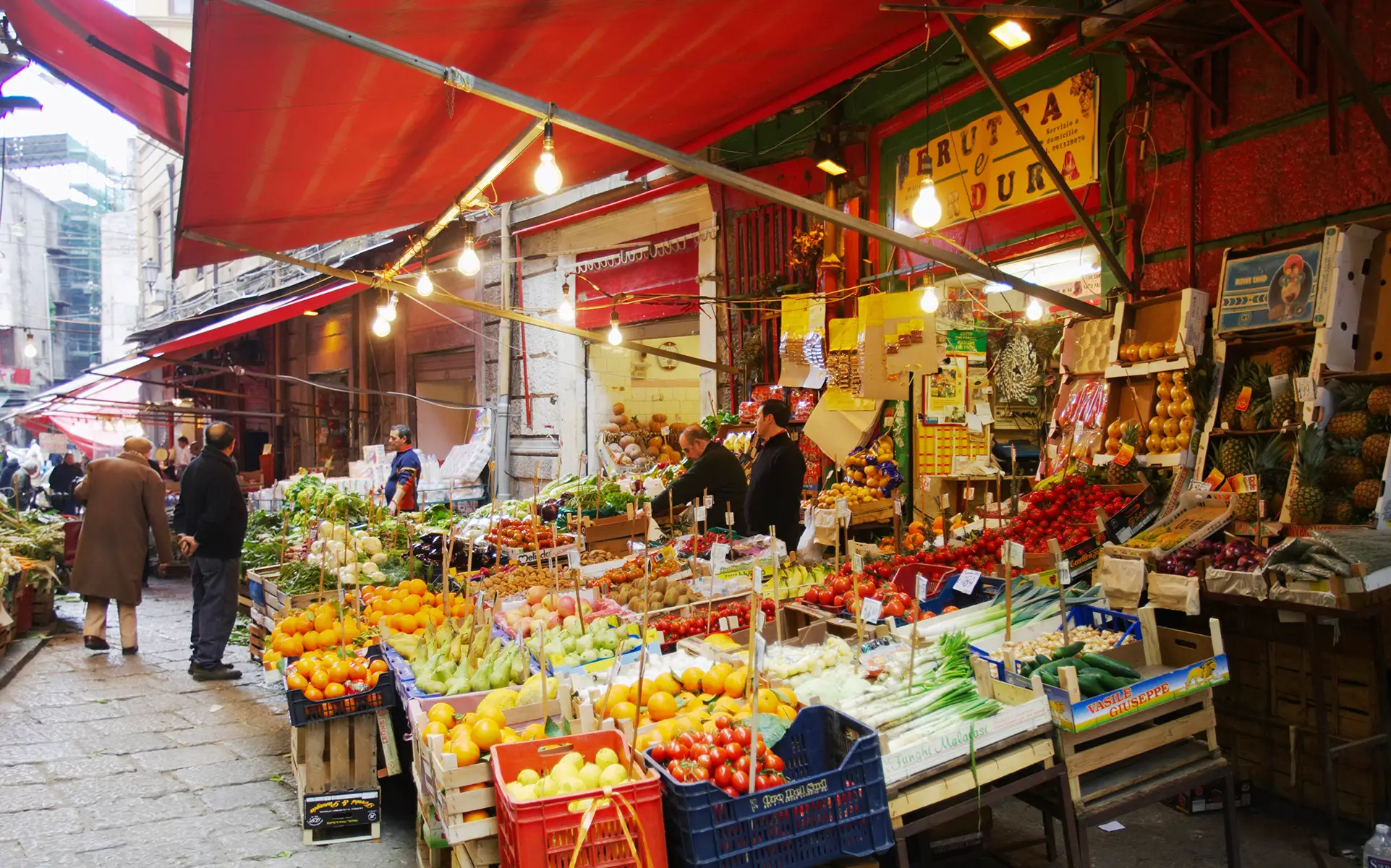
That doesn’t take into account the fine tradition of aperitivo. This characteristic part of Italy’s food scene consists of drinks served early in the evening. Restaurants usually package them with a tray of appetizers, which are sometimes free of charge. In some cases, staff may ask you if you want drinks without the snacks (for a lower price).
It’s no surprise, then, that dinner is often later than in many other countries. Italians usually dine between 20:00 and 21:00. When it comes to dinner ingredients, Italians pride themselves on using seasonal, local produce – perhaps a nod to the tradition of cucina povera. Even a simple salad will be luxurious and fresh – but on a hot summer evening, an insalata Caprese and bread might be acceptable.
Lunch is also often a warm meal, though usually less elaborate. Although sandwiches are more common fare these days, eating ‘al desko’ is almost always frowned upon.
Politics, government, and administration
Italy has a thriving democracy. So much so that there have been 68 governments since the end of World War II, or one every 1.1 years. The basics, thankfully, have stayed the same – Italy has been a parliamentary republic since 1946.
The President of the Republic is the head of state and is elected by parliament and representatives from every region. Presidents serve seven-year terms. The current head of state, Sergio Mattarella, has been in power since 2015 and is serving his second term.
The head of government, on the other hand, is the prime minister, officially the President of the Council of Ministers. The President of the Republic appoints the prime minister after post-election consultations with the majority parties. As such, this is usually the person most likely to win the confidence of parliament. Giorgia Meloni became Italy’s first female prime minister in 2022.
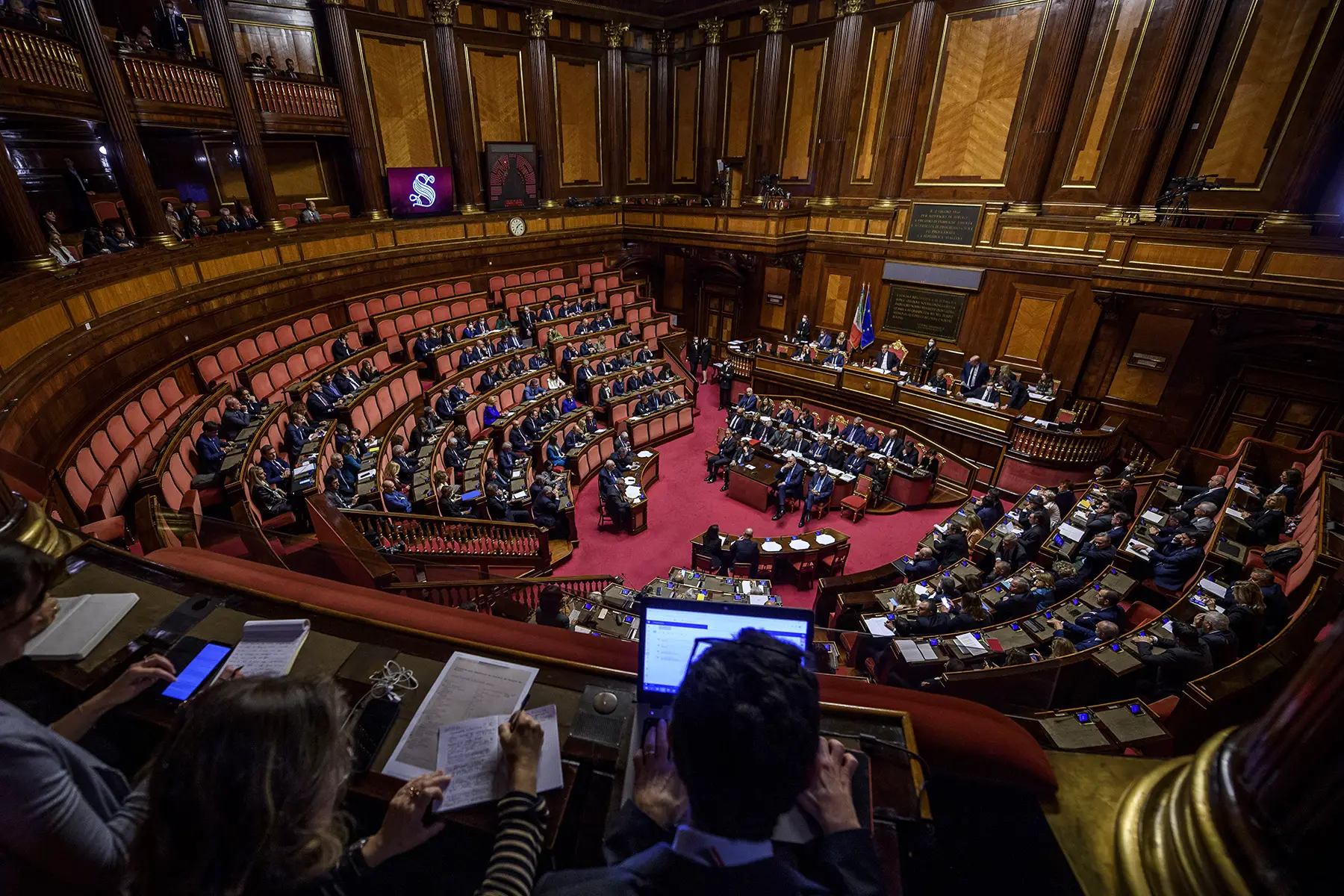
The Council of Ministers – or the cabinet – is the government’s main decision-making organ. Ministers typically come from the parties constituting the government majority. Parliament, meanwhile, consists of two houses. The 400-strong Chamber of Deputies is nationally elected. Conversely, the Senate of the Republic comprises 206 members, including regionally elected representatives and six senators for life.
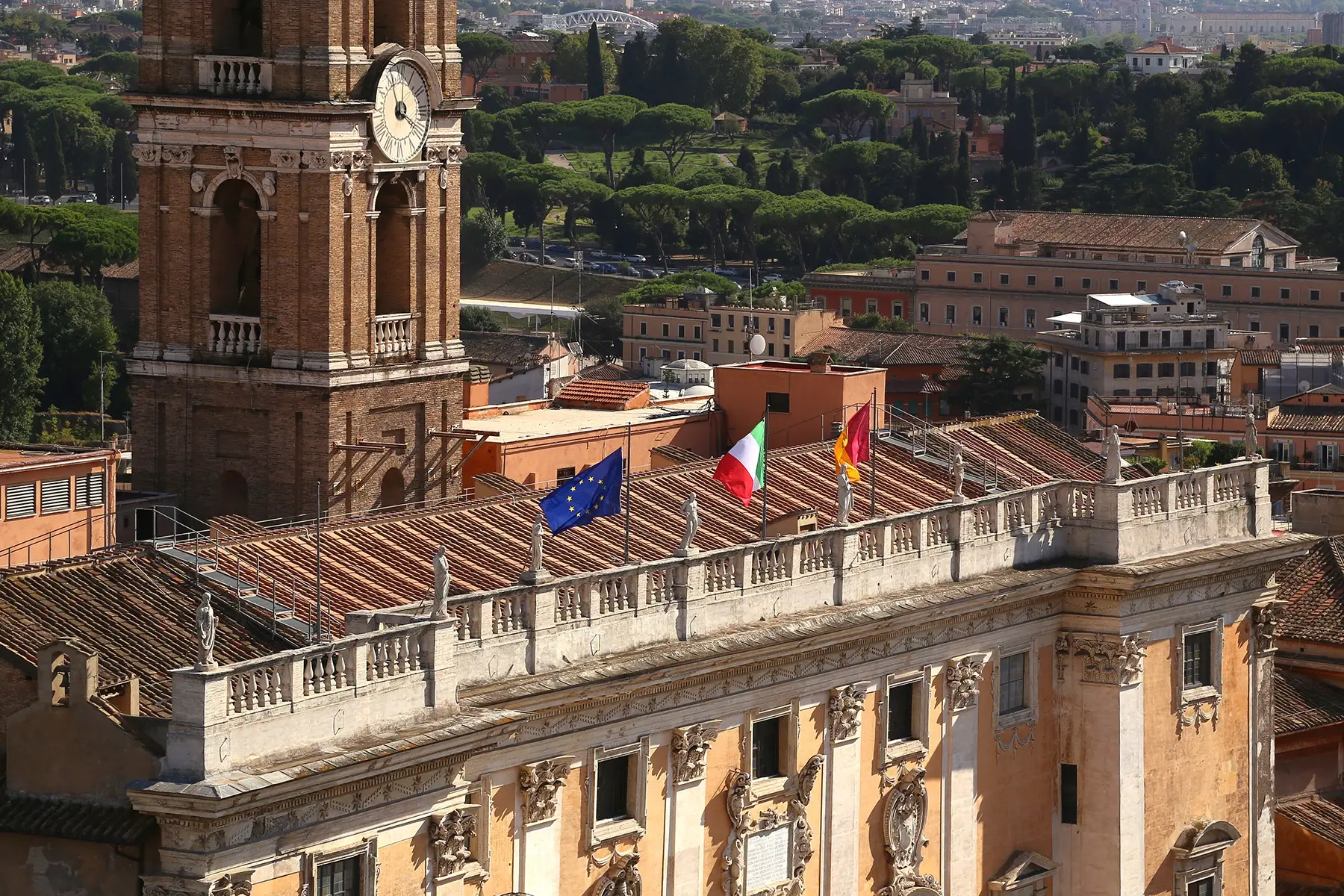
Parliament’s main function is to enact laws. In addition, it reviews government progress and institutes inquiries. The government may issue emergency decree laws in special cases, but these are subject to approval by parliament.
Politically, Italy is divided into regions (regioni), provinces (province), and communes (comuni). Each has its own councils, committees, and presidents. It’s worth figuring out which bodies’ actions can shape your rights.
Voting in Italy
All Italian citizens aged 18 and older may vote in the different elections. Foreigners may be eligible to vote in some polls, depending on their nationality. All EU citizens registered as residents in Italy are legally entitled to vote in certain Italian elections (elezioni). These include the local municipal elections and the European parliamentary elections.
The legal system
Italy’s judicial system consists of three tiers of courts that interpret and apply the country’s law. Judges are civil servants and must be Italian citizens. Constitutionally, the judiciary must be independent of the legislature and the executive. Italy’s highest court is the Supreme Court of Cassation (Corte Suprema di Cassazione).
Italian law, especially civil legislation, is based on Roman law. Many modern regulations stem from the codes of the Kingdom of Sardinia, and were extended to the whole of Italy after unification. Naturally, several elements of the code have subsequently been revised in keeping with the times.
Italy’s main political parties
Political formations frequently appear and disappear in Italy. As of 2022, there were nearly two dozen national political parties in Italy. Since World War II, no single party has won enough votes to govern alone. Coalition governments are, therefore, the norm.
In the 2022 general elections, the major political coalitions were as follows:
- The center-right coalition (coalizione di centro-destra) won the most votes in 2022. It comprises Meloni’s Brothers of Italy (Fratelli d’Italia), Matteo Salvini’s Northern League (Lega Nord), Silvio Berlusconi’s Forward Italy (Forza Italia), and Us Moderates (Noi moderati). The coalition has formed Italy’s most right-wing government since 1945.
- The center-left coalition (coalizione di centro-sinistra), spearheaded by Enrico Letta’s Democratic Party (Partito Democratico, PD). It includes several other parties: the Greens and Left Alliance (Alleanza Verdi e Sinistra), More Europe (Più Europa), and Civic Commitment (Impegno Civico). The center-left coalition, a successor to The Olive Tree, was in government from 1996-2022.
- The populist Five-Star movement forms the third major political force in Italy. Former prime minister Giuseppe Conte is its leader. It does not see itself as either right or left.
- Italy’s other major political grouping calls itself the Third Pole (Terzo Polo). The centrist coalition comprises several PD splinter parties, including Carlo Calenda’s Action (Azione) and Matteo Renzi’s Italy Alive (Italia Viva).
Becoming an Italian citizen
If you didn’t luck out in the birth lottery, there are three ways to become an Italian citizen. That’s by descent, marriage, and via naturalization. Citizenship by ancestry is granted through the maternal line for individuals born on or after 1 January 1948. Via the paternal line, there is no limit on the number of generations.
If you marry an Italian and live in the country, you can request a passport after two years of marriage. If you live outside Italy, the wait is three years. To apply for Italian citizenship by naturalization, you need to live in Italy for at least 10 years. You must show adequate financial resources and a clean criminal record. Residency requirements vary for foreigners born in Italy, nationals of EU states, and refugees or stateless persons.
Civil rights and freedoms in Italy
According to several indicators, Italy is one of the world’s freest countries. The nation has a global freedom score of 90 out of 100, according to the US non-profit Freedom House. There is strong respect for civil liberties. However, there are substantial regional inequalities, and concerns about migrants’ rights persist. Corruption and organized crime remain a challenge, the non-profit says.
Organized crime, particularly in the south, also threatens press freedom, according to the NGO Reporters without Borders. In addition, extremist and protest groups undermine freedom of the press – the Ministry of the Interior registered 232 acts of intimidation against journalists in 2021. That’s a 42% increase over the previous year. Nevertheless, the constitution guarantees freedom of expression, including for the press and other media.
Human rights in Italy
Likewise, human rights are well protected in Italy. There is freedom of belief and faith, the right to asylum from undemocratic countries, the right to work, and the right to dignity and equality. Italy has also enacted specific rights for women, children, and LGBTQ+ people.
Equal rights for women were enshrined in the 1948 constitution. They had received the right to vote in a referendum two years earlier. However, many of the major advances only came about in the 1970s. Italian women now enjoy the same legal rights and job, business, and educational opportunities as men.
Children are constitutionally equal to other citizens in the eyes of the law. The family and the state are responsible for feeding and educating children. Corporal punishment has been unlawful in all settings since 1996.
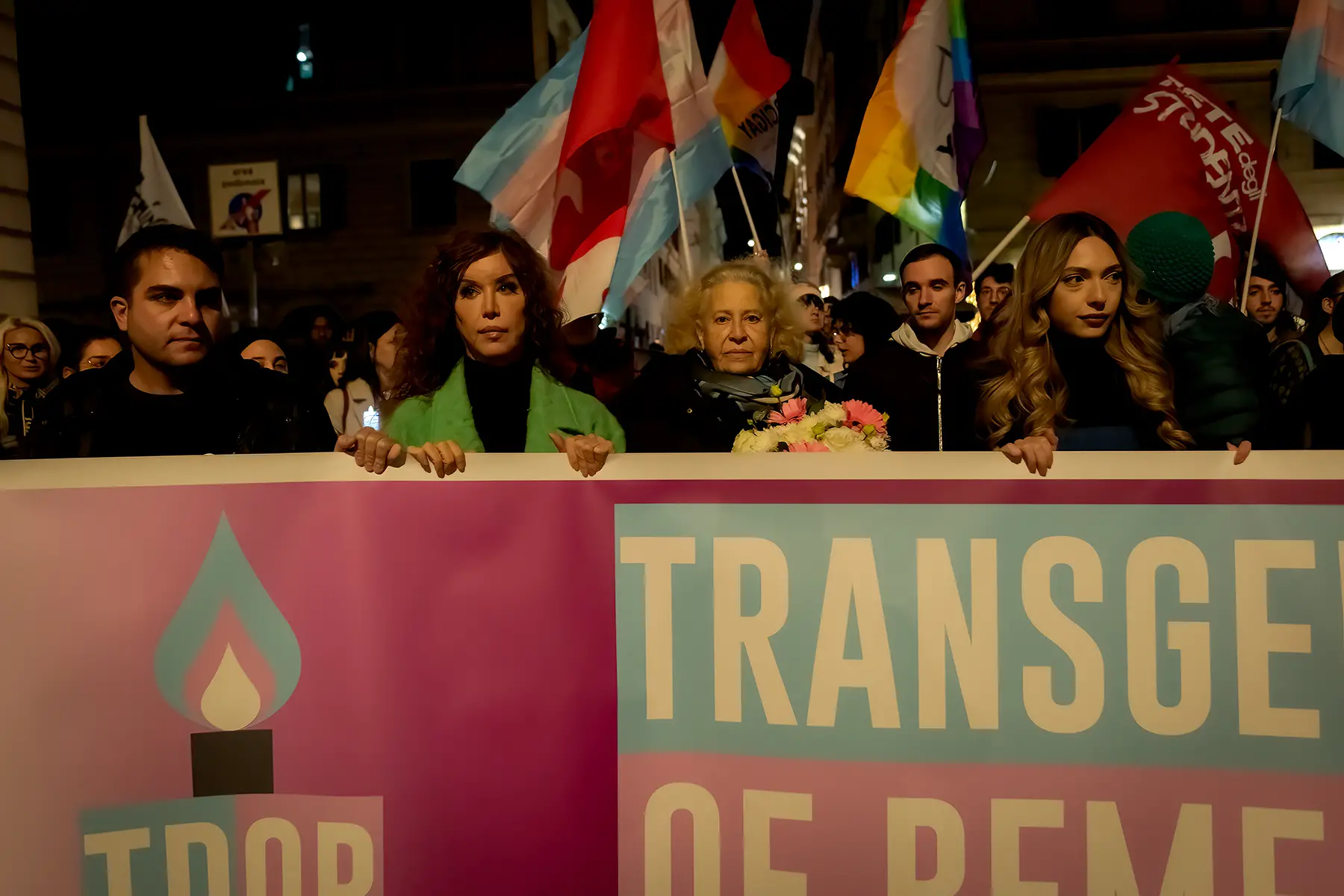
When it comes to LGBTQ+ rights, these are relatively progressive in Italy. Nevertheless, some issues remain. On the positive side, there is no censorship of LGBTQ+ issues, and public attitudes are fairly positive. The age of consent has been equalized, and LGBTQ+ individuals can serve in the military. Trans people can change their gender legally without surgery. However, while same-sex civil unions have been recognized since 2016, full marriage remains out of reach.
Internationally, Italy is a firm advocate of human rights. It works with the United Nations Human Rights Council (UNHRC) to fight all forms of discrimination. Focus areas include imposing a universal moratorium on the death penalty and promoting the rights of women, children, religious minorities, and disabled persons, among others.
Crime and policing in Italy
Put aside any misconceptions of widespread Mafiosos. In general, surveys show moderate perceptions of crime. In terms of safety, the 2022 Global Peace Index puts the country 32nd out of 163, sandwiched between Romania and Estonia. The number of reported crimes has, in fact, been steadily declining since 2017, according to IStat.
Petty crimes, such as pickpocketing or theft from parked cars, are serious problems in larger cities. More severe crimes, such as homicide, are rarer. That’s not to say there’s no Mafia activity. Organized crime and corruption are a challenge, but there have been significant attempts to tackle the problem in recent years.
Statistically, Milan is Italy’s most dangerous city. Altogether, 193,750 crimes were reported there in 2021. That’s about 6,000 reported crimes for every 100,000 residents. Other significant cities for crime include Rimini, Turin, Bologna, and Rome. The data from Italy’s department for public security was collated by the financial newspaper Il Sole 24 Ore.
In Italy, 73% of people say that they feel safe walking alone at night, OECD data shows. That’s slightly less than the OECD average of 74%.
Policing
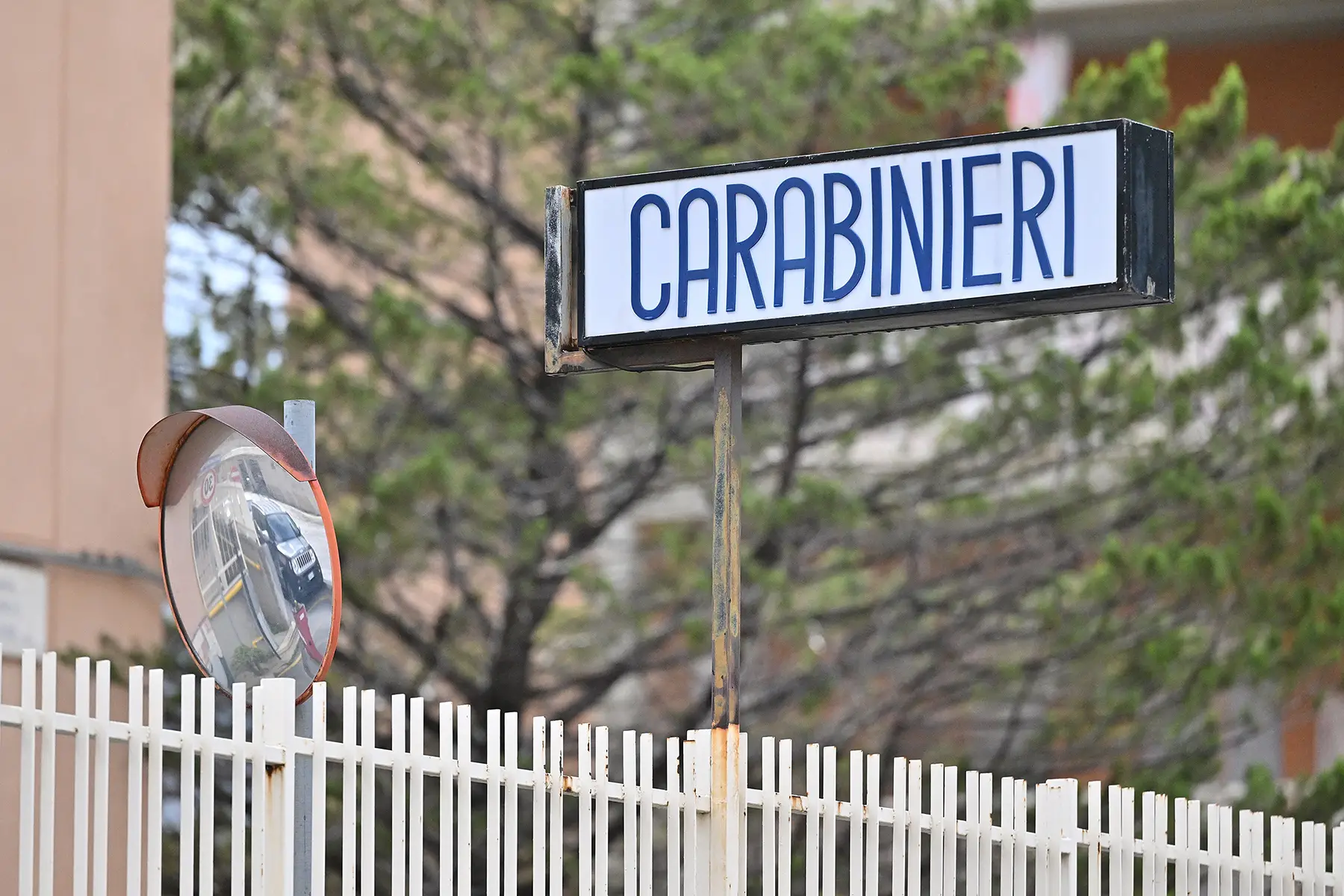
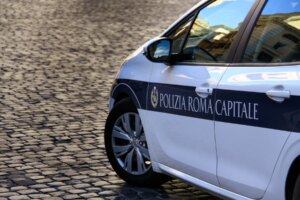
There are three main police forces in Italy. The Carabinieri are the national gendarmerie, while the Polizia di Stato are the national civil police. The two maintain law and order along with several local agencies. A third militarized force, the financial guard (Guardia di Finanza), deals with financial crimes, the illegal drug trade, smuggling, and other offenses.
About 68% of Italians say they trust the police, according to a 2021 survey by the National Institute of Statistics (Istituto Nazionale di Statistica – ISTAT, source: in Italian). That said, only 47.4% of the population had confidence in the justice system.
If you need the police urgently, you can reach them on their emergency number: 113.
Healthcare, welfare, and social security
Your healthcare needs in Italy will be met by the Servizio Sanitario Nazionale (SSN – link in Italian), the national health service. Italy funds its healthcare through taxation, spending 9.6% of its GDP on health, just below the EU average of 10.9%. Public healthcare is largely free of charge, and citizens and residents receive universal coverage. However, the SSN is administered regionally, so quality can be uneven.
Nevertheless, the healthcare system scores relatively highly for quality, cost, and finding care. The country ranked 17th on the health sub-index of the 2021 Legatum Prosperity Index. The index tracks residents’ access to the services required to maintain good health. Remarkably, just 1.8% of the population has unmet healthcare needs, according to the European Commission.

Nationals of the European Union or European Free Trade Association countries who are in Italy for less than three months can use their European Health Insurance Card (EHIC) to access SSN services.
Life expectancy at birth in Italy is approximately 84 years. That’s three years higher than the OECD average of 81 years. Women can expect to live longer than men, at 86 years and 81 years respectively. Italians are also relatively satisfied with their lot. On the 2021 World Happiness Report (PDF), Italy placed 25th out of 95 countries, just below Spain and slightly ahead of Slovenia and the UAE.
Private health insurance in Italy
While healthcare is free and mandatory in Italy, many expats choose to take out private health insurance for supplementary coverage. This is especially helpful if you travel outside the country a lot, prefer access to English-speaking doctors, or are new to Italy and not yet covered by the SSN.
Some of the global companies that provide expat-friendly insurance plans in Italy include:
Italian welfare and social security
Salaries may be low, and governments may come and go, but Italy takes care of its people. The robust welfare system covers healthcare, pensions, social housing, and employment and unemployment benefits.
Social security is guaranteed for people who do not have the minimum resources to live. Welfare benefits in Italy are linked to your job, nationality, and residence status. These benefits are funded by the taxpayer and include:
- Social Allowance (Assegno Sociale) replaced Italy’s social pension in 1996. It is independent of contributory payments. You are entitled to it if you can’t make ends meet.
- The citizenship-guaranteed minimum income (Reddito di Cittadinanza) and citizenship-guaranteed minimum pension (Pensione di Cittadinanza) to combat poverty, foster social inclusion, and aid reintegration into employment.
- Local social inclusion support services at the regional and local levels. Rules, types, and income requirements vary by region and municipality.

Some 30.1% of GDP went towards welfare and social expenditure in Italy in 2022 (healthcare is estimated separately). That’s well above the OECD average of 20%.
Italy’s education system
If you’re moving to Italy with kids, it’s essential to know how the education system works. Fortunately for internationals, the schooling system is very inclusive, and public schooling is free. However, Italy ranks 34th out of 41 OECD countries for educational attainment – only 63% of adults aged 25–64 have an upper secondary education, compared to an average of 79%. This has, nonetheless, increased by 18 percentage points (PDF) over the past couple of decades, so it’s safe to say education is becoming more of a priority.
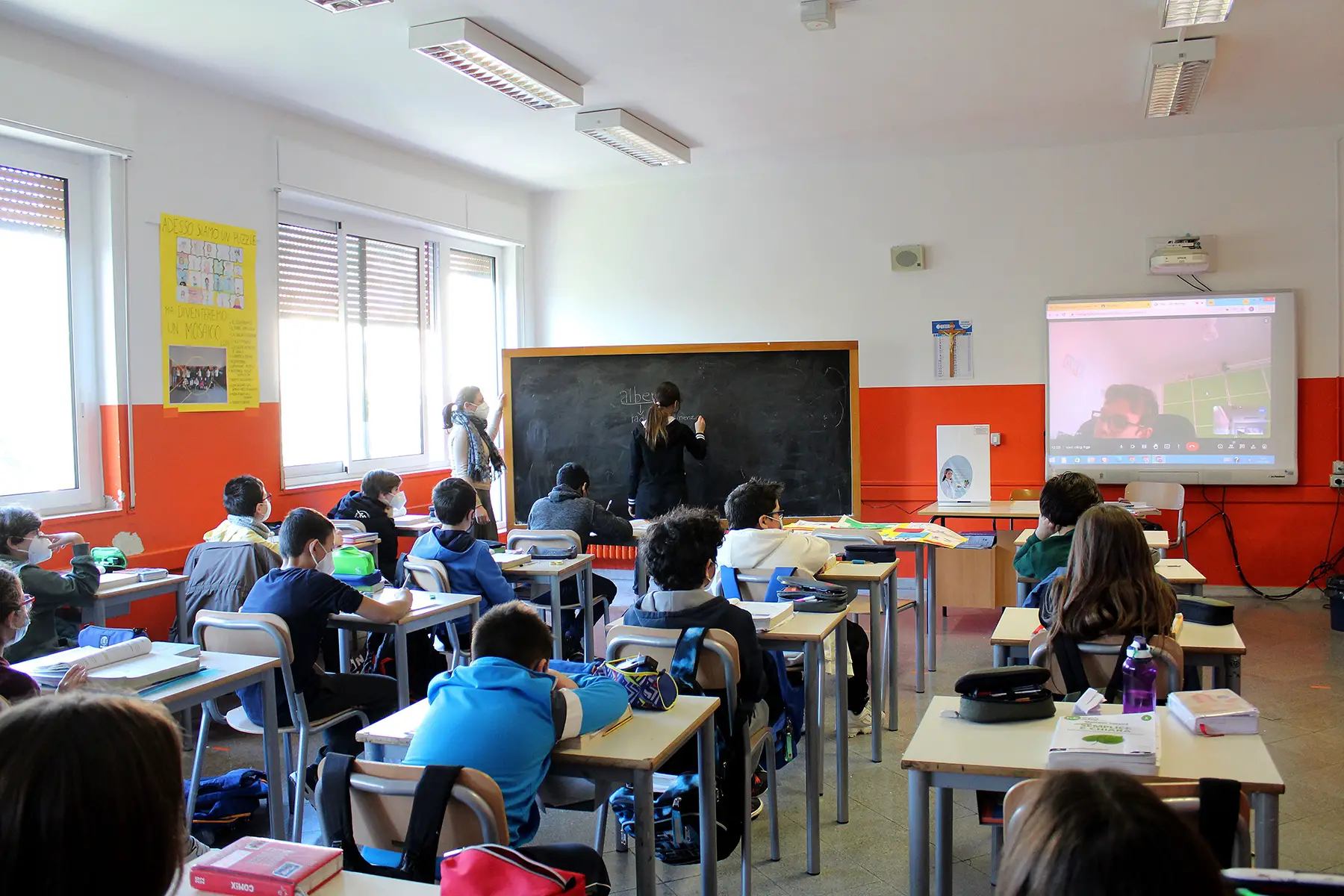
Despite the increased importance of education, Italy spends less on its system than other OECD countries (7.4% versus an average of 10.6%). In terms of quality of education, 15-year-old students scored a combined PISA ranking of 476 for reading, mathematics, and sciences. The OECD average is 487.
Schooling in Italy
Generally, Italians study for 16.7 years, below the OECD average of 18. Although day nurseries (asili nidi) accept children from as young as three months, schooling is only mandatory from age six. Typically, primary school (scuola primaria) caters to students aged 6 to 11. Secondary education includes lower (primo grado) and upper (secondo grado) levels and lasts from 11 to 19 years of age.
Tertiary or higher education in Italy covers a wide range of institutions. Besides universities, there are institutes for art, music and dance, private institutions, and technical institutions offering short-term courses.
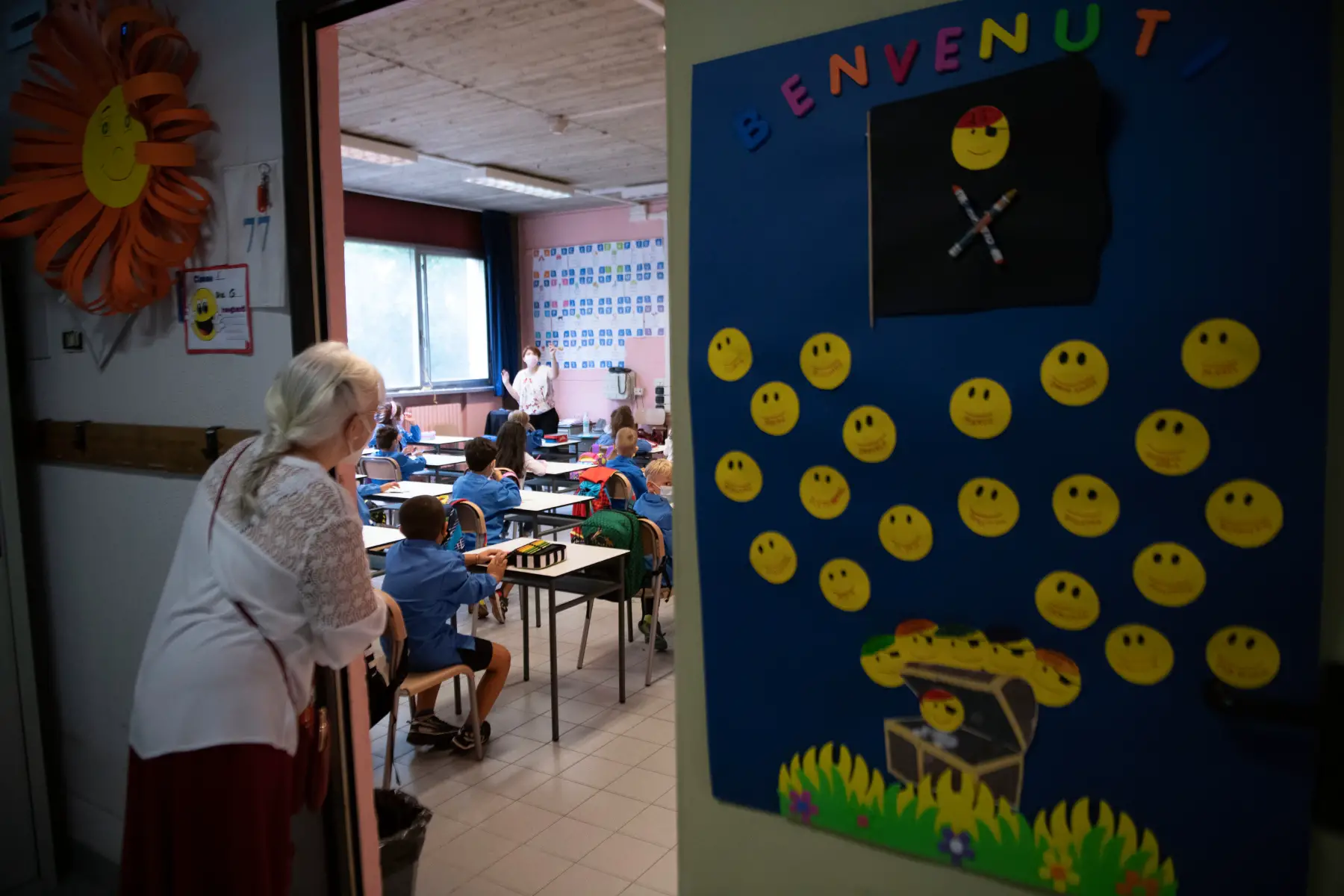
Italy’s state-funded public educational institutions are popular with expats. But private and international schools are also available and could be better suited to those in transferrable jobs.
Job and business opportunities in Italy
Newcomers to Italy will encounter a few surprises at work. The workweek runs from Monday to Friday, but a two-hour lunch break isn’t unusual. That means you may have a longer workday than normal, from about 08:00 to 18:00. Full-time roles typically run to 40 hours a week. However, Italian labor law allows for an additional overtime of eight hours. Different overtime limits can be fixed by industry agreements. In practice, though, overtime is rare.
Italians value work-life balance. The country has the OECD’s best work-life balance, with a score of 9.4 out of 10. Just 3% of employees in Italy work more than 50 hours a week.
Italy is also one of the few European nations to have no minimum wage protections. However, wages are usually set by collective bargaining agreements in each sector. Workers in Italy can count on social security in the form of unemployment and pension benefits. This forms around 40% of workers’ gross compensation. The employer pays 30%, while workers pay the other 10%. The self-employed register with a different social security scheme, so some benefits may not apply to them.
Finding a job in Italy
With Italy’s high unemployment rates, finding a job as a foreigner can be tough. About 9.8% of the total labor force is unemployed, according to the World Bank. Secondly, Italian speakers usually take priority over English speakers. That’s also the case at international companies where the main language is English.

That said, there are opportunities for expats in skilled and technical jobs. The EU’s European employment services (EURES) website says 38.3% of jobs on offer in Italy remain unfilled. Sector-wise, the following industries have unfilled jobs:
- Metalworking (52.6%)
- Wood and furniture (50.4%)
- Mechatronics (49.2%)
- IT and communications services (49.2%)
- Textiles, clothing, and footwear (47.4%)
Working in Italy as an expat
If you’re keen to move to Italy for work, you’ll need the right paperwork. EU nationals do not require visas thanks to the bloc’s freedom of movement rules. Citizens of European Economic Area (EEA) countries are also free to work in Italy.
Nationals of other countries will need a work visa in Italy, called a nulla osta. This is a type of long-stay visa. It is also called a national or D-visa. This permit will be arranged by your employer at the immigration office in their respective Italian province.

Work visas only allow employees to enter Italy. To remain, you’ll need to obtain a residence permit within eight days of arrival.
Starting a business in Italy
Anyone can start a business in Italy, regardless of nationality. There are several options available. According to the Italian Trade Agency (ITA), you can conduct business either as an individual by setting up a new company or by buying equity in an existing company.
The main company forms are:
- S.r.l. (Società a responsabilità limitata) or a limited liability company
- S.p.A. (Società per Azioni) or a stockholding company (company limited by shares)

Partnerships do not have a legal personality in Italy, although they are companies under Italian law. There are two types of partnerships:
- S.n.c. (Società in nome collettivo), a general or unlimited partnership
- S.a.s. (Società in accomandita semplice), a limited partnership
The ITA has a great guide (PDF) to doing business in Italy.
Italian environment and climate
Italy’s wide topographical diversity impacts its environment and climate. Three biogeographic regions – Alpine, Continental, and Mediterranean – comprise mountain systems, islands, and continental plains. As a result, it is the European Union’s most biodiverse country.
Italy is home to about 58,000 faunal species, 5,500 vascular plants, and another 20,000 fungi. With 25 national parks across the peninsula, there is always a wide range of activities and environments to explore.
Weather in Italy
That diversity reflects in Italy’s weather and climate. In general, Italy has a predominantly Mediterranean climate, so you can expect good weather for most of the year. Spring and autumn are the most pleasant time of the year, with temperatures between 15–25°C. In contrast, summers are sunny, hot, and usually dry. Winters are generally fairly mild, although they can be wet.
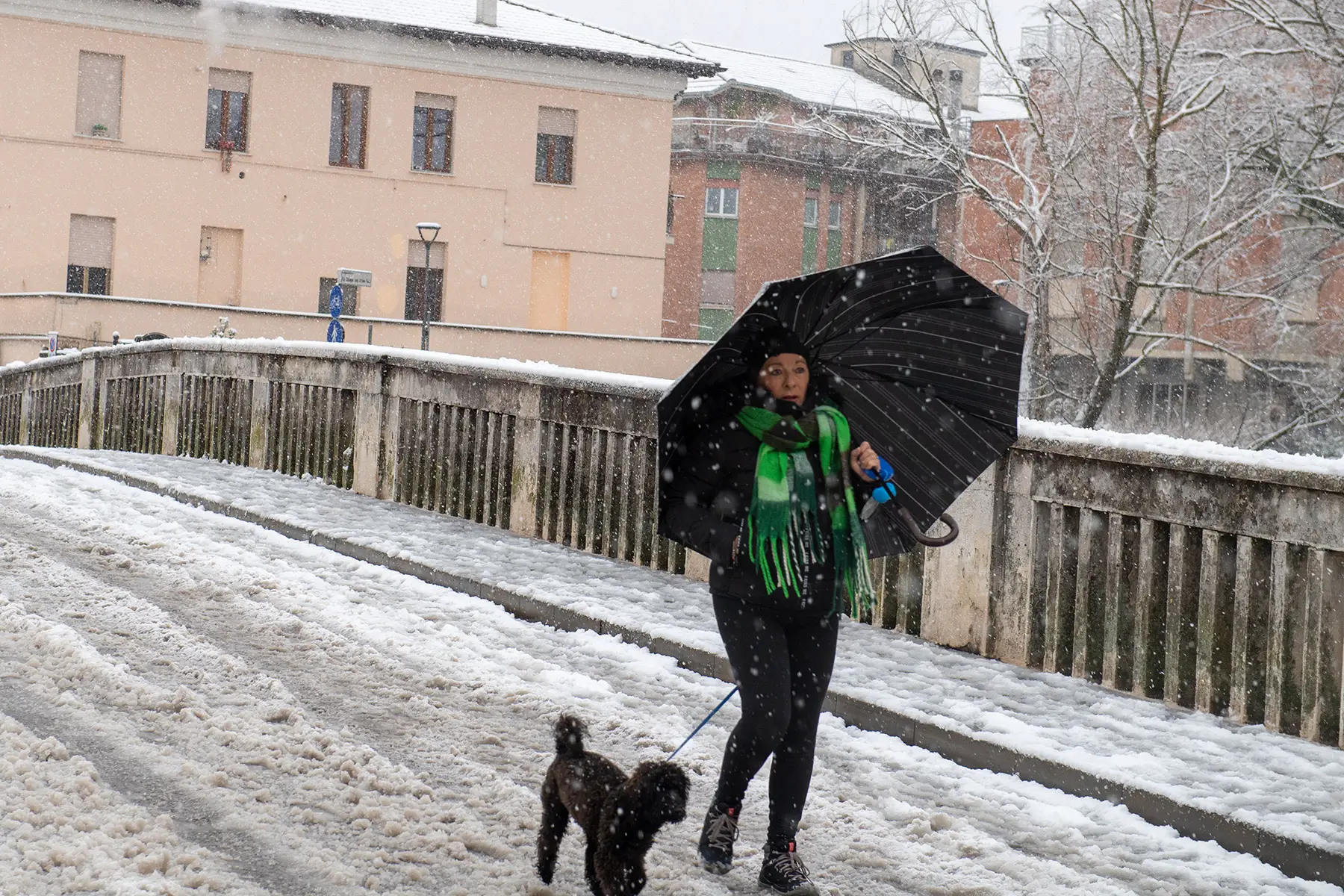
The weather also varies according to the region you’re in. Expect hotter summers in central and southern cities such as Rome and Naples. Similarly, in the autumn, Piedmont in the north can be blanketed in mist, and you can usually rely on snow in Trentino and the Alps. However, in recent years, global warming has taken its toll. Italy’s average annual temperature has increased at the rate of 1°C. In fact, climatologists now forecast more heatwaves, more intense rainfall, and more consecutive days without rain in the future.
If you’re moving to Europe for healthier air, consider looking at pollution levels in Italy. The European Environment Agency identifies Italy’s northern regions among those with the most particulate matter in Europe.
What are great places to visit in Italy?
Whether you’re living in or traveling to Italy, you’ll quickly tick off the popular destinations. Rome and the Vatican City? That’s your first long weekend. Venice? Of course. Florence, Siena, and Eurovision host Torino? Check, check, and check.
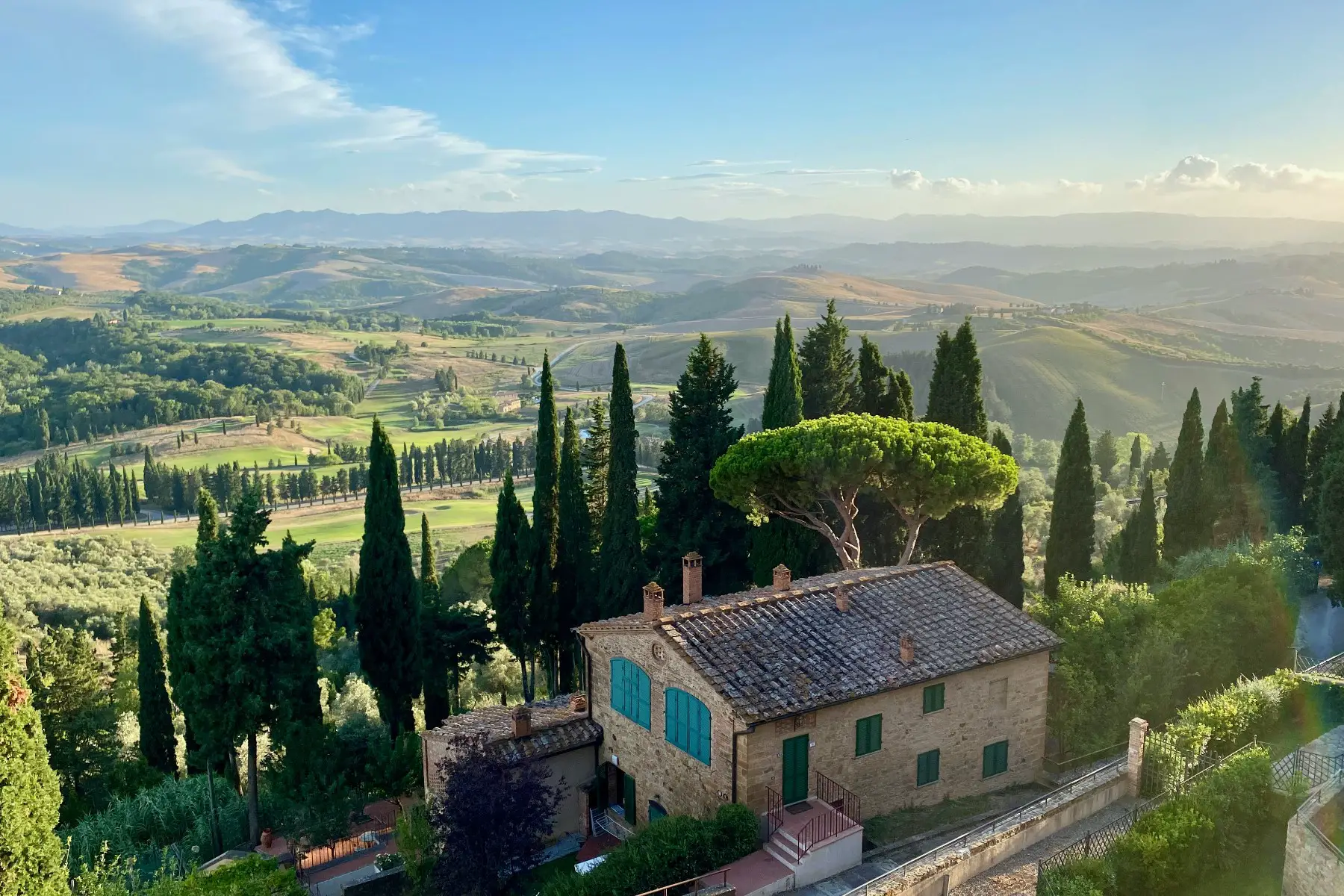
Italians, however, seek out very different destinations for their vacations. Take a cue from the natives when planning time off in Italy:
Trieste, Friuli Venezia Giulia
The tourists go to Venice – the locals go to Trieste. This former Habsburg seaport is just two hours away from the City of Bridges. Sited on the Karst plateau, Trieste quietly boasts city-center beaches, a neoclassical waterfront, and a jewel of a fairytale castle. It’s surrounded by one of Italy’s premium wine regions. Its culture and cuisine draw from Austrian, Slovenian, and Italian traditions. Naturally, then, there’s plenty to see and do here. But perhaps the best activity of all is to simply do nothing. Life is slow and unhurried in and around Trieste, with few tourists hamming it up for Instagram.
Pantelleria, Sicily
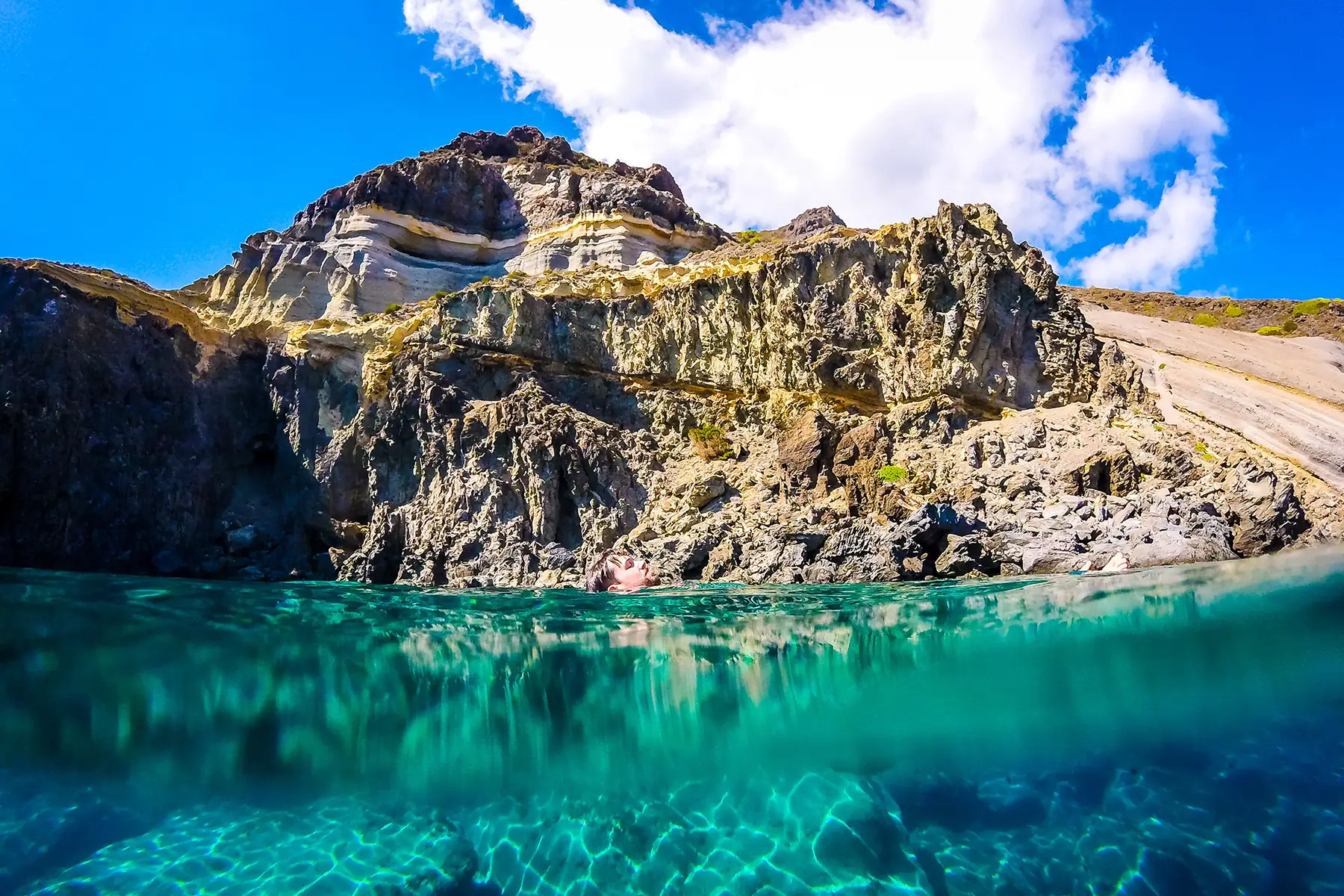
Skip the twin temptations of Palermo and Taormina. Head westwards towards Tunisia, and you’ll hit upon the hilly Pantelleria. Variously overrun by the Carthaginians, Romans, Phoenicians, Normans, Spaniards, Turks, and Sicilians throughout its history, Pantelleria is now more frequently invaded by A-listers looking for simple, tranquil pleasures. Expect a beachside sojourn like no other: tuck into fish couscous on the sands. Bed down in a rocky, cave-like dammuso. Then, wake to head to the island’s thermal pools or go snorkeling.
Alba, Piedmont
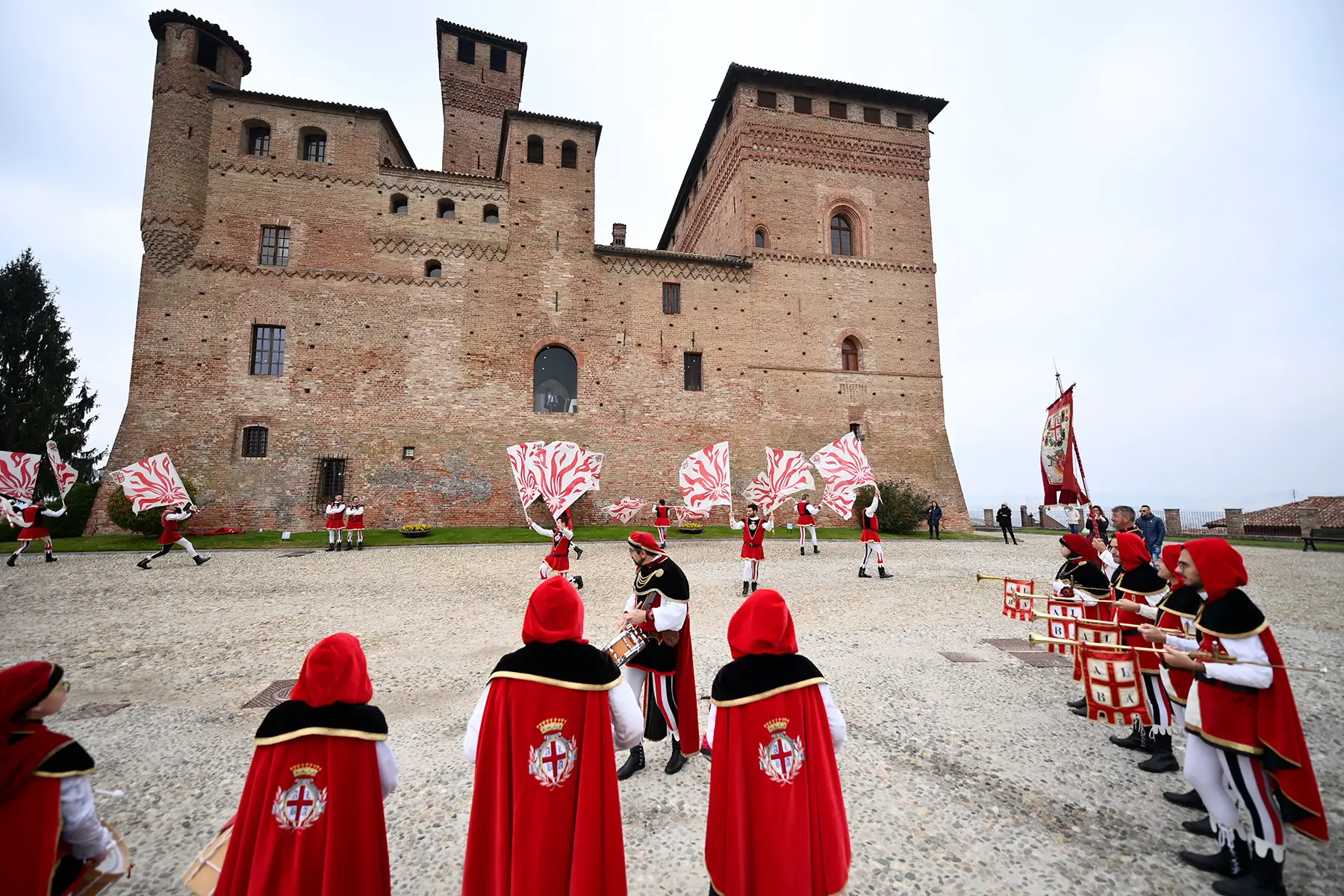
For a few weeks each winter, tiny Alba puts on its finest to welcome Italians and foreigners alike. They come for Piedmont’s famous white truffles, shaved onto a tartare or tajarin and washed down with sparkling Alta Langa. The Champagne-esque blend of pinot noir and chardonnay is leagues ahead of Prosecco.
Throughout the autumn, Alba hosts street fairs where the locals dress up in medieval costumes. Celebrity chefs host truffle-focused dinners in castles and palaces that are opened just once a year. And food fanatics compete to outbid each other at the world’s biggest white truffle auction. To sum up, as food holidays go, you could do a lot worse.
Public holidays and celebrations in Italy
With 12 days off each year, Italy has fewer public holidays than many other expat-friendly destinations. However, each region and city may have an additional public holiday to commemorate a local patron saint.
Here are the major public holidays in Italy in 2023:
| Date | Celebration |
| 1 January (Sunday) | New Year’s Day |
| 6 January (Friday) | Epiphany |
| 9 April (Sunday) | Easter Sunday |
| 10 April (Monday) | Easter Monday |
| 25 April (Tuesday) | Liberation Day |
| 1 May (Monday) | Labor Day |
| 2 June (Friday) | Republic Day (Festa della Repubblica Italiana) |
| 15 August (Tuesday) | Assumption Day |
| 1 November (Wednesday) | All Saints’ Day |
| 8 December (Friday) | Immaculate Conception |
| 25 December (Monday) | Christmas Day |
| 26 December (Tuesday) | St Stephen’s Day |
Popular myths about Italy
Myths about Italy are persistent and pervasive. Luckily, you don’t have to believe them. Read on to separate the wheat from the chaff.
Myth: Nothing happens on time in Italy
This canard couldn’t be further from the truth. Sure, Italians aren’t known for being clock-minded like some of their northern neighbors. Life is definitely more relaxed, so social appointments may begin fashionably late. A delay of 10 minutes is expected, up to 20 minutes accepted.
However, don’t bring that habit to the workplace. Official meetings usually begin on time and run to schedule.
Myth: Italian men are predatory Latin lovers
Not quite. As a woman, you may occasionally be on the receiving end of a ‘Ciao, Bella.’ But that’s likely to be the exception rather than the rule. Italy ranked lowest in a 2018 survey (PDF) of street harassment in six countries – France, Germany, Italy, Spain, the United Kingdom, and the US.
In total, 14% of women from the EU countries polled reported being whistled at in the street in the previous 12 months. Spain ranked highest at 23%, while Italy was the lowest at 10%. Similarly, when it came to sexist comments, Germany topped the league (13%). On the other hand, only 5% of women in Italy said they’d encountered comments or insults in the street.
Myth: Italian food is spaghetti and meatballs
No matter the food you grew up with, in Italy, spaghetti and meatballs are eaten separately. Meatballs, called polpette, are a standalone dish often served as a second or main course. No bigger than a golf ball, they’re usually covered in a simple, savory sauce. Spaghetti, on the other hand, is a first course (primo piatto). The classic sauce is aglio olio, made with garlic and olive oil. You’ll find spaghetti alle vongole (with clams), or served with fresh, lightly sauteéd tomatoes and topped with basil.
But how about spaghetti and meatballs? They’re an Italian-American invention.
Useful resources
- Polizia di Stato – Contact the police, and find out about crime in your area
- Guardia di Finanza – Report financial crime (in Italian)
- Ministry of Interior – Information about voting in municipal elections as an Italian resident (in Italian)
- Time Out magazine – Guide to Italy’s best leisure and lifestyle activities
- National Health Service (Servizio Sanitario Nazionale) – provides public healthcare (in Italian)
- Italian Revenue Agency – file your taxes in Italy
- FISH – Italian Federation for Disability Support
- Arcigay – Non-profit promoting and protecting the right to equality
Did you find this guide helpful?