
'%20id='ico-down'%20stroke='%23000000'%20stroke-width='1.5'%3e%3cg%20transform='translate(1092.250000,%20254.750000)'%3e%3cpolyline%20id='Path-2-Copy-4'%20transform='translate(5.500000,%202.750000)%20scale(1,%20-1)%20rotate(-180.000000)%20translate(-5.500000,%20-2.750000)%20'%20points='0%200%205.5%205.5%2011%200'%3e%3c/polyline%3e%3c/g%3e%3c/g%3e%3c/g%3e%3c/svg%3e)


Living
Family & Pets
Dutch parenting and family life
Would you like to raise your children in the Netherlands? From home births to finding the right school, here are all the ins and outs of Dutch parenting.

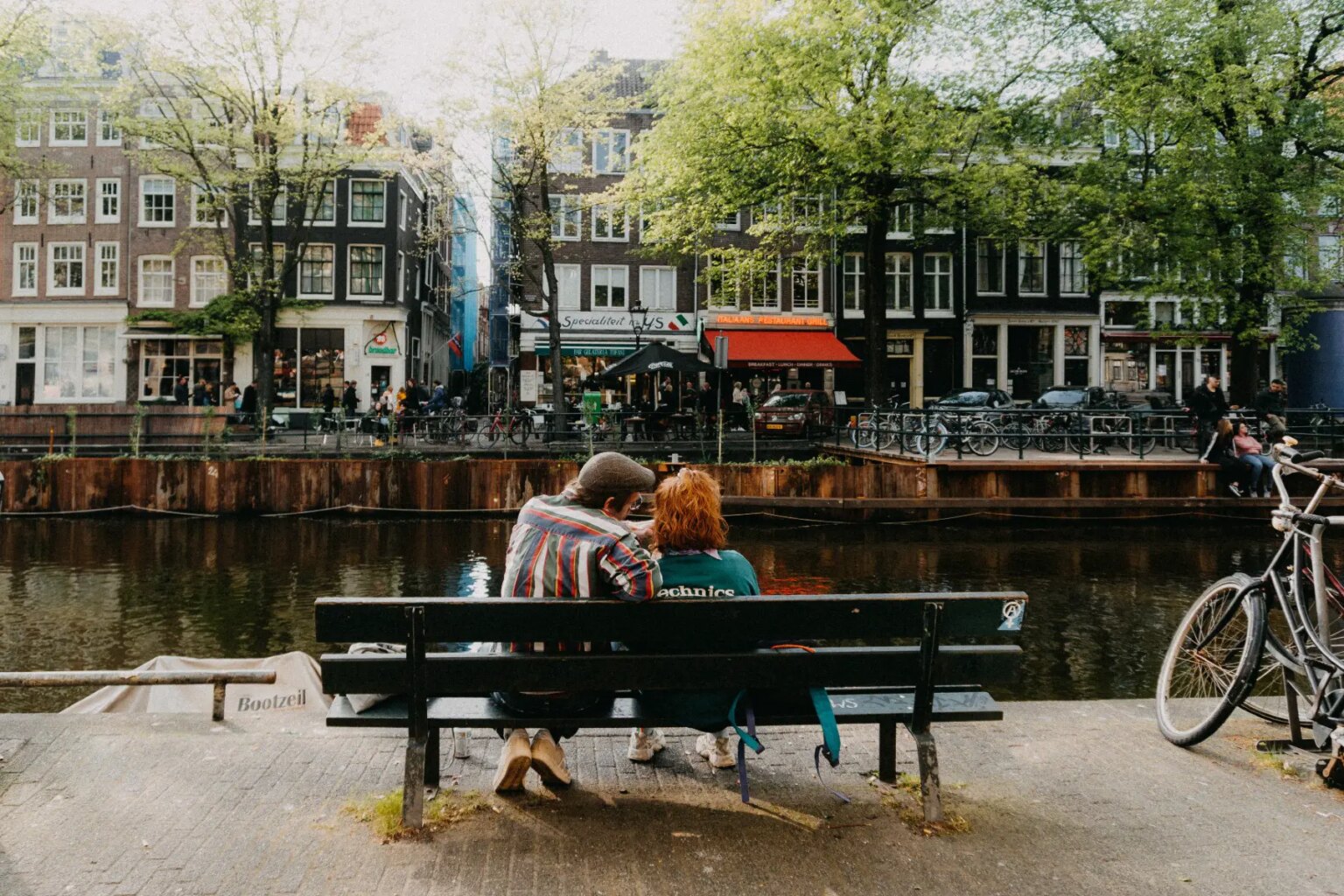
Being a parent is one of the toughest jobs in the world. Add the challenges of living abroad, and it can feel overwhelming. Because the Netherlands values family life so highly, you can find much support for raising a child, from having a baby and children’s healthcare to childcare and education.
Read on to discover everything you need to know about the Dutch approach to parenting:
ABN AMRO
Need a Dutch bank account for your child? With ABN AMRO, your child has access to an account which you can oversee with debit card limits and payment alerts. Services are available in Dutch and English both online and in-branch. So, whatever your child’s financial needs, ABN AMRO can help.

Family in the Netherlands
The Netherlands appeal to many as an excellent place to settle. Not only because of its beautiful tulip fields and bicycling culture but also its incredible work-life balance.
The Dutch value their home life immensely and devote an average of 64% of their day to personal care and leisure activities, including socializing with family and friends.
Family households in the Netherlands
A typical family in the Netherlands includes one or two parents and their (step)children who live together in the same household.
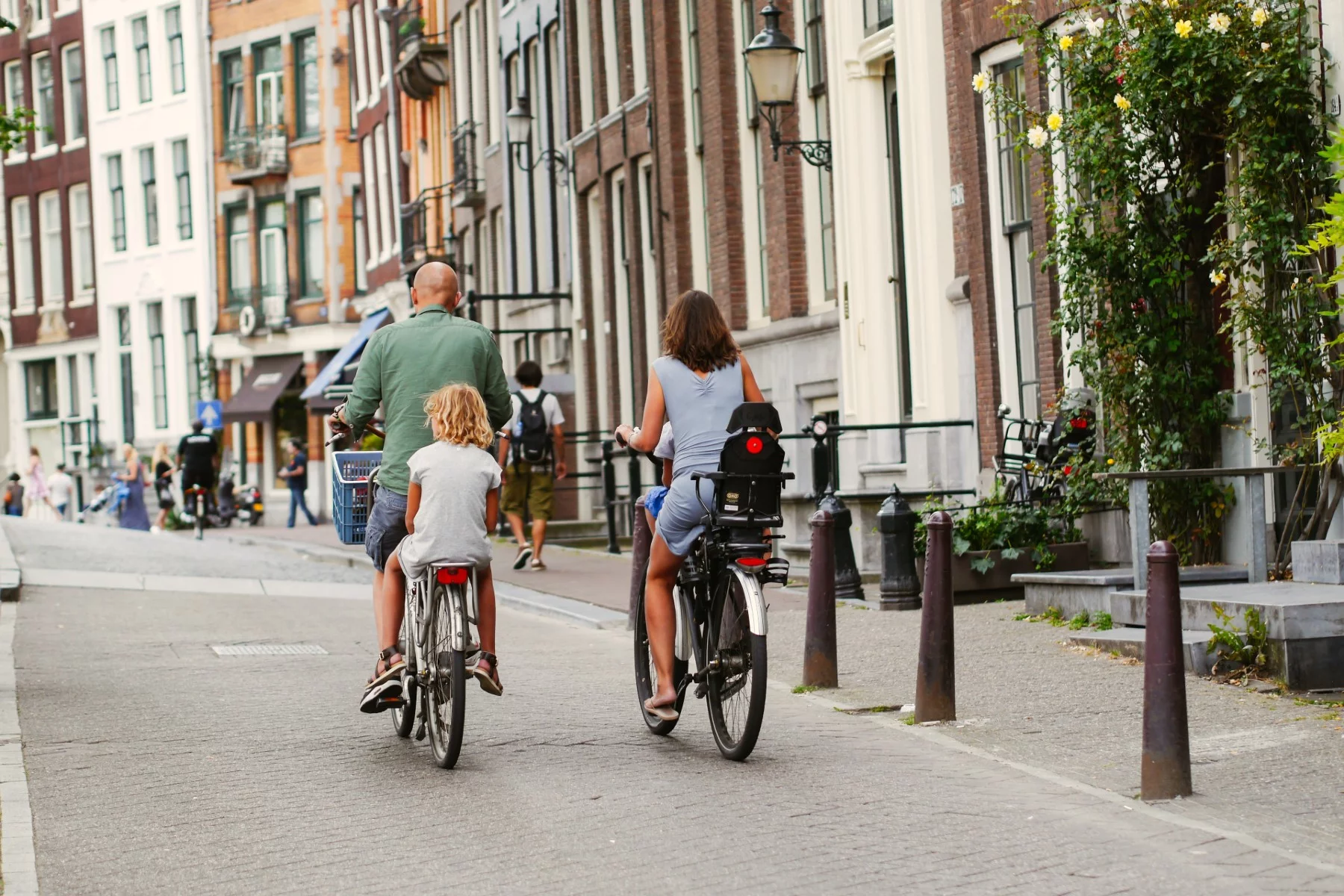
It is not common for grandparents to live in the same home, but this trend can look different among Dutch families of immigrant descent. For example, Moroccan-Dutch or Turkish-Dutch households might more commonly have multiple generations living together.

In 2021, there were almost 594,000 single-parent households (23%) and 2 million two-parent households (77%). At the start of 2022, Statistics Netherlands (Centraal Bureau voor de Statistiek – CBS) counted 3,23 million married couples (48.1% of those who had children) and 1,10 million unmarried couples (42.7% of whom had children).
Most commonly, the Netherlands has one child per household. Families with two children come close second:
| Family type | Total | 1 child | 2 children | 3 children or more |
|---|---|---|---|---|
| Unmarried couples | 457,644 | 192,530 | 208,858 | 56,456 |
| Married couples | 1,563,357 | 566,657 | 696,999 | 299,701 |
| Single-parent families | 593,871 | 364,662 | 173,275 | 55,934 |
| Total | 2,614,872 | 1,123,849 (43%) | 1,079132 (41.3%) | 412,091 (15.8%) |
Grandparents and the elderly
Independence is one of the core values of Dutch culture. Grandparents and retirees prefer to stay in their own homes, instead of a retirement or nursing home, for as long as possible. In 2019, 92% of people 75 and older still lived independently in their own residences.
When elderly people do require extra support (e.g., cooking and cleaning), they often rely on volunteer family members, neighbors, and friends (mantelzorg). If a person needs additional (paid) support and they don’t have enough income, the government can provide some financial support.
Even when grandparents (opa en oma) don’t live with their family members, it doesn’t mean they do not spend time together. In 2017, around 80% of Dutch (in Dutch) babies and toddlers under four often had their grandparents as babysitters.
Extended family in the Netherlands
The Dutch view extended family as a separate branch of the same family tree. Often, Dutch families are close with their immediate family members and not their extended relatives.
Immediate relatives are family members connected to parents and children; for example, an aunt (tante), uncle (oom), niece/female cousin (nicht), nephew/male cousin (neef). Parents might be close to their own aunts and uncles, but the children will not be close to their great-aunts (oudtantes) and great-uncles (oudooms).
Moreover, having a godmother (peettante) or godfather (peetoom) is not very common. If there are any, they are likely to be family members or close friends.
Family life in the Netherlands tends to be nuclear (i.e., parents and children). So, even if the parents are close with the grandparents, godparents, or other relatives, none have a say in raising the children.
Family pets in the Netherlands
The only other family member that Dutch people allow in their close circle is the family pet.
Whether it swims, walks, crawls, or flies, they love animals in their homes. In 2019, there were just over 27 million domesticated animals, with almost half of all households owning one or more pets. The most popular pets are cats (23.4%), dogs (17.8%), and fish (7.2%).

If you’d like to adopt a pet in the Netherlands, keep in mind that dogs need to get microchipped and registered. Some municipalities also require dog owners to pay a dog tax. Cats are not required to get microchipped or registered, nor do people get taxed for owning them.
Family activities and attractions
Owning a pet isn’t the only way to keep children occupied in the Netherlands. Public parks and playgrounds are everywhere, and Dutch people love to go outside.
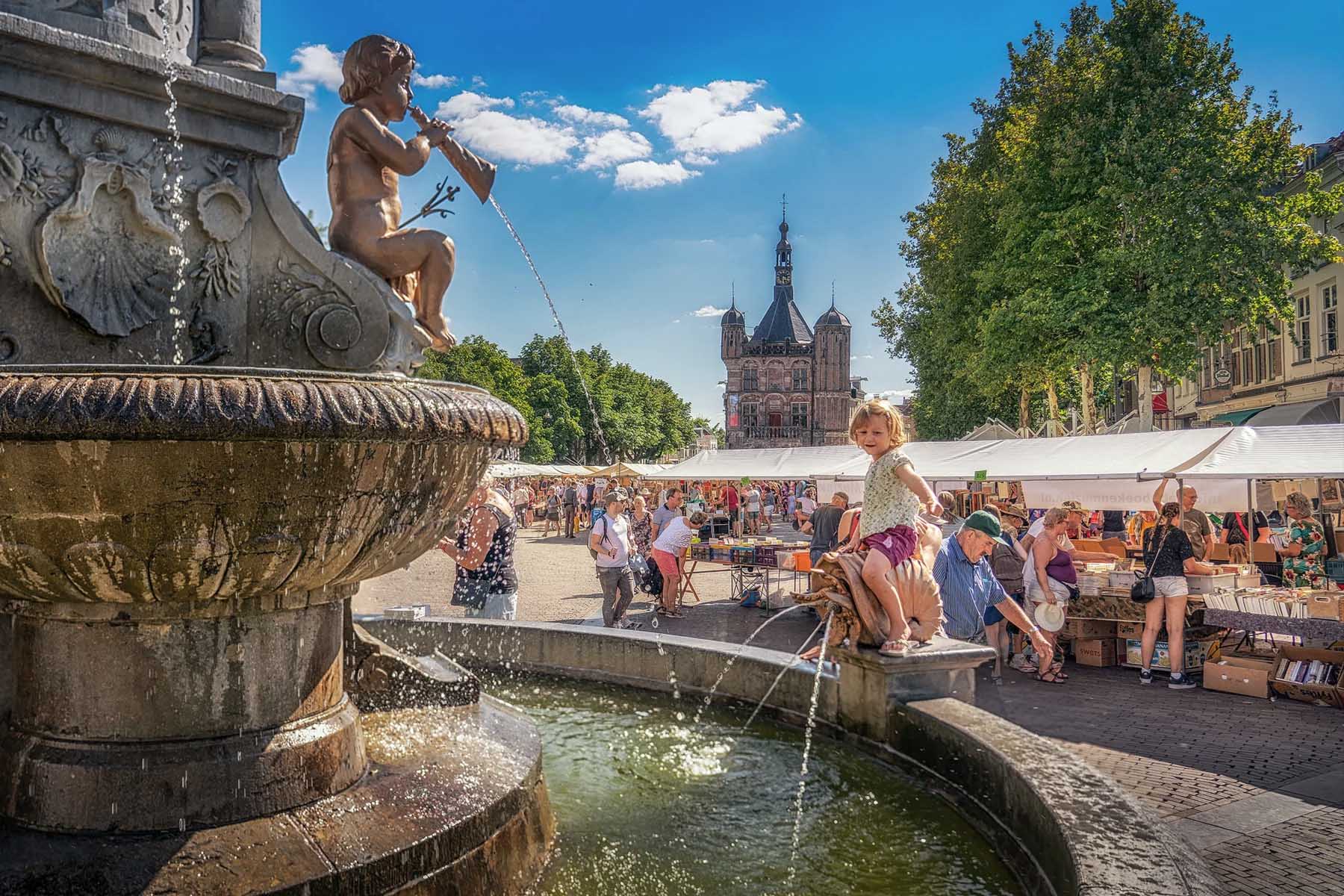
On days when the sun peeks out, you’ll find sunbathers and families galore littered throughout the parks and beaches. Alternatively, you can take your little one to explore the zoo or aquarium or one of many other children-friendly attractions around the Netherlands.
On rainy days, parents can bring their kids to an indoor playground (binnenspeeltuin) or, if you’re too tired, you can set up some fun indoor activities or watch a children’s TV program to entertain them at home.
Becoming a parent in the Netherlands
Childbirth in the Netherlands
Pregnancy and giving birth are fairly straightforward in the Netherlands. The Dutch see childbirth as a natural process rather than a medical condition. Still, most (if not all) are covered by the Dutch healthcare system.
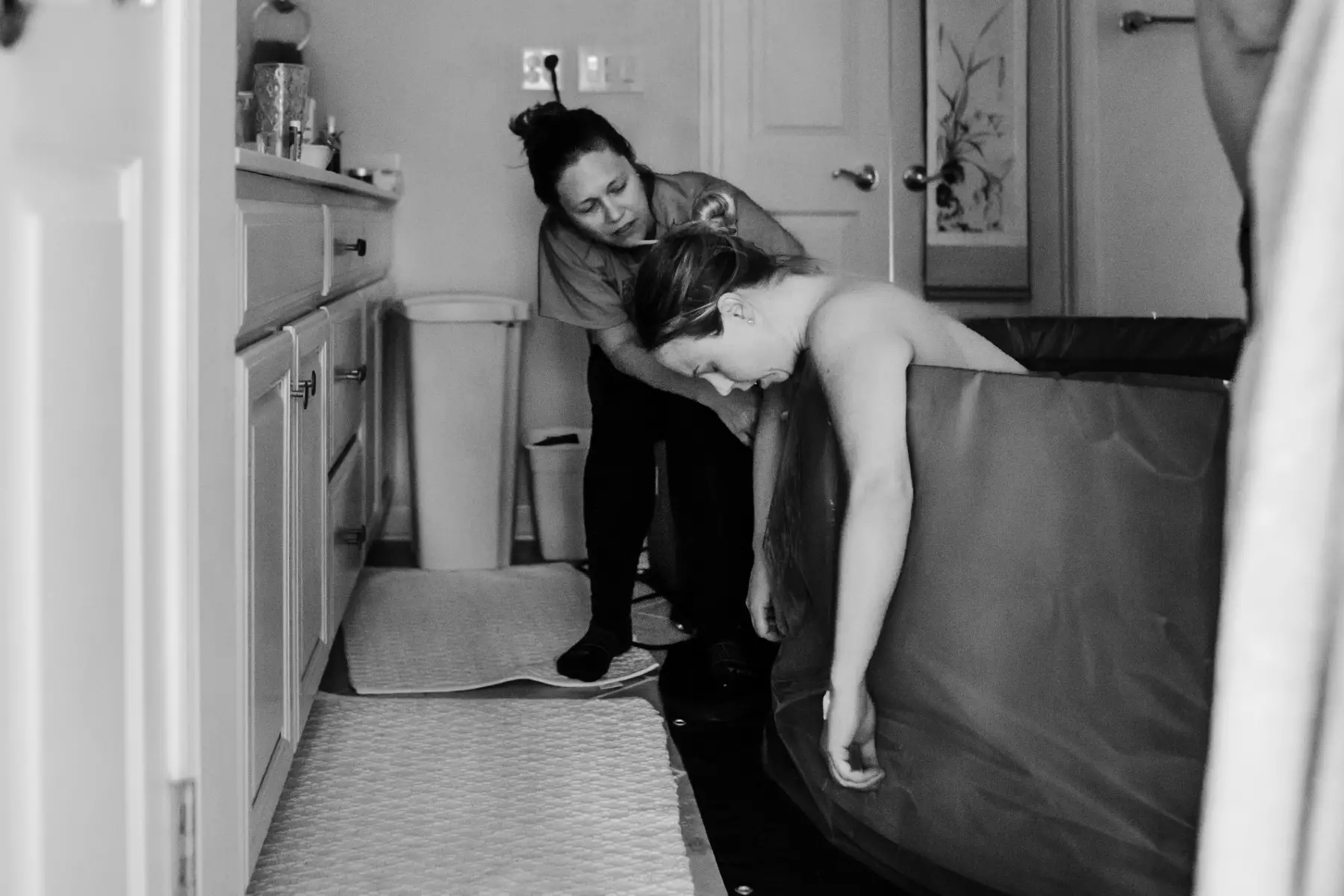
A midwife will manage most of your prenatal care. Depending on the complexity of your pregnancy, you can choose a hospital or home birth. In 2019, 16.3% of Dutch women delivered theirs at home, which is significantly higher than the average of 0.6% in other EU-member states.
Although pain-relieving drugs are available in hospitals, it is not common among Dutch women to want to use them. In a 2021 study, 64% of participants even said they preferred to give birth without pain relief (in Dutch).

Once your little one is born, you’re entitled to daily visits from a maternity nurse (kraamverzorgende) during your first week at home. In most cases, these services are covered by your health insurance.
Depending on your insurance cover, you can get a free maternity package (kraampaket) that contains items you’ll need before and after the delivery. You can also apply for child benefits (kinderbijslag) toward the cost of raising a child. Some stores even offer free baby boxes containing all kinds of baby product essentials.
Adoption and fostering
Adoption has been legal in the Netherlands since 1956. Although the CBS does not keep a register of adoptees, they estimated that in 2006 about 60,000 children had been adopted, one-third domestically. International adoption was — and still is — far more common.
There are several requirements that prospective parents must meet before they can adopt a child. You need to be over 18 years old and be able to prove that you have already raised a child before. Other requirements include that the adoption must be in the child’s best interests and that the child has no ties to their birth parents.

There are a lot fewer barriers for parents looking to foster children temporarily. As a foster parent, you must be over 21 and have a certificate of no objection (Verklaring van geen bezwaar – VGB) from the Child Care and Protection Board (Raad voor de Kinderbescherming). You also need to attend a preparation course.
Parental leave in the Netherlands
Once the child is born, new parents qualify for several forms of parental leave.
New birth mothers can claim four to six weeks of paid pregnancy leave (zwangerschapsverlof) and 10 to 12 weeks of paid maternity leave (bevallingsverlof). New birth fathers (or second mothers) can get one day of paid calamity leave or emergence leave (calamiteitenverlof) and six weeks of quasi-paid partner leave (geboorteverlof).
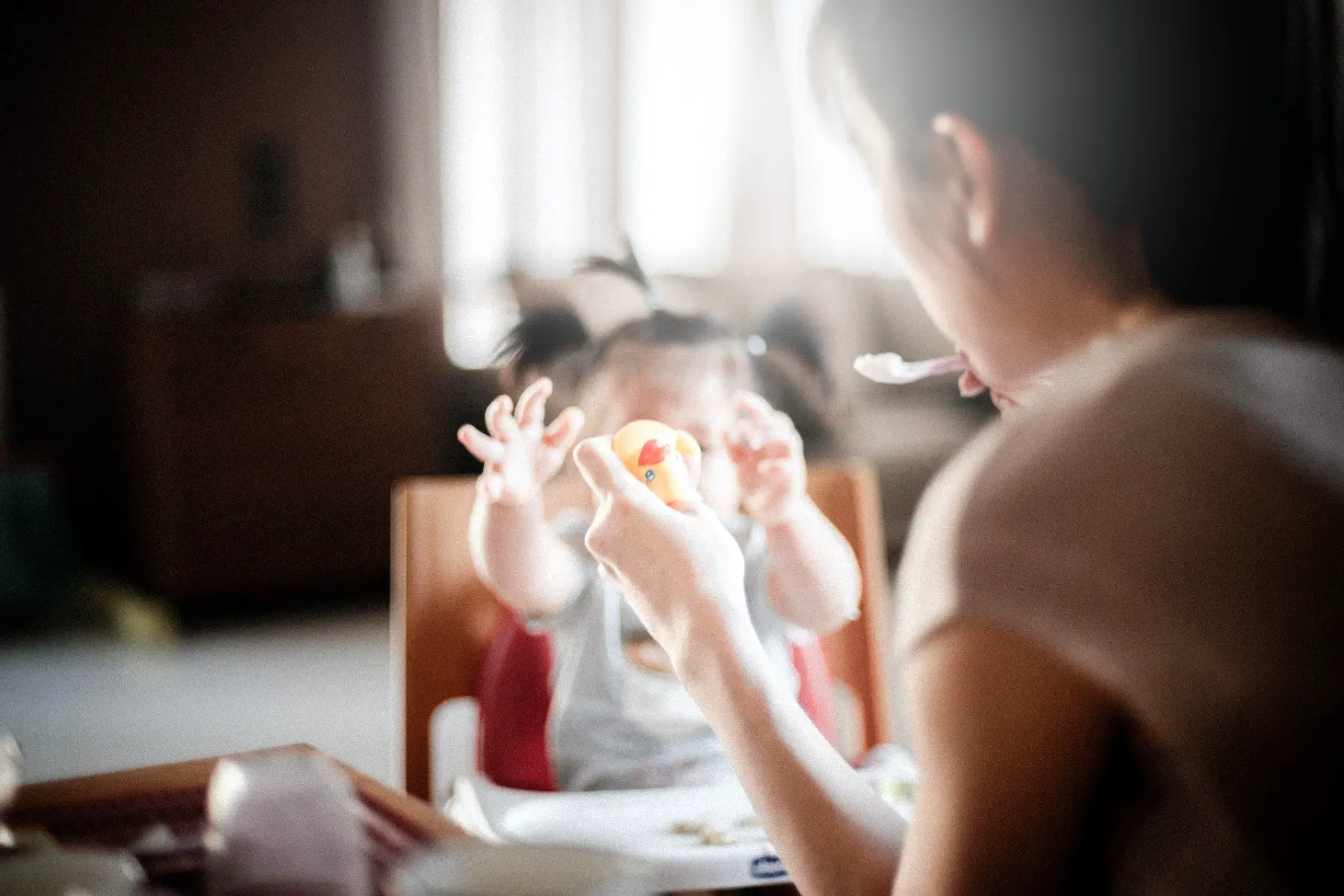
Whether adopting or fostering, you are also entitled to parental leave. New adoptive parents qualify for six weeks of paid adoption leave (adoptieverlof), and foster parents can also access six weeks of paid foster leave (pleegzorgverlof).
No matter how the child comes into your life – birth, new marriage, adoption, or fostering – you are entitled to quasi-unpaid parental leave (ouderschapsverlof). How many days off you’re entitled to depends on the number of hours you work per week. You can calculate the amount of time by multiplying the number of hours by 26.
Childcare in the Netherlands
Dutch parents often return to the workforce soon after their children are born. Around 90.3% of women return to work, either part-time or full-time. Of new fathers, 92.4% go back to work full-time.
Many parents will choose regulated childcare, such as daycares or preschools, or also use au pairs, family, friends, and neighbors to look after their children while at work.
Alternatively, if you need some extra support or you can offer childcare help in your local area, you can also contact the social initiative, Buurtgezinnen (neighborhood families). It is a more informal way for communities to support each other in raising children.
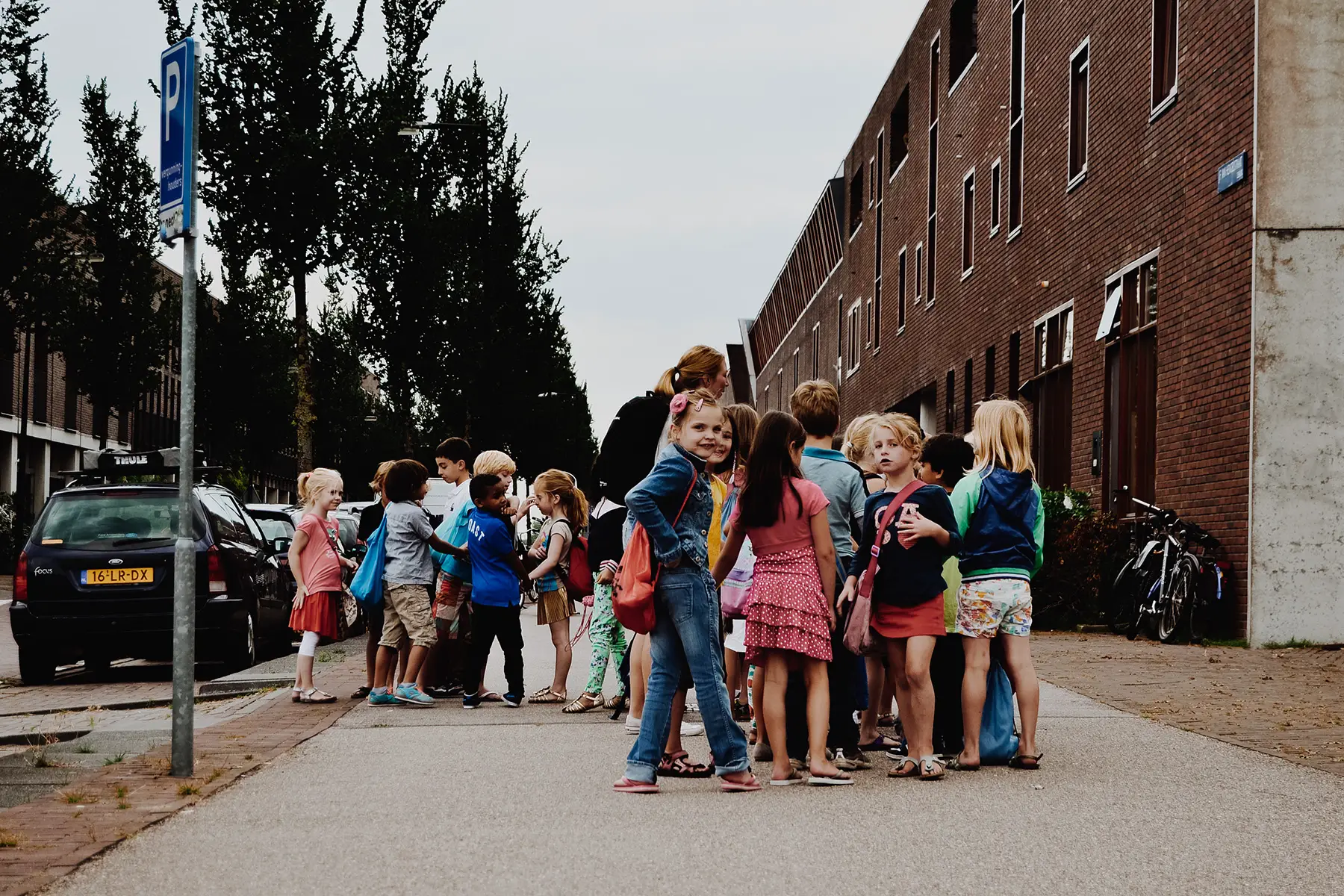
The Netherlands has a thriving childcare sector with high fees and long waiting lists. Fortunately, the Dutch government offers subsidies like the childcare allowance (kinderopvangtoeslag) to help ease the burden of the costs.
How do Dutch parents raise their children?
The Dutch attitude towards children
Generally speaking, the Dutch do not overly coddle their children. Instead, parents in the Netherlands allow them to become self-sufficient early. For example, Dutch children tend to learn how to ride a bike at four and may cycle themselves to and from school from about nine onwards. Of course, most children attend a school close to their home.
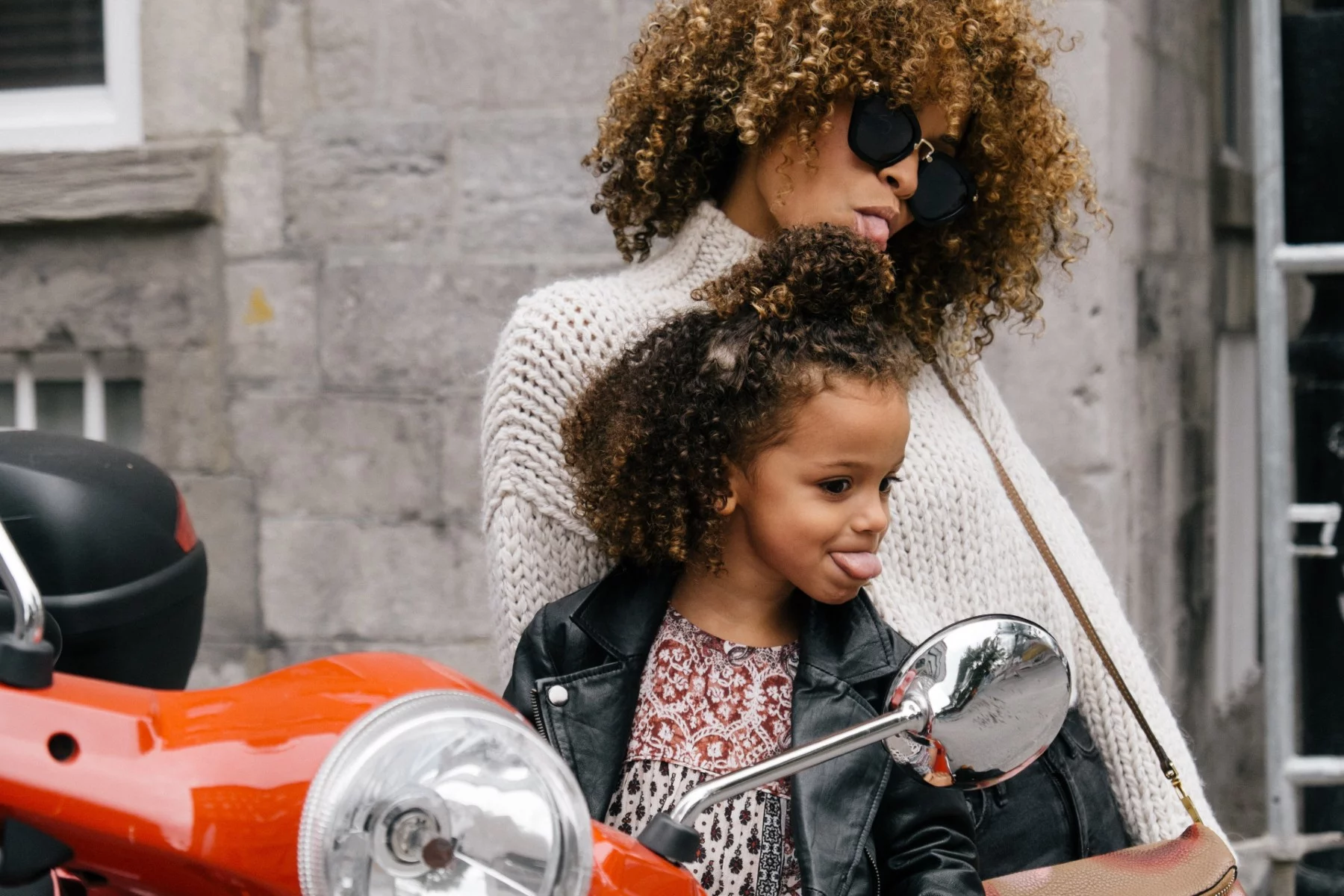
Dutch parents often encourage their children to think for themselves, ask questions, and speak up when they disagree. However, that does not mean that children are allowed to talk back to their parents. The fine line between directness and being rude and disrespectful is a tightrope children learn to walk from a young age.
Parents also try to instill a sense of adventure and exploration. Playtime can involve trying out new things, going to parks and playgrounds, playing sports, having playdates, or going to cultural events.
Dutch parenting styles
Parenting in the Netherlands is an easygoing affair. You won’t see Dutch parents fretting or hovering over their little ones. The Dutch value independence and self-sufficiency and will try to instill these in their children.
Child-rearing typically follows the so-called three Rs: Rust, Reinheid, en Regelmaat (serenity, cleanliness, and routine). Well-rested children in a calm environment without too many stimuli enables their parents to stay relaxed too. Routine is vital for any child to feel secure and safe. And cleanliness and good hygiene speak for themselves.
Other norms that Dutch parents value include:
- Not indulging a child (i.e., not buying the most expensive toys or going on the most luxurious holidays)
- Treating children as individuals with their own likes and interests
- Instead of pressuring children to perform, allowing them the freedom to do what makes them happy
- Eating together as a family for breakfast and dinner
Raising teenagers in the Netherlands
The importance of independence and freedom also applies when parenting Dutch teenagers. They are encouraged to make their own choices, discover what they like, and experiment while they’re still under the safety of their parents’ supervision.
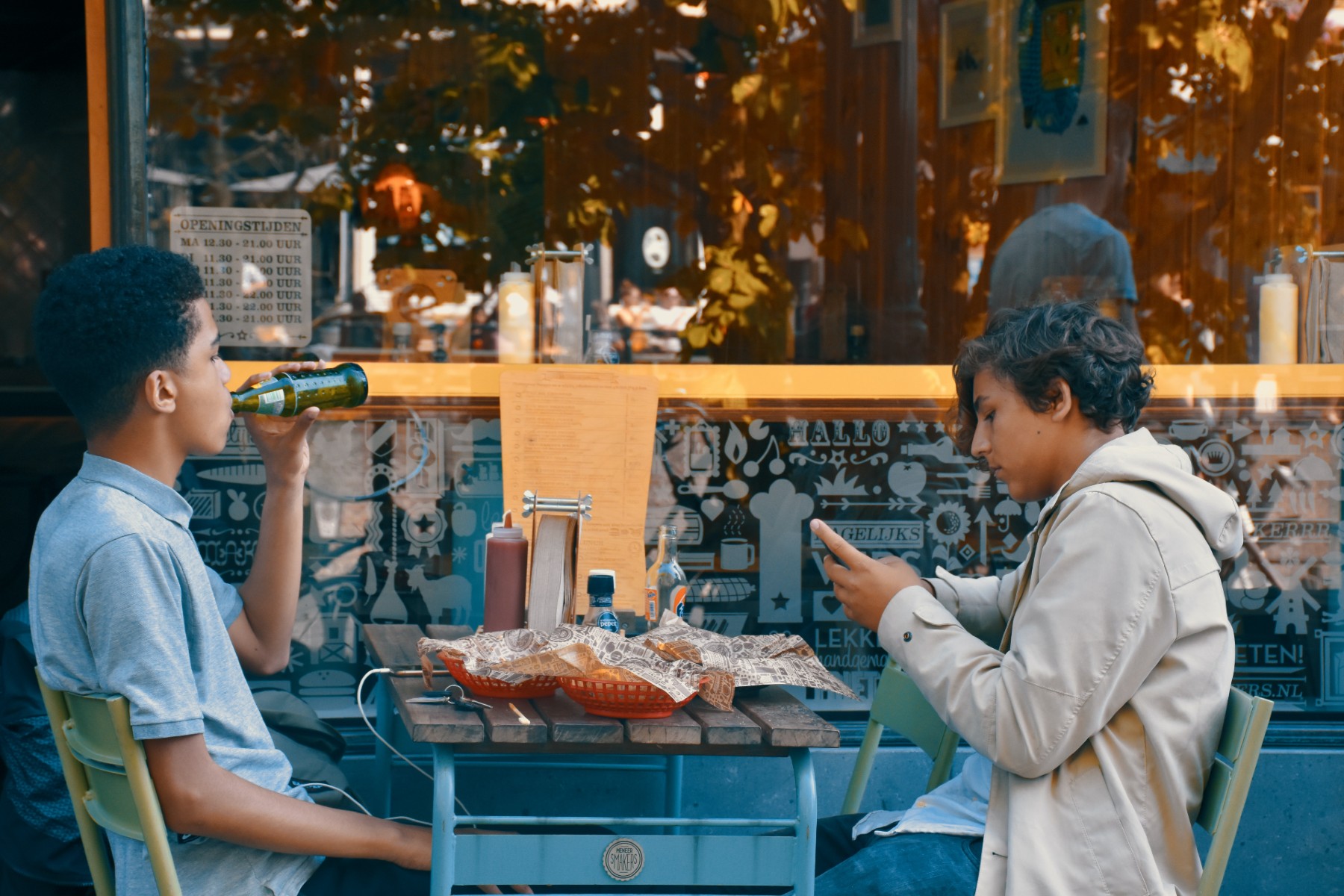
For example, teens are commonly allowed to go out and party at clubs. Although the legal drinking age in the Netherlands is 18, many teenagers experiment with alcohol before that. A 2019 European School Survey Project on Alcohol and Other Drugs (ESPAD) shows that teenagers in the Netherlands drink more than their European peers.
Dutch teens occasionally dabble in drugs. One in five have tried smoking cannabis, and 3.5% have tried ecstasy (the European average is 2.3%). They are less likely to have used other hard drugs, such as amphetamines, cocaine, and LSD.
Conversely, Dutch teenagers are less likely to be sexually active at a young age. While the Netherlands is quite liberal about sex and sexuality, on average, young people only start to have sex at 18. One reason is a greater awareness of consent and public shaming.
For parents whose children are being bullied, it’s crucial to inform the school and collaborate with them to address the issue as soon as possible. Teenagers struggling with mental health issues can seek a referral for pediatric mental health services.
Support and classes for parenting in the Netherlands
Good parenting skills are developed through trial and error. If you need a little extra support, there are many resources for new and veteran parents to improve their child-rearing skills.
A great start is to look to your community. Often, other parents, teachers, and education social workers (pedagogisch medewerker) can offer advice, guidance, and share insight.
The Municipal Health Services (Gemeentelijke Gezondheidsdienst, GGD) can also provide resources and advice at a local Center for Youth and Family (Centrum Jeugd & Gezin, CJG). You can find more specialized help and parenting courses at MET ggz.
If you have a specific question, you can try the Groeigids Ouderchat or the Oudertelefoon, and if you need to vent, you can contact the Luisterlijn.
The Netherlands also has many private providers who can offer in-person and online parenting courses. For example, there are:
Single mothers can check out extra resources, such as Single Super Mom.
Families with special needs
Two in seventeen people in the Netherlands have a disability. The most common are physical, followed by audio and visual disabilities. Around 130,000 people with disabilities require daily intensive care.
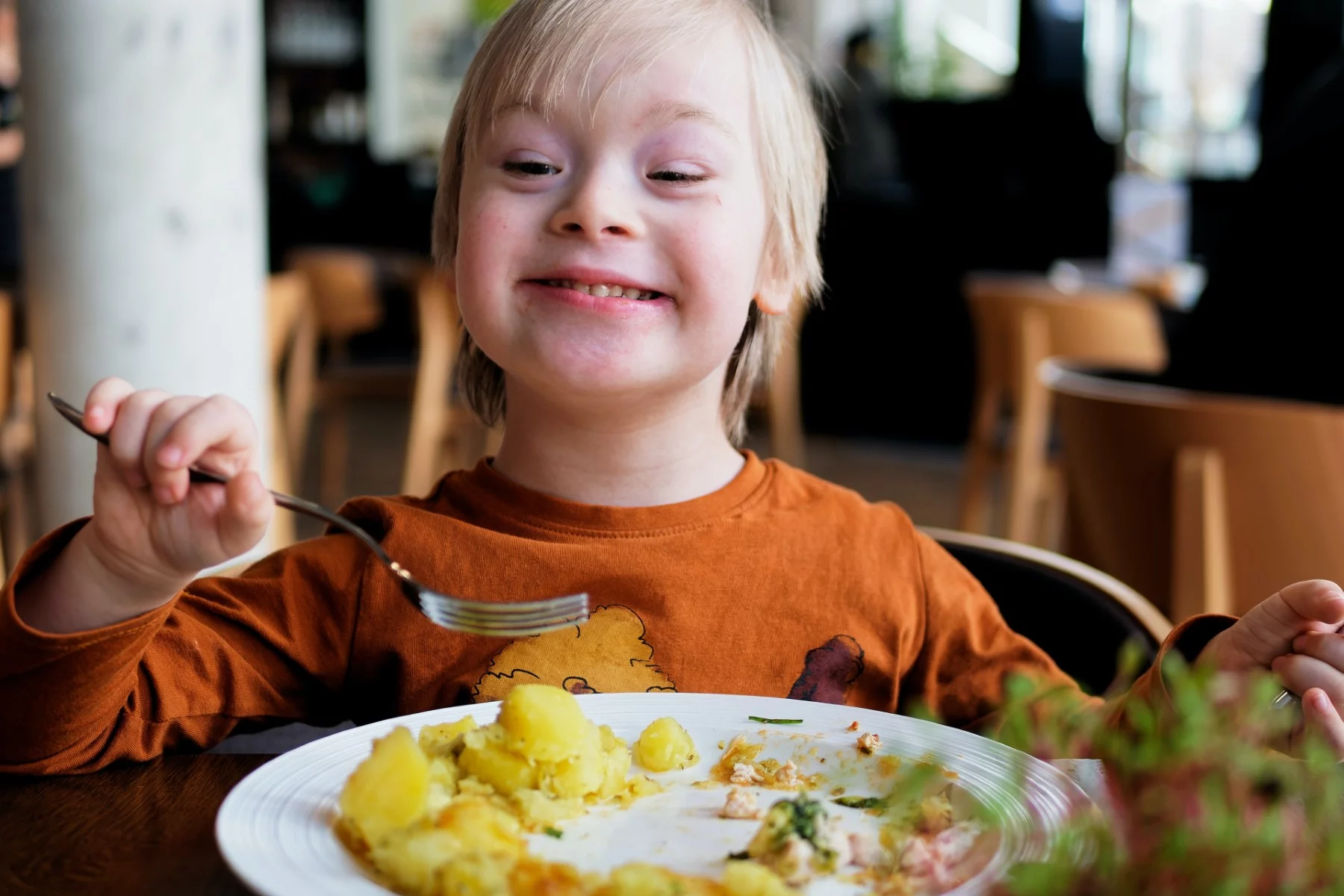
You can contact hospitals or organizations, such as Integral Early Care (Integrale Vroeghulp, IVH) if you are concerned about your child’s development or behavior. Once your child has officially been diagnosed, you can adjust your parenting plan.
It could be overwhelming to know which service to access. So, hospitals, municipalities (gemeentes), or advice centers (e.g., Ieder(in), MEE, or Ervaringskenniscentrum (Sch)ouders) can point you in the right direction.
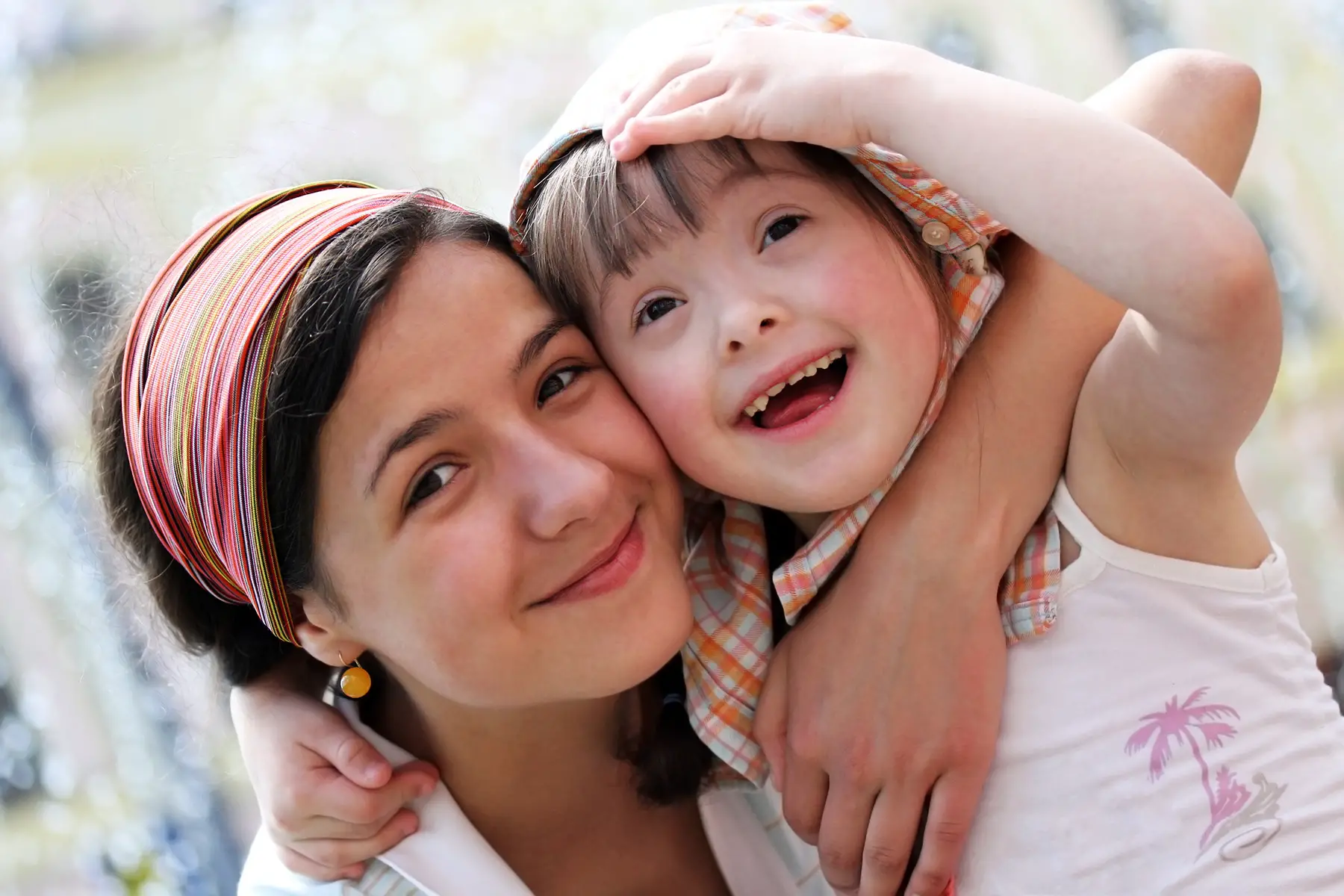
Take note that most services are in Dutch, so improving your language skills is a good idea. Still, most professionals in the Netherlands are also fluent in English.
Support for parents of children or young people with disabilities
Parenting a child with a disability may add extra challenges. As such, caregivers can access many resources and additional support.
Similarly to parents of children without disabilities, you can get advice from the GGD at a local CJG center. You can discuss your questions with the call center operators at the Groeigids Ouderchat or the Oudertelefoon, and if you need a sounding board, you can contact the Luisterlijn.
There are also private support organizations, such as the Expat Special Education Needs Group (ESENG) and Inclusion4All.
If you’d like to connect with other parents or families, you can contact organizations, such as:
- CJG parent forum – a municipal parents’ forum
- CP Nederland – support for families and children with cerebral palsy
- EMB Nederland – focuses on multiple severe disabilities (ernstige meervoudige beperking, EMB)
- SBH Nederland – information and support around spina bifida en hydrocephalus
Schooling in the Netherlands
The Dutch schooling system is similar to other European education systems. For example, most children start school at four, but it is only compulsory from five.

Primary school (basisschool) usually takes eight years. And the end of this phase students take a compulsory primary school leavers attainment test (eindtoets basisschool). The test results, together with the school’s advice, will place the child on a specific academic or vocational track for secondary school (middelbare school).
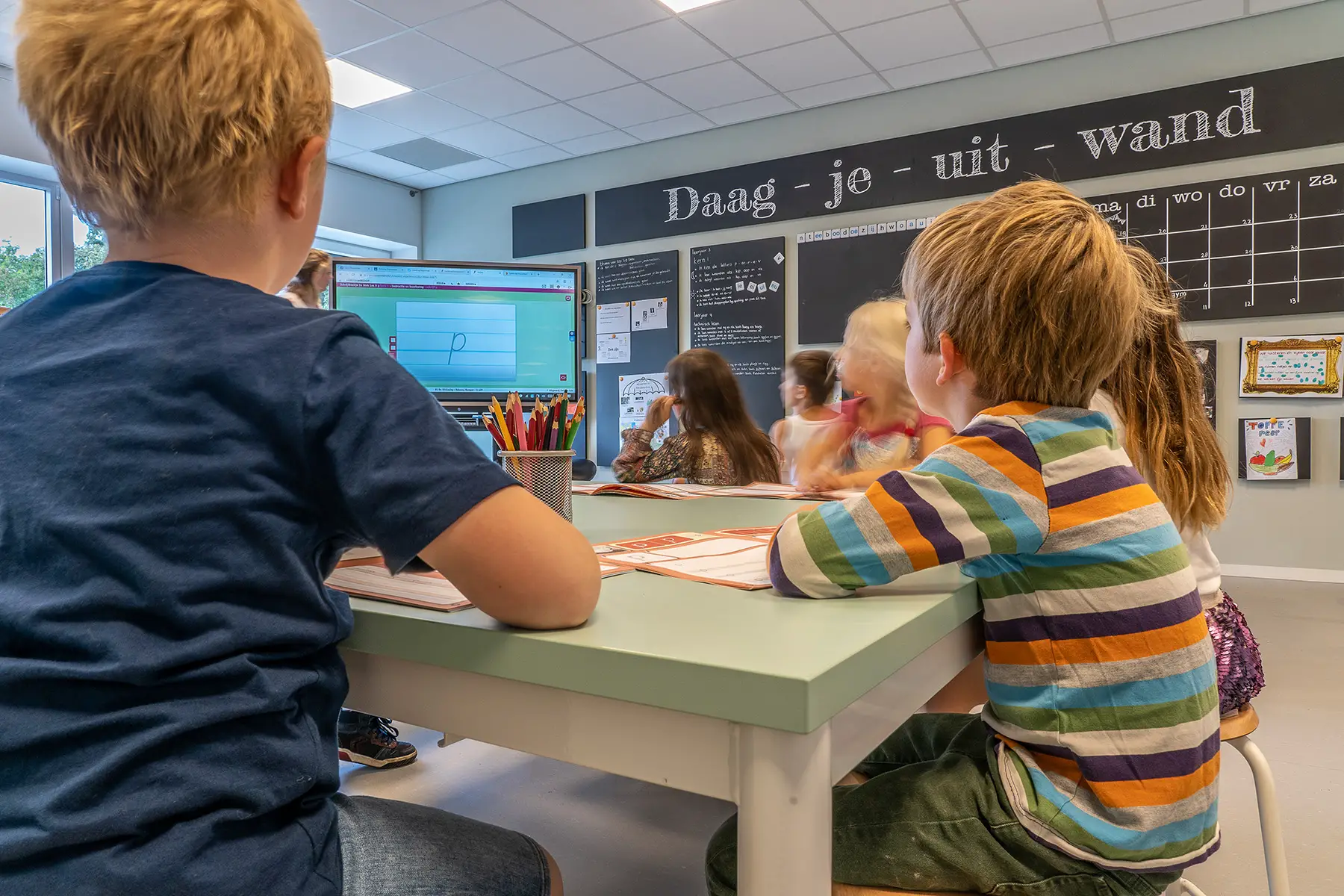
The Netherlands also hosts many bilingual, religious-based, and international schools. However, waiting lists can be long, so be sure to do your research and apply early.
Special needs education (SEN)
The Dutch government’s official policy is that schools must provide the same level of education to all students. Where possible, students with learning difficulties or mild behavioral problems will attend a regular primary or secondary school and receive additional support. A school cannot refuse a child with special educational needs (SEN) unless they have a severe physical disability, chronic illness, or serious behavioral problems.
The school has up to six weeks to evaluate if the child can be admitted. If the school cannot provide appropriate support, your child will be referred to another regular school or a special school.
There are three types of special schools in the Netherlands:
- Speciaal basisonderwijs (SBO) – primary schools that follow the same curriculum as regular schools but with smaller classes to give students more attention and support. These schools tend to work well for children with learning difficulties or behavioral problems.
- Speciaal onderwijs (SO) – primary schools that specialize in a specific type of need and are divided into four clusters:
- Cluster 1: for children who are blind or visually impaired
- Cluster 2: for children with speech or hearing impairments
- Cluster 3: for children with physical or cognitive disabilities or a serious chronic illness
- Cluster 4: for those with social or behavioral challenges (e.g., developmental disorders, Autism, and Oppositional Defiant Disorder (ODD)
- Voortgezet speciaal onderwijs (VSO) – secondary schools that continue on the same route as SOs.
Regular and special schools primarily teach in Dutch, so it is recommended that your child have at least a basic level of Dutch.
Of course, you will need to have your child assessed and referred to gain access to one of these schools. This process involves many evaluations and interviews with various child development experts.
International special needs schools
Unfortunately, there is just one international school dedicated to special education in the Netherlands. Lighthouse SE is located in The Hague (Den Haag) and teaches preschool and primary school children (ages 2.5–13).

It is more likely that your child can go to a regular international school that has a special education department, such as:
- American School of the Hague (The Hague)
- Amsterdam International Community School (Amsterdam)
- The British School of Amsterdam (Amsterdam)
- The British School of the Netherlands (The Hague)
- Nord Anglia International School Rotterdam (Rotterdam)
If you need support finding an appropriate school for your child, you can contact the advice center MEE for help (also in Dutch).
Family benefits and wellbeing
The Dutch government offers several forms of financial aid and additional subsidies to bear the brunt of the costs of raising a child. If you meet the requirements, you can apply for:
- Child benefits (kinderbijslag)
- Child budget (kindergebonden budget, KGB)
- Childcare benefit (kinderopvangtoeslag)
- Income-related tax break (inkomensafhankelijke combinatiekorting)
Another way that the Netherlands supports their parents is through healthcare. Children up to 18 are covered by their parent’s health insurance at no additional cost, giving them access to preventative, routine, and emergency care. Note that this does not include orthodontics.
Generally, though, your child’s medical needs will be addressed first by their family doctor, who will refer them to specialists if necessary.
Useful resources
- Government.nl – website of the Dutch government with resources and information
- Business.gov.nl – business portal with information about owning and doing business in the Netherlands
- Belastingdienst.nl – website of the Dutch Tax and Customs Administration
- Opvoeden.nl (in Dutch) – portal with expert information about raising children and links to local youth centers
- MEE.nl – cooperative association of 20 organizations that help people with disabilities and their community
Related Articles

Editor's picks
 Human and civil rights in the NetherlandsFrom the right to protest to protection from discrimination, here's what you need to know about human rights in the Netherlands.
 Higher education in the Netherlands: a guide to Dutch universitiesThe Netherlands is home to some of the world's top universities. Learn all about the different subjects available at Dutch institutions.
 Secondary schools in the NetherlandsWe explain the complex secondary school system in the Netherlands, including the three public streams and various international options.
Did you find this guide helpful?