
'%20id='ico-down'%20stroke='%23000000'%20stroke-width='1.5'%3e%3cg%20transform='translate(1092.250000,%20254.750000)'%3e%3cpolyline%20id='Path-2-Copy-4'%20transform='translate(5.500000,%202.750000)%20scale(1,%20-1)%20rotate(-180.000000)%20translate(-5.500000,%20-2.750000)%20'%20points='0%200%205.5%205.5%2011%200'%3e%3c/polyline%3e%3c/g%3e%3c/g%3e%3c/g%3e%3c/svg%3e)


Living
House & Home
10 ways to live more sustainably in Italy
Paint your new life in Italy a little greener with these 10 environmentally friendly tips to live more sustainably.


Living sustainably in Italy can be challenging if you are new to the country and unsure about how things work. Thankfully, the Italian nation is great at reducing, reusing, and recycling making it easier for you, as an international, to adopt a greener lifestyle in your new home.
Incorporate these top tips into your daily life to start living more sustainably in Italy:
Alperia
If you’re keen to power your home more sustainably, why not try Alperia? They offer electricity and gas through renewables including hydroelectric plants in South Tyrol and offset programs. Try out their online bill calculator and make the switch with Alperia.

1. Choose a green energy provider
One way to live sustainably in Italy is to choose a green energy supplier. Green energy (i.e., renewable sources) represented over 38% of the electricity used in 2020, which increased by 168% in 2022, according to Anie – the body representing the Italian electrical industry. These numbers will rise further as the Italian government invests more in renewable sources.
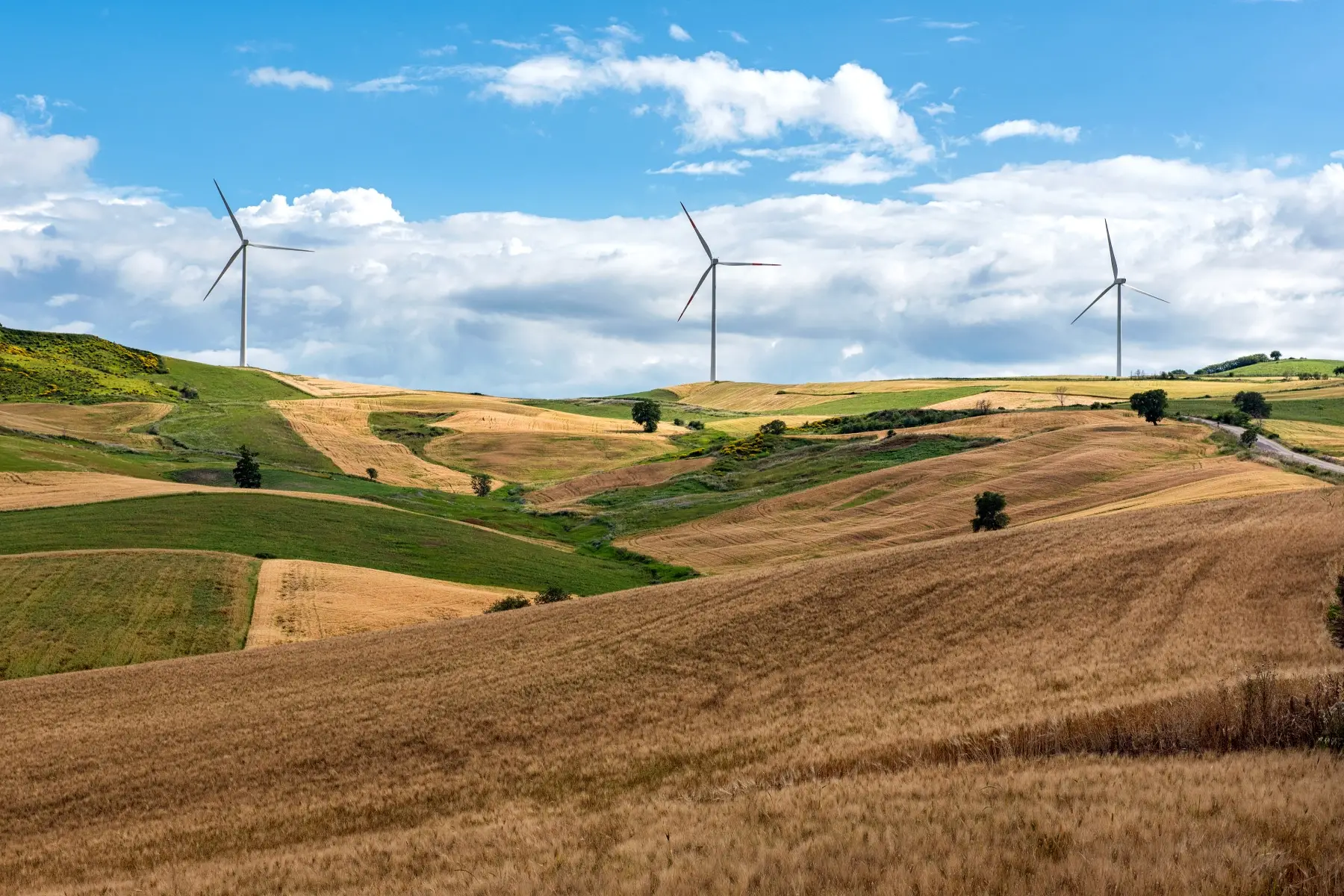
Choosing a green energy provider is something to consider when connecting the utilities to your new home in Italy. You want to look for one that is affordable and sustainable.
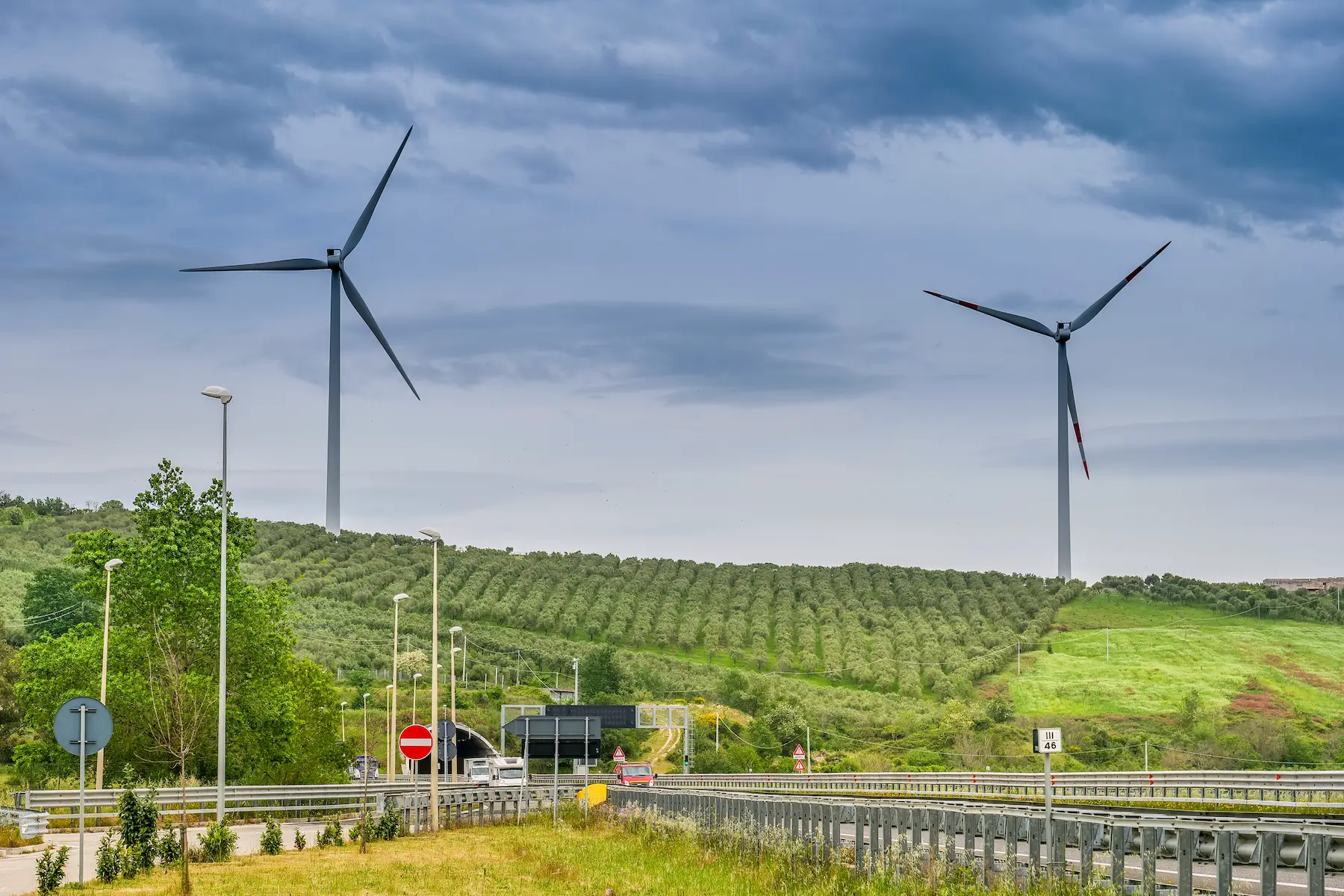
There are several green energy providers nationwide, including:
You can easily compare green energy providers and their packages with Facile.it.
2. Use greener transport options
Becoming more sustainable means reducing your carbon emissions. You can do this by walking, cycling, taking public transport, or using an electric vehicle (EV). In December 2022, there were just over 171,000 EVs on Italian roads with 32,776 charging stations.
You even could start with a hybrid vehicle or rent electric bikes, scooters, and EVs hourly with companies like:
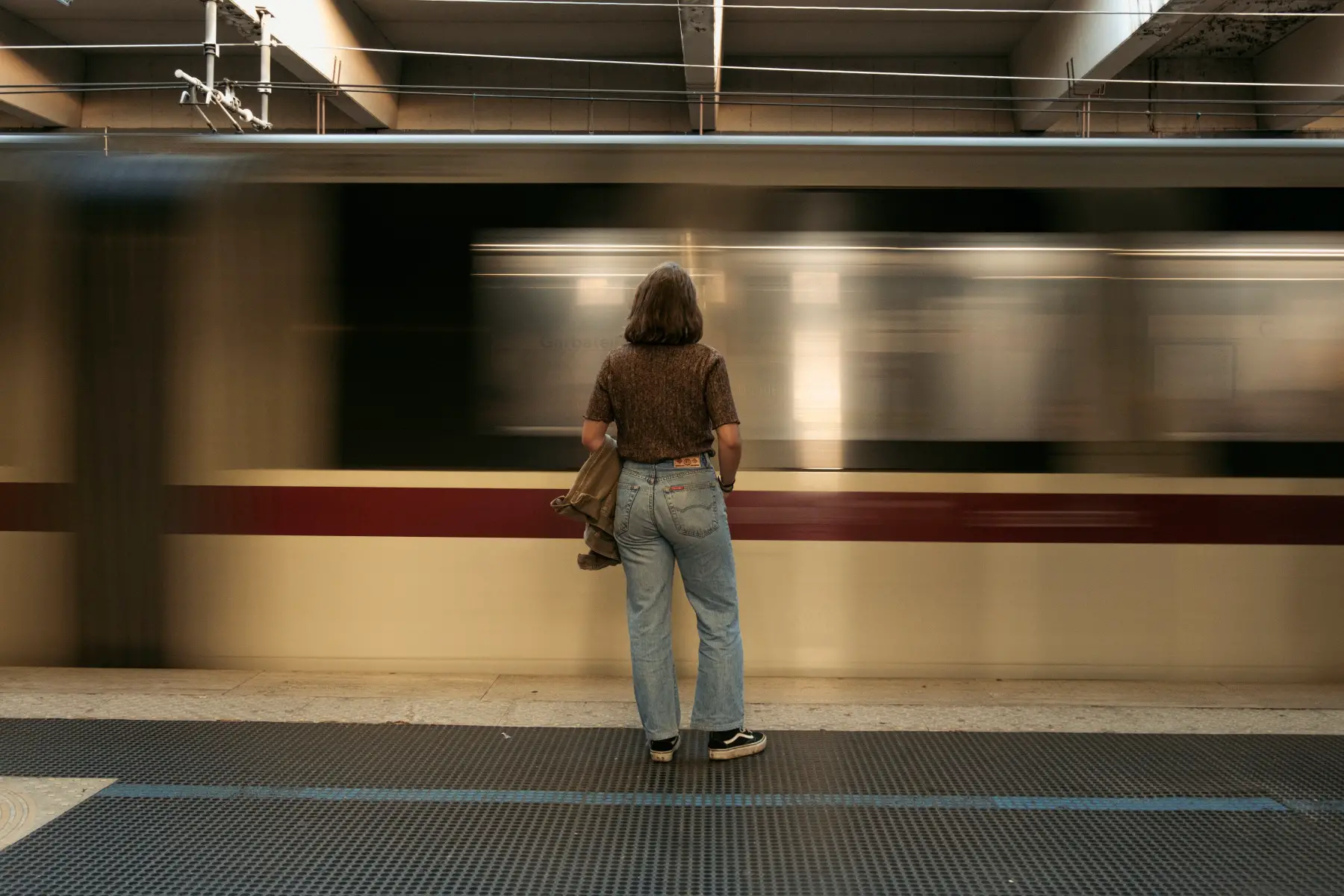
Do not have deep enough pockets for an EV? Then consider cycling. The Italian government has implemented a national urban cycling initiative – Piano Generale della Mobilità Ciclistica (PGMC) – with the goal of 20% more biking mobility by 2024. This plan includes more bicycle lanes, parking spaces, and places on public transport for bicycles.
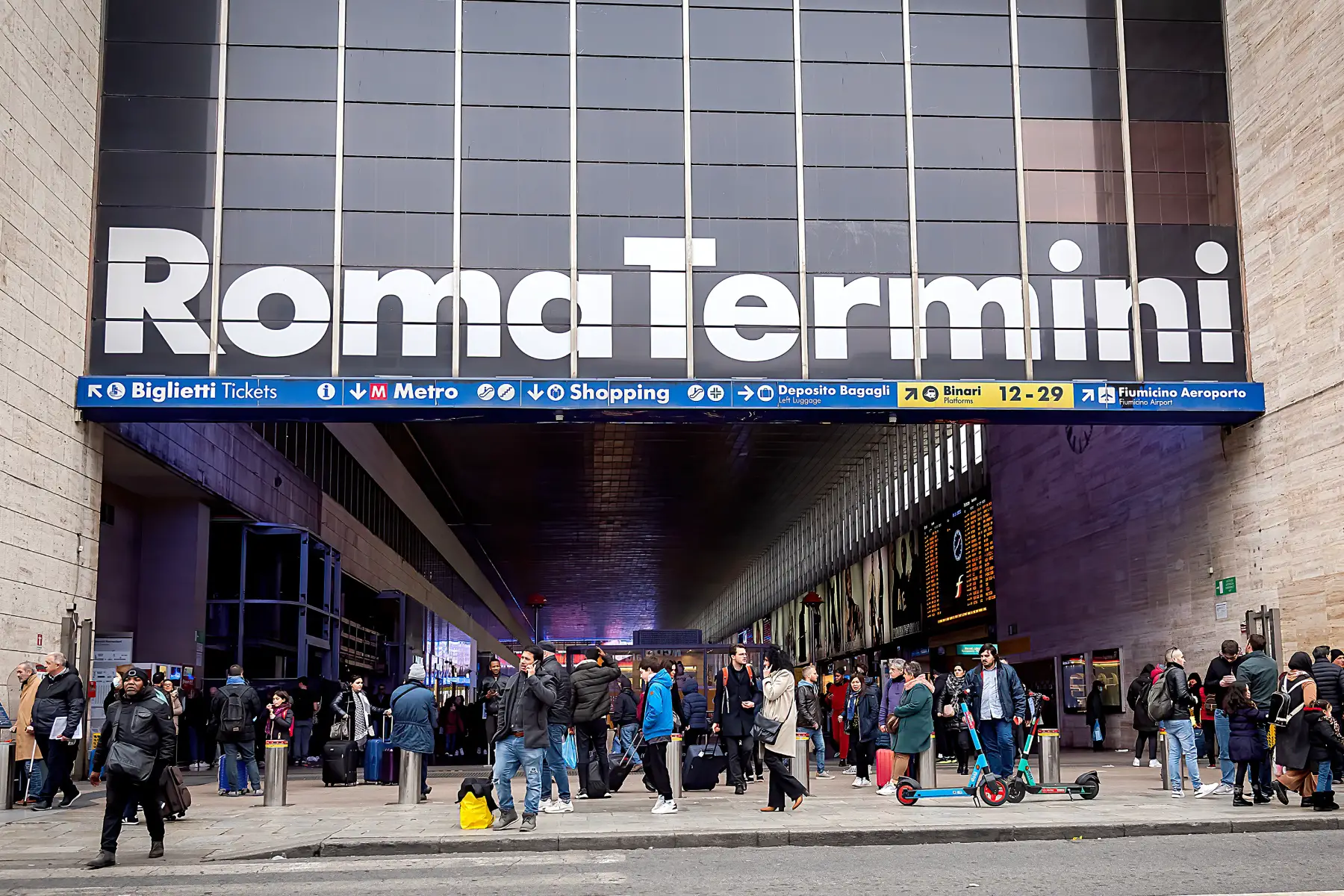
Taking the train, bus, or tram is another good alternative to driving. However, public transport is not always readily available. For example, in Rome, almost 7% of the population has no or low access.
3. Reduce your food waste
According to the Waste Watcher International Observatory (2022), on average, individual food waste amounts to 595 grams per week, with the top five food groups being fruit, vegetables, salad, bread, and aromatic plants (e.g., garlic and onions).
Reducing food waste starts at the grocery store. Consume mindfully by creating a list and only buy what you need. Opt for local and seasonal produce and pick up ripe fruits and veggies with bruises and imperfections. These are great for smoothies, soups, stews, and even banana bread.
Another option is to subscribe to a meal kit delivery service, instead of going to the supermarket. These contain the exact potions per person resulting in less waste. These services include:
Useful apps like Too Good to Go can also help you reduce food waste. It is active in larger cities, including Rome (Roma), Bologna, Florence (Firenze), Genoa, Milan (Milano), Turino, and Verona, with plans to expand across Italy. This app allows you to buy food at reduced prices that stores would have otherwise thrown away.
Lastly, if you go to a restaurant, don’t be shy and ask for your food to go if you don’t finish it – even if it may go slightly against the Italian social etiquette. Apparently, around 12% of Italians think it is rude to take your leftovers home, but do not let this stop you if it means less food waste.
4. Get involved with the sharing economy
Sharing economies can be a wonderful way to live more sustainably in Italy. It forms part of a circular economy; you consciously rent, share, or borrow items instead of buying new ones or disposing of useful things..
Italy has several resources to get involved with the sharing economy, such as:
- Car-sharing: If you don’t own a car but need to pick something up or take a friend to the airport, car-sharing apps, such as ShareNow and E-Vai give you access to an electric vehicle nearby
- Cycle or scoot: Biking everywhere is healthy and good for the environment. Although, sometimes the trip can be long and grueling. Therefore, renting electric scooters with MiMoto or Cityscoot is a great compromise to get where you need to without upping your carbon emission.
- Tool-sharing: You want to do some DIY in your new home, but don’t have the right tools. ToolsSharing allows you to borrow (or rent) the gadgets you need.
- Pre-loved: If you have something in surplus or unexpectedly need it, you can use Olio, as it allows you to request or share things (mostly food, cleaning products, or toiletries) with your neighbors via its handy app.
5. Shop locally
The food you eat has a significant impact on the environment. In fact, around a third of greenhouse gas emissions are created because of food production, particularly meat and dairy. Also, according to the Food and Agriculture Organization of the United Nations (FAO, 2015), the food system depletes around 30% of available global energy.
Changing your entire diet could be overwhelming, but you can start with minor tweaks to lessen the environmental impact of your eating habits.
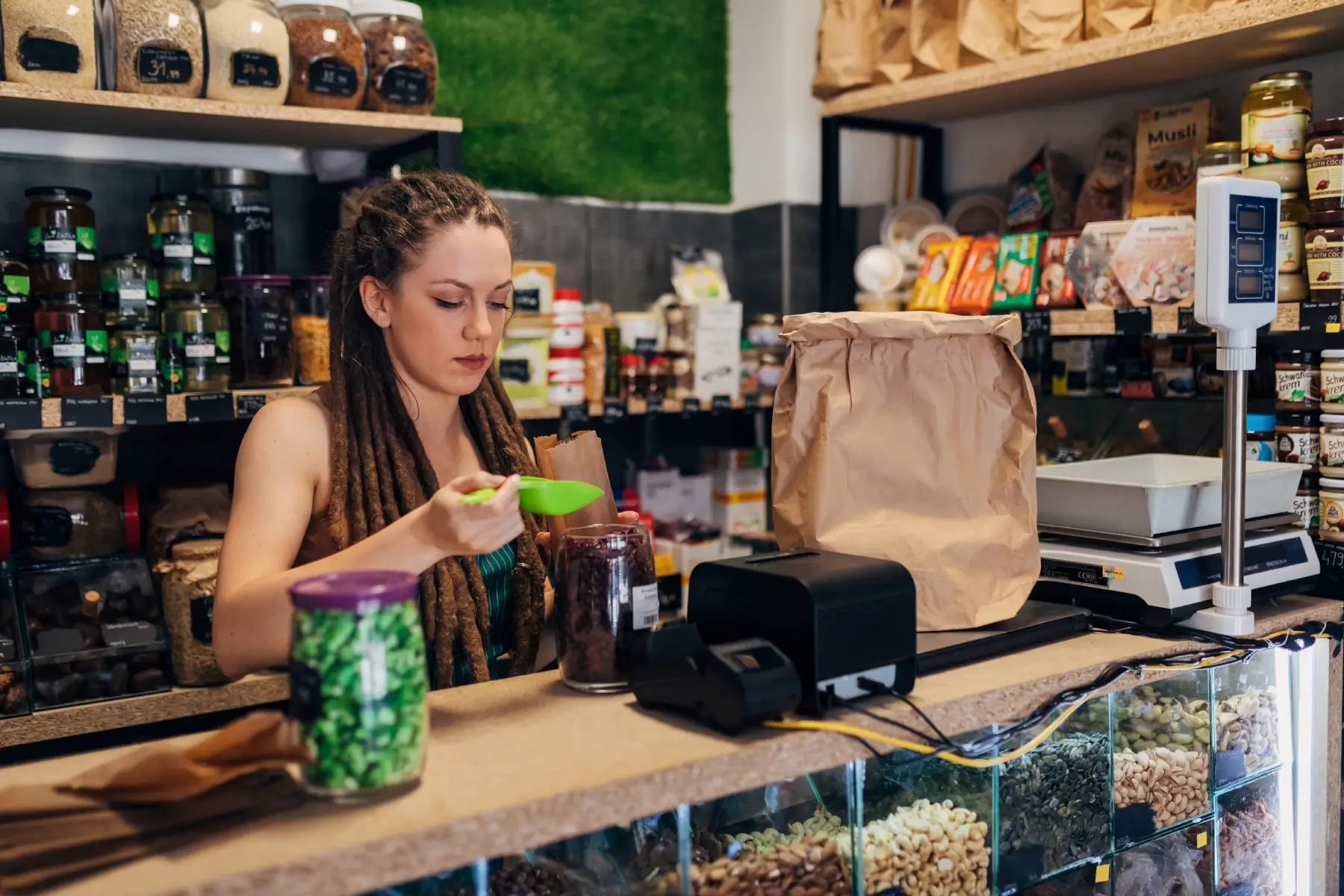
Shopping locally can be beneficial for the shop owners and the environment. You support the local economy and reduce your food miles. When you head out to the supermarket, look at the label to understand where your products come from. Make a conscious choice to pick seasonal and locally-grown vegetables, fruits, oil, and more. And remember your reusable shopping bags or shop at an organic store where you can scoop dry foods from glass containers into paper bags to reduce plastic pollution.
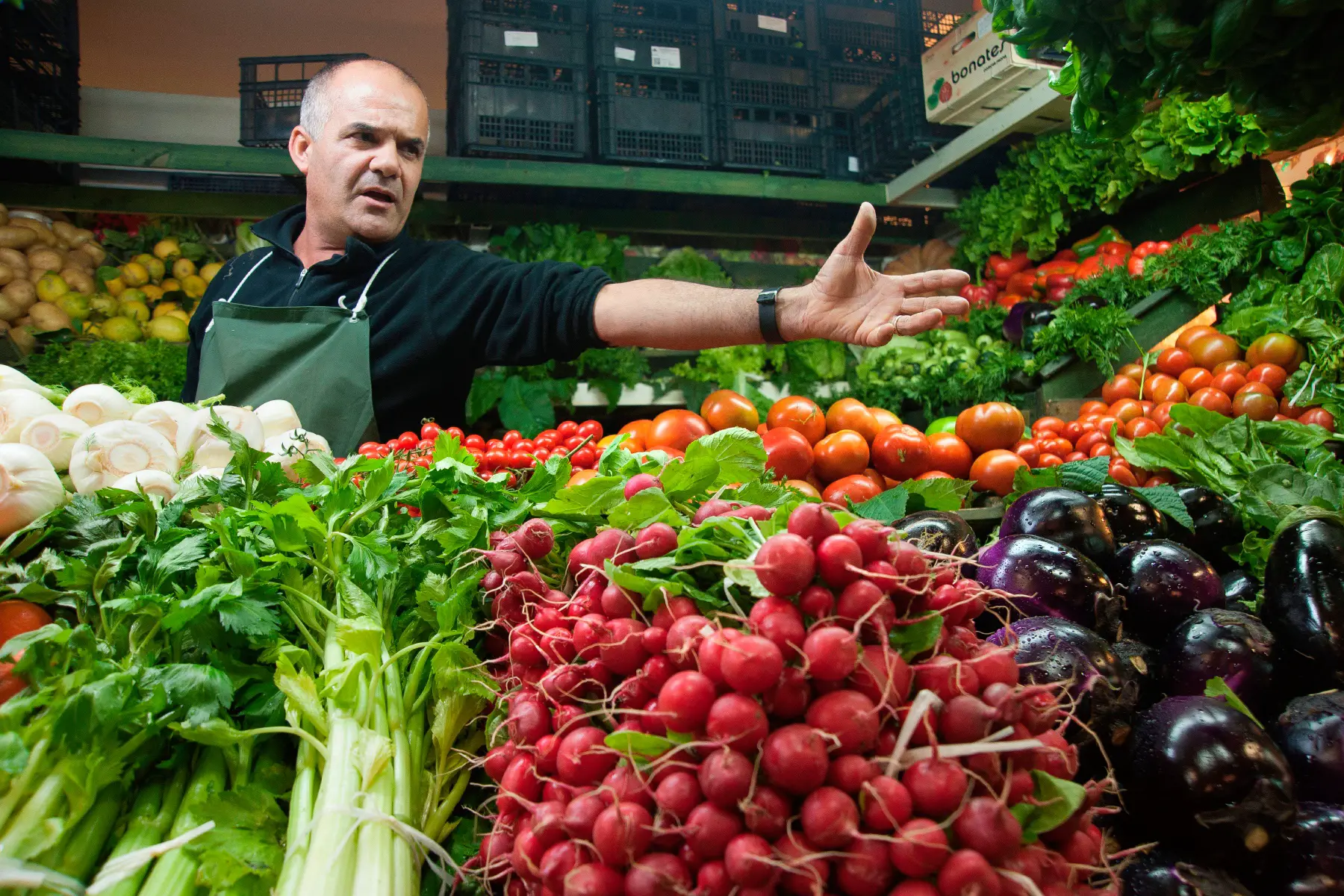
If you want to support your local farmers, head to your nearest weekly market for produce grown in the region or the country. By shopping at the market, your taste buds and the environment will thank you, and you can practice your Italian.
6. Download the right green apps
Sometimes, taking the first step toward sustainability can be the toughest. As we are so often glued to our smartphones, why not use them to help us be more sustainable?

Finding the right green app can make sustainable living in Italy more accessible.
Some apps that can help are:
- GreenApes: This social network for sustainability allows you to share your journey, join challenges, and get inspired to live more sustainably
- Ecosia: This search engine uses the ad income generated by your online searches to plant trees around the world
- Junker: This app identifies helps you identify and sort your trash in the correct recycling bin
7. Go paperless with your banking and bills
Have you arrived in Italy with a long to-do list and are unsure where to start? For example, opening an Italian bank account is essential, but usually, this means much bureaucracy, waiting, and paperwork. Thankfully, Italian banks are shifting more to electronic communication. Nowadays, you can request your bank statements directly online (either via the app or the website).

Some banks are also fully mobile, so you can open a new bank account from the comfort of your home, including signing the contract and requesting a credit card. Some examples are:
With these, you will receive all your correspondence online and help reduce paper waste. You can take going paperless a step further by receiving your electricity bill via email, but you need to request this.
8. Watch your water usage
Lowering your water usage is becoming essential, with droughts plaguing Italy and many other countries worldwide. According to Legambiente (a prominent environmental association), 22% of 33 billion cubic meters of water is wasted annually.
While you can find and use different energy providers, water companies are local and you can easily switch between them. They regulate the price according to the water levels in the reserves and rainfall within the area. So, to save money and the planet, you must be careful with your water consumption.
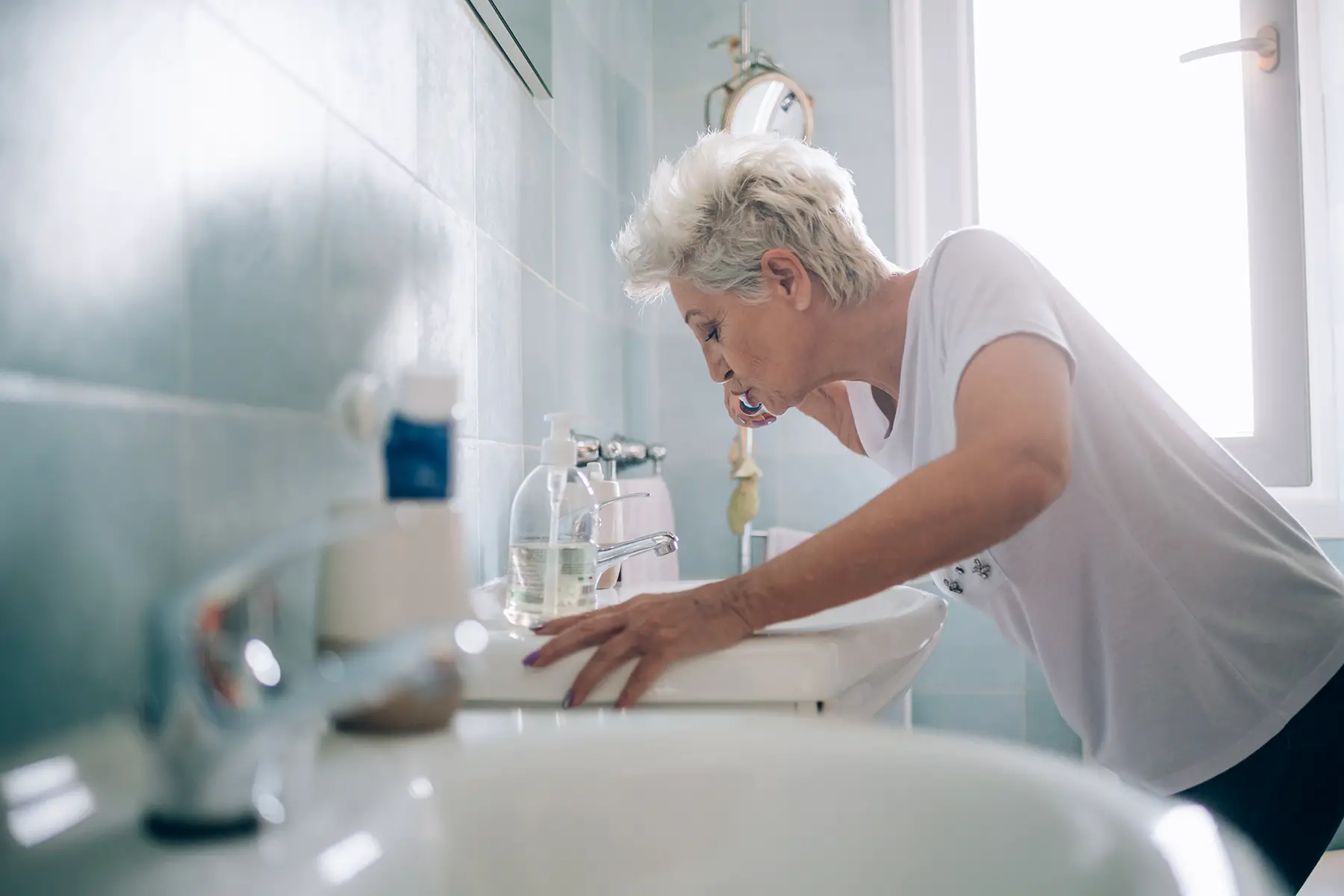
There are many small ways to reduce water waste, such as taking a shower instead of a bath or closing the tap while brushing your teeth. This action can save six liters of water per minute. During droughts, ENEA recommends 20 steps to reduce water waste. ENEA is the National Agency for New Technologies, Energy, and Sustainable Economic Development. These steps include reusing the pasta water to rinse your dishes and placing a two-button flusher for your toilet to save over 100 liters daily.
9. Replace those old appliances
Whether you have been hauling all your appliances from one home to the next or just using what’s already provided in your house, buying new electronics is probably low on your priority list. As long as your microwave works, what’s the point of spending money on a new one?
However, old electronics are silent energy wasters. So, replacing them is yet another step toward living more sustainably. For example, switching from an F-label fridge to an energy-efficient A-label can save carbon emissions equal to a 12,500km car trip and around €855 in energy costs.
You can find new appliances at electronics stores such as:
If you can’t afford energy-efficient appliances, there are some tax reductions. When you buy furniture or whiteware with a label of at least A+, you can ask for 50% tax reductions.
10. Reduce, reuse, recycle
You don’t need to be a sustainability warrior to remember the three Rs:
- Reduce
- Reuse
- Recycle
According to the EU Commission’s 8th Cohesion Report (2022), Italy has a recycling rate of 79%, which is well above the EU average and higher than that of other large European countries such as France and Germany. Italy has even managed to improve its performance over time, with a growth of 8.7% from 2010 to 2018, according to the same report.
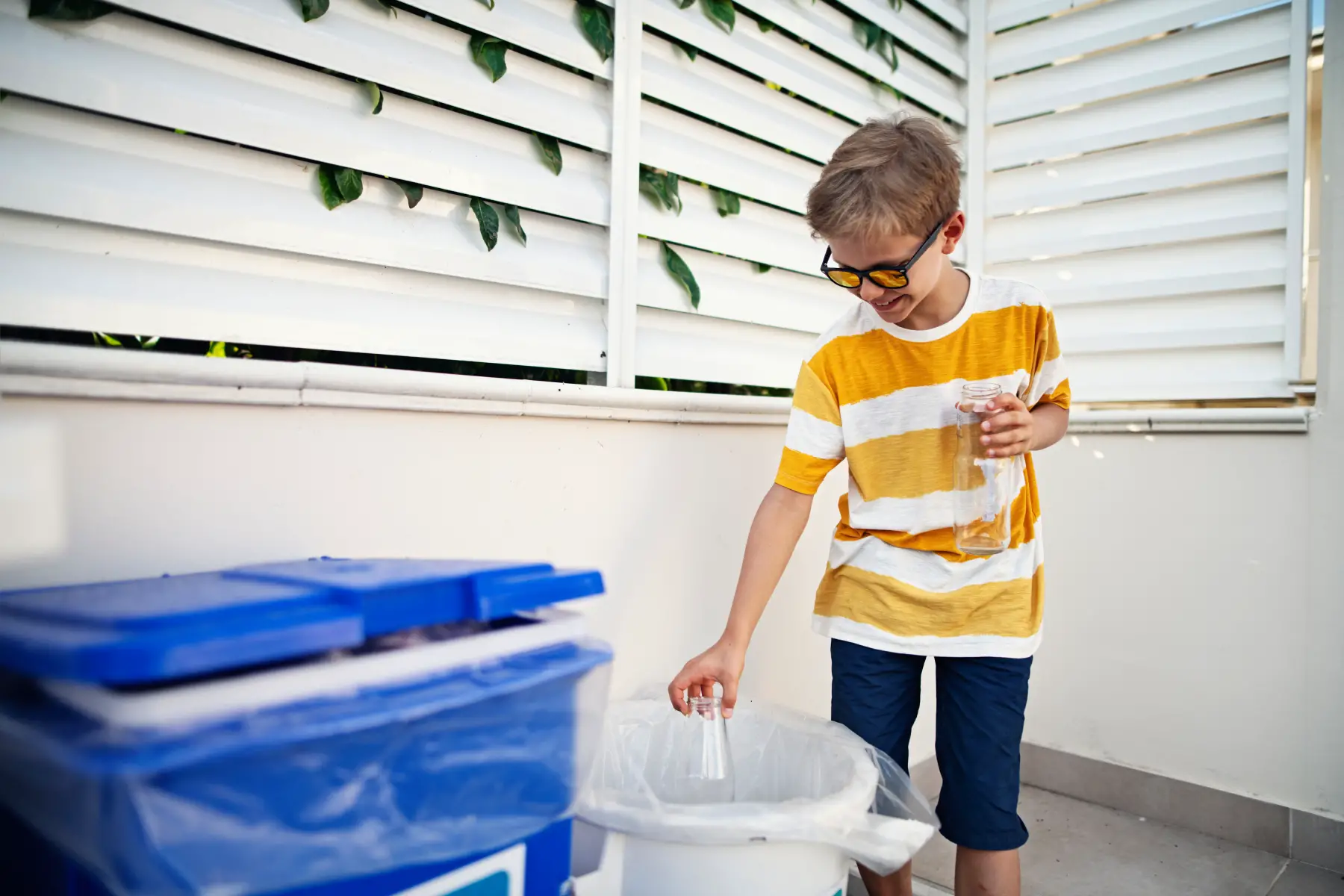
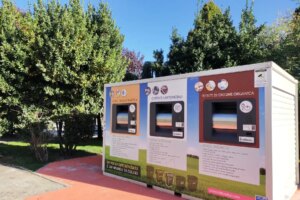
There are a few things you need to learn when moving there, including the trash removal schedule and the recycling center locations. Depending on your city and region, you will either have your paper, glass, and plastic picked up directly from your home, or you can deposit these recyclables at roadside facilities. Collections happen every week or fortnight, depending on the location.
Every December, Italian municipalities send the trash bags you need for the five containers or you can get them at their offices with your ID. You can also dispose of particular items in the following way:
- Large items to recycling centers
- Expired medicine to pharmacies
- Batteries and bulbs to supermarkets with recycling points.
The app, Smart Ricicla, can help you to remember all of this and become the recycling master.
Useful resources
- Ministero dell’Ambiente e della Sicurezza Energetica (MASE) – Italian Ministry of Environment and Energy Security
- Smart Ricicla – A phone app demystifying the Italian recycling system
- ENEA – 20 steps to save water


Did you find this guide helpful?