
'%20id='ico-down'%20stroke='%23000000'%20stroke-width='1.5'%3e%3cg%20transform='translate(1092.250000,%20254.750000)'%3e%3cpolyline%20id='Path-2-Copy-4'%20transform='translate(5.500000,%202.750000)%20scale(1,%20-1)%20rotate(-180.000000)%20translate(-5.500000,%20-2.750000)%20'%20points='0%200%205.5%205.5%2011%200'%3e%3c/polyline%3e%3c/g%3e%3c/g%3e%3c/g%3e%3c/svg%3e)


Education
Studying
Studying in Japan
Want to study in Japan? From degree programs to visa requirements, learn how to enroll in the country’s world-class educational institutions.


Japan is a unique country offering fast-paced city life, beautiful natural scenery, cutting-edge technology, and a distinct culture and language. No surprise, then, that many international students want to relocate for their academic careers.
The country also has some excellent universities. However, getting accepted into a higher education institution isn’t easy. Here’s what you need to know if you would like to study in Japan:
Higher education in Japan
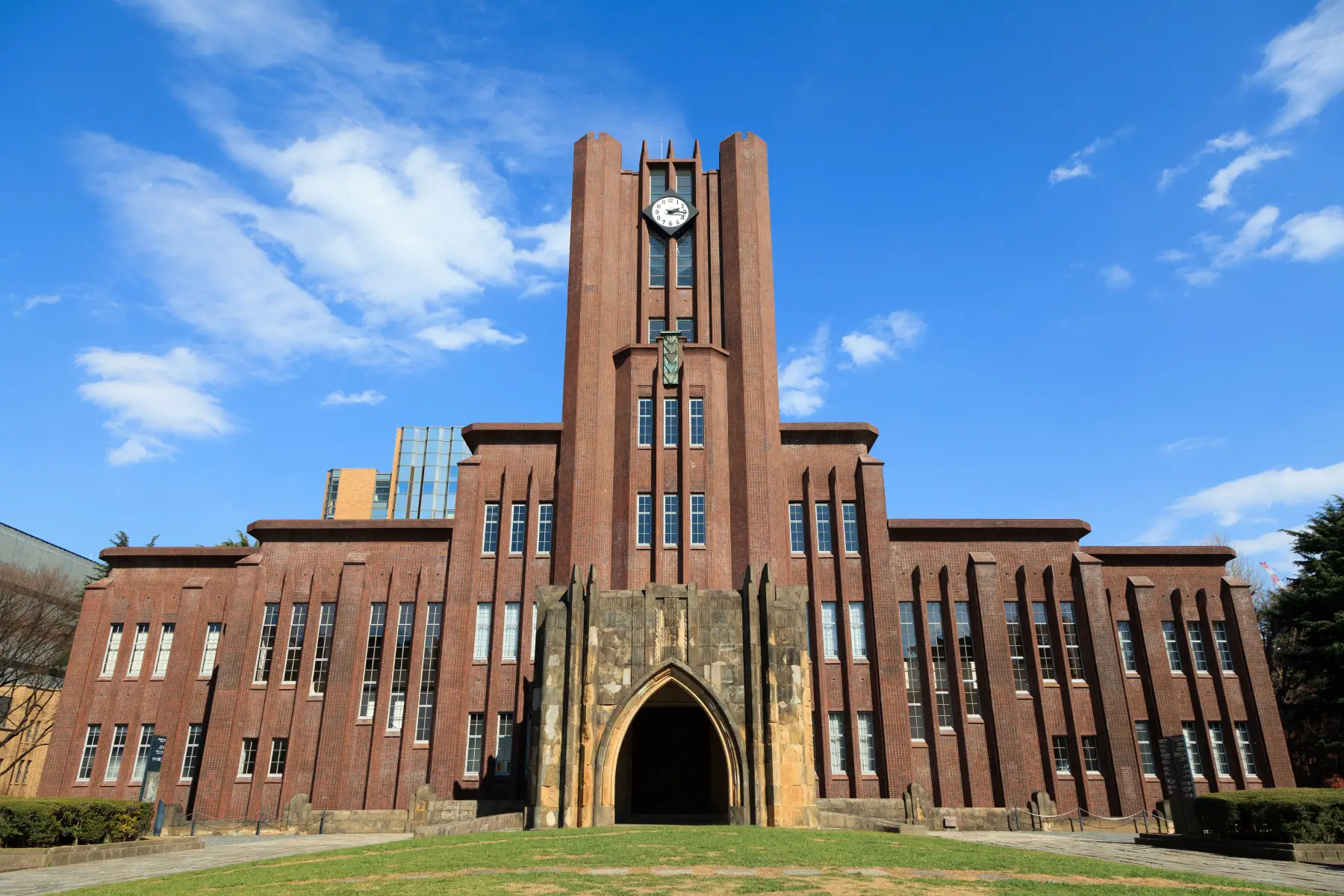
Japan boasts one of the best education systems in East Asia. Six of its universities are ranked among the top 500 in the 2023 Times Higher Education World University Rankings. The highest of these are the University of Tokyo (東京大学) in 39th position and Kyoto University (京都大学) in 68th place.
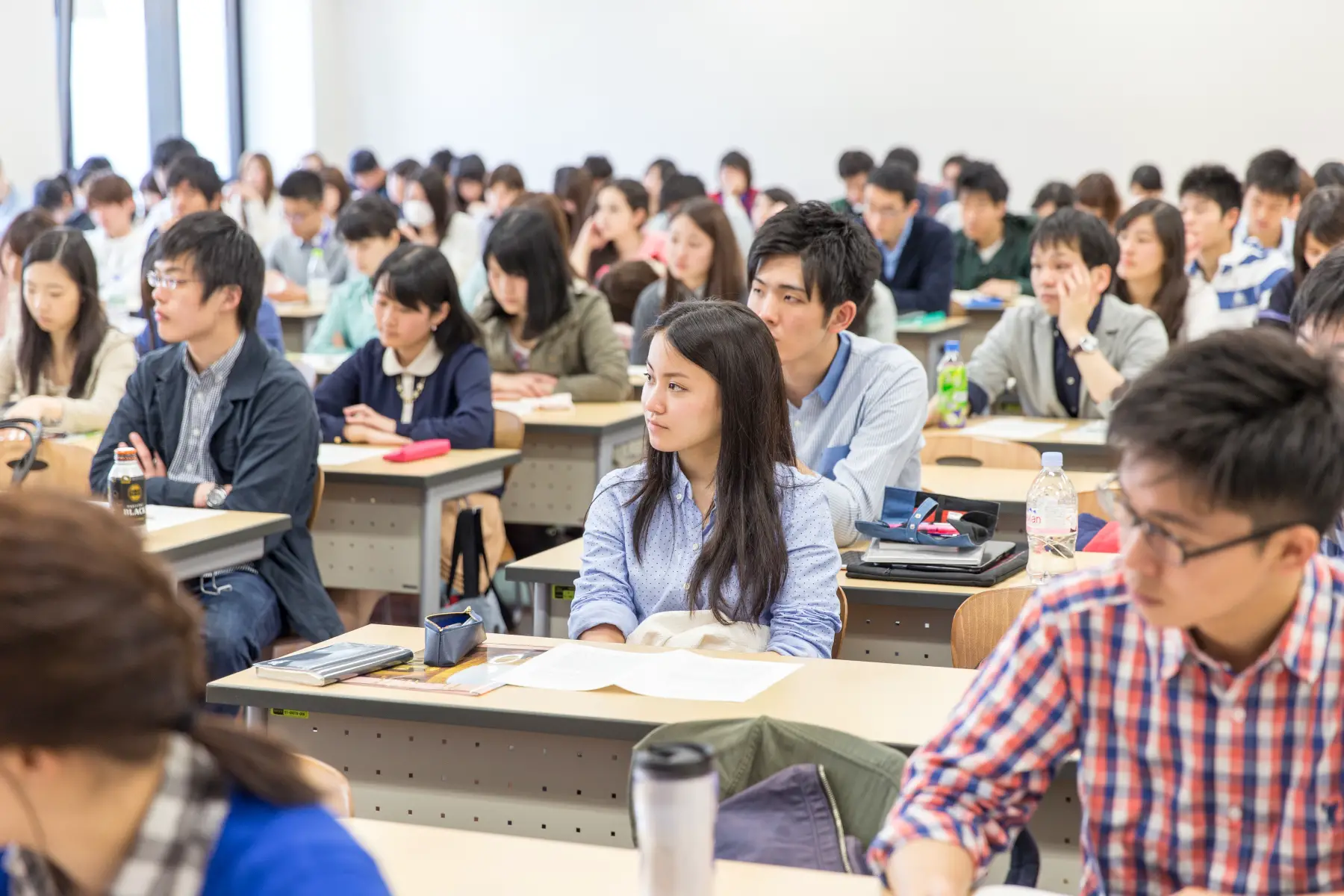
Around 220,000 students from over 170 countries come to study in Japan, with internationals making up roughly 5.7% of total higher education students.
The Japanese academic year typically starts in April and ends in March. The spring semester runs from April to September, and the fall semester from late September to March. The government body responsible for higher education in Japan is the Ministry of Education, Culture, Sports, Science, and Technology (MEXT – 文部科学省).
Students in Japan begin higher education at the age of 18, following 12 years of school education. There are five types of higher education institutions:
- Universities (大学): study for a bachelor’s degree (807 institutions)
- Graduate schools (大学院): study postgraduate qualifications (657 institutions)
- Junior colleges (短期大学/短大): study for associate degrees (309 institutions)
- Colleges of Technology (高等専門学校/高専): study technical associate degrees (57 institutions)
- Professional and vocational training schools and colleges (専門学校): study for professional qualifications and diplomas (2,721 institutions)
Most of these institutions are privately run, although there are also national and local public universities, schools, and colleges in Japan. Courses are typically taught in Japanese, but many places offer foreign language programs, including English.
Japanese degree programs
University bachelor’s degrees (学士) in Japan generally take four years to complete through full-time study. Programs for medicine, dentistry, veterinary, and pharmacy take six years. You need a minimum of 124 credits from the National Institution for Quality Improvement and Academic Degrees of Higher Education (NIAD-QE – 大学改革支援・学位授与機構) to pass a four-year degree and 182–186 credits for a six-year degree.
In addition to university degrees, you can also obtain the following qualifications in Japan:
- Professional bachelor’s degree (専門職学士): essentially the same as a standard bachelor’s but from a Professional and Vocational University (PVU – 専門職大学)
- Associate degree (短期大学士): obtained from a Junior College, this is a 2–3 year program worth 62–93 credits, enabling you to transfer to the third or fourth year of a bachelor’s degree
- Professional associate degree (専門職短期大学士): a standard associate degree that qualifies you to transfer to a PVU
To obtain a place on a Japanese degree course as an international student, you will need the following:
- Have completed at least 12 years of education in your home country
- Pass entrance and language proficiency tests
These tests include:
- Examination for Japanese University Admission for International Students (EJU – 日本留学試験)
- Japanese Language Proficiency Test (JLPT – 日本語能力試験)
Fees for undergraduate programs in Japan vary from around ¥820,000 per year at national universities to about ¥3.2 million per year at private universities. There are scholarships (奨学金) available to cover all or part of the study costs.
According to the 2022 International Student Survey (PDF) carried out by the Japan Student Services Organization (JASSO – 日本学生支援機構), the most popular degree fields for international students are humanities, social science, science, engineering, and agriculture.
You can search for degree courses on:
- Study in Japan (government-approved student support and information site)
- JASSO
- Japan Study Support
Postgraduate programs
Postgraduate programs in Japan consist of master’s and doctoral degrees. You can enroll for these at graduate schools across the country.
Master’s degrees
Master’s degrees (修士) are the next step for those who finish a bachelor’s degree and want to continue with their studies. The program typically lasts two years of full-time study and involves a mix of lectures, seminars, exams, and independent research work, culminating in an original dissertation.
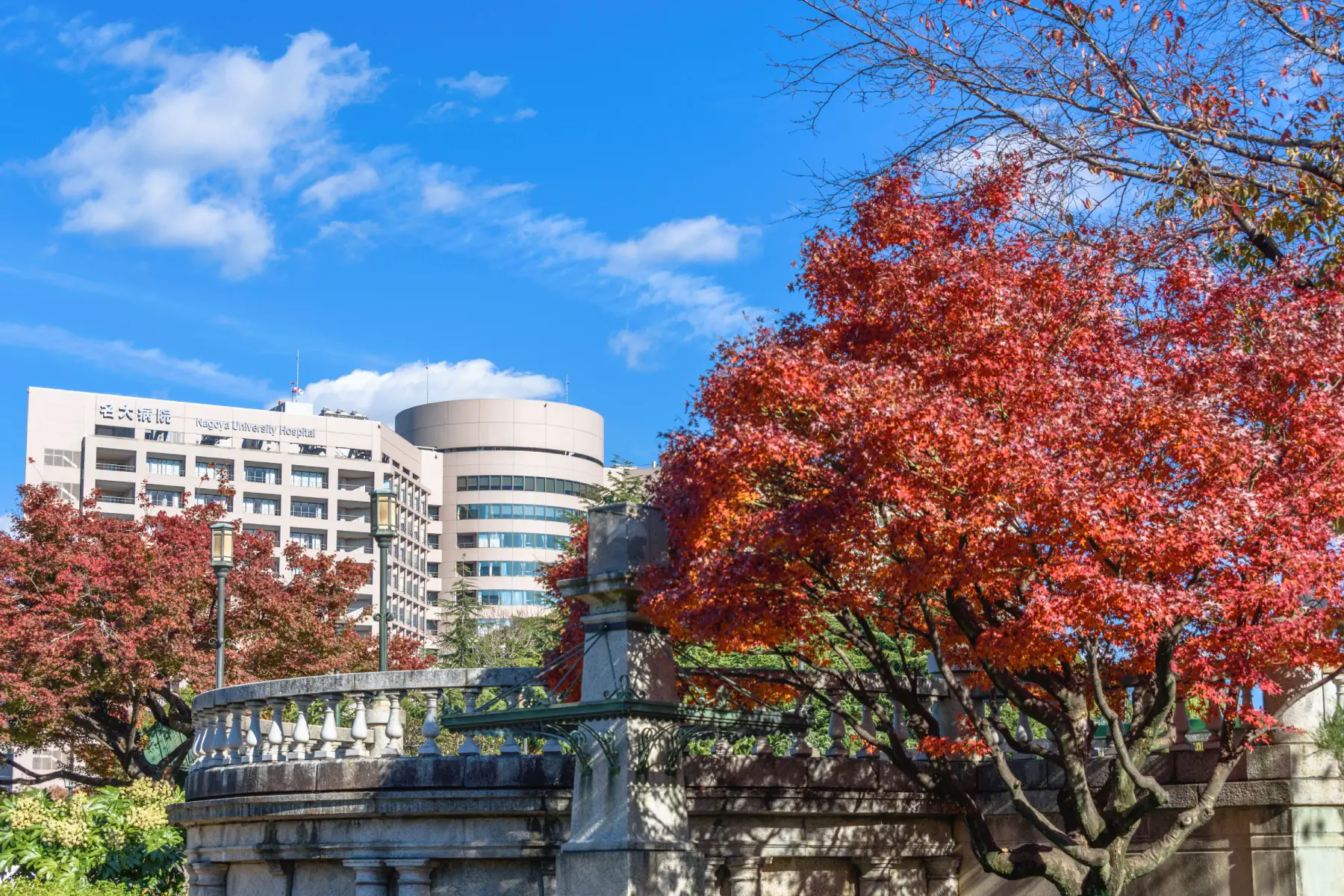
To pass a standard master’s program, you will need at least 30 NIAD-QE credits. In addition, you can also study the following types of professional degrees in Japan:
- Professional Master’s degree (専門職修士): a master’s degree specialized in a particular professional field (e.g., Master of Engineering)
- Master of Education (教職修士): qualification to become a teacher in Japan and worth at least 45 credits
- Juris Doctor (法務博士): a three-year law program to practice as a legal professional, worth at least 93 credits
To study at master’s level in Japan, you must have a bachelor’s qualification from a Japanese or accredited international university. You will also typically need to meet language proficiency requirements, have two letters of recommendation, and submit a personal statement. Some schools may require an outline of a research proposal for your final dissertation.
Fees for master’s programs in Japan generally range from around ¥820,000 to 1 million per year. Fortunately, you can apply for a scholarship to help cover the costs.
Search for these programs on:
Doctoral degrees
The doctoral degree (博士) or PhD, is the highest level of qualification in Japan. It involves at least three years of study and typically takes around five years to complete. To obtain a PhD in Japan, you will need to research and write an extensive thesis that builds on existing academic knowledge in your chosen field.
Typically, you also need a master’s qualification to get accepted into a PhD program. Some graduate schools offer combined master’s and doctoral degrees where you study for a master’s qualification for the first two years and then immediately continue with a PhD. Annual fees are broadly the same as for master’s.
Other study programs in Japan
In addition to undergraduate and postgraduate degrees, there are also various diplomas that you can study at Japanese vocational schools and technical colleges. These give you specialist vocational qualifications and enable you to further your studies at universities or PVUs. Programs include:
- Diploma (専門士): offered at Professional Training Colleges over 2–3 years and worth 62–93 credits
- Advanced Diploma (高度専門士): four-year program worth 124 credits
At Japanese Colleges of Technology (高等専門学校/高専), you can also study certain technological associate degrees (準学士). These can last up to five years and are worth at least 147 credits.
To get a place on one of these programs, you must have completed at least secondary school education in Japan or abroad. Fees are usually cheaper than university courses, ¥320,000–960,000 a year. There is funding available for those who are struggling to afford the costs.
You can search the Study in Japan website for Professional Training Colleges and Colleges of Technology.
Japanese qualifications awarded
Higher education institutions in Japan award degrees and diplomas corresponding to the UNESCO International Standard Classification of Education (ISCED) 2011 scale. Most Japanese higher education qualifications are categorized from levels 5–8. These ISCED levels include:
- Level 5 – Associate degrees, diplomas, and advanced diplomas
- Level 6 – Bachelor’s degrees
- Level 7 – Master’s degrees, Professional Master’s, Master of Education, and Juris Doctor
- Level 8 – Doctorate degrees (PhD)
You can see a detailed breakdown on the NIC-Japan website, including information on credits awarded.
The grading system varies across different universities in Japan. Some use a lettering system (e.g., ‘A,’ ‘B,’ or ‘C’ for a pass, and ‘F’ for a fail), while others have moved to a numerical system (1 equivalent to ‘A,’ and so on).
General requirements to study in Japan
Visa requirements
All international students need a visa to study in Japan for longer than three months. Residents of certain nations are exempt from visa requirements for short-stay trips lasting up to 90 days, but they will need a Japanese visa and residence permit for any stay longer than this.
You will need to apply for a student visa (学生ビザ, gakusei biza) once you have been accepted into a program at a Japanese higher education institution. The first step is for your place of study to apply for a Certificate of Eligibility for Status of Residence (COE) from the regional immigration services bureau (PDF).

Once this has been completed, you can apply for a visa at the Japanese embassy or consulate in your home country or through the Japanese Ministry of Foreign Affairs (MOFA – 外務省) website.
Student visas in Japan last for the duration of the study course, up to a maximum of four years and three months.
Language requirements
For Japanese study courses, you must prove your Japanese language knowledge as part of your application. Most programs require either N1 or N2 level on the Japanese Language Proficiency Test (JLPT). If you need to brush up on your Japanese language skills, numerous language schools offer free or affordable courses as well as the JLPT.
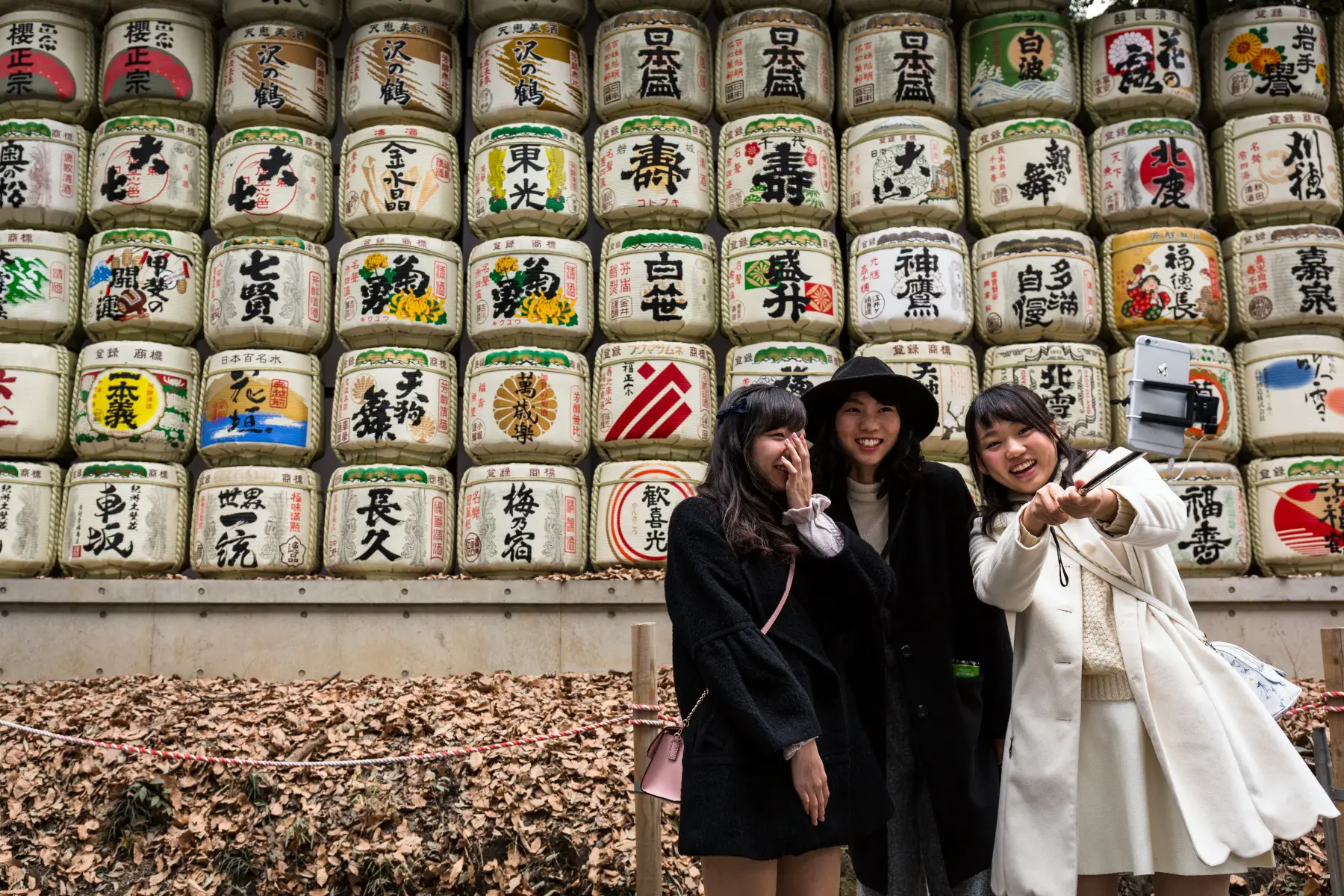
Bear in mind that if you are enrolling in an English-language program and do not have qualifications from an English-speaking country, you will usually need to provide a certificate to show your English proficiency, for example, International English Language Testing System (IELTS) or Test of English as a Foreign Language (TOEFL).
Getting overseas qualifications recognized
Japan signed the UNESCO Global Convention on the Recognition of Qualifications concerning Higher Education in 2022, aiming to better standardize academic qualifications between different countries.
Notably, there is no official procedure for transferring overseas qualifications in Japan as you might find between European countries. Still, Japanese universities will recognize foreign qualifications and credits, taking into account grades and years studied, but there is no process of equalization.
Because of this, most Japanese universities require international students to sit the Examination for University (EJU) entrance exam to assess academic aptitude.
You can learn more about foreign qualifications on the National Information Center for Academic Recognition in Japan (NIC-Japan) website.
How much does it cost to study in Japan?
You will need to pay tuition fees if you study in Japan. However, costs are cheaper than in other countries, such as the United States (US) and the United Kingdom (UK). Prices will depend on the institution and type of programs; for example, private universities charge significantly more.
Current average annual tuition prices in Japan are:
- Universities: from ¥820,000 at a national university to ¥3.2 million at a private university for a six-year medical degree
- Graduate Schools: from ¥820,000 at a state school to ¥1.1 million at a private school
- Junior Colleges: from ¥600,000 at a local college to ¥960,000 at a private institution
- Colleges of Technology: around ¥320,000
- Professional Training Colleges: around ¥900,000
You will usually have to pay at least part of the annual tuition fees upfront when you enroll. In addition to this, you will need to consider other costs, such as:
- University administration or registration fees: most universities charge a one-off fee when you enroll. This amount varies between institutions.
- Exam fees: the EJU costs between ¥10,000–18,000, and Japanese language schools charge different prices for exams, depending on the duration of the course
- Student visa fees: usually around ¥6,000
- Living expenses: accommodation, utility bills, food, transport, and more
- Study expenses: textbooks and other materials
Making a budget for your living costs before you move to Japan is a good idea. Of course, this will depend on which city you live in.
Study grants and funding available
You can apply for bursaries to cover the costs of studying in Japan. While there are only a few full Japanese scholarships available, most will cover enough of your expenses to keep your studies affordable.
Both Japanese and international students can access funding. For those coming from abroad, your university or place of study can help you search for suitable scholarships or grants.

Typically, you can only apply for scholarships once accepted into a study program. There are various types of funding, each varying in amount, duration, eligibility criteria, and application process. Types of bursaries include:
- Government scholarships from MEXT, available for both undergraduate and postgraduate students
- Local government scholarships (usually more limited in availability)
- JASSO scholarships
- Scholarships from international bodies and international exchange organizations
- Private scholarships, available through many individual schools and universities
You can search for scholarships on the Japan Study Support (JSS) website.
Many schools and universities in Japan also have tuition fee reduction schemes for those struggling to meet costs or who fulfill certain conditions. Some banks in Japan even offer low-interest student loans, although these are normally reserved for Japanese students and permanent residents.
How to apply to study in Japan
There is no centralized application system for Japanese university applications. Instead, you must apply directly to the university or school, as each institution has its own application procedures. Many Japanese universities accept online applications.
Generally, you need to provide the following:
- Completed application form
- Personal statement
- Photo ID, for example, passport
- Evidence of existing qualifications (translated into Japanese)
- Letter of recommendation (from a previous place of academic study or employer)
- Proof of language proficiency
- EJU exam score (if required)
- Information on how you plan to finance your studies
- Research proposal outline (for postgraduate studies)
Each Japanese university or school publishes the deadline for accepting applications on its website. It’s advisable to apply around six months before the start of the academic year. Many universities in Japan accept two rounds of applications per year: one for the spring term and the other for the fall term. Therefore, you should apply around September/October for spring term enrolment, and March/April for fall term enrolment.
Once accepted into a program, you can start your student visa application and source funding.
What’s student life like in Japan?
Most university cities in Japan have a vibrant student life where young people can find plenty to do, from enjoying the local nightlife to engaging in sports and outdoor activities. The QS Best Student Cities 2023 placed two cities (Tokyo 7th, Kyoto-Osaka-Kobe 17th) in the top 20 worldwide.
International students in Japan can also emerge themselves into the local culture, and savor Japanese cuisine without going broke. Of course, Japan isn’t a cheap country, but the general cost of living is less than in some European nations.

Typically, students plan their own timetable but they tend to spend around 30 hours per week on their studies, including lectures, seminars, practical learning, and exams. Most universities and schools also have clubs and societies where students can network and enjoy extra-curricular activities.
Remember that shortly after your arrival, you will also spend a fair amount of time on general administration to set your life in Japan. This includes registering with your local municipality and getting your Japanese ID number for social security purposes.
Japanese student accommodation
Individual universities and local governments manage student dormitories in Japan. These are inexpensive and usually furnished. However, availability is limited, and you’ll have to share facilities such as kitchens and bathrooms with other students.
Therefore, around 79% of students choose private rental accommodation, which could include:
- Shared rental accommodation, where a few students live together
- A private rented apartment (living alone)
- Guest or Gaijin houses, which are a special kind of affordable accommodation for foreigners not living permanently in Japan
- Living with a host family
Private rented apartments are typically unfurnished, and the rent is more expensive, but they offer more freedom and personal space.
You can ask your place of study or local real estate agents for details of student dorms or private rentals. Alternatively, you can also search the following websites for student accommodation in Japan:

Rental prices vary across Japanese cities, with metropolitan areas like Tokyo being more expensive. The national monthly average for private rentals is ¥38,000, while the average monthly cost for a dorm is ¥28,000.
Can you work while studying in Japan?
Approximately 67% of privately financed international students in Japan work part-time to finance their studies.

International students can work up to 28 hours per week during term time and up to eight hours per day during holiday. They don’t need a separate work visa for this. However, they need to apply for permission to engage in activities other than their visa purpose from their regional immigration services bureau (PDF).
The most popular job sectors for international students in Japan include hospitality, sales, factory work, and teaching/research assistant roles, but they are not allowed to work in the adult entertainment industry. This includes any related work in bars, nightclubs, or casinos.
You can also work as an intern while studying in Japan. Internships are usually unpaid or low-paid; however, you can earn valuable work experience in your chosen field.
Volunteer work
You could find volunteering opportunities at your university or school in Japan that would teach you new skills while you contribute to society. For example, many organizations nationwide work directly with disadvantaged communities on various worthwhile projects. You can also contact charities and NGOs directly to learn more about available roles.
Student healthcare in Japan
All residents living in Japan for over three months – including students – must sign up for the National Health Insurance (NHI – 国民健康保険), which gives them access to public healthcare services.

You can register for NHI at your local municipal office within two weeks of arriving in Japan. Once you have done this, you will receive a health insurance card to take to medical appointments.
Remember that only one person per family (living together) needs to register for NHI, as it covers everyone. It also applies to private student accommodation as you are considered a household when sharing utility bills and general living costs.
Study exchange programs
Many Japanese universities and schools have student exchange agreements with universities and institutions worldwide. This means that learners have the opportunity to spend a term or a year living and studying in another country, such as the JASSO Student Exchange Support Program. JASSO is also part of a global network of student organizations that work towards developing new and exciting exchange opportunities.
If you are a student at an overseas university interested in spending part of your studies in Japan, enquire with your university to see what is on offer. Likewise, if you are a foreign student already enrolled in higher education in Japan, you may be able to complete part of your studies in another country.
Career prospects after graduation
After graduating, you can stay in the country for up to one year to look for a job or start your own business. To do this, you must change your residence status through your regional immigration services bureau.
If you find employment or change your status again during this period, inform the bureau so that they can amend your residence permit, for example, to a work visa.
You can also remain in Japan to continue your studies if accepted into another academic program. You won’t need to change your residence status for this, but you will need to inform the immigration services bureau so that they can extend your student visa.

There are many resources to help you find jobs in Japan, such as your university’s careers service. You can also join an alumni association to develop a strong network of valuable contacts.
If you want to work in the non-profit sector in Japan, you can try websites such as ImpactPool or Michael Page or check out the Japan NPO Center (日本NPOセンター).
While many international students choose to remain in Japan after graduation, others prefer to return to their home country. JASSO can still offer support with your next steps, whichever you decide to do.
Useful resources
- Japan Student Services Organization (JASSO) – student service run by MEXT
- Study in Japan – information portal operated by JASSO
- Japan Study Support – information portal for international students operated by the Asian Students Cultural Association


Did you find this guide helpful?