'%20id='ico-down'%20stroke='%23000000'%20stroke-width='1.5'%3e%3cg%20transform='translate(1092.250000,%20254.750000)'%3e%3cpolyline%20id='Path-2-Copy-4'%20transform='translate(5.500000,%202.750000)%20scale(1,%20-1)%20rotate(-180.000000)%20translate(-5.500000,%20-2.750000)%20'%20points='0%200%205.5%205.5%2011%200'%3e%3c/polyline%3e%3c/g%3e%3c/g%3e%3c/g%3e%3c/svg%3e)



'%20fill='%23000000'%3e%3cg%20id='icons'%20transform='translate(56.000000,%20160.000000)'%3e%3cpath%20d='M144,7339%20L140,7339%20L140,7332.001%20C140,7330.081%20139.153,7329.01%20137.634,7329.01%20C135.981,7329.01%20135,7330.126%20135,7332.001%20L135,7339%20L131,7339%20L131,7326%20L135,7326%20L135,7327.462%20C135,7327.462%20136.255,7325.26%20139.083,7325.26%20C141.912,7325.26%20144,7326.986%20144,7330.558%20L144,7339%20L144,7339%20Z%20M126.442,7323.921%20C125.093,7323.921%20124,7322.819%20124,7321.46%20C124,7320.102%20125.093,7319%20126.442,7319%20C127.79,7319%20128.883,7320.102%20128.883,7321.46%20C128.884,7322.819%20127.79,7323.921%20126.442,7323.921%20L126.442,7323.921%20Z%20M124,7339%20L129,7339%20L129,7326%20L124,7326%20L124,7339%20Z'%20id='linkedin-[%23161]'%3e%3c/path%3e%3c/g%3e%3c/g%3e%3c/g%3e%3c/svg%3e)
'%20fill='%23000000'%3e%3cg%20id='icons'%20transform='translate(56.000000,%20160.000000)'%3e%3cpath%20d='M335.821282,7259%20L335.821282,7250%20L338.553693,7250%20L339,7246%20L335.821282,7246%20L335.821282,7244.052%20C335.821282,7243.022%20335.847593,7242%20337.286884,7242%20L338.744689,7242%20L338.744689,7239.14%20C338.744689,7239.097%20337.492497,7239%20336.225687,7239%20C333.580004,7239%20331.923407,7240.657%20331.923407,7243.7%20L331.923407,7246%20L329,7246%20L329,7250%20L331.923407,7250%20L331.923407,7259%20L335.821282,7259%20Z'%20id='facebook-[%23176]'%3e%3c/path%3e%3c/g%3e%3c/g%3e%3c/g%3e%3c/svg%3e)

France is a wonderful place to live. Although smaller than the American state of Texas, it is the largest country in the European Union. So, it’s hardly surprising that it offers all kinds of landscapes and beautiful places to visit, from rolling hills and golden plains to snow-capped mountains and stunning castles. With cities of all shapes and sizes, there’s surely a place perfect for you.
Get a tailored action plan for moving to France
Let us plan your relocation to France for you. Expatica’s relocation tool asks you a series of questions and generates you a tailored, interactive checklist for your move.
You can see everything you need to do ahead of your move and outstanding tasks once you arrive. Create a profile with Expatica to save your checklist and tick off tasks as you complete them.
Try the relocator tool here – it only takes 2 minutes.
Moving abroad also involves financial considerations, and setting up your finances early with services like Wise can make the transition easier thanks to their multi-currency account and transparent fees, letting you focus on the next big question: which city is right for you? As the country is incredibly varied, we break down the best places to live in France based on different criteria, spanning various lifestyles, interests, and ages. Below, find our recommendations for:
Spotahome
Looking for somewhere to rent in France? Spotahome takes the hassle out of househunting by doing the hard work for you. Their online platform lets you find, view, and book rental properties all from the comfort of your own home. Take the stress out of househunting in France with Spotahome.

Best cities in France
Below, you’ll find some of the best cities in France to live. It’s likely most of these are always on your list, but what’s it actually like to live there? Your next step will be to find a place to live – one way of doing this is via online property portals such as Spotahome
If you need something more temporary, sites like Airbnb and Uniplaces have plenty of places on offer.
Paris
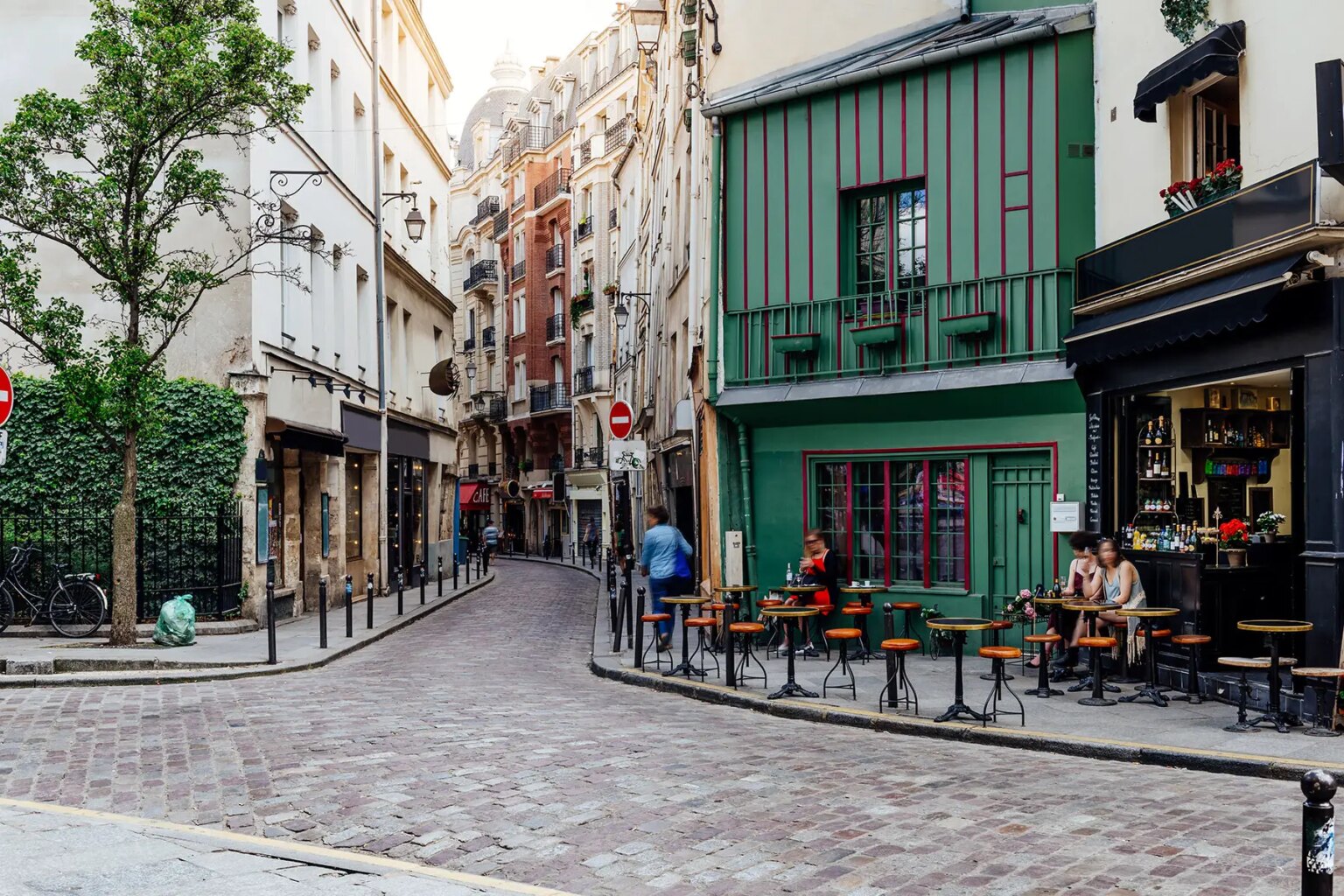
Of course, France’s capital city is one of the country’s most exciting places, with loads of sights to see and all sorts of cultural outings and events. Alongside can’t-miss attractions like the Eiffel Tower, the Basilica of Sacré Coeur in Montmartre, the Arc de Triomphe, and the world-famous Louvre museum, places worth visiting in Paris also include the off-the-beaten-track area around the Canal Saint-Martin and lesser-known museums such as the Musée Jacquemart André or the Musée Nissim de Camondo.
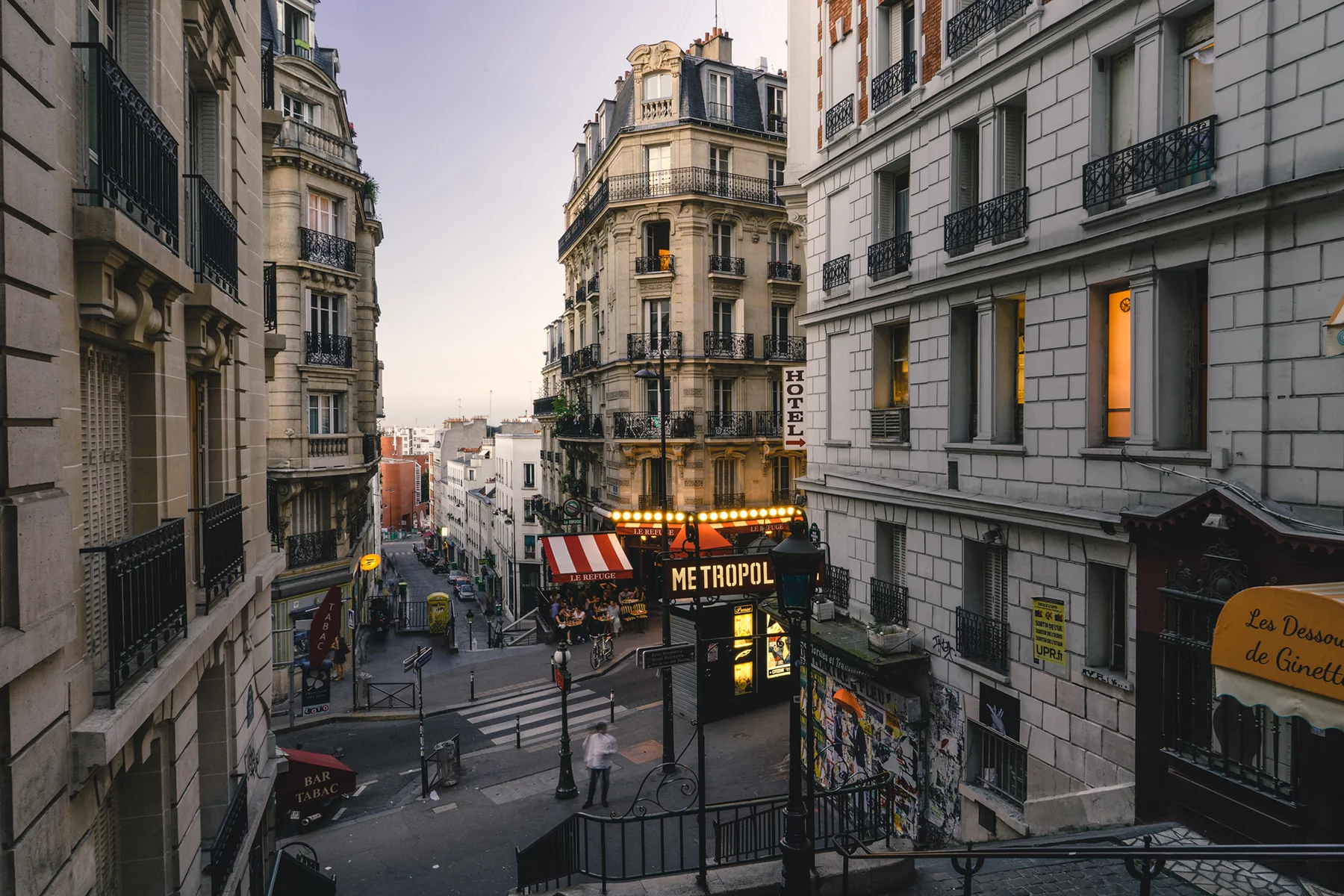
With so much to do and see and as one of the world’s top tourist destinations, it’s not surprising that Paris is the most expensive city in France. Everything from housing prices to the cost of a cup of coffee runs higher in the City of Light than elsewhere in the country. In 2024, the median private-sector rent in Paris was €26.60 per m2 per month, excluding charges. In May 2026, the price per square meter for existing apartments in Paris was €9,520, according to the Notaires du Grand Paris.
The 19th and 20th Arrondissements are the cheapest neighborhoods in Paris. As such, these areas have seen an influx of young couples and families in recent years. Of course, you could also check out the Parisian suburbs to find a more affordable place to live.
This cosmopolitan city is a true melting pot, and you won’t find a more diverse city in France. Of course, it’s full of tourists and visitors from all corners of the globe, but it’s also the city with the largest immigrant and expat communities in France.
Lyon
France’s third-largest city is perhaps best known for its gastronomy. Foodies in France are sure to fall in love with Lyon’s traditional restaurants, known as bouchons. The annual Festival of Lights, or the Fête des Lumières, in Lyon also attracts people from around France and around the world each December. During this festival, the city lights up its many monuments with impressive illuminations and video projections.
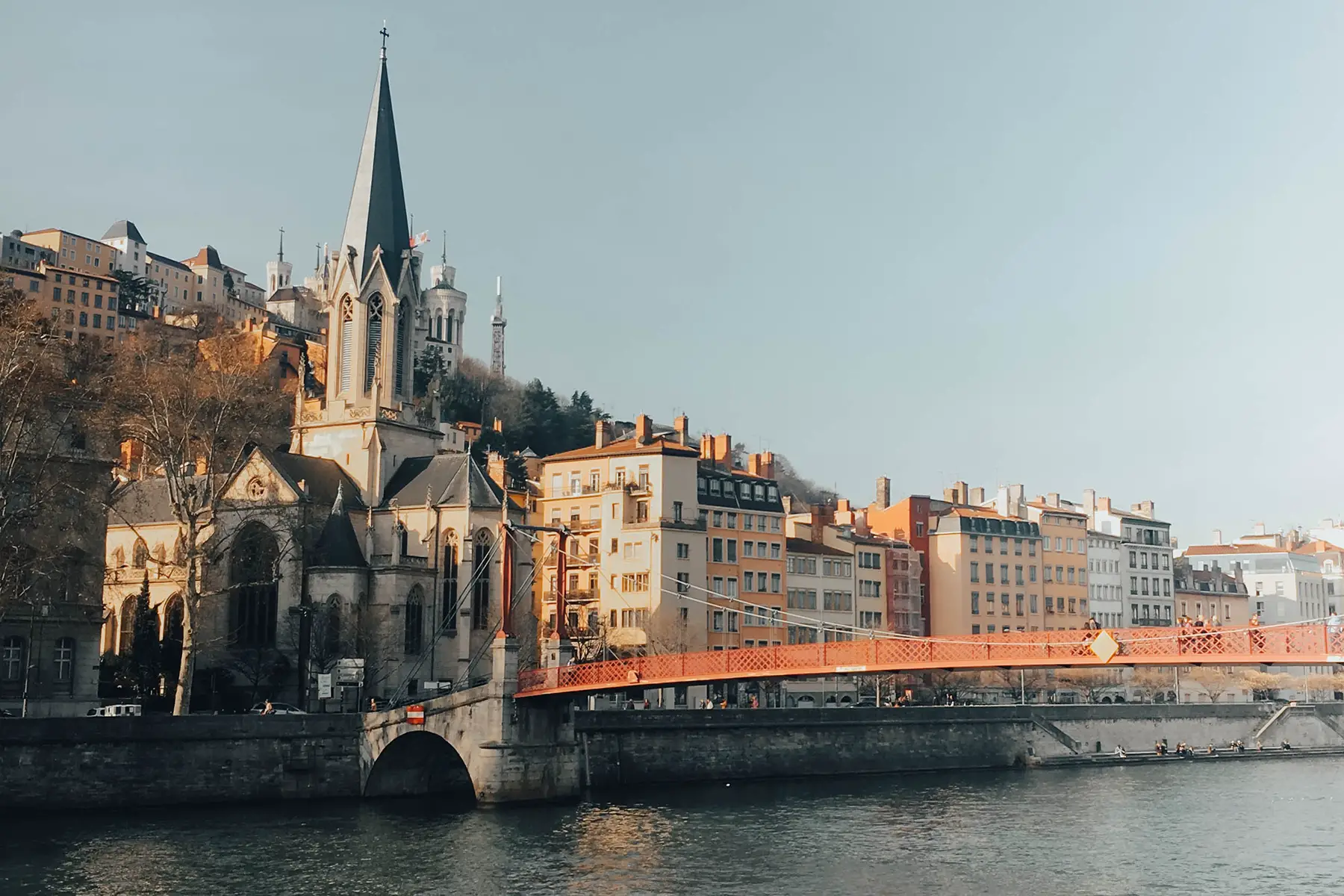
Like many of the best-known cities on this list, Lyon is also one of the most expensive places to live in France. Still, housing costs are much lower than in Paris, and you’ll also get more square footage for your money. In 2024, the median private-sector rent across the Lyon rental observatory area was €12.70 per m2, rising to €13.60 per m2 for Lyon and Villeurbanne.
Wise account
Are you an expat or thinking of moving to France? Managing your money across borders shouldn’t be complicated. With a Wise account, you can hold over 40 currencies and pay with a Wise debit card in more than 150 countries. Whether you need to spend abroad, receive or send money home, Wise can help make international money management simpler.
Bordeaux
Known for its pretty buildings, pleasant climate, and of course, the amazing wines produced in the region, Bordeaux has plenty to offer people looking for a new place to live. It’s also a great option for expats interested in moving to France.
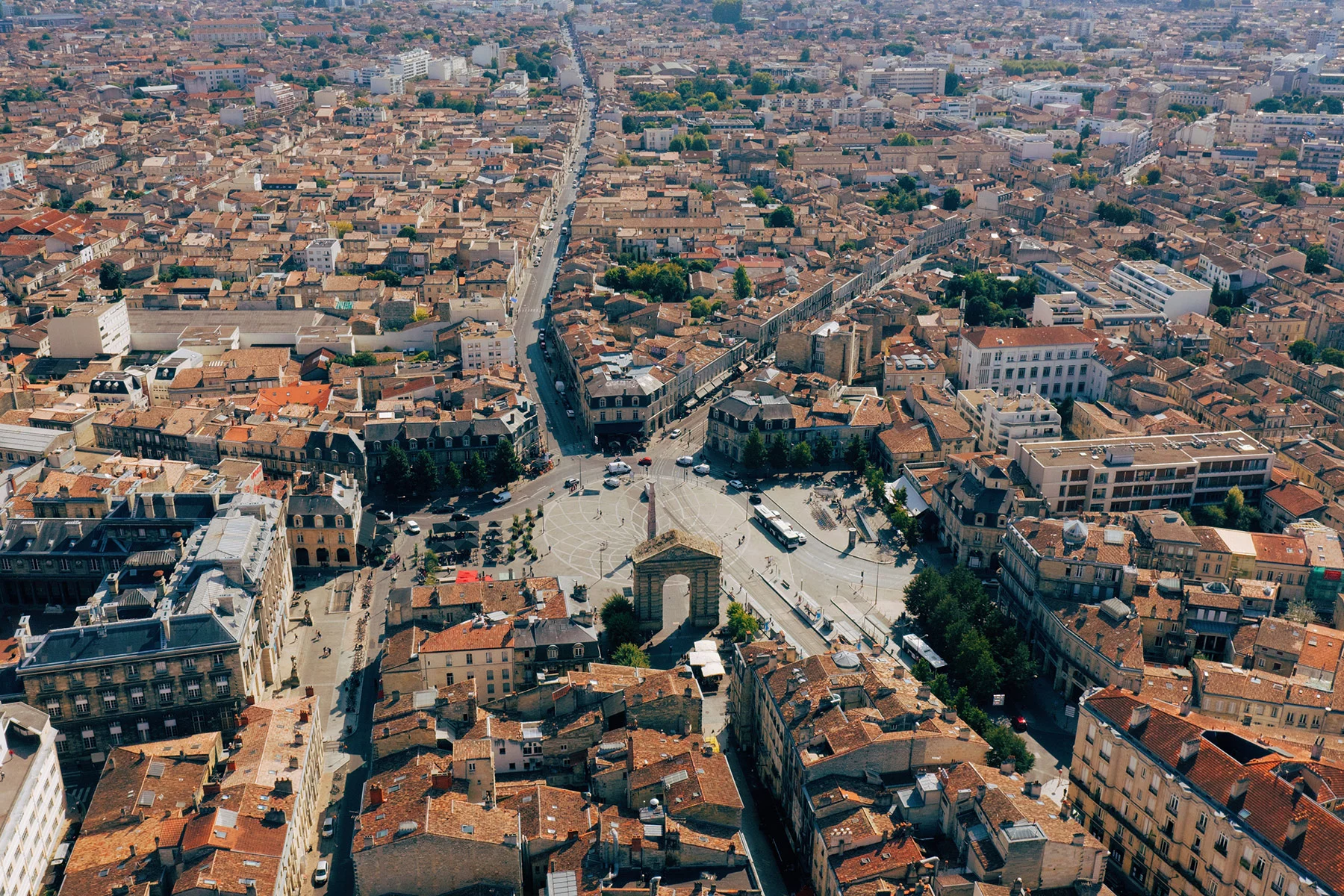
Bordeaux also has a very convenient tram network for getting around the city and wider metropolitan area. Since December 2025, Bordeaux Métropole has six tram lines (A–F), serving the city center as well as residential areas across the metropolitan area. You’ll find everything you could want here, from professional sports to excellent wine bars – all in a pristine city where architectural gems and art museums abound.
Nice
Situated on the breathtaking Côte d’Azur in the south of France, Nice is a lively city that combines the charm of a quaint old town with the buzzing atmosphere of a cosmopolitan center. Beyond beautiful rocky beaches and colorful buildings, Nice also offers an affordable and easy-to-navigate tram system, countless cool bars and live music venues to discover, many great restaurants worth a try, and a lot of shopping options.
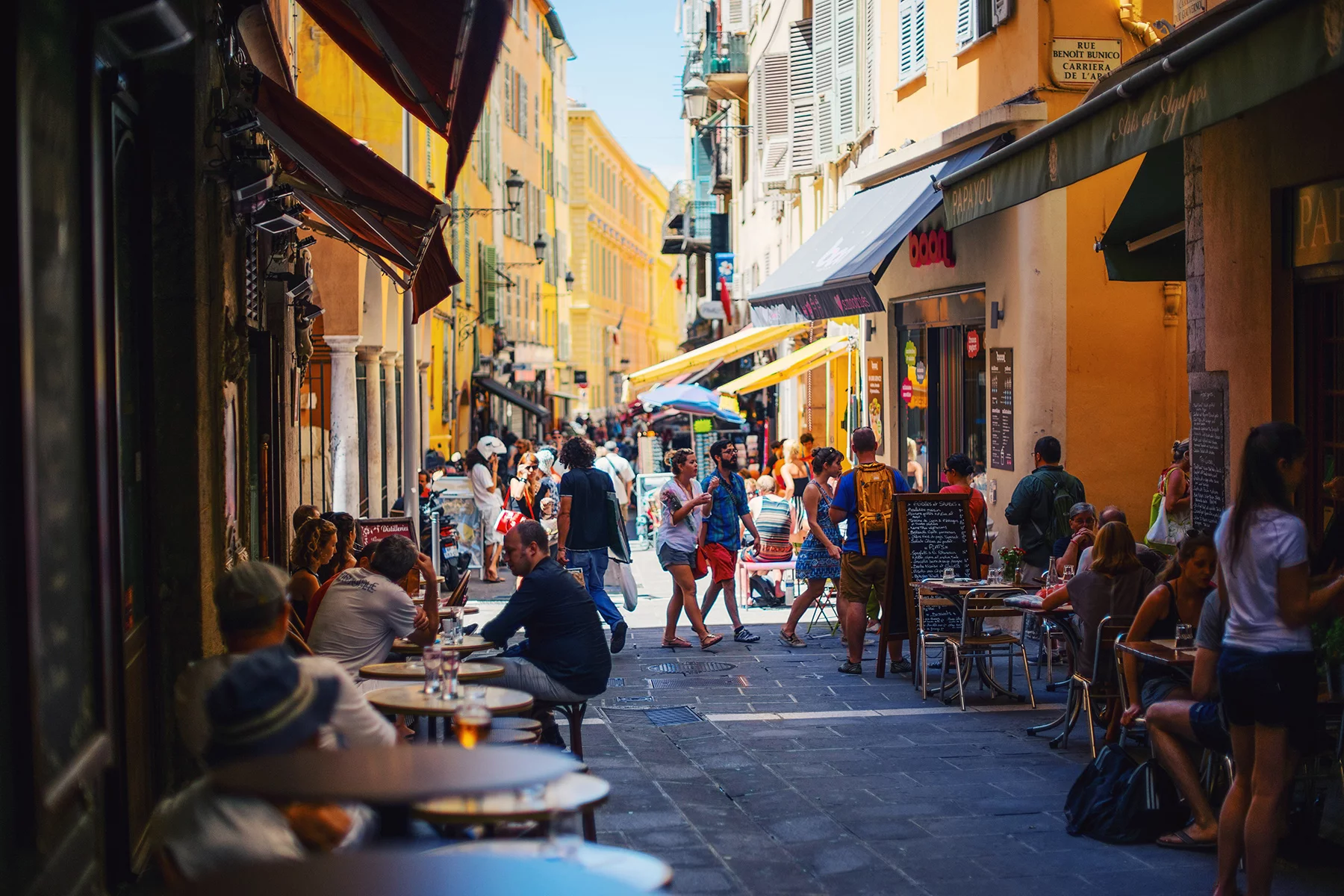
Nice is a great place to live for more than its promise of fun in the sun; a solid network of doctors and other medical professionals, coupled with a mild climate, make it an ideal home for those with health concerns, too.
As the fifth-largest city in France, Nice had 357,737 residents in 2023, while its wider urban unit had 987,709. Nice is one of the more expensive places to live in France. Given the magnificent setting, it makes perfect sense. And it is arguably worth the cost.
Montpellier
A vibrant college town with a maze of quaint, cobblestone streets in its large historic center, called l’Ecusson, Montpellier is bursting with energy. The city is very walkable and also boasts a tram network that makes it easy to get around. Plus, it’s a mere 10 miles to the Mediterranean coast, with access to beaches via public transportation at Palavas les Flots, Carnon, and La Grande Motte. This charming southern town’s accessibility isn’t limited to its public transportation network; according to the city, all tram stations are accessible, while 85% of priority bus stops have been made accessible.
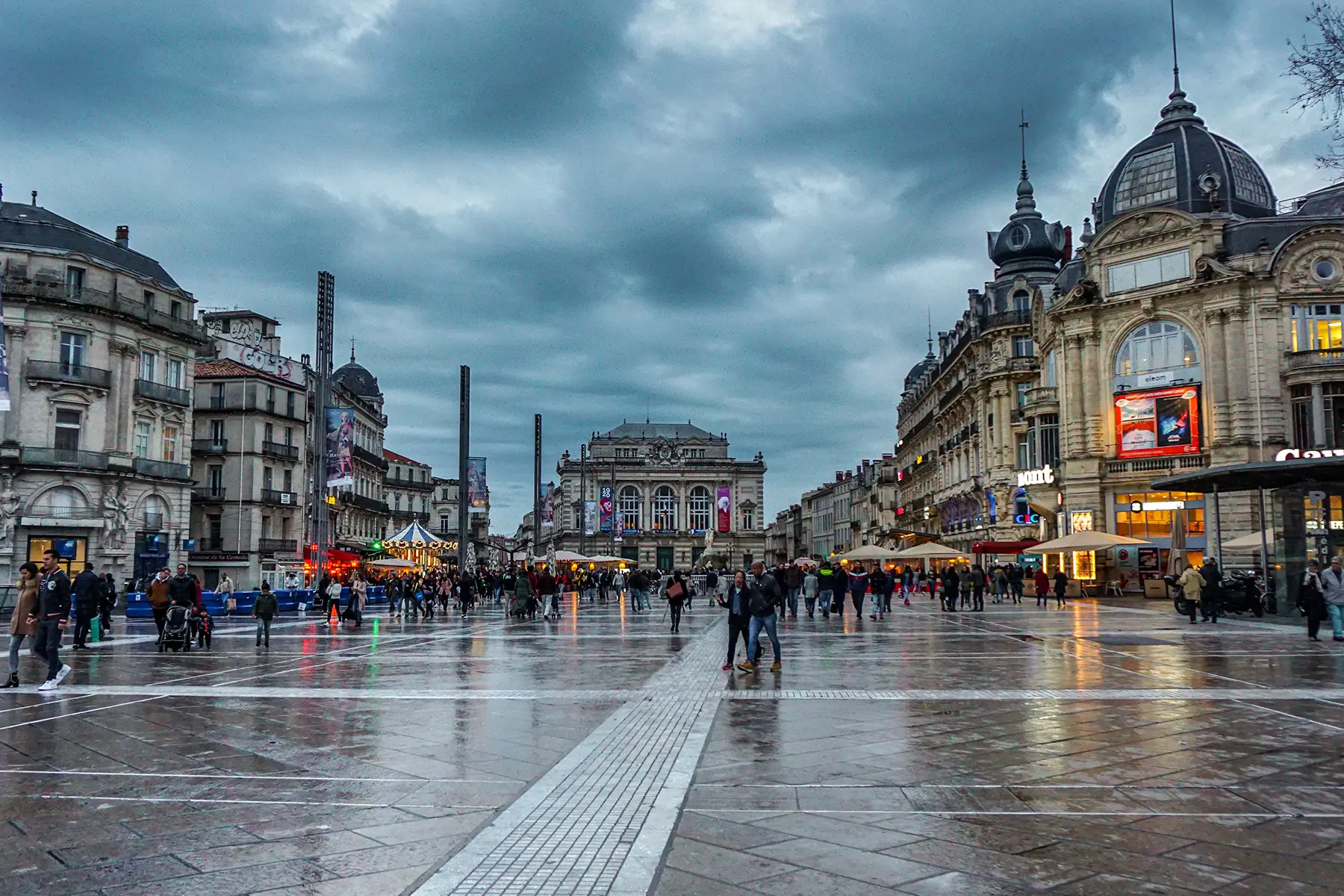
Montpellier’s best neighborhoods to live in include the historic downtown, l’Antigone, and the Beaux-Arts district. Some other suburbs offer lower housing prices, so it’s a good idea to compare housing costs, transport links, and the latest official local safety data before choosing an area.
Chartres
It might not be an obvious first choice, but this small town is worth a mention for internationals looking for a smaller, friendly place to live. Chartres is an enchanting city with a historic pedestrian downtown, a small river running through it, and an incredible 13th-century cathedral which happens to be a UNESCO World Heritage Site. It’s also just an hour’s train ride from Paris’s Montparnasse station, making it popular with tourists in spring and summer, as well as commuters looking to enjoy the perks of small-town life while working in Paris.
There’s a vibrant atmosphere in Chartres, and the city puts on special events throughout the year to ensure it’s always abuzz. In 2026, Chartres en Lumières runs from 11 April 2026 to 3 January 2027, illuminating 21 sites around town with sound-and-light displays every evening after dark. In July and August, the free concert series Chartr’Estivales means live music nearly every night.
Chartres had 38,324 residents in 2023, while the wider Chartres Métropole intermunicipal area had 137,384, giving the city access to many of the amenities of a larger urban area.
It isn’t just the medieval buildings and animations that make Chartres attractive – the people here are some of the most welcoming in France. Any time you go out, someone strikes up a conversation or invites you over to join their table for a drink. This makes it a great and easy place to go out alone and make friends (or possibly find a partner). There are always a few people who speak English, too.
Where to live in France
While these cities are some of the best that France has to offer, others have specific advantages for families, job seekers, retirees, and singles. Based on these criteria, here is a breakdown of the other French cities that should be on your radar.
Where to live in France as a family
If you’re moving your family to France, you’re most likely curious about the quality of the local school system as well as the fun activities available. While all of the cities above offer everything a family could need, a few are especially worth noting.
Rennes
Other cities in Brittany may have beaches, but Rennes benefits from a more temperate climate, good schools (including several international schools), and better connectivity in terms of public transportation – Paris is just two hours away by train.
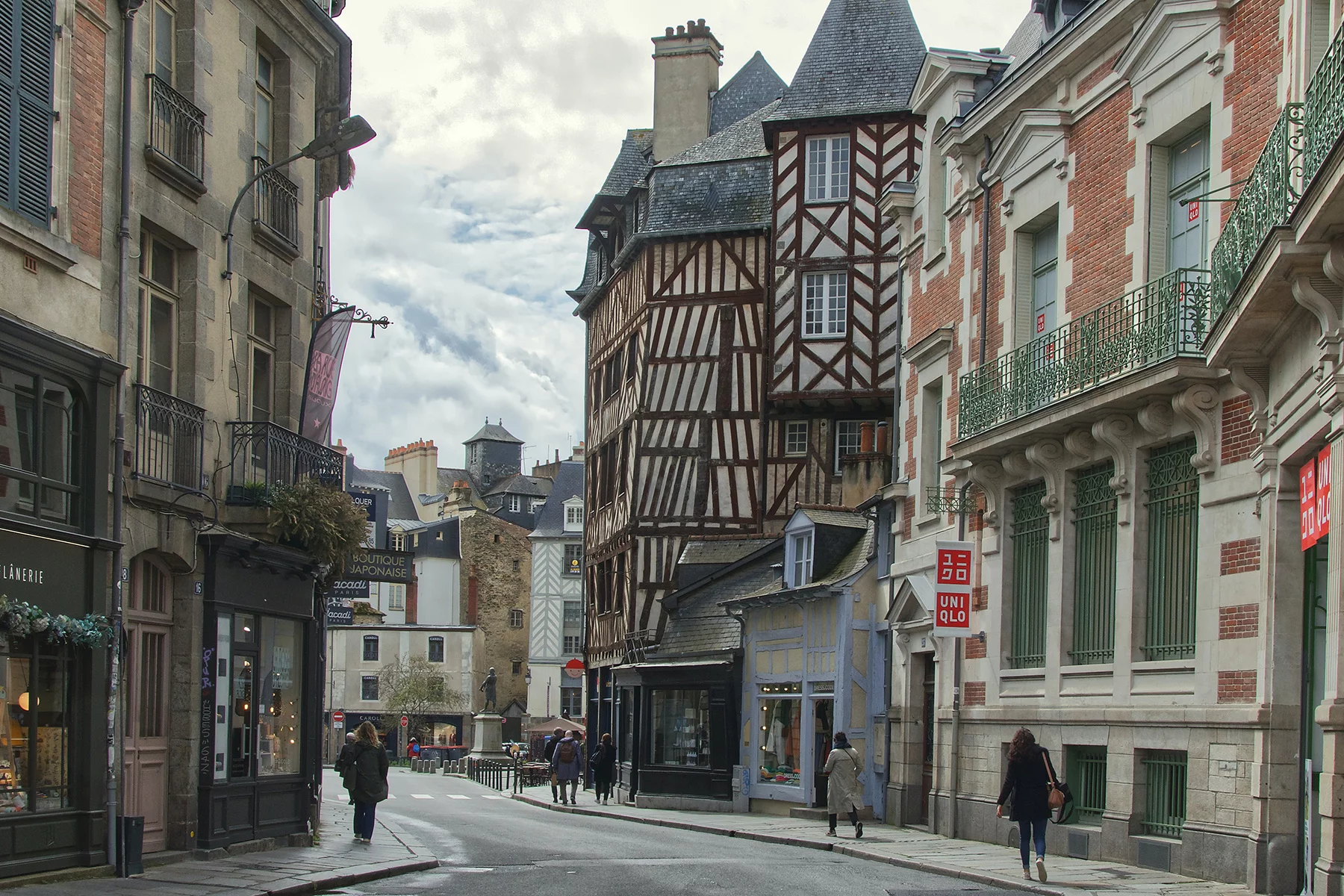
The historic center of Rennes is inherently charming, full of half-timbered houses in every color and a multitude of affordable bars and restaurants. Rent here is also relatively reasonable for a major regional city. In 2024, the median private-sector rent across Rennes Métropole was €11.60 per m2, ranging from €13.30 per m2 in the city center to €9.40 per m2 in the outer Pôles de Proximité. If you’re considering buying instead, see our guide to buying a home in France.
Nantes
Nantes, in the Pays de la Loire region, has an entire island dedicated to whimsical, gigantic machines known as Les Machines de l’Île. As if an enormous elephant and a multi-storied carousel weren’t enough to entertain the kids, this vibrant city also has an international school where students learn in English and French.
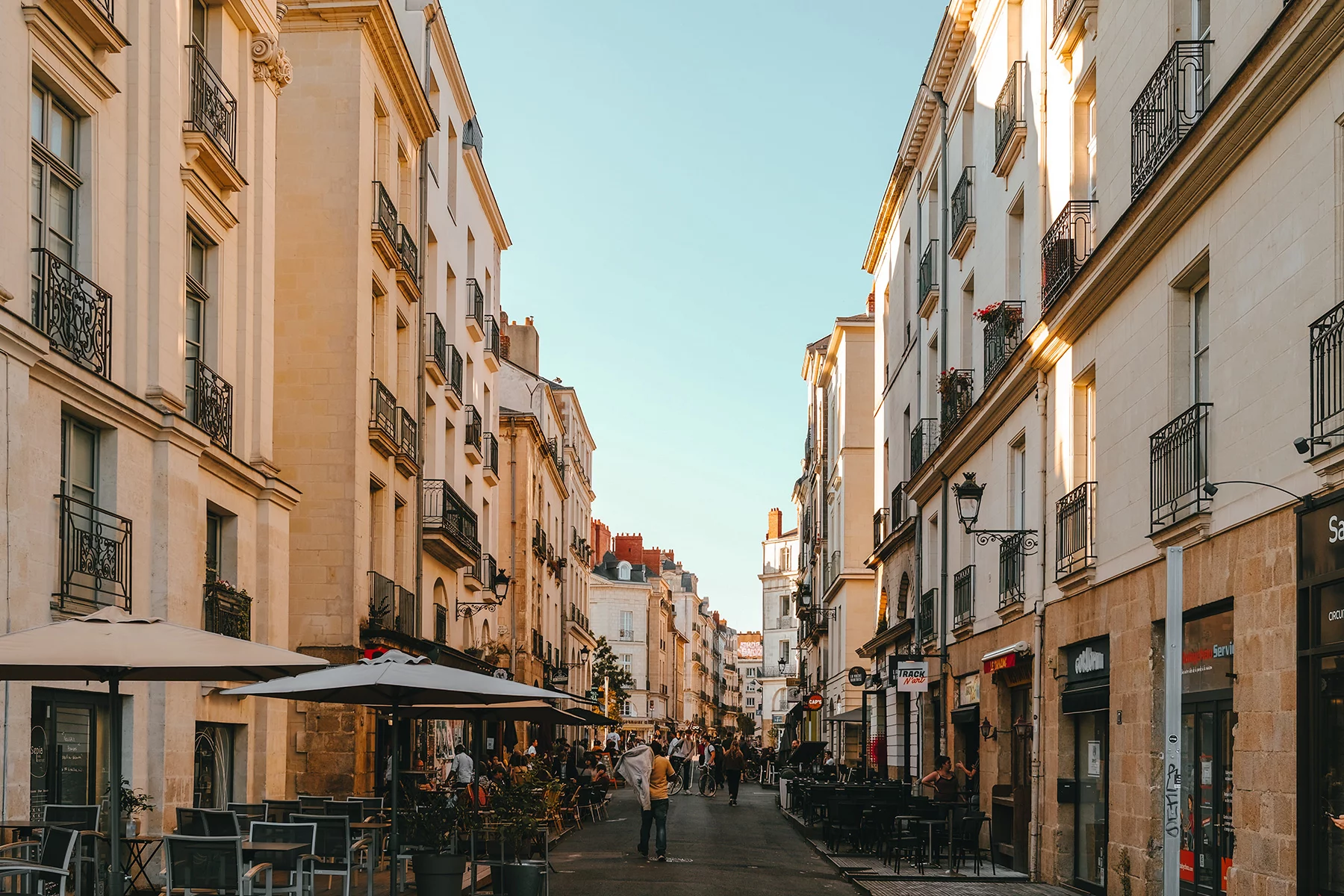
Furthermore, the sea is less than an hour away, and the city center has all the shops, bars, and restaurants you could ever need. In 2025, the median private-sector rent across the Nantes agglomeration was €12.20 per m2 per month, with the highest observed zone in the city of Nantes at €13.50 per m2.
The best places to live in France when you retire
Biarritz
How would you like to wake up each morning by taking a dip in the ocean (or even surfing) before spending the afternoon golfing? If you’re wondering where to enjoy an active lifestyle during your retirement, you can’t beat Biarritz in the southwest of France. Just over 30 kilometers from the border with Spain, Biarritz has a lot to offer: captivating cliffs, charming lighthouses, sandy beaches, and plenty of restaurants and shops within walking distance. The sunsets are magical and the climate is temperate. The city of 26,000 benefits from a laid-back atmosphere that seems unique to beach towns, but with several other cities nearby, including Bayonne and Anglet, you can easily find everything you need a short drive or bus ride away. There’s even a free shuttle bus in Biarritz to take you to different corners of the city.
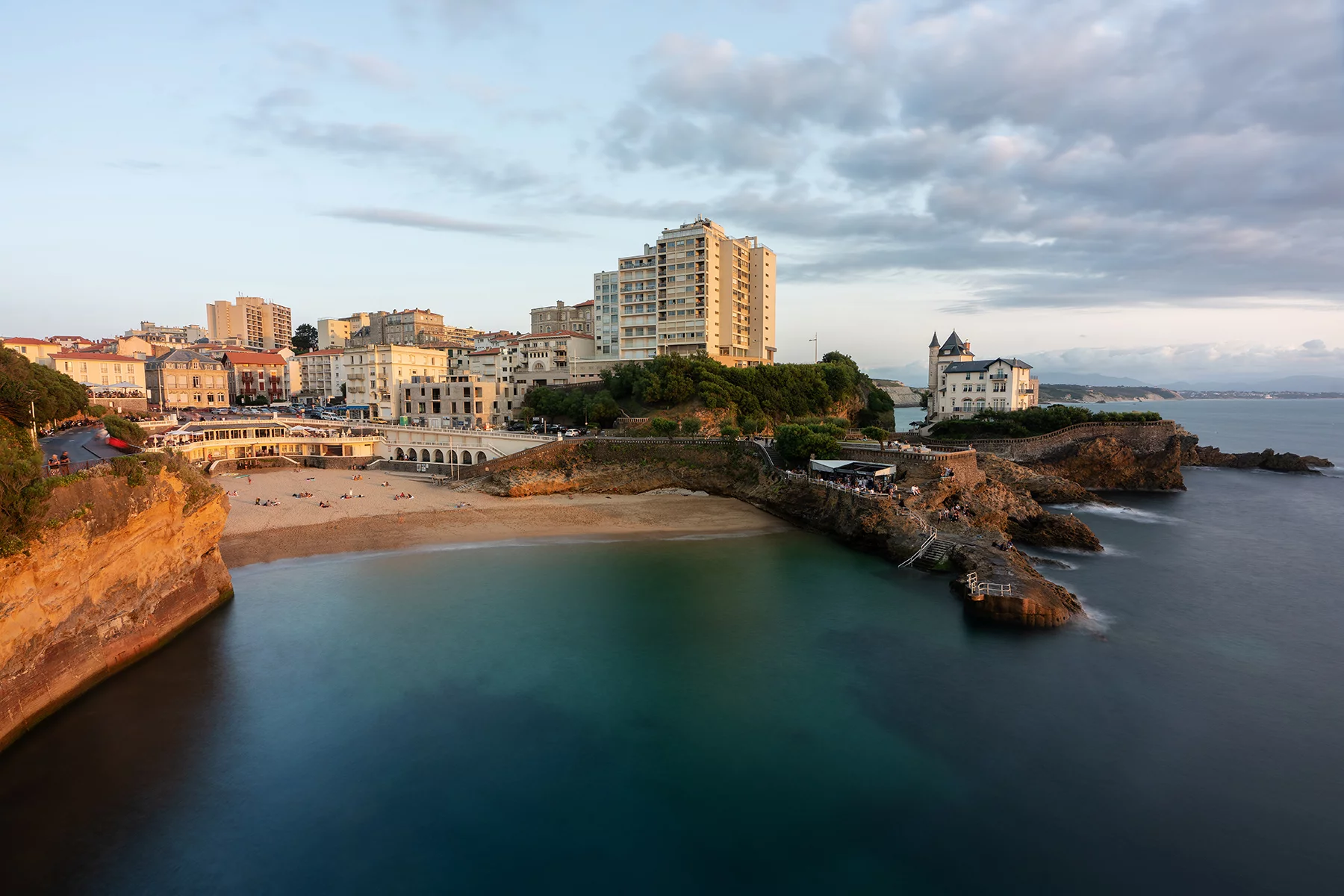
Retirees aren’t the only people who flock to Biarritz; the city also has a substantial local healthcare network. In 2025, INSEE listed 53 general practitioners, 59 dentists, 130 physiotherapists, 154 nurses, and 19 pharmacies in Biarritz, which can make healthcare easier to access.

Nice
This city is so nice, it made our list twice! In 2023, 23.4% of Nice’s residents were aged 65 or over, according to INSEE. Nice also caters to its senior population, with a dedicated city portal for activities, support, and local services for older residents.
And there’s more – Nice’s expansive pedestrian old town offers a wealth of bars, cafés, shops, and restaurants just steps from the beach. Nissa la Bella, as the town is affectionally known, isn’t only great for those looking to live in a walkable city in France; its inexpensive and uncomplicated tram system means that those with reduced mobility can get around town easily as well.
Along with all these perks, Nice’s residents, known as les Niçois, also benefit from a broad healthcare network. In 2025, INSEE listed 540 general practitioners, 447 dentists, 1,010 nurses, and 152 pharmacies in the city.
Aix-en-Provence
Although Aix-en-Provence is particularly popular among students, the lifestyle it offers is also perfect for foreigners looking to retire in France. The historic old town is quite large and made for walking. Between the numerous crêperies and waffle stands, there are also some fantastic language schools where you can learn French. Aix’s warm, sunny climate means you can frequent its many cafés and restaurant terraces year-round. Not to mention, it’s right on the doorstep of France’s lovely Provence region with its magnificent lavender fields. It also has plenty of public transportation links to nearby Marseille, France’s second-largest city, so you’re never far from the necessary amenities.
Like the other cities in the south of France, Aix-en-Provence also enjoys a high concentration of healthcare professionals. In 2022, INSEE counted 13,256 foreign nationals among 147,933 residents. Along with study-abroad students and tourists, that international population can make it easier to meet other people who are new to town.
Where to live in France when you’re single
If you’re moving to France on your own, it’s important to find a city where you’ll have a warm welcome and be able to meet people easily. While the other cities on our list are also some of the best places to live in France, there are a few other towns where you’re sure to quickly find your place and feel at home.
Angers
A vibrant college town in the Loire Valley, Angers remains underrated among tourists and expats. It’s a great option for younger singles in search of a city with ample opportunities to meet new people. Convivial cafés and bars line the streets of the pedestrian city center, and a generous cultural offering make it ideal for those who like to be out and about.
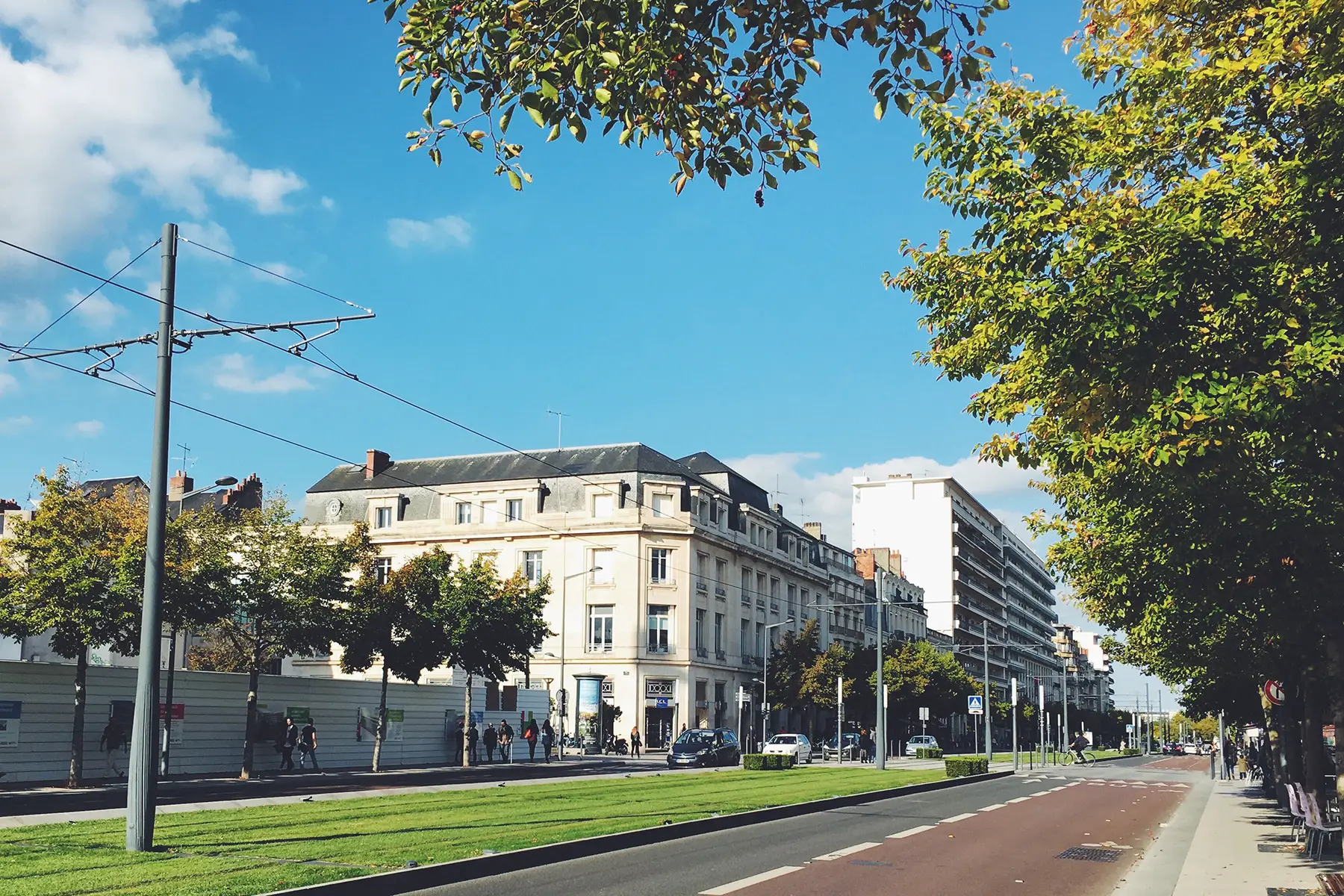
Along with art museums, a historic theater, and a stunning château, the mild climate and above-average hours of sunshine don’t hurt either. There’s also a lot of good wine to be found in the region. If you’re more interested in spirits, the Cointreau distillery just so happens to be in Angers, too.
Toulouse
If you’re looking for an exciting single life, why not move to Toulouse? It’s the fourth biggest city in France and has excellent connections to the rest of the country. Thanks to its large student population and multiple universities, it has a relatively lively nightlife. In addition, it has plenty of festivals and cultural activities, such as theatres, museums, and gardens.
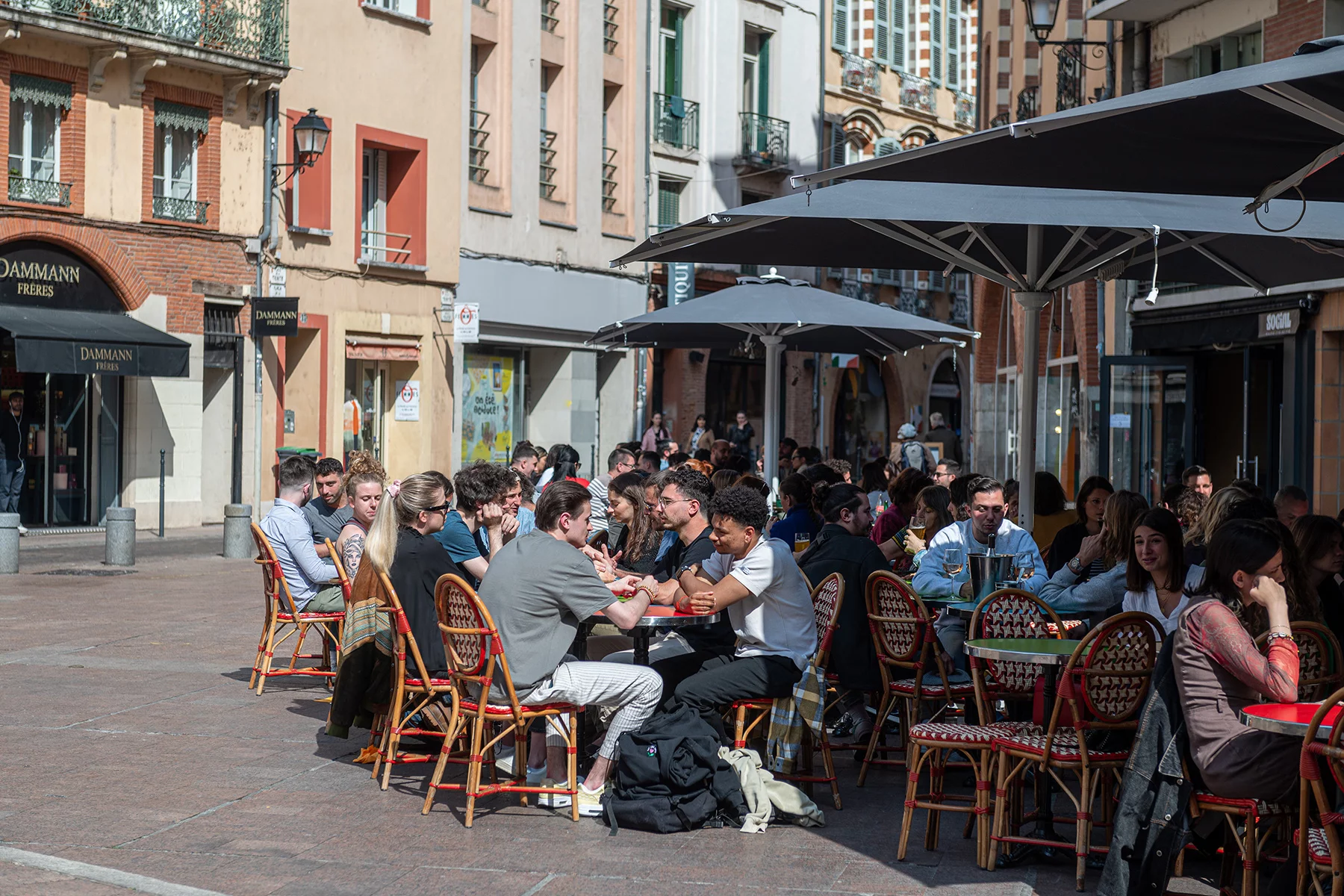
Toulouse also has a high rate of single people, so you’ll find it easy to fit in and maybe even find love with another single person. In 2023, 45.1% of residents aged 15 or over were single, while 6.4% were divorced, according to INSEE.
The best places to live in France if you’re on a budget
Lille
Known as a blue-collar city, Lille has managed to maintain relatively reasonable housing costs while offering a lot to do and see. Some 230,000 people call this northeastern city home, and with over one million people in the metropolitan area, it’s one of the largest cities in France.
For everyday living expenses, housing is one area where Lille can be substantially cheaper than Paris. In 2024, the median private-sector rent in the Lille agglomeration was €12.10 per m2 per month, compared with €26.60 per m2 in Paris – less than half the Paris level.
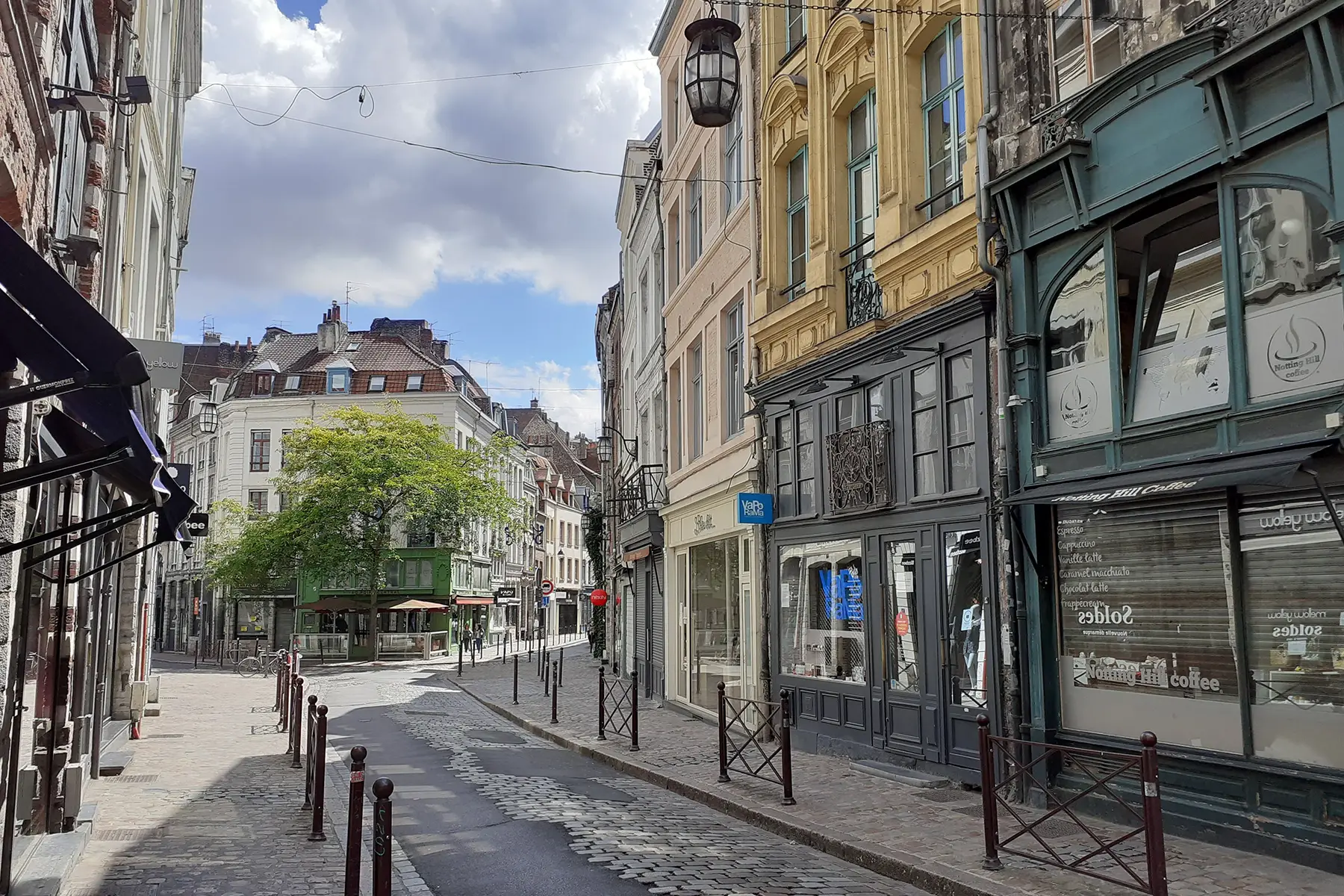
The offices of several major technology companies are located in Lille and the neighboring towns of Roubaix and Tourcoing, so the city is brimming with interesting inhabitants. It also has a relatively young population and a healthy offering of entertainment and culture, housing, and healthcare professionals.
Located on the border with Belgium, the weather in Lille is admittedly less than ideal, with lots of rain and less sunshine than in the rest of France, but the brick buildings and cozy pub-like bars definitely have their charm. Another big perk of Lille? It’s a stop on the Eurostar rail line, so London, Brussels, and Amsterdam are only a train ride away.
Strasbourg
Strasbourg has a significant student population and housing costs that can still be moderate for a major French city. In 2024, the median private-sector rent across the Eurométropole de Strasbourg was €11.10 per m2 per month, excluding charges.
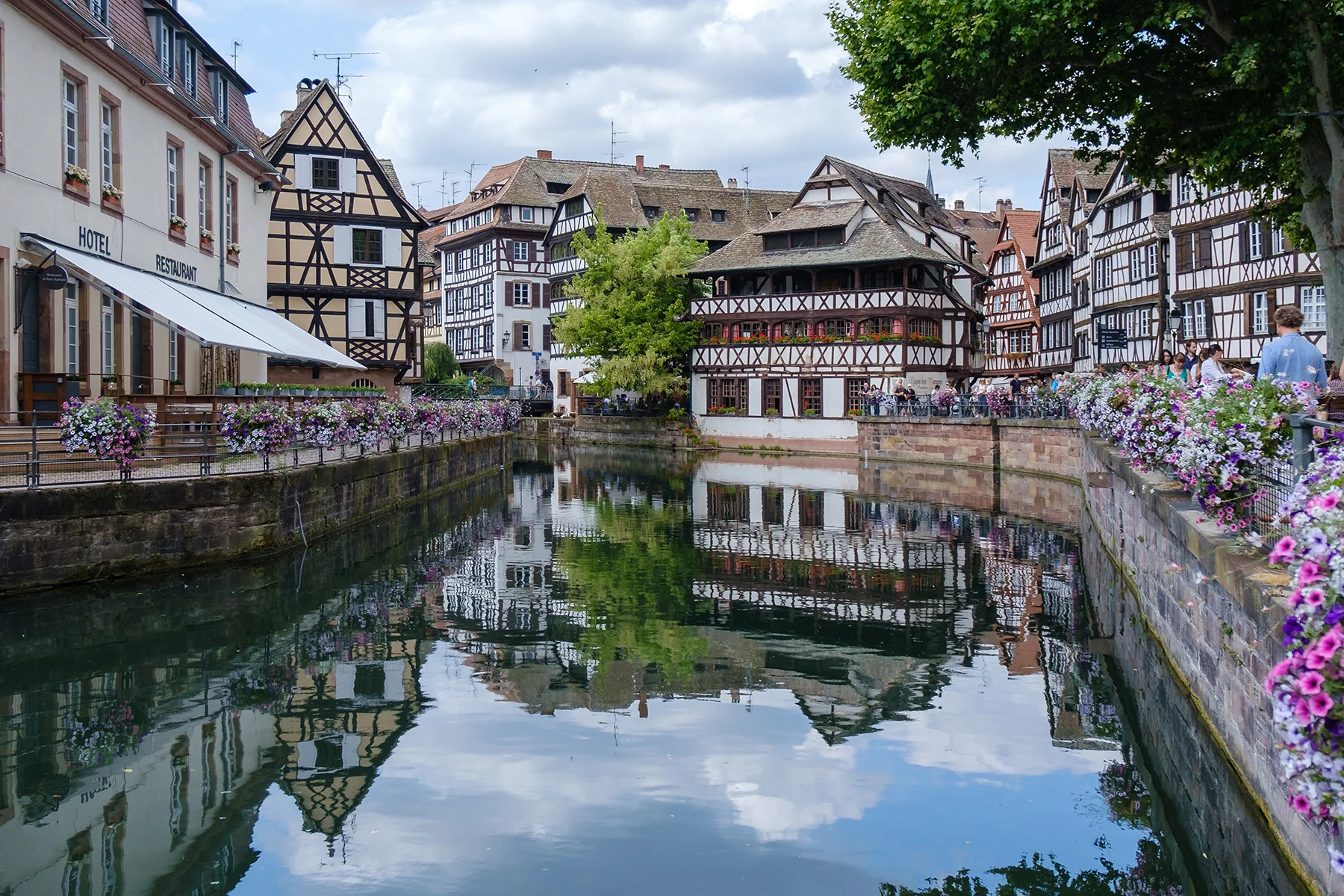
In addition, it’s a very cosmopolitan city – in 2022, foreign nationals made up 9.0% of the population of Bas-Rhin, compared with 7.8% in metropolitan France. Thanks to being the location of the European Parliament, many of the European Union’s elites and elected officials live and work here. On the border with Germany, Strasbourg makes the most of its multiculturalism, mixing its strong Alsatian heritage with French culture. If you love wine, pretzels, beer, colorful buildings, and politics, then this is one of the best places to live in France.
French cities for job seekers
Paris
Perhaps unsurprisingly, Paris is still the best place to live in France when searching for work – especially for expats. If you’re looking for a job in Paris, it’s encouraging to know that there are plenty of multinational companies with branches or headquarters there who are happy to employ foreigners who don’t speak French. From banks to tech startups, you’ll find all kinds of companies hiring international workers. Furthermore, if you’re looking for work in the arts or cultural sectors such as film, TV, music, or literature, France’s capital city is where you’ll find most of these jobs.
Toulouse
As well as being great for singles, Toulouse is a great bet if you’re looking for work. In the past ten years, this city has risen in popularity, largely due to the number of job opportunities. La Ville Rose, as it’s known, houses the headquarters of Airbus, so many in the aeronautical industry already know about it. Along with work in the aerospace sector, there’s also demand in the medical field – there are quite a few prestigious hospitals in the city, so if you’re a medic looking for work, Toulouse is a great option.
Choosing a safe area in France
Safety can vary considerably within French cities and by type of offence, and conditions can change over time. Rather than treating entire neighborhoods or suburbs as places to avoid, check the latest official local crime data from France’s Ministry of the Interior before choosing where to live. The SSMSI publishes annual data at commune level and, for Paris, Lyon, and Marseille, by arrondissement for the indicators available.
It is also worth visiting an area at different times of day and speaking with local residents, estate agents, or relocation professionals before making a decision. Official statistics cover offences recorded by the police and gendarmerie, so they are best used alongside first-hand local research rather than as a single ranking of “safe” or “unsafe” places.
Useful resources
- Meilleurs agents (in French) – This site has a calculator that tells you the average price per square meter for housing in any city in France.
- Ville-ideale.fr – User reviews of local areas.