
'%20id='ico-down'%20stroke='%23000000'%20stroke-width='1.5'%3e%3cg%20transform='translate(1092.250000,%20254.750000)'%3e%3cpolyline%20id='Path-2-Copy-4'%20transform='translate(5.500000,%202.750000)%20scale(1,%20-1)%20rotate(-180.000000)%20translate(-5.500000,%20-2.750000)%20'%20points='0%200%205.5%205.5%2011%200'%3e%3c/polyline%3e%3c/g%3e%3c/g%3e%3c/g%3e%3c/svg%3e)


Moving
Visas & Immigration
German student visas and permits
Planning on studying or carrying out academic research in Germany? Find out if you need a German student visa and how to get one.

With the largest economy in Europe and many top educational institutions, Germany is a popular destination for international students worldwide. If you want to study in Germany, you may need a student visa. The requirements depend on your nationality and the type of course you intend to do.
Learn all about German student visas by reading the following sections on:
The Relocator
Planning a new life in Germany? Give yourself some peace of mind with The Relocator. On their easy-to-use platform, you'll be able to compare your options quickly, getting quotes from some of the biggest names in global relocations. Move abroad confidently with The Relocator.

Studying in Germany
With an impressive quality higher education system, affordable tuition fees, and vibrant student-oriented cities, Germany is one of Europe’s top destinations for international students. In fact, 416,437 international students were enrolled in German courses in 2020–2021, making up over 14% of the total.
Germany has seven universities listed among the top 100 in the 2022 Times Higher Education World University Rankings. Three of these are in the top 50: LMU Munich (32), Technical University of Munich (38), and Heidelberg University (=42). Furthermore, Munich (2nd) and Berlin (5th) feature in the top 10 student cities worldwide.
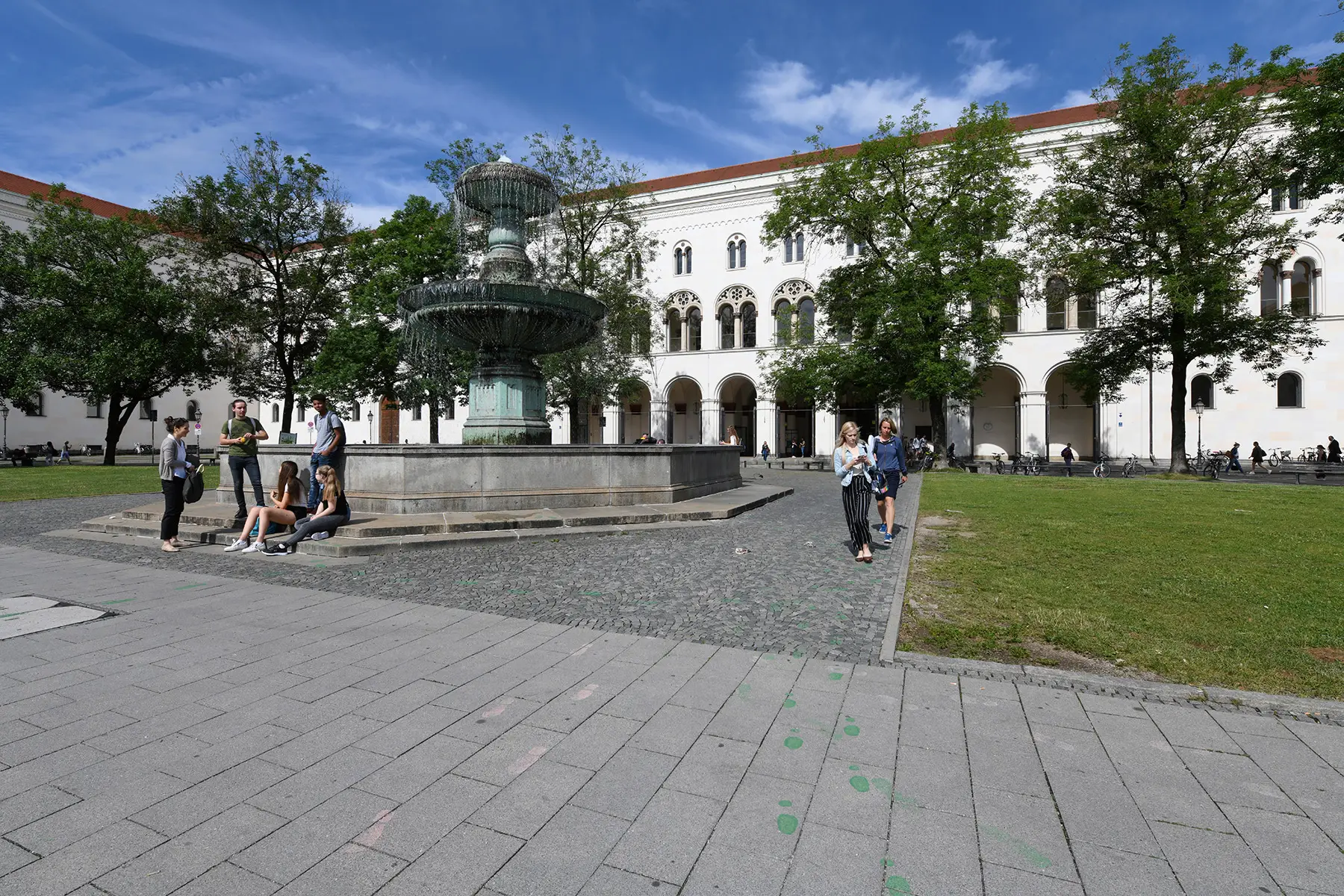
Another big draw is the relative affordability of German higher education. Tuition is free for EU students apart from an additional admin fee of around €250 per semester. According to 2019 figures, China, India, Syria, Austria, and Russia are the five countries with the biggest student populations in Germany.

However, not everyone can travel freely for education in Germany. Although EU/EFTA citizens have an automatic right to study, third-country nationals usually need to apply for a German student visa before entering the country.
The Federal Office for Migration and Refugees (Bundesamt für Migration und Flüchtlinge – BAMF) is the government agency responsible for issuing all visas in Germany, including student visas.
Who needs a student visa in Germany?
EU/EFTA citizens don’t need a visa to study in Germany. In fact, they can enter the country with a valid passport or ID card and only need to register with their local residents’ registration office (Einwohnermeldeamt).
Residents from certain countries can enter Germany without a visa and stay for up to three months. This means they won’t need a visa for short courses or training that lasts for less than three months, for example, language courses. However, they will need to get a residence permit if they stay in Germany for longer than three months.
Nationals from Andorra, Brazil, El Salvador, Honduras, Monaco, and San Marino can enter to study in Germany without a visa as long as they don’t intend to subsequently work in the country. However, in some cases, you may work part-time to support your studies – check with the German embassy or consulate in your country to find out the conditions.
All other citizens will usually need to apply for a German student visa before they can travel to study in Germany. You can check individual country requirements on the Federal Foreign Office website.
UK nationals studying in Germany since Brexit
Since the implementation of the Brexit Withdrawal Agreement on 1 January 2021, the UK is no longer a member of the EU, and its citizens are subject to immigration controls as third-country nationals. The UK is one of the 62 nations whose residents can enter and stay in Germany for up to three months without a visa. However, those traveling from the UK to Germany for more than 90 days will need a residence permit relating to their travel purposes.
British citizens already living in Germany before 1 January 2021 could apply for a residence permit securing their rights to live in Germany under similar conditions to EU/EFTA nationals. The deadline for applications was 30 June 2021. Certain family members of these citizens can also apply under this scheme.
You can read more about visa and permit requirements on the German Embassy website in the UK.
Types of student visas in Germany
You can get the following types of German student visas:
- Study visa for university students – if you have enrolled on a course at a German university or higher education institution
- Research visas – for academics and PhD students
- Vocational training visas – for trainees and apprentices
- Language course visa – to study the German language
- School visa – for attending independent German schools or taking part in school exchanges
- Student application visa – if you want to apply for a placement in Germany
- Short-stay student visa – Schengen Visa for stays of up to 90 days
Study visa for university students in Germany
This visa is for students who have been accepted onto a course at a university or accredited higher education institution in Germany.
Requirements
You typically need to have already been offered a place in an educational program. This can be either a confirmed or conditional offer. In addition to this, you need to show that you can financially support yourself during your stay in Germany.

How to apply
You can apply for this visa at the German embassy or consulate in your home country. Otherwise, you can apply at a visa application center. You usually need to make an appointment, and you should bring the following documents:
- Completed application form
- Valid passport or photo ID
- Biometric passport photo
- Confirmation of acceptance onto a German course, for example, a letter from the university
- Proof that you can financially support yourself (currently €10,332 a year living costs), for example, bank statements
- Transcript of academic qualifications
- Certificate of language proficiency if studying a course in German
- Proof of health insurance
The visa usually takes 6-12 weeks to process.
Visa costs
The standard cost of this visa is €75.
Visa length
The student visa generally lasts for as long as your study program, usually up to a maximum of four years. If you graduate on this visa and stay on to work in Germany for two years, you will then be eligible to apply for a permanent residence permit.
German research visas
You can get a German student visa to participate in academic research or complete a PhD program.
Requirements
To get a German research visa, you will need either a cooperation agreement with a German university or research institution or to have been accepted onto a PhD program in Germany.

How to apply
You can apply for this visa at the German embassy or consulate in your home country. Alternatively, you can apply at a visa application center. In this case, you will usually need to make an appointment. Documents you should bring are:
- Completed application form
- Valid passport or photo ID
- Biometric passport photo
- Copy of cooperation agreement or letter of acceptance onto PhD program
- Proof that you can financially support yourself (currently €10,332 a year living costs), for example, bank statements
- Certificate of academic qualifications, translated into German, if enrolling for a PhD
- Proof of health insurance
The visa takes between six to 12 weeks to process.
Visa costs
The standard cost of this visa is €75.
Visa length
Research visas are usually valid for the duration of the research or study placement, up to a maximum of five years. Afterwards, you can apply for a permanent residence permit if you meet the requirements. You can also apply for an EU Blue Card, valid for four years, if you get a job offer that meets the requirements.
Vocational training visas in Germany
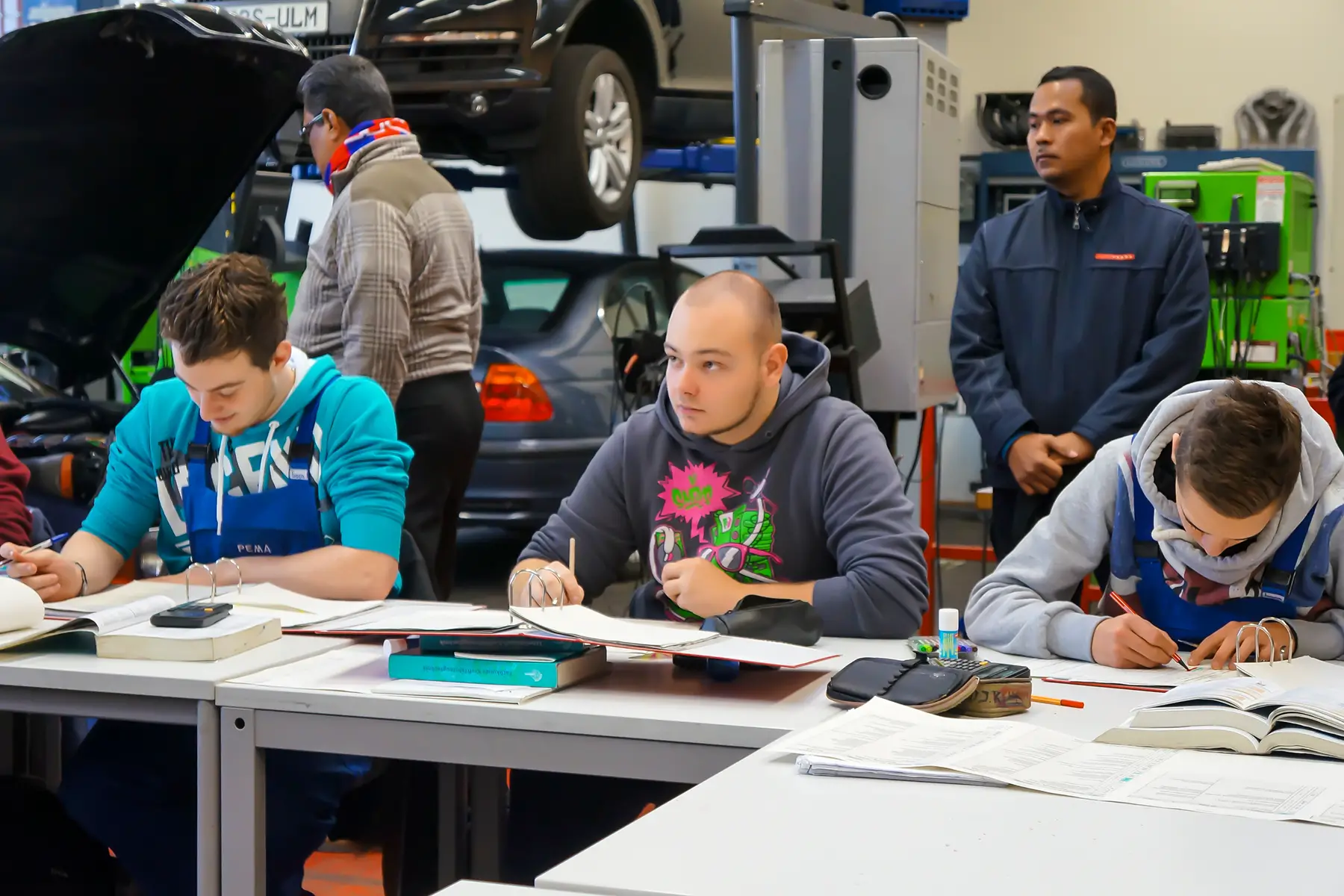
These visas are for trainees or apprentices to complete vocational training with a German company.
Requirements
You will need to have a vocational contract in place and demonstrate that you speak German to at least B1 level. However, if you don’t have a contract in place, you can get a visa to look for a placement for six months if you speak German to B2 level and can cover your living expenses.
How to apply
You can apply for this visa at the German embassy or consulate in your home country. Otherwise, you can apply at a visa application center. You will usually need to make an appointment. The documents you should bring are:
- Completed application form
- Valid passport or photo ID
- Biometric passport photograph
- Proof of German language skills, for example, a language certificate
- Contract for vocational training placement or evidence that you can cover your living expenses (currently €10,332 a year)
- Evidence of high school and any academic qualifications
- Proof of health insurance
The visa normally takes between 6-12 weeks to process.
Visa costs
The standard cost of this visa is €75.
Visa length
Vocational training visas last for the length of your placement. If you get a visa to look for work experience in Germany, it is valid for six months. You can do up to 10 hours a week of paid work while completing a placement on a vocational training German visa. Once your placement has finished, you can stay in Germany for up to 12 months to look for work.
German language course visa
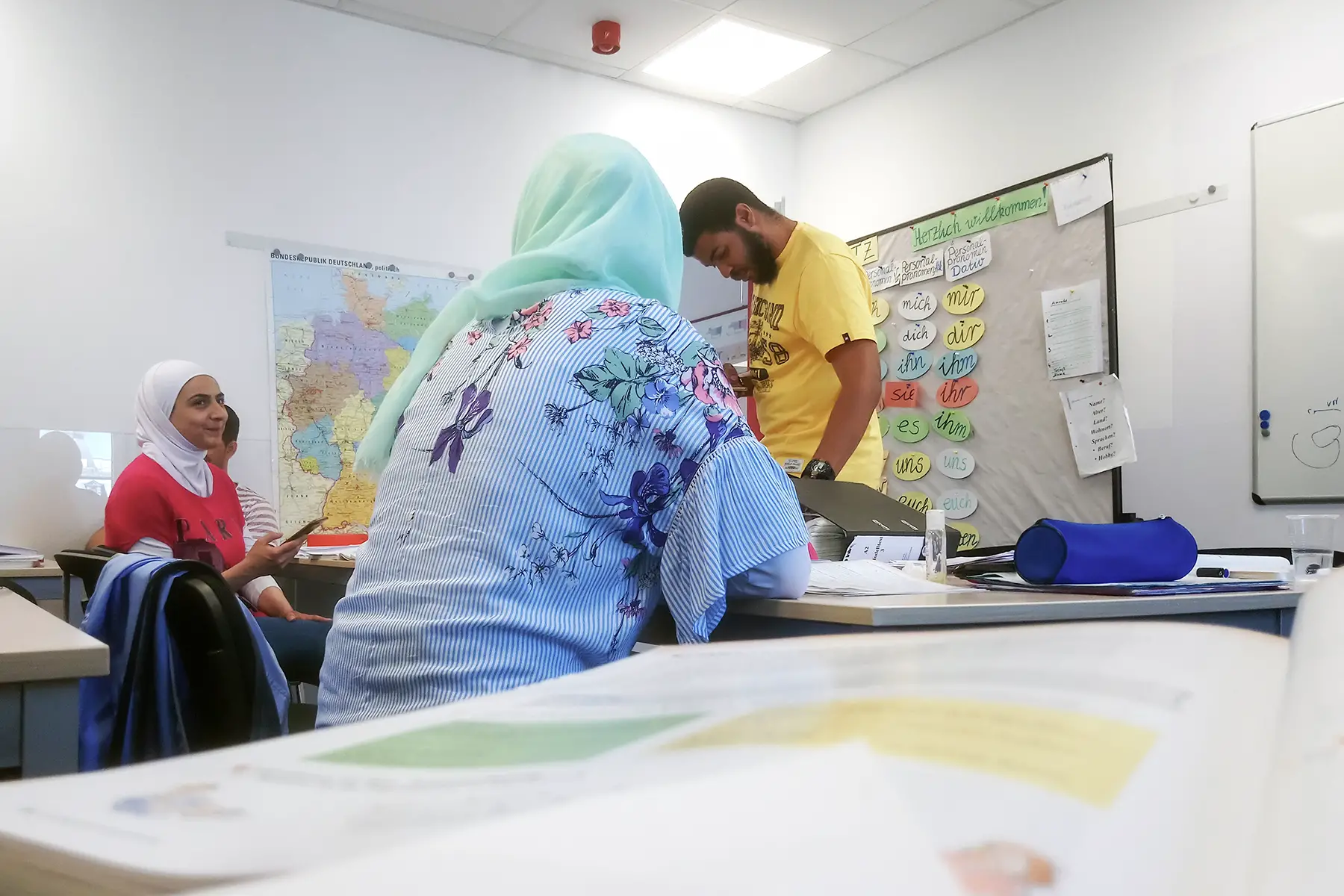
This German student visa allows you to learn the language in Germany, including as preparation for a higher education course or vocational training.
Requirements
To apply for this German student visa, you need to have a placement on a German language course at an accredited educational institution in Germany. You will also need to show that you can cover your living expenses during your stay.
How to apply
You can apply for this visa at the German embassy or consulate in your home country prior to arriving in Germany. On the other hand, you can apply at a visa application center. You’ll need to make an appointment and bring:
- Completed application form
- Valid passport or photo ID
- Biometric passport photo
- Proof of acceptance onto language course, for example, an admission letter from the college
- Evidence that you can cover your living expenses during your stay (currently €10,332 a year), for example, bank statements
- Letter of consent from parent or guardian if you are under 18
- Proof of health insurance
The visa normally takes between 6-12 weeks to process.
Visa costs
The standard cost of this visa is €75, reduced to €37.50 for those under 18.
Visa length
This visa is valid for the course duration, usually up to a maximum of one year. However, if your course lasts for less than three months, you will need a short-stay Schengen Visa.
German school visa
This study visa is for under-18s to study at an independent German school or participate in a school exchange program.
Requirements
Children applying for this visa need an agreement with a German school or confirmation of a place at an independent school such as an international school. They also require parental consent and proof that living expenses and school/boarding fees can be covered.
How to apply
You can apply for this visa at the German embassy or consulate in your home country before your move. It’s also possible to apply at a visa application center. When attending your appointment, bring:
- Completed application form
- Valid passport or valid travel ID
- Biometric passport photo
- Confirmation of exchange or school placement
- Evidence that living expenses and tuition/boarding fees will be covered, for example, bank statements
- Letter of consent from parent or guardian
- Proof of health insurance
The visa normally takes between 6-12 weeks to process.

Visa costs
The standard cost for this visa is €37.50.
Visa length
The visa is typically valid for the length of the school placement, usually up to a maximum of five years. For school exchange visits, the visa is generally for a maximum of one year.
Student application visa
This is a study visa for those without a placement or offer from a German university or college. It gives you permission to stay in Germany and apply for higher education.
Requirements
In order to receive this visa, you need to show that you have enough money to cover your living expenses and that your academic qualifications enable you to study at a German university.
How to apply
You can apply for this visa at the German embassy or consulate in your home country. Alternatively, you can apply at a visa application center. You will usually need to make an appointment. Documents you should bring are:
- Completed application form
- Valid passport or photo ID
- Biometric passport photo
- Proof that you can cover living expenses (currently €10,332 per year), for example, bank statements
- Evidence of university entrance qualifications
- Proof of German language proficiency, if applying for courses taught in German
- Confirmation of health insurance
The visa normally takes between 6-12 weeks to process.
Visa costs
The standard cost of this visa is €75.
Visa length
This visa is valid for a maximum of nine months, usually as an initial three-month visa and then a six-month extension. If you gain a place at a German university, you will need a residence permit for university students.
Short-stay student visa
This is the Category C Schengen short-stay visa you can use for short courses or training, for example, short German language courses.
Requirements
You will only need to apply for this visa if you are from a country with visa entry restrictions in Germany. General requirements are acceptance onto a short study course in Germany and proof that you have funds to support yourself.
How to apply
You can apply for this visa at the German embassy or consulate in your home country. Alternatively, you can apply at a visa application center. You will usually need to make an appointment. Documents you should bring are:
- Completed application form
- Valid passport or photo ID
- Biometric passport photo or two standard passport photos
- Proof of acceptance onto a German course, for example, a letter of admission
- Evidence that you can support yourself financially during your stay, for example, bank statements
- Return ticket confirming the date that you will leave Germany
- Accommodation details
- Proof of health insurance
This visa typically takes around 15 days to process.
Visa costs
Short-stay German student visas usually cost €80 for adults and €40 for children under 18.
Visa length
The visa is valid for 90 days or a maximum of 90 days within a 180-day period. After that, you cannot renew the short-stay German visa.
Other visas relevant to students in Germany
There are a few other German visas that students can take advantage of. These are:
- Internship visas – for students to do work experience in Germany while studying in another country
- Volunteering visas – to take part in schemes such as the European Voluntary Service (EVS) during your studies or while you are on a gap year
- Working holiday visas – available to residents aged 18-30 in certain countries to work while traveling or taking a vacation for up to 12 months
- Au pair visas – if you are under 27 and want to come and stay for up to one year with a German family to learn the language and help out with household tasks
You can also read more on the subject of work-related visas in Germany.
When you arrive to study in Germany
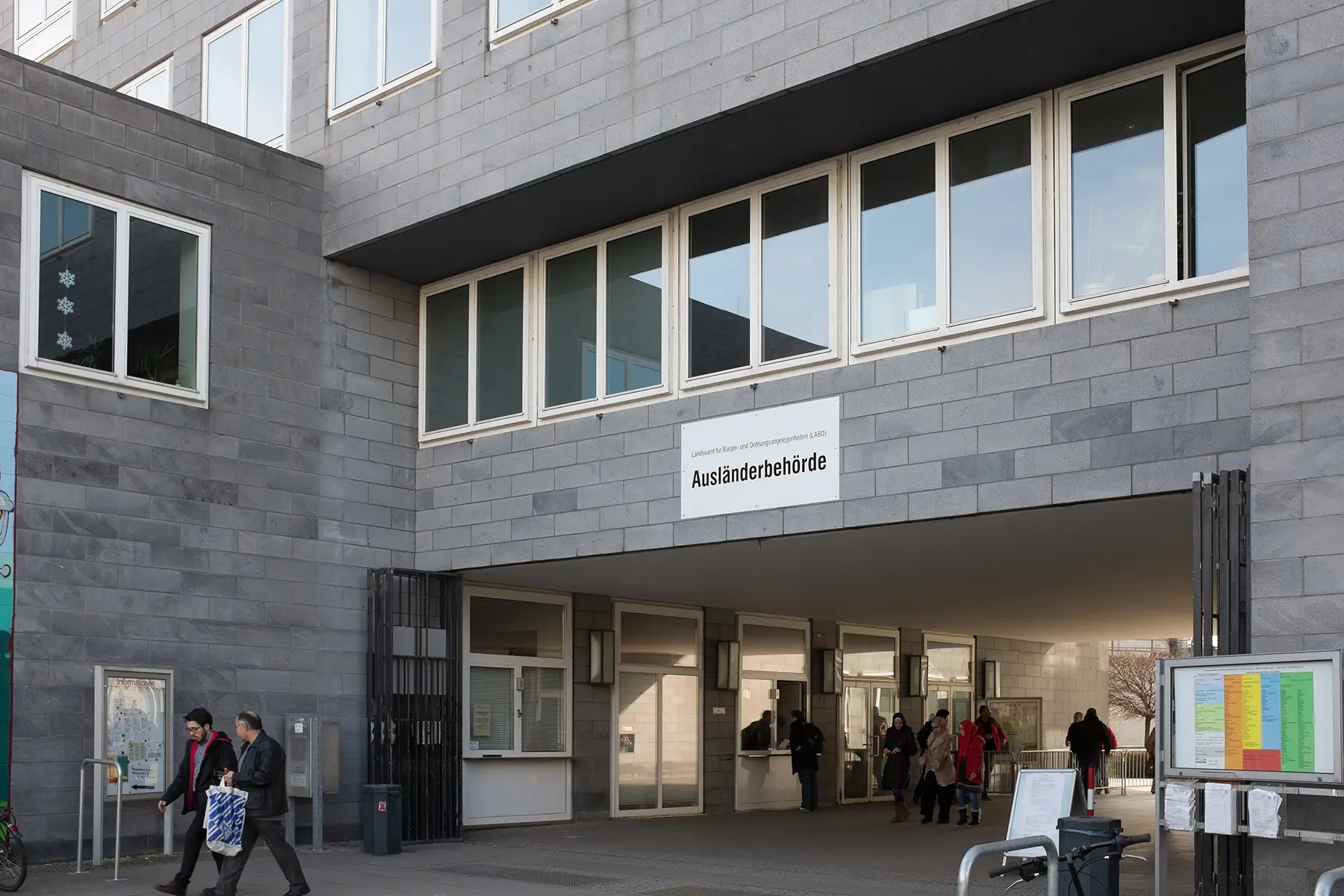
Everyone staying in Germany for longer than three months needs to register with their local residents’ registration office (Einwohnermeldeamt) within two weeks of arrival. Students from outside the EU/EFTA also need a residence permit if staying for longer than three months. This will usually be a temporary permit valid for up to five years, linked to the purpose of your stay. If you need to apply for a German student visa, your German embassy or consulate may sort this out for you when you apply. Otherwise, you’ll need to visit your local Immigration Office (Ausländerbehörde) within the first three months of your stay to get one.
During your first week in Germany after arriving to study, you should also:
- Register for healthcare in Germany
- Open up a German bank account
- Get a German SIM card for your mobile phone
Study grants and scholarships in Germany
Study costs in Germany are relatively low. Indeed, most universities don’t charge tuition fees. However, they charge administration fees, typically between €150-250 per semester. On top of this are general living costs in Germany. Fortunately, there are a few avenues to pursue funding if you don’t have the finances to support your stay. These include:
- Government-funded scholarships, such as the German Academic Exchange Service (Deutscher Akademischer Austauschdienst – DAAD) or the EU Erasmus+ scheme.
- Private or public-private partnership scholarships, such as the Heinrich Böll Scholarship or the Deutschland Stipendium.
- University-specific scholarships.
- Low-interest student loans available from many German banks.
Transferring foreign qualifications in Germany
Germany is part of the Bologna Process, which was set up to enhance the recognition of qualifications among 49 European countries. If you are from a country where you need to get your academic qualifications translated or recognized in Germany, you can search the anabin database for more information. The database is maintained by the Central Office for Education (Zentrale Stelle für die Bewertung ausländischer Qualifikationen – ZAB).

You can find even more general information on the ENIC-NARIC website and details on professional qualifications on the German Recognition Portal.
Working on a German student visa
Students from EU/EFTA countries can work freely in Germany. However, they cannot work more than 20 hours a week during term and will need to make social security contributions if they work above this amount.
Third-country nationals studying in Germany can work up to 120 full days (or 240 half days) a year while studying. If you want to work more than this, you must apply to your local immigration office (Ausländerbehörde) for a work permit. However, if your university employs you as an academic assistant, no restrictions apply.

You can work up to 10 hours per week on a vocational training visa if you have a placement. In general, students on language course visas, student application visas, and short-stay visas cannot do paid work in Germany. Likewise, you cannot work self-employed or as a freelancer on a German student visa.
Family members joining on a German student visa
You can bring or be joined by the following relatives on a German student visa:
- Spouses/legal partners who are 18 or above
- Dependent children under 16, or over 16 if they can speak German to at least C1 level and join within three months of your arrival in Germany
In certain circumstances, other dependent family members can also join you.
For family members to accompany you, you must show that you have adequate finances and accommodation to support them. Adult family members usually need to demonstrate an understanding of basic German. Once they arrive, your relatives will be able to look for work in Germany without getting a work permit.
Family members need to apply for a family visa/residence permit as a spouse/dependent child. You can do this as part of the same application if they travel with you, or they can apply separately later. In addition, they will need to pay separate fees (€75 for adults, €37.50 for children).

Different rules apply if the family members joining you are EU/EFTA citizens because they have freedom of movement to Germany and won’t need a visa or residence permit. There are also different rules for family members joining EU/EFTA citizens or German nationals.
After your study finishes and your student visa expires in Germany
Unlike EU/EFTA students who can stay after graduation in Germany without restrictions, those on a German student visa can only remain in the country for a certain length of time. According to a 2018 study, 69.2% of international students in Germany prefer to stay to look for work following graduation. Fortunately, this is possible on many student visas.

You can extend your German residence permit for up to 18 months if you complete a graduate or postgraduate program in Germany. If you complete a vocational training course, you can stay on for up to 12 months. You can take on any employment to support yourself while looking for full-time work during this time.
If you manage to find a job relating to your qualifications, you can apply for a residence permit concerning your employment type or an EU Blue Card if you find work that meets salary requirements. Furthermore, you will be eligible for German permanent residence if you graduate in Germany and subsequently work in a related field for two years.

Other options include extending your German student visa to further your studies or switching to another type of German visa, such as a volunteering visa.
You cannot extend a language course visa or short-stay study visa.
Appeals and complaints about student visas in Germany
If your visa application has been turned down, you can appeal the decision with the German embassy or consulate within one month of receiving the verdict.
If you are unhappy with the outcome of your appeal, you can take it to the administrative courts in Germany within one month of receiving the decision.
Useful resources
- Federal Office for Migration and Refugees (Bundesamt für Migration und Flüchtlinge – BAMF) – German government body responsible for immigration, visas, and permits
- Federal Foreign Office (Auswärtiges Amt) – government information about visas
- Study in Germany – Federal Ministry of Education and Research portal with information for prospective students in Germany
- German Academic Exchange Service (Deutscher Akademischer Austauschdienst – DAAD) – funding organization for German and international students



Did you find this guide helpful?