
'%20id='ico-down'%20stroke='%23000000'%20stroke-width='1.5'%3e%3cg%20transform='translate(1092.250000,%20254.750000)'%3e%3cpolyline%20id='Path-2-Copy-4'%20transform='translate(5.500000,%202.750000)%20scale(1,%20-1)%20rotate(-180.000000)%20translate(-5.500000,%20-2.750000)%20'%20points='0%200%205.5%205.5%2011%200'%3e%3c/polyline%3e%3c/g%3e%3c/g%3e%3c/g%3e%3c/svg%3e)


Moving
Visas & Immigration
EU Blue Card Germany: 2026 Salary, Eligibility and Application
Check EU Blue card Germany rules for 2026, from salary thresholds to application steps.


Securing a job offer in Germany is a massive milestone, but turning that contract into an official residence permit often brings a wave of paperwork stress. This guide cuts through the legal jargon to explain who qualifies, how the visa works on the ground, and what to expect during your application journey.
Source note: This article is based on official German and EU guidance checked in July 2026. It is for general information only, not legal or immigration advice. Local practice can vary by nationality, city, and case. Germany updates these thresholds every year, so check the latest official source before you apply.
Key takeaways
- Who it is for: Non-EU professionals with a recognised higher qualification or eligible IT experience, and a matching job offer in Germany.
- 2026 standard threshold: €50,700 gross annual salary for most roles.
- 2026 reduced threshold: €45,934.20 gross annual salary for bottleneck professions, new entrants, and qualifying IT specialists.
- Minimum contract length: At least six months.
- Main benefit: Faster route to a settlement permit and easier family reunification.
What the EU Blue Card is and who it is for
The EU Blue Card is a German residence permit for highly qualified non-EU professionals under Section 18g Residence Act, or AufenthG. It is designed for people with a recognised higher qualification, or in some cases strong IT experience, who already have a suitable job offer in Germany.
Compared with a standard work permit, the Blue Card is usually most attractive if your salary meets the required threshold and you want a clearer path to long-term settlement. It can also make family reunification and later job mobility simpler.
If you are still comparing permit types, our visa and immigration guide provides the wider picture.
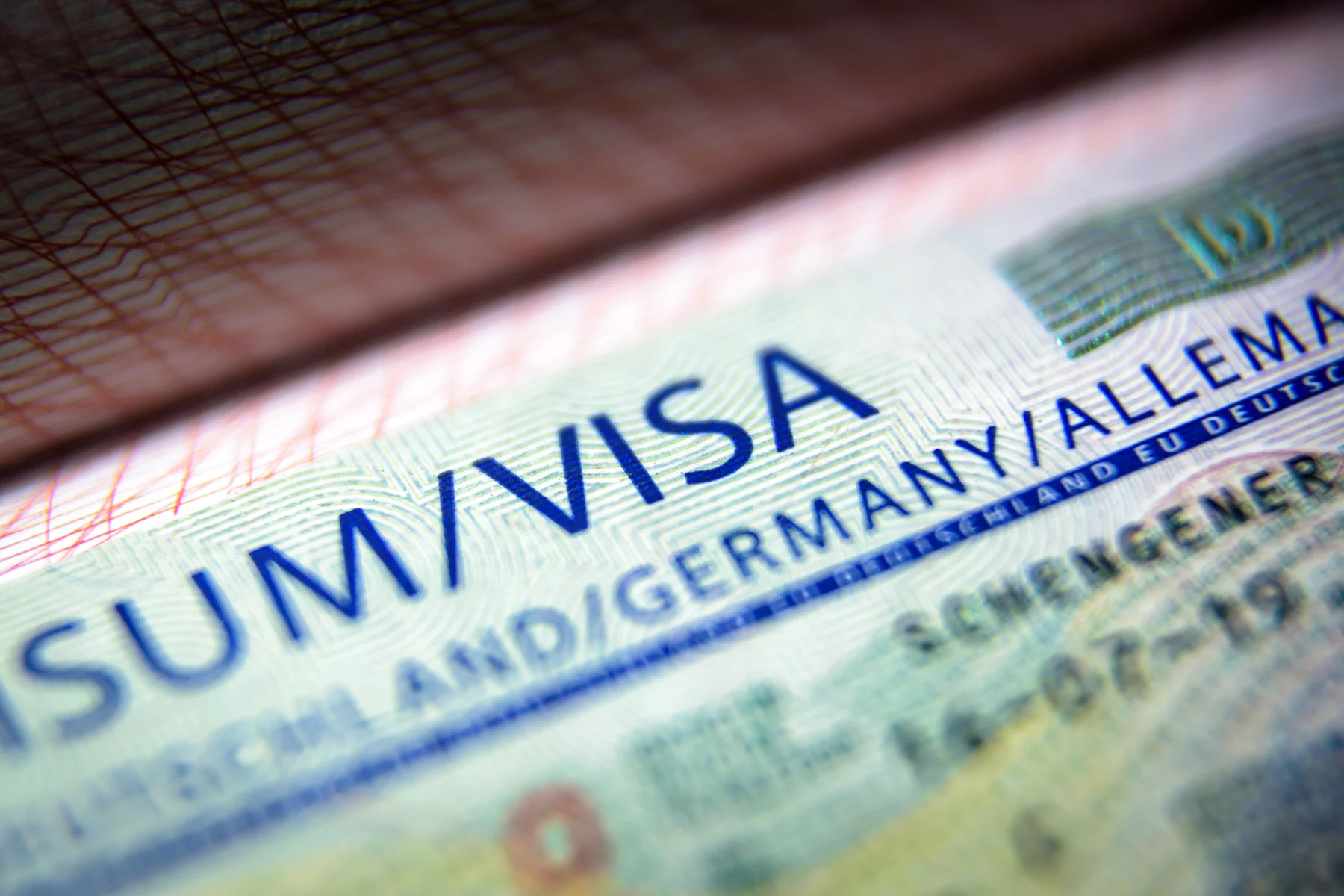
EU Blue Card eligibility requirements in Germany
Qualifying for an EU Blue Card sounds straightforward on paper, but small details in your paperwork can quickly stall an application. You generally need a recognised university degree, a job offer that matches your qualifications, and a salary that hits official minimum thresholds. Depending on your profession, you may also need approval from the Federal Employment Agency (Bundesagentur für Arbeit or BA).
Qualification recognition and job match
Germany usually expects your degree or comparable higher qualification to be recognised. The quickest first check is often Anabin, the German database for foreign qualifications. If your degree or institution is not clearly recognised there, you may need a Statement of Comparability from the ZAB, the Central Office for Foreign Education.
Because the Blue Card is meant for qualified employment, not just any job with a high salary, your job should normally match your qualifications.
Use this quick check before you act on an offer:
- Check whether your university and degree appear in Anabin
- Confirm whether your role matches your field of study or qualification
- Check whether your profession is regulated, such as medicine
- If needed, request ZAB recognition before your visa appointment
It can be tempting to put off qualification checks until after you arrive, but getting this sorted upfront is essential. Verifying your degree before signing an offer or relocating ensures that surprise paperwork hurdles don’t hold up your application down the line.

2026 salary thresholds and shortage occupations
To qualify for an EU Blue Card, your gross annual salary must meet official minimum thresholds set by the German government:
| 2026 route | Gross annual salary | Who it applies to |
|---|---|---|
| Standard threshold | €50,700 | Most qualifying roles |
| Reduced threshold | €45,934.20 | Bottleneck professions, new entrants, and qualifying IT specialists |
Gross annual salary means your pay before tax and social security deductions. One thing worth knowing is that the threshold is about the contract salary itself, not your likely take-home pay.
The reduced threshold can apply to shortage fields such as IT, engineering, healthcare, maths, science, and some teaching or management roles. It can also apply if you finished your most recent degree within the previous three years, or if you are an IT specialist without a degree but meet the experience rules. These reduced-threshold cases usually involve BA approval.
Check the current year threshold before you apply, as Germany updates these amounts every year.
How to apply for the EU Blue Card in Germany
The application route depends on your nationality and where you are when you apply. For a broader overview of permits for work, see work-related visas guide below.
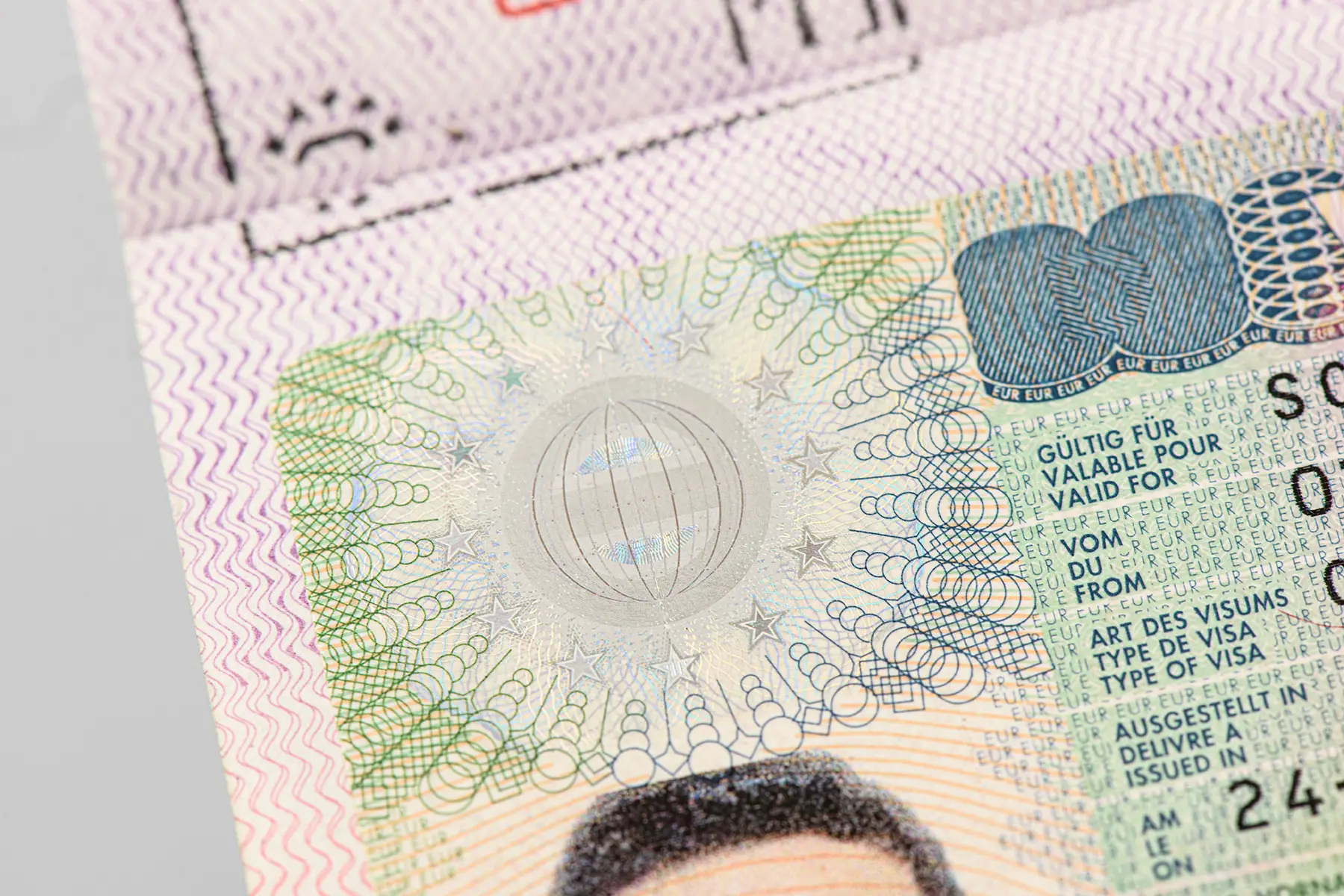
A typical Blue Card journey looks like this:
- Check your qualification recognition and salary threshold
- Confirm whether you need to apply from abroad or can apply in Germany
- Gather documents and submit the visa or residence permit application
- Attend your appointment for biometrics and checks
- After arrival, register your address and collect your residence card
Applying from abroad or from within Germany
Many applicants apply through a German embassy or consulate before travelling. Some nationalities can enter Germany visa-free and then apply locally through the Ausländerbehörde, the foreigners authority.
This is where people often get confused. Visa-free entry does not automatically give you the right to start work. You still need the correct residence status or permission before taking up employment.
Ausländerbehörde appointment availability varies sharply by city, so check the local process as soon as you know where you will live.
Documents, fees and processing times
Your document list can vary, but most applicants should expect to prepare:
- A valid passport
- A job contract or binding job offer
- Proof that your qualification is recognised, such as Anabin evidence or ZAB statement
- Completed application forms
- Proof of health insurance
- A biometric photo and biometrics at the appointment
- Extra documents for regulated professions, if relevant
A common reference fee for the EU Blue Card itself is €100. European rules set a maximum processing period of 90 days for issuing the Blue Card, but real wait times can be shorter or much longer depending on the embassy, city, and whether your file is complete.
Do not treat published processing times as a guarantee. Delays often come from missing recognition papers, local appointment shortages, or extra checks on the job offer.

What happens after approval
Once approved, the EU Blue Card lets you live and work in Germany in the qualifying role on your permit. It is usually valid for the length of your job contract plus three months, up to a maximum of four years.
After arrival, you will normally need to complete practical steps such as Anmeldung, or address registration, arrange health insurance if not already finalised, and attend any follow-up appointment to receive the physical residence card.
Family reunification, job changes and permanent residence
- Family reunification: One reason many expats prefer the Blue Card is that family reunion is usually more straightforward. If your spouse or children will join you, Expatica’s guide to Family visas in Germany is a useful next step.
- Changing jobs: You can change employers on an EU Blue Card, but the timing matters. Official German guidance says that if you change jobs within the first year, you must notify your local Ausländerbehörde, which checks that the new role still meets Blue Card conditions.
- Permanent residence: This is where outdated advice still appears online. Some older pages still mention 33 months as the standard timeline, but current official guidance points to a settlement permit after 27 months with A1 German, or 21 months with B1 German. See Expatica’s guide to Permanent residence in Germany for the wider rules.
Many expats focus only on the visa itself, but improving your German can shorten your settlement timeline.
Practical expat checklist for your first weeks in Germany
Once the visa part is done, the next question is usually: what do I need to sort out this week? A short checklist helps:
- Register your address through Anmeldung
- Finalise your health insurance
- Wait for your tax ID and give it to your employer
- Open a local or suitable international account for salary and bills
- Check how you will pay rent, deposits, and daily costs
- Keep copies of your permit, registration, and job documents
- Work through Expatica’s 10 things to do during your first week in Germany for the wider settling-in admin
Registering your address, getting paid and managing money in euros
Your Anmeldung links into several other tasks. It helps trigger your tax ID, supports many banking applications, and is often requested when setting up everyday services.
When it comes to getting paid, many newcomers compare major local banks such as Deutsche Bank, Commerzbank, and Postbank while deciding what works for salary payments and bills. Expatica also has practical guides on opening a bank account in Germany and health insurance in Germany.

If you are moving savings from abroad, you may also want an optional tool for relocation money management. Some expats set up a Wise multi-currency account before stepping off the plane. It gives you an easy way to transfer funds internationally at mid-market rates, hold and convert euros alongside your home currency, and tap your card for everyday expenses during your first few weeks. While it isn’t an official requirement for your visa or immigration process, having a Wise account in your pocket takes the immediate stress out of paying for necessities while you get settled.
FAQ
Frequently asked questions about EU Blue card Germany
What is the salary threshold for the EU Blue Card in Germany in 2026? 
For 2026, the official minimum salary requirement is €50,700 gross per year for standard roles. A reduced threshold of €45,934.20 applies to shortage (bottleneck) professions, recent university graduates, and qualifying IT specialists. Because Germany adjusts these benchmarks annually, always double-check the latest figures before submitting your application.
Can I get the German EU Blue Card without a university degree?
Sometimes, yes. Germany has a special route for qualifying IT specialists without a degree, but you need at least three years of relevant IT experience from the last seven years, strong evidence of that experience, and a job offer that meets the applicable salary rule.
Can I apply for the EU Blue Card in Germany after arriving visa-free?
Some nationalities can enter Germany visa-free and then apply locally. But this does not mean you can work without the correct residence status, so always check your nationality-specific rule with the official visa source before travelling.
Can I change jobs on an EU Blue Card in Germany?
Yes, but there can be notification or review requirements. If you want to switch employers, check the latest guidance from your local Ausländerbehörde first so you do not create a problem for your status.
How long does it take to get permanent residence with an EU Blue Card in Germany?
Current official guidance points to a settlement permit after 27 months with A1 German, or after 21 months with B1 German
Useful resources
Checked 29th July 2026
- German Consular Services Portal Blue Card page: Federal Foreign Office page detailing application routes and specific requirements.
- EU Immigration Portal for Germany: European Commission resource on EU-wide regulations and processing timelines.
- Anerkennung in Deutschland: Official government portal for verifying the recognition of foreign professional qualifications.
- Anabin database: German database used to check if your foreign university degree is officially recognized.


Did you find this guide helpful?