
'%20id='ico-down'%20stroke='%23000000'%20stroke-width='1.5'%3e%3cg%20transform='translate(1092.250000,%20254.750000)'%3e%3cpolyline%20id='Path-2-Copy-4'%20transform='translate(5.500000,%202.750000)%20scale(1,%20-1)%20rotate(-180.000000)%20translate(-5.500000,%20-2.750000)%20'%20points='0%200%205.5%205.5%2011%200'%3e%3c/polyline%3e%3c/g%3e%3c/g%3e%3c/g%3e%3c/svg%3e)


Living
Family & Pets
Childcare in Spain
Starting a new adventure with young kids in tow? Here’s a look at childcare in Spain, including Out-of-School programs and family benefits.


Childcare is a key concern for working parents around the world, and Spain is no exception. Luckily, there are several options available, and the prices are relatively affordable.
Keep in mind, however, that things can vary across the different autonomous regions, and you’ll need to do your research to find the right childcare option for you.
Continue reading to find out more about childcare in Spain, including information about the following:
British Council School
Give your kids the best start in life with the British Council School in Madrid. Students aged 2-18 years follow the English national curriculum, followed by the school’s unique Bilingual Baccalaureate. Take advantage of 80 years of experience and let your children thrive at the British Council School.

Overview of childcare in Spain
Spain’s childcare system consists of public and private care, split into two cycles:
- First cycle (primer ciclo): for ages 0–3, usually taking place in a nursery (guardería)
- Second cycle (segundo ciclo): kindergarten or preschool (escuela infantil) childcare for ages 3–5 before starting primary school at six
Enrolment for both first and second-cycle childcare is voluntary. Around 30% of babies under 2 attend early childhood education and childcare, compared to the OECD average of 18% (OECD, 2024). This rises to 64% by the time they reach age 2 (OECD average: 42%).
Working parents in Spain can register their children in childcare from the age of four months (16 weeks), which is when mandatory parental leave ends.

On a national level, the Ministry of Social Rights, Consumer Affairs, and 2030 Agenda (Ministerio de Derechos Sociales, Consumo y Agenda 2030) is responsible for nursery care. The Ministry of Education, Vocational Training, and Sports (Ministerio de Educación, Formación Profesional y Deportes) oversees preschools in Spain.
However, the administration of services is largely down to the regional autonomous communities. Because of this, childcare provision can vary considerably across Spain.
Who can access Spanish childcare?
You don’t necessarily have to have a residency permit to access childcare in Spain. However, you will need to register with the local municipality and Spanish social security to use public services.
Depending on your location, demand can be high. If there is a shortage of spaces, childcare centers may use a first-come-first-serve policy or prioritize according to the family’s income. If you luck out, you could send your child to a private day center or use an alternative option (e.g., nannies, childminders, or au pairs).
It’s worth noting that most preschools in Spain require your child to be vaccinated.

Is there international childcare in Spain?
Understandably, Spanish is the default language used at childcare centers in Spain. However, there are also numerous international care facilities where expat children are taught in their native language.
While some of these are independent childcare centers, most are linked to an international school. After kindergarten, children can continue with primary and often secondary education at the same facility.
Here are just a few examples:
- Barcelona – Colegio Japonés de Barcelona (Japanese)
- Barcelona – El Petit Panda (Chinese)
- Bilbao – Lycée Français de Bilbao (French)
- Bilbao – St. George’s British International School (British)
- Madrid – Colegio Suizo de Madrid (German)
- Madrid – Liceo Europeo (American)
- Sevilla – Colegio Internacional de Sevilla – San Francisco de Paula (British)
- Sevilla – Yago School Sevilla (Chinese, English, French)
While international childcare options are usually more expensive, they also offer several benefits. For example, children can learn and develop in a more multicultural environment and mix with other expats. Class sizes are typically smaller, and facilities are of a good standard.
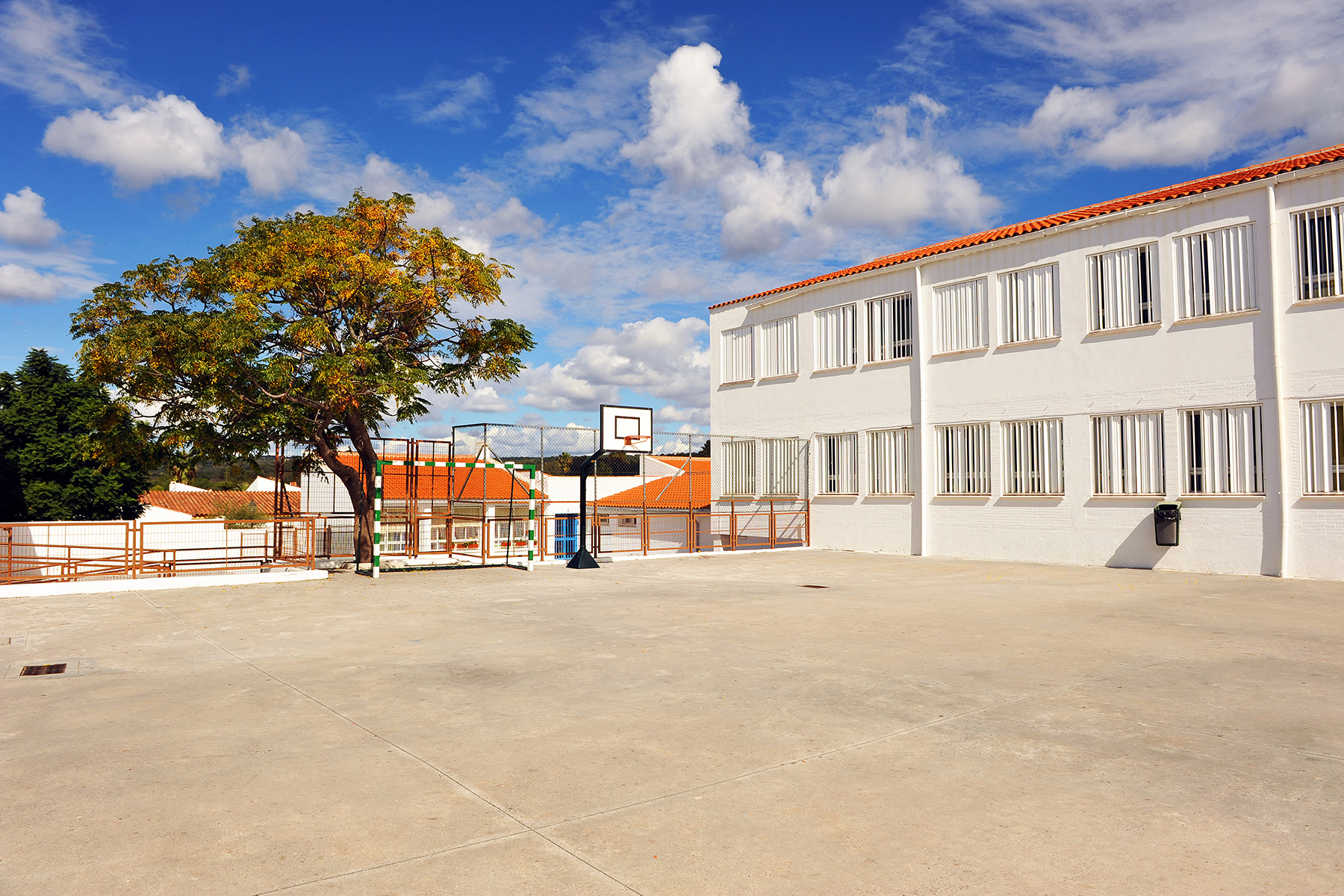
What childcare options are available in Spain?
Nurseries, daycare, and preschools
Working parents in Spain can send young children (ages 0–3) to nurseries or daycares. From the ages of 3–6, kids can attend kindergarten or preschool.
Public childcare facilities are subsidized by the Spanish government and present the most affordable option. As said before, however, spaces can be limited, and some centers give priority to low-income families. If you choose private childcare, you will typically have to pay full fees.
Learn more about their activities and education by reading our article on daycare and preschools in Spain.

Childcare for school-age children
Before- and after-school activities
As many people know, children can mess up a work schedule quite easily. Fortunately, Out-of-School services (servicios complementaria) can offer some help. Around 81% of Spanish children regularly participate in before- or after-school activities (2007).
Depending on your location, children can attend morning classes (Aula Matinal) from 07:30 to 09:00 (Mon–Fri). Many places also offer after-school activities until 16:00 (Fri) or 18:00 (Mon–Thu). These clubs cover a range of recreational and formative things, including computer science, dance or theater, languages, music, reading, and sports.
If your child attends public school, you can check availability and registration procedures at the Department of Education (departamento de Educación) of your local town hall (Ayuntamiento). Private and international schools will list their Out-of-School services on their websites.
Childcare during school holidays
In Spain (and elsewhere), public childcare services are typically closed during school holidays. This can sometimes pose an issue for parents, especially during the summer when children usually get up to three months off.
Many Spanish parents will resort to informal care and rely on friends and relatives to look after their child.

However, it’s not impossible to find childcare during school holidays. For example, some regions (e.g., Madrid) offer fee-based holiday centers with recreational and educational activities for primary school children.
Often, larger cities in Spain also host a number of privately run holiday and summer clubs. These programs allow children to pursue new hobbies, meet new people, and learn new skills. For instance, Enforex and Don Quijote both run a range of educational activities for 5–18-year-olds. Others, like Yago School and Liceo Europeo, cater to even younger children.
You can find available school summer camps in Spain on websites such as World Camps.
Alternative options for childcare in Spain
Professional childminders
Professional childminders are qualified specialists who look after small numbers of infants (aged 0–3) in their own homes. In Spain, they’re more commonly known as ‘mothers and fathers of the day’ (madres y padres de día).
They’re not hugely popular, likely due to the cost. Professional childminders operate privately in Spain, and you can expect to pay around €300–600 per day.
Provision and regulation of these childcare services are very much done at the regional level. The autonomous communities of Galicia, Madrid, and Navarre have the most developed set of rules. Murcia and Catalonia are currently in the process of creating official regulations.
You can find available childcare options online, for example, at the Mothers and Fathers of the Day Network (Red Madres y Padres De Día).
Nannies
As said before, public childcare is available only to residents with a social security number. Non-resident expats in Spain could consider hiring a nanny.
Nannies provide personalized childcare within the family home, along with other duties, such as meal preparation, bathing and bedtime rituals, and housework. It is not uncommon for these childcare professionals to live with the families and perform their role for contracted hours during the day.
On average, nannies in Spain make about €11 per hour. Keep in mind, however, that when you hire a nanny, you are their legal employer. That means you must have a signed employment contract and arrange their tax, social security, and health insurance.
You can find a suitable nanny through a local or international agency like Kinderstaff or Nannies & Mannies.
Au pairs
Many expat parents also trust the care of their children to an au pair. These are typically foreign students aged 18–30 who stay with families for limited periods, usually six months to two years.
Au pairs provide basic childcare and housework duties in exchange for food and accommodation. With a minimum salary of €70 a week, they present a more affordable alternative to a nanny.

Keep in mind, however, that au pairs are generally less qualified and experienced than professional childminders or nannies. They usually only perform babysitting tasks rather than in-depth childcare or education. If they are from outside the EU/EFTA region, you will also need to act as their sponsor for the visa application.
You can find a suitable au pair through various international agencies such as AuPair.com, AuPairWorld, and GreatAuPair.
Babysitters
Babysitters usually look after children on a more informal or ad hoc basis (e.g., you have an appointment or want to go out for an evening). While most will only babysit for a few hours at a time, some may be happy to work longer hours if necessary.
There are many ways to find a babysitter in Spain. For example, you can ask family, friends, or neighbors to babysit or if they know someone who does. You can also check online or with a babysitter agency (e.g., Babysits or Sitly) that vets individuals and asks for references.
Rates for babysitters can vary, with some charging by the hour and others charging a flat rate for a set amount of time. However, on average, you can expect to pay between €7.80–8.50 an hour.
Childcare provided by an employer
Employers in Spain are not legally obligated to provide childcare support. They do have to approve paid or unpaid leave if the working parents request the time off.
Although employer-based childcare is not mainstreamed, some larger private corporations do include childcare in their benefits packages. Others have on-site daycare facilities for young children. It is always worth checking with your employer to see how they can support your childcare needs.
Community childcare programs
In some parts of Spain, supplementary childcare is provided by charities, voluntary groups, or community networks. These normally consist of short-term activities (approx. 2–4 hours), such as baby and toddler playgroups, and require parents to stay on-site and monitor children.
You can ask around with other parents to see what’s available in your area.
How to find childcare in Spain?
The best way to find suitable childcare in your area is through sources like:
- Your local municipality or community center
- Local schools in your area
- Online community networks (e.g., expat forums or Facebook)
- Online search engines and platforms
- Government resources (e.g., British Council)
You can also find professional childcare facilities and options in the Expatica Spain directory.

When looking at your options, it’s recommended you make an appointment to visit it beforehand. This will help you decide if the place is suitable for your child. You should also ask other parents for their opinions; first-hand experience is extremely valuable and can help you make a more informed decision.
How much does childcare cost in Spain?
The cost of childcare in Spain will vary depending on the type of care and the location. The price will also differ greatly depending on whether you choose private or public care and whether you qualify for any subsidies.
You can expect to pay in the region of the following in terms of gross fees:
- Nurseries – public nurseries between €100–300 a month; private nurseries €450–900 a month. In both cases, there might be extra costs for food, materials, nappies, and other essentials.
- Preschools – public schools are free; private preschools can be between €400-1,100 a month
- Professional childminders – cost as much as €300–600 per day, depending on your location
- Nannies – the average rate in Spain is about €11 per hour; this can work out to between €810–1,920 a month
- Au pairs – usually paid at least €70 a week in ‘pocket money,’ plus the cost of meals and accommodation
- Out-of-school activities – can be as little as €40 per activity, depending on what is involved
Family benefits and childcare allowances
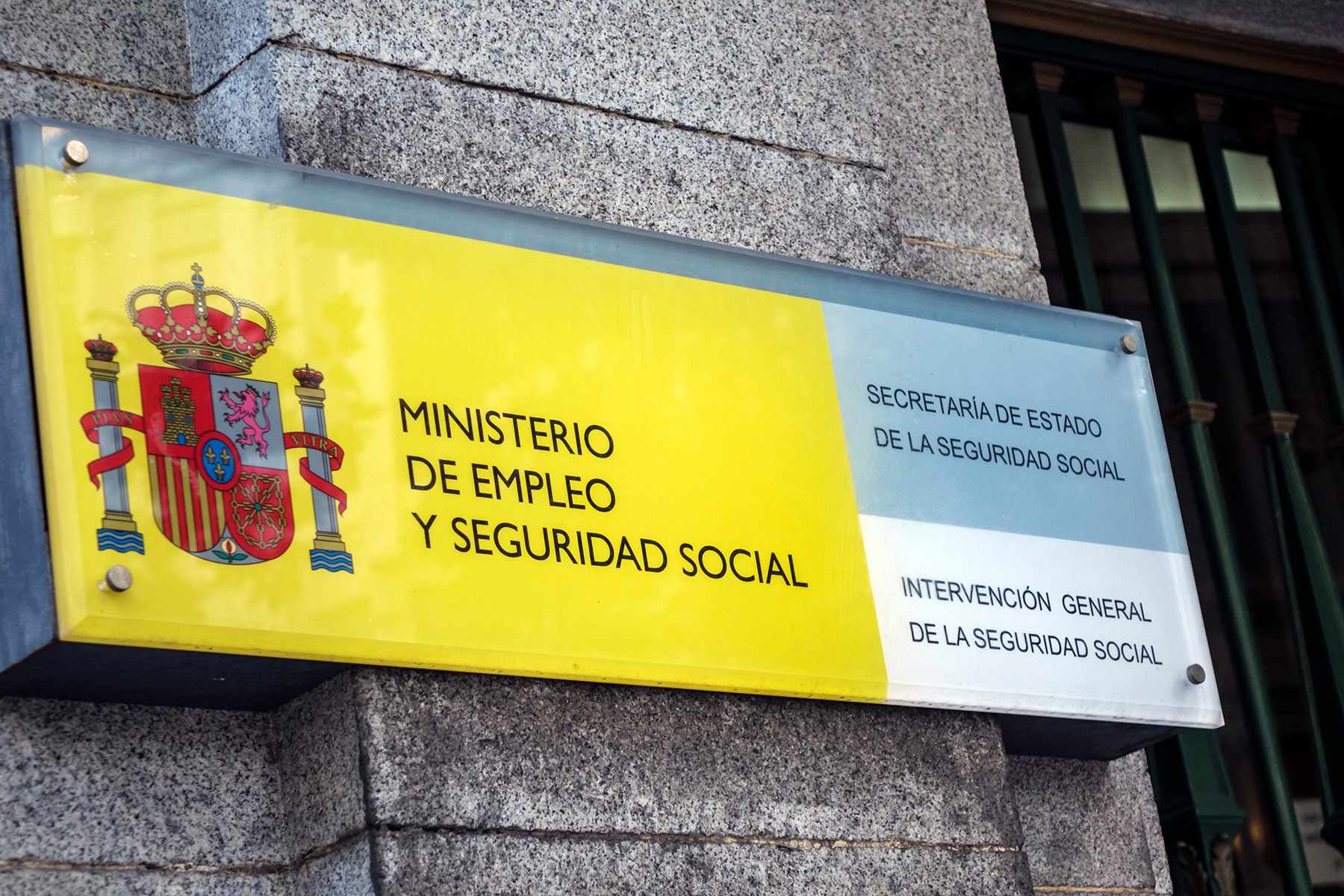
Besides the 16 weeks of parental leave at 100% of your salary, Spain offers families several childcare benefits (prestaciones familiares por hijo a cargo) and tax breaks. For example, parents who have contributed to social security for at least one month are entitled to a monthly allowance of €100 per child. You can also choose to get a tax deduction instead.
Other family benefits and childcare allowances in Spain include:
- Help for large, single-parent, parents with disabilities, or low-income families (ayuda para familias numerosas, monoparentales o con discapacidad con ingresos bajos)
- Financial benefit for multiple childbirths or adoptions (prestación económica por parto o adopción múltiples)
- Family help for a child or minor with a disability (asignación económica por cada menor de 18 años con una discapacidad)
- Minimum vital income: complement helps childhood (complemento de ayuda a la infancia del Ingreso Mínimo Vital)
- Tax deduction for single mothers (deducción por maternidad)
- Tax deduction for large families (deducción por familia numerosa)
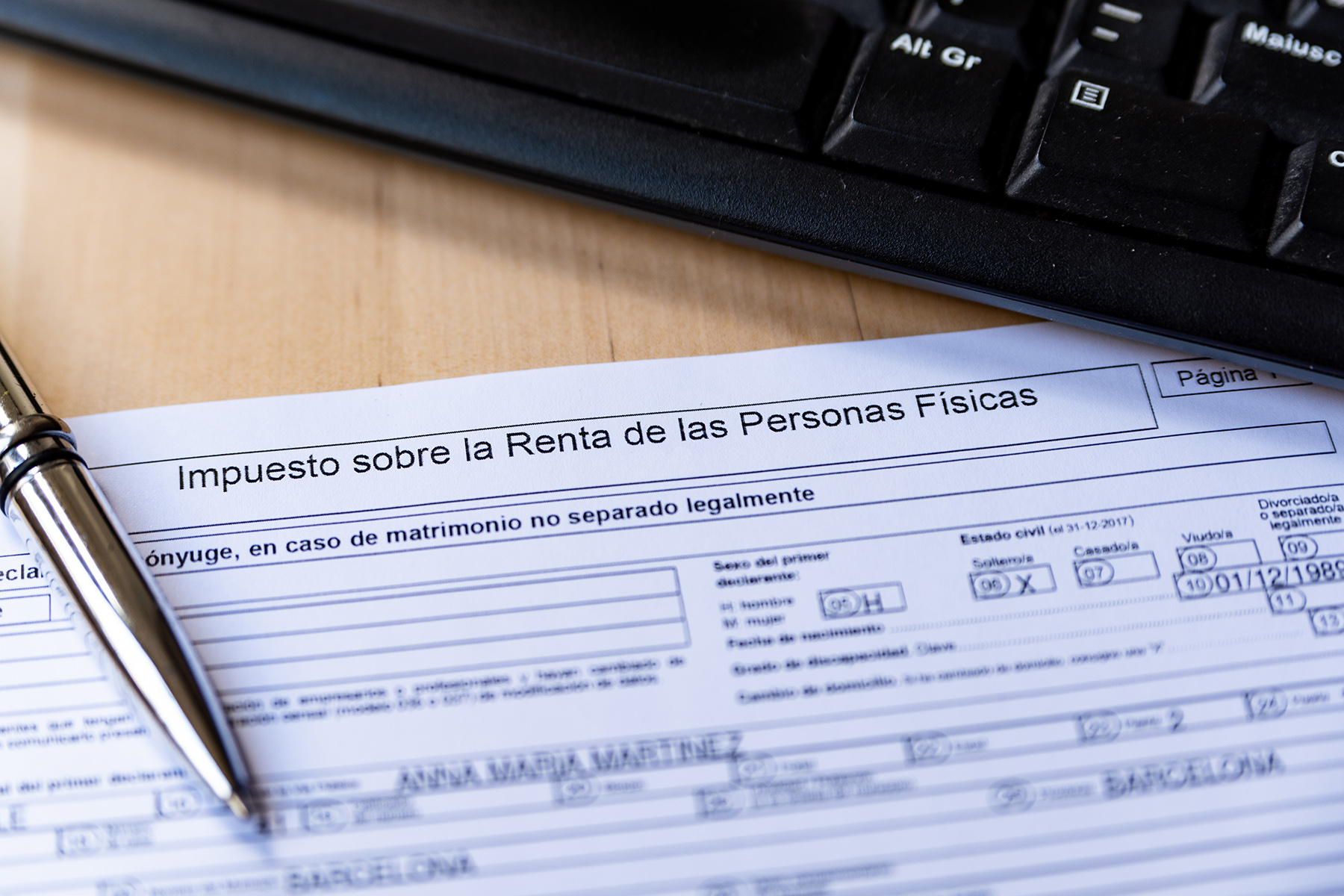
Parents who live with their children aged up to 25 can also claim a tax allowance for each child.
You can read more about family benefits and tax deductibles in our articles on social security and income tax in Spain.
What if my child needs healthcare in Spain?
Children living in Spain are eligible for public healthcare, which is mostly free until the age of 15. This includes access to specialist treatment, basic dental care, and vaccinations free of charge. You can register your child with a family doctor (GP) or pediatrician as long as you are registered for public health insurance yourself.
If you don’t have access to public healthcare services or want to receive more comprehensive medical treatment, you can take out private health insurance.
How to become a childcarer in Spain
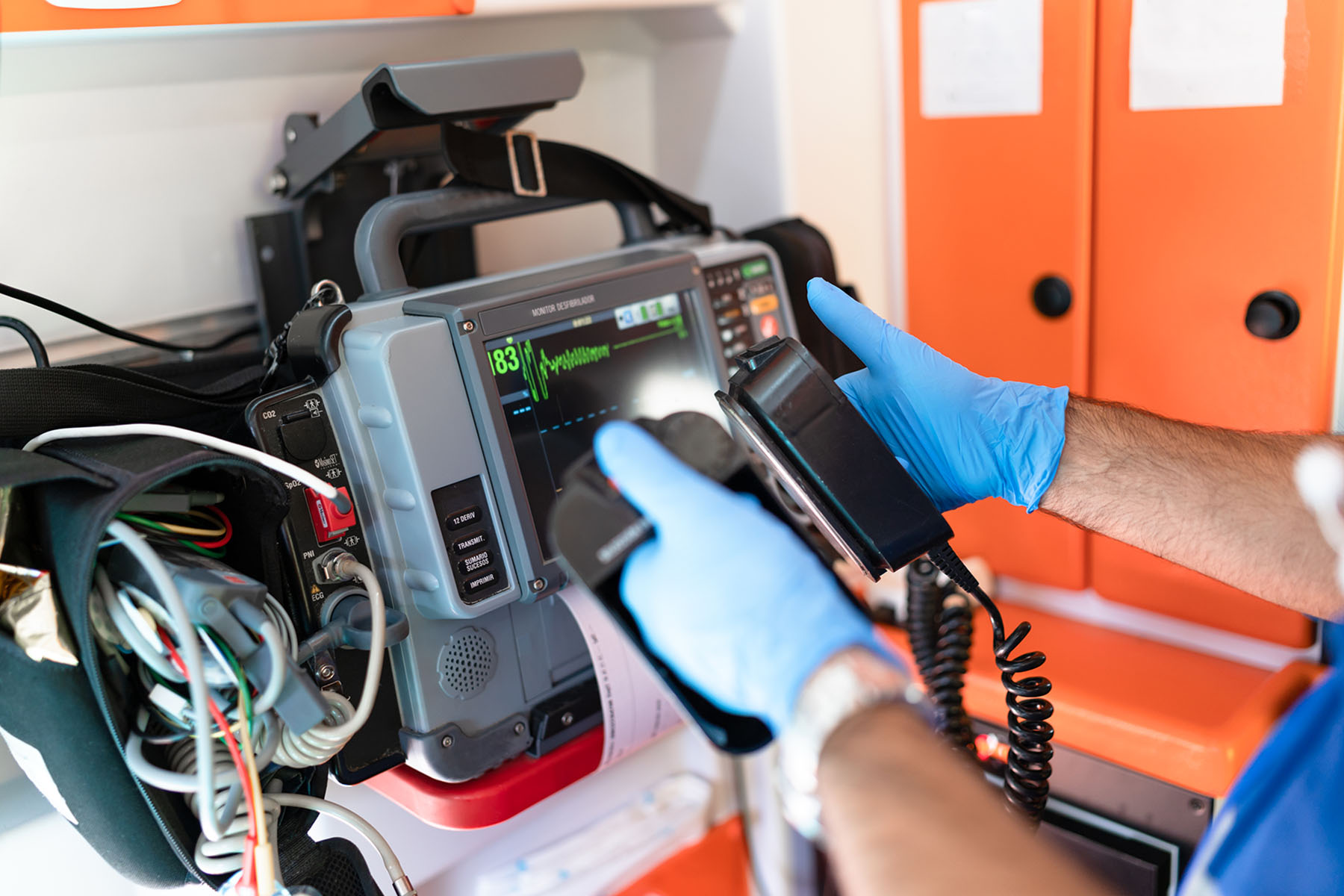
There are three possible training paths you can take to become a professional childcarer in Spain:
- Earn a university degree in Infant Education or Early Childhood Education and Care
- Follow an advanced training program in childcare and education (total approx. 2,000 hours)
- Get a vocational certificate, usually through a combination of work experience and training
You will also need to provide a clean criminal record and a food hygiene certificate.
If you want to set up a daycare facility, you will need to follow all of the general procedures for starting a business. This includes getting a license in your local area and following strict regulations regarding business taxes and social security contributions.
Useful resources
- Ministry of Social Rights, Consumer Affairs, and 2030 Agenda – official government website of the ministry responsible for nursery care in Spain
- Ministry of Education, Vocational Training, and Sports – official government website of the ministry responsible for preschools in and early childhood education in Spain
- Educagob – government portal with information on education in Spain
- Guia Infantil – website with plenty of information and resources for parents of young children in Spain
Related Articles


Editor's picks
 Top 10 Spanish foods – with recipesWhat better way to explore Spain than with your tastebuds? From tasty tapas to delicious dishes, here are the best Spanish foods.
 International schools in SpainWant to send your child(ren) to an international school in Spain? Find out everything you need to know about fees, exams, and more.
 Dating in Spain: finding love as an expatSingle and ready to mingle? Learn how to find love on Spain's dating scene, where casual meet-ups can spark genuine romantic connections.
Did you find this guide helpful?