
'%20id='ico-down'%20stroke='%23000000'%20stroke-width='1.5'%3e%3cg%20transform='translate(1092.250000,%20254.750000)'%3e%3cpolyline%20id='Path-2-Copy-4'%20transform='translate(5.500000,%202.750000)%20scale(1,%20-1)%20rotate(-180.000000)%20translate(-5.500000,%20-2.750000)%20'%20points='0%200%205.5%205.5%2011%200'%3e%3c/polyline%3e%3c/g%3e%3c/g%3e%3c/g%3e%3c/svg%3e)


Living
Government & Law
Human and civil rights in the Netherlands
From the right to protest to protection from discrimination, here’s what you need to know about human rights in the Netherlands.

The Dutch pride themselves on living in one of the most liberal countries in the world, and with good reason. Human rights are the cornerstone of society in the Netherlands, with many listed in Chapter 1 of the Dutch constitution.
Smoking weed? Sure, police officers will look the other way. Sex workers strutting their goods? It’s an honest living, so why not? Mandatory use of bicycle helmets? Let’s not go there.
It is crucial to know and understand your human and civil rights and what to do when they are violated. Here are the ins and outs, the nuances, and the intricacies of your fundamental rights in the Netherlands:
An overview of human rights in the Netherlands
The Dutch constitution was first created in 1815 after the Napoleonic Wars. This document already contained some of the freedoms that the Netherlands still enjoy today, such as freedom of religion, equality before the law, and the independence of the judiciary.
When political uprisings swept Europe in 1848, Johan Thorbecke (in Dutch) was tasked with crafting a liberal constitution. It removed political responsibility from the monarch and gave it to an elected government. This 1848 revision of the constitution forms the basis for the present democratic system in the Netherlands.
All men over 23 could vote in 1917, and women received voting rights in 1919. More rights and freedoms were added over the years, including the decolonization of Dutch territories and anti-discrimination laws.
Today, the constitution stipulates the basic human rights that give people the freedom to live and participate in society without interference from the government. It includes the right to freedom of expression, privacy, and equal treatment. The Netherlands also recognizes international human rights agreements, such as the Universal Declaration of Human Rights.

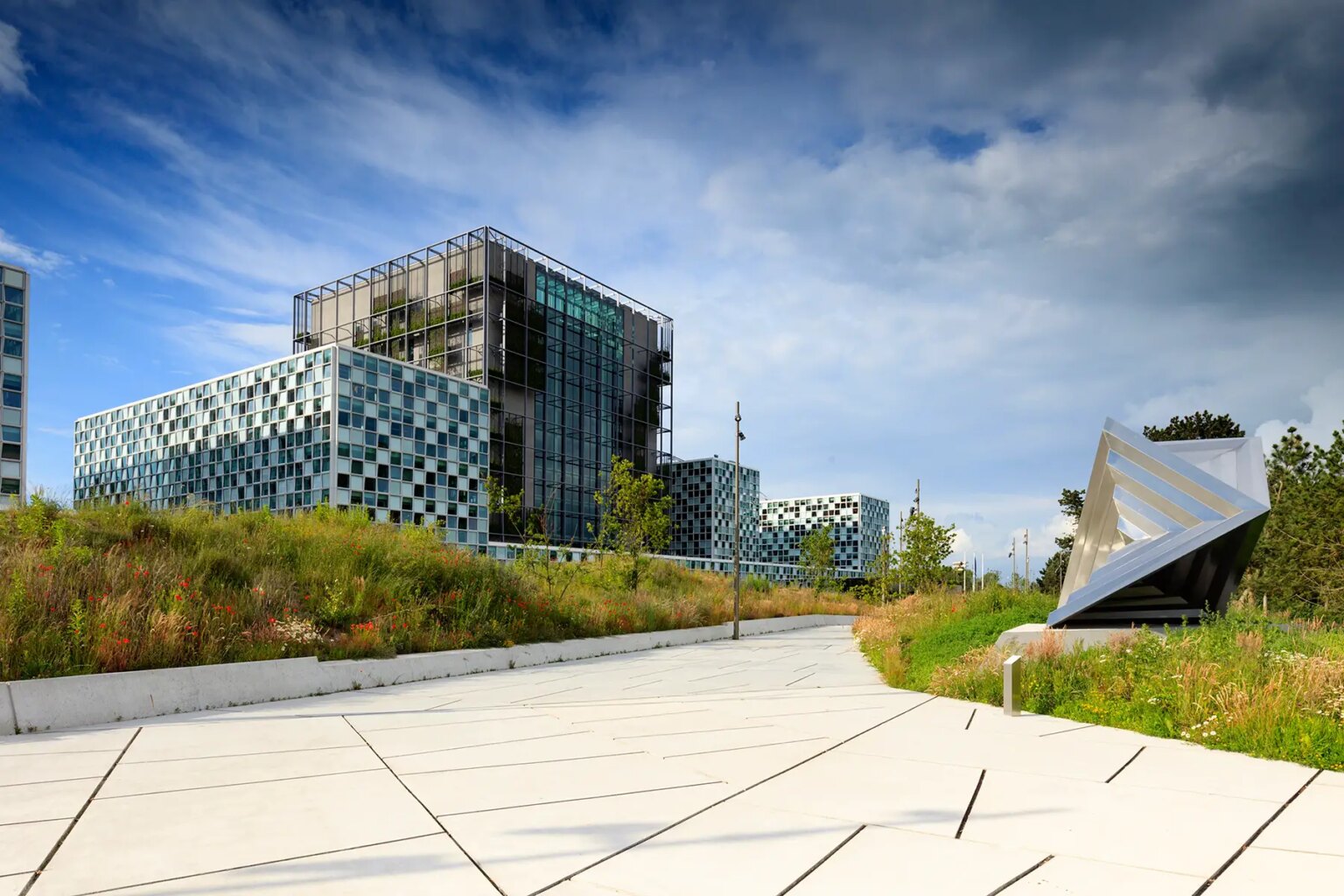
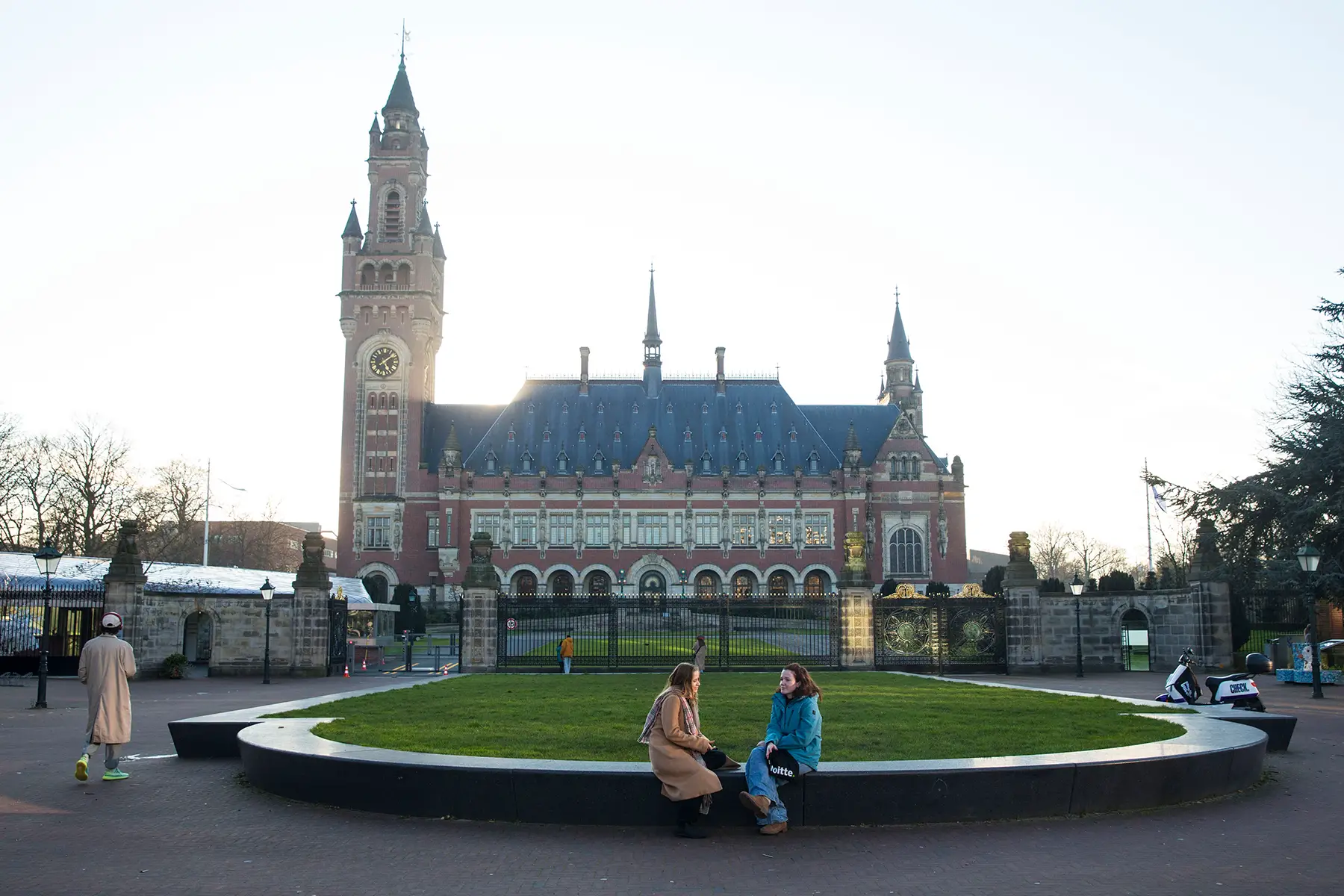
The Dutch government and judicial system and European courts are responsible for upholding and protecting these rights. For many, The Hague is also synonymous with its international courts, including the International Criminal Court and the International Court of Justice.
Freedom House gives the Netherlands 97 out of 100 on the Global Freedom Scale. Nevertheless, the country also faces some key issues and human rights violations. These include harsh asylum policies, discrimination against minorities, scandals relating to racial profiling, and privacy violations. The Netherlands also oversees human rights on six Caribbean islands, where corruption, poor prison conditions, and tough asylum policies are cause for concern.
What are your civil rights in the Netherlands?
Chapter 1 of the Dutch constitution contains many fundamental human rights. They include freedom of religion and belief, freedom of expression, and freedom from torture and ill-treatment. There is also freedom of the press, the right to equality, the right to protest, and more. Discrimination based on religion, political opinion, race, sex, gender, or other grounds is strictly prohibited and punishable by law.
You have the right to a speedy and fair trial. In the Netherlands, suspects can be held for up to three days. After that, they must be brought before a public prosecutor. The prosecutor can apply for a time extension, but the total time spent in pre-trial detention can not exceed 110 days. Remember that if you happen to be accused of something, you also have the right to a lawyer.
The right to privacy also appears in the constitution. The Personal Data Protection Act (Wet Bescherming Persoonsgegevens) and the recently renewed European legislation General Data Protection Regulation (GDPR) also apply in the Netherlands. This means that companies cannot store any personal data that can trace to an individual, such as names, postal addresses, and email addresses.
Businesses can process your data if they want to hire or send you a newsletter. They may use your information if you have given consent or shared it with a third party. The third-party rule also applies to government bodies. Examples are contact tracing in the COVID-19 app or investigating suspect behavior in light of counter-terrorism acts.
Political rights in the Netherlands
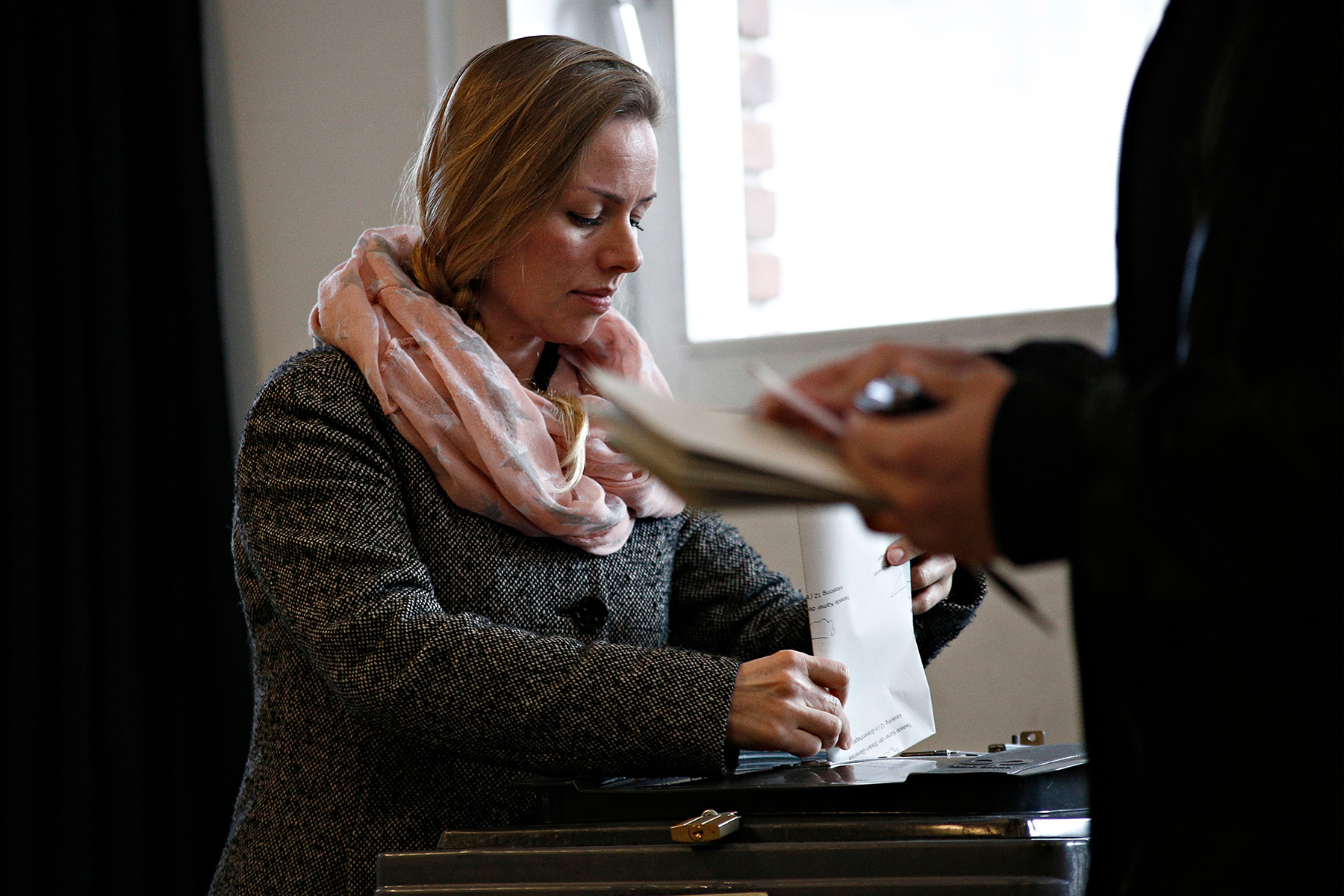
All Dutch citizens over the age of 18 can vote. Every four years, there are elections for the House of Representatives (Tweede Kamer), the Senate (Eerste Kamer), the Provincial Council, municipal councils, district water boards, and the European Parliament. EU citizens can take part in municipal and water authority elections. They can also vote in the European Parliament polls in the Netherlands or their home country. Meanwhile, other expats with a residence permit who’ve been living in the Netherlands for at least five years may only take part in the water authority elections.
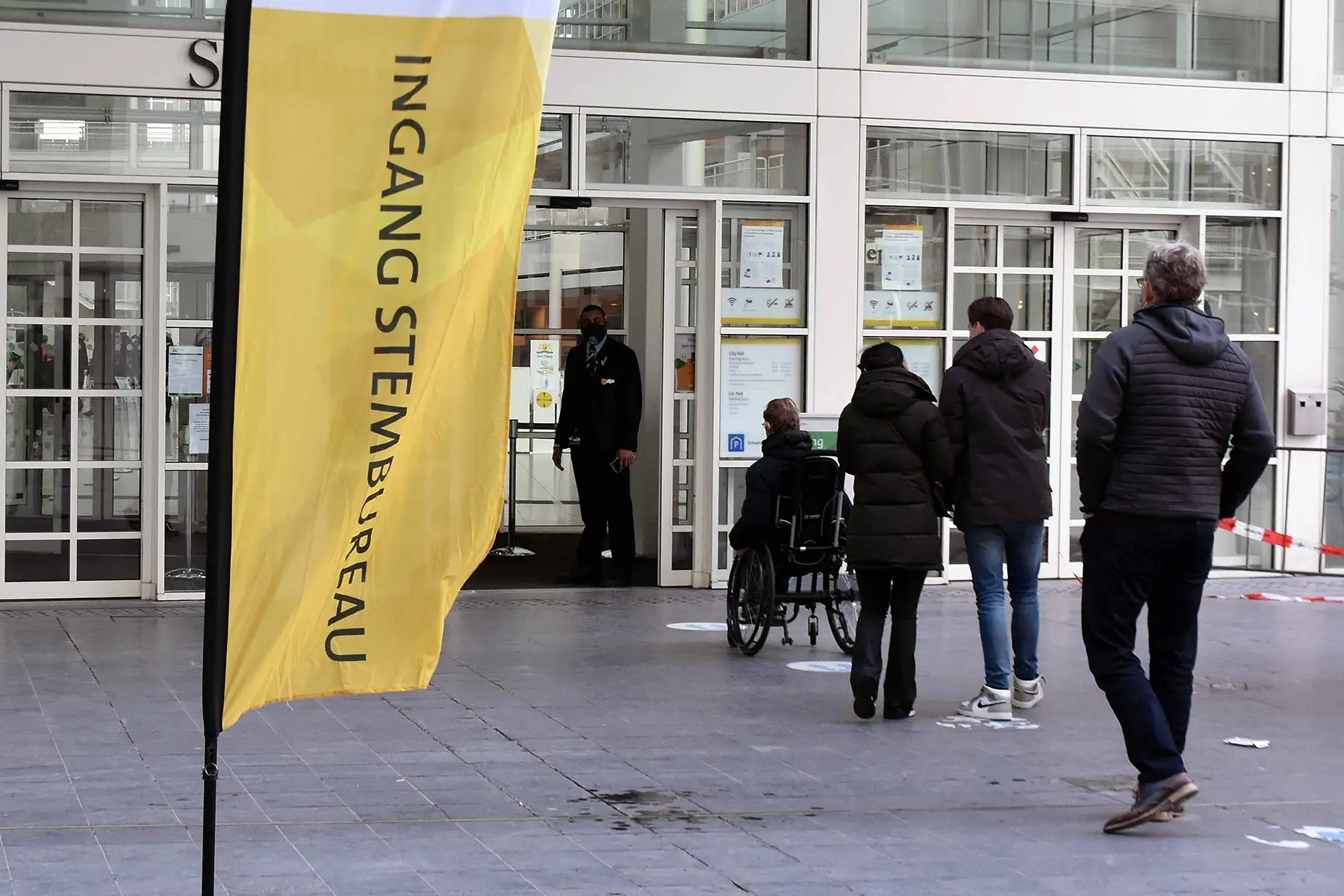
The House of Representatives has 150 seats, and political parties need 76 to reach a majority. No party has ever won over 50% of the votes in the history of the country. That’s why the Dutch government usually consists of several parties that form a coalition. The current coalition government is led by Mark Rutte, and contains the following parties:
- People’s Party for Freedom and Democracy (Volkspartij voor Vrijheid en Democratie – VVD)
- Christian Democratic Appeal (Christen-Democratisch Appèl – CDA)
- Democrats ’66 (Democraten ’66 – D66)
- Christian Union (ChristenUnie – CU)
If you want to become a Dutch politician, you are in luck. Anyone in the Netherlands can join a political party or start one of their own. You don’t have to be a Dutch national, nor is there an age limit. There is a price tag, however; new parties must be registered with the Central Polling Station (in Dutch).
The Dutch social and cultural rights in a nutshell
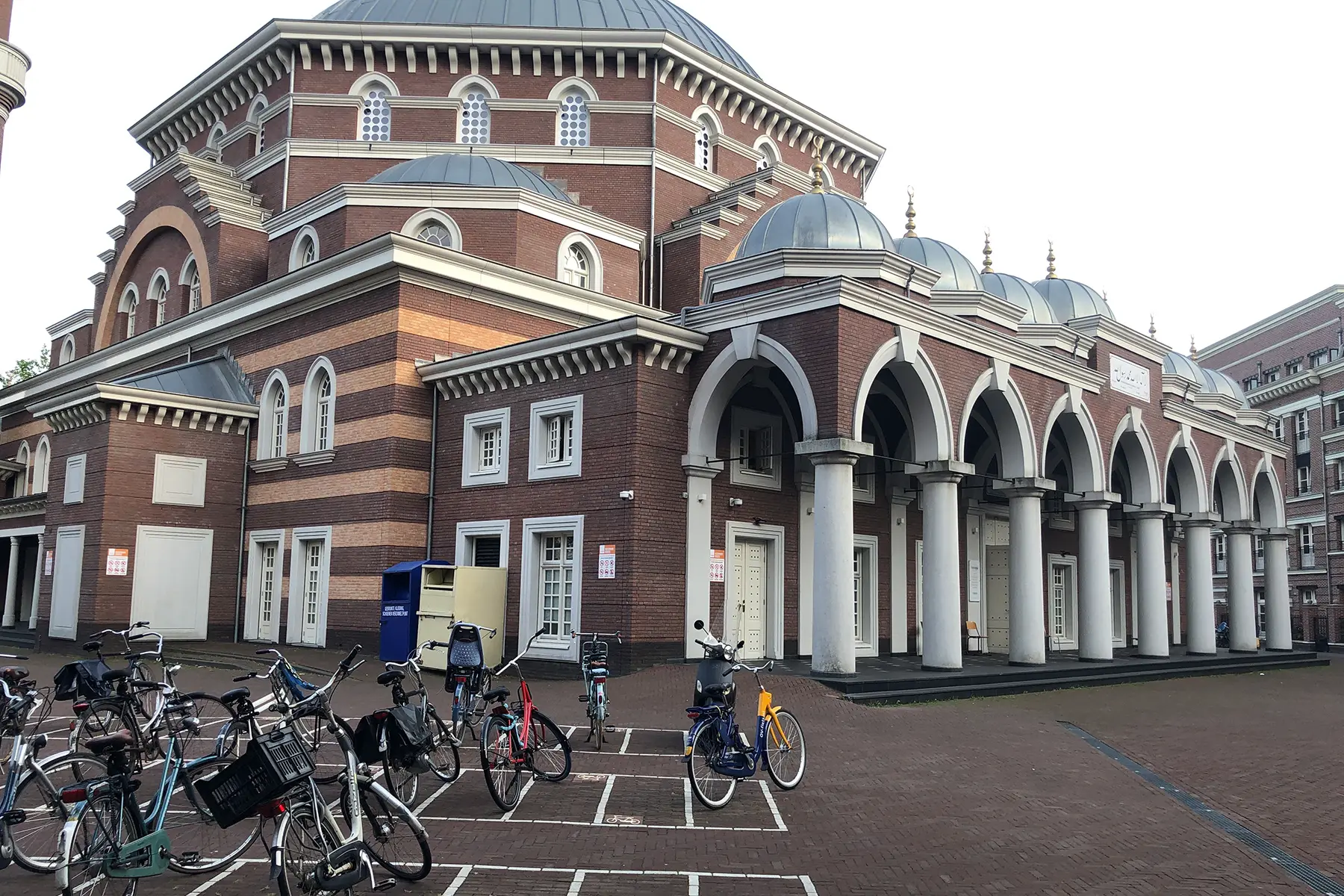
One of the most important rights in the Netherlands is the freedom of religion and belief. Every Dutch and non-Dutch person has the right to practice their cultural and religious ideology as long as it does not infringe on the rights and freedoms of others. For example, if your religion excludes LGBTQIA+ people, you might be violating the law.
Additionally, people also have the freedom of education, meaning they can educate their children according to their own religious or ideological belief systems. Privately run schools can, therefore, also have a religious or ideological foundation.
Another human right that the Dutch have is the right to live. This might seem like a very strange and all-encompassing right, but it generally means that you have the right to an adequate standard of living in the country.
People who don’t earn top salaries can apply for social benefits, and if you can’t find an affordable home, you have the right to social housing. Other government benefits include unemployment benefits, family benefits, maternity and paternity leave, sick leave, and more.
Speaking of social benefits, the healthcare system in the Netherlands is a dual-level system. Primary care (basiszorg), sick leave, and long-term care are all financed by social benefits. Private insurance pays for secondary care, such as glasses or physiotherapy. It is mandatory to get private insurance in the Netherlands.
Women’s rights and gender equality
In the Netherlands, all genders have equal rights, opportunities, and responsibilities. It is against the law to discriminate on the grounds of gender. Women are equal to men and should be treated as such. Employees of all genders must get the same salary, and pregnancy cannot be grounds for dismissal.
According to the 2022 Gender Equality Index, which measures the concept of gender equality in European countries, the Netherlands ranks in third place with a score of 77.3 out of 100 points. This value is 8.7 points ahead of the EU average of 68.6.
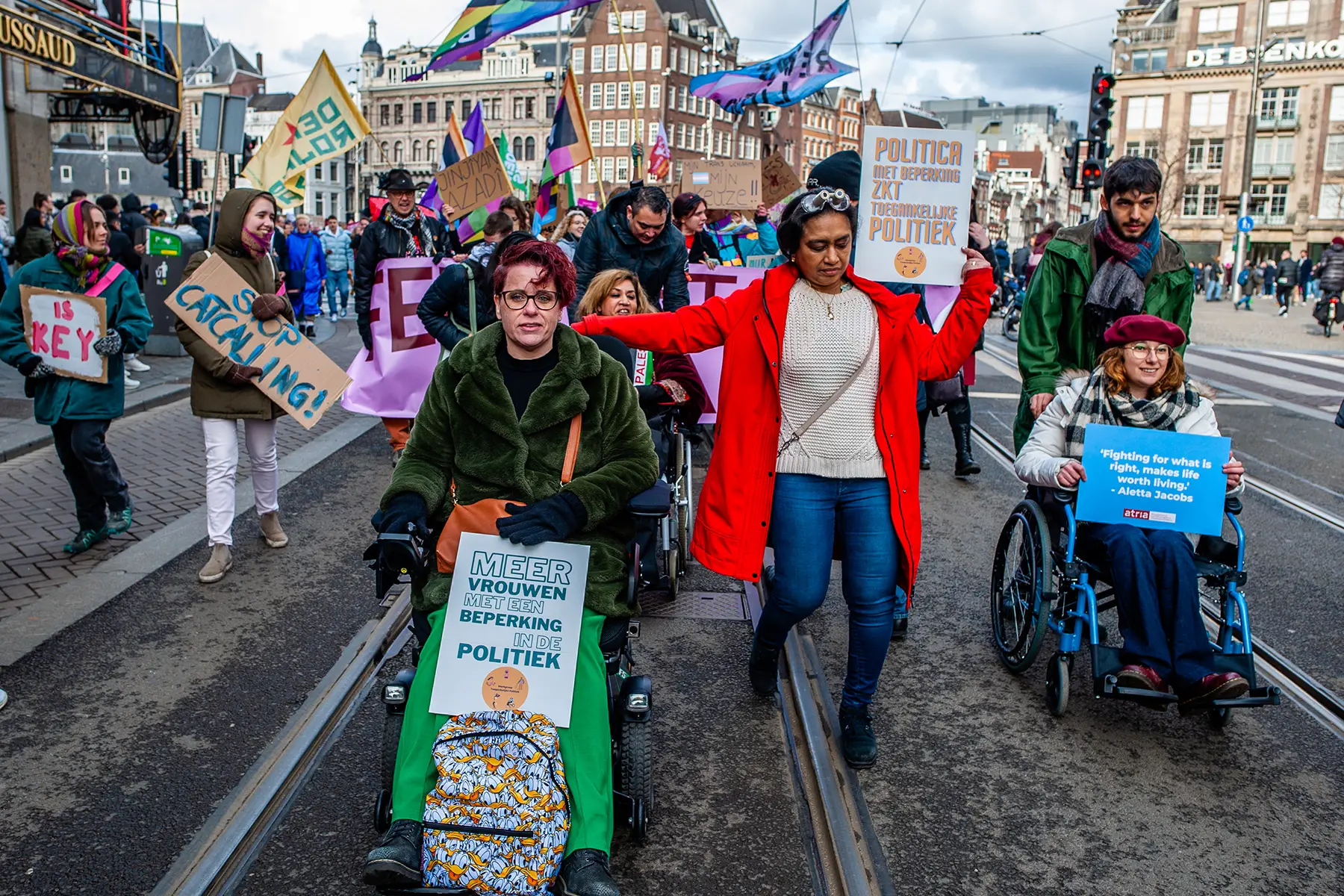
In practice, women’s rights leave much to be desired. The Economist’s Glass-ceiling Index, which determines the role and influence of women in the workforce, lists the Netherlands as 20th out of 29. That is two places below the average score of countries from the Organization for Economic Co-operation and Development (OECD), an intergovernmental organization.
A recent study by Tilburg University shows that Dutch women often face implicit bias and stereotyping from a young age. According to this study, women are seen as less ambitious, have other work preferences, should negotiate better, and, finally, should work more hours. An official report by the Social and Cultural Planning Office even concluded that part-time working culture in the Netherlands ‘hinders’ women.
If you feel discriminated against because of your gender, you can reach out to WO=MEN or any of the other organizations that fight for women’s rights.
The Netherlands and LGBTQIA+ rights
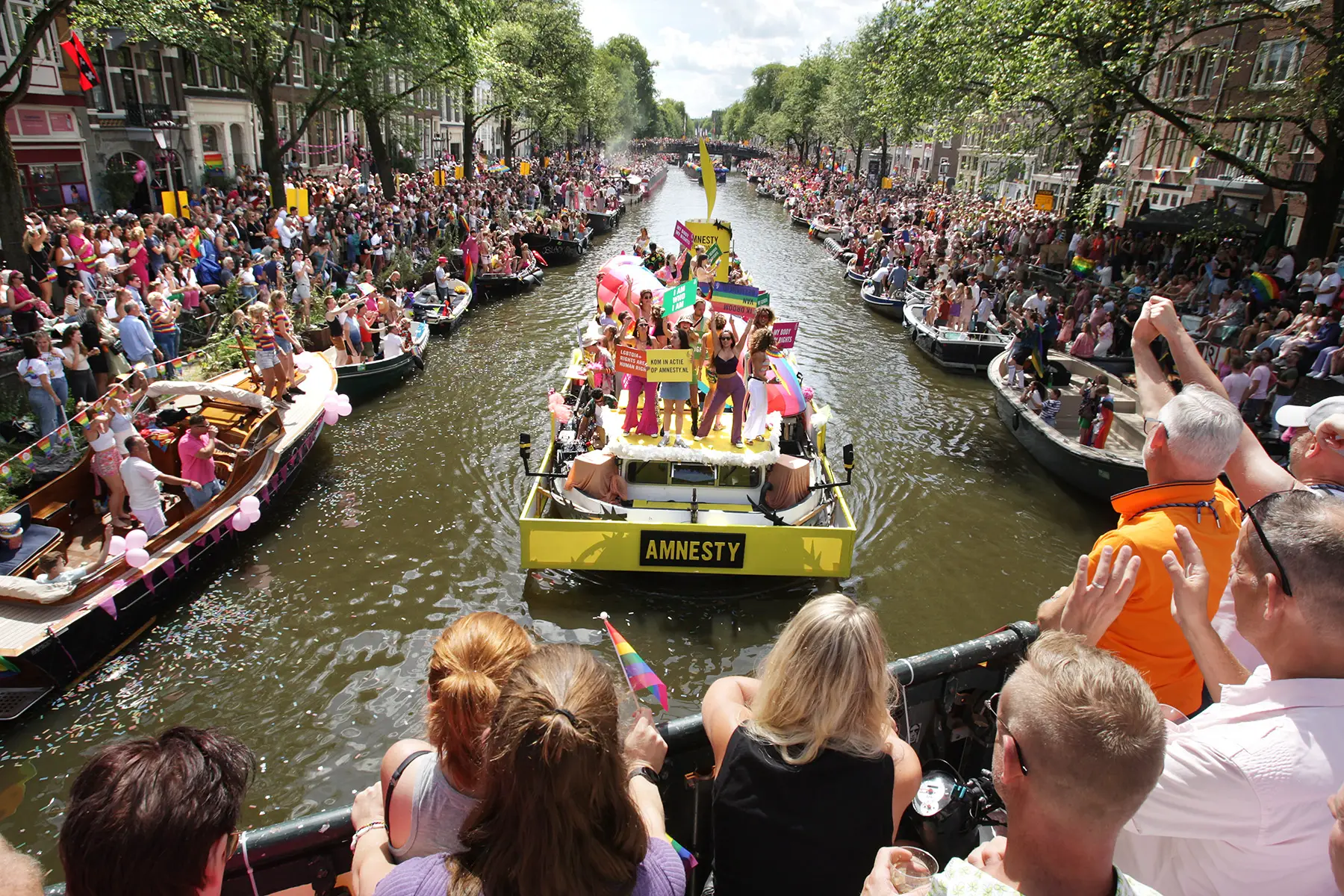
Lesbian, gay, bisexual, transgender, queer, intersex, and asexual (LGBTQIA+) rights in the Netherlands have long been some of the most progressive in the world. Same-sex sexual activity was first decriminalized in 1811, and Amsterdam’s first gay bar opened in 1927. The COC, one of the world’s first gay rights organizations, was founded in Amsterdam in 1946, and the Netherlands became the first country to legalize same-sex marriages in 2001.
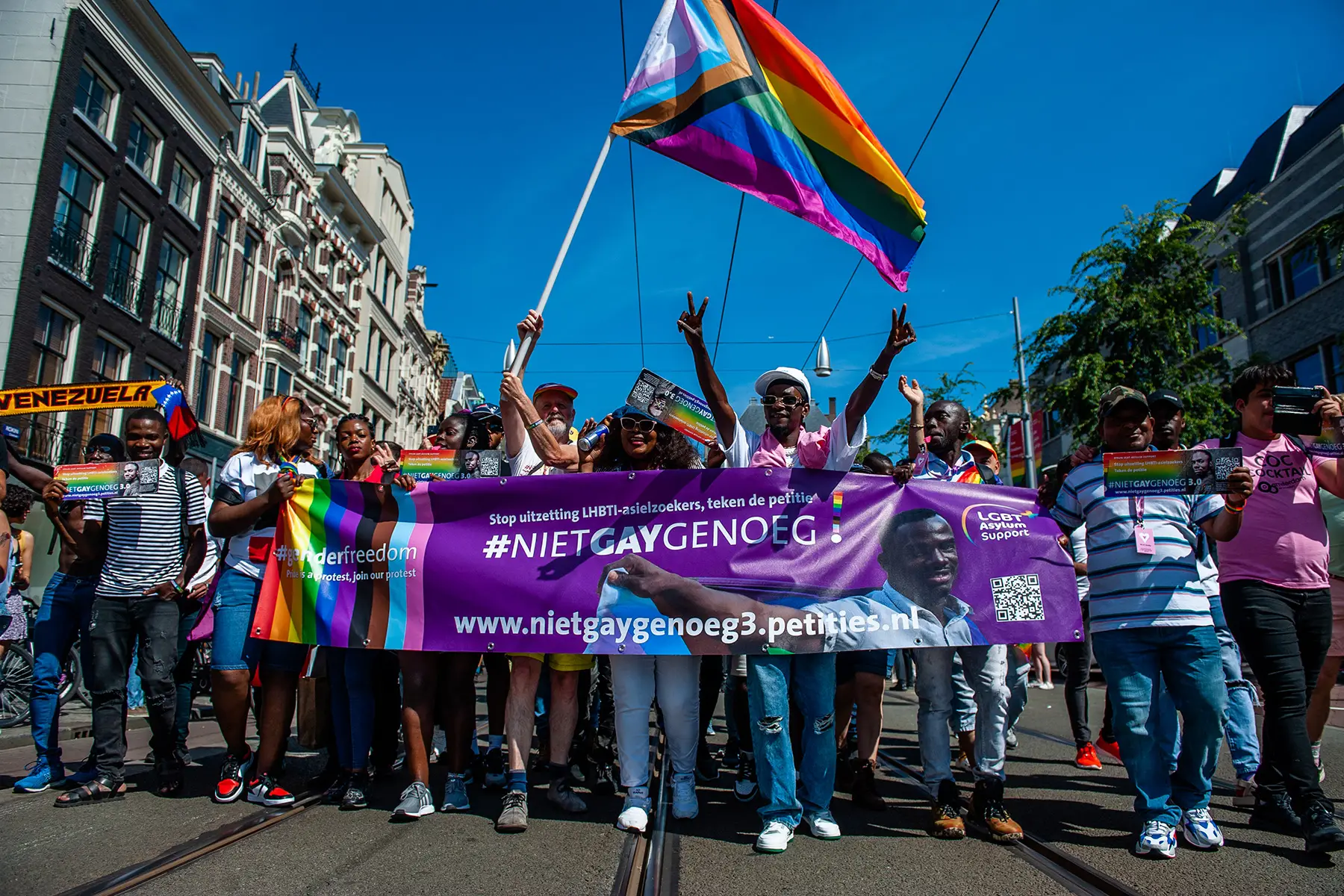
Amsterdam Pride is one of the most renowned celebrations of LGBTQIA+ culture around the world. The annual festival attracts almost 500,000 visitors each year and takes place in late July and early August.
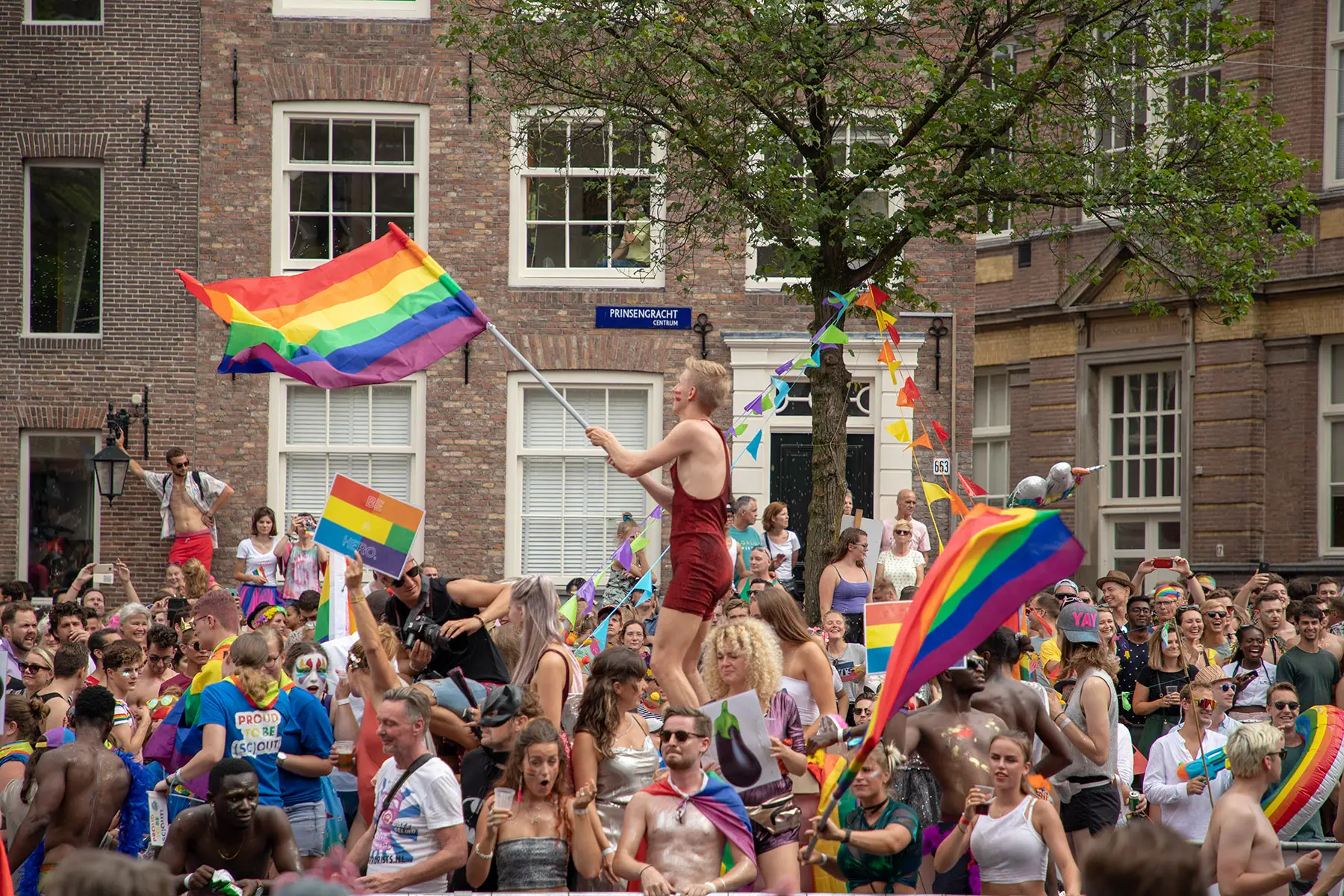
Although the LGBTQIA+ community has most of the same rights as cisgender heterosexual people, there are still some major injustices that the community experiences. According to Rainbow Europe, the Netherlands only has an LGBTI equality score of 56%. The country ranks 13th best out of 49 in Europe. Key examples of inequalities include that gay men can only donate blood if they’ve had the same sexual partner in the past 12 months, and conversion therapy is not yet banned.
The rights of people with disabilities in the Netherlands
The Netherlands is subject to the UN Disability Treaty, which promotes, protects, and safeguards the human rights of disabled people. It aims to ensure inclusion, personal autonomy, and full participation in society. Other laws, such as the Dutch Participation Act (Participatiewet) are in place to guarantee access to work and a minimum income for everyone living legally in the Netherlands.

You are also entitled to benefits if you cannot work due to an illness or disability. For example, the Wajong (in Dutch) is a benefit for people living in the Netherlands who have been disabled from a young age or became so during their studies before they turned 30. People with disabilities can also receive benefits through the Invalidity Act (WIA), and the Exceptional Medical Expenses Act (Algemene Wet Bijzondere Ziektekosten (AWBZ)).
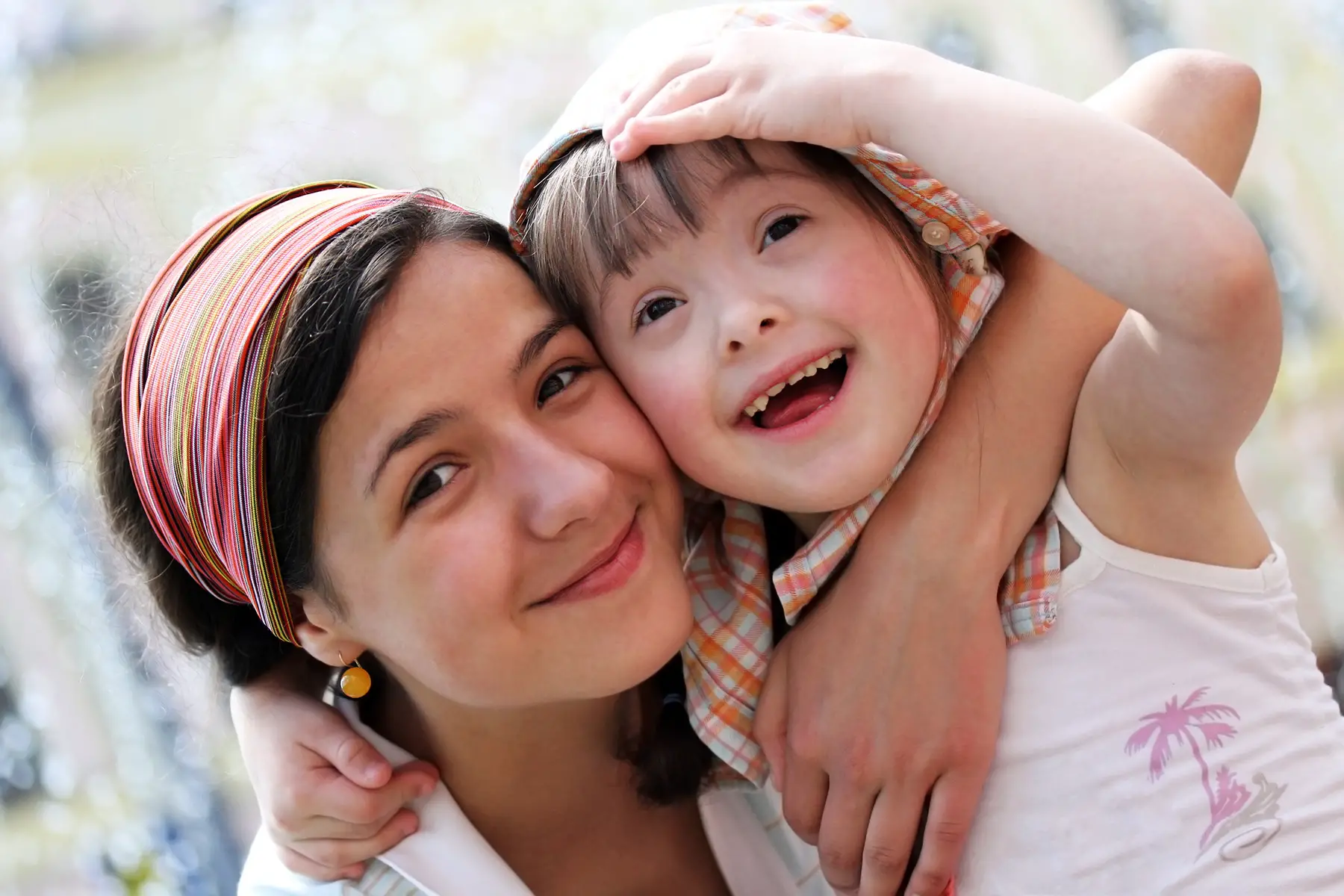
Although people with disabilities still face a lot of difficulties, many organizations in the Netherlands help protect their rights.
Workers’ and labor rights in the Netherlands
Whether you are allowed to work in the Netherlands depends on your nationality. If you are from the European Economic Area (EEA) or Switzerland, you can find a job without a work permit.
People from outside that area do need a permit. You can apply for either an employment permit (Tewerkstellingsvergunning – TWV) or a single permit (Gecombineerde vergunning voor verblijf en arbeid – GVVA), which is a combined residence and work permit. Employers can only hire someone from outside the EEA and Switzerland if they cannot find a suitable candidate from inside that area or if the vacancy is difficult to fill.
Refugees from Ukraine may be eligible for the Temporary Protection Directive of the European Union and are also allowed to work in the Netherlands without a work permit.
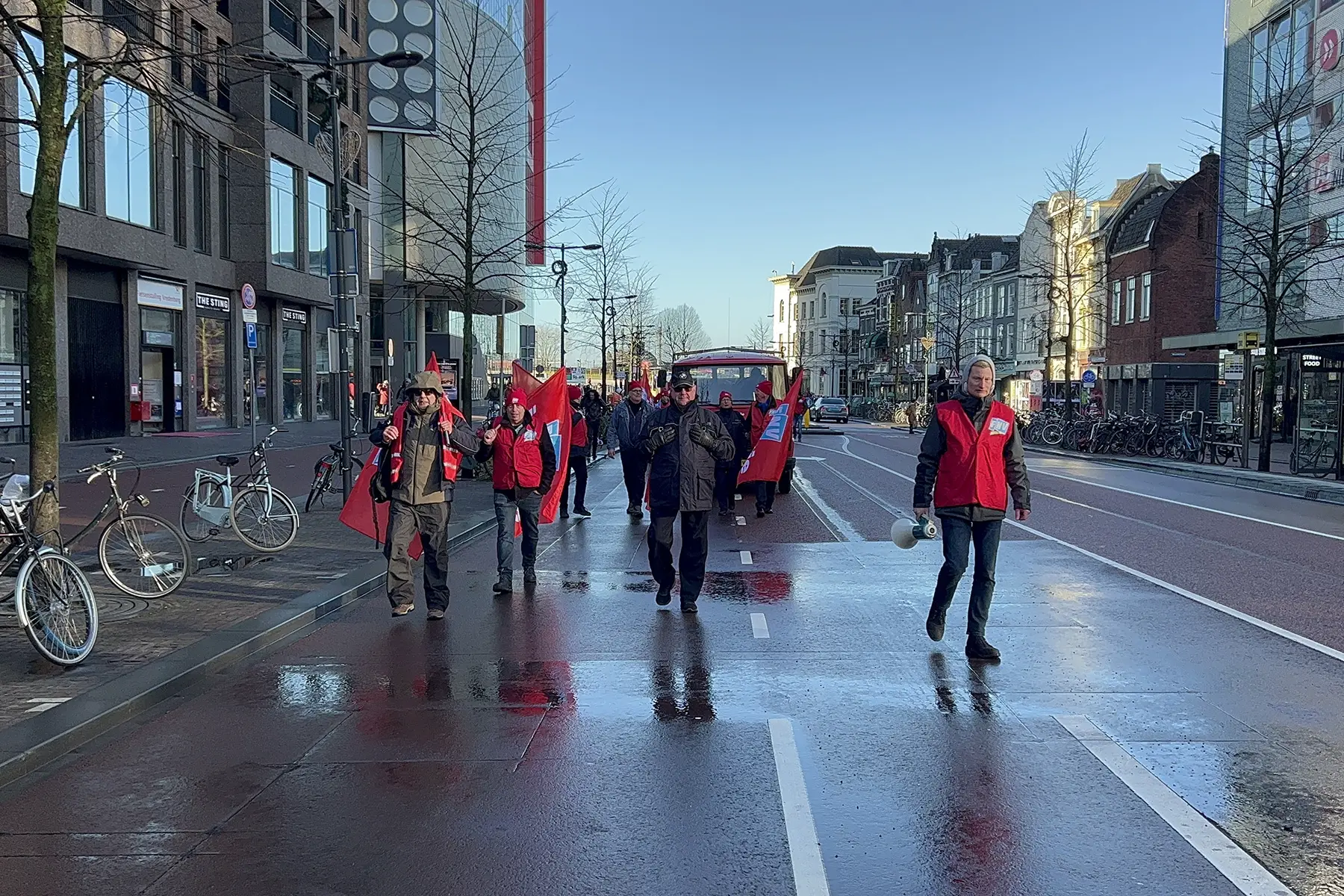
Once you have found employment, you are entitled to labor rights. For example:
- It is against the law to discriminate based on religion, political opinion, nationality, race, sex, sexual orientation, civil status, disability, or age.
- Employees over 23 are entitled to minimum wage. If you are younger than 23, you are entitled to a percentage of the minimum wage.
- Male, female, and non-binary employees must be paid equally.
- Your shift cannot last more than 12 hours, and a working week cannot exceed 60 hours.
- You are (in most cases) entitled to sick pay when you are physically unable to do your work.
- Pregnant employees are entitled to 16 weeks of maternity leave and are protected from dismissal during the pregnancy.
- All employees can join a trade union. Employers cannot terminate an employee’s contract because of their union membership.
- If given timely notice, employees have the right to strike, but only as a last resort.
What are the rights of refugees and migrants?
Like most European countries, the Netherlands follows the Geneva Convention on Refugees, which states that every refugee has a right to protection. It also adheres to the European Convention on Human Rights, which states that no one can be subjugated to torture or inhuman or degrading treatment or punishment.
As such, refugees will get asylum if they need protection and would be in danger if they were to return to their own country. For example, LGBTI asylum seekers will not be sent back to their home country if they cannot live openly there.
Before asylum is given, however, the application is subject to a series of procedures. These include several interviews with the Immigration and Naturalization Service (Immigratie- en Naturalisatiedienst – IND) and a judicial review by the district court. In some cases, the procedure can be sped up. For example, when the asylum seeker is from a safe country of origin, they have found refuge in another EU member state, or another EU member state is responsible for processing the application.
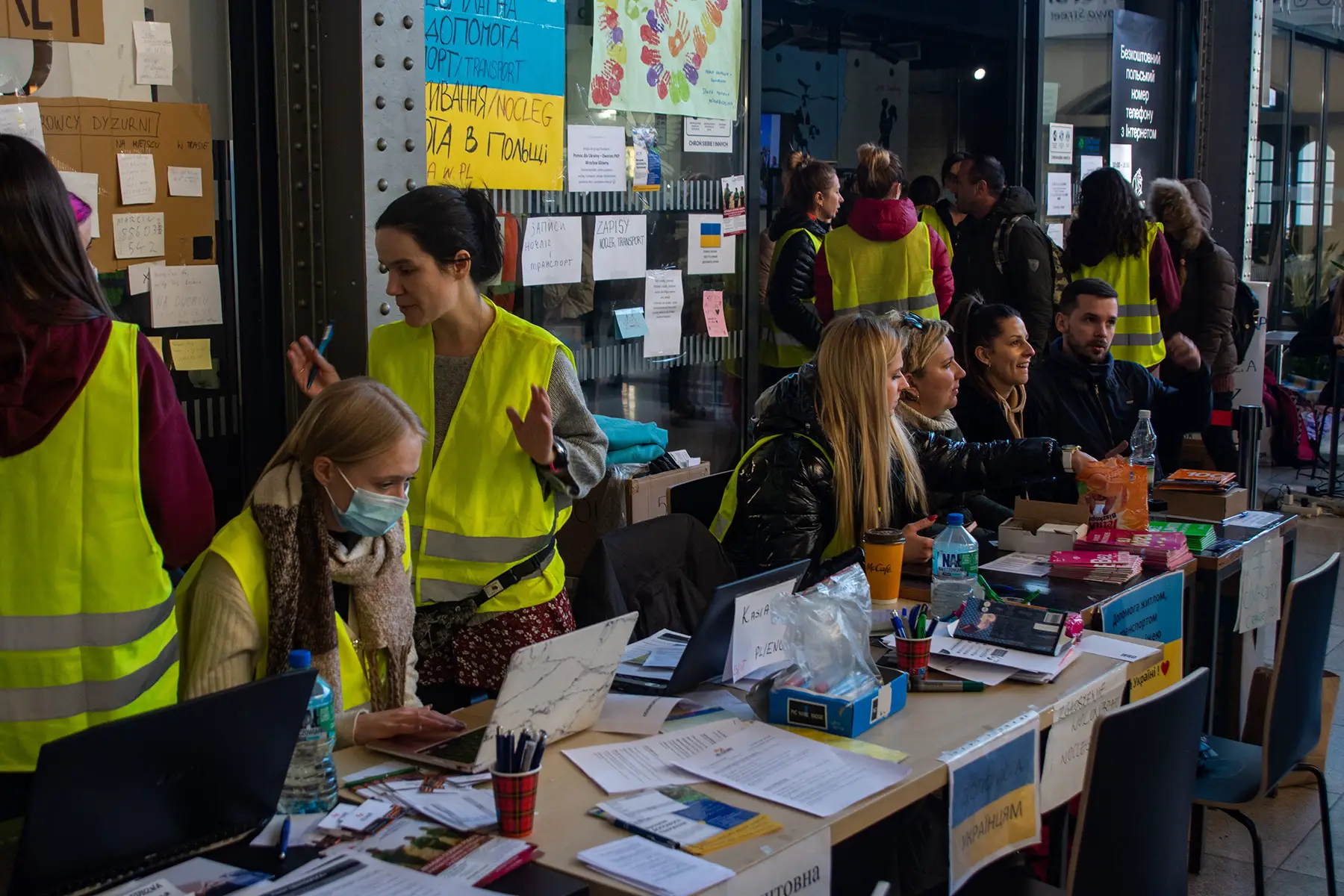
During the decision process, refugees have the right to access adequate housing, education, healthcare, and work. The Dutch Council for Refugees is an independent NGO that can assist with obtaining these rights.
If your asylum application is denied, you can appeal at a regional court. When your application is approved, you will become a Dutch national.
Unfortunately, in the Netherlands, many refugee centers have been subject to overcrowding. In addition, many asylum seekers face long wait times due to backlogs at the IND.
Anti-racism and anti-discrimination legislation
Everyone in the Netherlands is entitled to equal treatment, as the constitution states. The Equal Treatment Act is a separate law that deals with direct and indirect discrimination based on religion or belief, political orientation, race, gender, age, nationality, sexual orientation, and civil status.
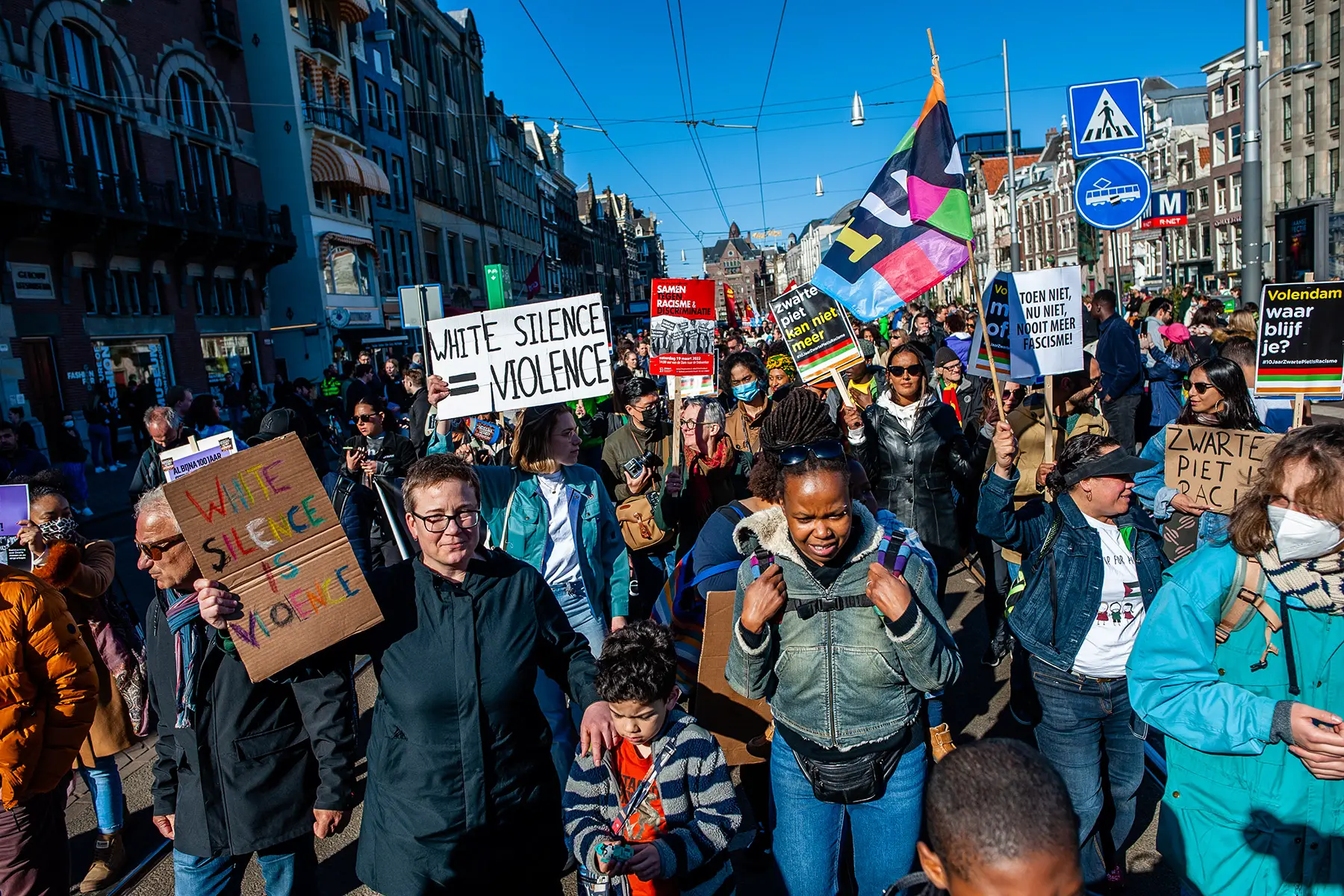
Unfortunately, racism and discrimination are still prevalent in Dutch society. The Volkskrant (in Dutch) reports that this prejudice usually targets Muslims, Moroccans, Turkish people, and people from the Antilles, Suriname, China, Vietnam, and other non-Western countries. Other minorities such as the LGBTQIA+ community, the elderly, and disabled people also face discrimination, according to the NOS (in Dutch).
If you witness racism or you feel you are being discriminated against, you can take legal action. You can report your complaint to the police or the Netherlands Institute for Human Rights. Likewise, you can submit a complaint by calling the national discrimination helpline (+31 900 235 4354, which costs €0.10 per minute) or report it anonymously at Meld Misdaad Anoniem (+31 800 7000).
Where can you report a human rights violation?
There are many people and organizations that can help if you feel that your rights are being denied or abused. The main problem-solver is the Netherlands Institute for Human Rights, which handles complaints about discrimination in schools, housing, shopping, employment, nightlife, entertainment, sports, and more.
If you have a complaint about a government body, you can submit your report to the National Ombudsman. This independent organization monitors the government’s compliance with human rights. There is also a separate entity for complaints related to children’s rights. You can reach the Children’s Ombudsman for issues with government bodies, schools, healthcare organizations, voluntary youth care, and childcare facilities.
The Data Protection Authority takes in questions and tips about personal data protection and addresses any violation of privacy legislation in the Netherlands.
You can also decide to go to court and have the Dutch judicial system handle issues. If they do not rule in your favor, the next step is to file an appeal to the European Court of Human Rights.
Human rights organizations
There are many human rights organizations operating in the Netherlands. These include:
- Amnesty International – The Dutch department of this international human rights organization started work in 1968. They campaign for respect for human rights all over the world.
- ASKV/Steunpunt Vluchtelingen – This foundation provides legal assistance to asylum seekers and medical care to undocumented migrants. They also lobby for improvement to Dutch asylum policy.
- CoMensha – This organization defends victims of human trafficking in the Netherlands. They provide support, care, and shelter and work with law enforcement and municipalities to spread awareness.
- Fairwork.nu – If you’re looking for tools, information, and advice on workers’ rights in the Netherlands, visit this site.
- The Netherlands Institute for Human Rights – This institute promotes human rights in the Netherlands. They advise on policy and legislation and increase general awareness of rights in society.
- Veilig Thuis – This helpline supports anyone facing domestic violence or child abuse.
- Vluchtelingenwerk – This charity protects refugee rights in the Netherlands.
- WO=MEN – The Dutch gender platform stands for gender equality and empowerment. They focus on advocacy and lobbying to ensure support for women’s rights.
Useful resources
- The National Ombudsman – assesses complaints about public administration
- The Children’s Ombudsman – monitors children’s rights in the Netherlands
- Centraal Meldpunt Nederland (in Dutch) – for reporting criminal activity
- Social layers or the Juridisch Loket (in Dutch) – for issues that require a lawyer’s expertise
- Immigration and Naturalization Service – information on moving to the Netherlands, visas, permits, and more
Related Articles


Editor's picks
 Secondary schools in the NetherlandsWe explain the complex secondary school system in the Netherlands, including the three public streams and various international options.
 Child benefits in the NetherlandsYou can claim different types of child benefits in the Netherlands, to help with the costs of child-rearing, schooling, and childcare.
 Primary schools in the NetherlandsConfused by the primary school system in the Netherlands? We explain how it works, from educational approaches to international options.
Did you find this guide helpful?