
'%20id='ico-down'%20stroke='%23000000'%20stroke-width='1.5'%3e%3cg%20transform='translate(1092.250000,%20254.750000)'%3e%3cpolyline%20id='Path-2-Copy-4'%20transform='translate(5.500000,%202.750000)%20scale(1,%20-1)%20rotate(-180.000000)%20translate(-5.500000,%20-2.750000)%20'%20points='0%200%205.5%205.5%2011%200'%3e%3c/polyline%3e%3c/g%3e%3c/g%3e%3c/g%3e%3c/svg%3e)


Moving
About Spain
The cost of living in Spain in 2026
Discover the true cost of living in Spain in 2026 with this overview of expenses, including rent, groceries, and transportation. Spain, famous for its sunny beaches, lively festivals, and delicious tapas, is a dream destination for many expats. But what does it really cost to live the Spanish lifestyle?


Whether you’re eyeing the artistic vibe of Barcelona, the bustling streets of Madrid, or the serene charm of a coastal town, understanding the cost of living is key. This overview of monthly expenses will give you a clear picture of what (money) it takes to make Spain your new home.
If you’re moving to Spain, you’ll also need to consider how you’ll manage your money internationally. Converting currencies and sending money to Spain can add up in fees with unfavorable exchange rates. Wise offers international transfers using the mid-market exchange rate with transparent fees, which can help you save when managing euros alongside your home currency. More on that later.
Continue reading for the following information:
Does Spain have a good economy?
Spain is the fourth-largest economy in the European Union (EU), trailing behind Germany, France, and Italy.
The Spanish economy is thriving, with a gross domestic product (GDP) of €1.59 billion, which works out to around €30,000 per capita (2024). The EC forecasts that the country’s GDP will grow by 2.3% in 2026 and 2% in 2027, both above the EU average.

Inflation and disposable income in Spain
According to the OECD Better Life Index, the annual household income in Spain is about €36,500 per person, slightly less than the average among OECD countries. Also, 19.7% of the Spanish population was at risk of poverty or social exclusion as of 2024. You can read more about average salaries and income in our article on minimum wage in Spain.
In terms of purchasing power, Spain’s Consumer Price Index (i.e., the inflation experienced by consumers) was 2.9% (December 2025). This figure is predicted to decline to 2% in 2026, falling below the EU average and further boosting the Spanish economy.
Wise account
Are you an expat or thinking of moving to Spain? Managing your money across borders shouldn’t be complicated. With a Wise account, you can hold over 40 currencies and pay with a Wise debit card in more than 150 countries. Whether you need to spend abroad, receive or send money home, Wise can help make international money management simpler.

Spain compared to its neighbors
Spain’s cost of living is notably lower than its neighbors like France and Italy but slightly higher than Portugal. Housing, food, and transportation are generally more affordable in Spain, especially outside major cities like Madrid and Barcelona. Utilities and groceries are moderately priced, and dining out is inexpensive compared to France and Italy.
In contrast to its neighbors, Spain offers better value for everyday expenses without sacrificing lifestyle. While wages in Spain are lower than in France and Italy, they align more closely with the cost of living, offering better purchasing power than in Portugal. Spain’s public services, including healthcare and education, are well-regarded and more affordable than in many northern European countries.
The cost of living in Spain in 2026
According to the most recent figures from the National Statistics Institute (Instituto Nacional de Estadística – INE), the average monthly expenses in Spain are around €1,135 per person or €2,837 per household (2024). This cost of living is the highest it’s been in at least a decade.
Breaking down the costs:
| Per household | |
| Alcohol and tobacco | €37 |
| Food and drink | €449 |
| Housing and utilities | €919 |
| Healthcare | €115 |
| Internet and telecom | €92 |
| Clothing and footwear | €119 |
| Transportation | €323 |
| Leisure and culture | €141 |
| Restaurants and hotels | €281 |
| Education | €46 |
| Other | €315 |
| Total | €2,837 |
Considering the 2025 and 2026 inflation rates (2.6% and 2%), it’s recommended that your monthly budget have at least €1,188 per person or €2,969 per household to live in Spain in 2026.
Keep reading for an overview of the cost of living expenses you might come across in daily life.

The price of groceries in Spain
Beer, wine, and spirits
In 2024, people spent a monthly average of €37 per household on monthly alcohol and tobacco products.
A draft local beer in a restaurant will set you back around €2–5, with a bottle of imported beer costing about the same. A glass of wine can cost between €2.50–4.00.
Alcohol is cheaper in supermarkets. You can get a bottle of beer from €1–3, depending on the make and size. A bottle of wine usually starts from €3.00–5.00. The price of most liquor (e.g., gin, vodka, or whiskey) starts from €10–15, depending on your choice of drink.
Food and drinks
For 2026, those living in Spain are projected to spend a monthly average of €470 per household on food and non-alcoholic drinks.

The average price ranges* of basic supermarket items include:
| Product | Price range | Product | Price range |
| Apples (1 kilo) | €1.20–3.00 | Potatoes (1 kilo) | €0.80–2.20 |
| Bread (1 loaf) | €0.80–3.00 | Regular milk (1 liter) | €0.85–1.35 |
| Cheese (1 kilo) | €7.00–24.00 | Rice (1 kilo) | €1.00–2.20 |
| Chicken (1 kilo) | €4.00–10.00 | Beef (1 kilo) | €8.00–20.00 |
| Eggs (12) | €1.80–4.00 | Tomatoes (1 kilo) | €1.30–3.00 |
| Oranges (1 kilo) | €0.95–3.50 | Water (1.5 liters) | €0.30–1.00 |
Hygienic and household products
Hygienic and household products are essential for a healthy, comfortable lifestyle. These include everything from toothpaste and shampoo to dish soap (or washing-up liquid) and toilet bleach.

The average price ranges* of hygienic and household necessities include:
| Product | Price range | Product | Price range |
| All-purpose cleaner (1 liter) | €0.75–5.70 | Shampoo (100 ml) | €0.15–1.95 |
| Deodorant (100 ml) | €1.35–5.20 | Soap (1 liter) | €2.00–5.80 |
| Dish soap (1 liter) | €1.35–9.80 | Tampons (per tampon) | €0.11–0.25 |
| Garbage bags (per bag) | €0.04–0.25 | Toilet paper (per roll) | €0.37–1.05 |
| Laundry detergent (per wash) | €0.10–0.60 | Toothpaste (100 ml) | €1.10–6.90 |
Spanish housing costs in 2026
According to the Banco de Espana, housing prices in Spain rose by 10.4% year-on-year to Q2 2025.

If you’re paying rent in Spain while receiving income from another country, consider how you’ll convert your money to euros. Using Wise for regular transfers can be more cost-effective, as Wise uses the mid-market exchange rate with low transfer fees, and shows all fees upfront. This transparency can make it easier to budget your monthly housing costs accurately.
Rent and property prices
Property prices differ significantly throughout Spain. Houses in Madrid, Barcelona, and most other coastal cities are comparatively more expensive than rural areas and less popular cities.
As of January 2026, the average rent for a one bedroom apartment in Spain is €600–1,050 per month, depending on whether you live inside or outside of a city. Potential homeowners will pay between €1,400–7,500 per square meter to buy a property.
Depending on the location, you’ll pay the following average housing prices in city centers:
| Average monthly rent (1 bedroom) | Average property price (per square meter) | |
| Barcelona | €1,385 | €5,930 |
| Madrid | €1,339 | €7,411 |
| Málaga | €1,139 | €4,409 |
| València | €1,127 | €4,265 |
| Sevilla | €837 | €3,983 |

The most expensive places are, unsurprisingly, the Balearic Islands (Ibiza, Mallorca, and Menorca). However, if you’re looking to live in Spain on a budget, some of the cheapest cities to move to are:
| Average monthly rent | Average property price per square meter | |
| Cáceres | €500 | €1,600 |
| Ciudad Real | €400 | €800 |
| Jaén | €500 | €570 |
| Zamora | €700 | €640 |
Learn more about the real estate market and mandatory home insurance by reading our article on buying property in Spain. You can also check out available rentals at:
- HousingAnywhere
- Uniplaces (for students)
Utility bills: water, gas, electricity
In 2025, electricity and utility costs in Spain are rising due to the reinstatement of the 21% VAT on electricity bills and a 40% increase in system charges. Vulnerable households are particularly affected by reduced social bonus discounts, with average annual bills expected to increase by around €120.

On average, Spanish customers currently pay between €85 and €220 per month for combined household utilities (water, gas, and electricity).
Discover more about utility prices and providers in our article on utilities in Spain.

Healthcare costs in Spain
Everyone living and working in Spain can register for public healthcare. The country has (almost) universal medical coverage, though some payments are required for medication and certain procedures.
Many local and expat residents choose to take out additional private health insurance. This provides them with better and faster access to treatment, plus extra coverage for other healthcare, such as dentistry or mental healthcare.
Basic insurance packages start around €30–50 a month for young adults under 30. The cost goes up with age, and most private companies have an age limit above which they won’t insure customers.
In 2026, the monthly average expenditure on healthcare in Spain is projected at €120 per household.
Internet and telecom
The cost of internet and other telecommunication services in Spain can vary depending on several factors, including your location and the type of connection or service. Telecom packages typically include internet, TV, and home phone.

You can install fiber broadband for as low as €25 a month, though your internet speed will not be great. Of course, the price rises if you want to increase the speed or add more TV channels.
In 2026, average monthly communication costs amount to around almost €45 per person. Currently, standard internet packages cost between €20–45 per month and a monthly mobile phone plan is about €16. If you choose the same provider for your mobile phone contract, you may get a discount.


Clothing and footwear
The price of clothing and footwear in Spain is in line with other EU countries. In 2026, the average monthly spend is projected at €125 per household.
The cost of living for clothing and footwear varies greatly, depending on the type and brand. For example, underwear costs around €1–10. Dresses and jeans, on the other hand, cost between €20–110.
Spanish transportation costs
In Spain, households will spend a monthly average of €338 on transportation in 2026.
Public transport
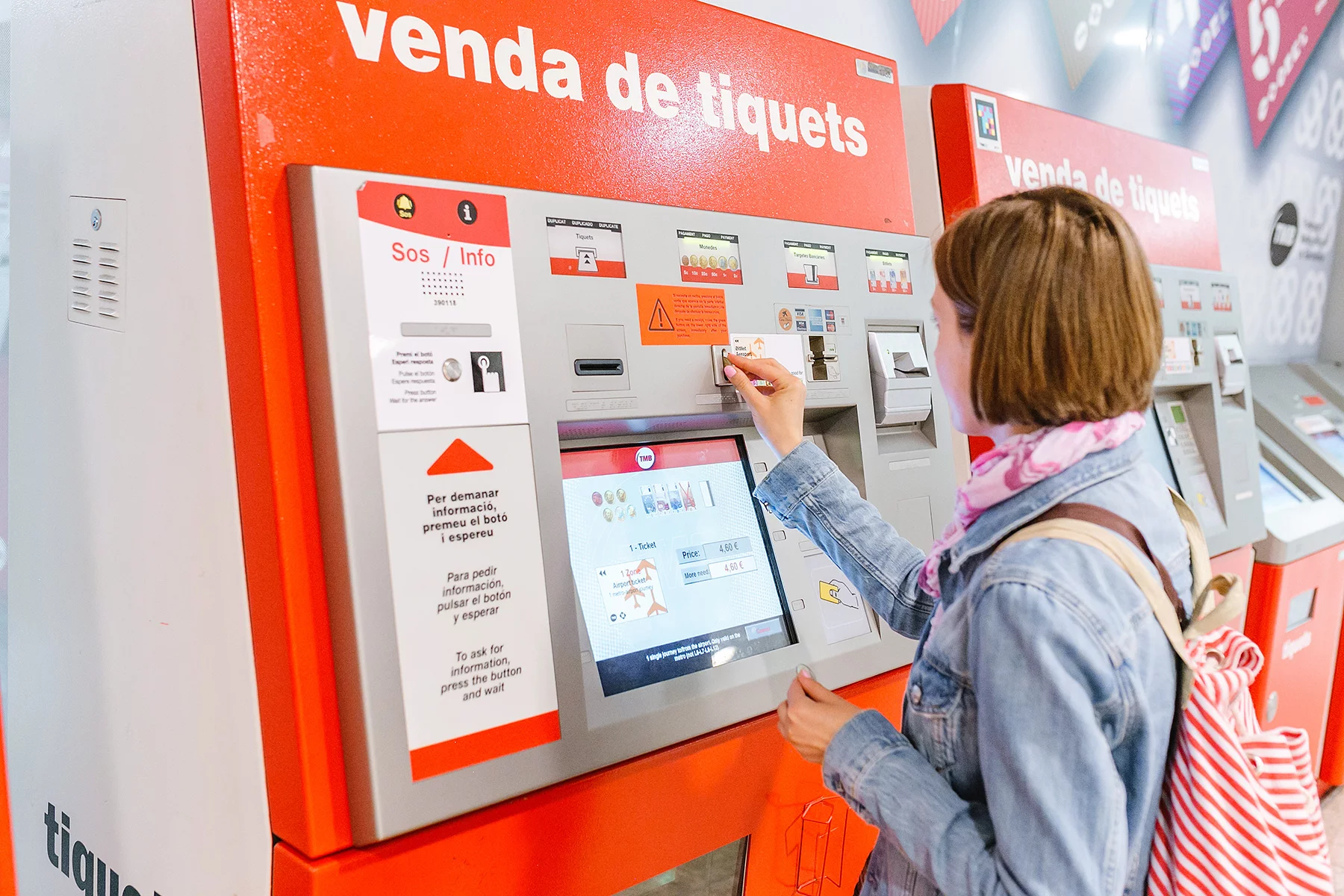
Spain has an extensive public transportation network of bicycles, buses, metros, and trains at affordable prices. These are run locally, so fares and availability differ on where you are. For example, the public bicycle services are currently only available in larger cities, such as:
- Barcelona – €0.15 for the first half hour, €0.50 for each additional 30 minutes up to 2 hours
- Madrid – €0.50 for the first half hour, €0.50 for the second, €3 for each 30 minutes after that
- València – subscription plan based, €1.04 for the first hour, €3.12 for each hour after that
Bus and metro fares also vary by city. According to Numbeo’s cost of living in Spain, a single fare costs €1.50 in Madrid, €2 in València, and €2.65 in Barcelona.
If you are planning to commute to work, it’s recommended you get a monthly or yearly plan to travel at a discounted cost. You can also compare flight, bus, and train options on online platforms such as Omio.
Driving and vehicle costs
Using and maintaining a vehicle in Spain is a costly undertaking. According to the 2025 Car Cost Index, the average annual vehicle cost is around €916.
Beyond the initial costs of lessons, a driving license, and the actual purchase of the vehicle, you’ll need to budget for:
- Car insurance – the mandatory Third Party Liability insurance cost between €150 and €300 a year
- Annual Road Tax – the amount is largely based on your vehicle fuel type and your municipality
- Fuel costs – as of January 2026, gasoline costs €1.43 per liter
- Maintenance – cars that are older than four years must pass a Roadworthiness Test, which usually costs around €40–65 every two years
Read our article on driving in Spain to learn about costs, mandatory insurance, and driving regulations.

How much do leisure activities cost in Spain?
If you’re living on a budget, you might not include Spain’s cost of leisure activities in your monthly expenses. However, households in Spain will spend an estimated €294 per month on restaurants and hospitality costs alone.

Movie theaters and cinemas
The average cinema ticket in Spain costs around €7–12, which is much cheaper than in the UK and France. Some movie theaters also have discounted days and tickets, offering a screening for as low as €4.50.
Restaurants
Depending on your taste and date night, dining out doesn’t have to be expensive. You can find nice restaurants serving traditional Spanish food for decent prices. Expect to pay around €10–€20 per person in an inexpensive restaurant and around €50 for a meal for two in somewhere more upmarket. Meals are more expensive in heavily touristed areas.
Sports
If you want to join a gym, you can expect to pay about €30–60 per month, depending on the club and membership. Or you could buy a pair of running shoes for around €80 and go for a jog in the sunny Spanish weather.
Education and childcare costs in Spain
Spanish residents spent a monthly average of €46 per household on education in 2025.
Childcare
Mandatory education for children starts at six years old, so working parents with young children may need to arrange childcare. In Spain, options include nurseries, preschools, and independent childminders.
Babies and toddlers (ages 0–3) can attend public nurseries, which usually charge according to the family’s income. From the ages 3–5, children can go to free public preschools. There are no free after-school childcare options available for older children.

It’s worth noting that public childcare is available only to residents with a social security number. Non-resident expats could consider hiring a nanny or au pair. Nannies have an average hourly rate of €12, whereas au pairs require food and lodging, as well as a minimum salary of €70 a week.

Children’s education
Public schools in Spain are funded by resident taxpayers. There are no tuition fees, and parents only need to pay for books, materials, and small donations.
If you prefer to send your children to a bilingual or private school, you will need to pay fees. These vary widely depending on the school’s curriculum, location, and reputation. For example, the cost of international primary and secondary schools ranges from €2,000–€10,000+ per year.
Read more about curriculums and fees in our article on international schools in Spain.

University tuition fees
Studying in Spain is quite affordable compared to some other countries.
While not completely free (like in Austria or Germany), the country is a good location for university students. The average cost of a bachelor’s degree at a public university ranges from €800–€2,500 a year. Tuition fees at private universities are substantially higher and can reach up to €20,000 per year.
Discover more about degree programs and costs in our article on studying in Spain.

How does Spain compare to the rest of the world?
Spain receives a mixed review on the OECD Better Life Index, which measures standards of living. Although the country ranks above average for work-life balance, gender equality, housing, community, and safety, it ranks poorly for employment and life satisfaction.
The only Spanish city on the 2024 Mercer’s quality of living index is Madrid at 47th place.

The cost of living in Madrid
The cost of living in Madrid is cheaper than many other major cities and world capitals. The metropolis ranks 76th on the 2024 Mercer’s cost of living index which compares cities around the world.
Compared to other capital cities, Madrid’s cost of living is (as of January 2026):
- 53% cheaper than New York (the US)
- 40.4% cheaper than London (the UK)
- 32.5% cheaper than Amsterdam (the Netherlands)
- 58.7% more expensive than Caracas (Venezuela)
- 98% more expensive than Rabat (Morocco)
- 98.2% more expensive than Bogotá (Colombia)
- 202.8% more expensive than Delhi (India)
The cost of living in Barcelona
While Mercer ranks the standard of living in Barcelona as just below that of London, the cost of living in Barcelona ranks 66th in its charts, meaning it is much cheaper than many other countries.
Compared to major cities around the world, Barcelona’s cost of living is (as of January 2026):
- 52.9% cheaper than New York (the US)
- 40.3% cheaper than London (the UK)
- 32.4% cheaper than Amsterdam (the Netherlands)
- 59% more expensive than Caracas (Venezuela)
- 98.3% more expensive than Rabat (Morocco)
- 98.6% more expensive than Bogotá (Colombia)
- 203.3% more expensive than Delhi (India)
The cost of living in València
València is Spain’s third-largest city – the total population of its metropolitan region is over 1.5 million people. It boasts a historical center and beachfront areas.

The cost of living in València is typically cheaper than in Madrid or Barcelona (as of January 2026):
- 60.1% cheaper than New York (the US)
- 49.5% cheaper than London (the UK)
- 42.8% cheaper than Amsterdam (the Netherlands)
- 34.5% more expensive than Caracas (Venezuela)
- 67.8% more expensive than Rabat (Morocco)
- 68% more expensive than Bogotá (Colombia)
- 156.6% more expensive than Delhi (India)
The cost of living in Sevilla
Sevilla is Spain’s fourth-largest city, with a metropolitan population of about 1.5 million people. Despite being one of Spain’s most beautiful places, Sevilla boasts a highly affordable cost of living.
As of January 2026, Sevilla is:
- 64% cheaper than New York (the US)
- 54.5% cheaper than London (the UK)
- 48.4% cheaper than Amsterdam (the Netherlands)
- 21.3% more expensive than Caracas (Venezuela)
- 51.4% more expensive than Rabat (Morocco)
- 51.6% more expensive than Bogotá (Colombia)
- 131.5% more expensive than Delhi (India)
Financial aid for the cost of living in Spain
Spanish residents are entitled to financial aid and social security benefits, depending on their living situation. For example, low-income households can apply for minimum vital income (Ingreso Mínimo Vital – IMV). This benefit is €733.60 per month for single persons, while families receive an additional 30% per family member.
Other benefits that can help you with the cost of living in Spain:
- Carer benefits – for parents who reduce their working hours to look after a child with a serious illness
- Child benefits – Spain offers several child benefits, including for single-parent families or parents with disabilities
- Invalidity pension – available to low-income people living with a temporary or permanent chronic illness or disability
- Unemployment benefits – for workers who are in between jobs
If you are unable to pay for food and groceries, you can contact the municipality’s social services. Their workers will assess your situation and may register you with the local food bank (Bancos de Alimentos).

Managing your finances as an expat
If you’re receiving income, pensions, or financial support from abroad, managing currency exchange efficiently is important for your budget.
Wise, a payment institution, allows you to hold and convert multiple currencies using the mid-market exchange rate. You can also open a Wise multi-currency account to receive euros with local account details, making it easier to manage rent payments, utility bills, and other local expenses.
Tips on how to save money while living in Spain
- Take advantage of the menú del día – Many restaurants offer a menú del día (daily set menu) at lunchtime, which includes a starter, main, dessert, and drink for a much lower price than à la carte dining.
- Shop at local markets – Fresh produce, meats, and seafood are often cheaper at mercados municipales than in supermarkets. Visiting near closing time can also score you additional discounts.
- Use a transport pass – Monthly or multi-trip metro and bus passes can significantly reduce transport costs, especially in cities with extensive public transport networks like Madrid, Barcelona, and Valencia.
- Get a second-hand SIM card plan – Instead of signing up for expensive mobile contracts, opt for a prepaid SIM with providers like Pepephone, Lowi, or Simyo to get cheaper rates on data and calls.
- Skip touristy cafés for cafeterías de barrio – Locally owned neighborhood cafés serve great coffee and breakfast for a fraction of the price of chain cafés or places in tourist areas.
- Use online specialists like Wise for international money transfers – If you’re sending money to Spain or converting between euros and your home currency, Wise offers transfers at the mid-market exchange rate with transparent fees.
Useful resources
- The Organisation of Consumers and Users (Organización de Consumidores y Usuarios – OCU) – official website of Spain’s independent watchdog for consumers
- Spanish Federation of Food Banks (Federación Española de Bancos de Alimentos) – website with information on food banks in Spain
Related Articles



Editor's picks
 Guide to getting health insurance in Spain in 2026Find out whether you need private health insurance in Spain in 2026, with insider info on costs, coverage, and medical professionals.
 Dating in Spain: finding love as an expatSingle and ready to mingle? Learn how to find love on Spain's dating scene, where casual meet-ups can spark genuine romantic connections.
 Top 10 Spanish foods – with recipesWhat better way to explore Spain than with your tastebuds? From tasty tapas to delicious dishes, here are the best Spanish foods.
Did you find this guide helpful?