
'%20id='ico-down'%20stroke='%23000000'%20stroke-width='1.5'%3e%3cg%20transform='translate(1092.250000,%20254.750000)'%3e%3cpolyline%20id='Path-2-Copy-4'%20transform='translate(5.500000,%202.750000)%20scale(1,%20-1)%20rotate(-180.000000)%20translate(-5.500000,%20-2.750000)%20'%20points='0%200%205.5%205.5%2011%200'%3e%3c/polyline%3e%3c/g%3e%3c/g%3e%3c/g%3e%3c/svg%3e)


Living
Government & Law
Social security in Spain
Find your way around Spain’s social security system. Learn about who contributes, how much, and the many benefits.

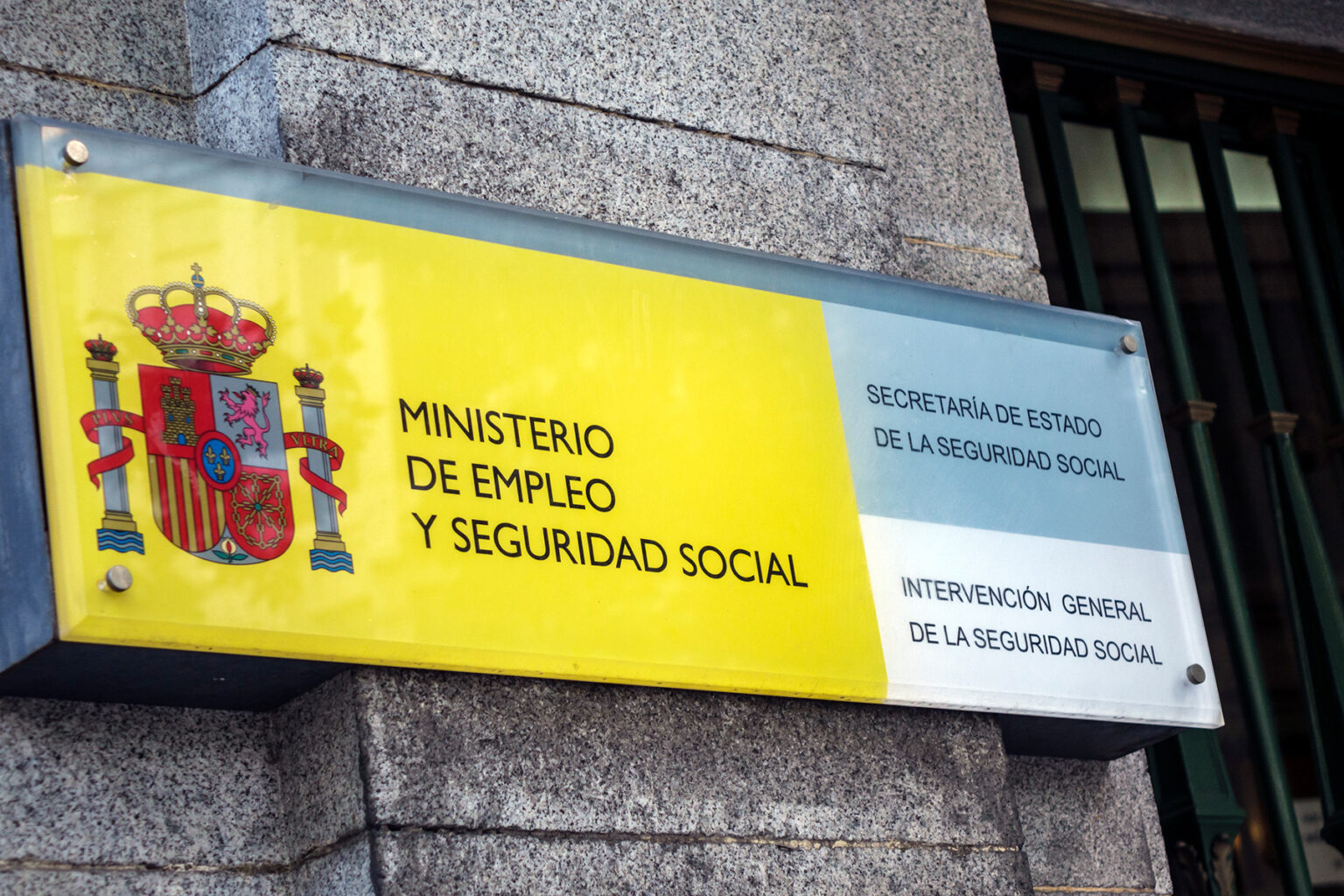
Anyone who is working in Spain must typically register and pay into social security, whether you are a Spanish citizen or an expat with a work visa. Workers in Spain pay higher social security contributions than the OECD average. That said, these payments provide access to many essential benefits, including free Spanish healthcare and retirement.
Navigate the system by reading the following:
e-residence
Skip the queues and let e-residence take care of your moving admin. Use their online services for your tax numbers, bank account, social security, company creation, apostille, and more in your new country – all without having to fly out for appointments. Cross off your top moving priorities today with e-residence.

Spanish social security
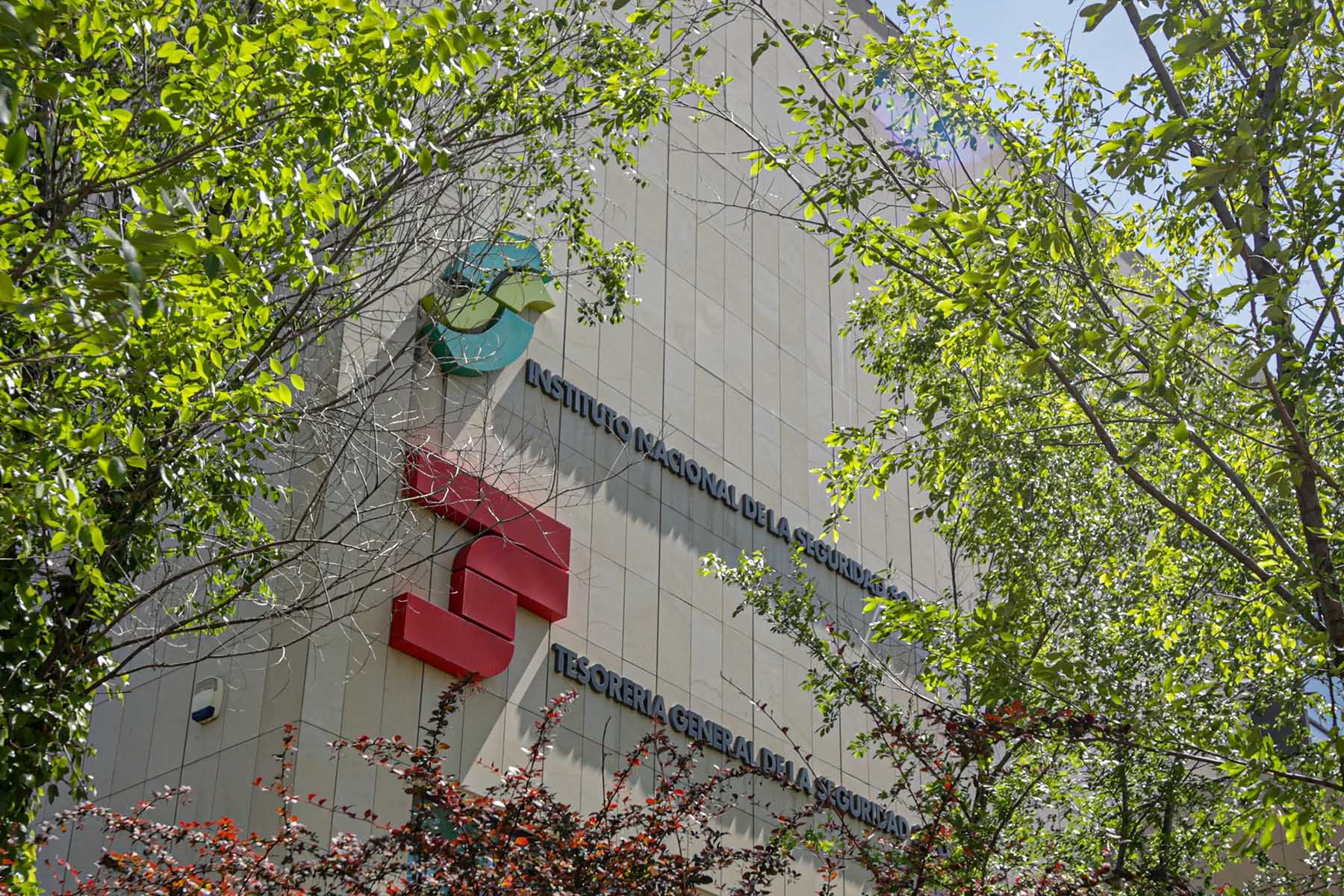
If you work in Spain, you must have a tax ID number and pay Spanish taxes and social security contributions. If you’re an employee, your employer will register you with the Spanish Social Security authorities (Tresorería General de la Seguridad Social – TGSS) and insurance scheme. As such, the employer shares the cost of contributions with you. This registration is valid for life.
Meanwhile, the National Institute of Social Security (Instituto Nacional de la Seguridad Social – INSS) handles state-funded healthcare and welfare entitlements. Therefore, should you have a question about your benefits, you can usually find the answer by contacting your local INSS office.
You will pay contributions to the Spanish social security system while employed in Spain to access benefits such as:
- Unemployment benefits
- Coverage for work-related incapacity due to sickness or injury
- Benefits for non-work-related illness or injury incapacity
- Maternity and paternity care and child allowance
- Public healthcare
- Retirement and pension
The contribution rates as of January 2021 are 6.35% for employees, depending on the type of contract, and 29.90% for employers, plus a variable rate for occupational accidents (e.g., 1.5% for office work).
Who is eligible for social security in Spain?
Anyone legally working on Spanish territory participates in Spain’s social security system. This includes both foreign and Spanish legal residents in Spain.
Self-employed workers (autónomo) are also expected to contribute to the system based on their income. They are eligible for the same benefits as employed workers except for unemployment and work-related illnesses and accidents.

Head of Operations, Xolo
Irina García
Insider tip: First-time autónomos
If it’s your first time as an autónomo, you may qualify for Spain’s tarifa plana. This offers a flat-rate social security fee of approximately €80.
Students in Spain are covered by a special protection plan (school insurance).
What are the options if you are not eligible for social security in Spain?
If you are not part of the labor market in Spain, you may need to take out private health insurance. You may also need to make arrangements to save for your retirement. Self-employed workers will need private insurance to cover them in case of unemployment and work-related illness and accidents.
In some cases, people who have a very low income or who haven’t been able to contribute enough to the social security system can still receive benefits. For example, a non-contributory invalidity pension (pensión de invalidez no contributiva), non-contributory retirement pension (pensión de jubilación no contributiva), and minimum living income (ingreso mínimo vital). You will need to discuss your options with the local Spanish social security office. Your local town hall social services department may also be able to assist you with an application.
Receiving Spain social security as an expat
EU/EFTA nationals in Spain
Under EU law, citizens of the European Union (EU), Iceland, Liechtenstein, Norway, and Switzerland are covered by the legislation of one country. That means you will only contribute to one social security system at a time. You cannot choose which system – the decision comes from the legislation of the country where you reside. Furthermore, you will have the same rights and obligations as the nationals of the country where you are covered.
Non-EU/EFTA nationals in Spain
If you are legally working in Spain with a Spanish tax ID number, you are generally required to contribute to Spain’s social security system. You’ll receive the same benefits as Spanish nationals and EU citizens.
That said, Spain has bilateral social security agreements with several non-EU countries. The agreements regulate the impact of Spain’s social security system on your benefits in your home country. These agreements also determine which government will receive your social security contributions in cases of relocation and temporary or permanent assignments abroad. You can use the convenios bilaterales list from the Spanish authorities for more details.
Unemployment benefits in Spain
Who can get unemployment benefits in Spain?
To receive unemployment benefits in Spain, you’ll need to have made social security contributions for a minimum of 360 days during the previous six years before becoming unemployed. That contribution period entitles you to unemployment benefits for four months (120 days). If you meet the minimum employment period, you can apply for unemployment benefits if one of these situations applies to you:
- You are unemployed but are able and willing to work
- Your employer did not renew your work contract
- Your employer has reduced your working hours and salary by between 10% and 70%
You must also be older than 16 and have not yet reached Spain’s retirement age.
Unemployment benefit contributions in Spain
The amount you’ll receive from Spain’s social security system for unemployment depends on what you’ve been earning in Spain. Calculations are based on the average salary from which you’ve been making contributions for the six months before becoming unemployed. Generally, you can expect to receive 70% of the average for 180 days and 50% afterward. However, there are limits based on Spain’s Public Indicator of Income for Multiple Effects (IPREM – in Spanish). This is an index the Spanish authorities use as a reference for granting aid, subsidies, or unemployment benefits.
How to claim unemployment benefits in Spain
The State Public Employment Service (Servicio Público de Empleo Estatal – SEPE) manages these benefits. You should first register as a job seeker at one of their offices. When registering, you can also apply for the benefit within two weeks of becoming legally unemployed. You can also apply online, through the sede electrónica del SEPE.
The Employment service will want to see any official paperwork regarding your job status and your NIE number. You will need to prove to the authorities that you are actively seeking work while you receive the unemployment benefit.
Social security benefits for injury and illness
You are eligible for social security benefits if you cannot work, either temporarily or permanently, due to illness or injury. However, the system works differently based on the level of your incapacity to work and whether you became sick or injured at work.
Who can get benefits for work-related injury and illness?
If you are temporarily or permanently unable to return to work due to a work-related injury or illness in Spain, you do not have to meet a minimum contribution period to receive benefits. You will receive 75% of the regulatory basis from the day after you last worked. You can receive at least 12 monthly payments and related pharmaceutical allowances.
In the case of permanent invalidity, the Spanish authorities will use the calculation basis and the degree of permanent incapacity to determine how much benefit they will give you. You may also be eligible for rehabilitation payments and pension with invalidity benefits that are accessed through the Disability Evaluation Board (Equipo de Valoración de Incapacidades – EVI).

If your injury is permanent but does not prevent you from working (a non-incapacitating permanent injury), you must be registered with social security to receive payments, but there is no minimum contribution period necessary. You will also need a medical certificate (alta médica), and your injury must be included in the official scale. This one-time payment depends on the injury.
Benefits for a work-related death
Family members are eligible for benefits if someone dies from a work-related illness or injury, even if they didn’t contribute to the social security system before their death. The amount is based on the employee’s annual salary divided by 12, plus any occasional payments and amounts. If there has been company negligence in observing occupational health and safety measures, the benefits will increase by 30% to 50%. Families are eligible for at least 12 monthly payments from the day after the death.

Furthermore, family members may apply for a lump sum compensation in addition to the corresponding pension. This applies to the spouse (or former spouse or common-law partner), orphan, or parental dependent. This single payment is based on the applicant’s relationship with the deceased.
Additionally, some family members can receive a survivor’s pension. The amount you are eligible for will vary depending on your relationship with the deceased person.
How to claim the benefit
The INSS or the insurance company partnered with social security that covers occupational contingencies for the employer is responsible for these benefits. Your employer should initiate the process. However, in the event of non-invalidating permanent injuries, you can apply for the benefit yourself with the dirección provincial del INSS (local social security office) where you live. After receiving the documents, the EVI will confirm the permanent injury, and payments will begin.
If you are a deceased person’s family member, you can apply for work-related benefits with the INSS. Be sure to submit the application within three months of the death. You can also apply online for a survivor’s pension.
Non-work-related injury and illness benefits
Who can get benefits for non-work-related injuries and illnesses?
If you are sick or are injured in a non-work-related accident and have to stop working temporarily in Spain, you can claim an allowance for temporary incapacity. Whether you are an employee or are self-employed, you can receive this benefit if:
- You are registered with social security and have paid contributions for a total of 180 days in the previous five years.
- You have a common illness or have suffered a non-occupational accident that prevents you from working.
If you complete your treatments and still cannot work, you can receive benefits for permanent invalidity. The amount you receive will depend on the degree of your incapacity to do your work.
How to claim the benefit
Whether you are employed or self-employed, the benefit amount is 60% of the calculation basis from day 4 to day 20 of the sick leave. Then, it is 75% from day 21. You can receive the allowance for 365 days, and the authorities can extend it for an additional 180 days.
You can apply for the allowance after you’ve been unable to work for three consecutive days. First, you need a medical examination, and a doctor from the Servicio Público de Salud (State Health Services) must certify your illness. Then, if you are an employee, your employer will be responsible for applying for your sick leave and will pay the costs of the first fifteen days. After 15 days, the INSS will bear the costs.
If you are self-employed, you should submit a statement of your work situation. This will explain whether you stop working temporarily or permanently, and if another person is filling in for you. The INSS or the insurance company collaborating with Social Security will pay the temporary incapacity allowance directly to you.
The INSS manages invalidity benefits for people who are permanently unable to do their work. You can initiate the claim process through your employer or at your request.
The EVI will conduct assessments of your impairment. They may review the circumstances of your invalidity at any time up to the minimum age for pension.
Maternity and paternity benefits in Spain
Who is eligible?
Workers in Spain can get paid leave when they become parents. This also includes adoption and fostering children. You are eligible when you have paid these applicable social security contributions:
- Under 21 years of age: no minimum contribution period
- Between 21 and 26 years of age: 90 days within the seven years prior or 180 days during your whole working life
- Over 26 years of age: 180 days within the seven years prior or 360 days during your whole working life
A non-contributory maternity allowance is available to all female workers who fulfill all the requirements to receive a birth and childcare benefit except the minimum contribution period.
Spain’s social security benefits for parents
Maternity and paternity leave in Spain is a minimum of 16 weeks. However, parents must use at least six weeks of this leave directly after the child is born or adopted. Typically, you will receive 100% of your average daily wage in the month before maternity leave for 16 continuous weeks.

You can also receive benefits if your work puts your pregnancy at risk or prevents you from breastfeeding. After birth, breastfeeding mothers can take two paid, half-hour daily breaks to pump milk or feed their baby. The government might also grant you a tax rebate of €100 per month for the first three years of a child’s life.
You can apply for benefits related to becoming a parent through the INSS.
Health insurance in Spain
Your Spanish social security contributions also entitle you to health insurance for Spain’s public healthcare system. When the Spanish government issues your social security number, you also receive a certificate for public healthcare. You can then register for medical treatment and apply for a health card (tarjeta sanitaria individual – TSI). The TSI covers care from doctors and hospitals. You will also receive discounts on your prescription medications.
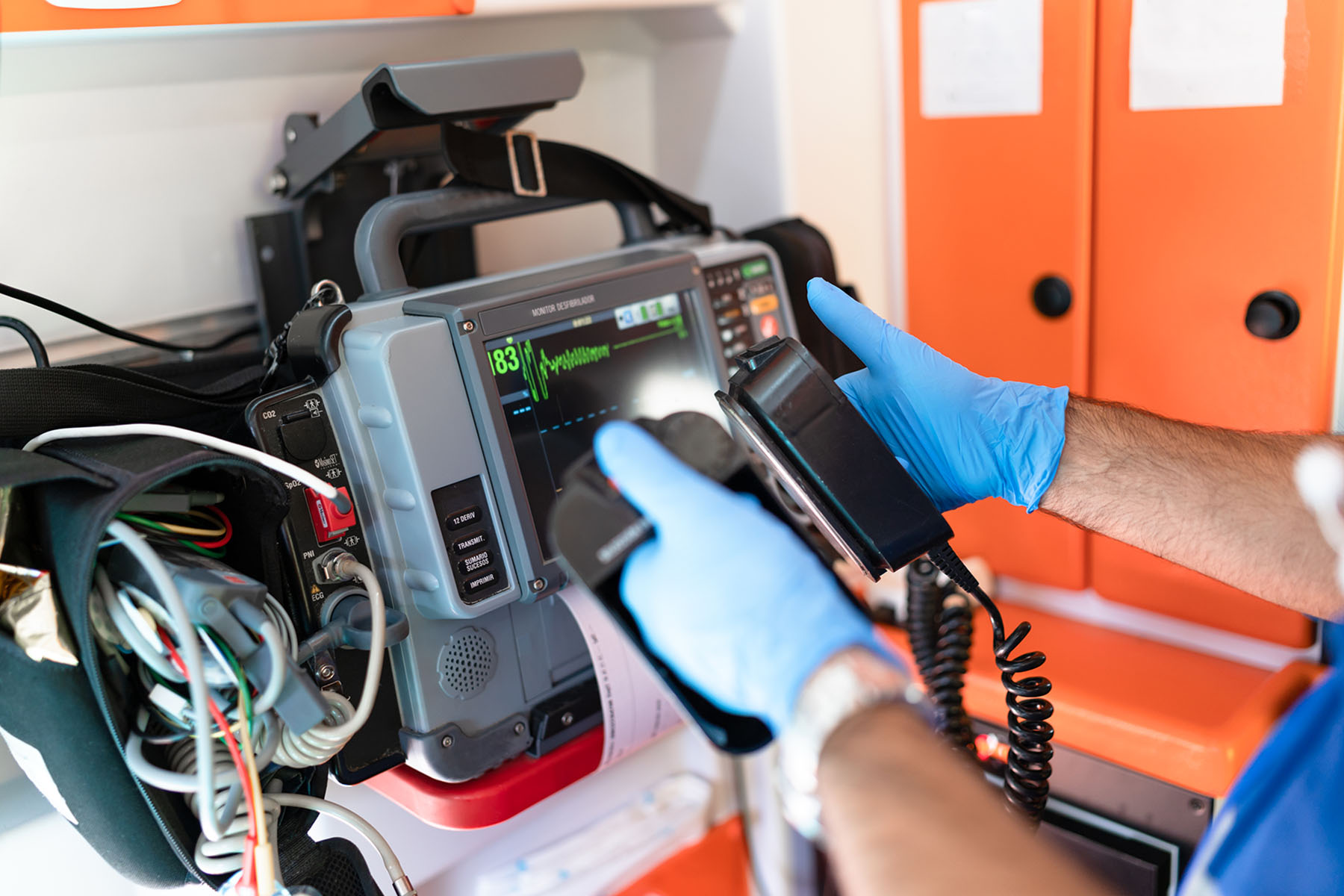
You can also pay for private health insurance to access additional health services you cannot get in the public system. Private insurance also helps you access healthcare faster than through the public system. A special discounted scheme (convenio especial) is available to those who become unemployed or are on low wages and can’t pay into the social security system.
Spanish retirement and pension
Social security contributions in Spain also pay into the state pension program. The Spanish Ministry of Inclusion, Security, and Migration (Ministerio de Inclusión, Seguridad Social y Migraciones) oversees the state pension in Spain.

To qualify for the minimum state pension, you must have worked and paid social security contributions for at least 15 years. Additionally, at least two of these years must be within the 15-year period immediately preceding the pension claim. The full pension rate will require at least 37 years of contributions (by 2027). Complete a pension application form and take it to your local INSS to claim the pension benefit.
If you haven’t made sufficient contributions due to low income, you may be able to claim the non-contributory pension in Spain if you meet the requirements.
Social security for self-employed and freelancers in Spain
Currently, self-employed persons under 47 years old can choose their contribution level as long as it falls within their income bracket. The general rate is 30.6% for people with a monthly social security wage base between €960.60 and €4,139.40.
Head of Operations, Xolo
Irina García
Insider Tip: Adjusting your contribution
You can adjust your social security contribution base up to six times per year. Lower your contributions in months with lower income and increase them when revenue is higher.
Self-employed workers older than age 47 have an adjusted contribution wage base. From 2023, however, all self-employed workers will begin to pay Social Security contributions according to their annual income.
It is sometimes possible to contribute less. For example, if you have not registered as an autónomo in the past five years, you can apply for an 80% discount for the first six months, a 50% discount for the next six months, and a 30% discount for the last three months. Those under 30 can benefit from similar discounts.
Women returning to work after having a baby can claim a 100% discount for 12 months. Special rules also apply to those who have paid social security contributions to other social security regimes for five or more years before they reach 50.
Paying contributions entitles you to healthcare in Spain and and a pension once you’ve paid into the scheme for 15 years. You can pay more than the basic amount to get a higher Spanish pension or choose a private pension fund. As an autónomo, you must make your own arrangements with social security insurance or private insurers to receive unemployment or work-related illness and accident benefits.
Head of Operations, Xolo
Irina García
Insider Tip: Change of bank account?
If you need to change your bank account for social security payments, do so before the 10th of the month to apply the change to that month’s payment.
Social security in Spain for part-time workers, low earners, and students
The minimum monthly wage base for paying into Spain’s social security system in 2022 is €1,166.70 for employees and €960.60 for self-employed workers. Workers who earn less than the minimum and people with disabilities that prevent them from working can apply for non-contributory benefits such as a pension, minimum income payments, and housing assistance.

If you don’t earn enough money in Spain and need financial help, your local town hall (ayuntamiento) is a good place to start. Ayuntamientos generally act as a gateway to most social services in Spain, even if they do not administer the benefits themselves. Non-contributory pensions are handled on the local level. On the other hand, you can apply for minimum income assistance with the Consejerías de Empleo y Seguridad Social (Department of Employment and Social Security in the Spanish Embassy).
Students who work alongside their studies pay social security contributions through their employer. Non-Spanish citizens studying in Spain for a short time will need to take out private health insurance. EU citizens can also use a European Health Insurance card (EHIC).
Private social security options in Spain
If you aren’t eligible for social security benefits in Spain, you can pay for private health insurance and contribute to your own retirement plan.

Self-employed workers can also take out private insurance to provide extra coverage if they cannot work due to illness or injury.
Useful resources
- Social security information from the Spanish authorities (in English)
- Your social security rights in Spain (PDF from the EU Commission)
- Information from the EU on Social Security for EU residents and nationals
- Social security information for UK citizens in Spain after Brexit
- Support in Spain for non-Spanish residents
- Application portals from the Spanish social security office (in Spanish)
Related Articles



Editor's picks
 Top 10 Spanish foods – with recipesWhat better way to explore Spain than with your tastebuds? From tasty tapas to delicious dishes, here are the best Spanish foods.
 Guide to getting health insurance in Spain in 2026Find out whether you need private health insurance in Spain in 2026, with insider info on costs, coverage, and medical professionals.
 International schools in SpainWant to send your child(ren) to an international school in Spain? Find out everything you need to know about fees, exams, and more.
Did you find this guide helpful?