
'%20id='ico-down'%20stroke='%23000000'%20stroke-width='1.5'%3e%3cg%20transform='translate(1092.250000,%20254.750000)'%3e%3cpolyline%20id='Path-2-Copy-4'%20transform='translate(5.500000,%202.750000)%20scale(1,%20-1)%20rotate(-180.000000)%20translate(-5.500000,%20-2.750000)%20'%20points='0%200%205.5%205.5%2011%200'%3e%3c/polyline%3e%3c/g%3e%3c/g%3e%3c/g%3e%3c/svg%3e)


Working
Self-Employment
Becoming a freelancer (Freiberufler) in Germany
Freelancing in Germany is a distinct form of self-employment. Learn more about what it is and how to become a Freiberufler(in).


The German freelancer, or Freiberufler/Freiberuflerin, is a distinct type of worker. Not anyone can become one as it only applies to certain professions. However, it can be a very rewarding way of working in Germany for both natives and expats.
Discover how the Freiberufler/Freiberuflerin differs from other types of workers in Germany and what you need to do in order to become one. Sections include:
BuchhaltungsButler
Streamline your German book keeping with BuchhaltungsButler online accounting software. With simple workflows and automation, you can make accounting faster and easier. Their software is GoBD-compliant and can be tailored to the needs of your company. Try BuchhaltungsButler today for straightforward accounting.

Starting a business vs becoming a freelancer in Germany
Freelancing is a suitable option for skilled workers that like the idea of being their own boss. Germany has experienced something of a freelancing boom in the 21st century. There are about 1.471 million registered freelancers in the country, double the amount from twenty years ago.
Freelancing generally differs from other forms of self-employment as it’s much simpler. The freelancer doesn’t need to set up a separate business identity or brand, either as a sole trader or corporation. They simply trade their skills as a service under their own name, working with multiple clients and taking care of their own administration, taxation and social security.

In Germany, the freelancer has an even more distinct identity as it’s a term that applies only to certain professions – known as the ‘liberal professions’, which are typically academic professions that require qualifications. Self-employed freelance professionals are called Freiberufler, whereas other self-employed workers such as craftspeople, retailers or manufacturers are called tradespeople (Gewerbetreibender).

Setting up as a Freiberufler is quite straightforward, involving fairly minimal administrative work compared to other business types in Germany.
Who can become a Freiberufler in Germany
To become a Freiberufler in Germany, you need to practice one of the liberal professions (freie Berufe). These include:
- Medical professions, such as doctors, dentists and physiotherapists
- Legal and financial professions, such as lawyers, accountants and notaries
- Scientific and technical professions, such as architects, engineers and surveyors
- Linguistic and information-providing professions, such as journalists, teachers and interpreters
- Artistic professions, such as actors, musicians and fashion designers
You can check a full list of liberal professions here (pdf). You can also consult the Institute of Liberal Professions or your local tax office. Ultimately, it is the tax office that determines whether you need to register as a Freiberufler or a Gewerbetreibender according to German income tax law (in German).
To give you a clearer idea of which category you fall under, you can use this quick tool.

To become a Freiberufler, you will also need to meet German residency requirements. EU/EFTA nationals can take up freelancing on the same basis as German citizens. However, those from outside the EU/EFTA will need a German residence permit. This could mean having to apply for a German work visa for self-employment purposes.
It’s also worth noting that many of the liberal professions in Germany require specific licenses or qualifications before you can practice them. This may involve getting education certificates recognized, and paying a membership fee to a professional body.
How to become a freelancer in Germany as an expat
Getting a work visa as a Freiberufler in Germany
If you want to work as a Freiberufler and need a German visa, you’ll need to apply for a work visa for self-employment. This is valid for three years and is renewable. EU/EFTA citizens plus any non-EU/EFTA nationals already permanently settled in Germany don’t need any visas or permits for freelancing. If you’re already in Germany on another visa and temporary residence permit, check to see whether you’re allowed to take up self-employment. You’ll need to apply for change of visa purpose at your local migration office if not.
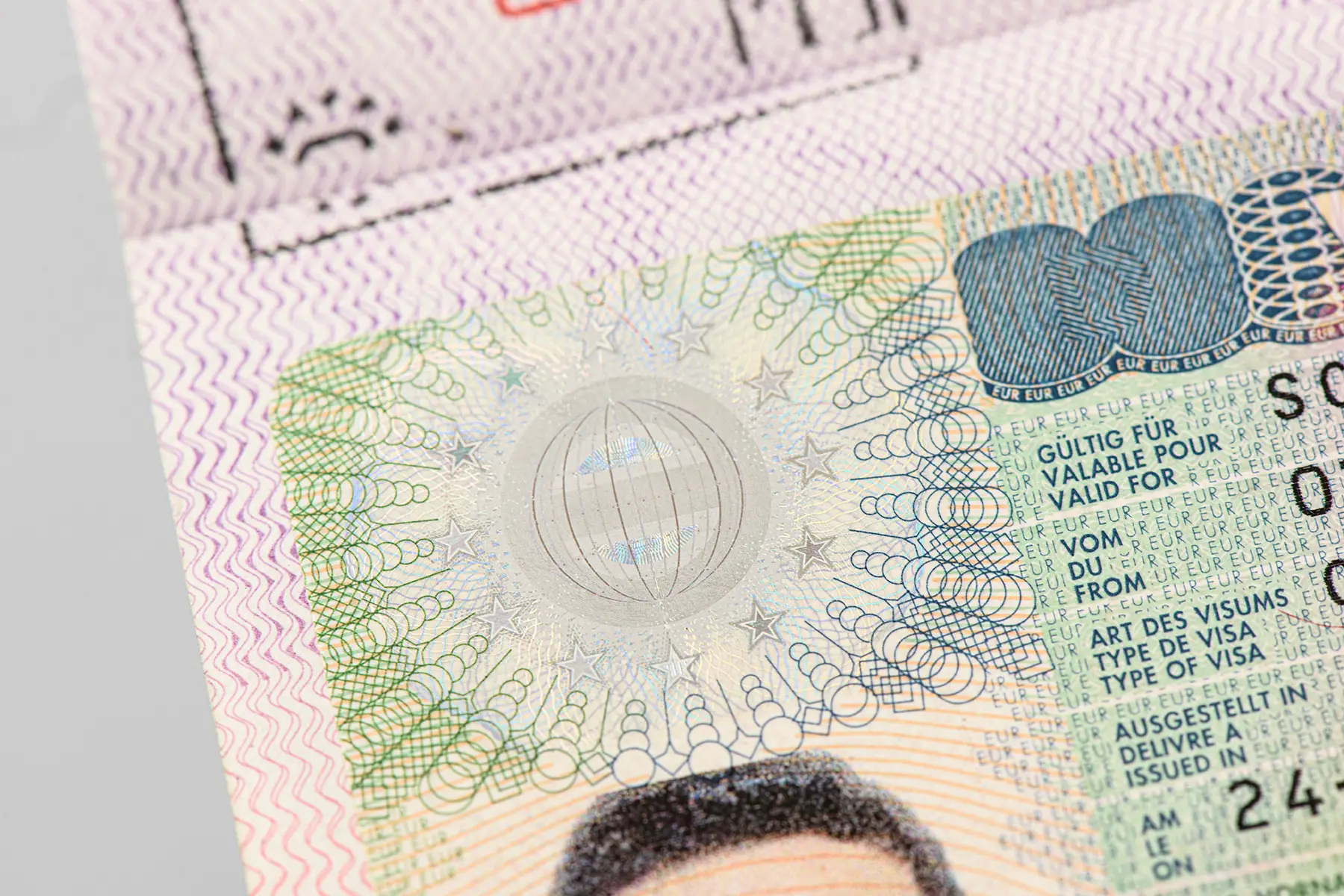
Those from outside the EU/EFTA wanting to move to Germany to become a Freiberufler will need a visa and residence permit. Nationals from Australia, Canada, Israel, Japan, New Zealand, the US and South Korea don’t need a visa to enter Germany, but must apply for a residence permit once inside the country. To be granted a visa and permit, you’ll need to show evidence of relevant professional qualifications, proof that you can financially support yourself, and demonstrate that there’s a need for your skills in Germany (e.g. details of prospective clients or evidence of established business relationships).
Registering as a Freiberufler in Germany
The registration process for Freiberufler is fairly straightforward. Unlike self-employed tradespeople and corporations, you don’t need to register with the Trade Office or go through any lengthy incorporation procedures.
The registration process is twofold. Firstly, you’ll need to register your address with your local Foreigner’s Office (which all foreign residents who move to Germany need to do anyway). Once you’ve done this, you need to register with your local Tax Office (Finanzamt).
To do this, you’ll need:
- Personal ID, such as passport
- Tax ID (Identifikationsnummer) which you should receive after registering your address
- Bank account details, which can be a personal or professional account
- Details of your planned freelance activities, along with any required qualifications, licenses or memberships
- Estimated revenue and expenses for at least the first year
During the registration process, you’ll need to decide if you want to register for VAT. You’ll have to do this if your revenue is more than €22,000 a year. If it’s below this, you can claim exemption as a small business (Kleinunternehmer).
You can visit the tax office in person. However, the forms you need to complete are in German, and there may not be any English-speaking staff. Unless your German language is good, you might want to travel with an interpreter. Alternatively, you can register online with Sorted’s English-language accountancy software.
It is the tax office that determines whether you qualify as a Freiberufler. If you meet all the requirements, you’ll get a Freiberufler tax number (Steuernummer).
Legal structures for freelancers in Germany
Most Freiberufler work as a sole proprietorship (Einzelunternehmen) which is a simple arrangement where the individual is the business, pays income tax on their profits, and is fully liable for any professional debts.
However, a group of two or more Freiberufler can come together to form a partnership company (Partnerschaftsgesellschaft – PartG). This is similar to a general business partnership where the owners share full liability. All you need to establish a PartG is a basic written partnership agreement and entry into the Partnerships Register (Partnerschaftregister).

Freiberufler can also set up a corporation (Kapitalgesellschaft), either on their own or with others. However, they will then be treated as a German business rather than freelance individuals.
Administration when freelancing in Germany
As a Freiberufler, you are only required by law to keep simplified accounts for your business activities. This means a record of your professional income and expenses. You’ll need to file an annual tax return so it makes sense to keep things well organized to avoid last-minute headaches. German tax authorities can ask for accounting records going back ten years, so you should keep everything on file for this period.
There are a number of accounting software packages than can help freelancers with their finances. For example:
Other useful administration software and apps include Bonsai and Fiverr Workspace.
You don’t have to have contracts in place with clients as a Freiberufler. However, you may find it useful. This article explains what to include in a German contract, with access to a contract template.

You can also employ the services of a tax advisor (Steuerberater) in Germany who will help you plan your accounts and taxes, as well as inform you about tax allowances and deductions for freelancers. One thing you should beware of is the German concept of false self-employment (Scheinselbstständigkeit). This is where freelancers are dependent on one client for work, to the point that they are barely distinguishable from employees. To avoid this, you should make sure that no clients ever make up more than 83% of your contracted work.
Business invoicing in Germany
Any invoices to clients should include the following:
- Name and address of both you and the client
- Invoice date
- Your tax number, plus VAT number if applicable
- Unique invoice number
- Brief description of the work carried out
- Overall net amount, including breakdown of costs if you have provided multiple services or products
- VAT amount if charged
- Due payment date
Banking for Freiberufler in Germany
You will need a bank account to work as a Freiberufler in Germany. However, you don’t need to have a separate business account. Although a separate account is not a legal requirement, it makes sense to have two accounts. This will make it much easier to keep track of business income and expenses, especially if you draw income from any other sources, or are registered for VAT as a Freiberufler.
Opening up a professional account is fairly straightforward. Most banks will allow you to open up a second account with the same requirements as a personal account, so you’ll just need ID, residence permit and proof of address. Some banks may offer tailored self-employed or Freiberufler accounts, for which you may need to provide evidence of freelance work, such as tax number or details of contracts.
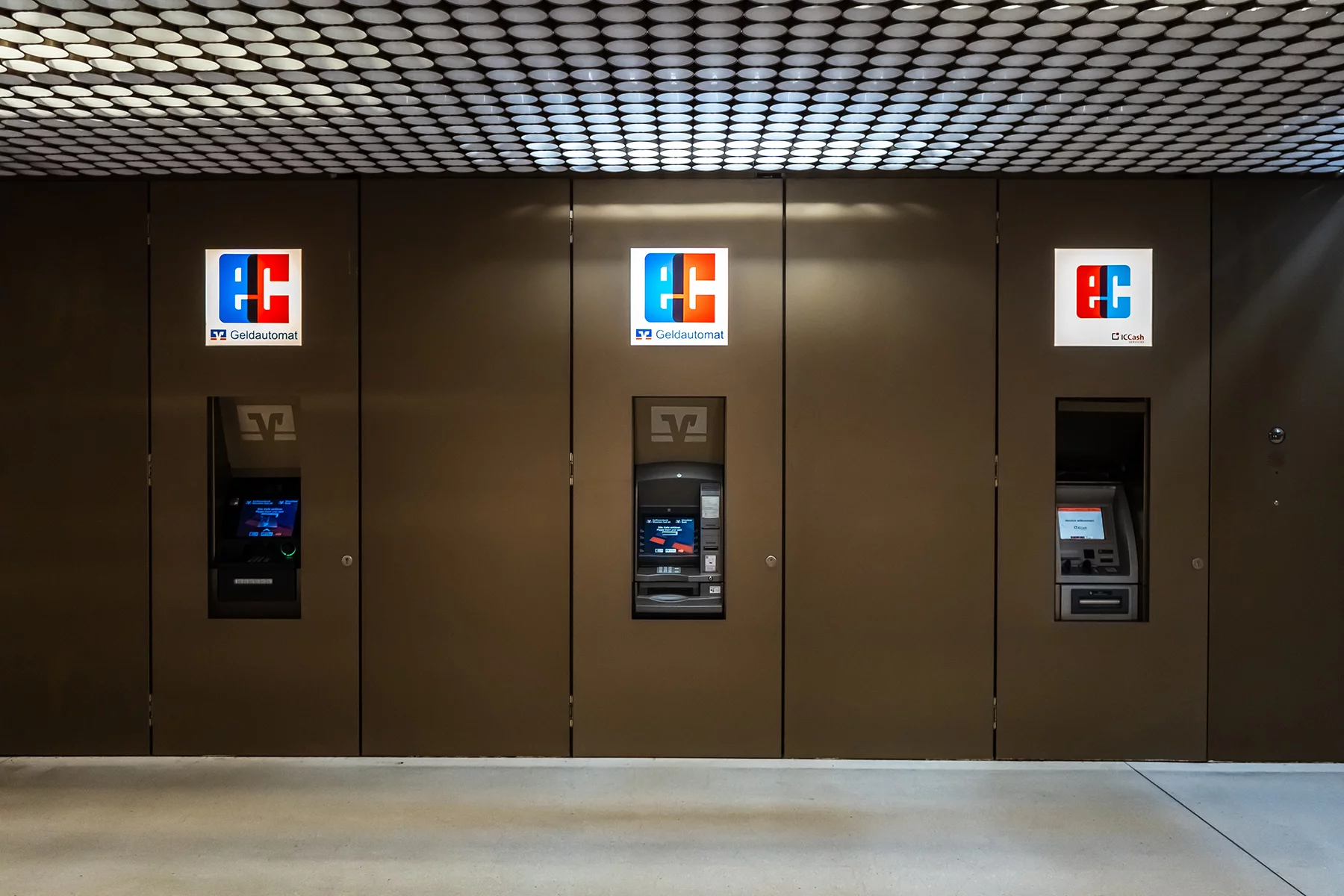
Another option is using an international or mobile/online bank. The advantages are plenty, including their English-language apps:
You can search for banks in the Expatica business directory for Germany and compare deals on DeutschesKonto.
Taxation for Freiberufler in Germany
The German tax system taxes personal and business income together for Freiberufler. This means that freelancers pay income tax (Einkommensteuer) on their earnings, the same as employees. Tax rates in Germany are progressive. For 2022, you can earn up to €9,984 tax-free. You pay 14% on earnings above this, rising to a maximum of 45% on earnings over €277,826.
You can deduct certain expenses from your taxable income, which will lower your income tax bill. These include equipment expenses, business travel expenses and accommodation expenses (up to €1,250 annually if you work from home).
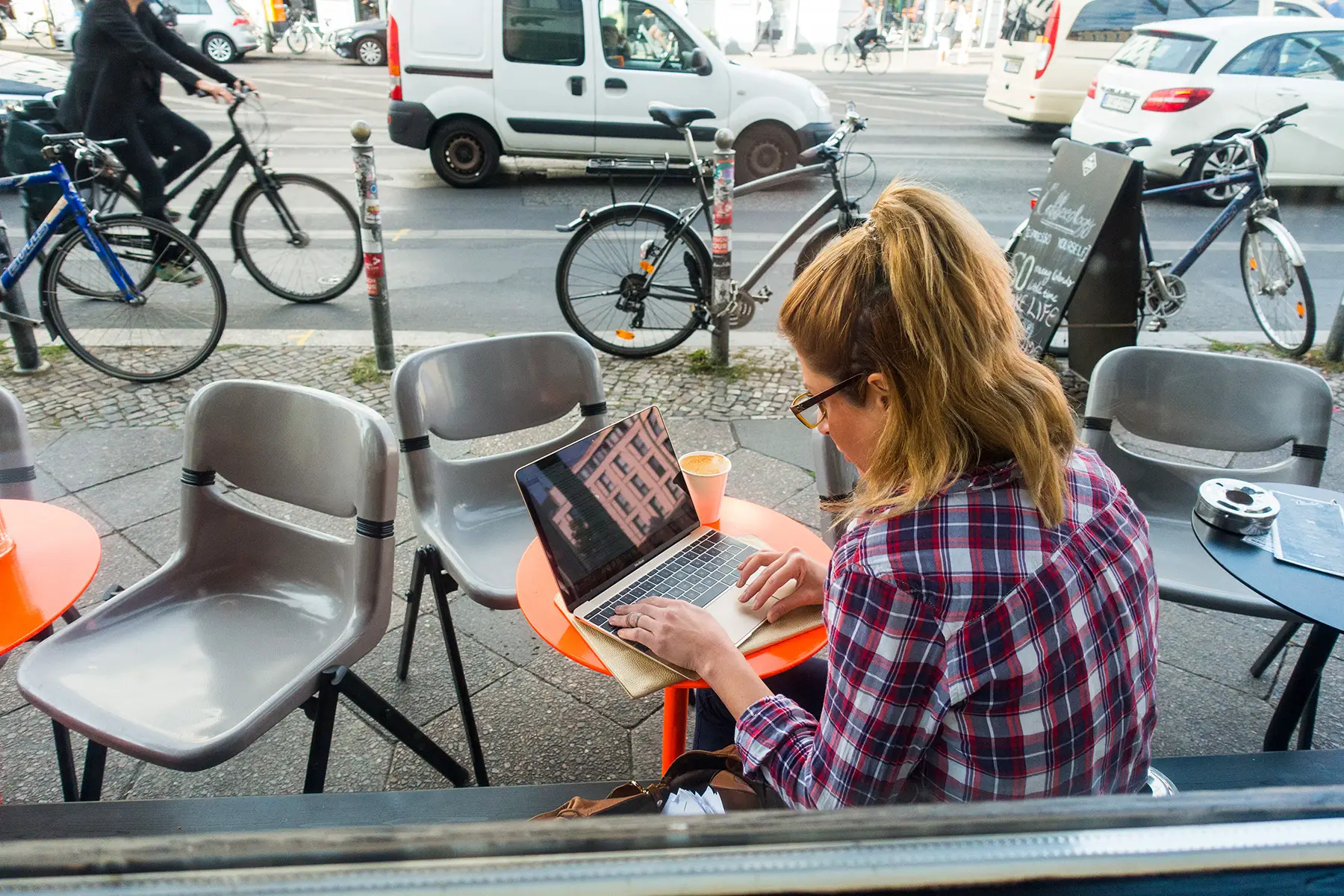
If you earn above €22,000 in any financial year, or are projected to earn over €50,000 in the forthcoming year, you will also need to register for and pay VAT (Umsatzsteuer). This is 19% on most goods and services, although certain businesses pay a reduced rate of 7%. Medical professionals such as doctors, dentists and specialists are exempt from VAT in Germany.
If you are a tradesperson (Gewerbetreibender) rather than a Freiberufler, you will also have to pay Trade Tax (Gewerbesteuer) on profits if you earn more than €24,500 a year.
You need to pay any tax you owe as a Freiberufler quarterly to your local tax office. Businesses earning over a certain amount pay their VAT monthly. You can now file your German tax return online through ELSTER (in German).
Social security, health insurance, and pensions
Unlike employees in Germany, Freiberufler and other self-employed don’t get automatic coverage for social security through contributions arranged by their employer. Instead, they need to make their own arrangements. They also need to make 100% of contributions themselves, whereas workers split these 50:50 with employers. Artists in Germany have the option of enrolling in the Artists Social Insurance Fund (Künstlersozialkasse – KSK), which acts similar to an employer and covers 50% of contributions.
Health insurance (Krankenversicherung)
Health insurance is compulsory for all German residents, whether employed, self-employed or not working. As a Freiberufler, you can choose between the state health insurance scheme or private health insurance. If you take statutory health insurance, you’ll pay 14.6% of your salary each month.

Public health insurance entitles you to treatment on the German public healthcare system. Private insurance gives you access to a wider range of treatments, for example alternative and complementary therapies, plus private doctors and specialists. Premiums vary between insurers.
Health insurance in Germany also includes long-term care insurance (Pflegeversicherung). Mandatory contributions through public schemes are currently 3.05% (or 3.4% if you have no children).
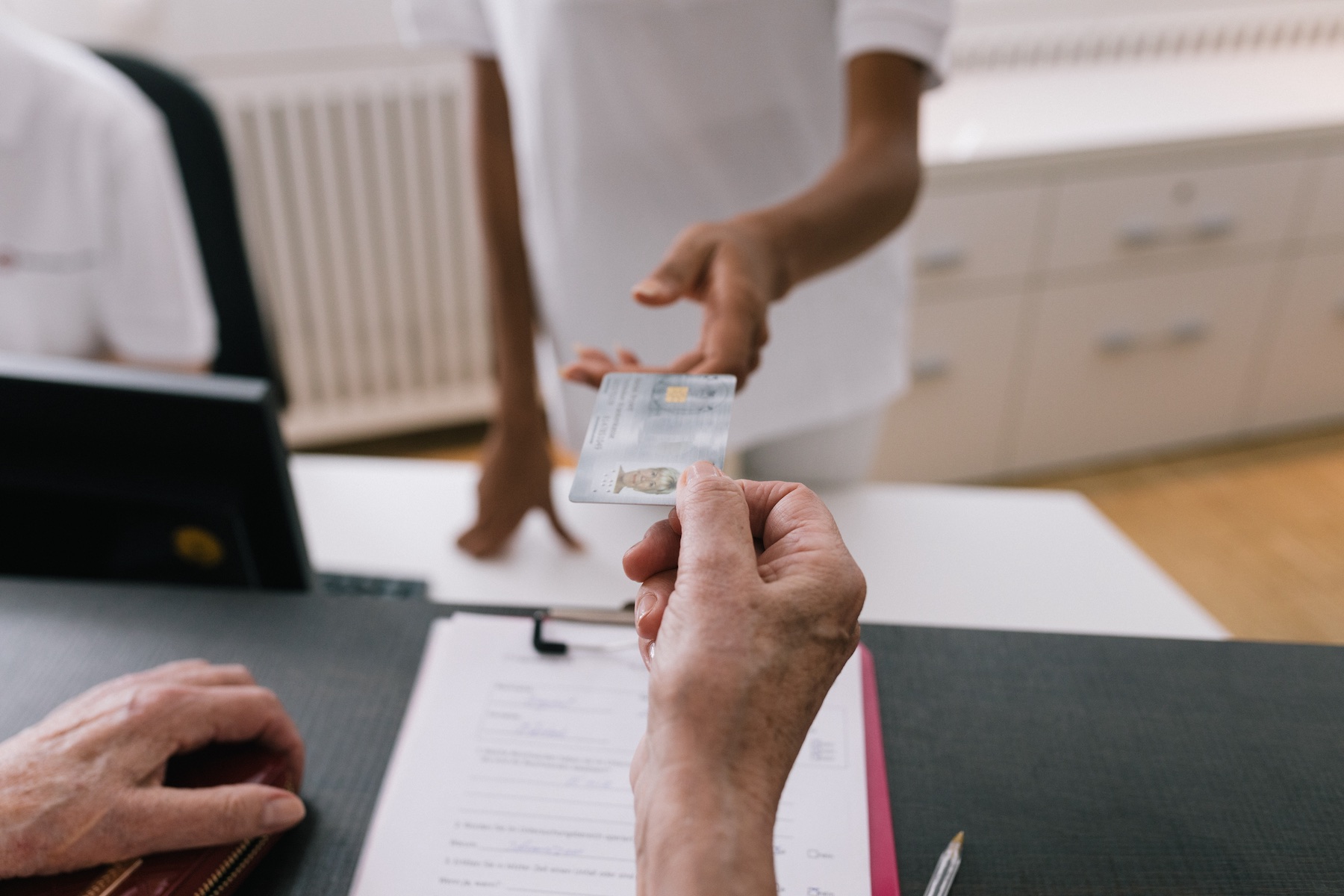
Companies providing private health insurance in Germany include:
Pensions insurance (Rentenversicherung)
Germany has a three-pillar pension system consisting of state, occupational and private pensions. The public pension scheme is only compulsory for some Freiberufler. Others can choose what, if any, pensions arrangements to make. You can choose to register with the statutory German Retirement Insurance Fund or take out a private pension. One good option for freelancers and self-employed in Germany is the Rürup pension, which is a state-subsidized private pension with contributions that will be 100% tax deductible by 2025.
Standard state pension contributions are 18.6%, however Freiberufler can choose to pay more – or can sometimes pay a lower rate. You can usually make reduced contributions for the first three years of self-employment. Payment rates are typically up to 67% of net income in retirement. Private pensions have different rates depending on the scheme.
Thankfully, services exist that help expats with their pensions. For example, Pensionfriend helps internationals explore and choose their German pension options.
Unemployment insurance (Arbeitlosenversicherung)
This is an optional social insurance for all self-employed workers in Germany, including Freiberufler. It provides you with an allowance should you become unemployed or stop working for any period of time. You can register with the statutory scheme through your local employment office (in German) or take out a private insurance policy.
State unemployment insurance contributions are 2.4%. You will then receive between 60-67% of your previous salary for up to six months if you have made at least 12 months of contributions. Entitlement periods are based on your age and how long you have contributed, so you can claim for longer if you’ve paid in for over a year. If you use up your entitlement and haven’t found work, you can apply for the basic subsistence benefit (Arbeitlosengeld II), which is up to around €450 a month.

You can shop around for private unemployment insurance if you want to cover yourself against out-of-work periods but don’t want to sign up for the state insurance scheme.
Accident insurance (Unfallversicherung)
This covers any costs associated with accidents that occur while you are carrying out professional work. It’s another social insurance that is optional for Freiberufler. Should you want coverage for this, you can register with the Employers Liability Insurance Fund (Deutsche Gesetzliche Unfallversicherung – DGUV) or take out a private accident policy. DGUV contributions are around 1.2%.
Other insurance for Freiberufler in Germany
Beyond social insurances, there are a number of business-related insurances in Germany that you may want to consider as a Freiberufler. These include:
- Liability insurance – Freiberufler should look for a package that covers both personal and professional liability in the event of damage, injury or financial loss to third parties. Some form of liability insurance is compulsory in certain freelance fields, for example doctors and medical specialists. Companies offering these policies include helden.de.
- Equipment insurance – optional insurance that protects you in the event of loss or damage to any of your professional equipment.
- Cyber insurance – optional coverage that protects against digital threats such as data breaches or cyber attacks.
- Legal protection insurance – covers any legal costs if someone files a lawsuit against you as a result of your professional work.
Earning a secondary income from freelancing in Germany
You can earn a secondary income as a Freiberufler in Germany if you have a regular job. This is known as a ‘side hustle’ (Nebenberufliche Selbstständigkeit). However, there are a few things you need to take into account.
Firstly, make sure that there is nothing in your employment contract or work visa/permit that says you cannot do surplus self-employed work. You may need to get written permission from your employer, and/or contact your local migration office for change of visa purpose.

Secondly, you need to make sure that your freelancing doesn’t become your main source of income. You can do up to 18 hours of freelancing a week on top of work in regular employment. Additionally, your self-employment earnings cannot exceed your regular earnings by more than 20%. If this happens, you will be legally classed as a Freiberufler for tax and social insurance purposes. This will have implications in terms of your health insurance and social security contributions.
You will also need to declare all secondary income on your annual income tax return. This will increase your income tax percentage rate under Germany’s progressive taxation system. Your tax return form should include appendix form S for Freiberufler.
Read this article on starting up a side hustle in Germany for more information.
Finding office space when freelancing in Germany
An alternative to working as a Freiberufler from home is to look for office space. The co-working model is becoming a popular option for freelance entrepreneurs. Co-working spaces provide shared facilities and spaces for multiple freelancers and self-employed workers who sometimes group together in informal communities.

Co-working can offer great networking opportunities which help to grow businesses. You will also be able to deduct any rent or office fees from your tax bill. Check out available spaces in Germany on sites such as WeWork, CoWorker and ServCorp.
If you want a more traditional independent workspace, for example if you are an accountant or medical professional, contact your local municipal authority or professional association for information on what is available in your area.
Finding work as a Freiberufler in Germany
As is the case in many countries, becoming a successful freelancer in Germany means getting your name out there, building networks, and slowly creating a portfolio of work. You should have strong network connections, or at least some avenues of support, through membership bodies and educational institutions associated with your professional field. However, if you are new to Germany or have suddenly decided to strike out as a Freiberufler, you can check out any of the following to help you get started:
- Kleinanzeigen – this is the eBay platform for small businesses and freelancers in Germany (in German).
- Social media sites for professionals such as LinkedIn (in German) and Xing. You can also benefit from having a strong professional profile on more mainstream sites such as Facebook and Twitter.
- Freelancer and remote working sites such as Upwork and People Per Hour.
- Networking sites such as MeetUp.
- If you’re interested in socially responsible, ethical or sustainable work, you can try Elevator and Work for Impact.
- Make sure you have business cards and CVs to hand when networking – there are online platforms that can help you to design them.
- Expatica’s jobs guide for Germany, which is focused more on finding regular employment, but also contains some information useful for freelancers.
Support, advice, and training for Freiberuflers in Germany
- Federal Ministry for Economic Affairs and Climate Action (Bundesministerium für Wirtschaft und Klimaschutz – BMWK) – government online portal with support and advice for freelancers, entrepreneurs and business owners.
- EXIST program – BMWK support grants for university-based research and development startup projects.
- KfW Bankengruppe – offers business loans for startups and freelancers.
- Federal Employment Agency (Bundesagentur für Arbeit) – offers self-employment grants for unemployed residents through the Gründerzuschuss (for main unemployment benefit recipients) or Einstiegsgeld (for basic subsistence grant recipients).
- National Agency for Women Startups Activities and Services (bundesweite gruenderinnenagentur – bga) – support for women entrepreneurs.
- Network IQ – support for foreign residents wanting to start their own business in Germany.
- German Federal Chamber of Tax Consultants (Bundessteuerberaterkammer – BSTBK) – find a tax advisor (in German).
- German Association of Lawyers (Deutsche Anwaltauskunft) – find a business lawyer (in German).
- Search for federal state self-employment grants on Deutschland Startet, Für Gründer or Unternehmenswelt (links in German).
- Find information on funding for adult training and education in Germany here.



Did you find this guide helpful?