
'%20id='ico-down'%20stroke='%23000000'%20stroke-width='1.5'%3e%3cg%20transform='translate(1092.250000,%20254.750000)'%3e%3cpolyline%20id='Path-2-Copy-4'%20transform='translate(5.500000,%202.750000)%20scale(1,%20-1)%20rotate(-180.000000)%20translate(-5.500000,%20-2.750000)%20'%20points='0%200%205.5%205.5%2011%200'%3e%3c/polyline%3e%3c/g%3e%3c/g%3e%3c/g%3e%3c/svg%3e)


Working
Self-Employment
How to work remotely in Germany as an expat
This guide outlines the key visas, tax fundamentals, health insurance rules, and essential arrival steps.


Before you pack your laptop and head to Germany, you will need to make sure your work setup matches the right legal route.
Because rules depend heavily on your nationality and job setup, please verify your personal requirements with your local German consulate, the Ausländerbehörde, and a tax professional before relocating.
Key takeaways
| Scenario | Likely route | Biggest risk | Who to verify with | First action |
|---|---|---|---|---|
| EU, EEA, or Swiss citizen | No visa route in most cases | Ignoring tax, payroll, or registration duties | Employer, Finanzamt, adviser | Arrange Anmeldung |
| Non-EU employee of a foreign company | Case by case work or residence route | Assuming a foreign contract makes remote work legal | Embassy, Ausländerbehörde, employer | Check work permission before moving |
| Freelancer or self-employed worker | Often a freelance or self-employment route | Using the wrong permit type | Embassy, Ausländerbehörde | Gather client and income proof |
| Any long stay worker | German tax and social security may apply | Treating home country rules as enough | Tax adviser, payroll team | Review tax and payroll setup |
| Any resident | Health insurance is mandatory | Delaying cover and registration | Insurer, employer, adviser | Set up insurance early |
Can you legally work remotely in Germany?
Yes, in some cases, but the key question is where you are physically working. If you live in Germany and work online from Germany, local immigration, tax, and insurance rules can still matter even if your employer or clients are abroad.
A common question is whether Germany has a simple Digital Nomad Visa inGermany. As it stands, Germany does not offer a simple standalone remote work visa for every expat, so the answer depends on your passport, your residence basis, and whether you are an employee, contractor, or genuinely self-employed.
- Your nationality matters. EU, EEA, and Swiss citizens usually have an easier immigration path than non-EU citizens.
- Your work status matters. Employees, contractors, and Freiberufler, meaning freelancers in certain liberal professions, can face different permit and tax rules.
- Your employer setup matters. A foreign employer may still face payroll or labour law questions if you work from Germany.
- Your timing matters. Visa-free entry or a tourist stay does not automatically give you permission to work from Germany.
Why your work status matters
Germany places a heavy emphasis on how your working relationship functions on a day-to-day basis. Whether you operate as an employed staff member, a contract worker, or a registered freelancer dictates everything from the visa category you need to how your taxes and social security are processed.
Simply holding a foreign contract does not automatically make your working setup legal under German law. Authorities look beyond job titles to evaluate your actual daily working routine, and where you perform your duties. Setting up under the wrong classification can trigger unexpected tax liabilities for both you and your foreign employer.
Choose the right route for your situation
Settling on the right visa route starts with two main questions: which passport do you hold, and are you working for an employer or running your own independent business? If you are not sure whether your setup counts as employment or freelancing, check that before you relocate because the wrong label can create visa and tax problems later.
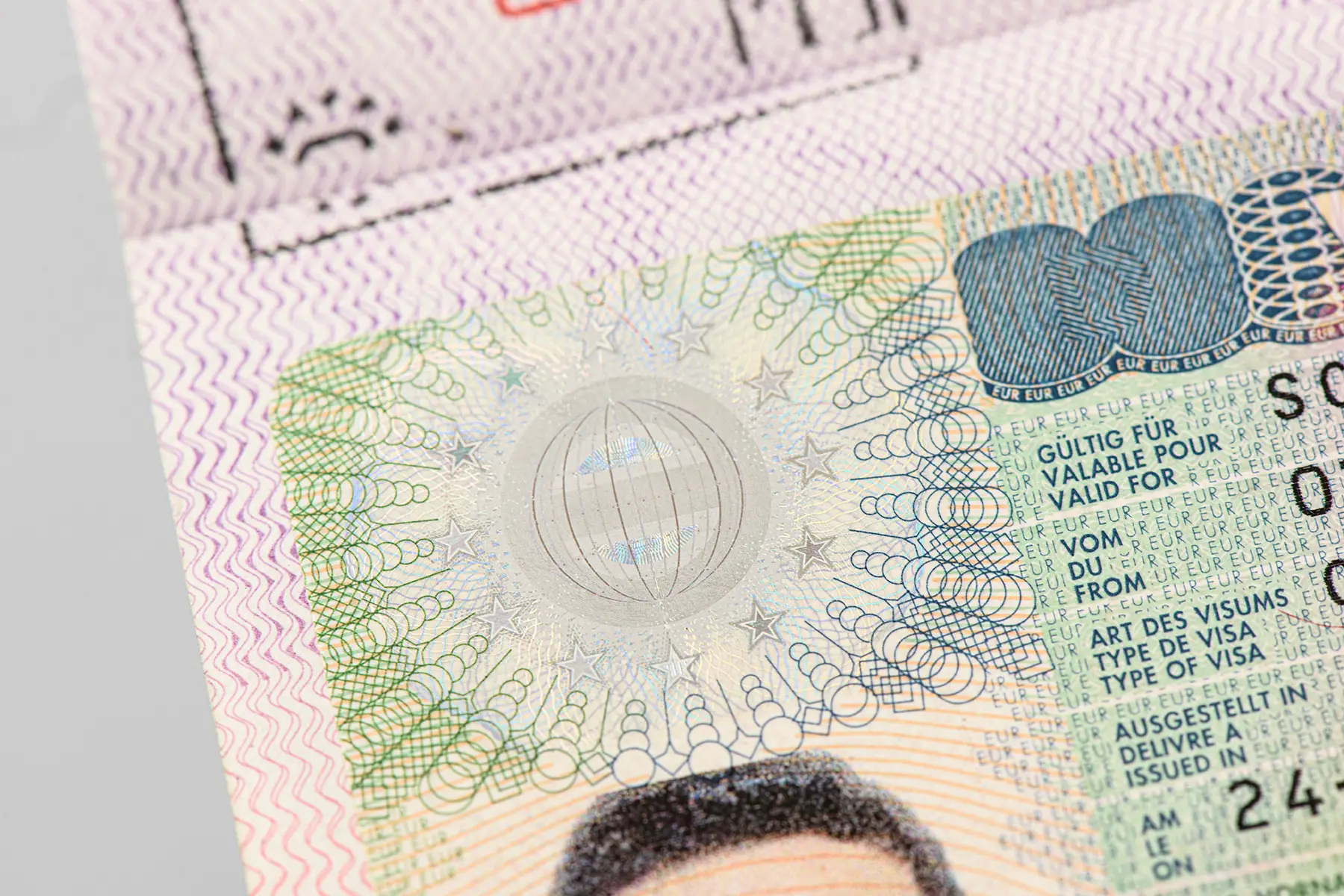
If you need a work-related residence route, use the Visa Navigator to narrow down the official starting point. For more detail on standard employee routes, see Work-related visas in Germany below:
EU, EEA, and Swiss citizens
EU, EEA, and Swiss citizens usually do not need a visa to live and work in Germany, but that is only the immigration side. You still need to deal with Anmeldung, tax, social security, and employer compliance once you are working from Germany.
- Register your address at the Bürgeramt
- Check tax and payroll treatment with your employer
- Arrange health insurance from day one
Non-EU citizens employed by a foreign company
This is the area where most confusion starts. Germany does not offer a universal remote employee route for all non-EU nationals, so you may need a work-related residence permit, a German payroll setup, or another compliant structure depending on your case.
One thing worth knowing is that the legal route is often clearer for a person hired by a German employer than for someone living in Berlin, Munich, Hamburg, Cologne, or Leipzig while working only for a company abroad. That does not mean it is impossible, but it does mean you should verify the route before moving, not after arrival.
Warning: Do not assume that visa-free entry, a tourist stay, or a home-country contract gives you the right to work online from Germany.
Freelancers and self-employed workers
For many non-EU remote workers, the most realistic route is genuine freelance or self-employment. Official guidance from Make it in Germany makes clear that freelancers and self-employed applicants face different conditions, including proof of funds, licences where relevant, and pension evidence for some older applicants.
This is different from salaried remote work. If you are effectively working like an employee for one company, calling yourself freelance may not solve the problem.
- Show real client demand, not vague plans
- Prepare proof of income or savings
- Bring qualifications or licences if your profession needs them
- Check whether old-age pension proof applies in your case
Expatica tip:
Some local Ausländerbehörde offices may reject informal screenshots as client proof, so bring signed letters of intent and printed contracts.
Plan tax, social security, and health insurance
The risk here is not only getting a visa, but staying compliant after you arrive. Germany can treat remote work as local economic activity, which is why tax, payroll, and insurance questions often matter more than the visa headline.
Tax residency: German tax residency may apply if you spend enough time in the country or build strong residence ties there. That can affect employees, contractors, and freelancers in different ways.
Social security and payroll: If you work from Germany, a foreign employer may need to review payroll withholding, labour protections, and social security position. Freelancers need to check their own registration and contribution duties.
Health insurance: Health insurance is mandatory, and you should set it up early. Germany has statutory insurance, called gesetzliche Krankenversicherung, and private insurance, called private Krankenversicherung, with different access rules and costs. For a high-level overview, see our guide to getting health insurance in Germany in 2026 and the GKV-Spitzenverband overview.

When German tax residency may apply
German tax residency often depends on how long you stay and whether Germany has become your settled base. If you work online in Germany while renting long term, registering locally, and building daily life there, tax exposure can follow even if your income comes from abroad.
- Count your time in Germany carefully
- Check whether you have created a settled home base
- Use a cross-border tax adviser if you keep foreign income or filing duties
What foreign employers and freelancers must check
A common question is, can I work remotely in Germany for a foreign company if the company has no office there? Sometimes, but not automatically. The employer may still need advice on German payroll, labour rules, or social security coverage, and the employee may still face German tax obligations.
For freelancers, the main risk is assuming that invoicing from abroad removes local duties. It often does not. Start with Freelancer and self-employed tax in Germany in 2026 and Social security in Germany below, then get professional advice for anything cross-border.
- Ask who will handle payroll withholding
- Ask which country covers social security
- Check whether German employment protections could apply
- Confirm the answer with an adviser, not a forum post

Set up the practical basics after arrival
Even if your route is legally sound, the first month can still go wrong because German admin is linked together. Without Anmeldung, which is address registration, many later steps slow down or stop.
Use this first-30-days order of operations:
Find housing that allows Anmeldung
Register your address at the Bürgeramt
Attend your Ausländerbehörde appointment if you need a permit
Arrange health insurance
Register with the Finanzamt if you need a freelance tax number
Set up banking, transfers, and day-to-day spending tools
Anmeldung, permit, and tax number
The start-here sequence is simple, but delays are common. Bring your passport, proof of address, and insurance documents, and expect different appointment waits between cities.
- Book your Anmeldung appointment at the Bürgeramt
- Collect your Meldebescheinigung, the registration certificate
- Attend the Ausländerbehörde if your residence route requires it
- Use ELSTER or your adviser to handle tax registration where needed
Housing, banking, and getting paid
Short-term housing that allows Anmeldung can unblock almost everything else. If a landlord says Anmeldung is not possible, that can delay your permit, tax, and banking setup. It also helps to budget for the Mietkaution, meaning rental deposit, and understand that Kaltmiete is the rent before utilities.
A local account can still be useful once you are settled. Major local banks such as Deutsche Bank, Commerzbank, and Postbank may ask for a German address, registration, or a Schufa credit record before offering full onboarding, so compare options with Best bank accounts for expats in Germany 2026.

| Tool | Best use | Fees to check | What to verify |
|---|---|---|---|
| International bank transfer | Larger move-in costs such as rent deposit or visa expenses | Transfer fee and exchange rate markup | Delivery time and receiving bank charges |
| Multi-currency account | Holding EUR alongside home currencies or getting paid from abroad | Conversion fee and receiving rules | Supported currencies and account details |
| Local German bank account | Rent, direct debits, salary, and daily admin | Monthly account fee and card charges | Address, registration, and ID requirements |
| Card | EUR spending and travel | Foreign spend fees and ATM charges | Merchant acceptance, limits, and ATM operator fees |
If you need to move money to Germany, compare Transferring money overseas in Germany with providers such as Wise. A multi-currency account from Wise, which is a financial institution rather than a bank, can also help freelancers or remote employees manage cross-border income, while the Wise Card can be practical for everyday EUR spending and travel. Although, additional charges may apply from independent ATM networks.
Common mistakes to avoid
Most problems start with assumptions, not paperwork. If you are trying to work online in Germany, the safest approach is to verify each part of the setup before you move money, sign a lease, or start working from your new address.
Common mistakes include:
- Assuming a tourist stay or visa-free entry lets you work remotely
- Treating employee and freelancer status as the same thing
- Delaying mandatory health insurance
- Missing Anmeldung or permit deadlines
- Moving funds through a home bank without checking exchange rate markups

Editor
Tarah Ren
Insider tip
If a landlord tells you Anmeldung isn’t possible, consider it a red flag. Many expats fall into this trap with temporary sublets, only to discover that without an officially registered address, German bureaucracy completely freezes. Without that registration document (Anmeldebestätigung), you won’t be able to get a tax ID, activate health insurance, or set up home internet.
Frequently asked questions about working remotely in Germany
Can I work remotely in Germany for a UK or US company?
Possibly, but it is not automatically compliant just because the employer is abroad. Check work permission, payroll setup, tax exposure, and social security before you move, then confirm the final position with the relevant authorities and a tax adviser.
Does Germany have a digital nomad visa?
Not as a simple standalone route for most readers. Many remote workers instead look at freelance or self-employment pathways where they are genuinely independent and meet the conditions.
Do remote workers pay tax in Germany?
They can. Tax in Germany often depends on time spent there, your living setup, and whether you have become a tax resident, so employees, contractors, and freelancers can all face different outcomes.
Can EU citizens work online from Germany without a visa?
Usually yes for immigration purposes, but that does not remove local compliance duties. EU, EEA, and Swiss citizens still need to think about registration, insurance, tax, and employer setup when working from home in Germany.
Useful resources
- Federal Foreign Office, Visa Navigator: An official tool to help identify required visa routes.
- GKV-Spitzenverband: An overview of Germany’s statutory health insurance system.
- ELSTER: The official online portal for handling tax registration and filings.
- Deutsche Rentenversicherung: Official resources regarding the German pension system.



Did you find this guide helpful?