
'%20id='ico-down'%20stroke='%23000000'%20stroke-width='1.5'%3e%3cg%20transform='translate(1092.250000,%20254.750000)'%3e%3cpolyline%20id='Path-2-Copy-4'%20transform='translate(5.500000,%202.750000)%20scale(1,%20-1)%20rotate(-180.000000)%20translate(-5.500000,%20-2.750000)%20'%20points='0%200%205.5%205.5%2011%200'%3e%3c/polyline%3e%3c/g%3e%3c/g%3e%3c/g%3e%3c/svg%3e)


Moving
Visas & Immigration
Student visas in the UK
Learn more about UK student visas, how to apply, the costs, scholarships, and what happens at the end of your studies.

If you want to study in the United Kingdom (UK), you might need to apply for a student visa. This is an immigration condition for undergraduate and postgraduate studies, post-doctoral research, or short courses, including learning English. There are different types of student visas, each with its requirements and costs attached, which can be confusing.
Therefore, this article will help you make sense of all the UK student visas by exploring the following topics:
The Relocator
Planning a new life in the UK? Give yourself some peace of mind with The Relocator. On their easy-to-use platform, you'll be able to compare your options quickly, getting quotes from some of the biggest names in global relocations. Move abroad confidently with The Relocator.

Studying in the UK
The UK, with its many academic institutions, is considered one of the best countries to study. Indeed, four of its universities feature among the top 20 of the Times Higher Education World University Rankings (2022):
- Oxford – 1st
- Cambridge – 5th
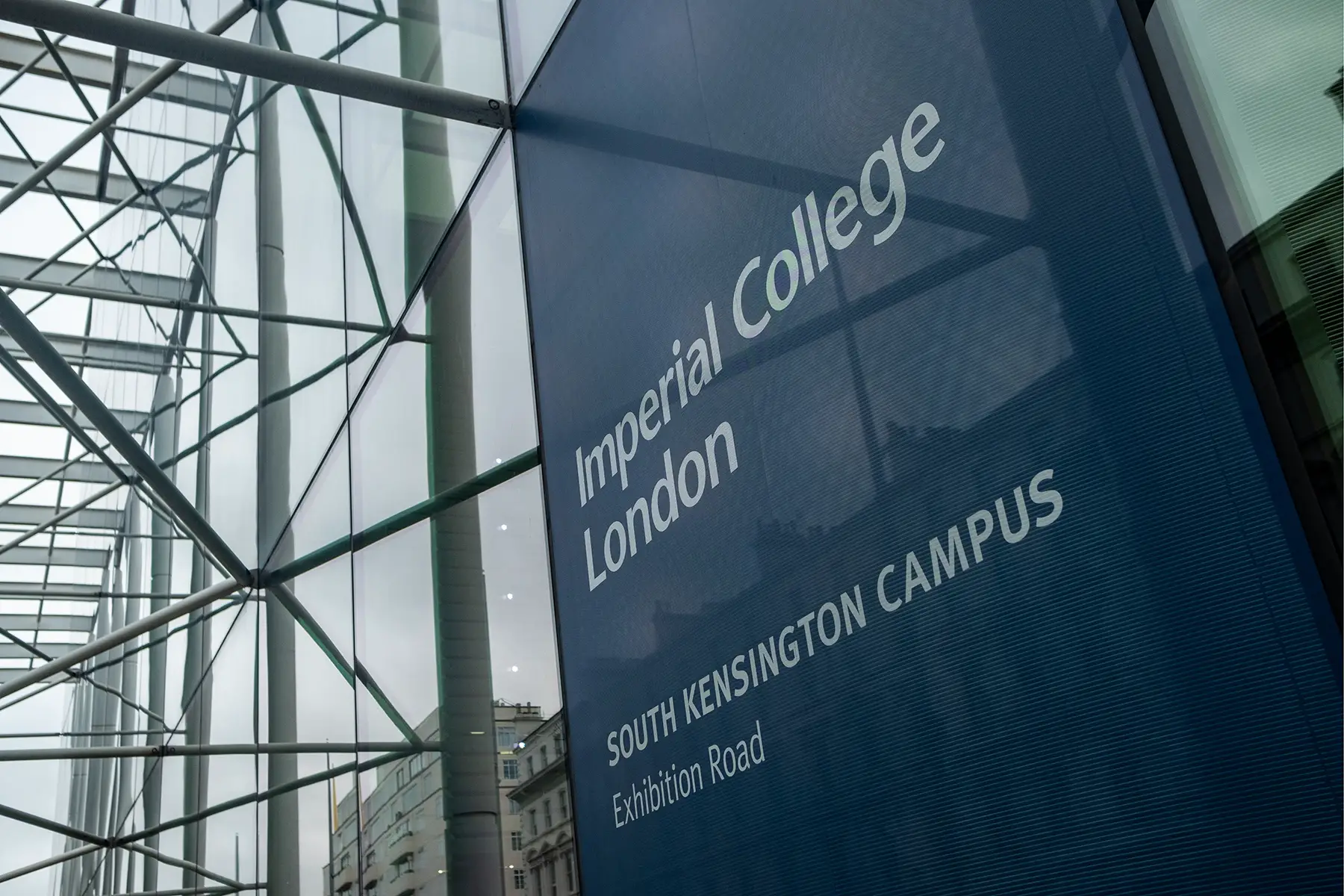
- Imperial College London – 12th
- UCL – 18th
Home Office Visas and Immigration (UKVI) is the government department responsible for issuing visas in the country, including student visas. Following Brexit, students from the European Union (EU) and European Free Trade Association (EFTA) countries must meet the same stringent immigration requirements as anyone else. EFTA countries include Norway, Liechtenstein, Switzerland, and Iceland.
In 2020, the UK government replaced the Tier 4 (General) student visa with a Student visa to align with its points-based immigration system. As a result, applicants must score at least 70 points based on their English language skills, financial independence, and acceptance into a course at a licensed institution. Despite these additional restrictions, many still apply to study in the UK. During 2020/2021, the Home Office granted 428,428 student visas, which made up 39% of all approved visas.
Who needs a UK student visa?
Since the implementation of Brexit in the UK, residents from most countries need a Student visa to study. However, the government has waived these for some countries, including Australia, Japan, and Canada, if their citizens only want to study a short course up to six months.
If you’re an EU or EFTA citizen already living in the UK and have applied to remain through the EU Settlement Scheme, you won’t need a student visa. This may also apply to your close family members.
Notably, citizens of British Overseas Territories and Commonwealth countries who qualify for the right of abode (ROA) don’t need a visa to live, work, or study in the UK.
If you are not sure whether you need a visa, you can check the UK immigration requirements online.
Types of student visas in the UK
There are currently three types of UK student visas, including:
- Student visa for most higher education courses, including graduate and postgraduate programs
- Child Student visa for minors studying at an independent school
- Short-term study visa for learning English in the UK (6–11 months)
Student visa
This is the general UK Student visa for all higher education courses at level 3 and above. You can apply for this visa as long as you are 16 or older and meet the other requirements.
Requirements
To apply for this Student visa, you need:
- Acceptance into a course by a licensed sponsoring institution in the UK
- Minimum funding of £1,023 a month for at least nine months (or £1,334 if living in London) as you cannot access public funds
- English language skills need to be at a B1 level if studying for a diploma and at a B2 level for any degree courses or English language studies. These ability skills refer to the Common European Framework of Reference (CEFR) scale.

If you are studying toward a certificate or a diploma instead of a degree, it must be a full-time course of at least 15 hours per week.
How to apply
You can apply online for a Student visa or at any UK visa application center globally. Together with the application form, you must also provide the following documents:
- Valid photo ID
- Acceptance letter from the academic institution
- Proof of sufficient funds, for example, bank statements or a letter from your sponsor if they are paying your fees and/or living costs
- Certificate to confirm that you meet the English language requirements unless you are from an English-speaking country
- Letter of parental consent if you are under 18
- Academic Technical Approval Scheme (ATAS) certificate for specific subjects or research areas where you can use your knowledge to develop Advanced Conventional Military Technology (ACMT) or weapons of mass destruction (WMDs)
- Tuberculosis (TB) test results if you’re traveling from a high-risk country
You should receive a decision about your application within three to eight weeks, but you can apply up to six months before starting your course. As part of your application, you’ll also need to submit your biometric data to get your biometric residence permit (BRP). You can do this in person at a visa application center or online via the UK Immigration: ID Check app.
Visa costs
The Student visa currently costs £363 (if you apply from outside the UK) and you may also have to pay the healthcare surcharge fees plus around £20 in administration fees to get your BRP.
Visa length
The validity of your UK Student visa usually depends on your course duration. Typically, the maximum length of a visa for a degree-level course or above is five years. For a diploma or certificate program, it’s usually two years. Of course, you can apply to extend your visa, for example, if you want to continue your studies or have been accepted onto another course. Alternatively, you can switch to a Graduate visa if you plan to stay in the UK and look for work after completing your course.
Child Student visa
This is a type of student visa for children between four and 17 who want to attend an independent school in the UK.
Requirements
To obtain the Child Student visa, your child must have a placement offer from a licensed independent school doing a course that meets curriculum standards. However, they cannot study at a state or academy school. Applicants also need consent from a parent or legal guardian, plus sufficient funds to cover their fees and living costs. Of course, the minimum funding they need depends on their situation.
How to apply
You can apply online or at any UK visa application center worldwide. Naturally, you’ll need to provide some documentation, such as:
- Valid photo ID
- Letter from the school confirming your placement
- Written parental/guardian consent, plus proof of the relationship (e.g., birth or adoption certificate)
- Proof of finances, unless you are from this list of countries. You also do not need to prove that you have sufficient funds if you’ve been living legally in the country for at least 12 months prior to the application.
- Written permission from your sponsor if they are funding you
- Tuberculosis (TB) test results if you’re from a country with a high prevalence of the condition

It may take up to eight weeks to finalize your application, but you can start the process six months before your course starts. As part of your application, you’ll also need to submit your biometric data at a visa application center or scan your ID documents online via the UK Immigration: ID Check app to get your biometric residence permit (BRP).
Visa costs
Like the Student visa, it costs £348 plus healthcare surcharge fees and around £20 for the BRP.
Visa length
Child Student visas are valid for the course length plus four months, up to six years (or three years if you’re between 16 and 17). You can extend the visa to continue your studies if you meet eligibility requirements or switch to another UK visa.
Short-term study visa in the UK
This type of student visa is for learners who will only be in the country to study English for a short period, between six and 11 months.
Requirements
You must be at least 16 and have a placement offer at an accredited institution. Additionally, you must be able to support yourself during your stay in the UK without working and show that you can pay for your homeward journey at the end of your course.
How to apply
As with the other visas, you can apply online or at a UK visa application center, and you must supply the following documents:
- Valid photo ID
- Letter of acceptance from your place of study, plus proof that you have paid the course fees
- Proof that you can support yourself financially in the UK, for example, bank statements
- Accommodation details covering your stay
- Tuberculosis test (TB) results if you normally reside in a high-risk country
You can apply up to three months before your course starts, but generally, you’ll receive a response within three weeks.
Visa costs
The Short-term study visa costs £200 plus around £470 for the healthcare surcharge.
Visa length
Your visa will be issued for the duration of your course. Typically, this is between six and 11 months, and you cannot extend it. For programs lasting longer than 11 months, you’ll need to apply for a Student visa.
Studying in the UK for less than six months
If you are from a country that needs a visa to enter the UK, you must apply for the Standard Visitor visa for study purposes to attend a short course (less than six months.) However, nationals from any visa-waivered country can study a UK short course without applying for a visa.

The Standard Visitor visa fee is £100, and all the legal restrictions for a visitor to the UK apply; for example, you cannot work. You can read more about short-term visas in our comprehensive visas and immigration article.
When you arrive to study in the UK
Some newcomers to the UK need to register with the police within seven days of their arrival, which the visa vignette (sticker) in their passports will clearly state. Failure to do this may result in a shortened stay or no extensions.
Other things to sort out when you arrive in the UK might include:
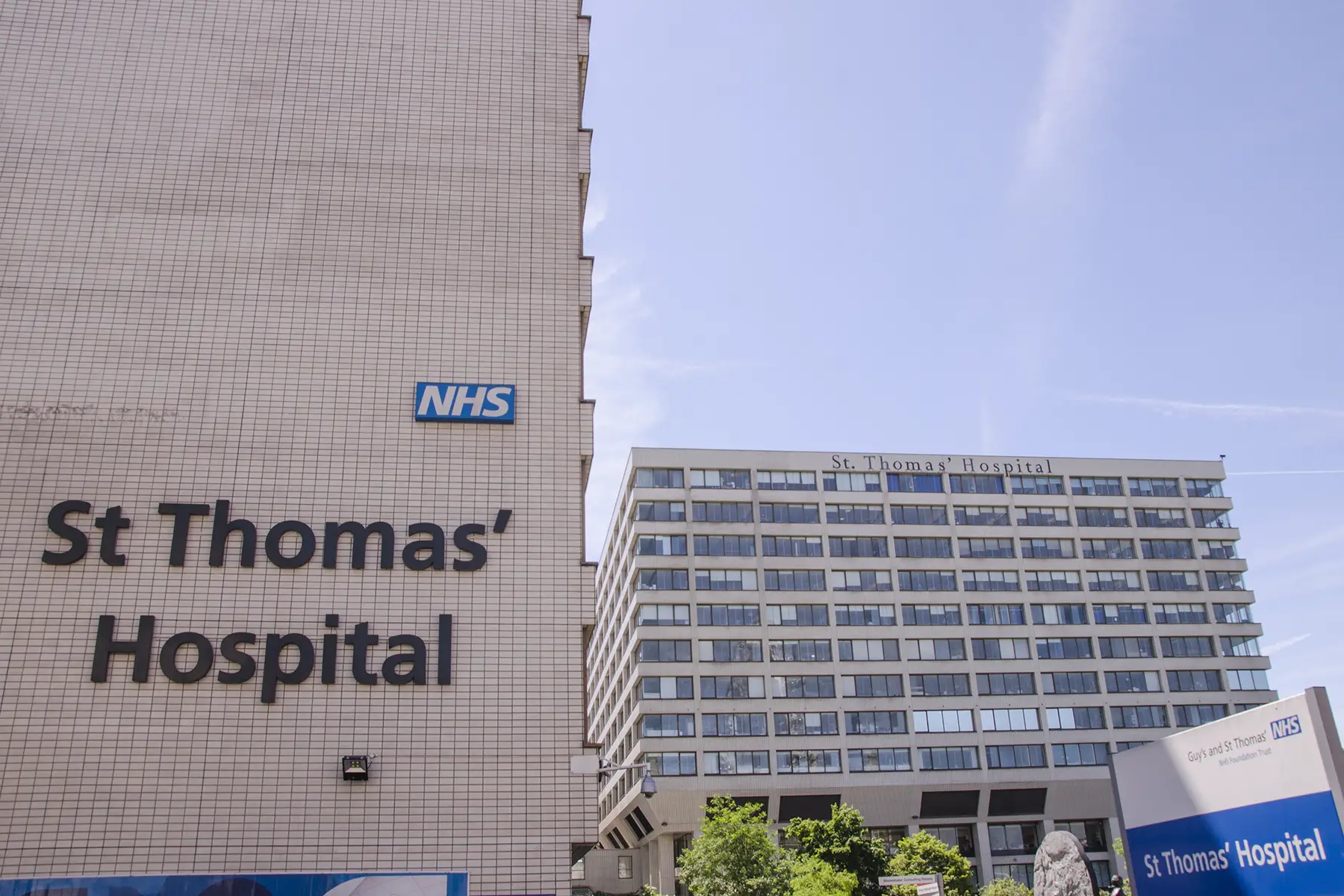
- Registering with a local doctor so that you can access healthcare in the UK through the NHS
- Applying for a National Insurance (NI) number to work and claim certain benefits in the UK
- Opening a UK bank account
- Sorting out utilities and telecommunications if these are not yet set up in your accommodation
- Getting a UK SIM card for your mobile phone
- Figuring out public transport and where to obtain travel cards
Study grants and scholarships in the UK
Most UK-funded bursaries are for citizens and permanent residents. However, as an international student, you can apply for many other scholarships, both government-funded and non-government-funded.
These are often oversubscribed, so it’s advisable to apply early. You can search for funding on:
- GOV.UK – the UK government website with information on postgraduate scholarships for international students from outside the EU
- UCAS – the Universities and Colleges Admissions Service gives information on scholarships, grants, and bursaries for all international students
- British Council – information on both global and country-specific scholarships
- Top Universities – details government, non-government, country-specific, and university-specific funding
Of course, most UK educational institutions also offer scholarships, grants, and payment plans, which you’ll find on their websites. Furthermore, you can read our comprehensive articles on the education system and studying in the UK.
Transferring foreign qualifications in the UK
As an international student, you would need to have your existing qualifications recognized and official documentation translated into English. The easiest way to transfer your foreign qualifications is through the UK National Information Centre (UK ENIC), which is the national agency for evaluating and recognizing international qualifications and skills.

For instance, an ENIC Statement of Comparability (SOC) translates any high school qualification earned abroad into a UK equivalent. The cost is £49.50 plus VAT.
You can find more information about the recognition and translation of foreign qualifications in the UK on the ENIC-NARIC website. Additionally, If you need your international professional qualifications and skills recognized, you can contact the UK Centre for Professional Qualifications (UK CPQ).
Working while studying
You can work a certain number of hours per week on a student visa. However, the hours you can do depends on what you’re studying, so always double-check the terms of your visa. If you’re on a Child Student visa and between 16 and 17, you can work up to 10 hours per week during term time and full-time during your holidays.
However, you cannot become self-employed or work as a professional sportsperson or coach. Be also aware that you cannot do any paid work on a Short-term study visa or Standard Visitor visa while studying.
Fortunately, you don’t need to apply for any additional visas or permits if you work in the UK on the Student visa. However, you will need to register for a NI number to make social security contributions.
Family members joining on a UK student visa
If you enter the UK on the Student visa, your spouse/partner and dependent children under 18 can accompany you. However, this is only allowed if your course lasts at least nine months (or six months if you’re a government-sponsored student). Note that you would need sufficient funds to support your dependants as they are not allowed to work.

In contrast, children studying on the Child Student visa cannot bring their families to the UK. However, one parent can accompany their child by applying for a Parent of Child Student visa if they are younger than 12. Beware that the parent is not allowed to work or claim social benefits, so they need sufficient funds to support themselves. The cost and duration are equal to that of the associated Child Student visa but it expires on the child’s 12th birthday.

Those on Short-term study visas and Standard Visitor visas cannot bring family members with them.
After your study finishes and your student visa expires in the UK
According to the 2018/19 data from the Office for National Statistics (ONS), around 35% of student visa holders extend their visas or successfully apply for a new visa to remain in the UK, after completing their studies.
Generally, you can extend both the Student and the Child Student visa if you want to continue your studies in the UK. However, you cannot extend either of the short-term study visas. Alternatively, you can switch to a Graduate visa if you’ve just finished a graduate or postgraduate level course and want to stay in the country for up to two years to look for work.
Alternatively, once you have obtained your qualification, you can also apply for a work-related visa if you have a job offer from a licensed sponsoring employer.
Appeals and complaints about student visas
If your student visa application is refused, you can digitally request an administrative review of the decision, which costs £80. If you are not eligible for a full review, you might be able to make a reconsideration request to the UK immigration authorities. Bear in mind that the administrative review can be a lengthy process of up to six months.
You can also file a general complaint online about services provided by the UK Visa and Immigration (UKVI) authority. You will typically receive a response within 20 working days or 12 weeks if the complaint is considered serious or complex.
If you’re not happy with the outcome, you can ask for a second review, which can take another 20 days. After this, if you are still not satisfied with the result, you can contact the Parliamentary and Health Service Ombudsman.
As appealing a visa decision can be a costly and lengthy exercise, seeking free advice before proceeding is wise. As such, Citizens Advice can provide you with support and direct you to free or low-cost legal services.
Useful resources
- Home Office Visas and Immigration (UKVI) – the government department that deals with UK visas
- UK Immigration Check app – all the information on how to use this app to load your biometric details digitally
- UK National Information Centre (UK ENIC) – the agency that evaluates and recognizes foreign qualifications
- Centre for Professional Qualifications (UK CPQ) – the organization that evaluates international professional skills and qualifications



Did you find this guide helpful?