
'%20id='ico-down'%20stroke='%23000000'%20stroke-width='1.5'%3e%3cg%20transform='translate(1092.250000,%20254.750000)'%3e%3cpolyline%20id='Path-2-Copy-4'%20transform='translate(5.500000,%202.750000)%20scale(1,%20-1)%20rotate(-180.000000)%20translate(-5.500000,%20-2.750000)%20'%20points='0%200%205.5%205.5%2011%200'%3e%3c/polyline%3e%3c/g%3e%3c/g%3e%3c/g%3e%3c/svg%3e)


Education
Language Learning
Introduction to South Africa’s 12 official languages
South Africa has 12 official languages. Learn more about these, especially the most spoken ones – isiZulu, isiXhosa, Afrikaans, and Sesotho sa Leboa.


Learning a foreign language can be challenging. However, it can feel downright intimidating when your new country has multiple official tongues, like South Africa.
Still, as a newcomer, you can easily communicate in English, too, especially in the cities. It is one of the 12 official languages most commonly used for road signs, official documents, and in business, banking, parliament, healthcare, and higher education.
However, because it will enrich your cultural experience of knowing at least one other national language, this article will focus on the most widely spoken languages in South Africa, apart from English (fourth): isiZulu (first), isiXhosa (second), Afrikaans (third), and Sesotho sa Leboa (fifth), by exploring the following topics:
Preply
Immerse yourself in the language of your new country with Preply. This app and website matches learners with online tutors so you can follow live, personalized language classes. With 50 languages to choose from, and tutors all over the world, there’s a course for everyone. Check out Preply to start your language-learning journey today.

What languages are spoken in South Africa?
South Africa is incredibly diverse and multilingual. In fact, the South African Constitution recognizes a whopping 12 languages. Interestingly, South African Sign Language (SASL) was recognized as an official language on 19 July 2023.

The table below lists the languages according to the percentage of native speakers.
| Language | Dominant in province | First language speakers |
| isiZulu (Zulu) | Kwazulu Natal, Mpumalanga | 24.4% (15.1 million) |
| isiXhosa (Xhosa) | Eastern Cape | 16.3% (10.1 million) |
| Afrikaans | Northern Cape, Western Cape | 10.6% (6.6 million) |
| Sepedi | Limpopo | 10.0% (6.2 million) |
| English | 8.7% (5.4 million) | |
| Setswana | North West Province | 8.3% (5.1 million) |
| Sesotho | Free State | 7.8% (4.8 million) |
| Xitsonga | 4.7% (2.9 million) | |
| siSwati | Mpumalanga | 2.8% (1.7 million) |
| Tshivenda | 2.5% (1.6 million) | |
| isiNdebele | 1.7% (1.1 million) | |
| SAS | 0.02% (12,400) |
The most widely spoken is IsiZulu, also known as Zulu, with first-language speakers making up almost a quarter of the population and many more being fluent users. The following most common languages are:
- isiXhosa (i.e., Xhosa)
- Afrikaans
- English
- Sesotho sa Leboa (i.e., Northern Sotho)

Although all 12 languages have official status, you’ll find that some, like English, are used more often in certain spheres, such as business, media, education, and healthcare, while others are spoken primarily in daily living and at home.
However, some schools teach in a native tongue, and many television and radio stations broadcast in different regional vernaculars.
South African Sign Language (SASL)
Out of around 4 million deaf people in South Africa, an estimated 600,000 use South African Sign Language (SASL). Since 19 July 2023, the South African government has also recognized South African Sign Language (SASL), making it the 12th official language.
Therefore, the Schools Act allows students to learn it at school in place of another official language. It is strongly influenced by American Sign Language (ASL) and has regional differences.
Important unofficial languages
San languages
The endangered San languages, spoken by the first indigenous people of southern Africa, do not have official status. Sadly, less than 23,000 users can speak it fluently; it is difficult to learn as it is more verbal than written.
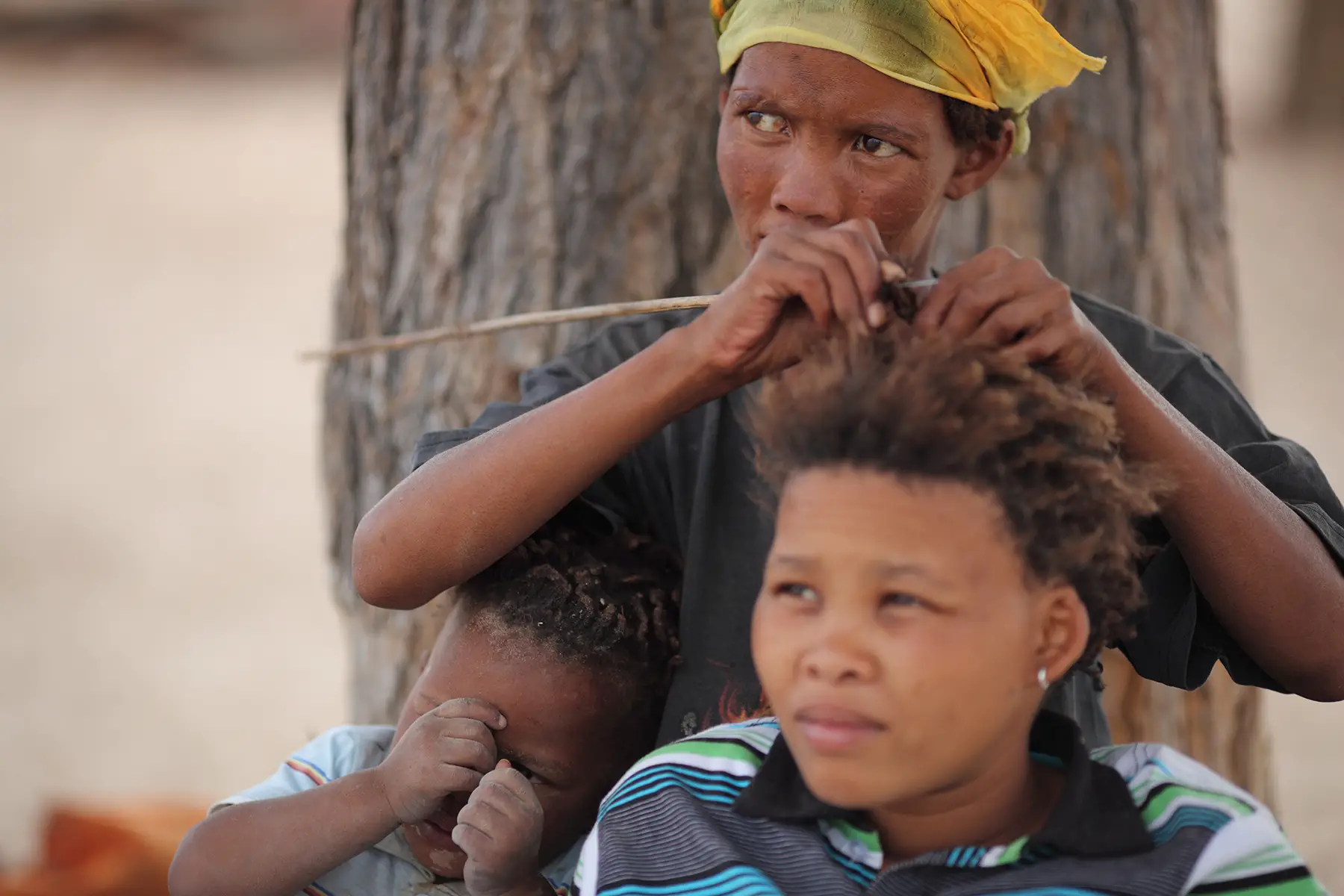
You will recognize it from its distinctive clicks (some of these can also be heard in isiXhosa and isiZulu).
These dialects are mostly spoken in South Africa, Namibia, and Botswana and include:
- ǂAmkoe
- Taa
- !Xun
- N|uu
Is there any collective South African slang?
Of course, because of South Africa’s cultural diversity, many share and adopt words from each other’s languages which became part of the collective South African slang that anyone living there will understand and enjoy using.
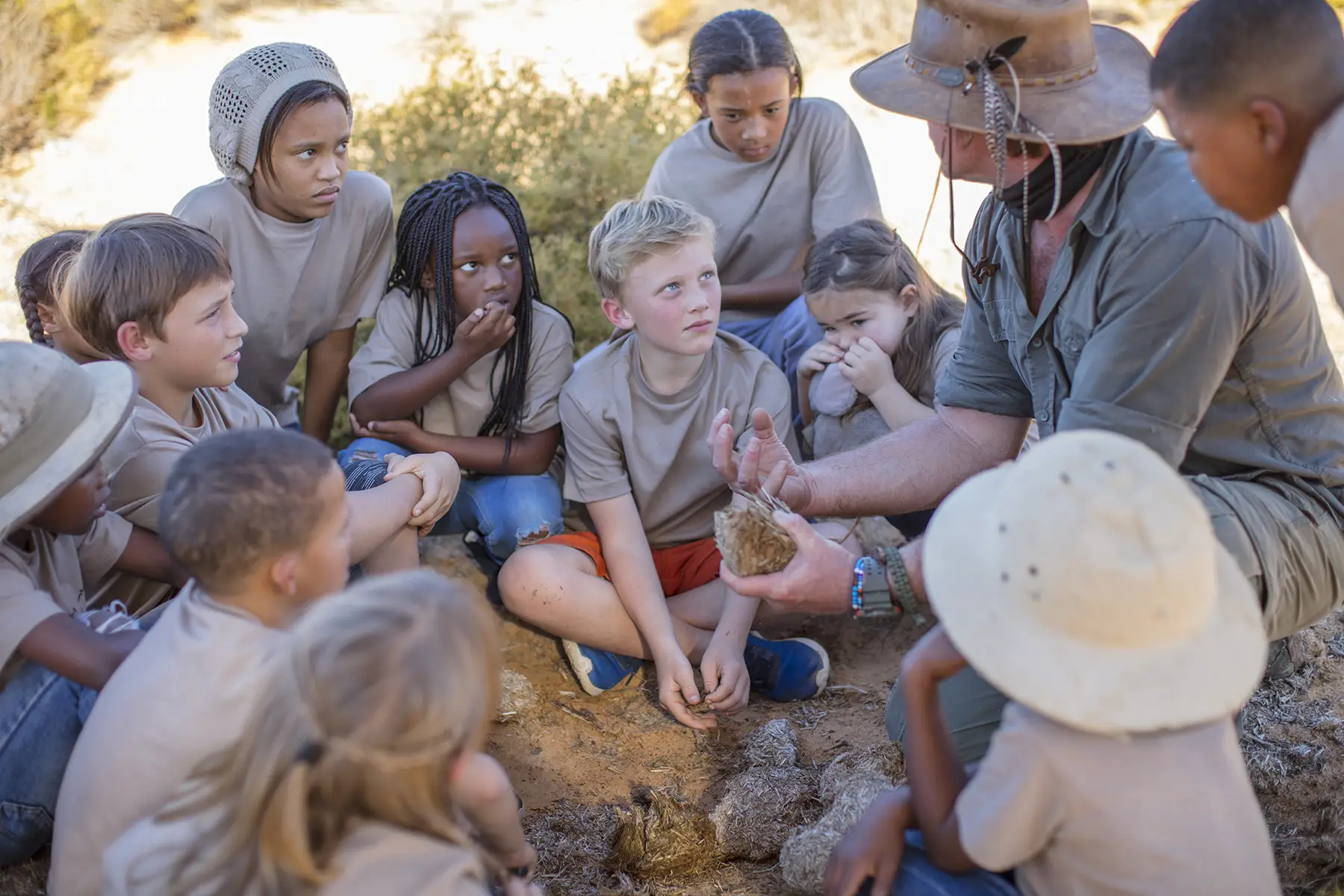
This is referred to as code-switching.
Examples
- Aikona: Indignant no
- Bliksem/Moer/Donder: Light profanity used when you are angry at someone and telling them that you want to hit them, or used as an exclamation when you hurt yourself or are in disbelief
- Biltong/Droëwors: A dried meat snack
- Braai: Barbeque
- Dagga: Cannabis
- Eina: Ouch
- Eish!: An exclamation expressive of surprise, agreement, disapproval
- Gogga: An insect, but can also be a term of endearment
- Gogo: Respectful way of addressing an older person
- Haibo: Indignant no
- Karos: Blanket of animal hides
- Kierie: Walking stick
- Klap: Slap
- Laduma: Could translate to ‘score!’ as often heard at football (known as soccer) games
- Lekker: When something is tasty or if an activity is fun, or an object is cool
- Lobola: Bride price – paid by the groom to her family, can be cattle or money
- Mlungu: Term for a white person
- Muti: Medicine, mostly from traditional healers
- Pap: Porridge similar to polenta
- Sangoma: Traditional African healer but can sometimes have a darker nuance, e.g., ‘witch doctor’
- Sharp-sharp: It is all good!
- Sheba: Tomato relish
- Tjaila: When you leave work at the end of the day
- Tjank: Refers to a dog’s howling but can also mean bawling or whining
- Tjommie: A good friend
- Voetzek!: Go away! Usually said to an animal, but will be used in anger at another person
- Tokoloshe: A mythical creature used to scare children
- Tsotsi/Skelm: A dishonest person or a thief
- Ubuntu: A positive concept of being a person through others – caring for your society
- Vrek: Refers to when an animal dies or a hyperbole adjective to explain that something is very hot, expensive, or far
- Yebo: Hallo
Of course, there are many other colorful words, phrases, and profanities that you will quickly pick up when living among South Africans, as they are an expressive nation.
Where are South African languages spoken worldwide?
Most of South Africa’s national languages are spoken primarily in the country.
For example, Zulu has almost 15.7 million native speakers worldwide, but more than 15.1 million live in South Africa, while others reside in neighboring Lesotho and Eswatini.
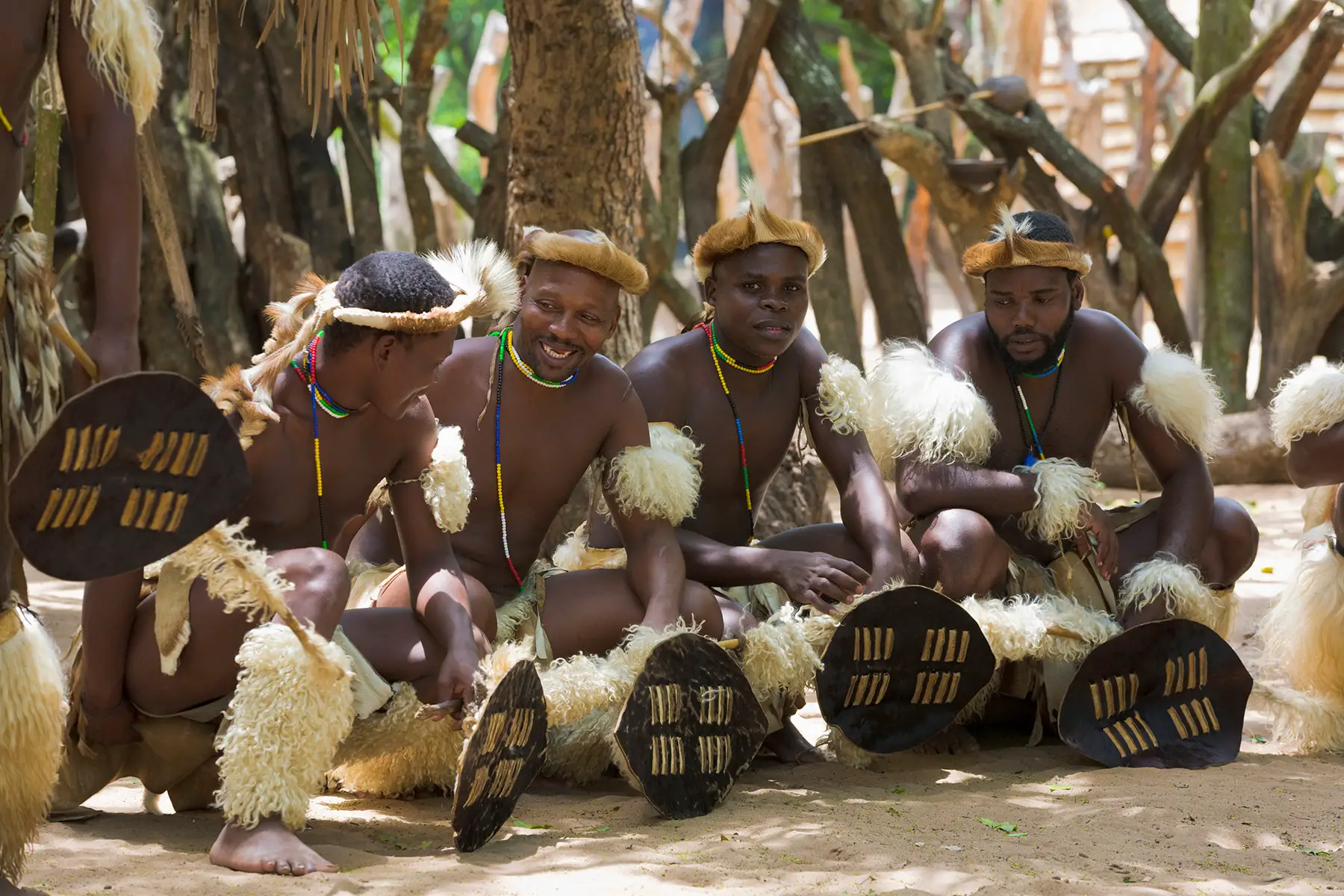
Meanwhile, about 10.1 million people speak isiXhosa and around 6.2 million Sepedi. Neither is spoken natively in other countries. More than 8 million people speak Afrikaans as their first language in the country, and some also use it in neighboring Namibia, Zimbabwe, and Botswana.
Although learning South African tongues is not common outside of the country, languages like Zulu are becoming more accessible and popular. As such, many students access the language courses at universities’ African Studies departments or learn digitally with apps like Preply.
What are the origins and history of the most spoken South African languages?
South Africa’s languages have a rich and diverse history.
isiZulu/Zulu
Belonging to the Bantu language group, isiZulu is the native tongue of the Zulu nation (amaZulu). They are part of the Central and Northern Nguni ethnic group, who may have been in South Africa since the 1300s.
Click consonants characterize isiZulu and, until the nineteenth century, was only spoken but soon evolved into a written language using the Latin alphabet. Though heard all over South Africa, isiZulu is dominant in the province of KwaZulu-Natal.
isiXhosa/Xhosa
Xhosa is also a Bantu language, and speakers can usually understand isiZulu because the Xhosa nation is also from the Nguni ethnic group (Southern). Interestingly, South Africa’s former president, the late Nelson Mandela (Madiba), was Xhosa.
The isiXhosa language is distinct with its own evolution and is spoken primarily by the Xhosa people of the Eastern Cape, said to be in South Africa since the 1500s. The first records of written Xhosa are from the 1800s.
Apparently, some Xhosa communities have adopted a mixture of isiXhosa, English, and Afrikaans in their everyday street talk.
Afrikaans
Afrikaans, a creolized version of the Dutch language, belongs to the West Germanic branch of the Indo-European language family. It also has its roots in Dutch and started in the Western Cape around the 1700s. The first book written in Afrikaans was in 1861.
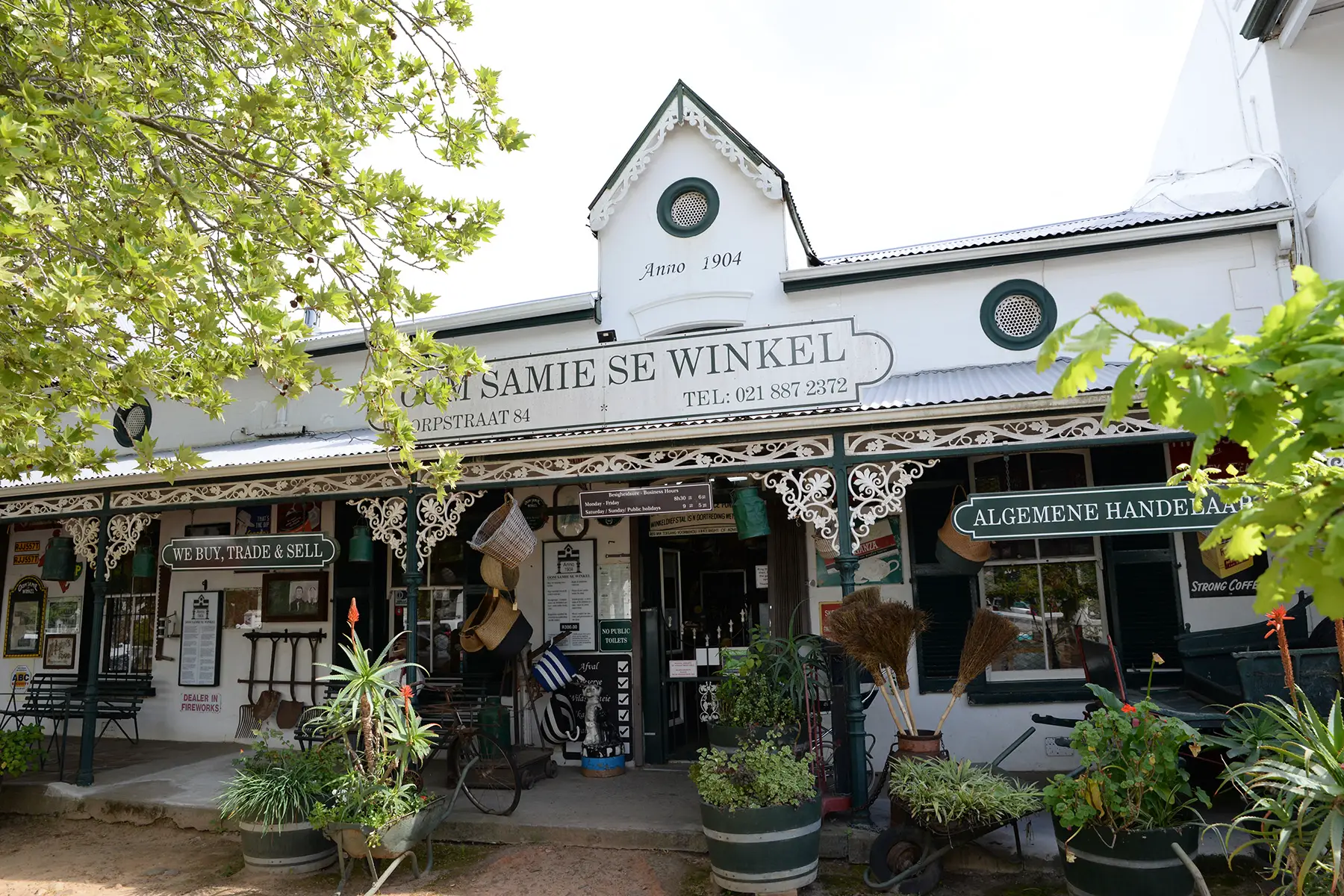
Notably, a misconception exists that Afrikaans is just a simplified version of Dutch. However, its evolution and influences – Malay, Portuguese, Indonesian, and indigenous San languages – produced different pronunciations, grammar, and colloquial phrases. Therefore, speakers will have a basic understanding when reading each other’s written tongue, yet they will find conversing challenging.
Unfortunately, one cannot mention the history of Afrikaans without acknowledging that it played a significant role in Apartheid as it was the dominant language used by the minority government. Even in the post-Apartheid era, it is still under scrutiny, but there is a movement in South Africa to change its image.
Sesotho sa Leboa/Northern Sotho
Sesotho sa Leboa is a southeastern Bantu language spoken by the Sotho people in the northeastern parts of South Africa, including:
- Tshwane (Pretoria)
- Gauteng
- Limpopo
- Mpumalanga
It is also closely related to Setwana, the dominant language spoken in neighboring Botswana. Historically, it was confused with Sepedi, which is only one dialect spoken specifically by the Bapedi people.
Are there different South African dialects?
South Africans speak many languages, but each tongue also has regional dialects and linguistic differences.
isiZulu
Zulu has two main dialects, depending on which part of KwaZulu Natal the speaker is from.
For instance, those from coastal Zululand and Southern Natal tend to speak the Lala dialect of Zulu; however, those from rural KwaZulu Natal use the Qwabe dialect.
Furthermore, Zulu speakers in urban areas will borrow more English vocabulary than their rural peers.
isiXhosa
Likewise, the Xhosa language has several different dialects, depending on the clan. These include:
- Xhosa (original)
- Bhaca
- Gcaleka
- Thembu
- Mfengu
- Mpondo
- Bomvana
- Mpondomise
- Ngqika
Afrikaans
In contrast, because Afrikaans is a relatively young tongue with mixed linguistic origins, you won’t find significantly differentiated dialects. Indeed, depending on where the speaker lives, they may also use local slang, colloquialisms, or have a regional accent, but generally, the language spoken throughout South Africa is uniform.
However, Afrikaans spoken in the Western Cape, mainly by the Coloured community, has their own unique dialect, often called Kaaps or Afrikaaps.
Notably, the term ‘Coloured’ comes from South Africa’s historical racial categorization. Therefore, many in this population group will also refer to themselves as Bruin (Brown) or identify as San and Khoikhoi (i.e., their ancestral roots).
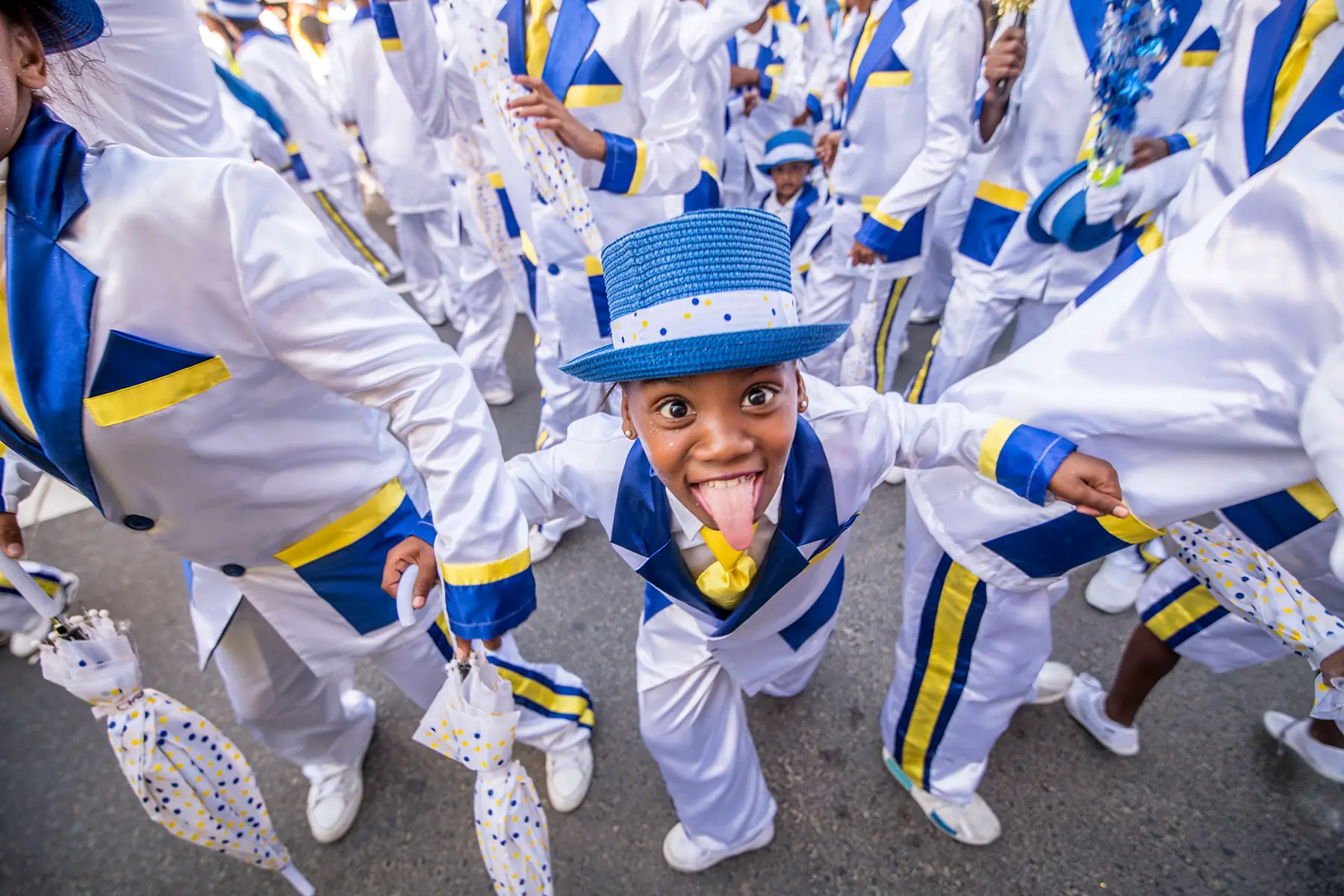
Even though it is still used officially and colloquially, there has been a recent campaign to change the name from Coloured to Camissa.
Sesotho sa Leboa
It has 27 different dialects, including:
- Pedi
- Tau
- Roka
- Kone
- Mphahlele
- Tšhwene
- Mathabatha
- Matlala
- Dikgale
- Mothiba
- Nkwana
- Molepo
- Mamabolo
- Tlokwa
- Birwa
- Kwena
- Moletši
- Hananwa
- Lobedu
- Phalaborwa
- Nareng
- Maake
- Mametša
- Tlhabine
- Pulana
- Pai
- Kutswe
Although speakers from these dialects can easily converse, the differentiation is most apparent in the written language.
Tips about the pronunciation and phonology of these South African languages
isiZulu and isiXhosa
Although Zulu and Xhosa are considered different languages, they are intelligible and have similar language structures. Both tongues also used to be primarily oral languages, but they are now written with the Latin alphabet.
Zulu and Xhosa both have five vowels, though technically, each has more once you consider long and short vowels. Moreover, both languages have dozens of consonants, including clicks, stops, fricatives, and affricates.
The most distinctive sounds in both languages are the explosive p and the clicks. There are three click-sounds:
- C-click: Dental, place the tip of the tongue behind your top front teeth and pull down, it sounds like ‘tut-tut’
- X-click: Lateral, tongue pressed up against the upper side teeth, similar sound to what an equestrian makes to encourage a horse
- Q-click: Alveolar, the loudest by making a ‘clop!’ sound, snapping your tongue down from your palate
Afrikaans
Afrikaans uses the Latin alphabet and is primarily a phonetic language, meaning you pronounce the words as you write them. Therefore, once learners know how to pronounce the letters, they can easily pronounce words.
The language has 20 vowels and consonants, respectively. Speakers tend to roll their r‘s – more pronounced in the Cape region than the rest of the country – and pronounce certain letters similar to German or Dutch. For example, the letter w is pronounced as v, and the letter g is pronounced like the ch in Loch Ness (something that doesn’t exist in English).
Sesotho sa Leboga
Sesotho has mixed origins and differs significantly from other Bantu languages. It comprises 39 consonantal phonemes and nine vowel phonemes. Consonants include stops, nasals, approximants, fricatives, trills, affricates, and clicks. Indeed, it also inherited the click consonants from the Khoisan and Nguni languages.
However, its click sounds differ from isiZulu and isiXhosa, with the whole tongue against the palate and front teeth and quickly pulling it down. And only the following sounds have clicks:
- Nq: Nasalized, as in nqalo (place)
- Q: as in qeta
- Qh: Aspirated, as in qhitsa (drip)
- Qhw: Aspirated, as in qhwaya (wave)
A few handy phrases
General greeting
| Language | Phrase |
| isiZulu | Sawubona (sg)/ Sanibonani (pl) |
| isiXhosa | Molo (sg)/ Molweni (pl) |
| Afrikaans | Hello/ Goeie môre/middag/naand (morning/afternoon/evening) |
| Sesotho sa Leboa | Dumêla (sg)/ Dumêlang/ Thôbela (pl) |
| Casual slang | Howzit |
Yes – No
| Language | Phrase |
| isiZulu | Yebo – Cha |
| isiXhosa | Ewe – Hayi |
| Afrikaans | Ja – Nee |
| Sesotho sa Leboa | Ee – Aowa |
Please – Thank you
| Language | Phrase |
| isiZulu | Ngiyacela/Ake/Siza – Ngiyabonga |
| isiXhosa | Ndiyacela/Nceda – Ndiyabulela/Enkosi |
| Afrikaans | Asseblief – Dankie |
| Sesotho sa Leboa | Ka kgopelo – Ke a leboga |
How are you? I am fine, thank you, and you?
| Language | Phrase |
| isiZulu | Q: Unjani? (sg)/ Ninjani? (pl) A: Ngikhona, ngiyabonga. Wena unjani? (sg) Sikhona, siyabonga. Nina ninjani? (pl) |
| isiXhosa | Q: Unjani? (sg)/ Ninjani? (pl) A: Ndiphilile enkosi, unjani wena? (sg) Ndiphilile enkosi, ninjani nina? (pl) |
| Afrikaans | Q: Hoe gaan dit met jou? A: Goed dankie, en met jou? |
| Sesotho sa Leboa | Q: O kae?(sg)/ Le kae?(pl) A: Ke gona wena okae?(sg)/ Re gona lena le kae?(pl) |
What is your name? My name is/I am…
| Language | Phrase |
| isiZulu | Q: Ngubani igama lakho? A: Igama lami ngu… |
| isiXhosa | Q: Ungubani igama lakho? A: Igama lam ngu … |
| Afrikaans | Q: Wat is jou naam? A: My naam is/Ek is…. |
| Sesotho sa Leboa | Q: Ke wena mang? A: Ke nna … |
I don’t understand. Do you speak English?
| Language | Phrase |
| isiZulu | Angizwa. Ukhuluma isiNgisi na? |
| isiXhosa | Andiqondi. Uyakwazi ukuthetha isiNgesi? (sg)/ Niyakwazi ukuthetha isiNgesi? (pl) |
| Afrikaans | Ek verstaan nie. Praat jy Engels? |
| Sesotho sa Leboa | Ga ke kwešiše. Na o belela Seisimane? |
Where is…?
| Language | Phrase |
| isiZulu | Ukuphi….? |
| isiXhosa | Liphi…? |
| Afrikaans | Waar is…..? |
| Sesotho sa Leboa | …. e kae? |
Excuse me. Can you help me?
| Language | Phrase |
| isiZulu | Uxolo. Ungangisiza? |
| isiXhosa | Uxolo. Ungandinceda? |
| Afrikaans | Verskoon my. Kan jy me help? |
| Sesotho sa Leboa | Ntshwarele/Tshwarelo. Na o ka nthuša? |
Goodbye
| Language | Phrase |
| isiZulu | Sala kahle (sg) (to the person staying)/ Salani kahle (pl) Hamba kahle (sg) (to the people leaving)/ Hambani kahle (pl) |
| isiXhosa | Sala kakuhle (to the person staying)/ Salani kakuhle (pl) Hamba kakuhle (to the person leaving)/ Hambani kakuhle (pl) |
| Afrikaans | Totsiens |
| Sesotho sa Leboa | Gabotse Sala hantle (said to the person staying) Tsamaya hantle (said to the person going) |
| Casual slang | Cheers! Baai! Sharp-sharp! |
What are the most important grammar rules?
isiZulu and isiXhosa
The Zulu and Xhosa languages do not have gendered nouns nor use definite and indefinite articles.
Both languages, however, are tonal: the same word with different intonation will have a different meaning. Both tongues also have 15 noun classes, which vary based on the kind of noun described.
The usual word order in Zulu and Xhosa is: SUBJECT + VERB + OBJECT.
For example, in Zulu, to say ‘the person is walking,’ you would say umuntu [subject] uyahamba [verb]. In Xhosa, it’s much the same. For example, to say ‘mother is driving,’ you would say umama [subject] uyaqhuba [verb].
As no male or female pronouns exist in either language, you must figure out whether the speaker is referring to a man or a woman by context clues.
Afrikaans
Afrikaans is not a tonal language; unlike Spanish or French, it does not use gendered nouns.
Similarly to English and Dutch, the basic sentence pattern of Afrikaans is: SUBJECT + VERB + OBJECT. For example, the sentence I drink coffee would be the same in Afrikaans, Ek drink koffie.
However, it has a simplified grammatical structure compared to Dutch, with quite a few deviations. One of the most notable differences includes using the double negative in Afrikaans. For example, in Dutch, the phrase, I do not speak English is translated as, Ik spreek geen Engels, but in Afrikaans, you would say, Ek praat nie Engles nie.
Afrikaans only has one definite article, die, instead of de and het, and the possessive becomes se, instead of an apostrophe s. For example, the Dutch Toby’s hond becomes Toby se hond.
Generally, Afrikaans does not conjugate verbs using the same in infinitive and present tense. For example, I have paid, simply becomes Ek het betaal, while in Dutch, you will say, Ik heb betaald, which conjugates the verb betalen. Also, the subject does not change the verb in Afrikaans. To illustrate, the phrase I am, he/she is, we are, becomes ik ben, hij/zij is, wij zijn in Dutch, but in Afrikaans, you only use ek is, hy/sy is, ons is.
Sesotho sa Leboa
Like isiZulu and isiXhosa, Sesotho is a tonal language.
However, its sentence structure looks different: SUBJECT + SUBJECT CONCORD + VERB + OBJECT/ADVERB. For example, the man is walking is translated as monna [subject] o [subject concord] a [only added in the absence of object/adverb] tsamaya [verb]. To change this sentence into a negative, you have to add ha before the subject concord and change the verb ending to e; monna ha o tsamaye.
Sesotho sa Leboa involves a complex noun prefix system with 18 classifications, determining the subject concord.
Fun facts about languages in South Africa
- English is the most commonly taught language in South Africa, followed by Afrikaans
- Many South African children grow up speaking at least three languages: English, Afrikaans, and their mother tongue
- Zulu (meaning sky or heaven) is both a language and the name of the kingdom, established by its famous warrior-king or chief, Shaka Zulu (1787–1828)
- Even though more people speak isiZulu, isiXhosa is more widely distributed throughout South Africa
Should you try to learn a South African language?
Of course, you can communicate easily in English. Nevertheless, learning a local language is a good idea if you plan to stay for a while. However, focus on the dialect most spoken in your region.
Especially in rural or remote areas or with older people, it would be helpful to know even a few words in their native tongue. Most likely, it will endear you to the local population, and as South Africans are known for their warmth and hospitality, they would most likely help you with your pronunciation and colloquialisms.

One of the simplest ways to learn a South African language is to attend a community, university, or language school course in your city. Alternatively, consider asking a neighbor or colleague to be your language partner for daily practice.

Did you find this guide helpful?