'%20id='ico-down'%20stroke='%23000000'%20stroke-width='1.5'%3e%3cg%20transform='translate(1092.250000,%20254.750000)'%3e%3cpolyline%20id='Path-2-Copy-4'%20transform='translate(5.500000,%202.750000)%20scale(1,%20-1)%20rotate(-180.000000)%20translate(-5.500000,%20-2.750000)%20'%20points='0%200%205.5%205.5%2011%200'%3e%3c/polyline%3e%3c/g%3e%3c/g%3e%3c/g%3e%3c/svg%3e)




'%20fill='%23000000'%3e%3cg%20id='icons'%20transform='translate(56.000000,%20160.000000)'%3e%3cpath%20d='M144,7339%20L140,7339%20L140,7332.001%20C140,7330.081%20139.153,7329.01%20137.634,7329.01%20C135.981,7329.01%20135,7330.126%20135,7332.001%20L135,7339%20L131,7339%20L131,7326%20L135,7326%20L135,7327.462%20C135,7327.462%20136.255,7325.26%20139.083,7325.26%20C141.912,7325.26%20144,7326.986%20144,7330.558%20L144,7339%20L144,7339%20Z%20M126.442,7323.921%20C125.093,7323.921%20124,7322.819%20124,7321.46%20C124,7320.102%20125.093,7319%20126.442,7319%20C127.79,7319%20128.883,7320.102%20128.883,7321.46%20C128.884,7322.819%20127.79,7323.921%20126.442,7323.921%20L126.442,7323.921%20Z%20M124,7339%20L129,7339%20L129,7326%20L124,7326%20L124,7339%20Z'%20id='linkedin-[%23161]'%3e%3c/path%3e%3c/g%3e%3c/g%3e%3c/g%3e%3c/svg%3e)
'%20fill='%23000000'%3e%3cg%20id='icons'%20transform='translate(56.000000,%20160.000000)'%3e%3cpath%20d='M335.821282,7259%20L335.821282,7250%20L338.553693,7250%20L339,7246%20L335.821282,7246%20L335.821282,7244.052%20C335.821282,7243.022%20335.847593,7242%20337.286884,7242%20L338.744689,7242%20L338.744689,7239.14%20C338.744689,7239.097%20337.492497,7239%20336.225687,7239%20C333.580004,7239%20331.923407,7240.657%20331.923407,7243.7%20L331.923407,7246%20L329,7246%20L329,7250%20L331.923407,7250%20L331.923407,7259%20L335.821282,7259%20Z'%20id='facebook-[%23176]'%3e%3c/path%3e%3c/g%3e%3c/g%3e%3c/g%3e%3c/svg%3e)

France is undoubtedly one of Europe’s most beautiful countries. From the rugged peaks of the Alps and the Pyrenees to the sweeping beaches of the Atlantic coastline, there is plenty to fall in love with. And that’s without exploring the many historic cities, the vibrant culture, and of course, the delicious French cuisine.
But it’s not just visitors who love France. On the contrary, the country is also popular among expats looking for a little joie de vivre. However, whether you’re dreaming about starting a new life in Montmartre or Montpelier, there are a few things that you should consider before making the big move, such as visa requirements and housing options. To give you an idea of what you need to do, this helpful checklist includes everything you need to think about before moving to France.
- Quick summary: things to know before moving to France
- Do your research
- Decide where you want to live
- Arrange your French visa
- Move your belongings to France
- Arrange your pet’s move to France
- Think about health insurance
- Start looking for a job
- Sort out your finances
- Find somewhere to live
- Think about French education
- Get an International Driving Permit
- Brush up on your French
- Indulge in French culture
AnyVan
Stressed about moving to France? Not anymore. AnyVan is your all-in-one answer to a smooth, affordable international move- without the chaos. Whether you’re relocating a few boxes or your entire life, AnyVan’s expert movers, unbeatable prices, and zero-hassle service make it feel effortless. They handle everything – packing, customs, paperwork, logistics – so you can just breathe. With trusted pros, flexible scheduling, and savings up to 40% compared to other companies, it’s no wonder over 3 million people have chosen AnyVan.

Quick summary: things to know before moving to France
- France is a member of the European Union (EU). If you’re coming from outside the EU or the European Free Trade Association (EFTA), you’ll usually need a visa or residence permit to live there.
- France is one of the world’s most developed economies, offering a high standard of living – but also higher living costs than many other countries. It’s important to look into everyday expenses before moving.
- Learning some French before you arrive will make life much easier. While many people in big cities speak some English, most services and official documents are in French, and English is less common in smaller towns and rural areas.
- Healthcare in France is universal and mandatory. Residents are covered by the public health insurance system, but newcomers may need private coverage until they qualify for public care.
- France is generally safe and welcoming, with strong human rights protections, including for women and LGBT+ people. Like anywhere, it’s wise to stay alert, especially in large cities where petty crime can occur.
Do your research
For many people, the thought of living in France conjures up images of sipping on a café au lait under the Eiffel Tower while being serenaded by a local accordionist. After all, it’s easy to get swept away by the romanticized depiction of the country that we so often see in movies. However, in reality, everyday life in the country is a long way from Hollywood, and it’s essential that you take a closer look into what France is actually like before making the move.

Your research should cover everything from the general cost of living and the price of groceries at your local supermarket to the quality of schools in your neighborhood. You might also want to connect with the local expat community in the area you are moving to. To give you a running start with your research, check out these three articles:
Decide where you want to live
Once you’ve done some research and realized just how much you like the sound of French life, your next step is to think about where you want to live. For some expats, this will be decided by outside forces, such as family commitments or a job offer. However, if your options remain open, make sure you give plenty of thought to where you want to settle. After all, it’s going to be your next home away from home.
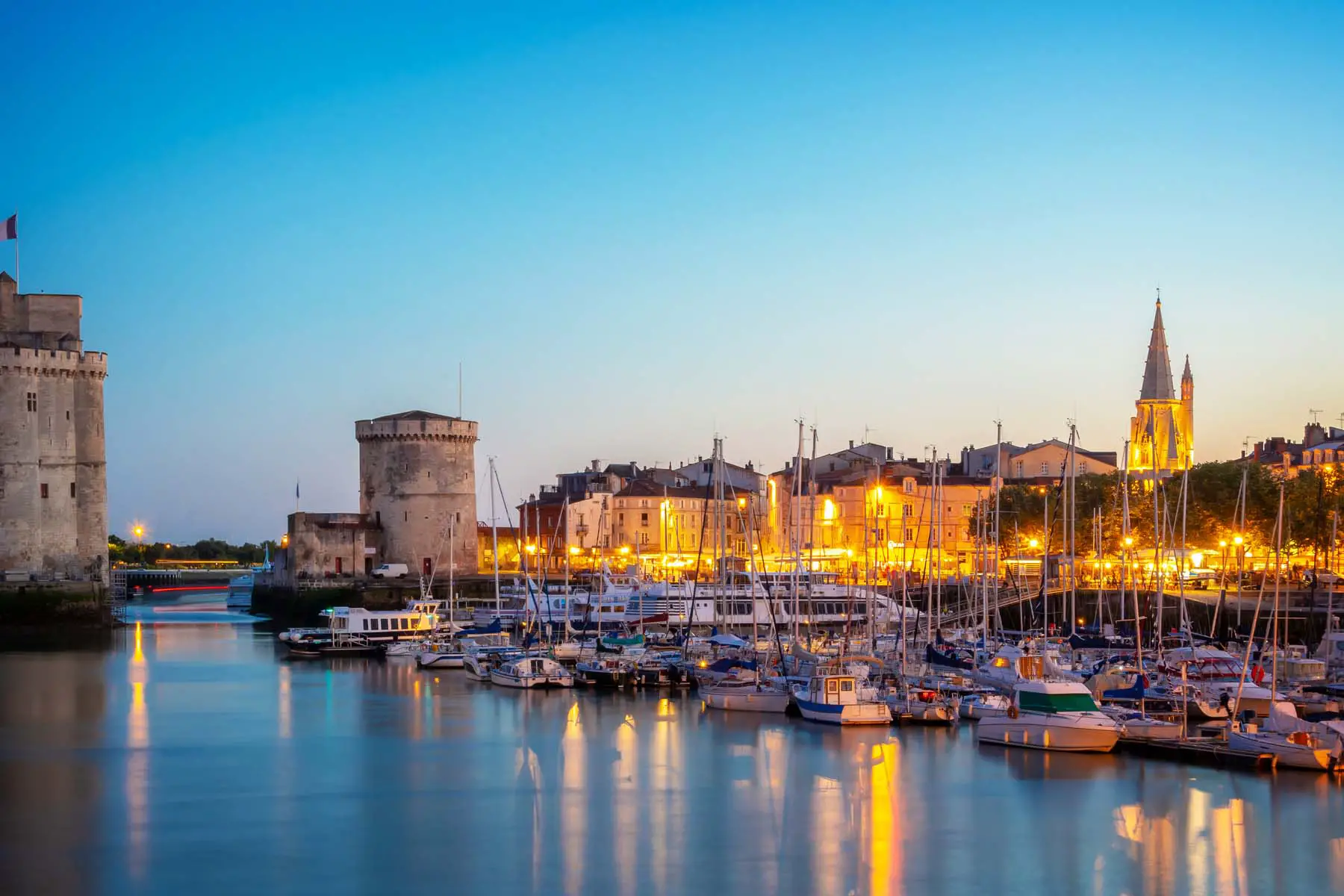
As you might expect from a country of its vast size, France is a land of contrasts thanks to its varied geography. While some expats will seek the hustle and bustle of Paris, others will flock to the verdant rural communities or head to the resorts of the mountains and coastline. For more information on where you could move to, read our guide to the best places to live in France.
Arrange your French visa
Once you’ve decided to move to France and picked out which department you want to call home, you’ll need to work out your visa options. France is a member of the European Union (EU), which means that if you’re a citizen of an EU/EEA member state, you have the right to move there under the Freedom of Movement Act. However, if you’re a UK citizen, you’ll need to check the latest visa requirements from the French government.
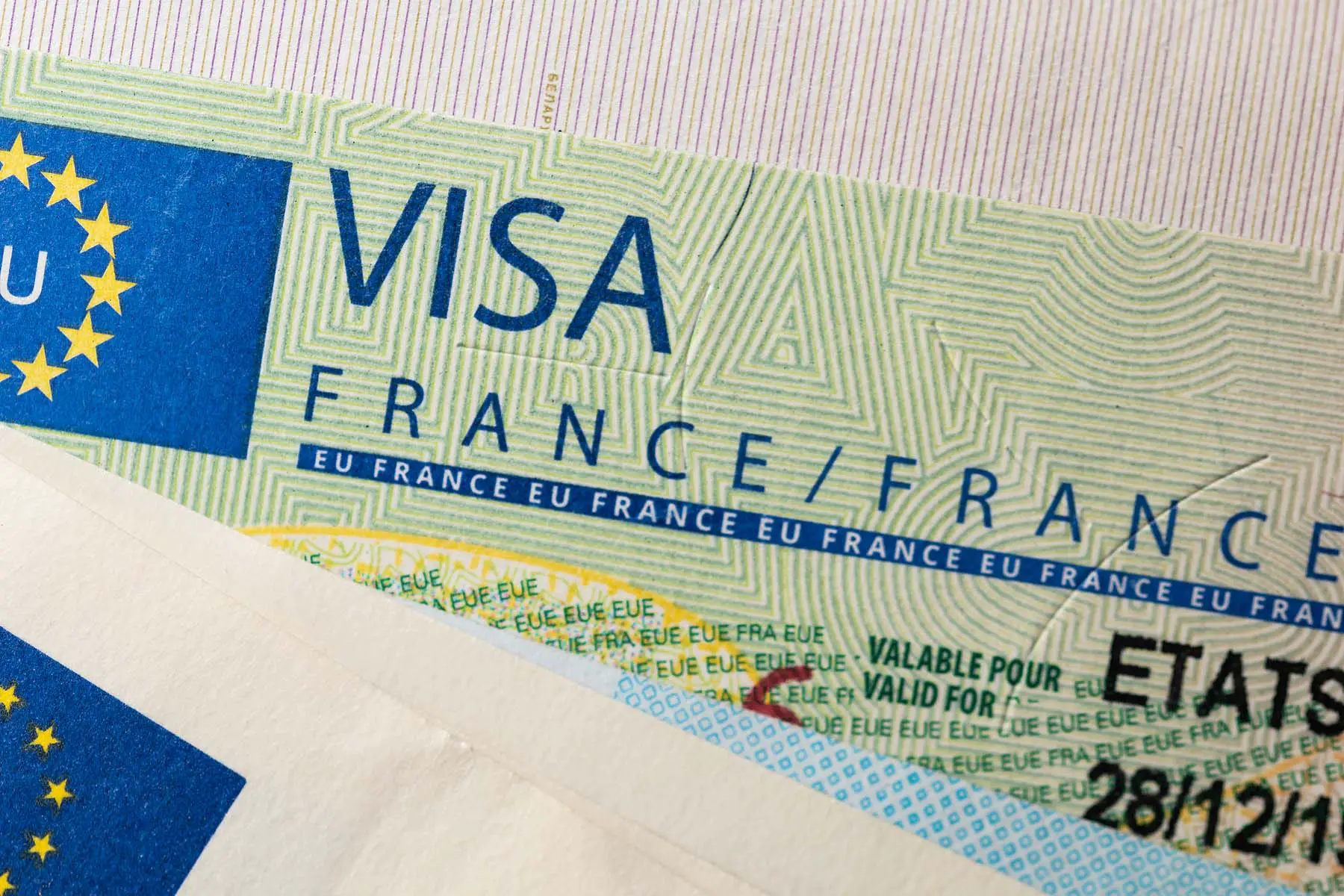
If you’re not from an EU/EEA country, then you may need a visa to even enter France for a short period of time. However, the requirements depend on your nationality, so make sure to check ahead of time to avoid any disappointment. To stay longer than 90 days, non-EU/EEA citizens must apply for a long-term French visa (visa long de séjour) and residence permit. For more information, read our guide to French visas.
Types of visas available
Common long-stay visas available in France include:
- Work visas – for employment, self-employment, or business activities
- Study visas – available to students with a placement offer at a French university or higher education institution
- Family visas – to join certain relatives who are French citizens or legal residents
- Retirement visas – for people with sufficient income to support themselves without working
Required documents checklist
Documents vary by visa type, but you’ll usually need:
- Valid passport and two recent photos
- Proof of financial means to support yourself
- Supporting documents related to your visa type (e.g., employment contract, university acceptance letter, or proof of family relationship)
- Health insurance covering you until you can access public healthcare
- Background check or criminal record certificate, if requested
Processing times and costs
The standard cost of a French visa for long-stay purposes is €99. You will need to pay this when you make your application. The processing time for visa applications is usually around 15 days. It’s a good idea to apply at least a month or two ahead of your planned move to account for any possible delays.
Cost of living in France: budget planning guide
The cost of living in France can vary widely depending on factors such as your lifestyle choices and where you live. You will need to budget for things such as:
- Housing costs and utility bills
- Food and groceries
- Travel costs, which may include vehicle maintenance
- Healthcare costs
- Education and childcare costs, if you have children
- Clothing and other essentials
- Leisure costs
According to the Numbeo website, France is the 20th most expensive country worldwide out of 143 ranked (2025). However, prices differ significantly by region. The most expensive cities include Paris, Strasbourg, and Lyon.
Average overall costs (excluding rent/mortgage) work out at:
- €800-€900 a month for a single person
- Around €3,000 for a family of four.
Also bear in mind the cost of moving to France. Relocation costs will depend on how much you bring with you, the shipping method you choose, and whether you use a professional moving service.
Housing costs breakdown
Housing is often the biggest expense, and costs vary greatly by city. Larger urban areas are usually more expensive than smaller towns or rural regions.
Below is a snapshot of average monthly rent, purchase prices, and utility costs in selected French cities, based on Numbeo data (2025). Prices are estimates and can fluctuate, so it’s a good idea to check real estate websites for current listings.
| City/area | Monthly rent (1 bed city centre) | Monthly rent (3 bed city centre) | Apartment purchase price per sq m | Monthly utilities |
| France (overall average) | €756.35 | €1,411.37 | €5,254.08 | €184.78 |
| Paris | €1,389.03 | €2,978.57 | €11,600.00 | €224.41 |
| Lyon | €827.41 | €1,624.38 | €5,772.17 | €227.13 |
| Marseille | €626.27 | €1,206.25 | €4,404.20 | €178.41 |
Move your belongings to France
One of the most important aspects of international relocation is working out how to transport your belongings and this process will largely depend on where you are coming from. Some expats find international removals a daunting task, so make sure you start early and give yourself plenty of time to pack things up ahead of the move.
The Relocator
Pitching up in Paris or saying bonjour to Bordeaux? Wherever you’re heading, take the stress out of your move to France by letting The Relocator find the right international shipping options for you. Compare a number of trusted international movers and get a free quote in minutes. Wherever life in France takes you, get there with The Relocator.
Getting your belongings across borders and oceans can seem like a challenge, but it doesn’t have to be. Many expats prefer the security of using a global relocation company. These know all about personal and corporate relocations and should be your first port-of-call for the move. They also provide storage options which can be a great help if you don’t already have a home arranged in France. Relocation companies include:
For more information on preparing your move, read our guide to relocation options for moving to France.
Arrange your pet’s move to France
Fortunately for animal lovers, France is a great place for pets. Whether you have a dog that will love running along those Normandy beaches or a cat that will enjoy basking in the warm Mediterranean sun, they will get to live their best life in l’Hexagone. But if you want to relocate with your furry friend, sorting out their needs should be high on your checklist for moving to France. Just be prepared for the fact that the process can be a lengthy one depending on where you are moving from. This is especially true if you’re arriving from a non-EU country, so be sure to start sorting things out early.

While it’s important to know the rules and requirements for importing a pet into France yourself, there are also plenty of options to help you out. Many relocation companies, for instance, can help arrange your pet’s journey; from getting the right paperwork to arranging any accommodation your four-legged friends might need along the way. And while the journey might be a little stressful for your pet, rest assured that they will soon fall in love with their new home in France.
Think about health insurance
French law dictates that all residents must have health insurance, and that includes all new arrivals. Most expats moving to France are eligible for the local universal public healthcare system, Protection Maladie Universelle (PUMA). However, if you’re not eligible for the PUMA – or you simply want to top-up your protection – then you might want to take out private health insurance.
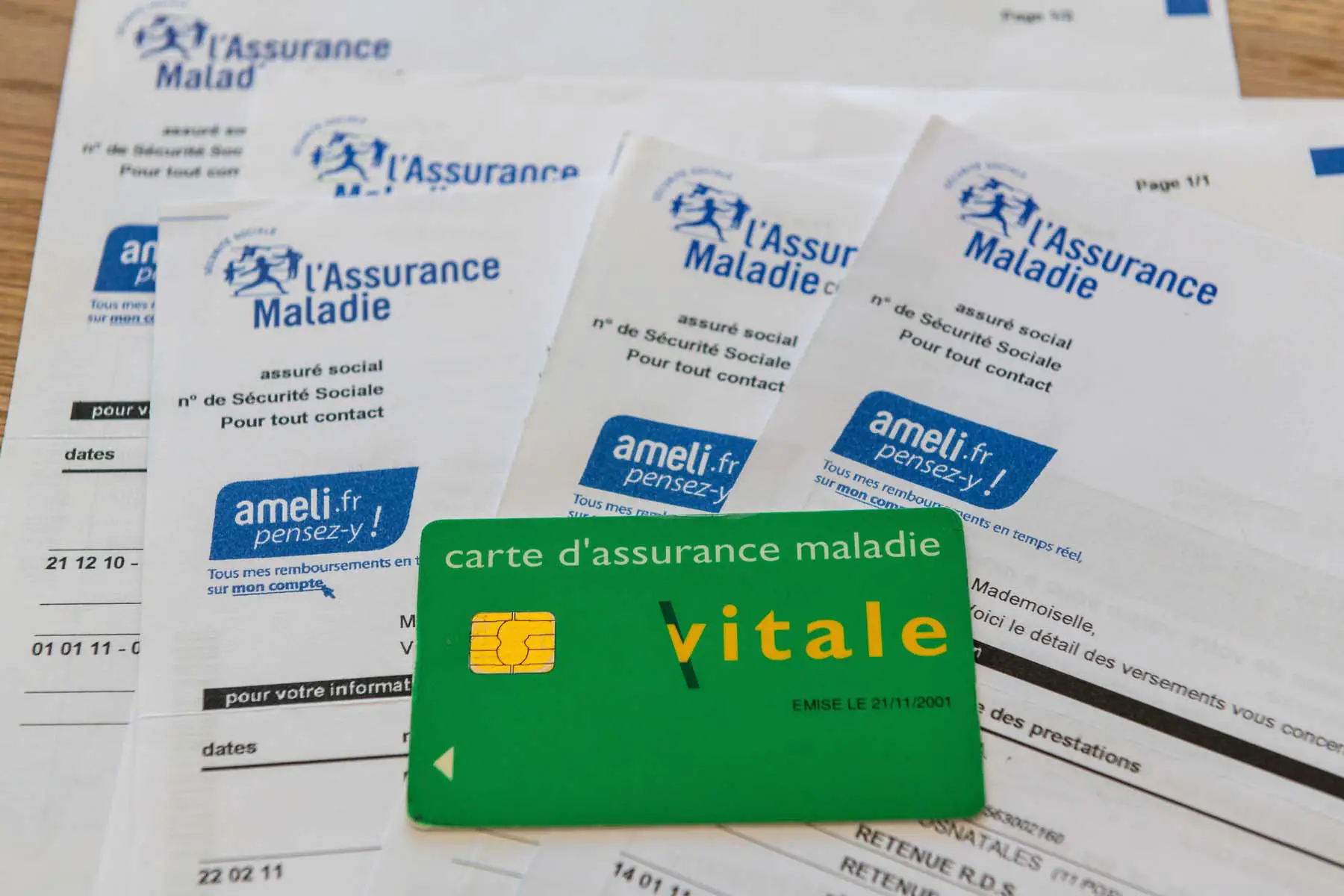
Luckily, though, there are plenty of options when it comes to getting health insurance in France. Many international arrivals choose to take out a policy with a global health insurance provider, such as the following:
Cigna Global – Get 10% off in November
Enjoy peace of mind while living in France with Cigna Global’s long term international health insurance plans (12+ months.) Secure your expat plan now and enjoy 10%* off for the life of your policy. *T&Cs apply.
Sorting out your health insurance coverage ahead of time can give you and your family peace of mind while you are busy sorting out your move to France, particularly if certain details are yet to be confirmed.
If you’re only moving to France for a short time, you might consider getting travel insurance. Companies such as Allyz offer this.
Start looking for a job
Some expats moving to France will be lucky enough to already have a job offer secured before they even step foot on French soil. However, for many others, relocating to France means getting straight out there on the job market. If this sounds like you, then you can give yourself a headstart on the competition by starting your job search before you leave home.

Generally speaking, the French job market is fairly varied geographically, with some regions and cities being much more buoyant than others. And if you’re still working on improving your language skills, you’ll probably find more job opportunities in one of the big French cities. However, if your French is fantastique, then you’ll find a lot more doors open for you. But either way, you should get a head start on your competition and ensure that your resume is written in the local French style.
You can look for jobs online through well-known search platforms, including:
Sort out your finances
When moving abroad, it’s important to have a good idea of your financial situation throughout the process. After all, even when relocating with the intention of keeping costs down wherever possible, you’ll soon be surprised by just how fast your money goes. Unfortunately, there always seem to be additional payments and costs that even the most well-planned move doesn’t account for.

To ensure that you keep costs to a minimum when transferring funds overseas, you’ll need to use an online money transfer platform. These can be a great way to avoid bank charges while moving money across to France while helping tide you over until that all-important first paycheck. Some of the leading money transfer services include:
For more information, read our guide to making international money transfers.
Banking and financial services in France
One of the first things you might want to do upon moving to France is open a French bank account. France has a highly developed banking system consisting of national, regional, and international banks, as well as newer online-only and mobile banks. There are also money transfer and financial service providers that can help you manage funds between countries.
Some French banks allow you to open up an account before relocating, although services may be more limited. Others will require proof that you live in France before opening an account.
Opening a bank account
To open a bank account in France, you will usually have to follow these steps:
- Choose your desired bank and account type – research the different providers and decide on which type of account you want (e.g., current account, savings account).
- Gather your documents – these typically include personal ID, proof of address, and sometimes proof of French residence or visa status.
Make your application – some French banks allow online applications, while others may require you to visit a branch in person.
Find somewhere to live
Dreaming of that cottage in Provence? Or maybe a chalet in the mountains? Whatever your perfect French home looks like, chances are you’ll need to find short-term accommodation to tide you over when you first move to France. Not only is this typically the easiest accommodation to find, but it will also give you plenty of time to get your bearings and decide where you and your family want to live in France.
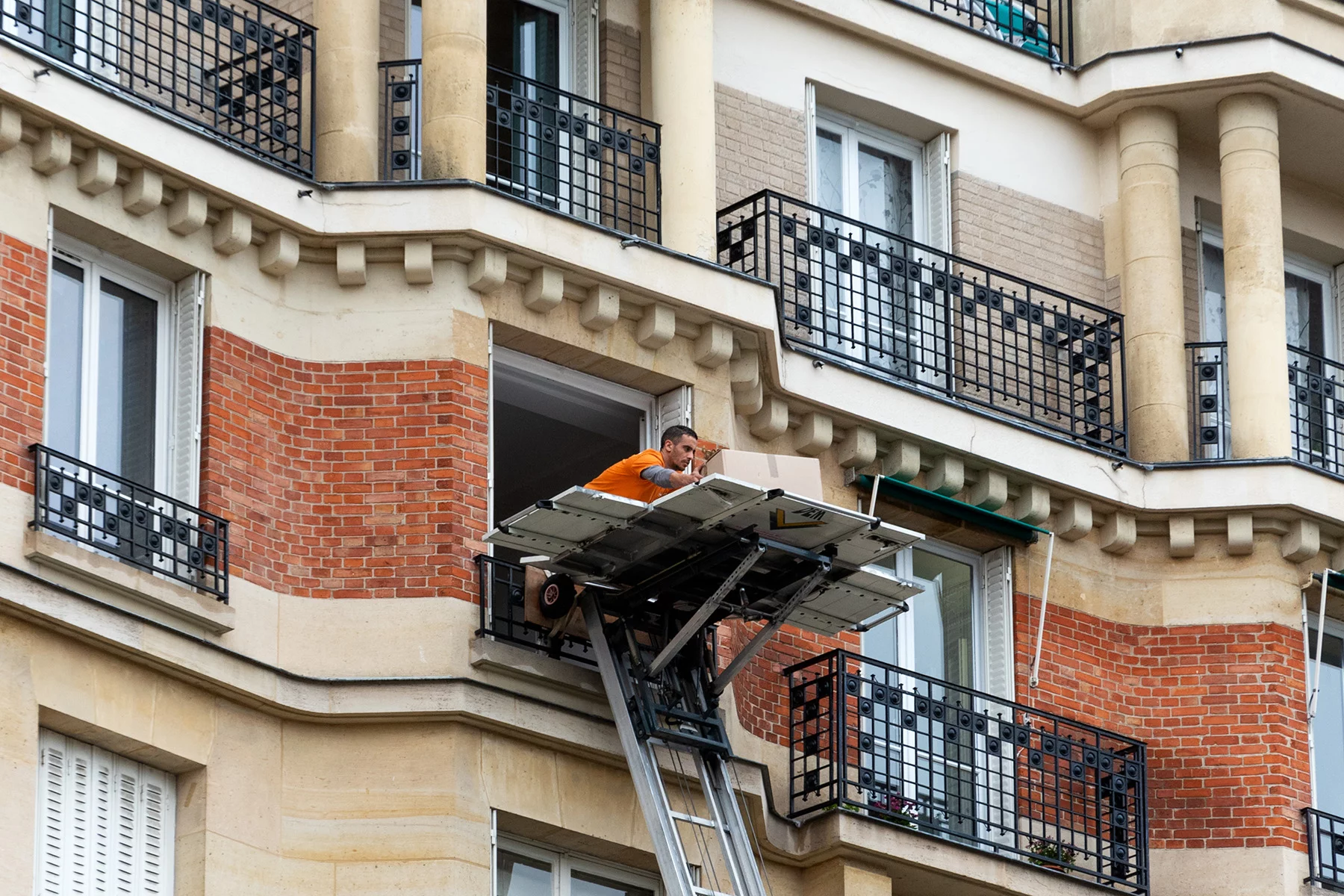
Some expats will be lucky enough to have their new employer sort out their accommodation upon arrival in the country. For the vast majority, however, this isn’t the case. If you’re in need of somewhere temporary, a serviced apartment can be a great option for the first few weeks or months. Alternatively, you might find longer-term leases on some online accommodation portals. This would give you time to plan your next move and decide whether you want to rent or buy a property in France.
Your housing choices will depend on where in France you live, your budget, and your lifestyle. For example:
- Young professionals may prefer areas with good nightlife and culture.
- Families often look for quieter areas with good schools and parks.
- Retirees might choose expat-friendly areas with more English-speaking residents.
- Budget-conscious movers may focus on more affordable towns or suburbs.
If you plan to stay in France long-term, you might consider buying a home. There are no restrictions on foreigners buying property in France, although getting a mortgage can sometimes be more challenging for non-residents.
Most newcomers, however, start by renting accommodation. This is often the easiest option – especially if you’re unsure how long you’ll stay or you’re moving to one of France’s more expensive cities. You’ll find plenty of rental options across the country, both furnished and unfurnished,including apartments (appartements) and houses (maisons).
Rental process step-by-step
Here’s an outline of the steps you’ll need to consider when looking to rent a property in France.
Step 1: Set your budget and decide on a location
Start by researching areas that fit your needs and budget. Consider your lifestyle, proximity to work or schools, and access to public transport.
When planning your budget, remember to include extra costs such as utilities, internet, and home insurance (which is required for tenants in France).
Step 2: Find and view properties
You can search for rentals through:
- Online property portals
- Real estate agents (agences immobilières)
- Local newspapers and listings
Viewings are usually arranged by appointment with the landlord or agent.
Step 3: Gather your documents
Once you find a property you like, you’ll need to submit a rental application. This typically includes paying a security deposit (usually one month’s rent) and any agency fees if an agent is involved.
You’ll also need to provide a rental file (dossier de location) with the following:
- Passport or valid ID
- Proof of French residency status (if applicable)
- Proof of income (recent payslips or bank statements)
- References from a previous landlord or details of a guarantor (someone who agrees to cover your rent if needed)
Landlords may also run a credit or background check.
Step 4: Sign your tenancy agreement
Once approved, you’ll sign the rental contract (contrat de bail) and pay your first month’s rent plus the security deposit.
French rental contracts must include:
- A condition report (état des lieux)
- An inventory of fixtures and fittings
- An energy performance report (diagnostic de performance énergétique, DPE)
Step 5: Move in
After signing the contract and paying any required fees, you’ll receive your keys.
Inspect the property carefully and take photos of its condition. This will help avoid disputes when you move out.
You won’t be charged for normal wear and tear, but you are expected to return the property in good condition at the end of your lease.
Think about French education
If you’re moving to France with children, then you’ll need to start thinking about schools well before you start packing. Generally speaking, you have the choice between public and private schools. Although public education is available for all residents of France, as you might expect, education is in French. You can read more about the education system in France in our guide.

Many parents moving to France will choose to enroll their children in local private or international schools. While these can often be a better alternative for older children, just be aware that these can be significantly more expensive than what you are used to. That said, there are some cheaper independent schools that are “under contract” (sous contrat) with the French government, so make sure to research the local area to find the best option for your little ones.
Get an International Driving Permit
As long as you’re over 18 and have a valid driving license, you’re able to drive in France for up to 12 months. If your license is issued by an EU/EEA country, you’ll also be able to use your existing license indefinitely; although you may prefer to swap it for a local license. For more information on this, read our guide to getting a French driver’s license.
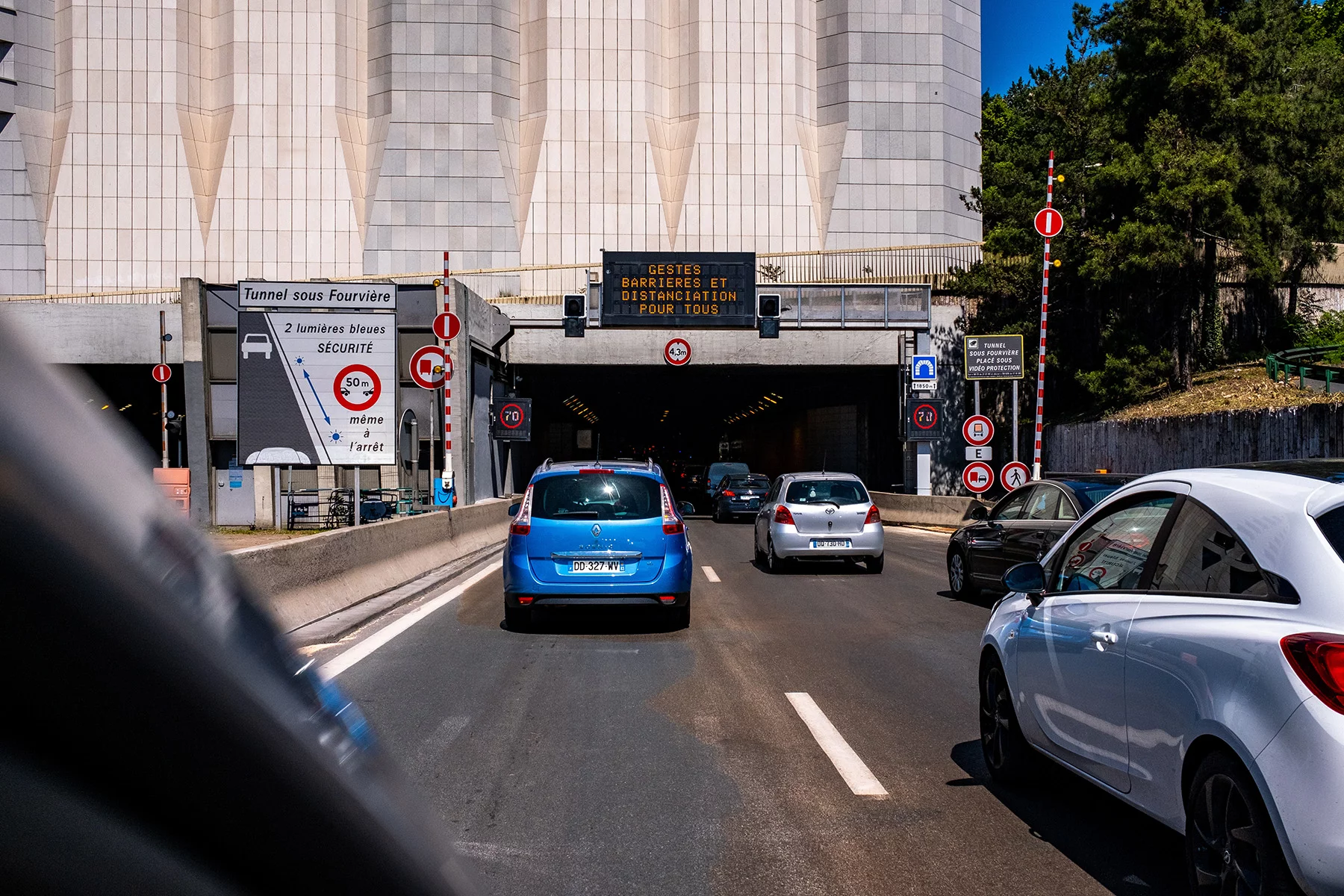
For non-EU/EEA nationals, you’ll need to swap your driving license for a French version within your first 12 months in the country. You may also need to accompany it with an International Driving Permit which allows you to drive legally in France. Notably, these are typically much easier to obtain in your home country, so make sure you apply well ahead of time to avoid getting stuck in first gear.
Need car insurance? Compare your options on sites such as:
The French public transportation system
France has an efficient and reliable public transport network, including:
- Trains connecting cities and regions
- Buses serving cities, towns, and rural areas
- Metro systems in several major cities
- Trams in about 20 cities
Ticket prices vary depending on the type of transport, operator, and route. Many operators offer discount tickets or travel cards for regular use, such as weekly, monthly or seasonal passes from the SNCF (France’s national railway company). You can also use apps like Omio to plan journeys, compare prices, and book tickets.
Brush up on your French
This might sound obvious, but if you’re thinking of moving to France, then you should take some time to get accustomed to the language. Wherever you end up living, you’ll definitely need to speak French in your everyday life; whether you’re shopping at the local market or chatting to your new neighbors.

Fortunately, there are plenty of ways you can learn some French, including downloading easy-to-use apps such as these:
Of course, there is also the old-school method of actually going to a classroom and cracking open a textbook. You can check online to find the nearest French lessons near you so you’re fully ready to embrace the culture and language when you move to France.
Indulge in French culture
Can’t wait to start your exciting French adventure? Then why not give yourself a few tasters before you make the move by soaking up a little bit of your new home’s culture. Thankfully, there are plenty of ways to do this. For starters, why not try whipping up some of these delicious French recipes? Or, if you’ve got little ones, check out these kid-friendly French foods they are sure to love.

If crêpes aren’t your thing, though, then why not explore some excellent French literature that will give you an insight into local life. There is also a whole host of great content about France right here on Expatica. From shopping at a French supermarket to discovering the best festivals in France, we’ve got you covered.
Practical moving tips and timeline
If you’re planning a move to France, having a timeline can make the process much smoother. Here’s a simple guide to help you stay organized:
6 months before moving:
- Begin your visa application (if required).
- Start your job search and explore housing options.
- Work out a budget for your first few months in France, including living costs and possible relocation expenses.
3 months before moving:
- Confirm your accommodation arrangements.
- Organize your finances and research French banking options.
- Arrange health insurance coverage for when you arrive.
- Research and book shipping or moving services if you’ll be bringing more than you can carry.
1 month before moving:
- Pack and prepare your belongings for shipment.
- Cancel or transfer any subscriptions, services, or utilities in your home country.
- Make sure you have all the necessary documents for entry into France—such as your passport, visa, accommodation details, and insurance papers.
Resources and useful links
Government resources
- French Office for Immigration and Integration (L’Office Francais de l’immigration et de l’integration – OFII) – the French government’s immigration department
- France-Visas – online portal to make a French visa application
- Service Public – online platform where you can manage your tax affairs in France
- sante.fr – public healthcare portal in France
Essential services
- Wise – low-cost international money transfer service
- Numbeo – cost of living information by city
- Mon Compte Formation – search for subsidized French language centers and online courses
- Notaires de France – find a notary in France
Conclusion
Moving to France is an exciting prospect, but not one without its challenges. However, with the right amount of planning, you can make everything easier. This checklist covers all of the essentials to help you settle in, from sorting your entry requirements, to looking for work and accommodation, to understanding the services and culture.
When it comes to budgeting for that big move, don’t forget that services like Wise can help you manage your finances across borders at a lower cost. Expats moving to France can benefit from international money transfers with transparent fees, as well as multi-currency accounts for better cross-border money management.