
'%20id='ico-down'%20stroke='%23000000'%20stroke-width='1.5'%3e%3cg%20transform='translate(1092.250000,%20254.750000)'%3e%3cpolyline%20id='Path-2-Copy-4'%20transform='translate(5.500000,%202.750000)%20scale(1,%20-1)%20rotate(-180.000000)%20translate(-5.500000,%20-2.750000)%20'%20points='0%200%205.5%205.5%2011%200'%3e%3c/polyline%3e%3c/g%3e%3c/g%3e%3c/g%3e%3c/svg%3e)


Healthcare
Healthcare Basics
Guide to getting health insurance in the Netherlands in 2026
Health insurance is mandatory in the Netherlands. Find out how to choose a policy as an expat, how to apply, and how much it costs in 2026.

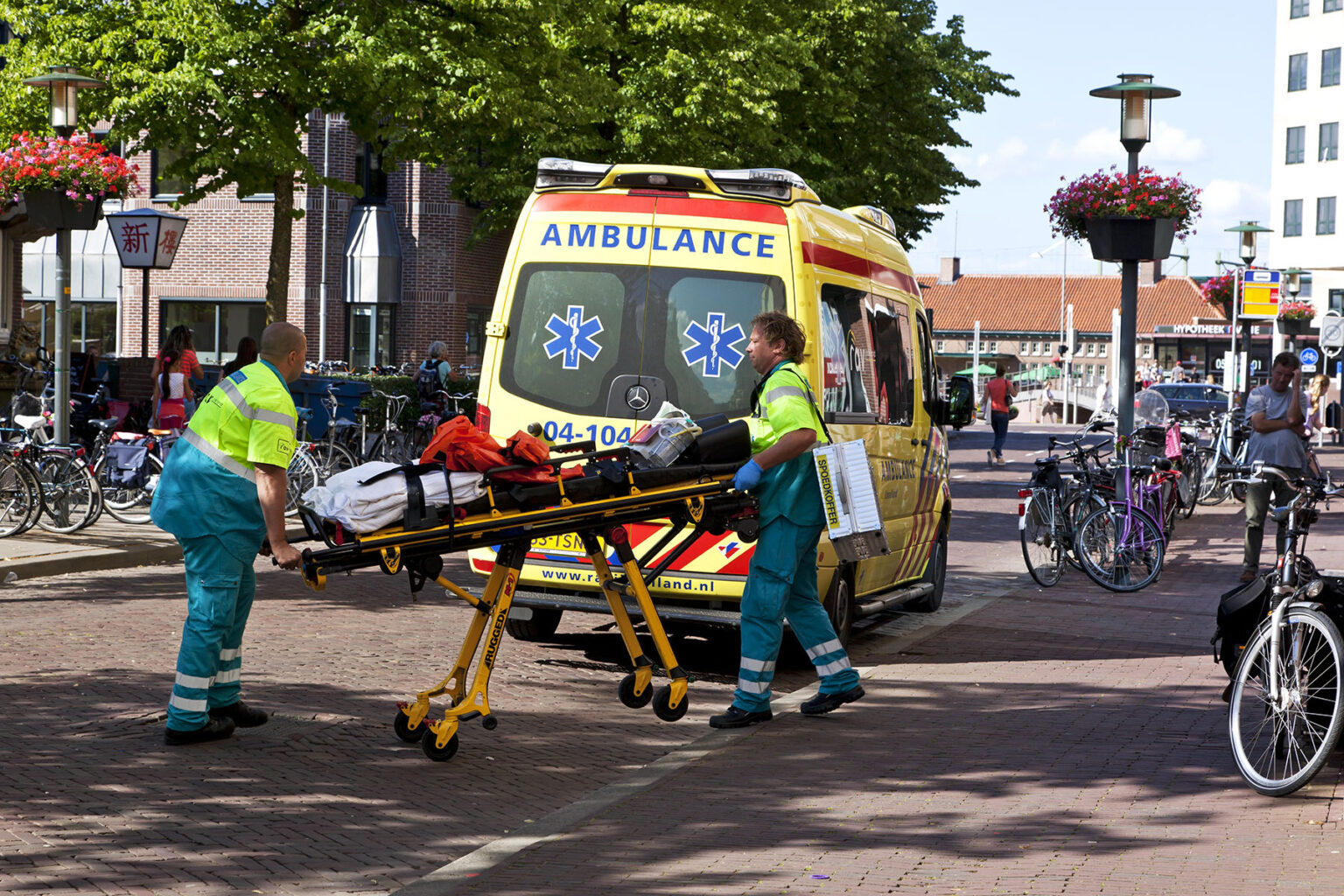
The Netherlands has a top-notch healthcare system that’s funded through a combination of mandatory health insurance, social security contributions, and record paracetamol sales (joke). We’ll show you how it works, how you can register, and (more importantly) how much it’ll cost you.
Continue reading for the following information:
Cigna Global
Enjoy peace of mind while living in the Netherlands with Cigna Global’s long-term international health insurance plans (12+ months). Get tailored coverage, direct billing with many providers, complex case management, and global care on demand, with access to a network of 1.5+ million doctors, specialists, and therapists.

Health insurance in the Dutch healthcare system
Is health insurance in the Netherlands public or private?
Dutch healthcare is a hybrid system that consists of public regulation and private provision. This means the government sets requirements for basic benefits, but private health insurance companies provide the actual coverage.

The Dutch Healthcare Authority (Nederlandse Zorgautoriteit – NZa) regulates the health insurance industry in the Netherlands. All legitimate insurance providers must have permits from The Dutch Bank (De Nederlandsche Bank – DNB) as well, so be sure to check the insurer’s credentials before signing up with them.
Basic vs top-up health insurance in the Netherlands
All residents must have at least mandatory basic health insurance (basisverzekering), which covers essential care in the Netherlands. That is what is regulated by the NZa. However, this basic insurance will not cover some of your healthcare needs, including what may seem essential, such as dentistry and contraception.

What does Dutch basic health insurance cover?
Each year, the Dutch government reevaluates and determines what is covered by basic health insurance (basispakket). It typically contains essential medical services such as doctor (general practitioner or GP) visits, vaccinations, medication, hospital and emergency care, and cancer prevention screenings.
While the essential levels of care are the same for all insurance providers, the coverage also depends on your policy plan and insurer. Yes, certain treatments are 100% covered, but only if your insurance company has contracted the healthcare provider.
Most Dutch residents therefore take out complementary health insurance (aanvullende verzekering) to make sure they have 100% coverage.
Why take supplementary health insurance in the Netherlands?
There are plenty of advantages to topping up your basic insurance plan in the Netherlands. It is very common for Dutch residents to take out additional coverage. In 2025, 80.6% of the population had complementary insurance for their secondary care needs. Below, you can read about some of the main advantages of top-up plans.
More extensive healthcare coverage
These private insurance top-ups offer a wider choice of services, including contraception, physiotherapy, dental care, vision care, mental health support, and alternative medicine. They can also provide quicker access to specialist treatment.
Tailored plans
Some insurance companies cater to students, working parents, pregnant people, or pensioners. Others specifically target the needs of expats and internationals, with global coverage and special English- or other foreign-language services.
Other benefits of supplementary health insurance:
- Additional coverage in the Netherlands and abroad
- A wider range of providers
- Shorter waiting times
- Higher levels of comfort and privacy in hospitals and health clinics
Who needs health insurance in the Netherlands?
Health insurance is mandatory in the Netherlands. It doesn’t matter if you are a tourist on a stag do or a Dutch citizen whose family tree goes back centuries: if you stay in the country, you must have medical insurance.
Dutch health insurance for temporary stays
If you’re visiting the Netherlands temporarily, you can take out a short-term international health insurance policy. Alternatively, visitors from elsewhere in the European Union (EU), European Economic Area (EEA), or the United Kingdom can use their European Health Insurance Card (EHIC) or Global Health Insurance Card (GHIC) to access necessary healthcare during short stays.
Visitors to the Netherlands who require a Schengen visa (for up to 90 days) must have a health insurance policy with minimum coverage of €30,000 for medical expenses. You can use an international insurer such as Allianz Care or Cigna Global.
Health insurance for long-term and permanent stays in the Netherlands
All legal residents must have at least basic health insurance if they live in the Netherlands for more than 183 days a year.
Of course, there are exceptions. If you have a residence permit related to study, a working holiday, or a cultural exchange, you continue to use your foreign insurance. Similarly, expat residents who don’t have sustainable ties (niet-ingezetenen) to the country or the economy may use international health insurance for up to one year.

Others must apply for Dutch health insurance within four months of their arrival in the Netherlands.
Which Dutch health insurance do I need?
Here’s a quick overview of who needs what type of health insurance if you are a foreign national:
| What is your status? | Do you need Dutch health insurance? | Do you require additional health insurance? |
| Employee of a Dutch company | Yes | Only if you want 100% coverage |
| Employee of a foreign company | It depends on your situation; posted workers do not, others do | It depends on your situation |
| Freelancer or other self-employed worker | Yes | Only if you want 100% coverage |
| Job seeker | Yes | It depends on your situation |
| Student | It depends on your situation; students do not, working students do | It depends on your situation |
| Retiree | Yes | Only if you want 100% coverage |
| Asylum seekers | Yes | Only if you want 100% coverage |
Can you access health insurance in the Netherlands if you are unemployed?
Unlike in many other countries, health insurance in the Netherlands is not related to employment. Foreign expats who had a job in the Netherlands but have since become unemployed can keep their current health insurance policy.
Dismissals do not affect public healthcare rights (though they do influence your right to stay in the country!). You can learn more about moving to the Netherlands for work by reading our articles on visas and immigration and work permits.
Dutch health insurance for students
Everyone over 18 in the Netherlands is responsible for their own health insurance, including students.
However, most international students are not eligible for Dutch health insurance and must continue to use their foreign, private, or international coverage in the Netherlands.
The following students need Dutch health insurance:
- Dutch students over 18
- International students with a job or paid internship
- Students over 30 staying long-term in the Netherlands
Some insurers offer special student packages or discounts, so make sure to compare providers to find a policy that suits your needs.

Health insurance for children in the Netherlands
Minor children in the Netherlands receive free basic healthcare and are automatically insured under the policy of their parent or guardian. Adult members of your family – including children over 18 – must each register for Dutch health insurance in their own right.
Health coverage for tourists and short-stay visitors to the Netherlands
EU/EFTA/UK tourists and short-stay visitors can use their EHIC or GHIC to access medical help in the Netherlands. Be sure to check with your country’s public healthcare provider; you may need additional travel insurance for non-emergencies.

Short-stay visitors from other countries must take out international health insurance that offers coverage in the Netherlands.
Asylum seekers and refugees
Asylum seekers and refugees in the Netherlands automatically have access to basic healthcare. Nearly all reception centers have in-house healthcare centers where you can get medical help.
International health insurance for expats in the Netherlands
Depending on their situation, some foreigners moving to the Netherlands may better benefit from an international health insurance plan:
- Some non-EU/EFTA/UK expats and immigrants need to prove that they have valid health insurance coverage before they can enter the country.
- Unlike those coming on a work visa with a contract in hand, most internationals will not have healthcare coverage during the first leg of their stay.
- Expats who move around a lot will want to have global coverage, as these policies often cover you in multiple countries.
- Some expats don’t qualify for Dutch health insurance at all.
The following companies provide international health plans for expats in the Netherlands:

APRIL International is a health and travel insurance provider operating in 180 countries. Their range of insurance products is tailored to the needs of expats, whether you’re relocating your family, studying for a semester abroad, enjoying a working holiday, or simply travelling. 130,000 expats already trust APRIL International.

The American health services company serves expats and globally mobile individuals in more than 200 international jurisdictions. Cigna Global’s policies are easily customized to coverage and cost requirements and customers can pick from three coverage levels, modular plans, and several cost-share options.
What happens if I don’t have health insurance in the Netherlands?
If you’re required to have health insurance in the Netherlands and don’t, the Central Administration (CAK) will track you down and send you warnings and fines. They will then enroll you for health insurance if you still refuse to take out a policy, and take the premium amount from your salary.
However, residents with conscientious objections based on their faith or beliefs may apply for an exemption. In that case, they can skimp out on health insurance, but they’ll have to pay the same amount in extra taxes.
How do you apply for health insurance in the Netherlands?
What to do before your move
If you do not have an EHIC or GHIC, your first step – before you even move to the Netherlands – is to contact your country’s public healthcare authority. They can advise you on your specific situation and your rights to access Dutch healthcare.

If you are an EU/EFTA/UK national, you may also have to fill out an S1 form with your current health insurance provider. This allows you to transfer your benefits to the Netherlands.
Citizens from non-EU/EFTA/UK countries may need to take out private health insurance to qualify for a Dutch visa. This includes travel or international medical insurance policies, which you can obtain from insurers such as:
How to register for health insurance once you are in the Netherlands
You need a Citizen Service Number (burgerservicenummer – BSN) to register for health insurance. You can get this number when you register with your local municipality.
After that, you are free to choose the insurance company you want to go with. By law, insurers cannot refuse your application, even if you have pre-existing conditions.
You can contact the insurance company directly to sign up. They will be more than happy to walk you through the process. Beware of pushy salespeople, though! You might walk away with a completely different plan than you had in mind.

It’s worth noting that insurance companies are not legally obliged to accept your application for supplementary healthcare coverage.
What documents do you need to register for health insurance?
The most essential documents for registration with Dutch health insurance are:
- A valid passport or ID
- Your BSN
- Proof of address
- Dutch bank account details
Once your application has been processed, you’ll receive a confirmation and your health insurance policy by mail or email.
Dutch health insurance card: De zorgpas
After registration, you may receive a physical (plastic) health insurance card (zorgpas). This card usually has your insurance details on the front and an EHIC on the back. Most insurers, however, have a phone app where the card is stored digitally.
Because your insurance is linked to your BSN and address, you don’t actually need a zorgpas to use healthcare services in the Netherlands. However, you can apply for an EHIC from your insurer if you plan to go to one of the EU member states.

How to get money back from health insurance in the Netherlands
In most cases, payment for healthcare is directly settled between health services and insurers. When you visit a contracted provider, they will send the bill to your insurance company, and that’ll be the end of it.
However, when you go to a non-contracted healthcare provider, you must pay the medical bill first and can ask for a refund from your health insurance company afterward.
The restitution process is similar across the board. You scan or take a photo of the bill, upload it online or in the app, and receive your money back within two weeks.
How do you choose a health insurance company in the Netherlands?
With the number of health insurance options in the Netherlands, it makes sense to look around and compare plans at a site like Independer or UnitedConsumers. Aside from the cost, things you could consider include:
| Consideration | Questions to ask |
| Does the policy plan suit your needs | Are you able to select what you need and remove what you don’t? |
| Payment process | Will your insurer settle bills directly or do you have to pay first and then claim reimbursement? How complicated and/or time-consuming is the process? |
| Options for deductible | Can you lower your premium by increasing your deductible? |
| Overseas coverage | Is travel insurance offered and do you need it? |
| Customer feedback | How does the company score on consumer ratings websites? |
| Special offers and incentives | What additional benefits are offered? For example, do they offer a savings program or discounts on other services? |
| Ethics | How does the company fare on ethics and sustainability rating sites, such as: – CSRHub – Standard Ethics – Corporate Knights |

Editor
Laura van der Most
Insider tip
Some insurers allow you mix and match policies: you can take out basic insurance with one company and get additional insurance from another. However, this will give you a lot of administrative hassle, so it’s not a recommended choice.
Health insurance companies in the Netherlands
The Netherlands has 20 Dutch health insurance providers to choose from, as well as a number of international insurers. Some of the most popular Dutch health insurance companies that cover expats are:

Get tailored health insurance from FBTO. This Dutch health insurer offers modular coverage so you can add the extras you need to your basic health insurance. Calculate your premium online and choose how to pay. Visit FBTO online and protect yourself in case of every health eventuality.

Looking for expat-friendly insurance in the Netherlands? Try ONVZ, a Dutch health insurance company that provides broad coverage for you and your family so you can start your new Dutch life with peace of mind. Calculate your premium online with just a few clicks. For expert guidance and freedom of choice, choose ONVZ.

Looking for expat-friendly health cover in the Netherlands? Zilveren Kruis offers a range of health products tailored to English-speaking residents, giving you peace of mind for whatever going on in your life. Explore Zilveren Kruis’s policy options today and get the right coverage for you.
Whichever you go for, choose wisely because you can only change policies in the Netherlands once a year in December. If you need help choosing one, you can also visit our Directory to find affordable medical care options.

How do I change health insurance in the Netherlands?
You can change health insurance providers in the Netherlands once a year, in December. In November, your current insurer sends a policy for the following year. If you decide that it no longer suits you, you can change to a new insurance company.
You must cancel your old policy by 31 December and take out a new one by 1 February. This new policy then covers you retroactively for January.
Health insurers offer a transfer service, so changing to a new insurer is relatively straightforward.
Contracted healthcare providers and insurance policies
Basically, Dutch insurers negotiate and form contracts with a number of healthcare providers based on quality and price. Each year, these contracts change. While most are renewed, some are canceled. As such, it’s vital you check which healthcare service is contracted before you get settled with a hefty medical bill.

If you want to have more say in which healthcare provider you can go to, you may adjust the type of insurance policy you have.
The Netherlands has two types of policies:
- Natura (naturapolis) – this plan covers 100% of the medical costs when you go to a contracted care provider, and only 60–80% of the costs when you go to a non-contracted provider
- Combination (combinatiepolis) – the coverage of medical costs differs per insurance provider.
Budget policies (budgetpolis), which offered cheap policies from a select group of medical care providers, are no longer available from 2026.
So, as a practical example, if you have a natura policy and you visit a non-contracted healthcare service, you get 60–80% back from your insurer, and you pay 40–20% yourself. If you have a natura plan and you go to a contracted provider, you get 100% back from your insurer.
For official 2025 coverage and healthcare costs in the Netherlands, please visit the National Healthcare Institute’s website.
How much does Dutch health insurance cost?
The cost of Dutch health insurance depends on the type of premium you choose and any additional coverage you require.
Costs of basic health insurance in the Netherlands
While basic insurance policies cover the same essential services everywhere, the prices vary a lot depending on the insurer. Costs also differ by the type of policy (e.g., naturapolis).
In 2026, the average premium of health insurance (zorgpremie) is €1,911.60 per year (or €159.30 per month). Monthly premiums range from €142.40 to €185.00.

Supplementary insurance costs in the Netherlands
Most insurers have different supplementary policy levels, ranging from basic to comprehensive. Premiums usually depend on:
- Extra coverage (e.g., dental care or physiotherapy)
- Coverage location (i.e., whether the policy extends overseas)
- Personal information, such as age, health conditions, and lifestyle
Depending on the extra coverage, you’ll pay an extra €240-960 per year (or €20-80 per month).
Again, it’s always smart to research and compare insurance policies to get the best healthcare coverage.
Own-risk deductible for Dutch health insurance (eigen risico)
Primary care treatments require you to pay an annual own-risk deductible (eigen risico), which must first be settled before the insurer pays the rest of the costs. In 2026, the own risk deductible is a total of €385 for the entire year. In other words, if you had a medical bill for €385 in January, you’re done for the rest of the year.
Usually, your insurer takes this payment automatically from your bank account. You should receive a notification from them beforehand, such as an email.
It should be noted that the own-risk deductible does not apply to doctor (GP) visits, maternity care, children’s healthcare, or district nursing. These essential care services are completely free. Asylum seekers are exempted from paying the copayment altogether.
You can choose to top up your own risk deductible in exchange for a discount on your premium, known as the vrijwillig eigen risico. Depending on your insurance company, you can increase your copayment by €100-500 a year. This will get you a discount of up to €300 a year (or €25 a month). However, you take the gamble that you have to pay up to (€385 + €500 =) €885 a year when you do have medical bills.
Alternatively, if you know you will be incurring medical expenses that will use up your entire deductible, it is possible to ask your insurer to spread the payment of your eigen risico in monthly installments.
Personal contribution (eigen bijdrage)
Another copayment that the Netherlands has for medical services is the personal contribution (eigen bijdrage). This additional payment is separate from the own-risk deductible. The government decides annually which healthcare product requires this copayment, but they’re typically services that only a select group of people will need (e.g., hearing aids for seniors).
Visit the government website for more information about these copayments.

Dutch healthcare allowance (zorgtoeslag)
Low-income households can apply for a healthcare allowance (zorgtoeslag) from the Dutch Tax Office.
In 2025, you can apply for the healthcare benefit if you earn under €40,857 gross per year (€51,142 total for a couple). Holiday pay and other income are taken into account for the income calculation.
You can get €4–132 in healthcare benefits per month, depending on your income. If you have a fiscal partner, you can get €4–250 for the both of you.
To apply for zorgtoeslag, visit Mijn toeslagen on the Dutch Ministry of Finance website. You’ll need your DigiD, European login, or eHerkenning. Once you’ve signed up, you’ll receive the benefit directly to your bank account each month.

Local expert
Sarah Fairman
Insider tip
Make sure you keep your income up-to-date on Mijn toeslagen if you get a new job or a raise. Otherwise, you’ll have to pay back your benefits, and this can be very costly!
Likewise, patients with exorbitant medical costs (e.g., due to chronic illness) can deduct their expenses from their income tax return. See our article on the Dutch tax system for more information.
How much does international health insurance cost?
If you need an international health insurance policy for temporary coverage, you can generally expect to pay more than a typical Dutch health insurance policy.
These usually charge according to age, coverage level, and pre-existing conditions. They are usually higher for older individuals and for broader coverage. Prices vary greatly depending on these factors and whether you want it to cover you in the Netherlands or worldwide.
Useful resources
- Rijksoverheid Zorgverzekering – official government website with information about the Dutch healthcare system
- SVB – official government website where you can ask if you should have mandatory health insurance
- Zorgverzekeringslijn – government-backed helpline for questions related to health insurance in the Netherlands
- Zorgtoeslag
Related Articles


Editor's picks
 Primary schools in the NetherlandsConfused by the primary school system in the Netherlands? We explain how it works, from educational approaches to international options.
 Human and civil rights in the NetherlandsFrom the right to protest to protection from discrimination, here's what you need to know about human rights in the Netherlands.
 Child benefits in the NetherlandsYou can claim different types of child benefits in the Netherlands, to help with the costs of child-rearing, schooling, and childcare.
Did you find this guide helpful?