
'%20id='ico-down'%20stroke='%23000000'%20stroke-width='1.5'%3e%3cg%20transform='translate(1092.250000,%20254.750000)'%3e%3cpolyline%20id='Path-2-Copy-4'%20transform='translate(5.500000,%202.750000)%20scale(1,%20-1)%20rotate(-180.000000)%20translate(-5.500000,%20-2.750000)%20'%20points='0%200%205.5%205.5%2011%200'%3e%3c/polyline%3e%3c/g%3e%3c/g%3e%3c/g%3e%3c/svg%3e)


Healthcare
Healthcare Basics
EHIC in the Netherlands: what expats need to know
Understand EHIC Netherlands rules, whether you are using a card in Dutch healthcare or trying to get one from Dutch insurance.


Health insurance is one of those things you want to get right long before you ever need a doctor. Navigating EHIC cards, UK replacements, and local Dutch policies can leave you wondering where temporary visitor care ends and mandatory Dutch insurance begins.
This guide cuts through the confusion for expats, students, cross-border commuters, and UK arrivals. You will learn when your foreign health card applies, when an S1 form helps, and when you need to register for standard Dutch healthcare.
Key takeaways
- You can use an EHIC or GHIC in the Netherlands for medically necessary state-provided care during a temporary stay.
- It is not a replacement for travel insurance, and it does not cover private care, planned treatment, repatriation, or cruise-ship treatment.
- UK readers usually use a GHIC rather than a new EHIC, but the practical purpose in the Netherlands is similar.
- Once you start work in the Netherlands, or become subject to Dutch social security rules, Dutch health insurance can become mandatory.
- Many students can use an EHIC or GHIC, but a job or paid internship can change that.
- If you are insured in the Netherlands and travelling abroad, the EHIC is often on the back of your Dutch insurance card. If not, ask your insurer or, in some cases, CAK.
Is the EHIC valid in the Netherlands?
Yes, the EHIC is valid in the Netherlands for medically necessary care during a temporary stay, as long as you use a provider working under the Dutch public system. If you are from the UK, you will usually use a GHIC instead, although some people still have a valid UK EHIC.
Before you rely on the card, check that:
- Your stay is temporary
- Your card is still in date
- You are not using it in your country of residence
- The provider works within the Dutch public or contracted system
- Your work, internship, or residence status has not changed your insurance obligations
What the EHIC covers and what it does not
EHIC coverage rules are narrower than many people expect. The card gives access to care that becomes medically necessary during your stay, which means care that cannot reasonably wait until you go home.
That does not mean unlimited free treatment. You are treated on the same terms and at the same cost as people insured in the Netherlands, so co-payments, patient contributions, or upfront bills can still happen.

Care you can usually access
Your EHIC gives you access to the same public healthcare services that Dutch residents rely on. As long as you choose a doctor or medical provider who operates within the state system, you receive necessary treatment on equal terms.
You can generally use your health card for these key medical services:
- General practitioner (huisarts) visits for sudden illnesses, injuries, or health conditions that cannot wait until you return home.
- Emergency hospital care at public hospitals across the country.
- Specialist medical treatment, provided a Dutch GP gives you an official referral first.
- Prescription medications, though you may need to pay local pharmacy co-payments or administrative fees.
- Maternity care and chronic condition management that becomes necessary during your stay, provided the care meets local clinical guidelines.
Costs and situations it will not cover
An EHIC or GHIC gives you access to necessary state medical care, but it is not a blanket guarantee against out-of-pocket costs. These can include:
- Private clinics: Private care is not covered.
- Planned treatment: If you travel to the Netherlands specifically for treatment, an EHIC or GHIC is not enough. You may need prior authorisation, often via an S2 form.
- Repatriation: The card does not pay to get you home if you need medical transport back.
- Cruise-ship treatment: Treatment on a cruise ship is outside EHIC cover.
- Adult dental care: In the Netherlands, adult dental treatment is generally paid by the patient and is not refundable through the Dutch EHIC route.
- Other extras: Physiotherapy, some devices, and some medicines can involve patient contributions or limited reimbursement.
EHIC, GHIC, S1, or Dutch health insurance: which applies?
Knowing which health cover applies to you depends on your daily situation rather than the cover of your passport. Factors like whether you work for a local company, study full-time, or receive a foreign pension determine which system covers your medical bills.
| Your situation | What usually applies | What to watch for | Next step |
|---|---|---|---|
| Tourist or short-stay visitor | EHIC or GHIC | Only medically necessary public care | Check card validity and provider type |
| Student with no job | Often EHIC or GHIC | Cover can be limited by stay length or insurer rules | Check with your home insurer before arrival |
| Student with a job or paid intern | Dutch health insurance may apply | Work can change your status quickly | Check with your insurer, SVB, or CAK |
| Worker or self-employed resident | Dutch health insurance | EHIC alone is usually no longer enough | Arrange Dutch cover promptly |
| Cross-border worker or a pensioner living elsewhere | Often S1 plus local registration, or CAK route | Family members and country of residence can change the process | Check official S1 or CAK guidance |
Short stays, tourism, and study
If you are visiting the Netherlands for a holiday, short family stay, or temporary study period, EHIC or GHIC is often enough for necessary state care. That includes using Dutch care in the same way a locally insured person would, not choosing any clinic you like.
If you are in the Netherlands mainly for studying, this on its own may not trigger Dutch insurance, but working alongside your course can.
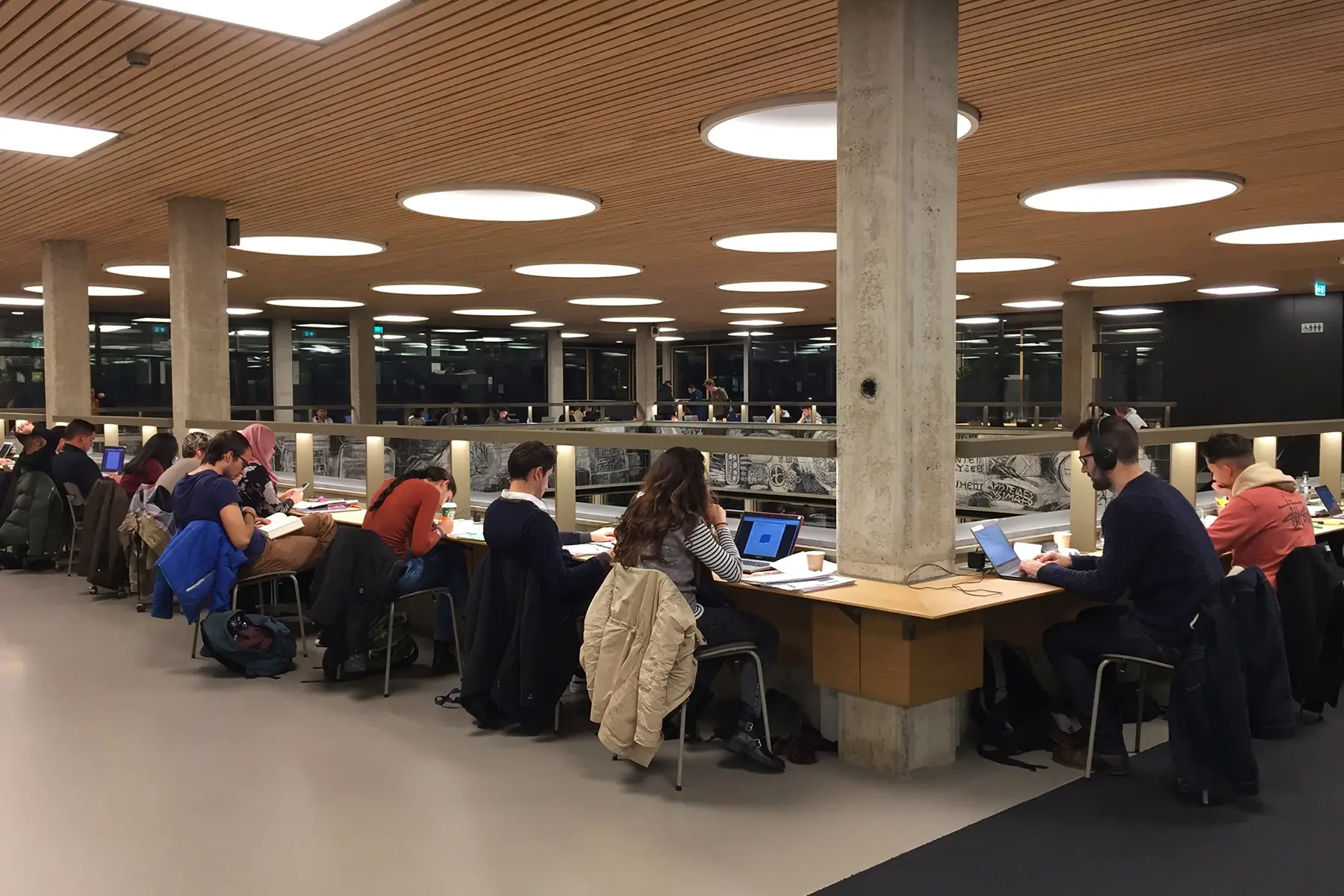
In the Netherlands, many internationals assume a student permit means EHIC is always enough, but even a part-time job can change your insurance obligations.
You can rely on your temporary health card if you meet these conditions:
- You are in the Netherlands temporarily
- You are not employed here
- You are not doing a paid internship that changes your status
- Your home insurer confirms your cover lasts for the full stay
- You understand you may still need to pay first and claim later
Work, residency, and paid internships
Taking on employment in the Netherlands marks the point where an EHIC or GHIC stops being sufficient. Under EU rules, healthcare cover usually follows the country responsible for your social security, so taking a job in the Netherlands can move you into the Dutch system.
The same rule applies to paid internships, freelancing, or cross-border commuting arrangements. This sets employment apart from a short holiday or exchange semester where your foreign health card remains valid.
Take these practical steps to protect your health coverage once you start working:
Check what changed the moment you started work, internship, or paid activity.
Confirm your status with your insurer and, if needed, the SVB, CAK, or official Dutch guidance.
Arrange Dutch health insurance quickly if the Dutch system now applies to you.
If you live in one country and are insured in another, ask whether an S1 form is the correct route for your Netherlands healthcare setup.
How to use your EHIC in the Netherlands
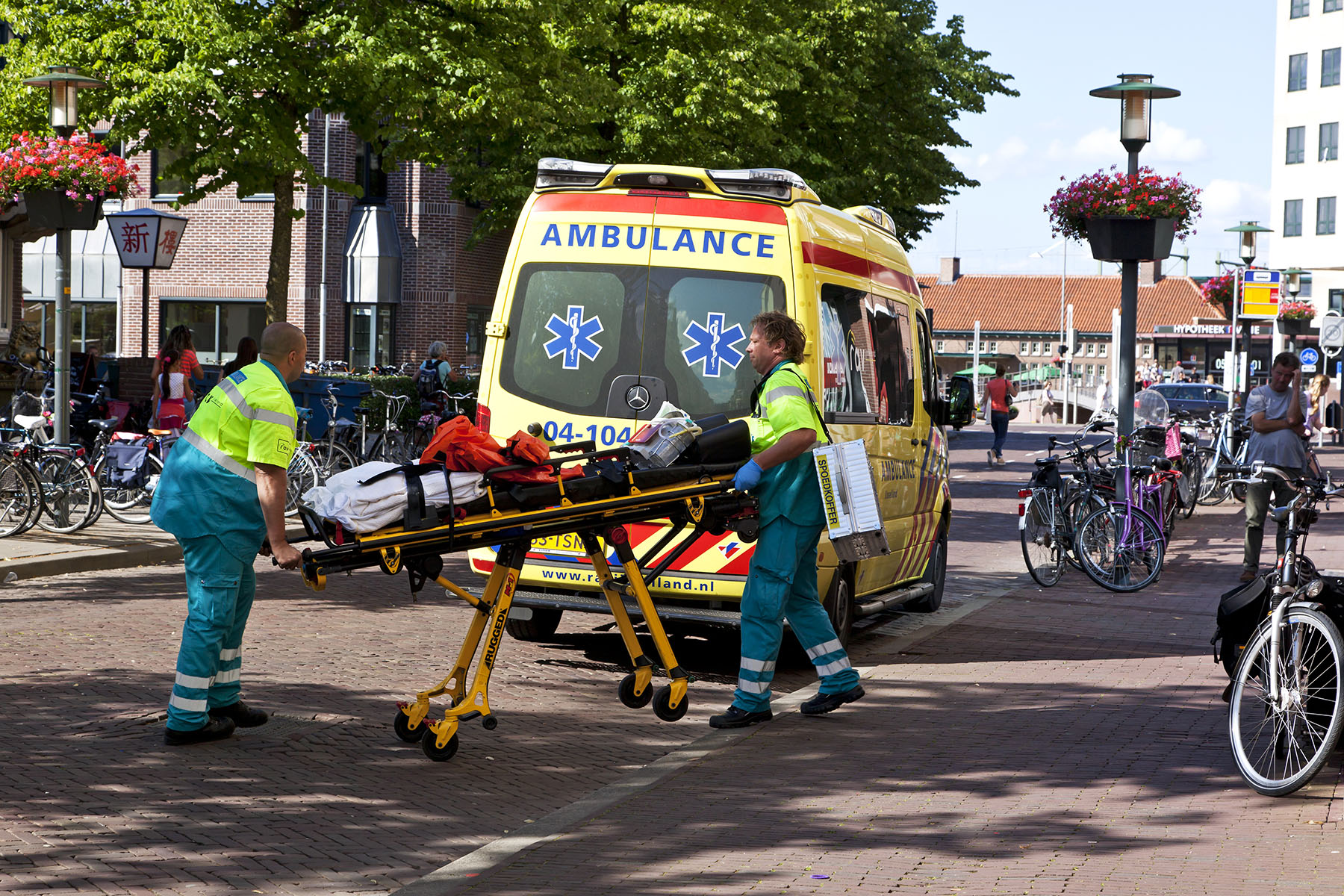
Using the card correctly matters as much as having it. Getting a doctor’s referral first is the only way to ensure your specialist treatment is covered. If you go directly to a specialist or hospital clinic without seeing a huisarts (GP) beforehand, reimbursement can become harder.
At a GP, hospital, or pharmacy
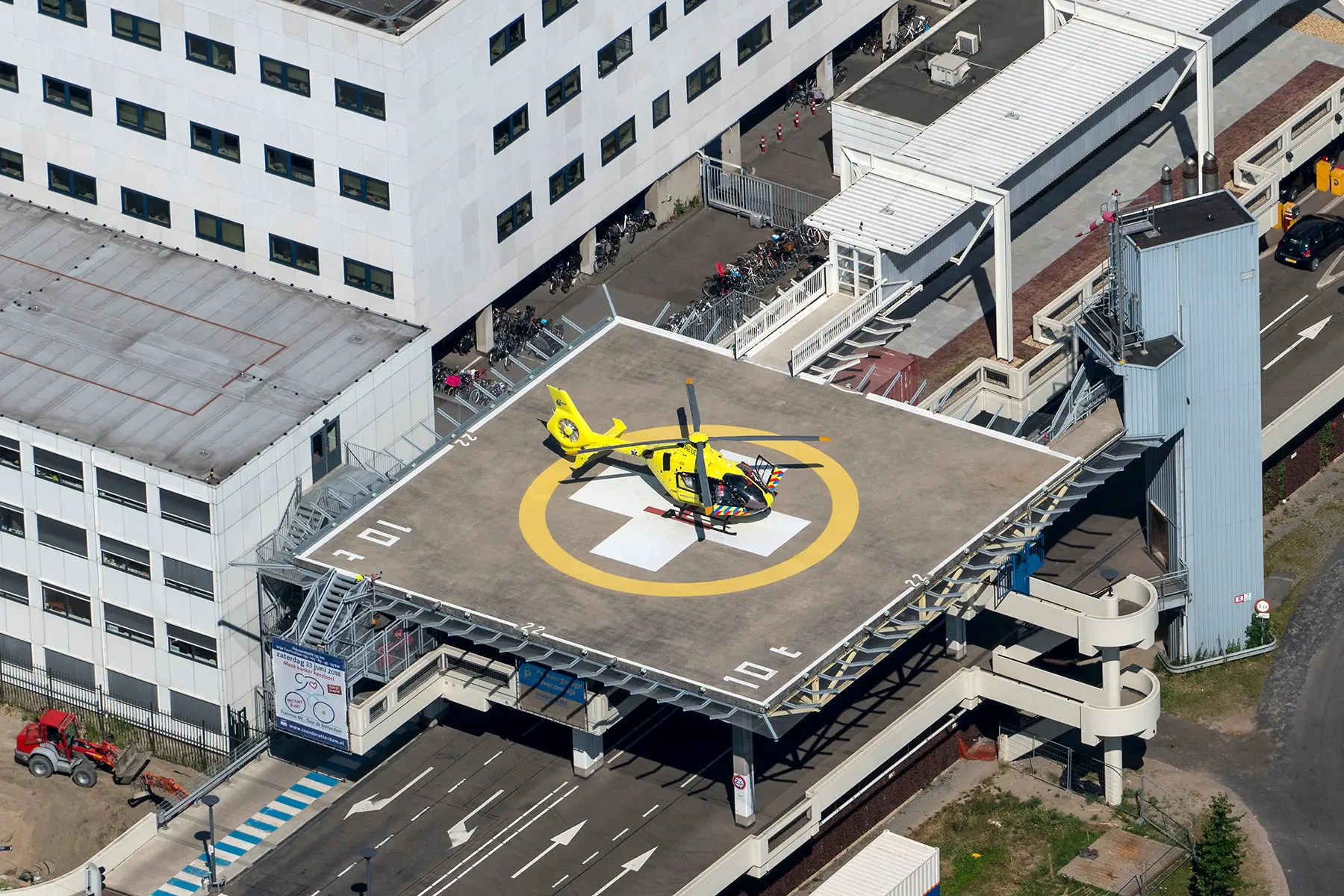
For non-emergencies, start with a huisarts. For emergencies, call 112 or check other emergency numbers in the Netherlands.
- Bring your EHIC or GHIC, passport or ID, and any referral or prescription
- Use a registered GP, public hospital, or contracted provider where possible
- Ask whether the provider bills directly or expects payment first
- If you need a specialist, check whether a GP referral is required
- At a pharmacy, keep the prescription and receipt if you pay anything
Paying upfront and claiming reimbursement
- Ask for an itemised invoice, proof of payment, and any referral letter.
- Keep copies of prescriptions, discharge papers, and your card details.
- If the claim is handled in the Netherlands, many EHIC reimbursement cases go through Zilveren Kruis.
- If you cannot claim while in the Netherlands, ask your home insurer how to claim after you return.
- To verify the current Dutch claim route, use the official Zilveren Kruis or European Commission claim page before submitting documents.
How to get an EHIC if you are insured in the Netherlands
If you hold basic Dutch health insurance, requesting a European card for your own trips abroad is usually very simple. In fact, most major Dutch health insurers print your EHIC details right on the back of your digital or physical insurance card.
You can also request a standalone plastic card directly through your insurer’s app or website before traveling across Europe. The process only gets slightly more complex if you live outside the Netherlands, commute across national borders for work, or receive a Dutch state pension while residing abroad.
Apply through your Dutch insurer
If you live and are insured in the Netherlands, the fastest place to look is your Dutch insurance card. Many insurers print the EHIC on the reverse, and some show it in their app.
- Check the back of your physical insurance card.
- Check your insurer app or online account.
- If you cannot find it, contact your insurer and request an EHIC.

When the CAK is responsible
CAK cases are narrower, but important. They often involve people who live abroad while working in the Netherlands, or people living abroad on a Dutch pension or certain Dutch benefits.
Do not guess which authority applies to you. If your setup involves family members insured through your route, a pension, or cross-border residence, check whether your insurer or the CAK is responsible before you travel.
If your card is lost, refused, or you need urgent help
- Urgent care: Call 112 for an ambulance or emergency help.
- Lost card: Contact your insurer straight away. UK readers can also check whether they need a Provisional Replacement Certificate for temporary cover.
- Card refused: Ask the provider why, keep calm, and request a full invoice and receipt if you must pay.
- Claim later: Keep every bill, prescription, referral, and discharge note. Reimbursement is not automatic in every case.
- Rules changed: If you have started work, moved, or changed residency, recheck whether EHIC, GHIC, S1, or Dutch insurance now applies.
FAQ
Frequently asked questions about EHIC in the Netherlands
Does the EHIC cover emergency treatment in the Netherlands? 
Yes, emergency medical treatment and urgent care at public hospitals or GPs are fully covered by your EHIC. Your card ensures you pay the same rate for state care as local residents. It will not cover private treatment, pharmacy fees, or repatriation costs.
Can UK citizens use a GHIC in the Netherlands?
Yes, UK citizens can use a GHIC to access necessary state healthcare during a temporary stay in the Netherlands. It functions in the exact same way as an EHIC, giving you access to public medical treatment on the same terms as a local resident. Check the official NHS guidelines before you travel to confirm your coverage details or request a temporary replacement certificate if your card is lost.
Do I need Dutch health insurance if I work or study in the Netherlands?
Studying alone does not require you to take out Dutch health insurance. However, the moment you pick up a job, freelance work, or a paid internship in the Netherlands, local basic health insuranceis mandatory. If your status changes, do not keep relying on an old assumption. Check the Dutch rules and confirm your position with the relevant official authority.
Useful resources
Information checked 30th July 2026
- Government.nl EHIC information – Official details on how to apply for a Dutch-issued EHIC
- European Commission guidance for EHIC use in the Netherlands – Comprehensive rules on medical care access, emergency contacts and dental limits
- CAK EHIC information – Specialized guidance for CAK-issued EHIC holders
- NHS overseas healthcare card guidance – Essential resource for UK citizens on using the GHIC
Related Articles



Editor's picks
 Primary schools in the NetherlandsConfused by the primary school system in the Netherlands? We explain how it works, from educational approaches to international options.
 Secondary schools in the NetherlandsWe explain the complex secondary school system in the Netherlands, including the three public streams and various international options.
 Where to live in the Netherlands: the best cities for expatsAlthough Amsterdam is typically the number one hub for expats, there are plenty of other cities in the Netherlands worth your while.
Did you find this guide helpful?