
'%20id='ico-down'%20stroke='%23000000'%20stroke-width='1.5'%3e%3cg%20transform='translate(1092.250000,%20254.750000)'%3e%3cpolyline%20id='Path-2-Copy-4'%20transform='translate(5.500000,%202.750000)%20scale(1,%20-1)%20rotate(-180.000000)%20translate(-5.500000,%20-2.750000)%20'%20points='0%200%205.5%205.5%2011%200'%3e%3c/polyline%3e%3c/g%3e%3c/g%3e%3c/g%3e%3c/svg%3e)


Living
Government & Law
The Burgerservicenummer: getting a BSN in the Netherlands
You won’t get very far in the Netherlands without a Burgerservicenummer. From banking to housing and everything in between, the Dutch BSN is a must-have.

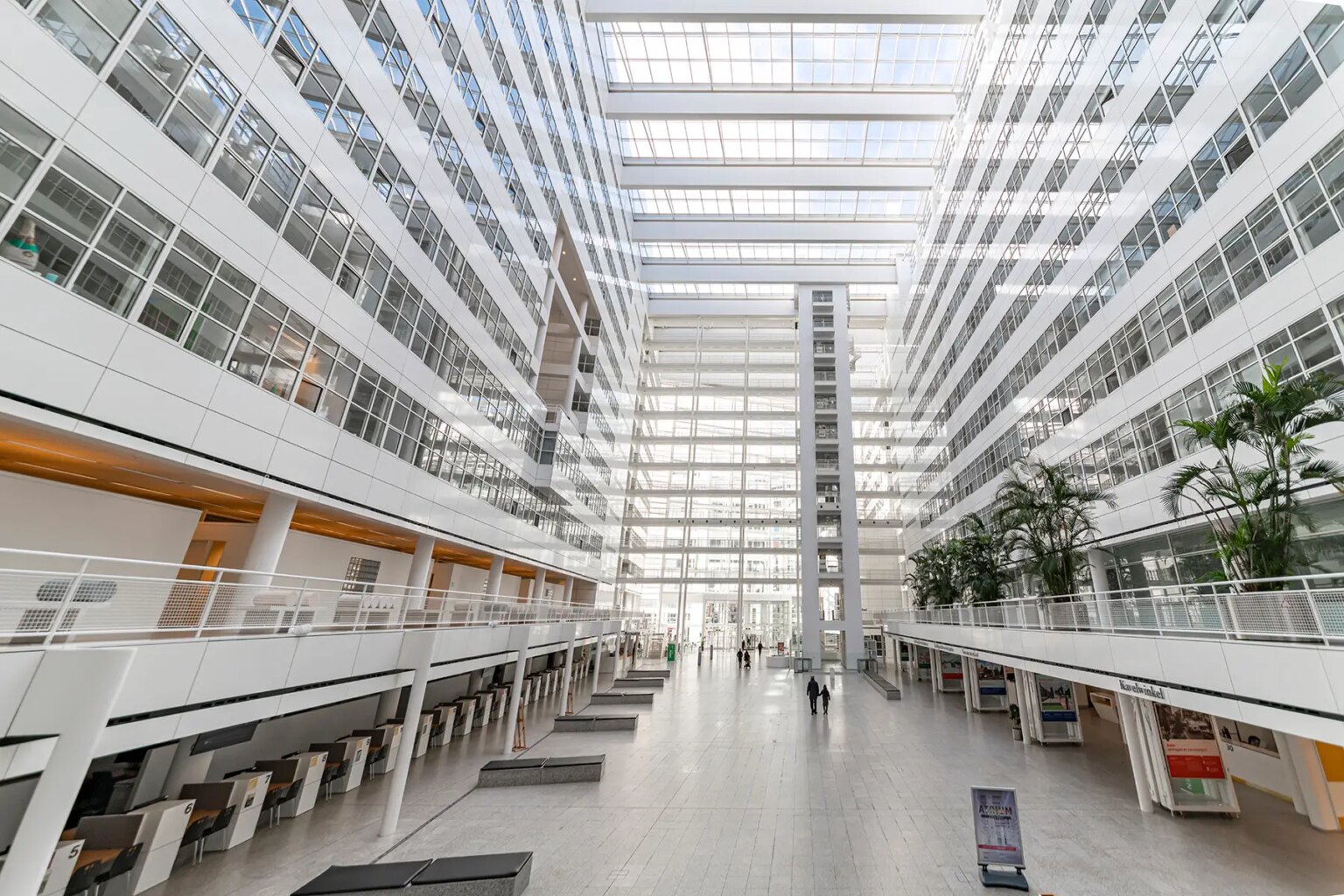
One of the first things you’ll need to do when arriving in the Netherlands is register at the municipality, where you’ll be assigned a Dutch Citizen Service Number (Burgerservicenummer – BSN). All residents in the Netherlands must have this national identification number, commonly referred to as BSN.
This number is necessary for much of official but also financial life in the Netherlands, from opening a bank account to paying taxes. In fact, it’s so useful that, in certain situations, even non-residents should apply for a BSN.
For expats, managing finances during this transition period can be challenging, which is why services like Wise can be helpful for handling international transfers while you get established.
Read on for more information about the Burgerservice number in the following sections:
N26
N26 is the bank you'll love to use: open your bank account in just eight minutes with no paperwork. Take control of your finances with one app where you can manage limits, set your PIN, lock/unlock cards, and make no-fee transactions anywhere in the world.

What is a BSN or Burgerservicenummer?
The BSN is your official national identification in the Netherlands. It replaced the old social security number (sofinummer) back in 2007. The number was introduced to improve the efficiency of government administration and optimize public service delivery to citizens.
Whereas the sofinummer was the responsibility of the Dutch tax authority (Belastingdienst), the Dutch BSN is administered by the Ministry of the Interior (BZK) and issued through local municipalities. The unique eight- or nine-digit number can be found on Dutch passports, national ID cards, and driving licenses – both in number and in QR code formats.
The Burgerservicenummer functions as a social security number, a national identification number, and a tax number in the Netherlands. It efficiently ties all your public, official, and financial affairs to the same number. Even if you leave the country, your BSN remains yours for life – so you can later return, or claim benefits from abroad. Once a person dies, their unique BSN is retired.
Obtaining a BSN effectively registers you onto the Dutch Personal National Register (BRP). It is necessary for any interactions with the Dutch government or public services, including paying Dutch taxes, receiving Dutch social security, and healthcare in the Netherlands.
What information does the BRP keep about me?
The Basisregistratie Personen (Dutch Personal National Register) or BRP holds basic information about you, tied to your BSN:
- Full name
- Gender
- Parents’ names and genders, and their BSNs, if applicable
- Nationality and immigration status
- Identity documents
- The address of your place of residence
- Basic information about your spouse or legal partner
- Basic information about your children, or, if you’re a child, your legal guardians
- Your right to vote
- And, ultimately, your death
When do you use your BSN?
For what purposes will you be using your Burgerservicenummer? Well, pretty much everything. Not that you can’t live without a BSN… but it’s not a good idea.
That’s because you need it for most aspects of your administrative and financial life in the Netherlands, everything will be much more complicated without it. Your access to basics such as healthcare and housing would be restricted, and you’d be living on the fringe.
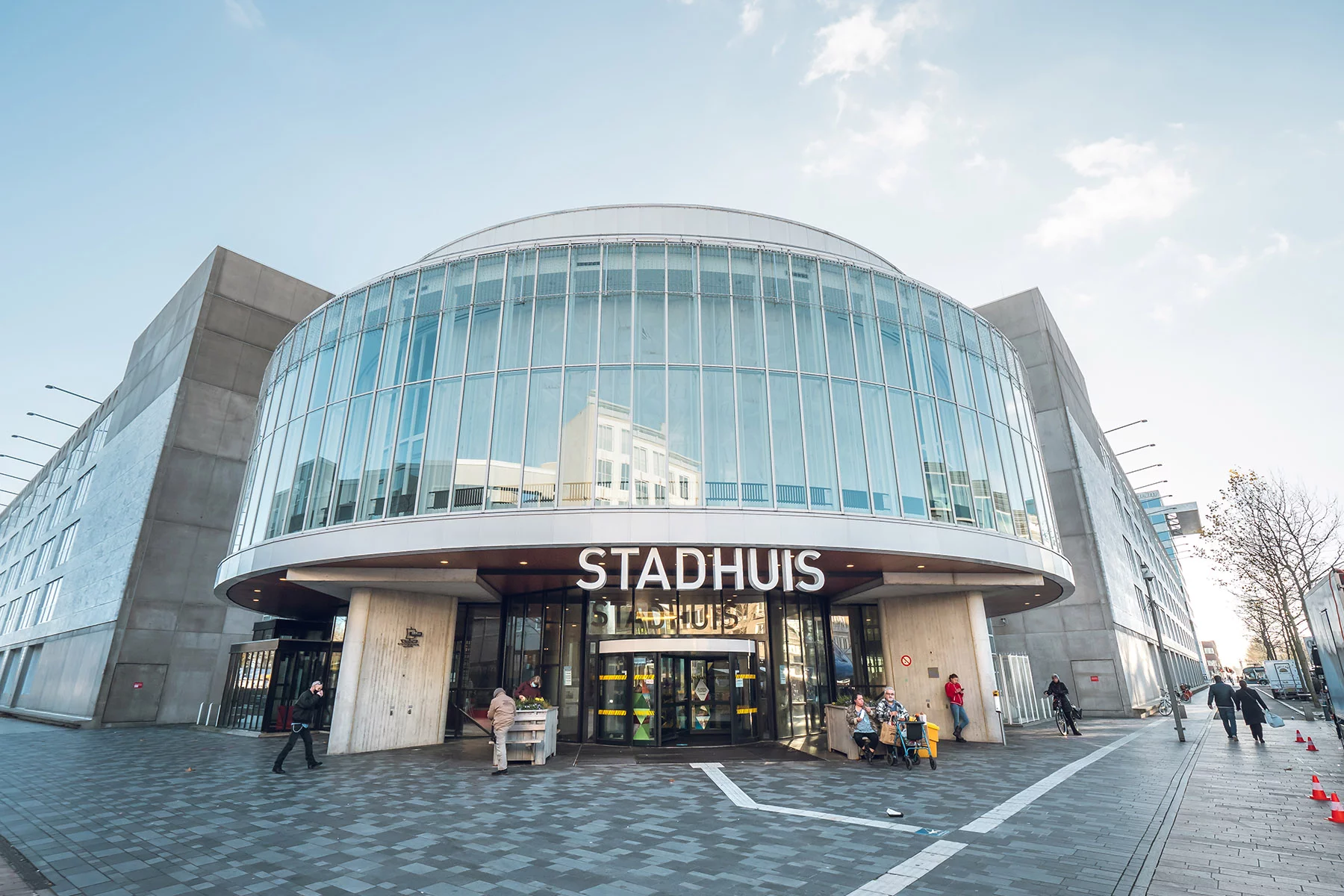
Not so accessorily, the government also uses the BSN to effectively combat identity fraud. Most public service websites will ask you to login with DigiD, to verify your identity. You cannot obtain a DigiD without a BSN.
Public services that will require a BSN in the Netherlands:
- paying your Dutch taxes
- accessing public healthcare
- obtaining toeslagen (public assistance), such as healthcare, rent, or child benefits
- receiving a Dutch pension or social security payments
- voting in Dutch elections
- getting a driving license in the Netherlands
But also:
- opening a Dutch bank account
- obtaining a mortgage or loans
- getting a job in the Netherlands
- starting a business
- studying at a Dutch school or university
- moving address or buying a home in the Netherlands
- and sometimes even setting up utilities

While waiting for your BSN, managing finances across borders can be challenging. Providers like Wise offer multi-currency accounts that can help expats transfer money at the mid-market exchange rate with low conversion fees, making the transition period easier when moving to the Netherlands.
40+ currencies with Wise
Are you an expat or thinking of moving to a new country? Managing your money across borders shouldn’t be complicated. With a Wise account, you can hold over 40 currencies and pay with a Wise debit card in more than 150 countries. Whether you need to spend abroad, receive or send money home, Wise can help make international money management simpler.
Who needs a Burgerservicenummer?
If you’re Dutch, you received your BSN at birth, and it will show on your Dutch passport or national ID card.
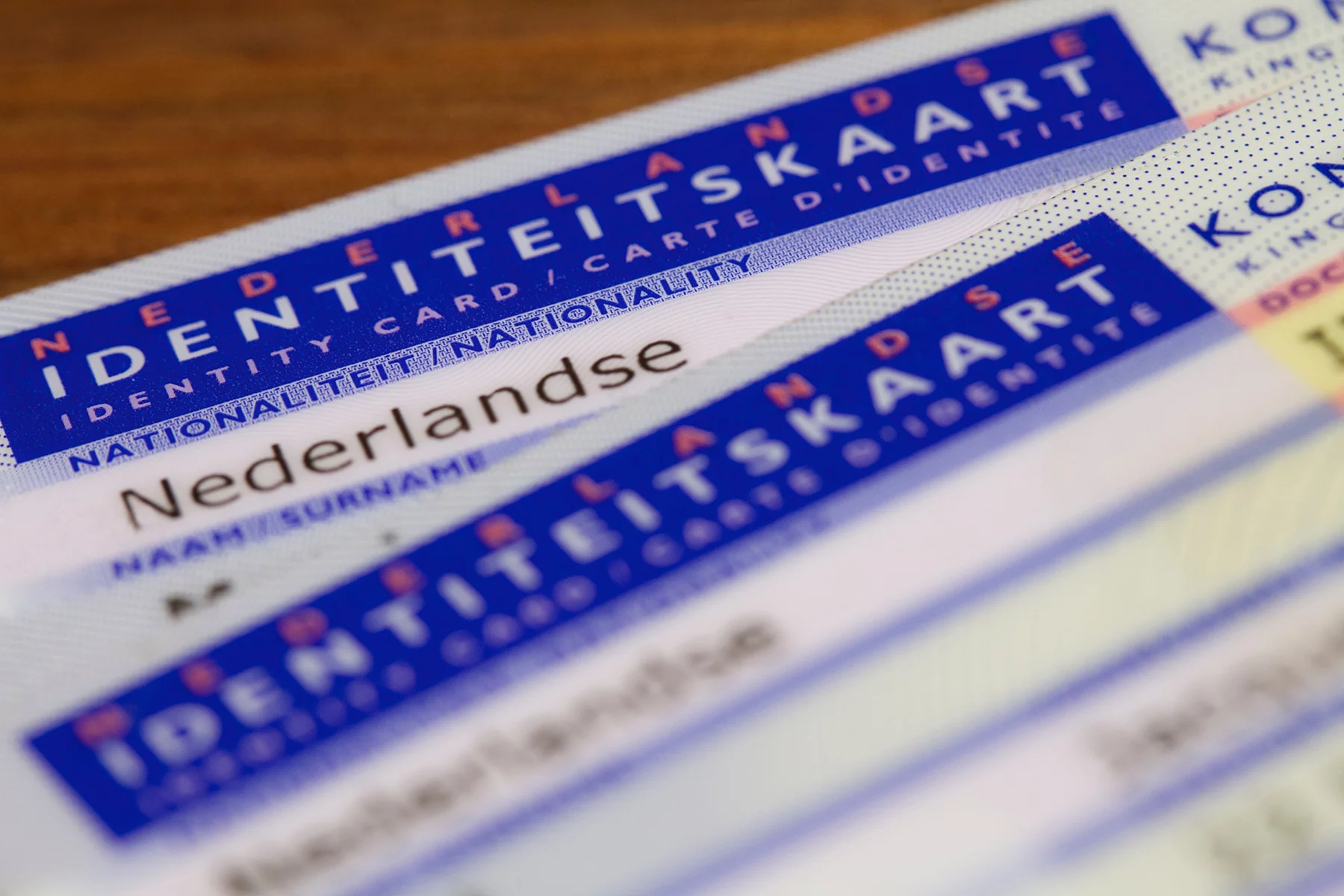
If you’re not Dutch, you need a Burgerservicenummer in the Netherlands if you live in the country, or if you intend to use government services from abroad. Even children need a BSN to register for school, where it is also called a PGN.
- Long term stays: If you are coming to live in the Netherlands for long-term (longer than four months) then you will need to register with the BRP to obtain your BSN, within five days of arriving in the Netherlands.
- Short term stays: If you are coming to the Netherlands for a short-stay (less than four months), then you should register with the BRP as a non-resident (RNI), which will also grant you a Dutch BSN, and enable you to access public services and interact with the Dutch government.
- From abroad: If you live abroad and want to claim a Dutch social security payment (e.g., a pension), or if you would like to make a claim for a partner who is abroad, you can enrol in the BRP from overseas as a non-resident and receive a Dutch BSN.
- International students: Any overseas student enrolling at a college or university in the Netherlands needs a Dutch Citizen Service Number. Students studying in the Netherlands but not living in the country must apply for a temporary Dutch BSN via their school.
- For companies: Companies registered in the Netherlands will be issued a RSIN, which is the Dutch company tax number. The Dutch Chamber of Commerce issues the RSIN. However, unregistered companies such as sole traders and unlimited partnerships will use the individual BSNs of owners for tax purposes.
How to apply for a Burgerservicenummer?
It is important to register with the BRP within five days of your arrival in the Netherlands. However, if you do not yet have your residence permit, you will either be asked to wait, or you will be given your BSN on a provisional basis.
You can apply for a BSN in the Netherlands through the following ways:
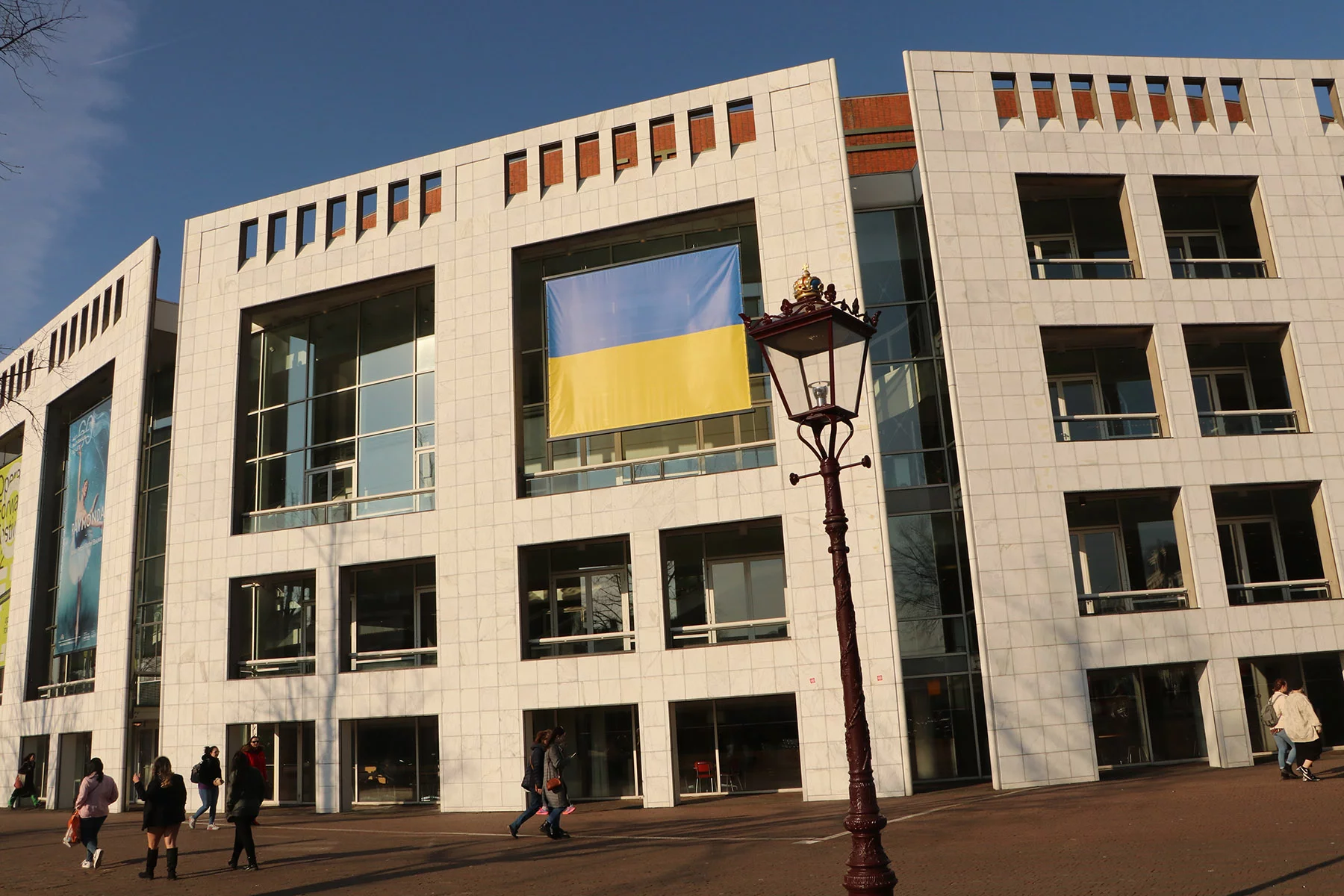
- If you will live in the Netherlands for longer than four months, apply for a Dutch BSN by registering with the BRP at the Gemeente (municipality) of your place of residence. Overheid keeps a complete list of contact details for the 388 Dutch municipalities.
- Living in the Netherlands for less than four months? Apply for a Dutch BSN as a non-resident at one of the non-resident offices located in 19 municipalities.
- If you are applying for a Dutch BSN from abroad to obtain your Dutch pension, you should contact the Dutch Social Insurance Bank (Sociale Verzekeringsbank – SVB).
- If you are making a Dutch BSN application for a partner abroad, you will need to complete a Request for Citizen Service Number for Supplementary Partner (Foreign) form with the Dutch tax office (Belastingdienst).
BSN registration requirements
As a Dutch resident, you must provide proof of address in order to register with the municipality. This can be a rental contract, the deed to your new property, or, eventually, even an informal contract for a sublet.
What matters is that your accommodations allow registration. When searching for lodging, make sure that registratie (registration) is possible – ads on rental sites or even on social media will often mention this.
Contact your municipality if you are staying in temporary accommodations that do not allow registration. Surprisingly, Dutch administrations are often very helpful.

Afterward, documents you need to provide to register with the BRP and receive your BSN depend on where you are from:
- Residents from the EU, the European Economic Area (EEA), and Switzerland must provide a photo ID.
- Those from outside the EU/EEA/Switzerland will also need to provide a valid Dutch residence permit. Registration on the BRP is provisional for non-EU nationals until they receive confirmation of their Dutch residence permit.
Once you have registered, you will receive – or should ask for – a BRP extract. This document will be necessary for many procedures, including obtaining rental agreements.
The registration on the BRP and issuing of the BSN are free of charge.
What to do when you move
You must inform the municipality when you move, so your address can be updated in your BRP records.
- If you move within the same municipality, you can often update your records online.
- When moving to another town, register with your new municipality, and they will automatically deregister you from your old address.
- If you spend more than eight months abroad or move out of the Netherlands, you must deregister. However, you will of course keep your BSN for life.
How long does it take to get a BSN in the Netherlands?
If you’ve provided all the required documentation, you typically receive your BSN immediately after registering with the municipality. However, if you don’t yet have a residence permit, you might receive a provisional BSN or be asked to wait until your residence status is confirmed.
The whole process at the municipality usually takes about 30-60 minutes, though you may need to wait several weeks for an appointment in busier cities.
Useful resources
- The English version of the Dutch government website, which provides information about the BRP and your BSN
- The Rijksoverheid, the official website of the Dutch government (in Dutch)
- IN Amsterdam, a helpful service provided by the city of Amsterdam for newcomers
Related Articles


Editor's picks
 Human and civil rights in the NetherlandsFrom the right to protest to protection from discrimination, here's what you need to know about human rights in the Netherlands.
 Secondary schools in the NetherlandsWe explain the complex secondary school system in the Netherlands, including the three public streams and various international options.
 Primary schools in the NetherlandsConfused by the primary school system in the Netherlands? We explain how it works, from educational approaches to international options.
Did you find this guide helpful?