
'%20id='ico-down'%20stroke='%23000000'%20stroke-width='1.5'%3e%3cg%20transform='translate(1092.250000,%20254.750000)'%3e%3cpolyline%20id='Path-2-Copy-4'%20transform='translate(5.500000,%202.750000)%20scale(1,%20-1)%20rotate(-180.000000)%20translate(-5.500000,%20-2.750000)%20'%20points='0%200%205.5%205.5%2011%200'%3e%3c/polyline%3e%3c/g%3e%3c/g%3e%3c/g%3e%3c/svg%3e)


Moving
About Spain
Is Spain safe? Tips for travelers and expats
Spain is generally safe for most travelers and expats, and violent crime is not what usually shapes the experience. The bigger issues are petty theft in crowded hotspots, late-night transport choices, and seasonal heat, wildfire, or storm disruption.


So, is Spain safe? In most cases, yes. But the answer changes by city, season, and activity, because a quiet weekday in Seville is not the same as a packed metro platform in Barcelona or an August heatwave in Córdoba.
This guide focuses on the risks most readers actually face, from pickpockets and public transport to weather alerts, emergency numbers, and expat routines.
Key takeaways
| Issue | Where it matters most | What to do |
|---|---|---|
| Overall verdict | Spain is generally safe, but not risk-free | Use normal city caution, not fear |
| Biggest risks | Barcelona and Madrid transport hubs, summer inland, storm-prone coasts | Expect petty theft, scams, and weather disruption |
| Extra caution | Las Ramblas, Sagrada Família, Atocha, airports, beaches, festivals | Keep moving in crowds and sort your bag after you leave the hotspot |
| Emergency help | Nationwide | Save 112 first, then use 091 or 092 for police follow-up if needed |
| Money and documents | Stations, nightlife areas, and bank ATM stops | Carry less cash, split cards, and use Santander, BBVA, or CaixaBank ATMs |
| Weather | Andalusia, central Spain, Valencia region, rural fire zones | Check AEMET and civil protection updates before day trips |
Is Spain safe overall?
Overall safety in Spain is exceptionally high, and most expats and visitors enjoy their daily routines without any issues. Violent crime is uncommon, though opportunistic theft remains a regular nuisance in crowded plazas, beach promenades, and metro stations. Staying safe usually comes down to basic situational awareness, like keeping an eye on your bag in heavy crowds and checking local weather updates during extreme heat or wildfire season.
Wise account
Are you an expat or thinking of moving to Spain? Managing your money across borders shouldn’t be complicated. With a Wise account, you can hold over 40 currencies and pay with a Wise debit card in more than 150 countries. Whether you need to spend abroad, receive or send money home, Wise can help make international money management simpler.

What are the main safety risks in Spain?
Focus on the risks you are most likely to face, not rare worst-case events. In Spain, that usually means theft, poor late-night decisions, and weather conditions that can turn a normal day into a disrupted one.

Petty theft and common scams
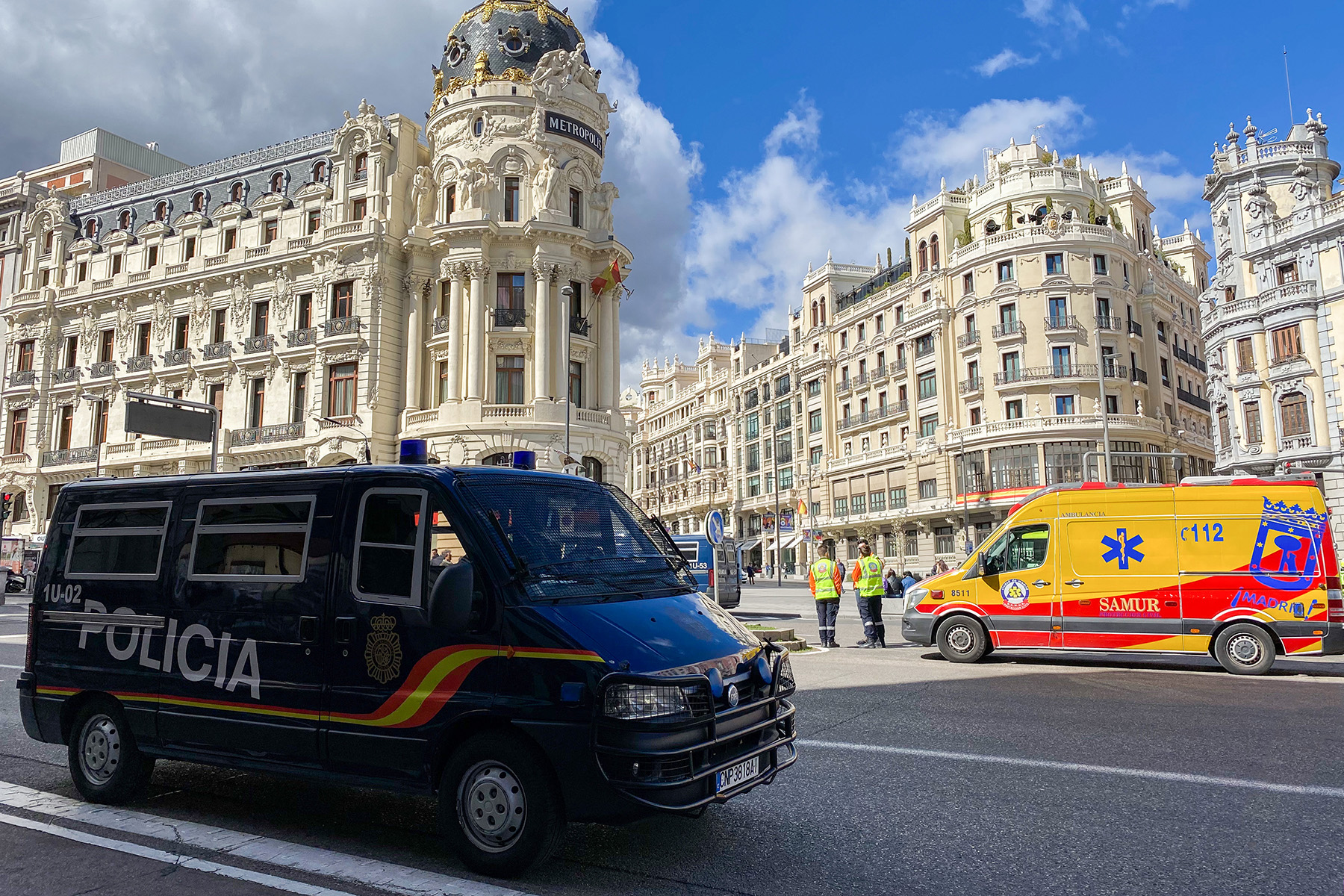
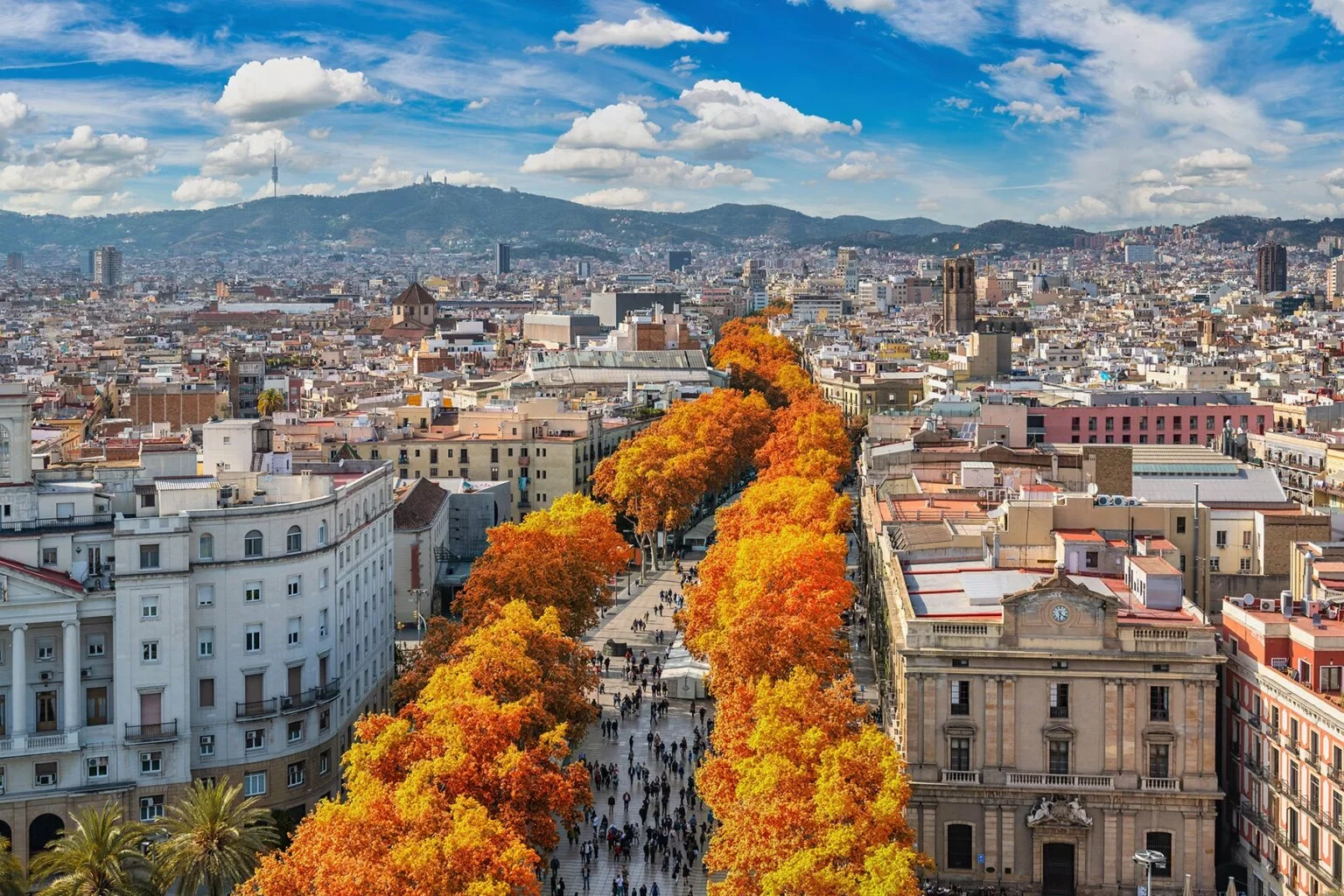
Pickpocketing in Spain is the issue most readers should take most seriously. It happens most often in crowded tourist zones such as Las Ramblas, the streets around Sagrada Família, Madrid’s Atocha station, airport areas, beaches, festivals, and packed metros.
Many thefts depend on distraction, not force. Fake police approaches, café table theft, bag snatches, and card fraud all work because travelers stop paying attention at the wrong moment.
- Keep phones, wallets, and passports out of outer pockets.
- Use zipped bags and keep them in front of you in crowds.
- Use ATMs inside Banco Santander, BBVA, or CaixaBank branches.
- Never leave a bag or phone on a café chair, beach towel, or table edge.
Nightlife, demonstrations, and personal safety
Spain’s social hours run late, so the highest-risk moment is often the trip home, not dinner itself. If you have been drinking, choose an official taxi from a rank or a licensed ride-hailing app instead of a long walk through unfamiliar streets.
Demonstrations and strikes happen regularly, especially in bigger cities, and even peaceful crowds can change fast. Avoid large gatherings, watch local transport updates, and call 112 for urgent help. The 016 line is for gender-based violence support, not the main emergency number.
- Do: Use busy, well-lit routes home and stay with your group if plans change.
- Do: Report drink spiking, harassment, or theft quickly.
- Don’t: Leave drinks unattended or accept one from someone you do not know well.
- Don’t: Stand inside a protest or assume transport will run normally around it.

Heat, wildfires, beaches, and outdoor risks
Climate conditions play a major role in everyday safety across Spain. Extreme summer temperatures regularly create health hazards inland, while sudden seasonal storms can cause flash flooding along the coast. Forest fires also pose real risks in rural regions through sudden road closures and reduced air quality.
Rather than assuming the weather will cooperate, make a habit of checking AEMET warnings and municipal safety updates. Taking a quick look at these official updates before driving between cities or spending the day outdoors helps you avoid unnecessary travel disruptions.
| Risk | Where it matters most | What to do |
| Heatwaves | Andalusia and central Spain | Start early, carry water, avoid midday exertion |
| Wildfires | Rural inland zones and forest edges | Check fire conditions, road access, and smoke alerts |
| Flooding or storms | Valencia region and Mediterranean coast | Watch warnings and avoid low-lying roads |
| Beach or hiking accidents | Islands, cliffs, and inland trails | Follow flags, stay on marked routes, turn back early |
Does safety change by city or region?
Safety conditions vary noticeably depending on where you are in Spain. While baseline precautions stay the same nationwide, factors like local crowd sizes, transit network layout, seasonal weather, and nightlife culture mean a bustling city center requires different awareness than a quiet coastal town.

Big cities and tourist hotspots
None of Spain’s major cities are no-go zones, but they do not carry the same risk profile. Barcelona is well-known for needing more petty-theft caution than quieter Spanish cities, while central Madrid shares many of the same transport-hub risks.
Valencia, Seville, and Málaga often feel easier to manage day to day, but the smarter approach is targeted caution rather than false confidence.
| City | Main risk | Where to pay extra attention | Best habit |
|---|---|---|---|
| Barcelona | Highest pickpocket risk | Las Ramblas, Sagrada Família, metro exits | Keep moving in crowds |
| Madrid | Busy hub theft | Atocha, Sol, Gran Vía | Use well-lit exits late |
| Valencia | Weather and festival disruption | Old center, beach routes, fall storms | Watch seasonal alerts |
| Seville | Heat and late walks | Historic center, summer afternoons | Start early, taxi home late |
| Málaga | Beach and nightlife exposure | Waterfront, station areas, club routes | Keep valuables tight |
Smaller cities, rural areas, and islands
Smaller cities and rural areas often feel safer in daily life because there are fewer crowds and less tourist-targeted theft. The trade-off is practical: emergency help can take longer, English support can be thinner, and you may rely more on a car or one local route home.
Island safety requires a different approach depending on the destination. High-energy resort areas like Ibiza call for extra late-night caution around nightlife spots, whereas quieter Balearic and Canary towns may have more environmental hazards like strong sea currents, intense heat, and winding mountain roads rather than urban crime.
- Remote beaches can have poor phone signals or rough currents.
- Mountain villages and inland trails may have slower emergency access.
- Rental cars in scenic areas still attract theft if bags are visible.
- The last buses home may stop earlier than you expect outside major cities.
Money, documents, and emergency help
Small setbacks become much bigger when your ID, phone, cards, and cash all sit in one pocket or one bag. Hotels will usually ask for ID at check-in, and police or transport staff may ask for identification, so think in layers, not one single wallet.
Many people carry a passport copy or secure phone photo for ordinary day trips and keep the original locked away, but you should still know where the original is and how fast you can reach it. If theft happens, report it quickly through the Policía Nacional or the Foreign Tourist Assistance Service, known as Servicio de Atención al Turista Extranjero or SATE.
- Save 112, 091, and 092 in your phone before you need them.
- Keep the original passport, a spare card, and extra cash in a hotel safe or separate locked place.
- Carry only the money and cards you need for the day.
- If your wallet or phone is stolen, freeze cards, change key logins, and keep the police report. Expatica’s Crime and the justice system in Spain explains the reporting side in more detail.
- Some expats use a Wise account as a backup way to hold euros alongside 40 + other currencies and receive emergency money without carrying large amounts of cash.
FAQ
Frequently asked questions about whether Spain is safe
Is Spain safe for tourists? 
Yes, Spain is safe for tourists in most cases. The main tourist risk is petty theft and crowd-related hassle rather than violent crime, so secure your bag in busy stations and save 112 before you arrive.
Is Spain safe for solo female travelers?
Yes, and solo female travel safety in Spain is usually more about judgment than fear. Use common-sense nightlife precautions, choose official taxis or apps for uncertain late returns, and stay alert around transport exits when crowds thin out.
What is the emergency number in Spain?
The main emergency number in Spain is 112. You may also see 091 for Policía Nacional, 092 for Policía Local, 061 for ambulance services, and 016 for gender-based violence support, but 112 is the number to save first.
Is Spain safe to live in as an expat?
Daily life in Spain is generally safe for expats, but routines matter more than one-off tourist scams. Neighborhood choice, late-night habits, climate exposure, transport patterns, and how you manage documents and money will shape whether Spain feels secure over the long term.
Helpful sources
Information correct 24th August 2026
- U.S. State Department Spain advisory
- Government of Canada Spain travel advice
- Australia Smartraveller Spain advice
- Spanish Ministry of the Interior terrorism alert page
- Policía Nacional tourist safety and reporting resources
- AEMET weather warnings and fire hazard pages
- Protección Civil
- Expatica Emergency numbers and helplines in Spain
- Expatica Public transport in Spain
- Expatica Wise review Spain
- Expatica Expats in Spain: 10 questions answered
Related Articles


Editor's picks
 Dating in Spain: finding love as an expatSingle and ready to mingle? Learn how to find love on Spain's dating scene, where casual meet-ups can spark genuine romantic connections.
 Guide to getting health insurance in Spain in 2026Find out whether you need private health insurance in Spain in 2026, with insider info on costs, coverage, and medical professionals.
 International schools in SpainWant to send your child(ren) to an international school in Spain? Find out everything you need to know about fees, exams, and more.
Did you find this guide helpful?