
'%20id='ico-down'%20stroke='%23000000'%20stroke-width='1.5'%3e%3cg%20transform='translate(1092.250000,%20254.750000)'%3e%3cpolyline%20id='Path-2-Copy-4'%20transform='translate(5.500000,%202.750000)%20scale(1,%20-1)%20rotate(-180.000000)%20translate(-5.500000,%20-2.750000)%20'%20points='0%200%205.5%205.5%2011%200'%3e%3c/polyline%3e%3c/g%3e%3c/g%3e%3c/g%3e%3c/svg%3e)


Living
Family & Pets
Daycare and preschools in Spain
Parents moving to Spain might want to enroll their children in daycare. Find out about the preschool options available in Spain.


Children aren’t obliged to start their Spanish education until they are six years old. However, most parents take advantage of daycare and preschools in Spain from a very early age. In fact, it’s not uncommon for them to enroll their kids when they are just three months old. Spain has many nursery schools, or guarderías, which children can attend from a few months old until the age of three. They can then participate in educación infantil, the education level before primary school.
Read on to find an overview of the Spanish preschool system, including information on registration and other childcare options. Below, we cover:
Preschool in Spain
Preschool in Spain consists of two stages. During the first stage, Nursery schools (guarderías) cater to children from three months to three years. The second stage, kindergarten or infant school (escuela infantil), is for children from three to six.
Once a child is six years old, going to school is compulsory. While preschool is not mandatory, it’s common. The OECD reports that Spain has nearly full enrolment in early childhood education – 96% of three-year-olds and 97% of four-year-olds.
One of the main reasons for the large proportion of Spanish children attending preschool is the small amount of parental leave available. Statutory Spanish maternity and paternity leave ends after four months – one of the shortest periods (PDF) in the European Union.

Spanish public schooling is free for children from three to 18 years of age, although private school options are also available. However, the availability of preschools in Spain depends on your area and local demand. It can often be difficult to find a place for your child, especially in a state preschool.
Types of daycare/preschool in Spain
There are different types of daycare facilities available in Spain:
- Guarderías (nursery school): This is for babies and tots aged around three months to three years old.
- Escuela infantil (infant school/kindergarten): Youngsters aged three to six attend a Spanish preschool known as escuela infantil. There, they prepare for school and learn social skills. Teachers introduce them to basic lessons, sports, civic behavior, and safety concepts. Public infant schools are free.
- Nannies and au pairs: Many young adults move to Spain to work as an au pair. They advertise in newspapers or through au pair agencies such as Au Pair in Spain, AEPA, Au Pair World, and Europa Pages.
- Niñera/niñero (babysitter): Rather like au pairs, babysitters in Spain tend to advertise through newspapers and agencies such as Nannies and Mannies, Miss Babysitter, and The Nanny Line.
Guardería preschools in Spain
What are guarderías?
Guarderías are Spanish preschools where you can send your children for the first stage of infant education. It’s up to you whether you send your child to a state-run nursery or a private one, but bear in mind that private preschools only tend to accept children over the age of two. On the other hand, public preschools have lower fees and children can attend from just a few months old.
The Ministry of Education (Ministerio de Educación) is responsible for all state-run education in Spain, including preschool education. However, the local authority (comunidad autónoma) oversees each region’s preschools’ opening hours, teacher-child ratios, and time spent on each educational activity.
What do children do at guarderías?
Because of the country’s sizeable expat community, there are many English-language nursery schools in Spain. Most are in the major cities, the ‘Costas’ and the Spanish islands.
Nurseries principally offer low-cost childcare rather than focusing on child development. However, public, Spanish-speaking nursery schools can help your child pick up Spanish quickly, which has many advantages. For example, public schooling is almost entirely in Spanish – so unless you plan to send your child to an international school, it’s helpful for them to learn the language as early as possible.
Fee-based
There are many private, fee-based nursery schools in Spain. They typically cater to children aged two to six and are sometimes attached to primary schools. If this is the case, the pupils can transition straight from nursery to their formal education. There is a reasonable amount of flexibility in terms of hours of attendance. Parents can choose mornings, afternoons, full days, or just a few days per week. Schools sometimes also provide transport between home and school.
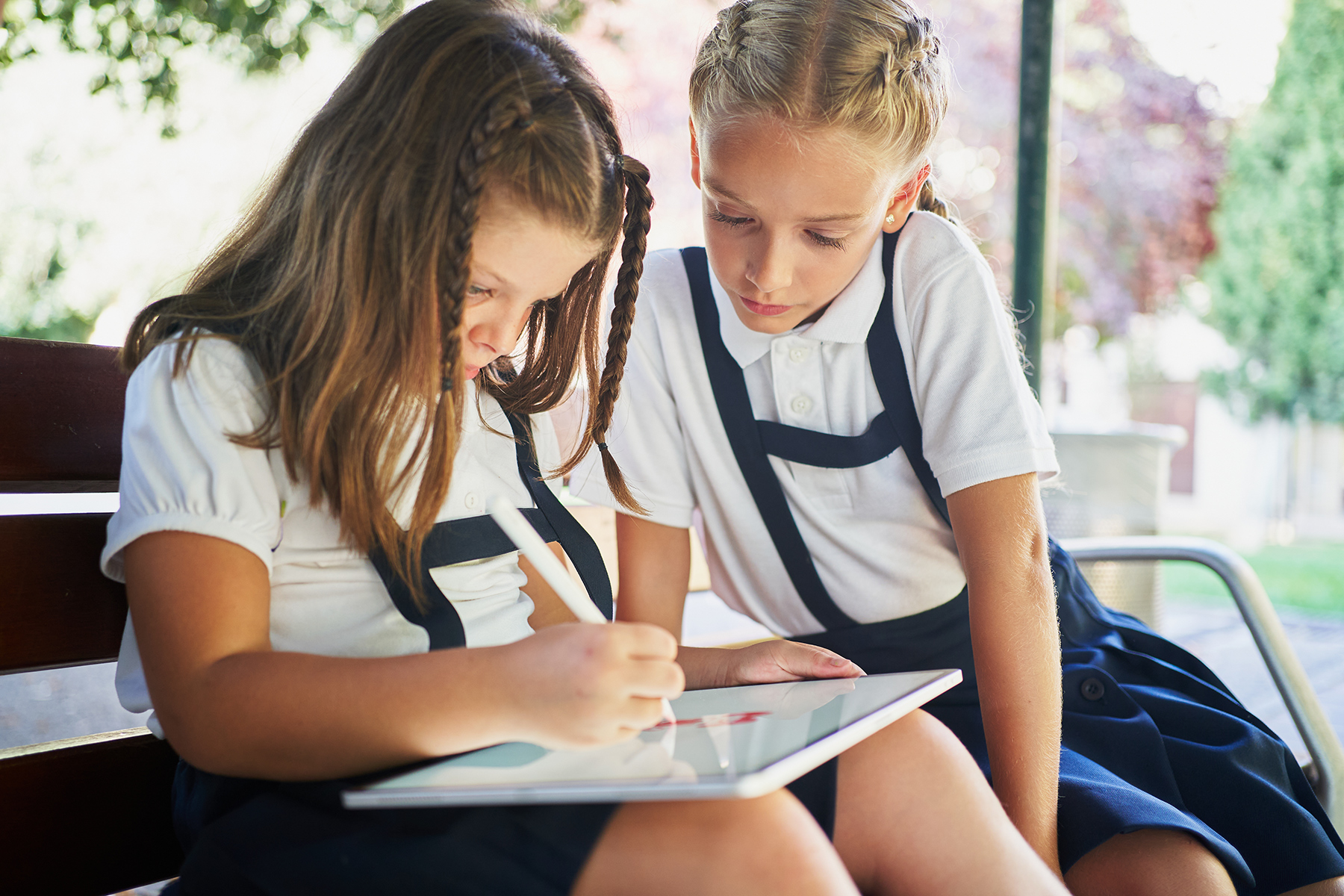
Fees for state nurseries normally include lunch, and hours are generally 09:00 to 13:00. Typically, there are 20–25 children per class in state nurseries in Spain. Classes are usually split into three age groups (infant-one, one-two, and two-three).
Finding and choosing a guardería in Spain
There are a couple of ways of finding a guardería. Before you move, you could contact the Spanish embassy in your country for a list of Spanish preschools in your area. You could also check the website of your town hall (ayuntamiento) or ask in person once you arrive in Spain. The ayuntamiento will tell you which nurseries are in your catchment area.
Check out the Ministry of Education website for general information. If you want to find a nursery where English is spoken, check with the British Council.
When choosing a guardería, think about what you want for your child. Is it important that they socialize with other youngsters or do you just need a safe space for them while you work? That should help you pick the right preschool in Spain. You can also ask other expat parents about different nurseries’ reputations. Try joining a local expat group on Facebook or a web forum such as Expat Forum.
How to enroll for a guardería preschool in Spain
Nursery schools in Spain have catchment areas, so you’ll need to live near your chosen preschool. However, you don’t need to be a legal resident to enroll your child in one – just register with the town hall. Usually, you’ll need to show a passport, a rental contract or title deed, and a utility bill when registering.
Each comunidad has a different process for preschool admission, so it’s worth checking with your local town hall well in advance. Usually, this involves submitting an application form with the local education authority, listing your preferred preschools. As guarderías are often over-subscribed, places are allocated according to a points-based system which might take into account:
- Your working hours and income
- How far from the preschool you work
- Whether your child has siblings in the preschool
- Whether you are a single-parent family
- How many children are in the family
- Any disabilities that the child has
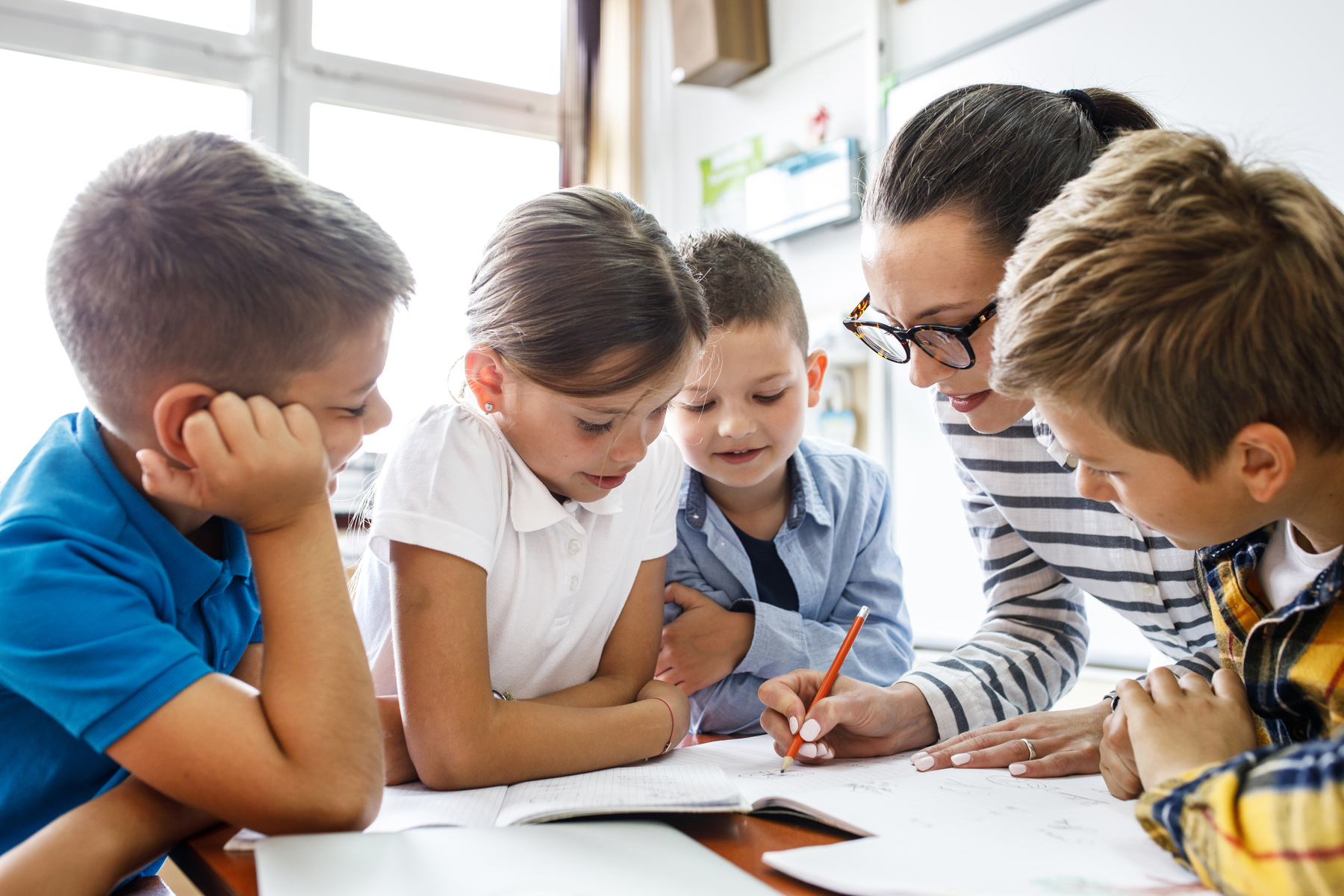
You will normally need the following documents:
- Proof of where you live and work
- Personal income tax declaration
- The Libro de Familia (family book) – a document from the Spanish Ministry of Justice which shows the members of your family
You will likely also need to show a form of ID, proof that you are registered with the ayuntamiento, and some nurseries also require immunization certificates. If you have a child with special needs, you must indicate this when applying.
Enrollment usually begins in March or April, when preschools publish the number of places they have available for the upcoming academic year. You can then begin applying, and you should know by June whether your child has a place. Contact your local ayuntamiento to find out the exact timings.
Costs of guardería preschool in Spain
The Spanish government subsidizes state-run nurseries. Generally speaking, they are low-cost, but the exact fees depend on your income. In Barcelona, for example, preschool costs €30–395 per month, depending on how much you earn and whether your child will stay there for lunch. The comunidad autónoma will ask you to provide evidence of income when making its assessment.
Private nursery fees also vary greatly and are generally far more expensive. The price is affected by factors such as the child’s age, the number of hours, the language spoken by staff, and whether lunch is included or not.
What is an escuela infantil?
Children aged three to six may attend an escuela infantil in Spain. These preschools offer the second stage (segundo ciclo) of infant education before primary school. Although this stage is also not compulsory, most parents send their children to these Spanish preschools. There are both public options, run by the Ministry of Education and local authority, and private preschools available.
At escuelas infantiles, kids learn social skills and prepare for primary school. These preschools are either run by the government or operated as private enterprises. Sometimes they are located on the same site as primary schools, and they are staffed by qualified teachers.
What do children do at educación infantil?
The types of things they learn at these Spanish preschools include:
- Communication skills
- How to interact with their peers and resolve conflicts
- About their bodies, differences between bodies, and respecting differences
- Problem-solving
- Basic math, reading, writing, ICT, sports, dancing, and music
- About families, the environment, and society
- Learning a foreign language is often introduced at this level, or even the level below
The typical day starts at 09:00, followed by a siesta from noon to 15:00. During this break, children normally go home, returning to preschool from 15:00–17:00. However, at some preschools in Spain, the kids stay for lunch.
Finding and choosing an escuela infantil
You can find a list of the Spanish preschools in your area on your autonomous community website or the state registry.
Registration requirements vary by region and municipality. Like with preschools, competition is fierce, and if you apply for a public escuela infantil, admission decisions are made using a points-based system. Typically this includes:
- Whether you’re a single parent
- The family’s gross annual income
- Whether the child has any disabilities
- Where you live
- Whether the child has any siblings at the school
Factors to consider when choosing an infant preschool in Spain
There are many important factors to weigh up when picking a Spanish preschool. Some of the most important considerations are:
- Lunch provision – do you want to pick up your children for lunch and drop them off again afterward, or pay for them to have lunch at preschool?
- Cost – can vary depending on availability of places and your family’s financial circumstances.
- Reputation – ask other local and international parents about the infant preschool’s reputation.
- Consider whether you want your child’s classes to be in English or follow a particular curriculum.
How to enroll for educación infantil in Spain
As soon as your family is registered at the local town hall, you can start applying. Do this as early as possible, by the last two weeks of March, to enroll your child for the upcoming academic year. You’ll need:
- Your rental contract or deeds for your home, if you own it
- Passport or residence card (NIE/DNI card)
- The birth certificate of your child
- Proof of your child’s vaccinations
You might also need to provide documents proving your family status. Due to high demand, it can be quite difficult to get a place.
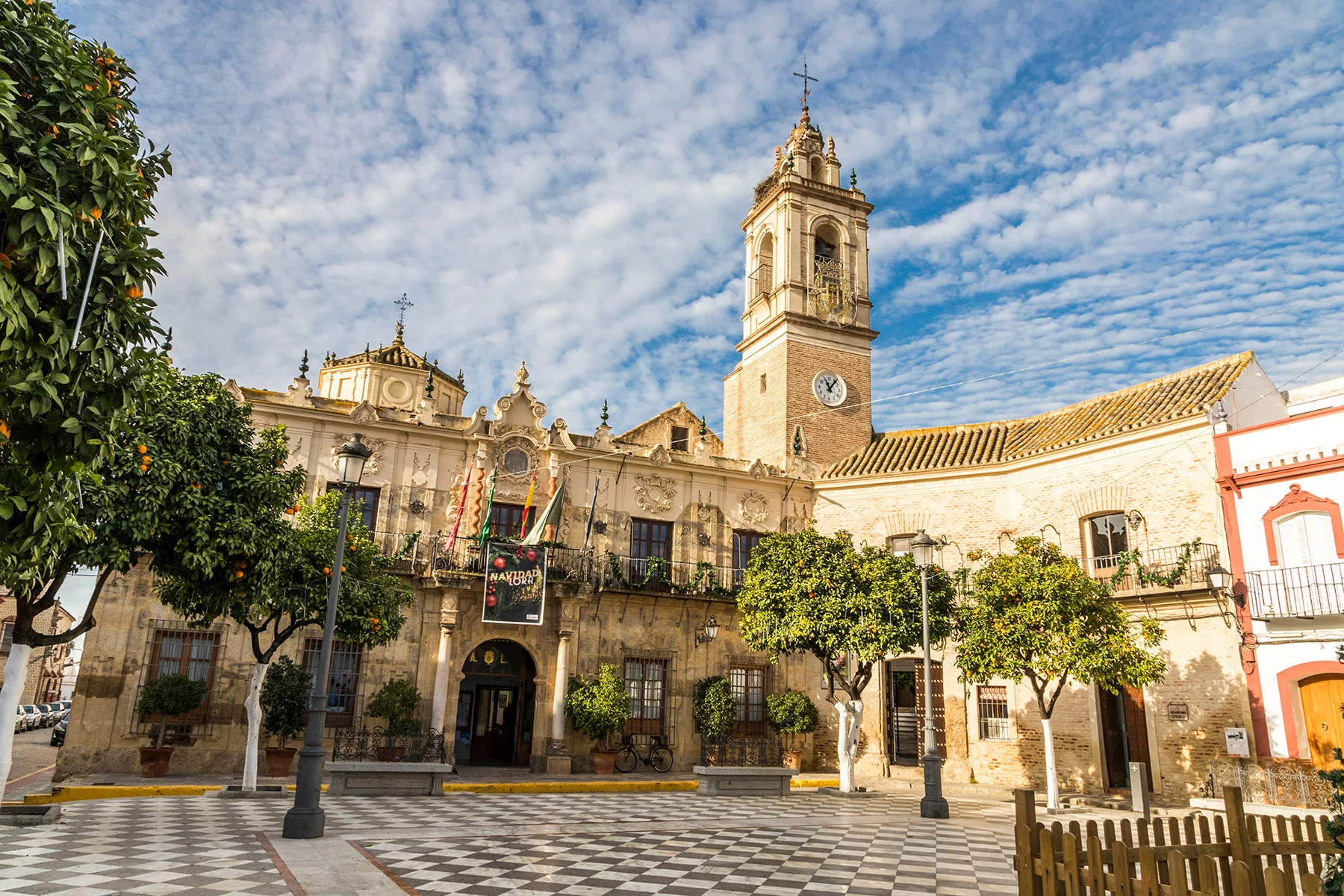
Costs of infant preschool in Spain
The second stage of educación infantil is completely free. You only pay for the first cycle of education when your child is aged 0–3.
International daycare and preschool in Spain
There are many reasons why you might want to send your child to an international preschool in Spain. For example, you might want your child to stick to the curriculum of your home country, or perhaps you prefer a specific system such as the British or American curriculum. In addition, you might not want your child to face a language barrier when you first arrive in Spain.
You might be able to find a German, French, or British international preschool in your area. However, if you want your child to get a taste of the local language as early as possible, you can also find bilingual international preschools.
Another advantage of international infant schools is that your kids are surrounded by children like them. Due to the multicultural nature of international schools, most attendees have foreign parents and family overseas and might speak other languages. In addition, classes are smaller than in state preschools, so each pupil can receive more attention.
Finding and choosing an international preschool
You probably won’t struggle to find an international preschool in Spain. After all, the country has the fifth-largest number of international schools in the world.
There are many online databases providing comprehensive listings of international schools and preschools in Spain. Check if the preschool belongs to one of the numerous accreditation bodies. They include:
- Agence pour l’enseignement français à l’étranger (AEFE)
- Council of International British Schools (COBIS)
- Council of International Schools (CoIS)
- Educational Collaborative for International Schools (ECIS)
- Mediterranean Association of International Schools (MAIS)
- National Association of British Schools in Spain (NABSS)
- New England Association of Schools and Colleges (NEASC)
Other childcare options in Spain
If preschool doesn’t suit you or your child, there are other options. These include au pairs, nannies, and child minders. Au pairs are generally young, foreign people, who come to Spain temporarily to earn money and gain cultural experience. Usually, they eat meals with the family whose children they look after, have their own bedroom, and receive a monthly stipend. By contrast, nannies and child-minders are employees – paid monthly or hourly.
You can easily find directories of professional au pair agencies, nannies, and child-minders on websites, including:
- Aupair.com
- Au Pair in Spain
- Kinderstaff.com
- Nannies & Mannies Barcelona
- Internationalbabysitters.com
The transition from daycare to school in Spain
Escuela infantil should help your child prepare for primary school, as it introduces them to topics that will be covered in their compulsory education. These include math, reading, writing, art, ICT, and sports. Another bonus of preschool in Spain is that your child will have a chance to develop their social skills with other children.
The process for choosing a state or private primary school in Spain is similar to applying for preschools. For some schools, it’s even easier – such as when your child is transitioning from a preschool that is part of a primary school. That said, there are some good ways to prepare:
- Research primary schools listed on your town hall’s website
- Consider international and other private primaries
- Check enrollment dates (normally March/April/May)
- Register your family at the town hall if you haven’t already
- Complete the application form (from the town hall if a state primary, from the school if private)
- Follow the next instructions from the school and provide any documents they request
General tips for daycare in Spain
There are a few things you can do to help make your kid’s daycare experience as smooth as possible. For example:
- Teach them a few simple Spanish phrases if they are attending a state school
- Label their possessions, including coats, bags, and shoes
- Provide emergency contact details, including their doctor
- Inform the facility of any known allergies
- Reassure your child you’ll be there to collect them
- Allow enough time on the first day to talk to the teachers about their needs
- Consider extra Spanish classes if your child is struggling with the local language
- Prepare them for Spanish birthday traditions – it’s common to pull the ears of the birthday girl/boy!
Useful resources
For more information, inspiration, and support, check out:
- Ministry of Education and Vocational Training – info about Spanish education
- Eurydice – Covers all European education systems
- British Council in Spain – bilingual programs and education
Related Articles

Editor's picks
 Top 10 Spanish foods – with recipesWhat better way to explore Spain than with your tastebuds? From tasty tapas to delicious dishes, here are the best Spanish foods.
 Dating in Spain: finding love as an expatSingle and ready to mingle? Learn how to find love on Spain's dating scene, where casual meet-ups can spark genuine romantic connections.
 International schools in SpainWant to send your child(ren) to an international school in Spain? Find out everything you need to know about fees, exams, and more.
Did you find this guide helpful?