'%20id='ico-down'%20stroke='%23000000'%20stroke-width='1.5'%3e%3cg%20transform='translate(1092.250000,%20254.750000)'%3e%3cpolyline%20id='Path-2-Copy-4'%20transform='translate(5.500000,%202.750000)%20scale(1,%20-1)%20rotate(-180.000000)%20translate(-5.500000,%20-2.750000)%20'%20points='0%200%205.5%205.5%2011%200'%3e%3c/polyline%3e%3c/g%3e%3c/g%3e%3c/g%3e%3c/svg%3e)



'%20fill='%23000000'%3e%3cg%20id='icons'%20transform='translate(56.000000,%20160.000000)'%3e%3cpath%20d='M144,7339%20L140,7339%20L140,7332.001%20C140,7330.081%20139.153,7329.01%20137.634,7329.01%20C135.981,7329.01%20135,7330.126%20135,7332.001%20L135,7339%20L131,7339%20L131,7326%20L135,7326%20L135,7327.462%20C135,7327.462%20136.255,7325.26%20139.083,7325.26%20C141.912,7325.26%20144,7326.986%20144,7330.558%20L144,7339%20L144,7339%20Z%20M126.442,7323.921%20C125.093,7323.921%20124,7322.819%20124,7321.46%20C124,7320.102%20125.093,7319%20126.442,7319%20C127.79,7319%20128.883,7320.102%20128.883,7321.46%20C128.884,7322.819%20127.79,7323.921%20126.442,7323.921%20L126.442,7323.921%20Z%20M124,7339%20L129,7339%20L129,7326%20L124,7326%20L124,7339%20Z'%20id='linkedin-[%23161]'%3e%3c/path%3e%3c/g%3e%3c/g%3e%3c/g%3e%3c/svg%3e)
'%20fill='%23000000'%3e%3cg%20id='icons'%20transform='translate(56.000000,%20160.000000)'%3e%3cpath%20d='M335.821282,7259%20L335.821282,7250%20L338.553693,7250%20L339,7246%20L335.821282,7246%20L335.821282,7244.052%20C335.821282,7243.022%20335.847593,7242%20337.286884,7242%20L338.744689,7242%20L338.744689,7239.14%20C338.744689,7239.097%20337.492497,7239%20336.225687,7239%20C333.580004,7239%20331.923407,7240.657%20331.923407,7243.7%20L331.923407,7246%20L329,7246%20L329,7250%20L331.923407,7250%20L331.923407,7259%20L335.821282,7259%20Z'%20id='facebook-[%23176]'%3e%3c/path%3e%3c/g%3e%3c/g%3e%3c/g%3e%3c/svg%3e)

For most expats, Belgium might not be the obvious choice as a retirement destination. However, with its central location in Europe, beautiful historic cities, and delicious and hearty cuisine, the country can be a great base for a lively retirement lifestyle. But before you decide to spend your retirement years in this picturesque country, there are several practicalities to consider. This includes Belgium’s pension regulations, healthcare system, and other services for expat retirees.
For those receiving pension income from abroad, it’s also important to consider how you’ll manage international payments and currency conversions to ensure you receive the full value of your retirement income.
To help you understand more, this article includes the following information:
SJB Global
Let SJB Global guide you on a range of topics including saving plans, retirement and pensions transfers, investments, and more. This financial adviser provides a remote service, so you can contact their experts at a time that suits you. Get in touch with SJB Global to find out how they could help you in your life abroad.

Retiring in Belgium
There are plenty of factors that make Belgium an attractive destination for expats. Aside from boasting one of the a quality healthcare systems, affordable housing, and a high standard of living, it offers a thriving culinary culture, with many Michelin-star restaurants and, of course, world-famous beers. Therefore, it’s no wonder that many expats who come to live and work in Belgium choose to continue living there after they retire.
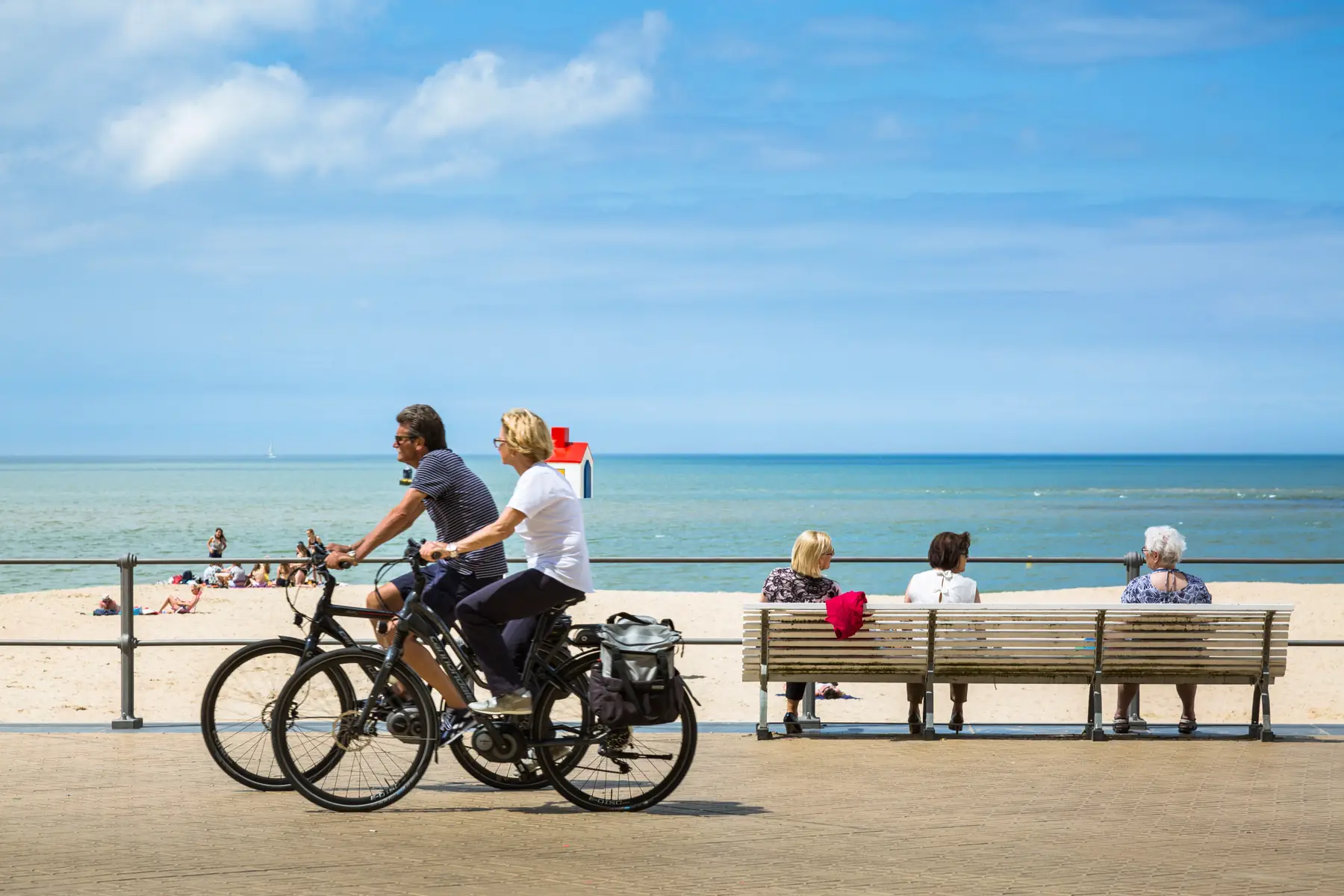
Belgian culture is a unique combination of the Dutch ambition to make the most of things and the French joie de vivre. And true to form, most Belgians choose to retire early at the age of 61 or 62, even if this means having a slightly lower pension and adjusting their standard of living. As per 2018 data, the Belgian Federal Service paid a pension to almost 2.1 million people. Of these, roughly 48% were men and 52% were women.
Who can retire in Belgium?
For EU/EEA nationals, relocating to Belgium upon retirement can be as simple as finding a house, packing your bags, and hitting the road. On arrival, you will need to register with your local municipality and get your residence card for a long-term stay. The process can take several months, so it’s best to get started early. For this, you’ll need to submit your:
- Proof of nationality
- Birth and marriage certificates
- Belgian address
- Proof of adequate funds to support yourself in Belgium – this can include bank statements, pension statements, or proof of income from real estate

The process for non-EU/EEA nationals and UK nationals (post-Brexit), however, is slightly more complex. In this case, you will first need to apply for a long-stay visa (type D) at your local Belgian consulate and submit the following documents:
- Medical certificate
- Proof that you have adequate funds to support yourself in Belgium – this can include bank statements, pension statements, or proof of income from real estate
- Judicial record check
- Character references from Belgian residents
- Reason why you would like to live in Belgium or sufficient ties to the country
- Proof of payment of the visa application fees (currently €209 or US$234)
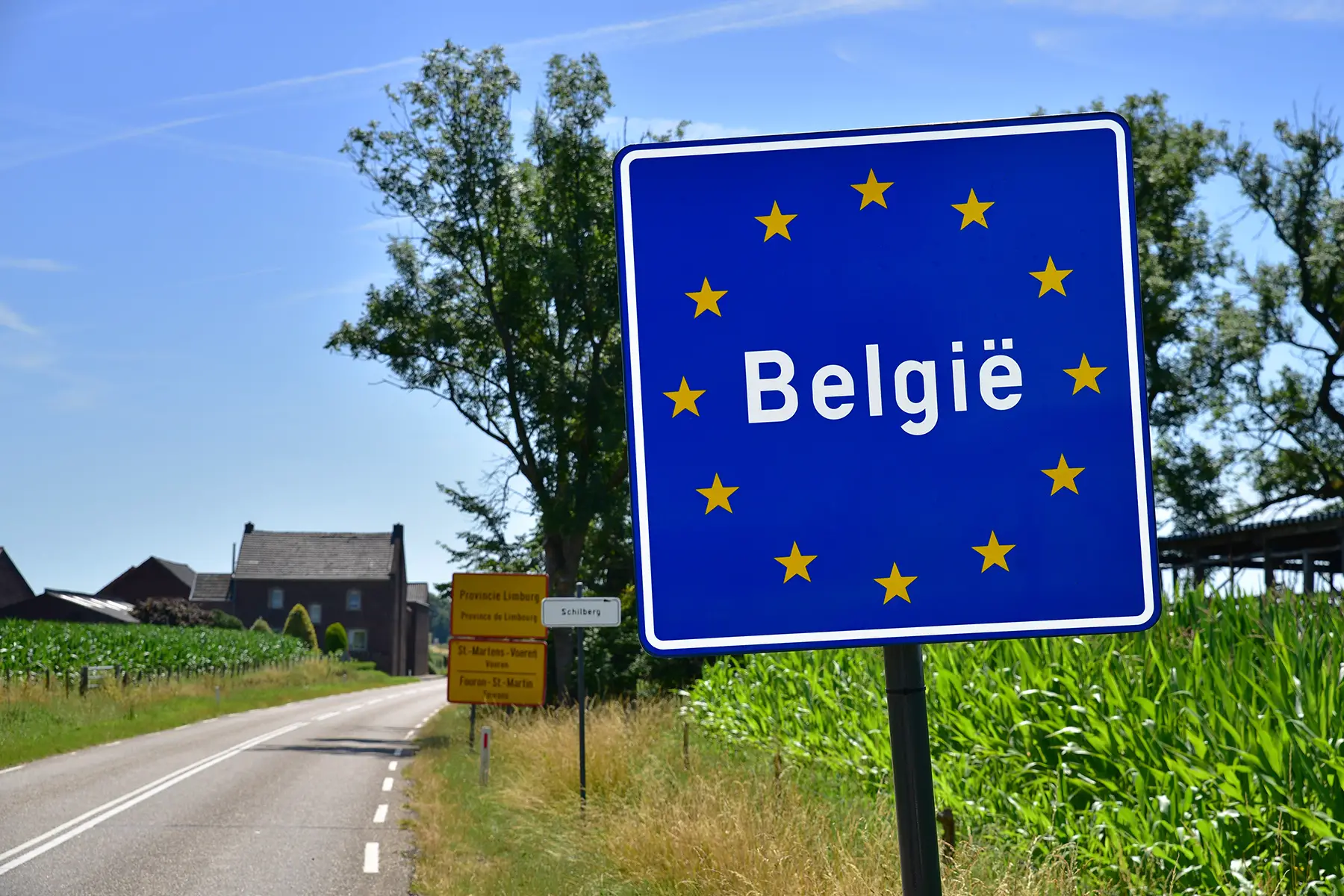
You can move to Belgium once your application is approved. However, it’s good to be aware that you are likely to be granted a six-month visa. You will need to register with your local municipality and apply for a residence card after you arrive in the country.
The retirement age in Belgium
The legal retirement age in Belgium, for both men and women, is 65. Most Belgians, however, choose to retire earlier. In fact, the effective retirement age in Belgium is closer to 62, which is among the lowest in all the OECD countries. This means that Belgians also enjoy a longer life expectancy, on average, following retirement.
Notably, there are plans to slowly increase the retirement age in Belgium to 66 in 2025 and 67 in 2030. However, if you are looking forward to bidding goodbye to the nine-to-five grind a bit sooner, then early retirement remains an option. In fact, you can request an earlier pension if you are:
- 63 years of age and have 42 years of service
- 61 years of age and have 43 years of service
- 60 years of age and have 44 years of service
Pensions in Belgium
If you have worked in Belgium, you will receive the pension you have saved up there once you reach the legal retirement age. The Belgian pension system comprises occupational pension, state pension, and private pension.
People in Belgium enter an occupational pension scheme immediately upon being employed. Next to this, everyone working in the country, including self-employed people, must pay a compulsory contribution to the state pension scheme.
It is also possible to enter a private pension scheme in addition to this. In fact, self-employed people are recommended to choose this option since the state pension on its own is often not enough to meet living expenses during retirement. Moreover, investing in private pension schemes also entitles you to a tax benefit.
If you are planning to move to Belgium after retirement, or have built up pensions while working in other countries, you can also look at transferring your international pension to Belgium.
Retirees planning to travel frequently will benefit from the ING Extra Pack, which features 0% foreign exchange fees on credit card payments worldwide and unlimited global cash withdrawals. Furthermore, the pack includes extended Travel Insurance with coverage up to €537,100, ensuring peace of mind whether you’re at home in Belgium or traveling abroad.
Managing international pension income
If you’re receiving pension payments from your home country or from multiple countries where you’ve worked, you’ll need to consider how these payments reach you in Belgium. Many retirees receive pensions in different currencies – perhaps a US dollar pension, a UK pound pension, or payments in other currencies. The way you receive these international payments can significantly impact how much you actually receive each month. Banks in Belgium typically charge fees for international transfers and apply their own exchange rate margins when converting foreign currency to euros, which can reduce the amount that reaches your account.
Transferring an international pension to Belgium
Transferring the pension you have built up in EU/EEA countries and in Switzerland can be relatively straightforward. It involves a well-established procedure based on European regulations for the coordination of social security systems.
Upon retirement, you can apply to receive your pension at the Belgian Federal Pension Service (Dutch: Federale Pensioendienst, French: Service fédéral des Pensions). The Belgian pension service will do all the legwork and gather records of the pensions you have built up in the other European countries. These will be paid by the respective countries into your Belgian bank account. Just bear in mind that it can take a while for the claim to be processed by all the countries.

Next to EU/EEA countries, Belgium has bilateral agreements that allow you to transfer certain social security rights, including your built-up pensions, from several other countries. To claim your pension from any of these countries, you will need to apply to the relevant institution in that country.
Managing currency conversion and transfer costs
When receiving regular pension payments from abroad, it’s worth considering the ongoing costs of currency conversion. Each time your pension payment is transferred to your Belgian bank account, you may face two types of charges: transfer fees and currency conversion costs.
Banks in Belgium often add a markup to the exchange rate – meaning you receive less favorable rates than the mid-market rate you might see on Google or other financial websites. Over time, these costs can add up significantly, especially for monthly pension payments that continue throughout your retirement.
For example, if you’re receiving a US Social Security payment, a UK state pension, or a private pension from another country, each monthly transfer could incur these charges. This is particularly relevant if you’re receiving multiple pensions in different currencies.
Alternative options for receiving international pensions
Services like Wise can offer an alternative way to receive international pension payments. Wise uses the mid-market exchange rate – the rate you see on Google – and charges transparent fees. You can find current fees at wise.com. You can compare Wise’s total costs with your bank’s fees and exchange rate markup to determine which option is best for your situation.
With a Wise account, you can receive your pension in one currency and hold it in multiple currencies, converting when the rate is favorable. For instance, you can get local account details for receiving USD payments (useful for US pensions), GBP payments (for UK pensions), or other currencies. Wise is not a bank. Wise Europe is a payment institution licensed by the National Bank of Belgium (NBB). You can learn more at wise.com.
For retirees receiving regular pension payments, using Wise could reduce the fees paid on each monthly payment. The transparent fee structure means you can see exactly what you’re paying for each transfer, helping you budget more accurately for your retirement income.
QROPS and pension transfers for UK expats
Following Brexit, the European regulations no longer apply to the UK. For UK retirees looking to move to Belgium, this could mean a more complex procedure for transferring pensions. To manage retirement funds in an easier way, expats from the UK can consider a Qualified Recognized Overseas Pension Scheme (QROPS). This has its pros and cons, as well as eligibility criteria. Notably, it may be helpful to consult a financial expert to find out if QROPS is a viable option for you.
Taxes on retirement in Belgium
You’ll pay tax in Belgium on your pension and other income. Moreover, pension tax rates are 3.5% higher if you retire earlier than the legal retirement age.
As a pensioner, you are entitled to a tax reduction. However, this varies depending on your total taxable income and has a ceiling set at about €2,067. There are also concessions for charitable donations. Apart from this, there are no special concessions for pensioners and the regular rates apply for property and wealth, inheritance, and gift taxes. In Belgium, these tax rates vary between the different regions. You can find out more about this in our article on taxes in Belgium.

Working after retirement in Belgium does not grant you any additional concessions or rights. In fact, in some cases, it may even be fiscally disadvantageous. Furthermore, if you are transferring your pension to Belgium from another country, you will also need to tax it in Belgium. However, in some cases, if your pension has already been taxed at the source, you may be exempt based on an agreement to avoid double taxation. For specialized advice in these scenarios, it is best to consult a cross-border tax expert.
The best places for expats to retire in Belgium
Brussels
Brussels is one of the top choices for expats relocating to Belgium, including pensioners. Nicknamed the capital of Europe, it is the most international Belgian city. The World Health Organization (WHO) also recognizes Brussels as an age-friendly city.
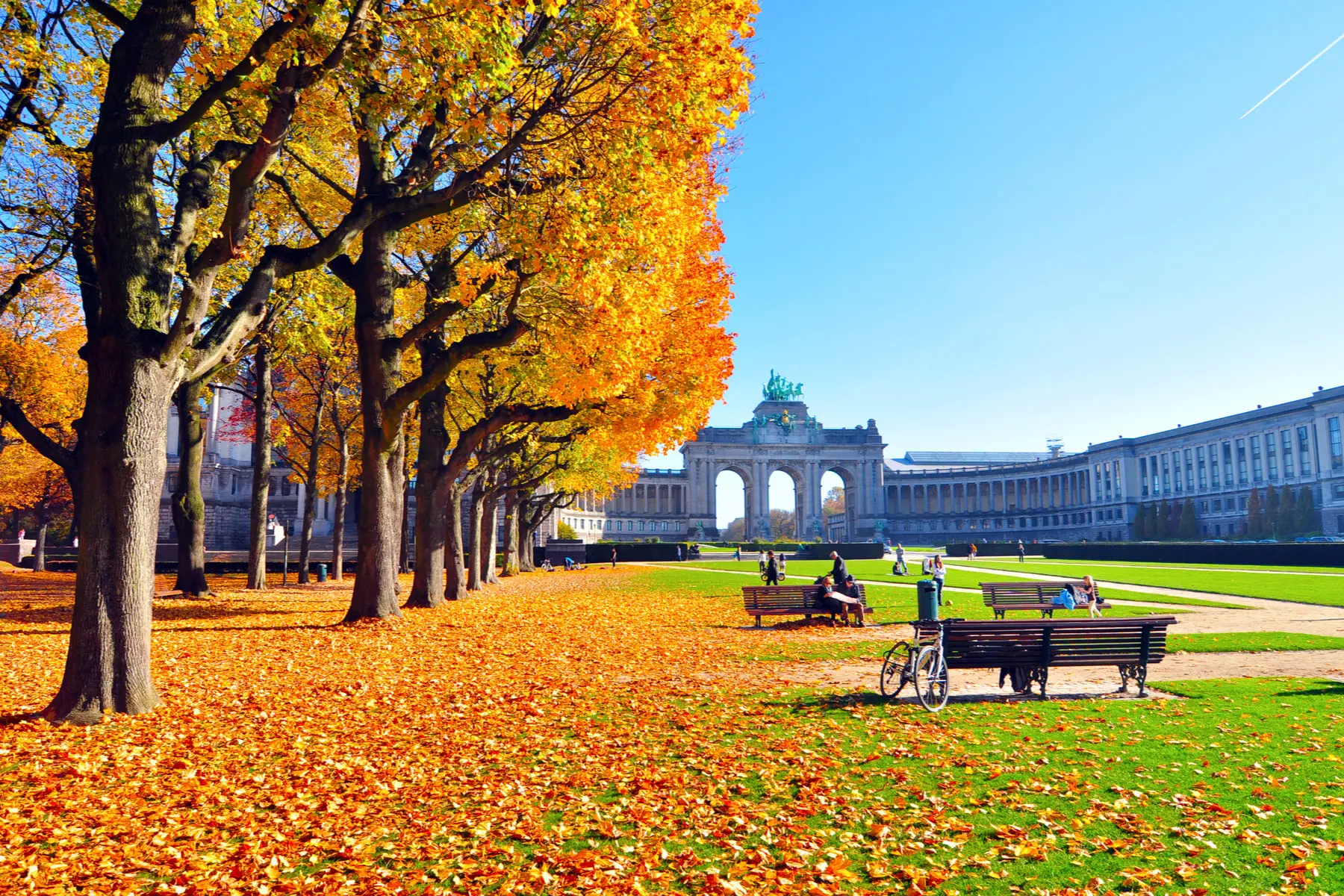
The city’s popularity is directly reflected in the cost of living, however. Brussels has seen a rise of 12.1% in property prices in the five years until 2020. The average house price in the capital is well above €450,000. Renting in Brussels will also set you back a sizeable sum of about €1,000 to €1,500. As Brussels has a well-connected public transport system, a better option might be to consider living in neighborhoods farther afield.
Other places to retire in Belgium
Next to Brussels, Belgium offers many picturesque and accessible places for expat retirees. Here are some other options you can consider if you are thinking of where to live in Belgium:
- Antwerp – Seen as Belgium’s trendiest city, Antwerp retains plenty of old-world charm. The cost of living here is lower than in Brussels, and the city has several English-speaking clubs and societies. Read more about the best neighborhoods in Antwerp.
- Bruges – A UNESCO World Heritage city, Bruges is often dubbed the ‘northern Venice’. It is rated the most pleasant city to live in Belgium. Rentals in Bruges are more affordable, but being a tourist city, the cost of living may be somewhat higher.
- Gent – If you are looking for a more dynamic mix between the young and old, then Gent is a great option. It is a university city with plenty of canals and boasts an authentic, lively lifestyle.
- Leuven – Another university town, ranking second in Monocle’s 2021 Small Cities Index right after Porto, is Leuven. It’s a 20-minute train ride to Brussels and is home to over 171 nationalities, making it one of the most English-friendly cities to live in Belgium.
- Tervuren – Located at the edge of Brussels, Tervuren offers big houses with plenty of space and easy access to the city. The nearby scenic areas are popular with expats, and houses here can be expensive.
Services, organizations, and clubs for retirees
All Brussels’ communes have dedicated community centers for seniors, which organize events and activities and offer help with administrative formalities. Additionally, Brussels has several initiatives to make the city more engaging and accessible for older age groups. An example is the ‘Senior Friendly Label’ that the city grants to cafés, hotels, and restaurants that give special attention to seniors’ wishes.

In Brussels and Wallonia, the Fédération Indépendante des Seniors (FIS) organizes outings, training, volunteering, and sporting activities for those over 55. The Flanders-based OKRA also does the same, focusing on the Dutch-speaking community aged over 55. OKRA also has a dating site for this age group.
There are also many expat groups in Belgium for those who don’t speak French or Dutch. For instance, The Wednesday Club, which is based in Brussels, is a community for English-speaking older men and women. You can find more expat groups and clubs in Belgium in our Directory.
Wills and inheritance in Belgium
As a retired expat in Belgium, you will need to think about how you would like to eventually hand down your property and savings. You may have already drawn up a will in your home country. If that’s the case, then it’s good to be aware that your will should explicitly mention whether your estate has to be handled according to the laws in your home country. If this is not specified, Belgian inheritance law will still apply.
Belgian inheritance law follows a system where the children of the deceased and the surviving partner automatically inherit a fixed share. The law also specifies how property gifted before death is valued. Moreover, Belgian inheritance tax is levied on all assets and property within Belgium. The inheritance tax rate varies between the Belgian regions.

It is possible to change your existing will at any time or draw up a Belgian will. When doing this, it might be worth seeking advice from a legal practitioner or tax expert. You can also search our Directory for a financial advisor in Belgium.
Healthcare for pensioners in Belgium
Belgium has one of the best healthcare systems in Europe, which offers easy access to both public and private services. The public healthcare system is funded through mandatory social security contributions that everyone living and working in Belgium is required to pay.
As a pensioner in Belgium, your healthcare costs are covered by the country whose social security legislation you are subject to. This could be your country of origin or the country where you have built up the biggest part of your pension. There may also be reciprocal agreements between your home country and Belgium that entitle you to healthcare benefits in Belgium.

If you fall under the Belgian social security legislation and are registered there, you are entitled to receive subsidized access to healthcare through the Belgian public healthcare system. For this, you will need to register with a Belgian public health insurance fund and go to healthcare centers and specialists affiliated with the public healthcare system.

Belgian public health insurance funds reimburse a vast part, but not all, of the healthcare costs. For instance, they do not cover hospitalization costs. For wider coverage of your healthcare costs in Belgium, you may need to take out private insurance. You can read more about that in our article.
Other support and benefits for retiring in Belgium
There are several other benefits you can enjoy if you choose to retire in Belgium. These include reductions on public transport, as well as discounted fares for museums, film tickets, and other events.

Next to this, all Belgian regions have provisions for home care facilities, including cleaning services, hot meals, and help with odd jobs. Alternatively, you can choose to live in a serviced residential accommodation that offers studios and apartments with these services available on site. There are also services and funds available for adapting your house for easier living as you get older. For more information on your options, you can get in touch with your Belgian health insurance provider.
Frequently Asked Questions
How do I receive my pension payments while living in Belgium?
Most foreign pension providers can pay your pension directly to a Belgian bank account. For EU/EEA pensions, the Belgian Federal Pension Service coordinates with pension authorities in other European countries to arrange payment. For pensions from countries outside the EU, such as the United States or Canada, you’ll typically need to provide your Belgian bank account details (IBAN and BIC/SWIFT code) to your pension provider. Some pension providers also offer direct deposit options that can take several weeks to set up.
Some retirees use services like Wise to receive their international pension payments. Wise can provide you with local account details in multiple currencies (such as USD for American pensions, GBP for British pensions, or AUD for Australian pensions), which can make receiving payments easier and potentially more cost-effective than using banks in Belgium. This can be particularly helpful if you’re receiving pensions from multiple countries in different currencies.
What fees should I expect when receiving international pension payments in Belgium?
When receiving international pension payments in Belgium, you typically encounter two types of costs: transfer fees and currency conversion charges. Banks in Belgium may charge a fixed fee for each incoming international transfer, which can range from €5 to €15 or more per transaction. Additionally, banks often apply a markup to the exchange rate when converting your pension payment from foreign currency to euros.
These costs can add up significantly over time, especially for monthly pension payments. Alternative services like Wise use the mid‑market exchange rate and charge transparent fees. Compare total costs to see which option offers the best value for your situation.
Do I need to open a Belgian bank account to receive my pension?
While it’s not always legally required to have a Belgian bank account to receive your foreign pension, it’s often highly practical. Having a local Belgian account makes it easier to pay for daily expenses, set up direct debits for utilities and bills, and manage your finances in euros. Most Belgian service providers (utility companies, internet providers, insurance companies) prefer or require Belgian bank account details for automatic payments.
However, you have options for how you receive your foreign pensions. Some retirees maintain both a Belgian bank account for local expenses and use alternative services for receiving and converting their international pension payments. This approach can give you flexibility in managing currency conversion and potentially reduce fees. Whichever method you choose, make sure you can provide proof of your pension income to Belgian authorities for tax purposes and visa requirements.
How long does it take for international pension transfers to reach Belgium?
The time it takes for international pension payments to reach you in Belgium varies depending on the country of origin and the payment method used. Traditional international bank transfers typically take 3-5 business days, though transfers from some countries can take up to 10 business days. Factors that affect transfer time include the sending bank’s processing schedule, intermediary banks that may be involved in the transfer, and the receiving bank’s processing time in Belgium.
Some payment services offer faster transfer times. The first payment may take longer to arrive while your pension provider sets up the payment details, so it’s advisable to maintain a financial buffer during this initial period. Once the payment arrangement is established, subsequent transfers usually arrive on a predictable schedule, allowing you to better plan your monthly budget during retirement.
Useful resources
- Golden Years in Belgium – a downloadable expat guide to life after retirement in Belgium
- EU Social Security Coordination – provides information about social security, including old-age pensions and benefits, in Belgium and other EU countries
- Federale Pensioendienst – provides Dutch information about Belgian pensions in Flanders
- Service federal des Pensions – provides French information about Belgian pensions in Wallonia
- be.brussels – the Brussels city website with information (in English) relevant to senior citizens living in the city