
'%20id='ico-down'%20stroke='%23000000'%20stroke-width='1.5'%3e%3cg%20transform='translate(1092.250000,%20254.750000)'%3e%3cpolyline%20id='Path-2-Copy-4'%20transform='translate(5.500000,%202.750000)%20scale(1,%20-1)%20rotate(-180.000000)%20translate(-5.500000,%20-2.750000)%20'%20points='0%200%205.5%205.5%2011%200'%3e%3c/polyline%3e%3c/g%3e%3c/g%3e%3c/g%3e%3c/svg%3e)


Move
Visas + Immigration
How to immigrate to Singapore: visas in 2026
Ready to explore all that Lion City has to offer? Here’s what you need to know about visas, immigration, and residency in Singapore.

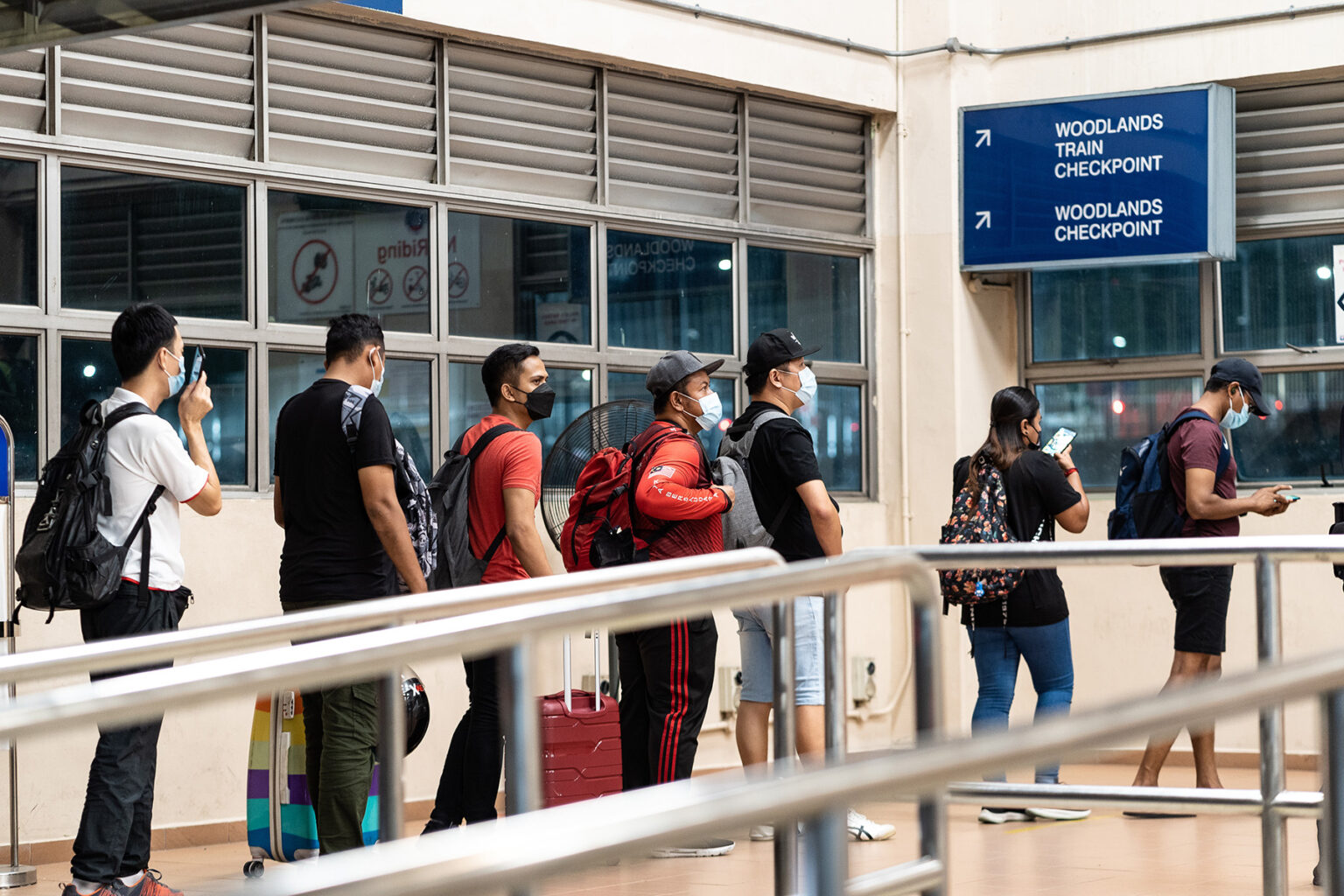
There are plenty of reasons to go to Singapore. After all, the small city-state in Southeast Asia is a multicultural, family-friendly melting pot that attracts expat families from all walks of life.
Depending on your nationality, you likely don’t need a visa if you’re staying there for a short term. If you’re planning to visit the country for longer, or you want to move there, you do need to apply for a permit.
Discover what you need to know about visas and immigration in Singapore:
Immigration in Singapore
With its competitive economy, political stability, and family-friendly society, Singapore remains an attractive place for international businesses and a firm favorite among expats.
According to the Singapore Department of Statistics, the country was home to around 1.77 million non-resident foreigners (roughly 30% of all inhabitants) at the end of June 2023. Most of those had a work visa (80%); only 16% were in the country on a family visa, and 4% on a student visa. This number did not take into account the 538,600 permanent residents, as these are usually counted within the total resident population.
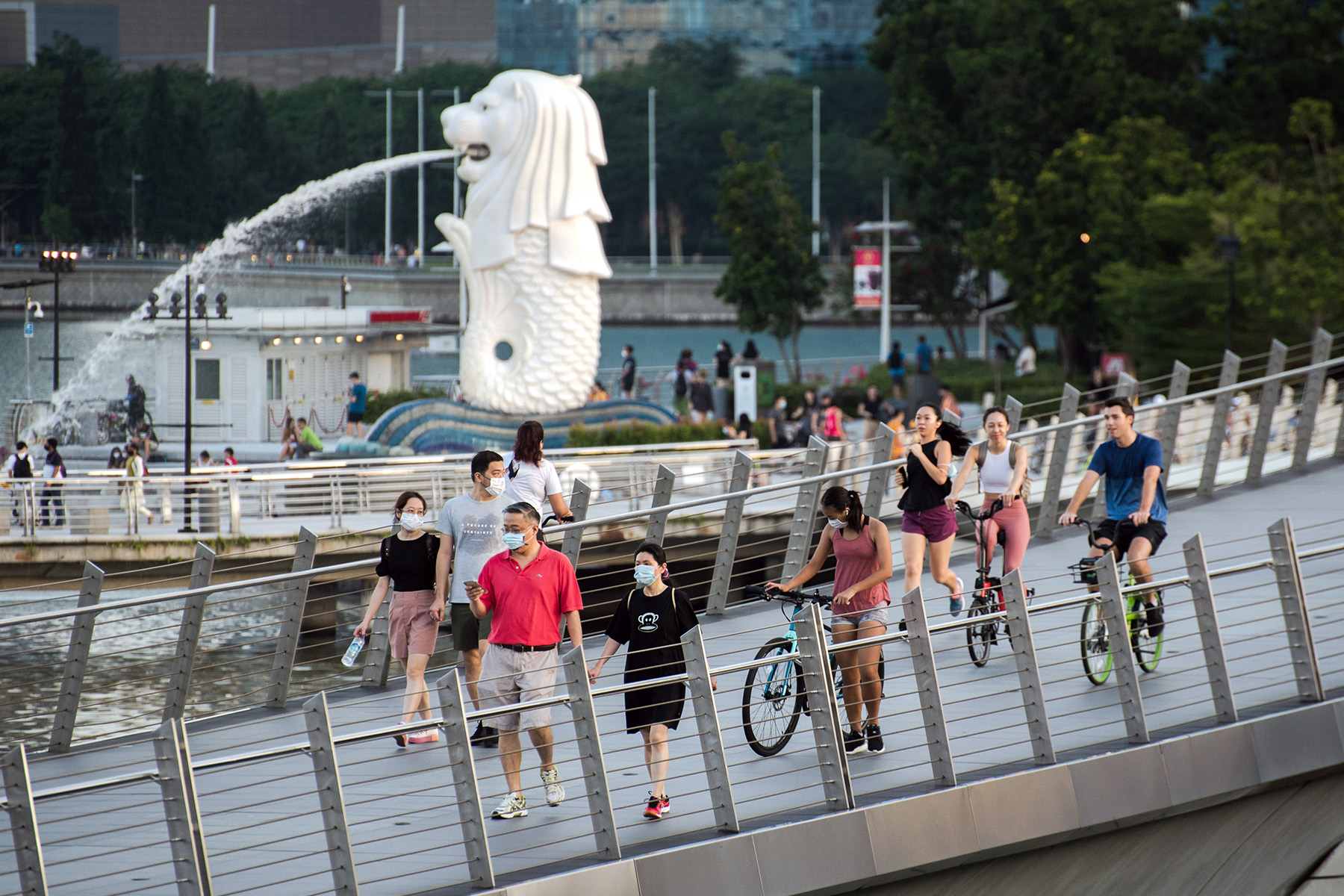
The Immigration and Checkpoints Authority (ICA) is responsible for most matters related to visas, immigration, and citizenship in Singapore. This agency falls under the umbrella of the Ministry of Home Affairs (MHA). The Ministry of Manpower (MOM) covers work visas and other related things.
Who needs a visa to go to Singapore?
Most nationalities do not need a visa if they only visit Singapore for a short holiday of up to 30 days. Notably, if you are from the following countries, you can stay up to 90 days without a visa, for example:
- Australia
- European Union
- New Zealand
- Norway
- South Korea
- Switzerland
- United Kingdom
- United States
However, if you travel on a passport from certain countries, you may indeed need an entry visa. These countries are categorized into two assessment levels:
| Assessment Level I | Assessment Level II |
| Armenia | Afghanistan |
| Azerbaijan | Algeria |
| Belarus | Bangladesh |
| China | Egypt |
| Georgia | Iran |
| Hong Kong | Iraq |
| India | Jordan |
| Kazakhstan | Kosovo |
| Kyrgyzstan | Lebanon |
| Macau | Libya |
| Moldova | Mali |
| North Korea | Morocco |
| Russia | Nigeria |
| Tajikistan | Pakistan |
| Turkmenistan | Palestine |
| Ukraine | Somalia |
| Uzbekistan | South Sudan |
| Sudan | |
| Syria | |
| Tunisia | |
| Yemen |
Entering the country
All non-resident visitors must apply for an SG Arrival Card, regardless of whether they need an entry visa or not. This only requires visitors to complete an online form before they arrive. It is not a visa application. If you are just passing through on a connecting trip or already have a long-term visa, you don’t need an entry visa.

You must apply for an arrival card within three days before your arrival. The ICA will validate it at the border and can still deny you entry if they deem it necessary.
All foreign nationals visiting Singapore for non-immigration reasons, such as tourism, will receive a passport stamp indicating their authorized period of stay upon arrival. This process is distinct from the validation of their SG Arrival Card.
If you travel from a country with a high caseload of yellow fever, you must provide an International Certificate of Vaccination for Yellow Fever. Anyone who cannot produce a certificate (e.g., children aged 1 or below) must quarantine for six days.
Transits in Singapore
If you’re in Singapore to catch an onward flight, you may need a transit visa. You can check with your airline to see whether you need to go through immigration or if you can remain in the transit area.
Some travelers are eligible for the visa-free transit facility (VFTF). This allows you to stay in the country for up to 96 hours. Eligible citizens are from selected countries that do not otherwise qualify for visa-free travel, including nationals from the Commonwealth of Independent States (CIS), Georgia, Turkmenistan, and Ukraine. Certain conditions apply if you are from India or China.
Extensions are strictly prohibited.
Short stays (up to 30 or 90 days)
Singapore has visa waiver agreements with over 160 countries. This allows you to travel visa-free to Singapore for up to 30 or 90 days, depending on your nationality. As such, most foreigners – including includes those from the Association of Southeast Asian Nations (ASEAN) – only need a valid passport to visit Singapore for up to 30 days.
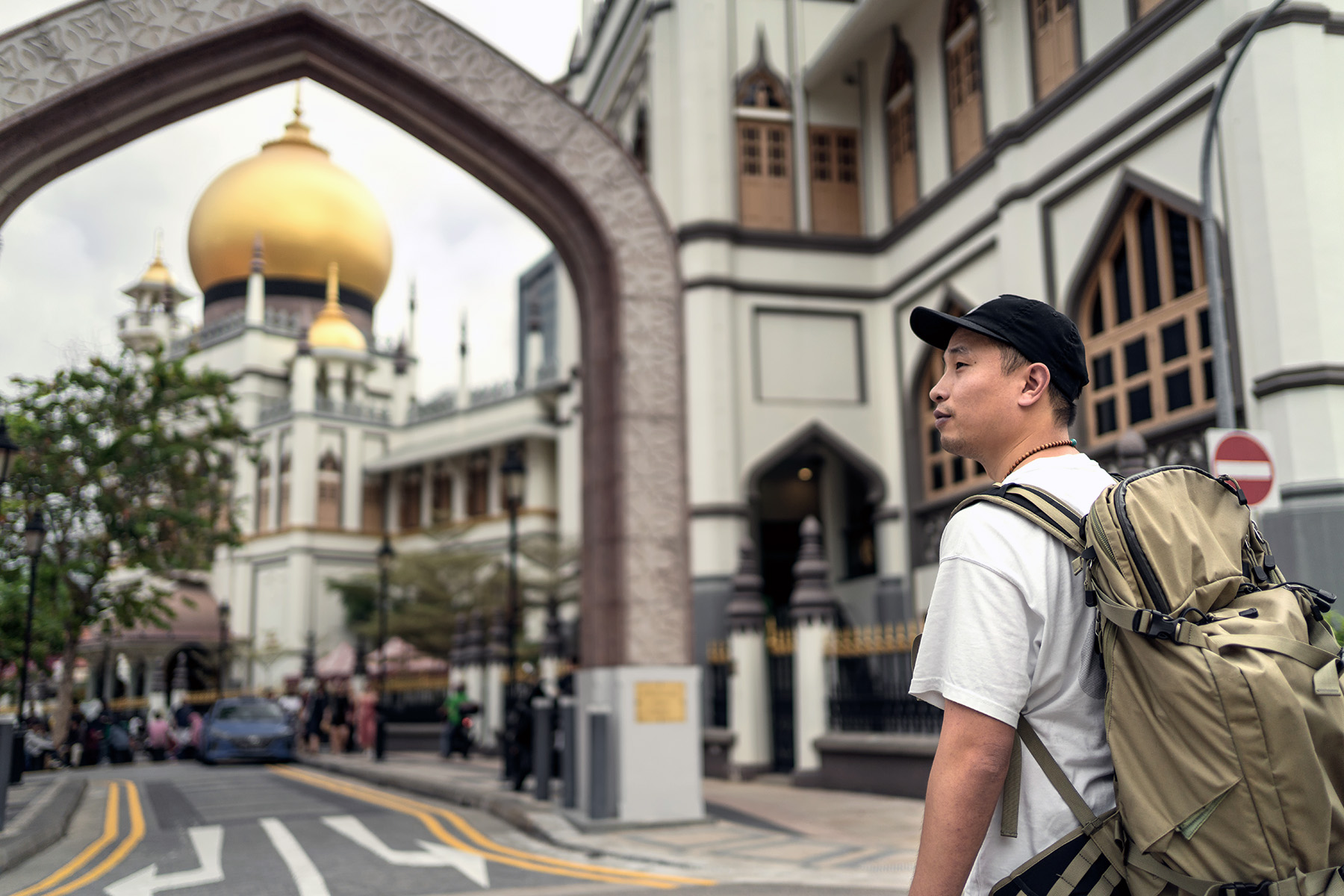
Citizens from the following countries can stay for up to 90 days (provided they have a valid passport):
- Andorra
- Australia
- European Union (EU) member states
- New Zealand
- Norway
- South Korea
- Switzerland
- United Kingdom (UK)
- United States (US)
If your country does not have a visa-free agreement with Singapore, you require a short-stay visa. For example, if you’re from India, Morocco, North Korea, Russia, and Ukraine. You will also need a visa if you are traveling on:
- A Palestinian Authority passport
- A temporary passport from the United Arab Emirates (UAE)
- Refugee travel documents issued by a Middle Eastern country
You can check whether you need a visa on the ICA website or that of your local embassy or mission.
Long stays (over 30 or 90 days)
Expats who are looking to stay in Singapore for more than 30 or 90 days must apply for a long-stay visa. This includes those visiting Singaporean family members for an extended period of time.
Immigration Exemption Order
If you work as a diplomat, consular representative, or visiting force member, you can apply for an Immigration Exemption Order (IEO). This permit allows you and your family to stay and work in Singapore.
For more information, you can visit the website of your local embassy.
What are short-stay visas in Singapore?
There are only two types of short-stay visas available for Singapore. These are:
- The Short-Term Visit Pass (STVP) – this standard 30-day visa allows you to visit Singapore for tourism, social visits, or medical treatment
- The Singapore business visa – if you’re traveling for business (e.g., negotiations, conferences, and seminars), you will need a business visa. This is a multiple-entry visa that allows you to visit Singapore for up to 30 days within a span of two years.
How to apply for a short-stay visa: process, requirements, and costs
You should apply for your short-stay visa at least two weeks before your intended travel date. Applications can be submitted online or at your local embassy or mission.

You will generally need to submit the following documents:
- Completed visa application form 14A
- Valid passport with at least six months validity on the date of entry into Singapore
- A color passport-sized photo taken within the last three months
- Proof of booked return ticket
All documents in a foreign language, including official notes, must be accompanied by an English translation. Depending on your application, you may be asked to provide additional information (e.g., a completed V39 form, which is a Letter of Introduction for Visa Application (LOI)).
Visa applications are usually processed within three to five working days (excluding the day of submission). However, in some circumstances, it can take up to 30 days, so it’s recommended to apply well in advance.
The exact fees can vary, with standard processing fees of S$30, plus agency charges.
Short-stay visa extensions
In some cases, you may extend your stay for up to 89 days. You can only do so with a local adult sponsor (i.e., a permanent resident or citizen of Singapore over the age of 21) or if you’re seeking medical treatment. The actual period of extension will be set by the ICA.
You can apply for an extension online within 14 days of your original STVP expiring. Depending on your purpose of stay, you may be required to submit additional documents (e.g., a letter from your doctor). Visa extensions typically take three days to process and cost S$40.
What are long-term stay (non-immigrant) visas?
If you plan to visit Singapore for more than 30 days, you will need a long-stay visa. These permits are not for indefinite stays; the holder generally intends to return to their home country.

You can apply for the following long-stay visas:
- Student and trainee visas
- Work visas
- Family visas
- Long-Term Visit Passes (LTVP)
Trainee and student passes
School-going children, international students, and professionals looking to go to Singapore can apply for the following visas:
- Student Pass (STP) – students will be issued an STP when they enroll at a recognized academic institution. It is generally valid for up to four years, depending on the course. Shorter courses will have shorter visa lengths.
- Training Employment Pass – foreign professionals undertaking practical training can do so with a Training Employment Pass. This visa is valid for up to three months and is not renewable. To qualify, you must earn at least S$3,000 per month.
- Training Work Permit – semi-skilled trainees or students undergoing training must apply for a Training Work Permit. This visa is valid for up to six months and cannot be renewed.
- Work Holiday Pass – students and graduates aged between 18 and 25 can go to Singapore for a working holiday. The visa is valid for up to six months and cannot be renewed. If you are Australian, your Work Holiday Pass is valid for one year.
If you already have a Dependent’s Pass, Long-Term Visit Pass, or Immigration Exemption Order, you don’t have to apply for an STP to study in Singapore. Likewise, you don’t need one if you hold a Short-Term Visit Pass and your course:
- Takes less than 30 days
- Is a complete and stand-alone module
- Isn’t practical occupational training or industrial attachment that involves interacting with walk-in customers
- Isn’t conducted on business premises (e.g., a hair or beauty salon)
Can you work on a Student Pass in Singapore?
With the Student’s Pass, you’re only permitted to work if you meet specific requirements.

Students can work during the school year if they’re registered with a certified institution, and the job:
- Does not exceed 16 hours per week
- Is under an industrial attachment program conducted by your university or educational institution
- Contributes towards their graduation requirements
You can also work during your vacation (outside the school year) if you are:
- Aged 14 years and above
- Registered with a qualifying institution
If you cannot meet the requirements and still want to earn some extra cash, you can apply for a work visa.
How to apply for a study visa: process, requirements, and costs
The requirements and procedures for a Student’s Pass differ slightly depending on the type of educational institution you intend to study at.
In general, you’ll need to provide the following documents:
- Registration Acknowledgement Letter from the school or university you’re attending
- Your passport biodata page and birth certificate (if applicable)
- Your personal information, including the list of countries and places you have previously resided in, your educational background, employment history, and financial support
- Your family’s information (if applicable)
- Your home address, email address, and contact details in Singapore
- A recent passport-sized color photo taken within the last three months
- Foreign children under the age of 12 must also submit their vaccination records to the Health Promotion Board (HPB)
All documents in a foreign language, including official notes, must be accompanied by an English translation.
You can apply online using the ICA e-Service. You must do so between two to three months before the course begins if you (or your child) attending a:
- Kindergarten or childcare center
- Approved Private Education Institution (PEI)
- Foreign System School (FSS) or Privately-Funded School (PFS)
If you are enrolled at one of the following schools, you can apply for a visa at least four weeks before your course begins:
- Government, Government-aided, or independent school
- Institute of Technical Education (ITE)
- Institute of Higher Learning (IHL)
The visa application costs S$30 and is typically processed within one or two weeks (excluding the submission date).
Work visas
Foreign employees are essential to Singapore’s labor force. Some 1.4 million foreign worker permits were issued in 2023; that’s roughly one-quarter of the total labor market. There are several types available, and which one you need will depend on your employment.
You can apply for the following work visas:
- Employment Pass (EP) – valid for two years and can be renewed for up to three years
- EntrePass – valid for one year with renewals of up to two years
- Personalized Employment Pass (PEP) – valid for two years and can be renewed for up to three years
- Overseas Networks & Expertise Pass (ONE Pass) – valid for up to five years with renewals of up to five years
- S Pass – valid for two years with renewals of up to three years
- Work Permit for confinement nanny – valid for up to 16 weeks starting from the birth of the employer’s child. It cannot be renewed.
- Work Permit for migrant domestic workers (WP-MDW) – valid for up to two years but can be renewed
- Work Permit for migrant workers – valid for up to two years but can be renewed
- Work Permit for performing artists – valid for up to six months and cannot be renewed
- Miscellaneous Work Pass – valid for up to 60 days and not renewable
While requirements for these work visas differ, you generally need to secure a job offer before you can start the application. Once you’ve met all criteria, you or your employer can apply online or through an authorized partner. Read more about the application process, requirements, and costs in our article on Work visas in Singapore.


Local expert
Gayatri Bhaumik
Insider tip
Some professions do not require a work pass. For example, if you enter Singapore as a journalist on assignment or a tour guide traveling with your group. Of course, if you are a journalist who moves to Singapore to live and work, you do need a work visa.
Family visas
Most expats can invite selected relatives to come and live with them in Singapore. You can invite your family member if you are or hold a:
- Permanent resident – same rules apply as for Singaporean citizens
- EntrePass
- EP
- ONE Pass
- PEP
- S Pass
- Student Pass

Eligible relatives can apply for three types of family visas:
- Dependent’s Pass (DP)
- Long-Term Visit Pass (LTVP) or Long-Term Visit Pass Plus (LTVP+)
- Student’s Pass Dependant Pass (STP-DP)
Which one they need depends on your situation and if you can meet the requirements. You can read more about the application process, conditions, and costs in our article on Family Visas.
If you are in Singapore on a DP or STP-DP, you are not permitted to take up employment. Instead, you can apply for a work visa once you have secured a job offer.
Family members of permanent residents or Singaporean citizens with an LTVP or LTVP+ are allowed to do selected work if they have a Pre-approved Letter of Consent (PLOC). The ICA will have given you the option to apply for one during your LTVP application. If you don’t have a PLOC and still want to work in Singapore, your new employer must get a Letter of Consent (LOC).
Parents who are accompanying a student in Singapore are not allowed to work during their first year there. This is to encourage them to spend time with their child. After one year, their new employer can apply for a work permit.
Long-Term Visit Pass or LTVP+
The LTVP visa allows you to stay in Singapore for up to two years. The LTVP+ is the same as the LTVP but is valid for up to three years. It also gives you access to healthcare, training subsidies, and employment benefits, whereas the LTVP does not.
LTVP/LTVP+ are usually reserved for family members of citizens and permanent residents in Singapore. However, you can also apply if you are:
- A graduate from an Institute of Higher Learning looking for work in Singapore. You won’t need a local sponsor.
- The (grand)mother of a Student’s Pass holder studying at an eligible school in Singapore
- A female visitor looking to give birth in Singapore
How to apply for an LTVP: process, requirements, and costs
Long-Term Visit Passes are generally only given out with local sponsorship. Some commercial entities and consultants claim they can help ease the process; however, ICA advises to exercise caution. You must be able to demonstrate a valid connection to your sponsor. Otherwise, your visa will be denied.
Your sponsor must be a Singapore citizen or permanent resident over the age of 21 and apply on your behalf using their 2FA Singpass account. They’ll need to provide:
- Completed visa application form 14
- Your travel information, including passport details and Disembarkation/Embarkation card reference number
- You and your sponsor’s home address, email address, and contact details in Singapore
- You and your sponsor’s personal details, including past and present marital history, educational background, employment history, and financial details
- If applicable, proof of relationship (e.g., marriage or birth certificate)
- A recent passport-sized color photo taken within the last three months
All documents in a foreign language, including official notes, must be accompanied by an English translation.
Fees range from S$30 to S$105. Applications are usually processed within 10 working days but can – in some extreme cases – take up to six months. You can check the status of your LTVP application online through MyICA or the e-Service, and you’ll receive the decision by email.
After obtaining the in-principle approval notice for your LTVP application, you can continue with the completion of Formalities and Issuance of Long-Term Visit Pass. This includes agreeing with ICA’s terms and conditions, submitting a medical report form (if necessary), and attending an interview with ICA (if necessary). This part of the application comes with additional costs ranging from S$60 to S$225.
Long-stay visa extension or renewal
In most cases, you may renew your long-stay visa. You can apply for an extension up to three to six months before it expires. Depending on your visa and purpose of stay, you may be required to submit additional documents.

Visa extensions usually take three to eight weeks to process.
Asylum seekers and refugees in Singapore
Singapore hasn’t signed any of the United Nations Conventions on refugees or stateless persons. As a result, there isn’t any legislation in place for refugees, and the country rarely takes in asylum cases. In fact, 2020 saw only five refugees recorded in Singapore, the joint-lowest figure in the world (together with countries like Fiji and Haiti).
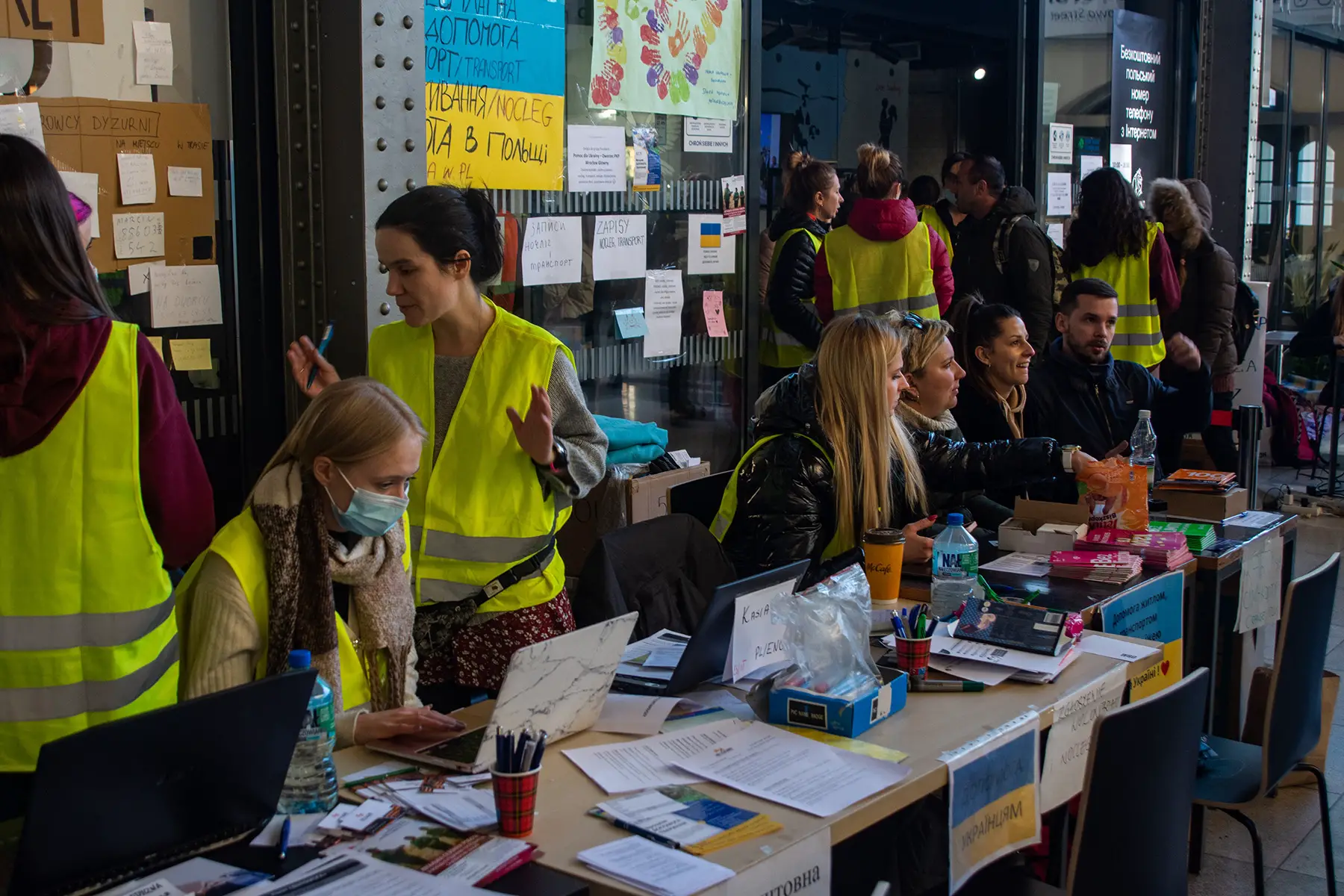
According to the Ministry of Home Affairs: “Singapore is not in a position to accept any persons seeking political asylum or refugee status, regardless of their ethnicity or place or origin [due to its limited land size].” As such, refugees and asylum-seekers who enter the country illegally risk detention, prosecution, and deportation.
The UN Refugee Agency UNHCR works together with the Singaporean government to process any asylum claims and relocate them elsewhere.
Residence and Singaporean citizenship
The long-stay visa allows you to live in Singapore for a pre-determined time. While most permits can be renewed, they are not intended for indefinite residency.

Expats looking to make Singapore their lifelong home can apply for Permanent Residency (PR) or citizenship. These options offer far greater benefits, including access to public housing, public healthcare, and social security.
Permanent residency in Singapore
Unlike many other countries, you don’t have to have lived in Singapore for a number of years to apply for permanent residency. In theory, you can file an application on your first day in the country. However, gaining permanent resident status is notoriously difficult. In general, the more time you’ve spent in Singapore, the deeper your ties and the better your prospects.
You’re eligible for PR if you are one of the following:
- Spouse of a Singapore citizen or PR
- Unmarried (adoptive) child under the age of 21 years, with at least one parent who is a Singapore citizen or PR
- Aged parent of a Singapore citizen
- Employed in Singapore and holder of an EP or S Pass
- Student in Singapore and holder of an STP
- Foreign investor
Applications will be assessed on a case-by-case basis. The ICA will consider your age, qualifications, residency history, economic contributions, and connection to Singapore. The general processing time is six months and costs S$100, plus additional charges.
Citizenship in Singapore
After two years of permanent residency, you can apply for citizenship in Singapore. Eligible PRs include:
- Adults over 21
- Spouses of citizens (must be married for at least two years)
- Unmarried children under 21 with at least one parent who is a citizen
- Students who have lived in Singapore for at least three years and passed a national exam
- Aged parents of citizens
Aside from your age, qualifications, residency history, and economic contributions, you must prove your integration into society and commitment to Singapore.
Applications typically take 12 months to process, and cost S$100, plus additional charges.
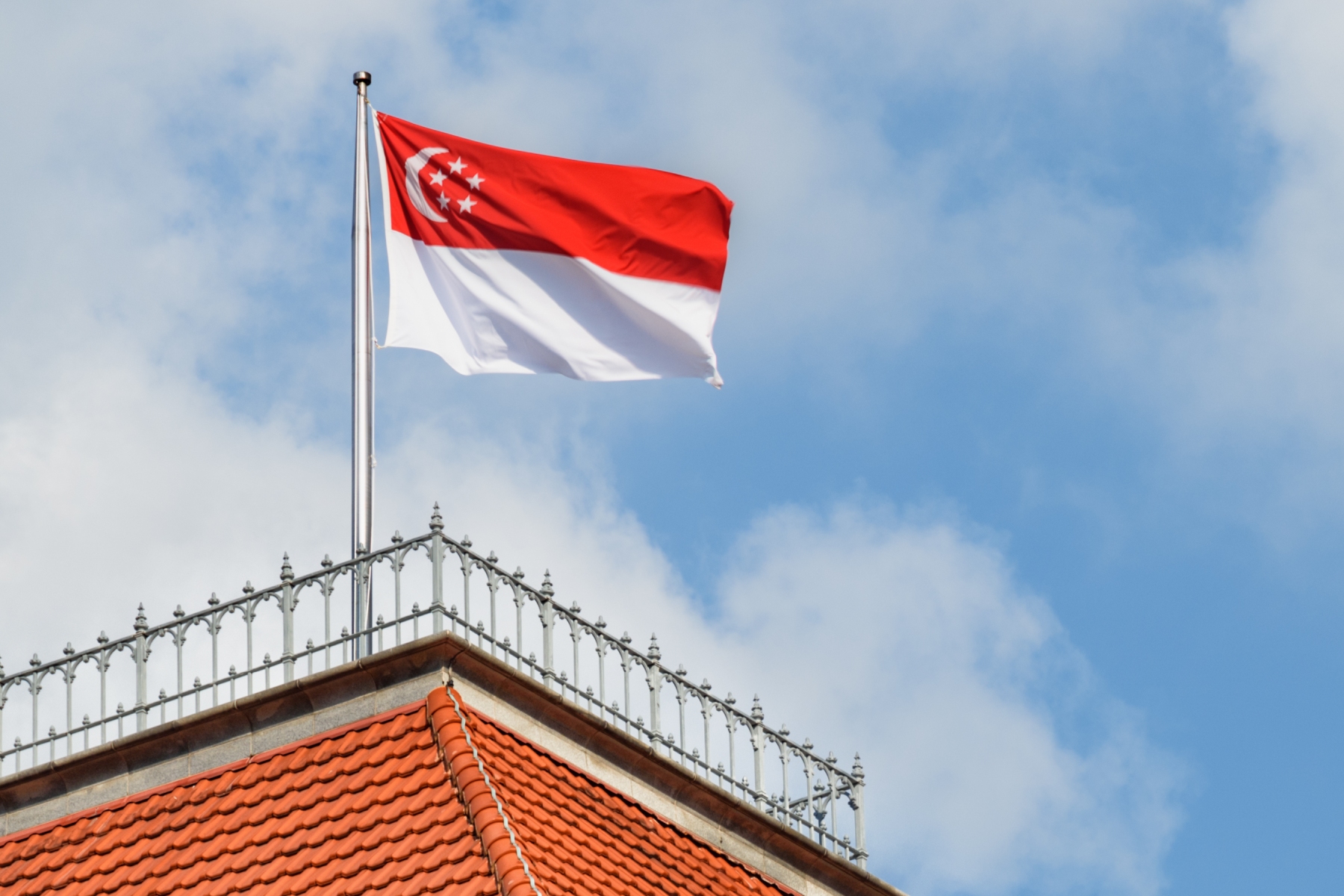
Once approved, you must take an Oath of Renunciation, Allegiance, and Loyalty (ORAL) at a citizenship ceremony.
It is worth noting that Singapore does not recognize dual citizenship. As such, you must give up your original nationality once you become a Singaporean citizen.
Arriving in Singapore checklist
Expats who stay in Singapore for more than 30 (or 90) days must apply for a Foreign Identification Number (FIN). This unique ID number allows them to start paying taxes, opening a bank account, and registering for healthcare and social security.

Other things that you may want to consider during your first weeks in Singapore are:
- Sorting out your utilities and telecommunications
- Getting a Singaporean SIM card
- Explore public transport options
How to complain or appeal a visa decision?
If you believe your visa application was rejected unfairly, you may submit an appeal through the same Authorized Visa Agent or embassy used when applying. For short-stay visas, you must do so within 15 days of receiving the decision. If your LTVP was denied, you can file an appeal within three months.
The processing time for appeal is typically 14 working days, depending on its complexity.
The ICA usually keeps the reasons for rejecting an application private, but some of the common include:
- Your passport is due to expire
- You submitted a photograph that was not taken on a white background
- You have visited Singapore too frequently and in succession
- You failed to submit all documents required
- You have a criminal record
- You used false or incorrect documents
- You did not provide an English translation of foreign documents
- There is conflicting information on the application (e.g., addresses or names)
You should also be mindful of using fake and scam websites to submit your visa application. You are advised only to apply through missions endorsed by Singapore’s Ministry of Foreign Affairs (MFA).
If you want to lodge a complaint about the ICA or give other feedback, you can do so on the ICA website.
Related Articles



Editor's picks

Did you find this guide helpful?