
'%20id='ico-down'%20stroke='%23000000'%20stroke-width='1.5'%3e%3cg%20transform='translate(1092.250000,%20254.750000)'%3e%3cpolyline%20id='Path-2-Copy-4'%20transform='translate(5.500000,%202.750000)%20scale(1,%20-1)%20rotate(-180.000000)%20translate(-5.500000,%20-2.750000)%20'%20points='0%200%205.5%205.5%2011%200'%3e%3c/polyline%3e%3c/g%3e%3c/g%3e%3c/g%3e%3c/svg%3e)


Housing
Renting
Renting a home in the Netherlands
Looking for a new place to stay? This article on renting in the Netherlands explains the rental market in detail.

With the current housing market, renting might be the best option (unless you have a couple of thousands to spare). However, the rules for tenants can be complicated, and many Dutch rental properties are social housing with restricted allocation.
Explore the housing market in more detail by reading the following sections:
Huurfix
Tired of paying outrageously high rent every month? Huurfix’s team of legal experts can work to negotiate a lower monthly rent for tenants in the Netherlands. They work on a no-cure, no-pay basis, so there’s no fee unless they’re successful. Visit their website now and find out if you’re eligible for a reduction.

An overview of renting in the Netherlands
Renting is common among both locals and expats in the Netherlands. Statistics Netherlands (CBS) reports that 42% of all housing units in the country are on the rental market. The country has a high level of social housing, with housing associations owning around 75% of rental properties.
Rents are assessed and controlled for low-value properties, and in some areas, restrictions on who is allowed to live where are in place. These restrictions give priority to those with a strong connection to the area, such as having been born there, having a family in the area, or working nearby.
Similar to many European countries, the Netherlands experienced a downturn in the housing market between 2008-12. Things are now picking up, although demand is growing faster than supply. Current forecasts show a projected shortage of 300,000 homes in the Netherlands in the coming years.
The Dutch Ministry of the Interior and Kingdom Relations is the government body responsible for housing.
Popular places to rent in the Netherlands
Amsterdam
The capital and most populous city in the Netherlands, often referred to as the Venice of the North. Amsterdam is a global city and the center of the Dutch economy. It is a good place for jobs and has been rated the 10th best European city to start a business.
Amsterdam has a high proportion of immigrants, with over 50% of residents born abroad. However, although it’s a vibrant city and considered a good place to live, this is reflected in rental prices which are more expensive than elsewhere in the Netherlands. For more information on moving to the city, read our guide on where to live in Amsterdam.
Rotterdam
Located in South Holland, Rotterdam is the second-largest Dutch city and Europe’s largest port. It has a similar multi-national makeup to Amsterdam and is home to many large businesses including Unilever, Pfizer and Allianz. The city has a sizable rental market that, while not quite as expensive as Amsterdam, is still more costly than most other Dutch cities. Find out more with our guide on where to live in Rotterdam.
The Hague
The western city of The Hague is known for hosting the government of the Netherlands as well as international organizations such as the International Court of Justice and Europol. Consequently, many international professionals live in the city and it has many high-end apartments suitable for expats. It is the second-most expensive city to live after Amsterdam, with one-bedroom apartments reaching around €1,000 a month. For more information, read our guide on where to live in The Hague.
Groningen
The largest city in the north of the Netherlands, Groningen is also one of the oldest cities in the country in terms of its architecture and culture. It has a sizable student population, with over 50,000 of its 230,000 residents living there for study purposes. Consequently, it has a vibrant nightlife and many apartments available to rent. See our guide to moving to the north of the Netherlands.
Buying vs renting in the Netherlands
There are many factors to take into account when deciding whether to opt for buying or renting in the Netherlands. Renting gives you more flexibility and you don’t have so much responsibility when it comes to maintenance. You enjoy a lot of protections when renting in the Netherlands and may get a rent allowance if you are on a low income.
However, you won’t have a place that you can truly call your own and will be restricted when it comes to altering fixtures and fittings. Buying a property also often works out cheaper in terms of monthly outlay, although you should check your mortgage options beforehand.
ABN AMRO
Are you an expat looking to buy a house in the Netherlands? While the process may be different from what you’re used to, ABN AMRO is here to help. You can use their online mortgage calculator or make an appointment with a mortgage advisor. With ABN AMRO, buying a house may be much easier than you thought.
However, buying can be risky as well as being time-consuming. As buying a property can take several months (generally at least three) and costs are typically at least 6% of the purchase price, it is recommended that you rent if you are new to an area or plan to stay less than three years.
If you’re unsure how much you can afford for a mortgage based on your salary, it’s worth reaching out to a mortgage advisor or bank that specializes in mortgages for expats, such as ABN AMRO.
Types of property to rent in the Netherlands
You can generally find five types of accommodation on the Dutch rental market. These are:
- detached houses (vrijstaand)
- semi-detached houses (twee onder een kap)
- terraced houses/townhouses (rijtjeshuis)
- apartments (appartement) – which can be one-, two-, three-bedroom, or sometimes even bigger
- houseboat (woonboot) – not so common, but sometimes you’ll find these available for rent
Most properties in the Netherlands are rented unfurnished, sometimes without basics such as carpets, fridges, and washing machines. However, you can find furnished rentals, especially when it comes to short-term accommodation. You can also find part-furnished rentals which include things such as carpets, curtains, and basic appliances.
Another type of basic accommodation is available through some anti-squatting networks, who rent out places for cheap just to keep them occupied. Buildings are usually divided into rooms and rented out for minimal costs (sometimes as low as €150 a month), but tenants have fewer rights and will sometimes have to move out at very short notice.
Finding a place to rent in the Netherlands
Online portals
Online property portals are very popular for renting in the Netherlands. You can find a range of different accommodation types and filter your search according to your preferences (area, price range, furnished or unfurnished, etc.).
There are plenty of sites offering fully serviced apartments, too, which are perfect if you’re only in the Netherlands for a month or two. These include:
Letting agents
You can also find many estate agents (verhuurbureaus) in the Netherlands. Commissioning an agent to find you a place will typically incur a fee equivalent to one month’s rent.
As most Dutch industries are relatively closely knit, even in the big cities, it’s best to only sign up with one agent or risk displeasing them all. Estate agents are obliged to work in the best interest of the tenant and should provide you with full information about the property.
Most property agents in the Netherlands belong to the Nederlandse Cooperative Vereniging van Makelaars (NVM) representative body. If you want to avoid being scammed when using an agency, it’s advisable to check that they’re a member of this organization.
In addition, several real estate agents provide English-language services and specialize in helping internationals find a home. These include Homes for Expats.
Local newspapers
Some of the local and regional newspapers feature listings for accommodation to rent, so it can also be worth keeping an eye on these to keep your options open. Other avenues include classified ads and internal company websites.
Finding student housing in the Netherlands
Most Dutch students in the Netherlands either live at home or rent privately rather than live on campus. However, if you’re an international student looking for accommodation, first try checking with your university to see if they have on-site campus accommodation. Many universities, particularly in the bigger cities, will also have a partnership with a student accommodation provider that can help you find a room.
Many of the property websites include information on student accommodation. Two sites worth checking out are SSH, which specializes in student accommodation and has access to around 19,000 properties, and DUWO which has listings for around 33,000 student rooms across the Netherlands.
Finding flatshares in the Netherlands
Flatsharing is a great way of saving money when you first move to a new city. Many of the property portals include search functions where you can look for a room within a shared flat. Some sites allow you to search for spare rooms within apartments all across the Netherlands. You can also list a spare room if you are interested in subletting.
However, it’s important to remember that you often won’t have to sign a formal rental agreement when renting a room. Your agreement is usually with your flatmates. Because of this, it is a good idea to draft up a simple one-page agreement or ask for something to be put in writing to protect yourself, especially if they ask you to pay a rental deposit upfront.
How to rent a property in the Netherlands
Renting a property through an agency
If you go through an agency when renting in the Netherlands, expect to pay an administration fee on top of the standard upfront costs. The agency will deal with all aspects of the transaction, from accompanying you on the initial property viewings through to signing the contract and issuing you the keys.
As in many other countries, you will usually have to provide a fair bit of information to Dutch estate agencies when renting accommodation in the Netherlands. You may also be required to undergo a credit check to make sure you haven’t got any bad debts against your name.
Documents that you will typically have to provide will include:
- proof of Dutch residency status
- passport or valid photo ID
- proof of earnings, such as Dutch bank statements or employment contract (sometimes the landlord may ask your employer to provide a reference)
- you may also be asked for your citizen service number (BSN)
Renting directly through a private landlord
Of course, you don’t have to use an agency. You can rent directly through a landlord. The process is largely similar in terms of regulations that have to be followed in relation to, for example, rental agreements and deposits.
Renting in the Netherlands through a private landlord can sometimes save money, for example, due to agency admin costs being waived, but make sure that they issue you with a proper contract so that your tenant rights are protected.
The costs of renting in the Netherlands
The government has put price controls on social rented homes in the Netherlands according to a points system called the woningwaarderingsstelsel. This is a valuation system that sets a maximum rental price for social housing.
However, these controls do not apply to houses rented in the private sector. Private rental costs in the Netherlands are currently rising at the rate of around 2.5% a year. This has been higher in Amsterdam (3.4%) and Rotterdam (3.2%).
Monthly rent
According to Numbeo, average prices for renting in the Netherlands are currently between €810–1,020 a month for a one-bedroom apartment and between €1,250–1660 a month for a three-bedroom apartment. For Amsterdam, this rises to between €1,200–1,590 for a one-bedroom apartment and between €1,865–2655 for a three-bedroom place.
You typically have to pay rent upfront on a monthly basis. The most convenient way of doing this is by setting up a direct debit or standing order through your bank.

If you’re earning in a foreign currency, you might want to consider using a multi-currency account like Wise to convert your money to euros. Wise uses the mid-market exchange rate with transparent fees, which could help you budget more accurately for your monthly rent payments.
Rental deposit
Tenants who are renting in the Netherlands typically pay a rental security deposit, along with the first month’s rent. This is usually equal to between 1-2 months’ rent.
The landlord will return the deposit when you move out, minus any money you owe for rent arrears or damages. Your landlord has to refund the deposit to you by law at the end of the tenancy and you can take them to court if they refuse.
To protect yourself, you should get them to sign a written record detailing the condition of the property at the time you move in.
If you’re transferring your deposit from abroad, consider Wise – transfer your money using the mid-market exchange rate with transparent fees. This means you could avoid the high fees and poor exchange rates that other providers in some countries often charge for international transfers.
Agency/administration fees
If you hire an agency to help you find a place in the Netherlands, you will usually have to pay their fees. These usually equate to one month’s rent and will be payable along with your initial rent payment and deposit.
If the landlord hires the agency, they will normally be responsible for paying any fees.
Insurance
Once you’ve found your new rental home in the Netherlands, it’s important you protect your belongings. Contents insurance can help protect you against burglaries, unexpected damage, and more. This gives you peace of mind in your new home. Some rental contracts stipulate that you need to take out contents insurance. Contents insurance providers in the Netherlands include:
Not sure which provider is right for you? You can compare home contents policies quickly and efficiently using a reputable price comparison website.
Lemonade
Think you know insurance? Think again. Lemonade brings insurance into the 21st century, letting you take out liability and contents coverage in minutes. On their easy-to-use English app, you’ll be able to buy and manage your cover from the comfort of your own phone. Protect your home and belongings instantly with Lemonade.
Other costs
When renting in the Netherlands, you will have to budget for a number of other accommodation costs. These can include:
- Dutch utility bills such as electricity and internet;
- municipal taxes – landlords sometimes include these with rent but you may have to pay them separately;
- furnishings – as most accommodation in the Netherlands is rented unfurnished, you may well have to budget for furniture such as sofas, beds, tables and kitchen equipment.
For expats managing finances across borders, Wise offers a multi-currency account that includes EUR account details. This allows you to receive your salary, pay bills, and manage rental costs in euros while holding multiple currencies in one place, making it easier to handle your financial commitments in the Netherlands.

Help with costs
If you are renting in the Netherlands in the private sector and are on a low income, you may be entitled to a rental benefit called a huurtoeslag. Conditions for accessing this benefit are somewhat complex – it’s best to consult your local government advice center directly or check online (information in Dutch only).
There are also tenancy lawyers, like Huurfix, who can help guarantee your right to a reasonable monthly rent if you believe you’re paying too much.
Social housing in the Netherlands
Around 75% of Dutch rental properties are social housing. These belong to housing associations and they can be significantly cheaper than property on the private market.
However, the government strictly controls social housing in the Netherlands and allocates it based on need. This means that few expats qualify for it. There are long waiting lists and housing associations must let 80% of homes to residents with a combined income of no more than €36,798.
A further 10% must be let to residents with a combined income of no more than €41,056, meaning that only 10% can be offered to people with higher incomes.
The government determines the rent for social housing through a points-based system based on property value and size. The current maximum limit charged for social housing is €720.42 a month (2019).
To apply for social housing, you should register with the appropriate housing association. You can do this by contacting your local authority who will be able to tell you the relevant housing association(s) for your region.
A successful application gives you a right-of-refusal on available properties – rather than search for a property yourself, you wait to be informed about one which has been deemed to meet your needs.
There is a complex system of points for assessing properties and matching them with tenants. Students may be able to bypass some of the waiting lists. However, it’s best to discuss your needs with your educational institution for more practical advice.
Tenants’ rights and obligations
Dutch rental law is mostly in favor of the tenant, not the landlord, and there are fixed processes for disputing a rent, rental increase, or other issues. Landlords cannot evict tenants without good reason and need to go through legal proceedings to get an eviction notice, which can be lengthy.
You can read more about your rights – as well as that of your landlord – in our detailed article.

Utilities and telecom in the Netherlands
Depending on the property you move into and your tenancy agreement, you may be responsible for setting up accounts for things such as electricity, gas, internet, phone, and TV when renting in the Netherlands.
With many places, the landlord will take care of these and add the necessary monthly costs to your rent, although they should give you full details of what any additional charges are for.
However, if you rent somewhere where you are responsible for organizing the supply, you will need to contact the relevant providers to arrange an account. See our guides to setting up utilities in the Netherlands and setting up telecommunications in the Netherlands for information on what to do.
Moving in and moving out of the Netherlands
Once you have signed the tenancy agreement and paid the initial upfront costs, the landlord or lettings agency should give you the keys to your new rented accommodation. You will be responsible for returning the property in a neutral state when you leave – i.e., in the same state as when you moved in. Because of this, it’s a good idea to get an inventory done when you move in.
This should detail the exact contents of the property along with information on the condition of all fittings and any existing damage (with photos included if possible). Sometimes, the landlord will include this as standard along with the tenancy contract, especially if you are renting through an agency or organization.
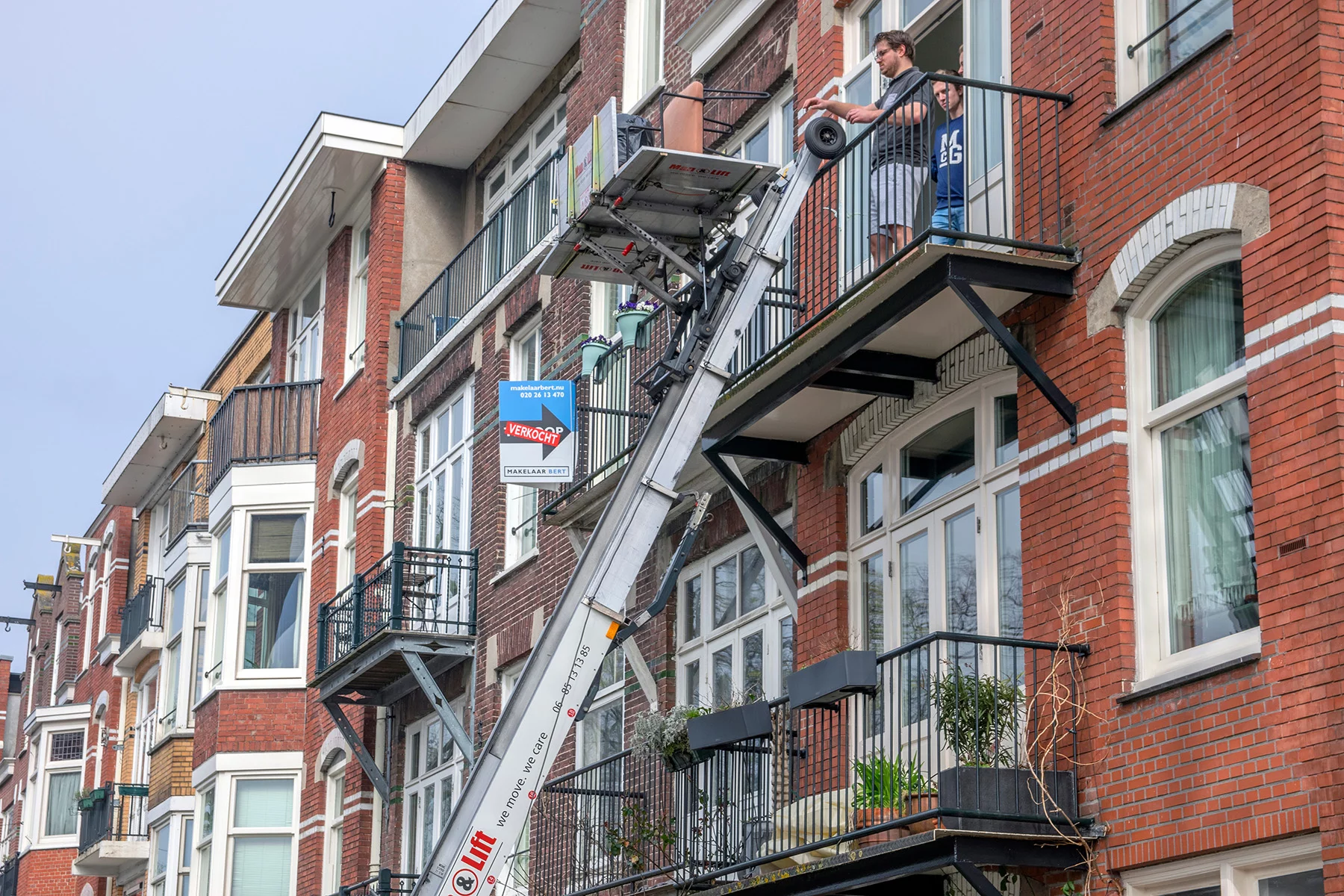
When you move out, you will need to provide the required notice to your landlord in writing and then remove any additional fittings installed during your tenancy before moving out. This includes things such as additional carpeting and light fittings. Once the landlord has inspected the premises, they should return your deposit back minus any money owed for rent arrears or damages.
To ensure the best chance of getting your full deposit back, it’s important to return the apartment in a clean condition. Housecleaning services, like Easy Clean, offer end-of-tenancy cleaning that can help take some of the stress out of moving.
If you have a problem getting your deposit refunded, you can raise a dispute with the Huurcommissie.
For those renting in the Netherlands needing to transport belongings to their new home, see our guide on Dutch relocation options.
Easy Clean
Looking for quick and reliable housecleaning services in Amsterdam or The Hague? With their online booking system, Easy Clean makes the process of getting your home in tip-top shape easier than ever. Easy Clean’s team of expert cleaners is ready to work with your schedule and leave you with a spotless living space.
Tips for renters in the Netherlands
- When looking for a place to rent, bear in mind that competition for attractive properties can be fierce, especially in the big cities. Therefore it is an idea to spread your net wide – consider as wide a range of places as possible – and be ready to sign when you spot somewhere you want.
- Ask for the landlord to provide an inventory and keep this safe until it comes to moving out, as you may need to refer to it to prevent a dispute.
- Check your tenancy contract for information on rules such as pets, smoking and having guests to stay. Make sure you don’t breach any of these rules otherwise you may risk losing some of your deposit.
- Take meter readings if possible for utilities (gas, water, and electric) when you move in and move out, so that you don’t end up paying for periods when you’re not there.
- Check your tenancy agreement for additional fees. If the landlord wants to charge for anything besides basic rent, they need to clearly detail this in the contract. Don’t hand over any additional money if it’s not within the agreement.
- If you are concerned about rental costs, check if you are eligible for the housing allowance (huurtoeslag).
Useful resources
- Government of the Netherlands – information on rented housing
- Information on Dutch housing allowance
- Rijksoverheid – information on rental housing in the Netherlands
- Huurcommissie – rent tribunal website
- !WOON – tenant support organization in Amsterdam
Related Articles


Editor's picks
 Higher education in the Netherlands: a guide to Dutch universitiesThe Netherlands is home to some of the world's top universities. Learn all about the different subjects available at Dutch institutions.
 Secondary schools in the NetherlandsWe explain the complex secondary school system in the Netherlands, including the three public streams and various international options.
 Child benefits in the NetherlandsYou can claim different types of child benefits in the Netherlands, to help with the costs of child-rearing, schooling, and childcare.
Did you find this guide helpful?