'%20id='ico-down'%20stroke='%23000000'%20stroke-width='1.5'%3e%3cg%20transform='translate(1092.250000,%20254.750000)'%3e%3cpolyline%20id='Path-2-Copy-4'%20transform='translate(5.500000,%202.750000)%20scale(1,%20-1)%20rotate(-180.000000)%20translate(-5.500000,%20-2.750000)%20'%20points='0%200%205.5%205.5%2011%200'%3e%3c/polyline%3e%3c/g%3e%3c/g%3e%3c/g%3e%3c/svg%3e)



Relocating from Australia to Germany is an exciting leap, but the logistical gap between the two countries leaves very little room for guesswork. From converting AUD savings into euros without taking a hit on exchange rates to securing an address that allows official registration, early preparation makes all the difference.
While Australians can travel to Germany without applying for an entry visa beforehand, assuming you can sort everything effortlessly after arrival is a common mistake. Appointment backlogs at local immigration offices mean that arriving with your paperwork, financial records, and health cover organised in advance is the safest way to avoid administrative limbo.
This guide outlines how to manage your transition step by step, from choosing between applying in Australia versus on the ground to setting up multi-currency banking and navigating your first month in Germany.
Key takeaways
- Australians can enter Germany visa-free for short stays, but that does not automatically give you work or long-term residence rights.
- Your first big admin step after finding a registerable address is usually Anmeldung at the local Bürgeramt.
- Keep enough AUD and EUR ready for deposits, temporary housing, insurance, and living costs before your first pay day.
- A local Girokonto (current account), may be easier after registration, so many newcomers also compare multi-currency options for the gap.
- One common mistake is transferring all your savings at once before you know your first-month cash needs and total conversion costs.
Check your visa and entry route
Australians can visit Germany without a visa for short stays, but long-term residence, work, study, and family routes follow different rules. One thing worth knowing is that visa-free entry is not the same as permission to take up work. Start with Expatica’s Germany visas guide and then verify your path through the Federal Foreign Office overview and the German missions in Australia.

What Australian nationals can do before and after arrival
Australians are among the nationalities that can, in some categories, enter Germany and apply for a residence permit after arrival. That can help if you need flexibility, but it does not mean every route works best that way. If you want to start work quickly, or your employer needs certainty before day one, a pre-departure application can still be the safer choice.
Build a realistic moving budget
The cost of moving to Germany is usually bigger than flights and first rent. You may need a deposit, short-stay housing, insurance, document costs, setup spending, and a cash buffer before income starts. A realistic example is arriving in Berlin in September, paying a rental deposit and temporary accommodation, and not getting your first salary until October.
| Phase | What to budget for | Why it matters |
|---|---|---|
| Pre-departure | Flights, visa costs if your route needs one, document copies, and money transfer fees | You need enough cash before you can earn or register |
| Arrival week | Deposit, temporary housing, transport, food, phone setup, and insurance | These costs can land before your local systems are running |
| Ongoing month one | Rent, groceries, public transport, and daily spending | This is where a missed buffer turns into stress |

First-month costs to plan for
The first 30 days can be the hardest part of the cashflow curve. Housing deposits, transport, groceries, mobile setup, and health cover may all arrive before routine banking and salary do, so keep an accessible buffer in both AUD and EUR if you can.
Move your money and choose the right account setup
A common question is whether you should transfer all your savings before you arrive. Often, the better test is what you need first: a deposit, living costs, or proof of funds, and whether you already have a German account that can receive euros.
Because of how the system works, most Australian expats use an international multi-currency account for moving AUD savings before setting up a local German account for recurring direct debits after arrival.
| Method | Best for | Fees to check | Speed to verify | Helps before a local account? |
|---|---|---|---|---|
| Staged transfers | Deposit and first month support | Exchange-rate spread, transfer fee, and limits | Same-day or scheduled, depending on route | Yes |
| One-off large transfer | Moving savings once | Total fee, receiving-bank charges, and paperwork | Settlement timing and cut-off times | Sometimes |
| Hold AUD and EUR | Keeping money in both currencies | Conversion fee, card or withdrawal charges, and access rules | Yes | Yes |
| Wait for a German account | Salary and long-term bill payments | Bank onboarding charges and any incoming transfer rules | No |
If you are comparing providers, focus on the full cost, the transfer limit, and when the money should arrive, not just the headline fee.
How to transfer funds safely before and after the move
Most newcomers compare specialist transfer providers with their banks when moving Australian dollars to euros. Upfront wire fees rarely tell the whole story, as high-street banks frequently build hidden profit margins into marked-up exchange rates, which can quietly add hundreds of dollars to large transactions.

Dedicated transfer specialists – such as Wise – offer transparent pricing and real-time conversion, making it simpler to budget for upfront relocation expenses. For a complete look at your payment options, dive into our main resource on transferring money overseas in Germany and learn how to manage multi-currency balances in our guide to using Wise in Germany.
Which account mix works best during the transition
In Germany, a Girokonto (current account), is the everyday setup for salary, rent, and direct debits. Some major local banks, such as Deutsche Bank and Sparkasse, may want proof of address or registration before opening one. A multi-currency account can help bridge that gap by holding both AUD and EUR, letting you move funds, and giving you payment access while local paperwork catches up.

Sort housing, registration, and your first-week admin
Getting your administrative tasks done in the correct order prevents frustrating domino effects. Even missing a single document can freeze your local address registration, which in turn can stall your banking, tax setup, health coverage, and work permissions all at once.
Secure accommodation that can be used for registration. Not every hotel, serviced flat, or short let will work for Anmeldung, address registration.
Ask for the Wohnungsgeberbestätigung, the landlord confirmation, before move-in day. Later steps often stall without it.
Book Anmeldung at the local Bürgeramt as soon as you have the right documents. The registration certificate can unlock tax, phone, banking, and residence tasks.
If your route needs it, book your Ausländerbehörde, foreigners authority, appointment early. Use the BAMF-Navi office finder if you are unsure which office is responsible.
Keep payment access running while local systems catch up, especially if rent, deposits, or insurance are due first.

Content Specialist in Germany
Philipp Spitzenpfeil
Insider tip
Ask your landlord for the registration form before move-in day, not after, because some local offices will not process Anmeldung without it.
Your first-week checklist
- Get your passport, tenancy papers, and landlord form in one folder.
- Register your address if your accommodation allows it.
- Confirm any residence-permit appointment or upload deadline.
- Make sure you can pay for transport, groceries, and your first bills.
- Sort health cover and check what your employer needs before payroll starts.
- Set up your phone and save local emergency and embassy contacts.
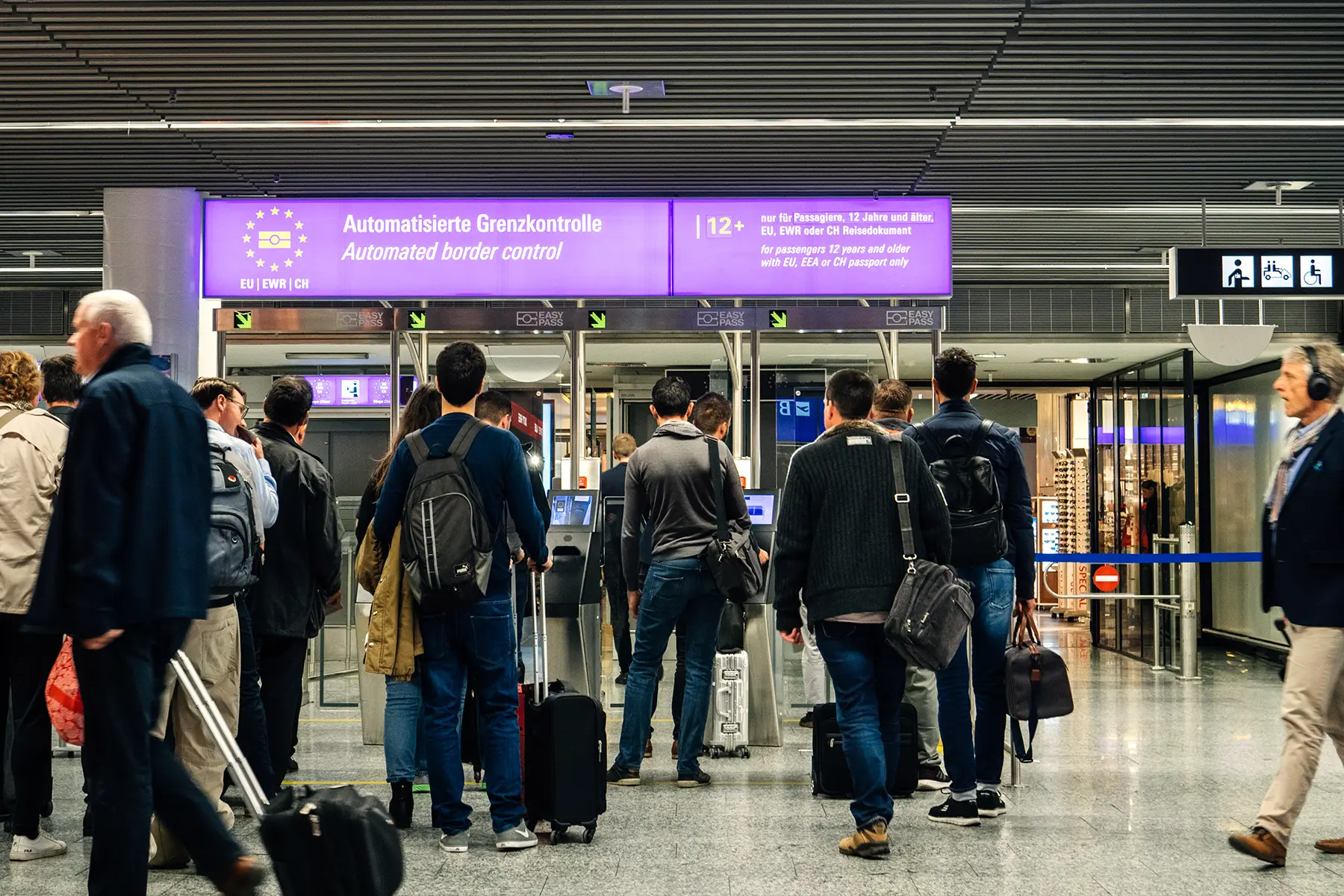

Get set up for work, healthcare, and daily life
Address registration connects all the moving parts of daily life. Your tax ID can be issued to your employer, your mandatory health coverage kicks in, and local recurring payments go through SEPA direct debits. You can learn more about employment and coverage through our dedicated guides to health insurance in Germany and finding jobs in Germany.
Book the admin appointments that unlock salary, insurance, and residence processes as early as you can.
Getting insured and paid without delays
Check what your employer, insurer, and bank each need before your first pay day. Deutsche Bank and Commerzbank are useful examples of major local banks to compare, but document rules and onboarding can differ. Local office practice, visa type, family status, and provider policy can all change the exact order of steps, so confirm the latest requirements before you act.
Choose where to live
For an Australian moving to Germany, picking the right city depends on the kind of lifestyle you want to build. Berlin offers an unbeatable multicultural atmosphere and endless startup jobs, but its competitive housing market means finding an apartment takes some persistence. On the flip side, Munich boasts world-class engineering hubs and easy access to alpine hiking trails, provided you are prepared for higher monthly rents.
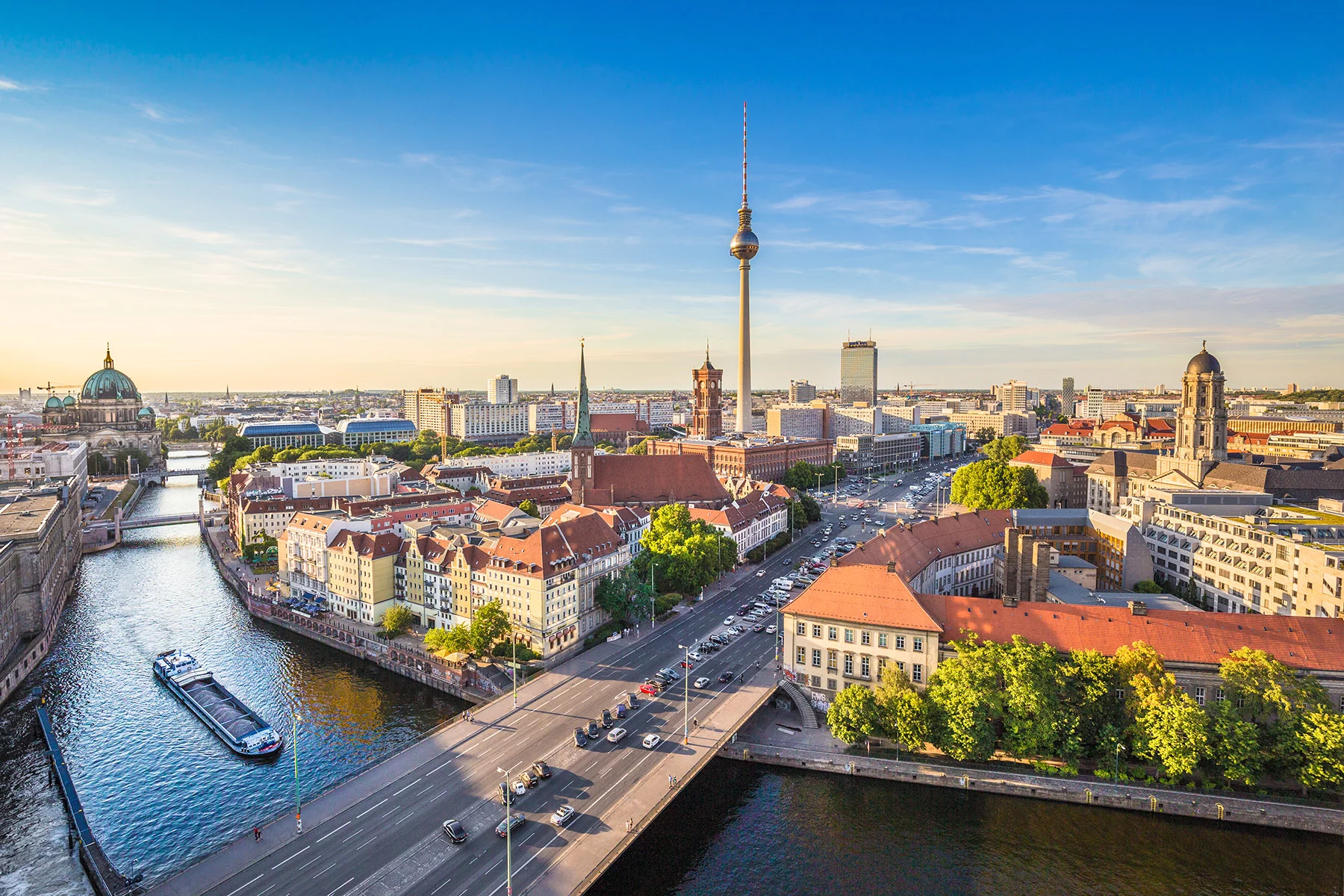
Is Berlin the right fit for you?
- Choose Berlin if you want scale, more English-speaking networks, and lots of neighbourhood choice.
- Choose Munich if you want a strong professional market and a more structured pace.
- Berlin can feel more flexible for newcomers, but finding housing may take longer.
- Munich can feel more predictable, but your budget usually needs more room.
- Use Expatica’s Berlin neighbourhoods guide if Berlin is still your front-runner.
FAQ
Frequently asked questions about moving to Germany from Australia
Can Australian citizens move to Germany without a visa? 
Australians can enter Germany visa-free for short stays, but longer residence, work, study, and family routes follow different rules. Check the Federal Foreign Office overview and the relevant German mission before you travel, because entry rights and residence rights are not the same.
How much money do you need to move to Germany?
There is no single safe number, because your total depends on deposits, temporary housing, insurance, admin costs, and how long you will wait for income. Most people should budget for the move itself and a first-month buffer, not just rent and flights.
Can I open a bank account in Germany before I move?
Sometimes, but it depends on the provider and the type of account. A local current account may be easier after registration, while a multi-currency setup can help during the move, which is why it makes sense to compare the opening process for bank accounts in Germany as well as cross-border options.
How do you move to Berlin from Australia?
The legal and money steps are widely the same as any Germany move, but Berlin often adds more housing competition and slower appointment hunting. Use the city-choice section to compare Berlin with Munich, and plan extra time for address registration and longer-term housing.
Useful sources
Information checked 7th August 2026
- Federal Foreign Office visa overview, for visa-free entry rules and the basic difference between short stays and longer routes.
- German missions in Australia, for route-specific visa categories, documents, and local application steps.
- BAMF-Navi office finder, for finding the right foreigners authority or migration advice office after arrival.
- Smartraveller’s Germany advice, for Australian government travel and consular information before departure.