'%20id='ico-down'%20stroke='%23000000'%20stroke-width='1.5'%3e%3cg%20transform='translate(1092.250000,%20254.750000)'%3e%3cpolyline%20id='Path-2-Copy-4'%20transform='translate(5.500000,%202.750000)%20scale(1,%20-1)%20rotate(-180.000000)%20translate(-5.500000,%20-2.750000)%20'%20points='0%200%205.5%205.5%2011%200'%3e%3c/polyline%3e%3c/g%3e%3c/g%3e%3c/g%3e%3c/svg%3e)



Moving across the Atlantic sounds like a bold adventure until you meet German bureaucracy. While the physical move is simple enough, coordinating visa appointments, health insurance, local address registration, and bank accounts can quickly feel overwhelming.
American passport holders enjoy the privilege of entering Germany visa-free for up to 90 days, which leads many people to assume they can simply land in Berlin or Munich and sort out the details later. In reality, relying on that buffer without a clear timeline is the fastest way to hit administrative roadblocks.
To help you avoid common pitfalls, this guide walks through your relocation step by step, covering essential visas, cross-border money management, apartment hunting, and key arrival admin.
Key takeaways
If you’re moving to Germany from the USA, focus on sequence, not just paperwork.
| Stage | What matters most |
|---|---|
| Visa route | Pick the right route before you book major costs. |
| Documents | Build your file in the US, especially proof of funds and qualifications. |
| Money | Plan for deposits, first rent, and access to euros before setting up a local account |
| Housing | Temporary housing can be a smart bridge, not a failure. |
| First month | Anmeldung often unlocks the next steps, including tax and banking. |
Choose your visa route and timeline first
Every relocation to Germany hinges on your reason for moving. Whether you are pursuing a job offer, enrolling at a university, freelancing, or joining a partner, your specific immigration path dictates your paperwork timeline. For a fuller overview, see Expatica’s Germany visas and permits guide below.
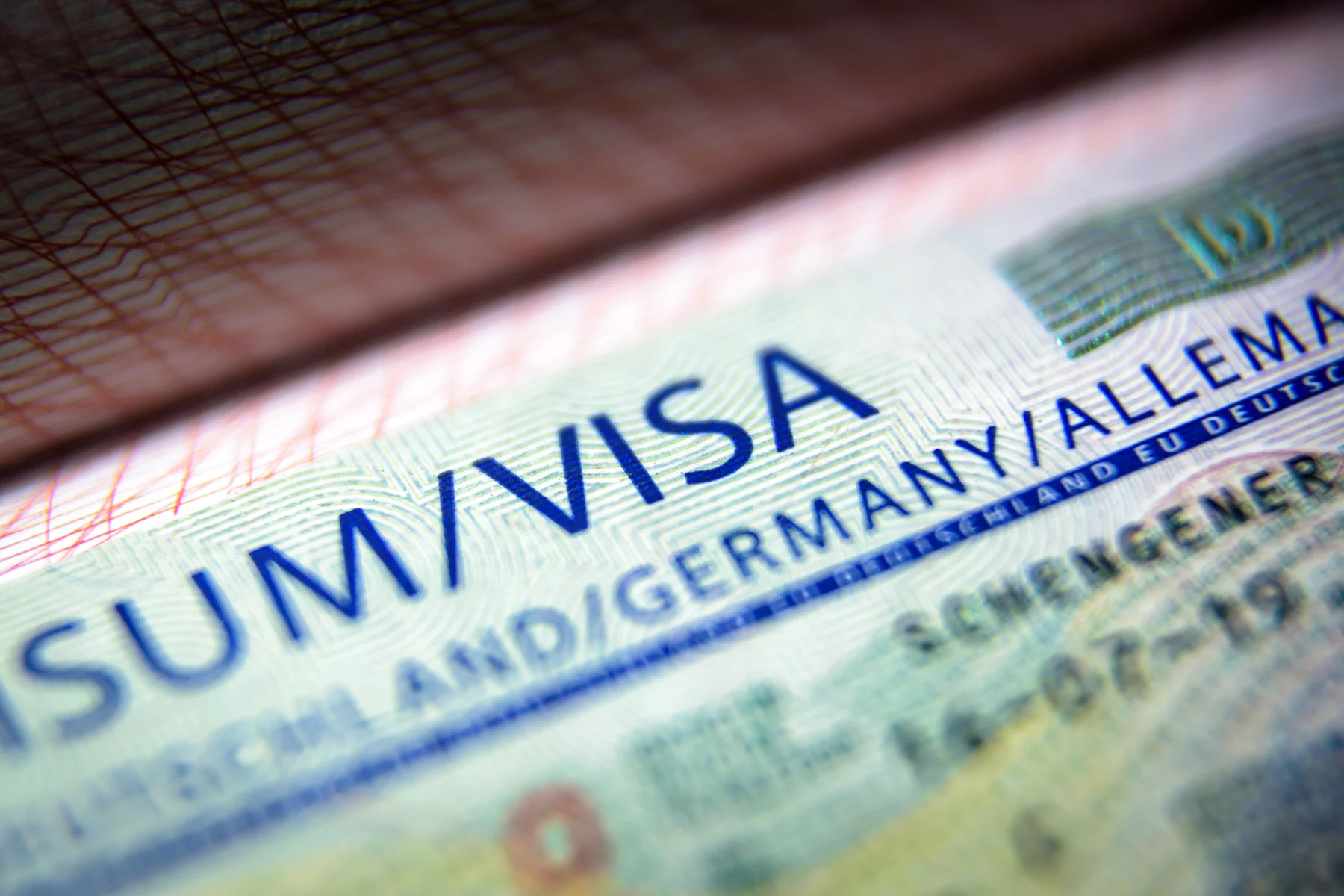
Entering the country for a quick visit is straightforward thanks to US passport privileges, which allow up to 90 days of visa-free travel. However, staying long term requires a formal residence permit, usually issued through a national visa applied for in advance or registered locally after arrival. If you are planning a self-funded or independent move, keep in mind that Germany does not offer a straightforward retirement visa, so make sure to do your research before you start packing your bags.
Checklist:
- Choose your main reason for moving.
- Check whether that route needs a visa before travel.
- Confirm whether your qualifications need recognition.
- Check whether you need proof of funds or health cover.
- Look at current rules on the German Missions in the United States site before booking.
Can Americans arrive first and apply later?
Sometimes, yes, but not in every case. US citizens can enter Germany without a visa for short stays, and official guidance says some residence permits can be applied for after arrival. However, this depends on the purpose of stay, and you should not assume work, study, or family routes all work the same way.
Build your document file in the US
It is usually easier to collect core documents before you leave, especially if you may need originals, certified copies, or recognition checks. If you are immigrating to Germany from the US, delays often come from missing proof rather than the form itself.
Checklist:
- Valid passport with enough validity left
- Purpose-specific proof, such as a job offer, admission letter, or family documents
- Proof of funds, if your route requires it
- Degree and qualification records
- Health cover evidence to enter the country

Content Specialist in Germany
Philipp Spitzenpfeil
Insider tip
If your degree or professional qualification needs official recognition in Germany, check its status on the Anabin database or submit it to the ZAB before you book your move. Many expats assume a signed job offer is all they need, only to face months of visa delays because their paperwork hasn’t been verified. Always confirm the current document checklist with your local consulate, as requirements can change without notice.
Budget for the move and set up your money plan
When readers ask how difficult it is to move to Germany, they are often really asking if they can afford the transition period. The hidden trap is not the cost of the flight itself, but the funding gap during your first few weeks. You will need cash for rent, security deposits, and everyday expenses long before your first German paycheck arrives or your local bank account is fully active.
Take a US professional moving to Frankfurt on a work visa as an example. They will likely need a Kaution (rental deposit) plus their first month’s rent upfront. Relying on a US bank card during this phase can add unexpected costs through poor exchange rates and foreign transaction fees. To benchmark realistic prices for your target city, check Expatica’s cost of living in Germany guide.

How much money should you have ready?
Avoid chasing one universal number. Berlin, Munich, Frankfurt, Hamburg, and smaller cities can differ sharply, and your housing route changes the math.
Have a budget for:
- Deposit and first rent
- Temporary housing
- Health cover
- Admin and permit fees
- Emergency cash buffer
Decide when to use a German account, a multi-currency account, or both

You will almost certainly need a local German current account to receive a salary, set up direct debits for rent, and handle monthly utilities. However, opening a local account often requires local registration paperwork (Anmeldung).
Using an international multi-currency account in the meantime gives you a flexible bridge, allowing you to convert USD to EUR and pay for early moving expenses before your local setup is complete.
Once you arrive, you can explore high-street options like Sparkasse, Deutsche Bank, or Commerzbank, or consult Expatica’s guide to opening a bank account in Germany to compare accounts and providers.
| Option | Best for | What it helps with | Common limits | How to verify |
|---|---|---|---|---|
| German bank account | Salary and local bills | Rent, direct debits, daily life | Often easier after registration | Check account opening rules and ID requirements |
| Multi-currency account | Holding USD and EUR | Staging funds before and after arrival | Not every feature replaces a local bank account | Check supported currencies and receiving options |
| International transfer service | Sending larger sums | Deposit, emergency fund, first setup costs | Fees and speed vary by route | Check live pricing, exchange rate, and timing |
| Using both | Bridging the move | Flexibility before everything is local | More than one setup to manage | Check how each part fits your move |
Paying for your first month’s rent or security deposit from a US bank account can trigger unexpected costs. Many banks offer fee-free international transfers, but make up for it by giving you a marked up exchange rate.
Using a Wise account lets you convert USD to EUR at the mid-market rate and hold euros digitally before your local German bank account is ready. Before moving a large chunk of your relocation savings, compare live fees, exchange rates, and delivery speeds across different providers to see which option makes the most sense on the day.
Find housing and complete your first 30 days
Securing a place to live is the gateway to every other administrative step in Germany. Without a registered tenancy agreement, you cannot complete your local address registration (Anmeldung), which in turn delays everything from your tax ID to your permanent residence permit.

To avoid falling into an admin backlog, line up short-term furnished housing that permits registration before you arrive. That way, you satisfy the local authorities immediately while searching for a permanent apartment on the ground. For a complete look at lease rules and arrival tasks, review Expatica’s guide to renting in Germany.

Why Anmeldung is the key admin step
Anmeldung is address registration. You usually do it at the Bürgeramt, the local citizens’ office, after moving into a home. Once completed, you receive a Meldeschein, a registration certificate, which often helps with the next tasks.
It commonly unlocks:
- Proof of address
- Tax ID processing
- Some banking steps
- Parts of the residence process through the Ausländerbehörde, the foreigners’ office
In high-demand cities, it can take time to get an appointment, so many expats start checking for registration slots the day they have a valid address and landlord confirmation. Appointment systems and wait times vary by city.
Avoid the rental mistakes that catch US newcomers out
Renting in Germany requires getting used to a few unfamiliar concepts. When looking at listings, focus on the Warmmiete (total rent with utility estimates included) rather than the lower Kaltmiete (base rent only), as the difference can add hundreds of euros to your monthly budget.
Expect landlords to ask for a SCHUFA credit report as well. Since you won’t have a local credit score when you first land, offer a copy of your work contract, recent US bank statements, or proof of salary to show you are a reliable tenant.
Checklist:
- Check whether the price shown is Warmmiete or Kaltmiete.
- Plan for a Kaution, often several months of base rent.
- Ask what documents the landlord wants.
- Check whether lacking SCHUFA can be balanced with other proof.
- Make sure you can get the landlord confirmation needed for registration.
Settle into healthcare, work, and long-term life in Germany
Once your registration and housing are sorted, your focus shifts from survival mode to actual daily living. This is the stage where the realities of German life start to settle in, from setting up health insurance and understanding your taxes to picking up the language and adjusting to work culture.
Expect a bit of culture shock when it comes to daily admin. German bureaucracy often moves at its own pace and local rules can differ from state to state. Running into a few administrative delays is a completely normal part of the settling-in process, not a sign that your move is off track.
What US expats need to know about health insurance, work, and paperwork
Health insurance is not an optional extra. Germany has public and private systems, and which one fits you often depends on your employment status and income. Our guide to health insurance in Germany explains the differences in more detail.

Keep these basics in mind:
- Public and private cover work differently, so check eligibility early.
- Some professions need formal recognition before you can fully practise.
- US citizens may still have US tax filing obligations after moving.
- If your case is complex, specialist immigration or tax advice may be worth it.
What changes if you plan to stay long term?
If your move is not just temporary, start thinking beyond the first permit. Rules on settlement and citizenship can change, so re-check official timelines before you act.
Long-term planning usually depends on:
- German language progress
- Continuous legal residence
- Clean criminal and admin record
- Up-to-date official rules on settlement or citizenship
FAQ
Frequently asked questions about moving to Germany from the USA
Can a US citizen move to Germany without a visa? 
A US citizen can enter Germany without a visa for a short stay, but that is not the same as having the right to live there long term. If your goal is to move to Germany from the USA, the correct residence route depends on your purpose of stay and current official rules.
How hard is it to move to Germany from the US?
How hard it is to move to Germany from the US depends less on distance and more on paperwork, housing, money, and language. The process is much easier when you pick the right route early and separate what must be done before travel from what can wait until after arrival.
How much money do you need to move to Germany from the USA?
There is no single answer for relocating to Germany from the USA, because your costs depend on the city, visa route, and housing setup. Focus on the main cost buckets, deposit, first rent, temporary housing, health cover, admin fees, and emergency funds.
Can I open a German bank account before I move?
Sometimes, yes, but requirements vary by provider and many people still need to complete part of the setup after registration. Compare major local banks, multi-currency options, and providers such as Wise based on how you need to hold, receive, and transfer USD and EUR.
Do I need to speak German to live in Germany as an American?
You may get by with English in some cities and sectors, but German makes daily life much easier. If you want to improve housing chances, admin results, work options, and long-term prospects, learning German is one of the best moves you can make.
Useful sources
Information checked 7th August 2026
- German Missions in the United States – residence visas, appointment rules, and document checklists
- Federal Foreign Office – visa types, fees, and Germany-wide rules
- Make it in Germany Opportunity Card – job-seeking rules and proof of funds
- Berlin Service Portal – a clear example of Anmeldung steps and landlord confirmation requirements
- anabin – checking foreign qualification recognition
- Deutsche Rentenversicherung – pension and long-term contribution information
- Expatica’s Germany visas guide