'%20id='ico-down'%20stroke='%23000000'%20stroke-width='1.5'%3e%3cg%20transform='translate(1092.250000,%20254.750000)'%3e%3cpolyline%20id='Path-2-Copy-4'%20transform='translate(5.500000,%202.750000)%20scale(1,%20-1)%20rotate(-180.000000)%20translate(-5.500000,%20-2.750000)%20'%20points='0%200%205.5%205.5%2011%200'%3e%3c/polyline%3e%3c/g%3e%3c/g%3e%3c/g%3e%3c/svg%3e)



Leaving Germany as an expat means working through the same mountain of bureaucracy that greeted you on arrival, only this time in reverse. Whether you have been here for two years or a decade, every contract, registration, and official obligation needs to be closed off properly before you go.
This leaving Germany checklist covers everything you need to do, organised by timeline.The process starts five or more months before your departure and continues through to tasks you need to complete after landing in your new country. Navigating the admin and financial steps correctly ensures you do not get caught out by easy-to-forget tasks that can become costly to miss later.
Start early. Germany’s notice periods are longer than in most countries, and getting the Abmeldung (deregistration certificate) right is the key that unlocks almost everything else.
Key takeaways
Before you work through the full checklist, here are the most important things to keep in mind:
- Give notice to your landlord at least three months before you want to vacate. This is the standard notice period under German tenancy law. Submit it in writing, with a physical signature.
- The Abmeldebescheinigung (deregistration certificate) is essential. Once you deregister your address at the Bürgeramt, you receive this document, and it is what most providers require to cancel contracts early.
- Do not close your German bank account before you leave. Your deposit refund, final utility bill reconciliation, and tax refund may all arrive months after you go. Keep the account open.
- Non-EU citizens who worked in Germany for fewer than five years can claim a pension refund. The refund can reach several thousand euros, but it can only be applied for 24 months after your last contribution.
- You are still required to file a German tax return for the year of departure, and most expats are owed a refund because salary tax was deducted based on a full year of work.
5 or more months before you leave Germany
This is the planning and notice phase. It is the window where the most financially significant steps need to begin. Germany’s standard contractual notice periods are typically three months, which is longer than in most other countries. If you miss these windows, you could end up paying for contracts, rent, or insurance well beyond your departure date.
Give notice to your landlord
The standard notice period for rental contracts (Mietvertrag) in Germany is three months. Notice must be given in writing and must include a physical signature. An email alone is not legally valid for terminating a rental contract in Germany.
For notice to take effect within a given month, it must typically be submitted by the 3rd of that month. For example, if you submit notice on 3 January, your contract can end on 31 March. Submitting on 4 January pushes your end date to 30 April.
If you live in a shared flat (Wohngemeinschaft or WG), check how your departure affects your flatmates’ contract. A landlord may allow a new person to take your place, but this is not automatic. Do not assume that moving abroad shortens your notice period. For rental contracts, it does not.
Notify your employer and collect your documents
Your employment contract will specify your notice period, which is typically one to three months. Submit your resignation (Kündigungsschreiben) in writing and keep a signed copy for your records.
Before you leave, make sure you collect the following documents from your employer:
- Letter of reference (Arbeitszeugnis)
- Employment certificate (Arbeitsbescheinigung)
- Last pay slip (Gehaltsabrechnung)
- Salary tax statement (Lohnsteuerbescheinigung)
Any unused holiday must either be taken before your final day or paid out by your employer. Confirm in writing which bank account your final salary will be paid to, particularly if you plan to close your German bank account before your last payday.
Cancel or transfer your insurance policies
Moving abroad does not automatically cancel any of your German insurance policies. Each policy must be actively terminated in writing, according to its individual notice clause. Most standard termination clauses require three months’ notice before a renewal date, so act early.
The most common policies to check are:
- Health insurance (Krankenversicherung)
- Personal liability insurance (Haftpflichtversicherung)
- Home contents insurance (Hausratversicherung)
- Legal insurance (Rechtsschutzversicherung)
For statutory health insurance (gesetzliche Krankenversicherung or GKV), you can usually cancel with your Abmeldebescheinigung as proof of permanent departure. For private health insurance (private Krankenversicherung or PKV), cancellation can be more complex. Some private insurers ask for additional evidence beyond the deregistration certificate, particularly if you are moving within the EU. Check your policy documents and act early.
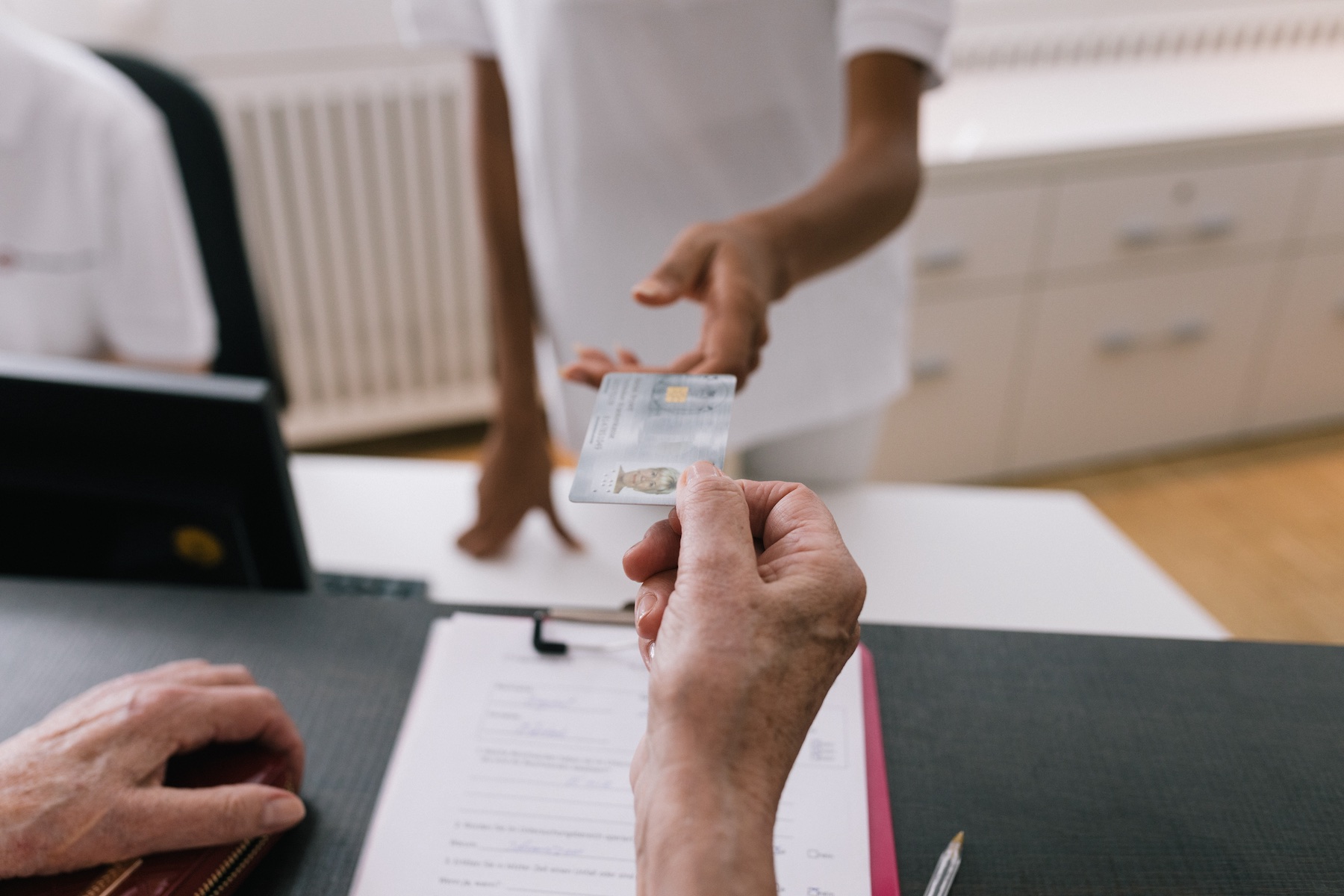
2–3 months before you leave Germany
Official paperwork and appointments dominate this core administrative phase. Securing your Abmeldung early in this window is strategically important because this specific document triggers your right to cancel most other contracts before their standard end dates. Taking care of these steps now prevents major delays closer to your move.
Deregister your address (Abmeldung)
The Abmeldung is the official deregistration of your German address, and it is a legal requirement when leaving Germany permanently. Under the Federal Registration Act (Bundesmeldegesetz or BMG), you must deregister no earlier than one week before your departure and no later than two weeks after leaving. Failing to deregister on time can result in a fine of up to €1,000.
To deregister, complete the Abmeldeformular (deregistration form) and submit it in person or by post to your local Bürgeramt (citizens’ office). Some cities also allow online deregistration. Once processed, you receive the Abmeldebescheinigung, which you need to cancel health insurance, telecommunications contracts, the Rundfunkbeitrag (public broadcasting fee), and more.
If you are a non-EU citizen, note that deregistering your address does not automatically cancel your residence permit. You should also notify the Ausländerbehörde (foreigners’ authority) of your departure separately.

Cancel internet, phone, and TV contracts
German telecommunications law gives customers the right to terminate phone and internet contracts early when moving abroad, even if the minimum contract term has not ended, provided the provider cannot deliver its service at your new address. To exercise this option, notify your provider that you are relocating internationally and provide your Abmeldebescheinigung as proof.
Cable TV contracts follow similar rules. Start the cancellation process as soon as your Abmeldung is confirmed. Do not wait until after your departure date, as processing these requests takes time.
For the Rundfunkbeitrag (Germany’s public broadcasting fee, also known as the TV tax or radio fee), cancellation does not happen automatically. Write to the Beitragsservice, include a copy of your Abmeldebescheinigung, and state your departure date. The fee stops from the following month after your cancellation is processed.
Cancel gym memberships and other subscriptions
Gym membership cancellation in Germany can be difficult. Moving to a different city within Germany is not considered a valid reason for early contract termination, but relocating abroad generally grants an extraordinary right to exit. Write to your gym, explain that you are moving internationally, and include proof of relocation. If early termination is refused, ask whether another person can take over the remaining contract period.

Tarah Ren
Don’t take no for an answer when cancelling your gym! While domestic moves don’t qualify for early cancellation in Germany, international relocations generally give you an extraordinary right to terminate–just provide your Abmeldebescheinigung as proof.
Other subscriptions worth reviewing before you leave:
- Streaming services (such as Netflix or Spotify)
- Public transport season passes such as the Deutschland-Ticket
- Club memberships
- Magazine or newspaper subscriptions
Cancel all of these before your departure to avoid ongoing charges after you have gone.
The final few weeks before departure
The last few weeks before you leave are about logistics and financial wrap-up. Timing matters here. Act too early and you risk disrupting things you still need. Act too late and you may face complications once you have already gone.
What to do with your German bank account
The most common mistake expats make with their German bank account is closing it too early. You should keep your account open for several months after your departure. Here is why:
- Your landlord typically has up to 6 months to return your rental deposit, pending the final utility bill reconciliation (Nebenkostenabrechnung)
- Your German tax refund will typically be paid to a German bank account
- Any remaining salary, bonuses, or expense reimbursements may arrive weeks after you leave
Before you go, redirect all recurring direct debits to an international account or card. If your German account goes into the negative after you leave, some banks may initiate a costly international address search. When the time comes to close the account, most banks allow you to do this by post with a signed letter and a copy of your Abmeldung. You can find more details in our guide to banking in Germany.
When you are ready to transfer your remaining balance to your new country, be aware that German banks typically charge high fees for international transfers and apply a markup to the exchange rate. Using a service like Wise means you get the mid-market exchange rate with a transparent fee shown upfront before you send. This can make a meaningful difference, particularly when transferring a rental deposit refund or a larger lump sum. Opening a Wise account is free, with no monthly fee.


Complete the apartment handover and collect your deposit
The final apartment inspection (Wohnungsübergabe) is a formal handover that should take place with your landlord present. During the handover, make sure you:
- Read all utility meters (electricity, gas, water) and photograph the readings
- Sign the handover report (Übergabeprotokoll)
- Return all key copies, including any spare sets
- Confirm in writing any agreed repair responsibilities
Photograph every room carefully before handing over the keys. These photos protect you if there is a later dispute about the condition of the apartment at move-out.
Note that your landlord can legally hold part of the deposit for up to 12 months while waiting for the final utility bill (Nebenkostenabrechnung), though in most cases it takes around 6 months. This delay is normal and legal in Germany. Do not be alarmed if the deposit refund does not arrive immediately after you leave.
Tarah Ren
It is entirely legal and standard practice for German landlords to withhold a portion of your rental deposit for up to 12 months. They do this to cover any discrepancies in the final annual utility bill (Nebenkostenabrechnung).
Set up mail forwarding and update your address
Deutsche Post’s Nachsendeauftrag service forwards all your letters to a new address, in Germany or abroad, for up to six months. Prices start from around €30 depending on the duration and destination. Set this up before you leave to make sure you receive tax assessment notices, deposit refund documentation, and any official correspondence from German authorities.
Alongside the forwarding service, proactively update your address directly with the institutions that matter most: your bank, the Finanzamt (tax office), your pension fund, your health insurer, and your employer.
If you are moving to a country where postal delivery is unreliable, consider using a trusted contact in Germany to collect important mail, or a digital mail service that scans and forwards correspondence electronically.

What to do after you leave Germany
Many expats treat the departure itself as the finish line. It is not. Several important financial steps happen after you leave, and missing them means leaving real money behind.
File a German tax return
If you worked in Germany for any part of the year you departed, you may be required to file a German tax return (Steuererklärung) for that year, even after you have left the country.
More importantly, most expats are owed a refund. Salary tax (Lohnsteuer) is withheld throughout the year based on the assumption that you work the full calendar year. If you left mid-year, you almost certainly overpaid. Additionally, if your relocation was for work, some moving costs may also be tax-deductible.
The tax return can be filed after leaving Germany. Keep your German bank account open to receive the refund, or check with the Finanzamt about alternative payment arrangements. If your tax situation is complicated, for example if you earned income from multiple sources or worked across countries, consider working with a Steuerberater (tax adviser). You can read more in our guide to the tax system in Germany.

Apply for a pension contribution refund
If you are a non-EU citizen who worked in Germany for fewer than five years, you are eligible to apply for a refund of your pension contributions. Employee contributions to the German state pension scheme (Deutsche Rentenversicherung) are 9.3% of gross salary, which your employer also matches. Depending on your salary and length of employment, the refund could amount to several thousand euros.
However, there is a waiting period, and the refund can only be applied for 24 months after your last contribution to the German pension system. Before leaving Germany, download or request a copy of your Versicherungsverlauf(pension record), which shows your full contribution history. Keep your Abmeldebescheinigung safe, as it is required when you submit the application. Contact the Deutsche Rentenversicherung directly when the waiting period has passed.
You can learn more about how German state pensions and contributions work in our dedicated guide.

EU citizens are generally not eligible for a cash refund, but they retain their German pension entitlements and can claim them at retirement age even from abroad. Your contributions are recorded by the social security system and remain accessible to you.
Send money abroad from Germany with Wise
When leaving Germany, one of the most practical financial decisions you face is how to transfer your remaining funds to your new country. This could be a rental deposit refund, your final salary, accumulated savings, or a tax refund, and these payments often arrive months after your departure.
German banks typically charge significant fees for international transfers and apply exchange rate markups that are not always clearly shown. As a result, a portion of your money is lost in the process unnecessarily.
Wise offers a straightforward alternative. It uses the mid-market exchange rate, the same rate you see on Google, with a small, transparent fee shown clearly before you confirm the transfer. You can send money to accounts in more than 140 countries, and many transfers arrive within hours or minutes.
Open a Wise account – it is free to sign up and there are no monthly fees.

Frequently asked questions about leaving Germany
Do I have to do an Abmeldung (deregistration) when leaving Germany?
Yes, the Abmeldung is a legal requirement when leaving Germany permanently. Not deregistering can result in ongoing charges for health insurance and the TV fee, plus a potential fine of up to €1,000. You can complete it in person at your local Bürgeramt, by post, or in some cities online. It must be done no later than two weeks after your departure date.
How far in advance should I notify my landlord?
The standard notice period for most rental contracts in Germany is three months. Notice must be given in writing with a physical signature and must be submitted by the 3rd of the month to take effect in that same month. Fixed-term or short-stay agreements may have different terms, so always check your individual contract.
Can I cancel German contracts early when leaving Germany?
It depends on the type of contract. Phone and internet contracts can be terminated early under German telecommunications law when you move abroad and the provider cannot deliver its service at your new address. Most providers require your Abmeldebescheinigung as proof. Insurance contracts generally follow their standard notice clauses, usually three months before renewal. Gym memberships may allow early termination for an international move, but this often requires negotiation and written evidence of relocation.
Am I eligible for a German pension refund?
You are eligible if you are a non-EU citizen who contributed to the German pension system for fewer than five years. The refund covers your employee pension contributions (9.3% of gross salary) and can be applied for 24 months after your last contribution. EU citizens are generally not eligible for a cash refund but retain their pension entitlements, which they can claim at retirement age from abroad.
Should I close my German bank account before leaving?
No. It is best to keep your German bank account open for at least six months after leaving. You will likely still receive a rental deposit refund, final utility bill settlement, a tax refund, and potentially a final salary or bonus payment. When you are ready to transfer the remaining balance to your new country, using a service like Wise helps you avoid the high fees and exchange rate markups that German banks typically apply to international transfers.
Can I keep my German bank account after leaving Germany?
In most cases, yes. Many German banks allow non-residents to keep their account open after moving abroad, though some may downgrade the account to a basic tier or charge a fee for non-resident status. It is worth contacting your bank directly to confirm their policy before you leave.
Do I still need to pay the Rundfunkbeitrag after leaving Germany?
No. Once you leave Germany permanently, you are no longer liable to pay the Rundfunkbeitrag (public broadcasting fee). However, it does not stop automatically. You need to write to the Beitragsservice and include your Abmeldebescheinigung to confirm your departure. The cancellation takes effect the following month after your notification is processed.
Sources
- Bundesmeldegesetz (BMG) §17 – Federal Registration Act: Confirms the legal obligation to deregister, the deadline (no earlier than 1 week before, no later than 2 weeks after departure), and the potential fine of up to €1,000. Checked on 14 May 2026.
- Deregistration.de – Abmeldung: Deregister from Germany: Confirms the fine amount of up to €1,000 for failure to deregister, deadline requirements, and the role of the Abmeldebescheinigung in contract cancellations. Checked on 14 May 2026.
- Deutsche Rentenversicherung – International: Confirms pension contribution refund eligibility for non-EU citizens who worked fewer than 5 years in Germany, and the 24-month waiting period. Checked on 14 May 2026.
- Verbraucherzentrale – Rundfunkbeitrag abmelden: Confirms the process for cancelling the Rundfunkbeitrag when leaving Germany, and the requirement to submit the Abmeldebescheinigung to the Beitragsservice. Checked on 14 May 2026.