'%20id='ico-down'%20stroke='%23000000'%20stroke-width='1.5'%3e%3cg%20transform='translate(1092.250000,%20254.750000)'%3e%3cpolyline%20id='Path-2-Copy-4'%20transform='translate(5.500000,%202.750000)%20scale(1,%20-1)%20rotate(-180.000000)%20translate(-5.500000,%20-2.750000)%20'%20points='0%200%205.5%205.5%2011%200'%3e%3c/polyline%3e%3c/g%3e%3c/g%3e%3c/g%3e%3c/svg%3e)



While you can still hop on a train or flight to Germany without a visa for short trips, living there long term is a different story. You cannot simply arrive and start working without the right residence status already lined up. Getting your timing right between applying in the UK and registering after arrival makes all the difference.
Below, we walk you through the essential steps for a smooth move, covering visa pathways, managing currency transfers, finding a home, and handling your initial arrival paperwork.
Key takeaways
- Can UK citizens move? Yes, but long-term stays usually require residency – Confirm your route with the German Missions in the UK
- Main long-stay routes: Options include work, study, family, self-employment, and some job-seeking paths – Match your documents to the specific category
- Work eligibility: You can only work if your visa or residence permit explicitly allows it – Verify your work rights before starting any paid activity
- First deadlines: Register your address at the local office within 14 days of moving – Address other residence requirements within 90 days & book necessary local appointments early
- Main costs: Factor in expenses for visas, travel, temporary housing, deposits, insurance, and initial setup costs – Build a city-specific budget before moving
Can UK citizens move to Germany?
If you are asking, can I move to Germany from the UK, the short answer is yes, but the legal route depends on why you are moving. British citizens can visit Germany visa-free for up to 90 days in any 180-day period, but that short stay does not by itself allow long-term residence or open-ended work rights.
For most people moving to Germany from the UK after Brexit, the real choice is between a work, study, family, or self-employment route. If you want a broader breakdown of categories, Expatica’s Germany visas guide is the best place to compare the main permit types.

| Purpose | Stay length | Likely route | How to verify |
|---|---|---|---|
| Visit | Up to 90 days in 180 | Visa-free short stay | German Missions in the UK |
| Work | Over 90 days | Work residence route | Route rules and employer documents |
| Study | Over 90 days | Student residence route | Course and funding requirements |
| Join family | Over 90 days | Family reunification | Relationship and sponsor status |
What changed after Brexit?
Moving to Germany used to be as simple as showing your passport. Today, UK nationals follow the same immigration framework as other non-EU citizens, making a valid visa mandatory for long-term stays.
The main exception is for anyone who was already living in Germany legally before 1 January 2021. If that applies to you, your residency rights remain protected under the Withdrawal Agreement. For everyone moving today, however, you will need to follow current immigration routes on GOV.UK or through the German Embassy before booking travel.
Which route fits your move?
Finding the right legal path comes down to how you plan to support yourself once you arrive. An IT specialist heading to a tech firm in Munich will follow very different paperwork steps than a student starting a degree in Berlin or someone joining a partner in Hamburg.
| Route | Who it suits | Key proof | Can you work? | Where to apply |
|---|---|---|---|---|
| Work | People with a job offer | Contract, qualifications, employer paperwork | Usually yes, if authorised | Mission abroad or local office |
| Study | Students on an approved course | Admission, funds, health cover | Part-time work, up to 140 full days or 280 half-days per year | Mission abroad or local office |
| Family reunification | Spouses, children, some dependants | Family relationship and sponsor status | Often yes, route dependent | Mission abroad or local office |
| Self-employment or freelance | People setting up independent work | Business plan, clients, funds | Yes, if permit allows | Mission abroad or local office |
| Job-seeking option | Some qualified movers without a job offer | Eligibility under current job-search rules | Not full work rights by default | Check official route first |
Can you move without a job?
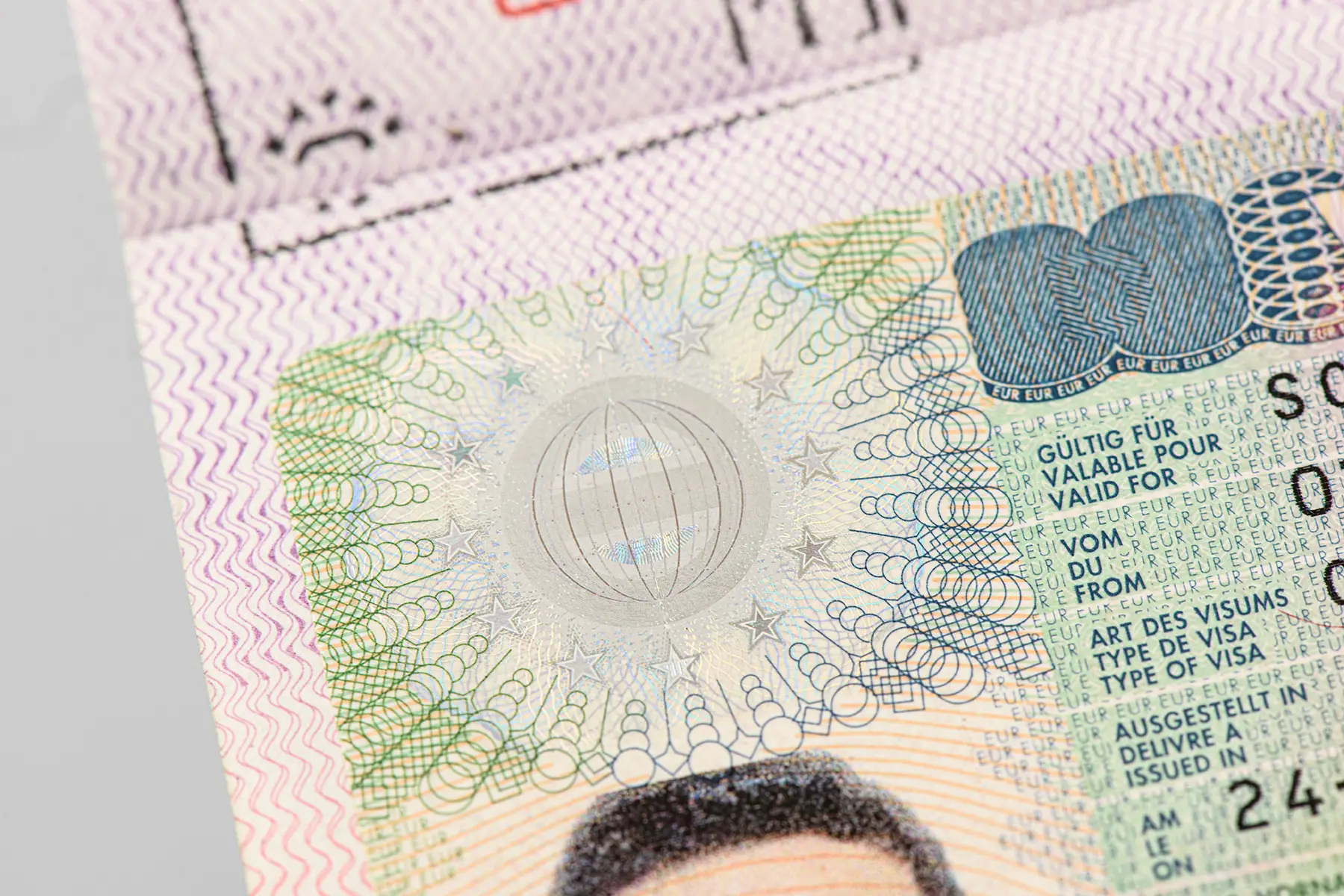
Yes, but your options depend heavily on your circumstances. Academic study, family reunification, freelancing, and specialised job-seeker pathways all allow you to move without an employment contract, though you must still prove you can support yourself financially.
Many British citizens wonder if they can simply land in Germany and search for work on the spot using their 90-day visa-free allowance. While entering as a tourist is easy, converting that stay into a residence permit without having qualified for a specific job-seeker or non-work pathway in advance often leads to administrative dead ends. Before booking travel, explore official options on the Make it in Germany portal to ensure your plan aligns with legal entry requirements.
How much does it cost to move from the UK to Germany?
The cost of moving from the UK to Germany depends less on one single fee and more on timing, city, and housing. Berlin living costs will differ to those in Munich, and a furnished short let can cost far more upfront than a slower move with temporary support.

Use a framework, not a guess. For day-to-day living estimates, Expatica’s cost of living in Germany guide can help you build a realistic budget.
| Cost area | When paid | Typical amount | How to verify |
|---|---|---|---|
| National visa fee | Before travel or application | Check current official fee | German visa authority page |
| Travel to Germany | Before move | Seasonal and route dependent | Airline or rail quote |
| Temporary housing | Before or just after arrival | City and season dependent | Current booking quotes |
| Long-term housing upfront | On signing a lease | Deposit plus early rent, lease dependent | Tenancy terms |
| Insurance and setup | Before and after arrival | Route and provider dependent | Insurer and service quotes |
A full move budget should also include document copies, translations, removals, mobile setup, and enough cashflow for your first month. Use our relocating to Germany checklist as a useful planning back-up.
How to move money and manage GBP/EUR costs

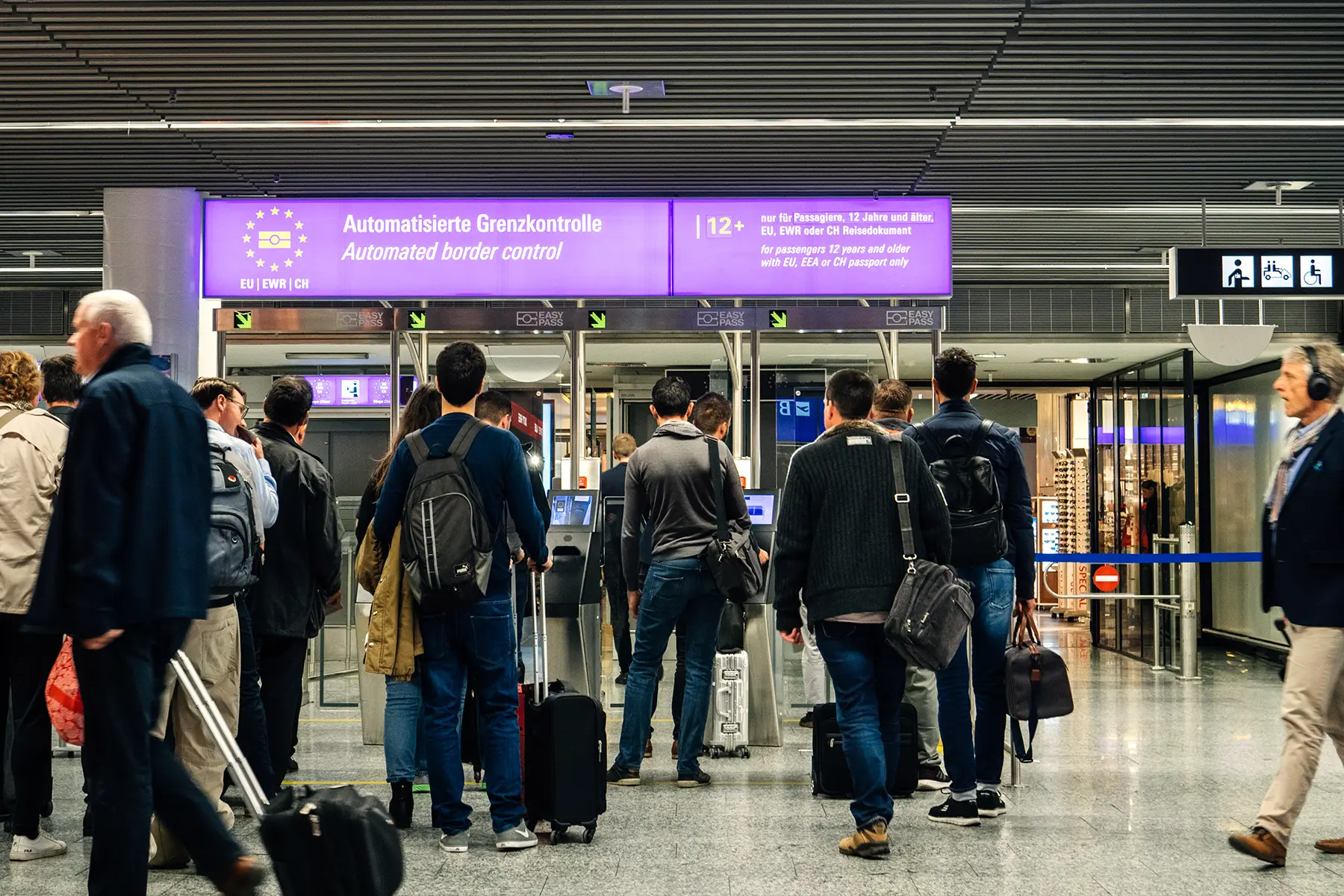
Currency exchange is where many moving budgets take an unexpected hit. In your first few weeks, you will need euros for housing deposits, upfront rent, and daily spending, all while your main money remains in pounds.
When moving significant sums across the Channel, bank wires often prove unnecessarily expensive due to hidden exchange rate markups. A Wise account lets you convert GBP to EUR at the mid-market rate, allowing you to hold euros digitally and pay German landlords or suppliers directly without losing money to inflated bank margins.
What to sort before you leave the UK
Getting the order of your tasks right is just as crucial as meeting the visa requirements. Tackle these essential steps before leaving the UK to prevent costly delays after landing:
Confirm your route. Check whether you are moving for work, study, family, or self-employment, and gather route-specific proof first.
Check passport and entry rules. Make sure your passport meets current travel rules and that you understand the 90-day short-stay limit.
Prepare your documents. Keep digital and paper copies of passports, certificates, proof of funds, insurance, and housing records.
Plan your housing realistically. Many permanent landlords want proof such as income, local credit history, or a full document pack.
Sort health cover early. Germany requires health insurance for residents, so do not leave this until after arrival.
Build your first-month money plan. Keep enough accessible funds for deposits, transport, admin, and a buffer.

Content Specialist in Germany
Philipp Spitzenpfeil
Insider tip
Many newcomers start with a furnished short let because it can be easier to register than from an informal sublet. It also buys time while you build the paperwork landlords often expect.
What to do in your first 14 and 90 days in Germany
After arrival, focus on the steps that unlock everything else.
First 14 days
- Address registration (Anmeldung) takes place at your city’s local Bürgeramt. To complete it, you will need to present your passport, proof of address, and a signed landlord confirmation form.
- Keep your Meldebescheinigung, the registration certificate, safe. You will use it again for banking, mobile contracts, and other admin.
- Read Expatica’s first week in Germany guide if you want a wider arrival checklist.
First 90 days
- If you did not complete the long-stay process before travel, book your local Ausländerbehörde, meaning immigration office, appointment within the first 90 days.
- Enrol in health cover. Expatica’s German health insurance guide explains the basics, including the role of a Krankenkasse, which is your health insurer.
- Open a local account if needed. Many newcomers compare major local banks such as Deutsche Bank, Commerzbank, and Sparkasse, and Expatica’s opening a bank account in Germany guide can help.
- If you still receive or hold money in pounds, a Wise account can help you hold, convert, and spend GBP and EUR more flexibly while you settle. See how the Wise account works if that matches your setup.
- Sort practical basics such as a SIM, employer paperwork, and route-specific tax or social insurance steps.
Bürgeramt appointments can disappear quickly in bigger cities. Check early, refresh often, and look at nearby districts if your first choice office is fully booked.
Common mistakes that slow you down
- Assuming visa-free entry gives you work rights.
- Arriving without the housing paperwork needed for Anmeldung.
- Waiting too long to book the Bürgeramt or Ausländerbehörde.
- Budgeting for rent, but not for deposits, temporary housing, and setup costs.
- Choosing a route based on online anecdotes instead of your own legal purpose for moving.
FAQ
Frequently asked questions about moving to Germany from the UK
Can I move to Germany from the UK without a job? 
Yes, in some cases, but not on a blank basis. Moving to Germany from the UK without a job is usually easiest if you qualify through study, family, self-employment, or an official job-search route, and you should verify the exact conditions before you travel.
Can I work in Germany as a UK citizen?
Yes, but only if your residence route allows it. The key question is not entry, it is work permission, so check your visa or permit terms before starting any paid activity.
How hard is it to move to Germany from the UK?
It is manageable, but the friction usually comes from paperwork, housing, timing, and local admin. If your route is clear and your documents are ready, the move feels much easier than if you arrive hoping to sort everything later.
How much does it cost to move from the UK to Germany?
The cost of moving from the UK to Germany varies by city, housing choice, route, and season. The main costs are travel, visa or permit fees, temporary housing, deposit, insurance, and first-month setup, so use a full budget rather than one headline number.
Do I need to speak German before I move?
Not always, but it depends on your route, your job, and where you will live. Even when formal language proof is not required, German helps with housing, paperwork, appointments, and daily life far sooner than many newcomers expect.
Useful sources
Information checked on 7th August 2026
- GOV.UK Living in Germany – UK-specific guidance on residence, healthcare, tax, and post-Brexit practicalities
- German Missions in the United Kingdom – visa-free entry rules, long-stay routes, and official UK-to-Germany application guidance
- Federal Foreign Office visa guidance – general German visa rules, types, and official application information
- BAMF migration and residence – residence permits, settlement information, and local authority guidance
- Make it in Germany – work routes, relocation planning, and job-seeking options