
'%20id='ico-down'%20stroke='%23000000'%20stroke-width='1.5'%3e%3cg%20transform='translate(1092.250000,%20254.750000)'%3e%3cpolyline%20id='Path-2-Copy-4'%20transform='translate(5.500000,%202.750000)%20scale(1,%20-1)%20rotate(-180.000000)%20translate(-5.500000,%20-2.750000)%20'%20points='0%200%205.5%205.5%2011%200'%3e%3c/polyline%3e%3c/g%3e%3c/g%3e%3c/g%3e%3c/svg%3e)


Living
Transportation
Buying a car and registration in Germany
If you want to explore all that Deutschland has to offer, you might want some wheels. Here’s the A to B of buying a car in Germany.

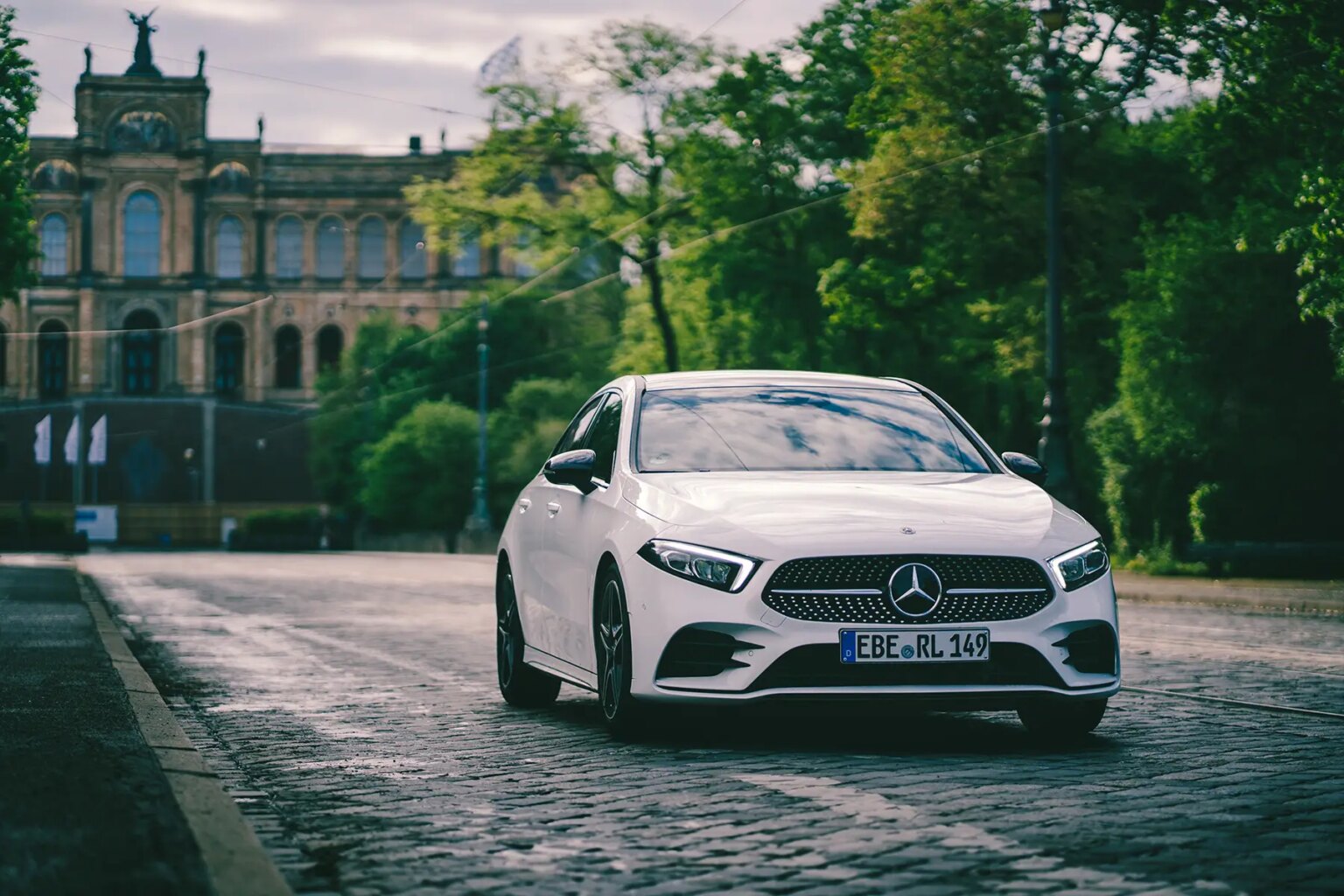
Let’s face it, buying a car anywhere in the world can be a stressful experience. Even more so as an expat who recently moved to Germany. If you want to buy a car in Germany, it’s vital that you know how to find one, what the costs are, and what else needs to be in order before you can drive the vehicle.
The country has a rich automobile history and is famous for its autobahns – where your speed is not an issue, but you are not allowed to run out of fuel. However, as with anywhere, there are many rules that car owners have to follow. Learn about the process of buying and selling a car in Germany, topics covered below include:
Axa
Looking for car insurance in Germany? Give yourself peace of mind when you get behind the wheel with AXA. Their customizable premiums can be tailored to suit your driving needs, ensuring you get the best coverage for your vehicle. If you're looking for coverage before you hit those famous German autobahns, see how AXA can help.

Buying a car in Germany
Germany has a strong car culture. It is the sixth-highest in global car production and has a network of well-maintained roads across the country. Although it has excellent public transport, most people still prefer to drive, and most households own a car. There were around 570 cars per 1,000 German inhabitants in 2019 – just over one per two people and slightly above the EU average.

With its sizeable car industry, it’s little surprise that it’s quite easy to buy a car in Germany. You can purchase new and secondhand vehicles from dealerships or privately. You can also import certain cars to Germany. However, whether you buy or import, you’ll need to follow registration and maintenance regulations. You’ll also need a valid license to drive your car in Germany.
Just over 3.6 million new cars were bought in Germany in 2019 – under 9% were electric or other alternative energy. Sales dropped by 19% in 2020 as the COVID-19 pandemic took hold, but the market started to recover in early 2021.
Who can buy a car in Germany?
Anyone aged 18 and over – the legal driving age – can buy a car in Germany. However, you will need a valid driving license to drive it. You will also need a German residence permit to register the vehicle and car insurance organized before you drive it away from the place of purchase. Companies offering car insurance in Germany include DA Direkt.
Buying a new car in Germany
Buying a new car (der Neuwagen) in Germany can be a costly exercise, with new car prices among the most expensive in the EU. However, the advantages of purchasing a new model from a reputable dealership include better reliability, longer vehicle life expectancy, and ease of solving problems. Many dealerships offer follow-up support and have links with garages in the event of a breakdown. All new vehicles should come with a two-year warranty (die Gewährleistung).
The main options for buying a new car in Germany are dealerships and online brokers. You will typically need to provide the following before you can drive the vehicle away:

- Valid ID, such as a passport
- Valid driving license
- Car insurance details
- Bank details, unless paying the full amount in cash
Many dealerships also offer to register new cars for customers, in which case you will need to provide proof of German residence. In addition, some German car manufacturers allow you to pick up your new vehicle straight from the factory, popular with major brands such as Volkswagen and BMW.
When buying a new car, you should receive the sales contract (der Kaufvertrag), registration papers (die Kfz-Zulassungsbescheinigung), owner’s manual, EU Certificate of Conformity, and keys.
In terms of payment, you can pay in full upfront or in installments. You will usually need to pay between 20%–50% upfront and finance a purchase with credit from banks or other lenders, including German automobile clubs and some dealerships. Repayment usually takes two to five years. Most dealerships accept cash payments, and it’s generally possible to negotiate a discount.
For expats transferring funds from abroad to make a purchase, international money transfer services can help you convert to euros at competitive rates. Services like Wise use the mid-market exchange rate with transparent fees, which can be useful when moving money for significant purchases like vehicles.
According to an annual report from the Deutsche Automobil Treuhand (DAT), the average cost of a new car in Germany was €37,790 in 2021. The top-selling brands in the country are all German: Volkswagen, Mercedes-Benz, BMW, and Audi.
Wise
Stop letting hidden fees eat into your car budget. Wise gives you the real mid-market exchange rate with low transparent fees. On a large transfer like a car purchase, this difference is crucial. With a Wise multi-currency account and card, you can hold and spend EUR plus 40+ other currencies instantly.
Where to buy a new car in Germany
Car dealerships
A car dealership (das Autohaus) is usually linked to individual car brand names in Germany. For example, you can find dealerships all over the country for Volkswagen and Audi cars. Many of these sell both new and used vehicles.
Using a dealership has many advantages. For example, it’s a reputable business linked to the brand, and many dealerships offer follow-up support. You can inspect the car and even take it for a test drive. Dealerships also often prepare the initial paperwork, such as registration, and sometimes offer the factory pickup option.

Many dealerships in Germany also provide a delivery service if you cannot collect your car from the showroom or factory. However, this involves a fee. You can search for car dealerships in Germany on mobile.de and AutoScout24.
Online car brokers
It’s also possible to buy a car online in Germany. A 2016 study found that around 10% of new car sales took place online, and 44% of respondents said they would be willing to complete an online purchase.
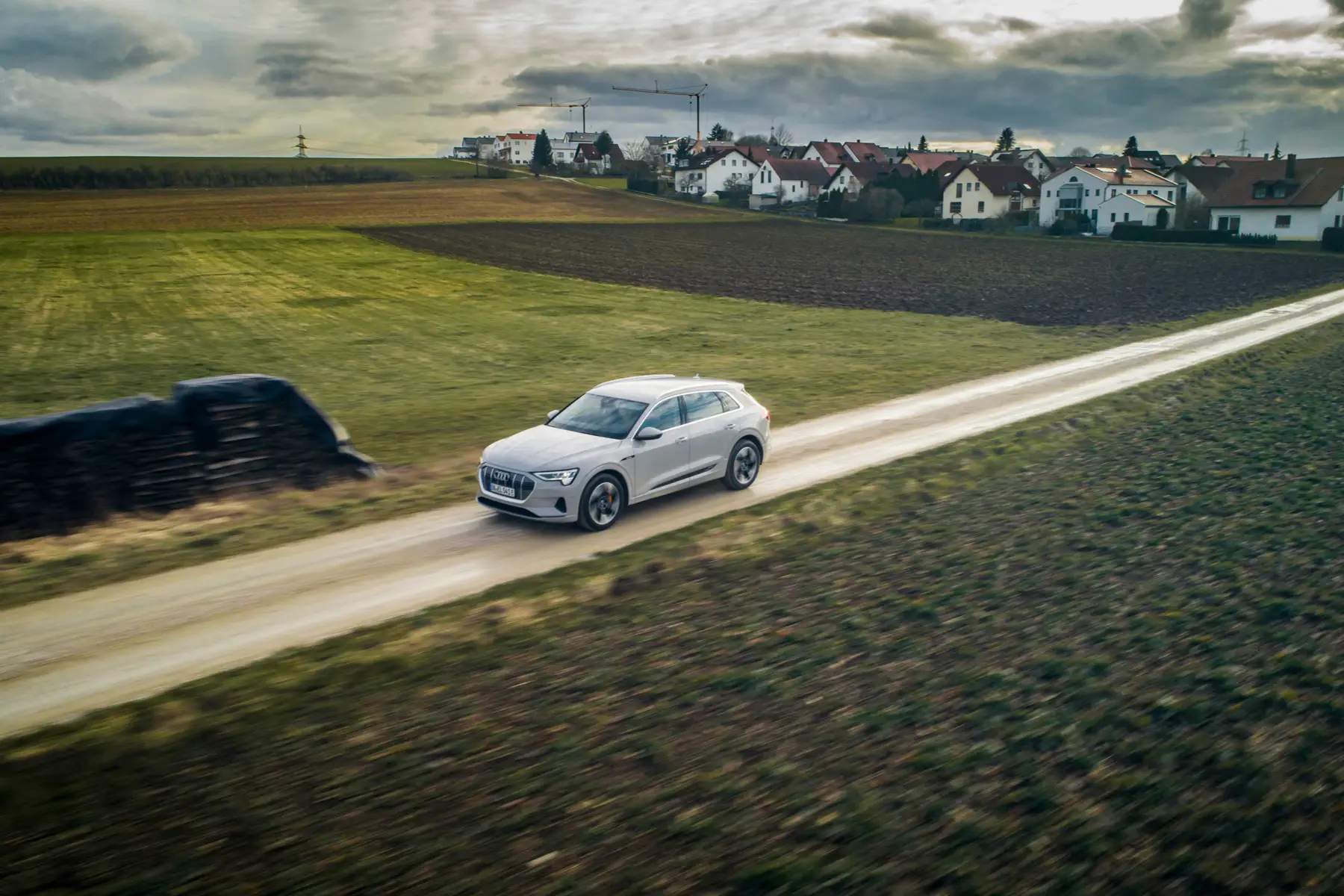
The process for buying a new car online is similar to visiting a dealership in terms of general requirements. You’ll need to submit the necessary documents electronically. It’s a convenient and quicker way of making an automobile purchase, but the drawbacks are that you won’t get an in-person feel for the car or test drive it before buying.
Some dealerships sell cars through their website. You can also use online car brokers to find and buy cars in Germany. These include:
- AutoScout24 (in German)
- DriveK (in German)
- mobile.de
Electric cars and hybrids in Germany
Although sales of electric cars and hybrids have skyrocketed in Germany in recent years, Germans are less inclined to buy electric cars than their neighbors in France, the Netherlands, or Nordic countries. There are currently 600,000 fully electric vehicles on German roads, and purely electric cars recently made up 14% of new car registrations.

There are many reasons to choose an electric vehicle – as well as emitting less greenhouse gas, Germany offers subsidies to encourage those buying new cars to opt for an electric model. You can usually buy an electric or hybrid car in the same places you would buy a petrol or diesel car. Nowadays, it’s even possible to buy second-hand models. In addition, energy companies such as EnBW offer specific tariffs for electric car charging and a supply from 100% green electricity.
Buying a used car in Germany
In Germany, buying a secondhand car (der Gebrauchtwagen) is a popular and cheaper alternative to shelling out on a brand-new model. According to the DAT, the used car market in Germany was worth over €103 billion in 2020 alone. However, as with all secondhand purchases, it can be riskier, and you’ll have to have your wits about you to avoid paying more than you should.
You can buy secondhand cars from a German dealership or privately from a seller. Naturally, buying from a dealership is more secure, and they offer a one-year warranty on used vehicles. They also sell many almost-new cars.

When you buy a used car, you’ll provide much the same information as you would for a new purchase. However, there are additional documents that you should receive. These are:
- Purchase agreement or sales contract that details the condition of the car, including any known defects. You can find a template contract here (in German). It’s a good idea to look for cars that come with a full maintenance record or service book (Scheckheftgepflegt).
- Existing registration documents (der Fahrzeugschein)
- Details of the most recent Technischer Überwachungsverein (TUV) inspection, if the vehicle is over three years old.
Valuing a used car
You can search for information on the value of used cars in Germany based on the model type, year of construction, and mileage (Kilometerstand). For example, on We Buy Cars (Wirkaufen Dein Auto) you can get a rudimentary evaluation sent to your email in a couple of minutes. You then have the option of answering a few more questions to get a more detailed valuation.
Additionally, you can pay to run a Vehicle Identification Number (Fahrzeugidentifikationnummer – FIN) check for accident history (unfallfrei), mileage, and other details on several sites like AutoDNA. Also, read ADAC’s tips about what to look out for when buying a used car in Germany.
Payment options for secondhand cars are essentially the same as for new vehicles. The average cost for used German cars in 2020 was €20,775, which remained steady in comparison to 2019.
Where to buy a used car in Germany
Car dealerships
Many brand dealerships in Germany sell both used and new cars. You can also find dealers that only sell secondhand vehicles or specialize in classic or vintage models.
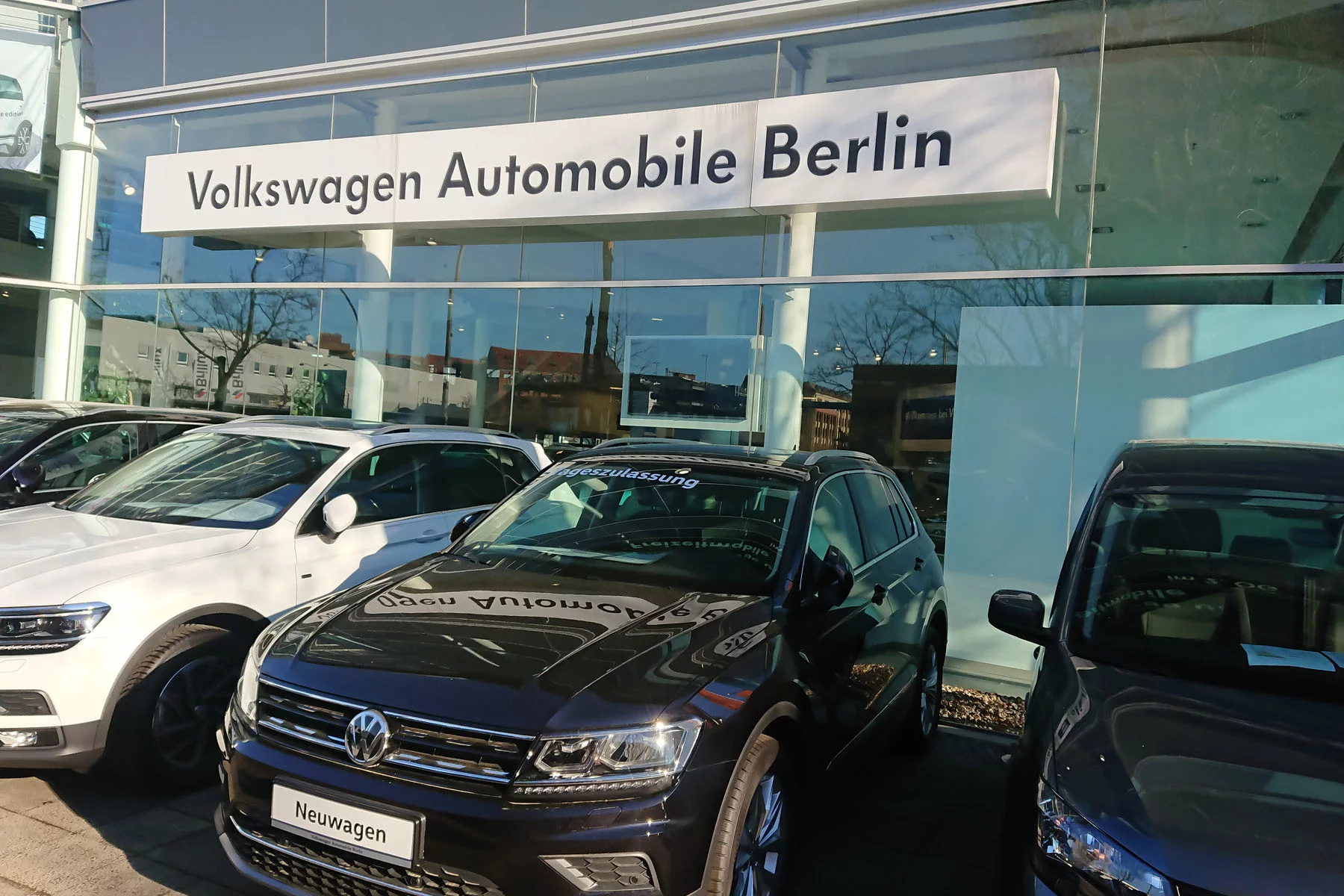
Search for dealerships on mobile.de and AutoScout24. Alternatively, you can check the German Yellow Pages (Gelbe Seiten). Buying from a dealer is usually more expensive, as you’ll have to pay an extra 19% VAT on the vehicle. However, it is generally safer, as you will get a one-year warranty that covers any existing (but not future) problems. Many dealers also offer a longer guarantee (die Garantie) for a fee. They will also often take care of all the initial paperwork.
Another advantage of buying from a dealership is that many sell nearly-new cars at discounted prices. There are two types: der Jahreswagen (employee car), which are cars bought at discounts by the staff of car manufacturers and then resold after one year; and der Vorführwagen, which are demonstration cars displayed in showrooms and used for test drives.
Buying a used car in Germany online
There are many websites to find and buy secondhand cars in Germany. Popular sites include:
- AutoScout24 (in German)
- BCA
- eBay (in German)
- Instamotion (in German)
- mobile.de
The German online auto marketplace can be great for finding bargains. However, there are obvious disadvantages, such as not being able to test drive the car or carry out an in-person inspection. Furthermore, if you buy online from a private seller, you won’t get any warranty or guarantee.
Buying a car in Germany from a private owner
These days, many private sellers use websites and online forums to advertise their cars. However, some still use more traditional routes. Look out for ads on local noticeboards or in shop windows. You may also hear of a good deal through local networks. You can also find private car sellers through:
- Automobile magazines such as Motor1 or Auto Bild
- Classified ads in local or national newspapers
- Automobile clubs such as ADAC or AvD
- Used car fairs, which are typically advertised in magazines, ads, and online
If you buy directly from another car owner, make sure that you:
- Use a sales contract or purchase agreement. See here for a template (in German).
- Get all of the necessary documentation detailed in the above sections from the seller.
- If asked to pay any money upfront, use an escrow account or other third-party holding service so that your funds are protected.
Car registration and other paperwork in Germany
All cars in Germany – new, used, or imported – need to be registered. If you buy a new car from a dealership, they may register the vehicle for you, usually for a fee. Otherwise, you will have to either visit your local car registration office (Zulassungsstelle) or register online through the Federal Government’s new i-Car (i-Kfz) platform.

You will need to register your car before you can drive it. If you register through a local office, you’ll typically need to make an appointment. In addition, you will need the following documentation:
- Valid ID
- German residence permit (you’ll need an electronic permit if registering online)
- Part two of the registration certificate (Zulassungsbescheinigung Teil II), which is proof of ownership
- EU Certificate of Conformity, if you have a new vehicle
- Details of latest TUV inspection, if you have bought a used vehicle
- Car insurance details
You will need to buy license plates for your car unless you’ve purchased a used car with valid license plates. You can buy these when you register your vehicle, or you can order them in advance online from the STVA. License plates are linked to the city where you live. If you move to another city in Germany, you’ll have to re-register your car and get new license plates.
Once you register the vehicle in your name, you’ll get a sticker on your license plate. Registration remains valid until you sell the car, move to another city, or choose to de-register it.
Paperwork and documentation to keep in your car
You will need to have the following at all times:
- Part one of your registration certificate (Zulassungsbescheinigung Teil I), includes your name and address and confirms that you are the owner of the registered vehicle.
- Car insurance certificate.
- Emission sticker (Umweltplakette), which you place in the car window. There are three grades of the sticker (red, yellow, green) relating to the level of pollution your vehicle causes. Many German cities are now environmental zones (Umweltzone) and vehicles need a green (class 4) badge to enter.
- Details of when the next TUV inspection is due. This is printed on your license plates. All cars in Germany have to undergo inspection when three years old and then every two years after that.
You should also make sure that you keep your driving license on you at all times when driving in Germany.
Car costs in Germany
In addition to the actual purchase cost when you buy a car in Germany, you will have to consider the following fees:
- Car insurance – can be anywhere between €100–€1,000 a year depending on vehicle and type of insurance. According to the German Insurance Association (GDV), average annual costs in 2021 were €254 for third-party and €324 for fully comprehensive.
- Tax – there is no road tax in Germany, but you have to pay an annual vehicle tax (Kraftfahrzeugsteuer) based on engine size and CO2 emissions. This is typically around €100–130 a year. You can calculate your tax rate here (in German).
- Registration – costs are typically around €30 for registration, between €15–40 for license plates, and €6–20 for the emission sticker.
- Fuel costs – if you have an oil-powered car, In January 2022 fuel costs €1.74 per liter for petrol and €1.62 per liter for diesel.
- Maintenance costs – around €100–120 every two years for the TUV inspection.
On top of this are general maintenance costs, parking costs, and any automobile membership fees. Altogether, you can look at spending several thousands of euros a year to run a car as a regular driver in Germany.
For expats managing finances internationally, these car-related expenses require payment in euros. If you’re transferring money from your home country to cover vehicle purchases or ongoing costs like insurance and registration, you may want to consider international money transfer services. Wise, for example, uses the mid-market exchange rate and charges transparent fees. This can be helpful when moving larger sums for purchases or setting up regular payments for car expenses while maintaining accounts in multiple countries.
Importing a car in Germany
The process for importing a car into Germany depends on where the car comes from. Cars imported from EU/EFTA countries are exempt from import duties, but you’ll need to pay 19% VAT on new cars and any used cars owned for less than six months or with a mileage of less than 6,000km. However, you can claim this payment back if you’ve already paid VAT on the car when purchased.

Imported cars from outside the EU/EFTA are liable for 10% import duty plus 19% VAT. However, you can claim an exemption if the following apply:
- You’ve owned the vehicle for at least six months.
- You have a German residence permit and haven’t lived in Germany for at least 12 months.
- The car remains in your possession for at least 12 months.
You need to import through German customs and will need to have the following documentation:
- Owner passport or valid ID
- Certificate of Conformity if importing from the EU/EFTA (or equivalent safety certificate if from outside the EU/EFTA)
- Proof of ownership, for example, purchase contract or existing registration papers
- Valid car insurance
- Confirmation that the car will undergo a TUV inspection if over three years old
You will also need to register your imported car. However, you can use your existing registration documents and number plates for a maximum of twelve months in Germany if they are translated into German, your car is fully insured, and it passes clearance.
If exporting a car from Germany, you’ll need a customs declaration if shipping to somewhere outside the EU. You’ll also need to get export license plates when exporting to any other country.
Buying vs importing
When deciding whether to buy or import a car in Germany, you should consider the following:
- Cost – buying a new car is more expensive, but you need to weigh this up against import taxes and any transportation fees from your home country. On top of this, there may be additional maintenance costs once the imported car is inside Germany.
- Currency conversion – consider currency conversion costs if transferring money from abroad to pay import duties and VAT. Using international money transfer services like Wise, which offers the mid-market exchange rate with transparent fees, may help you manage these cross-border payments more effectively than some bank transfers.
- Time and effort – you need to compare the process of importing a car versus buying a new one. You’ll encounter a lot less admin if you don’t have to pay taxes and have all the necessary paperwork in place already. That said, if you buy a car from a German dealership, they usually take care of much of the paperwork.
- Length of stay in Germany – if you’re staying for less than 12 months, you might not have to register an imported car, so this option might be easier. If you’re staying long-term, think about how marketable your imported car will be if you want to sell or trade-in.
Selling a car in Germany
You can sell a car in Germany through a variety of different methods:
- Through a car dealership. Many German dealerships deal with used as well as new cars and are happy to buy from car owners.
- Listing your car on a website or online sales platform.
- Selling at a car auction or fair.
- Selling privately through a listings ad or word of mouth.
You can use a variety of different websites to sell cars directly or look for dealerships. These include:
- AutoScout24 (in German)
- BCA
- eBay (in German)
- mobile.de
- Wirkaufen Dein Auto (in German)
You will need both parts of your registration certificate (Zulassungsbescheinigung) plus the latest TUV report if the car is more than three years old. If you sell through a dealership, they will charge either an upfront fee or a commission once they sell the vehicle. They may also ask for additional documentation, for example, an up-to-date maintenance report. If you don’t have this, they might charge you an extra fee.
If you need help setting the price for your used car, it’s worth checking on listing sites. As well as getting an idea of what your car’s worth, some of these sites have online tools for valuation.
Equipment your car needs to have in Germany
In addition to the paperwork mentioned above, you should keep the following in your car at all times:
- First aid kit
- Red warning triangle, which you should place behind your car in the event of an accident
- Reflective jackets (one for each person in the car)
- Headlight converters
- EU accident report form, to use in the event of an accident
Useful resources
- Federal Ministry for Digital and Transport (Bundesministerium für Digitales und Verkehr – BMDV) – government department that oversees transport in Germany
- STVA – service portal for motorists in Germany (in German)
- mobile.de – an online marketplace where you can find new and secondhand cars and search for dealerships
- Allgemeiner Deutsche Automobil-Club (ADAC) – German automobile club (in German)
- Automobil-Club von Deutschland (AvD) – German automobile club


Did you find this guide helpful?