'%20id='ico-down'%20stroke='%23000000'%20stroke-width='1.5'%3e%3cg%20transform='translate(1092.250000,%20254.750000)'%3e%3cpolyline%20id='Path-2-Copy-4'%20transform='translate(5.500000,%202.750000)%20scale(1,%20-1)%20rotate(-180.000000)%20translate(-5.500000,%20-2.750000)%20'%20points='0%200%205.5%205.5%2011%200'%3e%3c/polyline%3e%3c/g%3e%3c/g%3e%3c/g%3e%3c/svg%3e)




'%20fill='%23000000'%3e%3cg%20id='icons'%20transform='translate(56.000000,%20160.000000)'%3e%3cpath%20d='M144,7339%20L140,7339%20L140,7332.001%20C140,7330.081%20139.153,7329.01%20137.634,7329.01%20C135.981,7329.01%20135,7330.126%20135,7332.001%20L135,7339%20L131,7339%20L131,7326%20L135,7326%20L135,7327.462%20C135,7327.462%20136.255,7325.26%20139.083,7325.26%20C141.912,7325.26%20144,7326.986%20144,7330.558%20L144,7339%20L144,7339%20Z%20M126.442,7323.921%20C125.093,7323.921%20124,7322.819%20124,7321.46%20C124,7320.102%20125.093,7319%20126.442,7319%20C127.79,7319%20128.883,7320.102%20128.883,7321.46%20C128.884,7322.819%20127.79,7323.921%20126.442,7323.921%20L126.442,7323.921%20Z%20M124,7339%20L129,7339%20L129,7326%20L124,7326%20L124,7339%20Z'%20id='linkedin-[%23161]'%3e%3c/path%3e%3c/g%3e%3c/g%3e%3c/g%3e%3c/svg%3e)
'%20fill='%23000000'%3e%3cg%20id='icons'%20transform='translate(56.000000,%20160.000000)'%3e%3cpath%20d='M335.821282,7259%20L335.821282,7250%20L338.553693,7250%20L339,7246%20L335.821282,7246%20L335.821282,7244.052%20C335.821282,7243.022%20335.847593,7242%20337.286884,7242%20L338.744689,7242%20L338.744689,7239.14%20C338.744689,7239.097%20337.492497,7239%20336.225687,7239%20C333.580004,7239%20331.923407,7240.657%20331.923407,7243.7%20L331.923407,7246%20L329,7246%20L329,7250%20L331.923407,7250%20L331.923407,7259%20L335.821282,7259%20Z'%20id='facebook-[%23176]'%3e%3c/path%3e%3c/g%3e%3c/g%3e%3c/g%3e%3c/svg%3e)

With its strategic position in the European Union, Belgium is an important country in the continent, both economically and politically. Its comfortable living standards attract tens of thousands of expats each year.
Get a tailored action plan for moving to Belgium
Let us plan your relocation to Belgium for you. Expatica’s relocation tool asks you a series of questions and generates you a tailored, interactive checklist for your move.
You can see everything you need to do ahead of your move and outstanding tasks once you arrive. Create a profile with Expatica to save your checklist and tick off tasks as you complete them.
Try the relocator tool here – it only takes 2 minutes.
However, life in Belgium doesn’t come without its price tag. This overview of monthly expenses will give you a clear picture of what (budget) it takes to make the country your new home.
Continue reading for the following information:
KBC
Looking for a bank that meets all your financial needs? KBC is a retail, online, and mobile bank operating in Belgium. Take advantage of their easy-to-use mobile banking current accounts or head in-store to discuss your home loan or insurance options with their experts. Take the stress our of your move to Belgium by opening a KBC account today.

Is Belgium’s economy good?
Belgium has a highly developed, high-income economy dominated by the service sector (72.1% of the GDP) and an almost non-existent agriculture (0.8%).
Despite its economic strength, there are vast differences between the countries’ regions:
- Flanders boasts a high productivity
- Brussels’ official GDP per capita is very high, but these numbers are warped by commuting
- Wallonia has high unemployment rates.
Inflation and disposable income in Belgium
Belgium didn’t escape the high inflation rates suffered by most European countries in the past couple of years. But after the steep 4.4% of 2024, Belgium’s inflation dropped to 2.8% in 2025, and is expected to reduce further to 1.8% in 2026. This below the European Union’s average, which was 2.5% in 2025 and expected at 2.1% for 2026.

The country’s GDP works out to €48,221 per capita (2024). However, the Belgian disposable income is a little lower, at €26,361 per person. This sits comfortably above the EU average of €21,245 per person.
Despite this rosy picture, the Belgian statistical office, Statbel (French: Direction générale Statistique), reports that 18.3% of the population is at risk of poverty or social exclusion. Roughly 6.2% were in a situation of severe material and social deprivation (SMSD).
Our article on minimum wage in Belgium explains more about average salaries and income.

Belgium compared to its neighbors
Belgium is surrounded by economic giants France and Germany, and the prosperous Netherlands. With a more modest gross domestic product (GDP) of €620 million (2024), it is nonetheless at the high end of the mid-tier economies in the European Union.
Its strategic location in Europe, its ports, and its advanced infrastructures, including its social net – make it a key hub for transport and international trade. Of course, being the home base of the European Union doesn’t hurt Belgium’s financial situation either.

Major exports include chemicals, machinery, diamonds, and foodstuffs. Most of Belgian trade occurs within the EU.
The cost of living in Belgium in 2026
According to the latest government data, the average annual expenses in Belgium in 2024 were €40,223 per household (i.e., around €3,352 per month). Considering the 2025–2027 inflation rates (2025: 2.8%, 2026: 1.8%, 2027: 2.0%), it’s recommended that your annual budget have at least €41,349 per household (i.e., around €3,446 per month).
The average cost of living spending per household for each region in Belgium is (2022):
- Flanders €41,180
- Wallonia €38,707
- Brussels €39,638
Keep reading for an overview of the cost of living expenses you might come across in your daily life.
The price of groceries in Belgium in 2026
Beer, wine, and liquor
Belgium is famous for its craft beers. Indeed, the country is the fifth largest beer producer in the EU after Germany, Spain, Poland, and the Netherlands.
While Belgian drinkers consume about 7.8 liters of pure alcohol per year, this is below the EU average of 8.5.
Average prices for 2026 in Belgium, according to Numbeo:
| Alcoholic drinks | Price range |
| Pilsner in a local bar or restaurant | €3–6 |
| Bottle of imported beer in a supermarket | €1–3 |
| Bottle of local beer in a supermarket | €1–3 |
| Supermarket bottle of wine (mid-range) | €5–12 |
| Bottle of liquor (whiskey, vodka) | €15+ |
Food and drink
Food and non-alcoholic drinks are the second-largest monthly expenses after housing costs. In 2025, the estimated average grocery bill is €240–400 per month.
Interestingly, most of a Belgian resident’s grocery budget goes to meat (20.4%), bread and cereals (17.6%), and milk, cheese, and eggs (11.8%).

The average price ranges* of basic supermarket items in 2026 include:
| Product | Price range | Product | Price range |
| Apples (1 kilo) | €1.25–3.00 | Potatoes (1 kilo) | €1.00–3.00 |
| Bread (1 loaf) | €1.20–4.00 | Regular milk (1 liter) | €0.80–1.60 |
| Cheese (1 kilo) | €6.80–25.00 | Rice (1 kilo) | €1.00–4.00 |
| Coffee (1 kilo) | €12.00–30.00 | Tea (per bag) | €0.08–0.22 |
| Eggs (12) | €1.80–5.00 | Tomatoes (1 kilo) | €1.50–5.00 |
| Orange juice (1 liter) | €1.30–5.00 | Water (1.5 liter) | €0.40–1.60 |
Hygiene and household products
Hygienic and household products include everything from toothpaste and shampoo to dish soap (or washing-up liquid) and toilet bleach. The average price ranges* of these necessities in 2026 include:
| Product | Price range | Product | Price range |
| All-purpose cleaner (1 liter) | €0.89–11.90 | Shampoo (1 liter) | €9.48–19.98 |
| Deodorant (150 ml) | €2.55–5.75 | Soap (1 liter) | €8.78–17.40 |
| Dish soap (1 liter) | €1.78–8.00 | Tampons (per tampon) | €0.07–0.27 |
| Garbage bags (per bag) | €0.03–0.49 | Toilet paper (per roll) | €0.41–1.00 |
| Laundry detergent (per wash) | €0.12–0.61 | Toothpaste (75 ml) | €2.09–6.59 |
2026 housing costs in Belgium
Rent and property prices in Belgium
Property prices differ significantly throughout Belgium. For example, houses in Antwerp (Dutch: Antwerpen, French: Anvers), Bruges (Dutch: Brugge, French: Bruges), and Brussels are comparatively more expensive than in rural areas and less popular cities.

In 2026, the average monthly rent for a one-bedroom city center apartment in Belgium is €851 (Flanders: €886, Wallonia: €667, Brussels: €1,118).
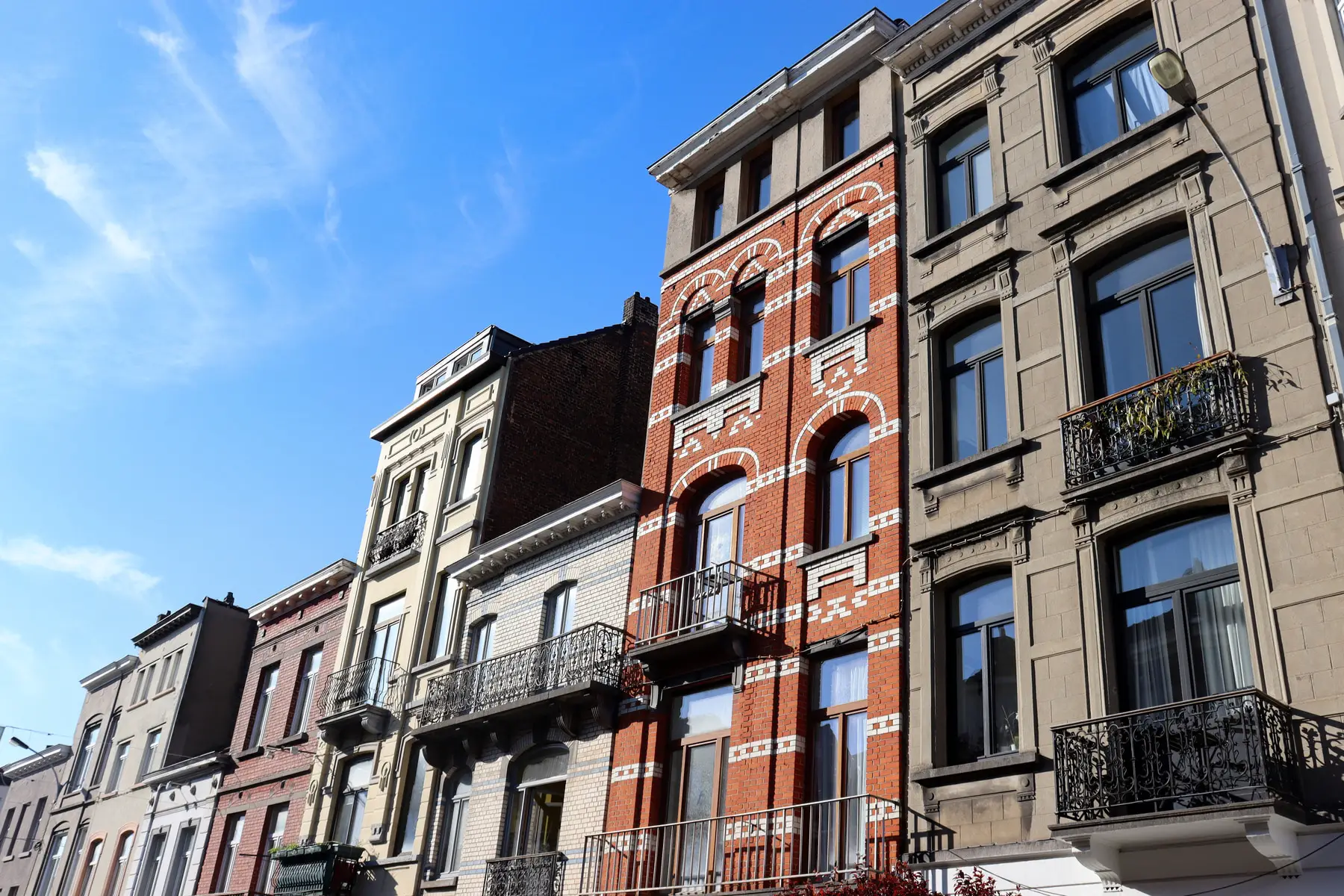
Meanwhile, the average real estate price for an attached or semi-detached house amounted to €280,000, and €390,000 for a detached house. As of August 2025, potential Belgian homeowners will pay an average of €3,091 per square meter for apartments and €2,076 per square meter for houses.
Depending on the location, you’ll pay the following average housing prices (as of August 2025):
| Average monthly rent | Average property price per square meter (apartment) | Average property price per square meter (house) | |
| Antwerp | €886 | €2,934 | €2,614 |
| Brussels | €1,118 | €3,520 | €2,968 |
| Bruges | €825 | €2,991 | €2,368 |
| Charleroi | €667 | €1,610 | €1,310 |
| Liège | €767 | €2,426 | €1,790 |
The most expensive places are Brussels, Brabant, Knokke-Heist, and Lasne. However, if you’re looking to live in Belgium on a budget, the some of the cheapest cities to move to are (as of January 2025):
| Average monthly rent | Average property price per square meter (apartment) | Average property price per square meter (house) | |
| Charleroi | €667 | €1,610 | €1,310 |
| La Louviere | €680 | €1,728 | €1,355 |
| Mons | €623 | €1,934 | €1,470 |
Learn more about the real estate market and property prices by visiting our articles on buying property and renting in Belgium. Our country article on where to live highlights popular residential areas for expats. You can also check out available serviced apartments at BBF.


If you’re moving to Belgium from abroad, you may need to transfer funds from your home country to cover rental deposits or property purchases. When transferring larger amounts internationally, it’s worth comparing your options carefully.
Most banks typically add a markup to the exchange rate on top of their transfer fees, which can significantly increase the total cost.
Specialist services like Wise, use the mid-market exchange rate and show fees transparently upfront, helping you understand the true cost of your transfer before you send money.
Utility bills: water, gas, electricity
Belgium has one of the highest utility costs in the EU. Depending on your use and property price, you can expect to pay around €125–300 per month on utilities in 2026. This is a large difference from 2022, when people spent an average of €76 per month on water, gas, and electricity.

Of course, the price of water, gas, and electricity varies per region. In Belgium, water costs an average of €3.24/cubic meter (although there are regional variations – Flanders: €2.36/m3 to €2.67/m3, Wallonia: €2.80/m3, Brussels: €4.76/m3).
The EC reports that, during the first half of 2025, Belgian households paid €0.0769 kilowatt/hour for gas (EU average: €0.0788) and €0.2758 kilowatt/hour (EU average: €0.2079) for electricity.
You can learn more about regional differences and providers by reading our article on utilities in Belgium.

The costs of Belgian healthcare
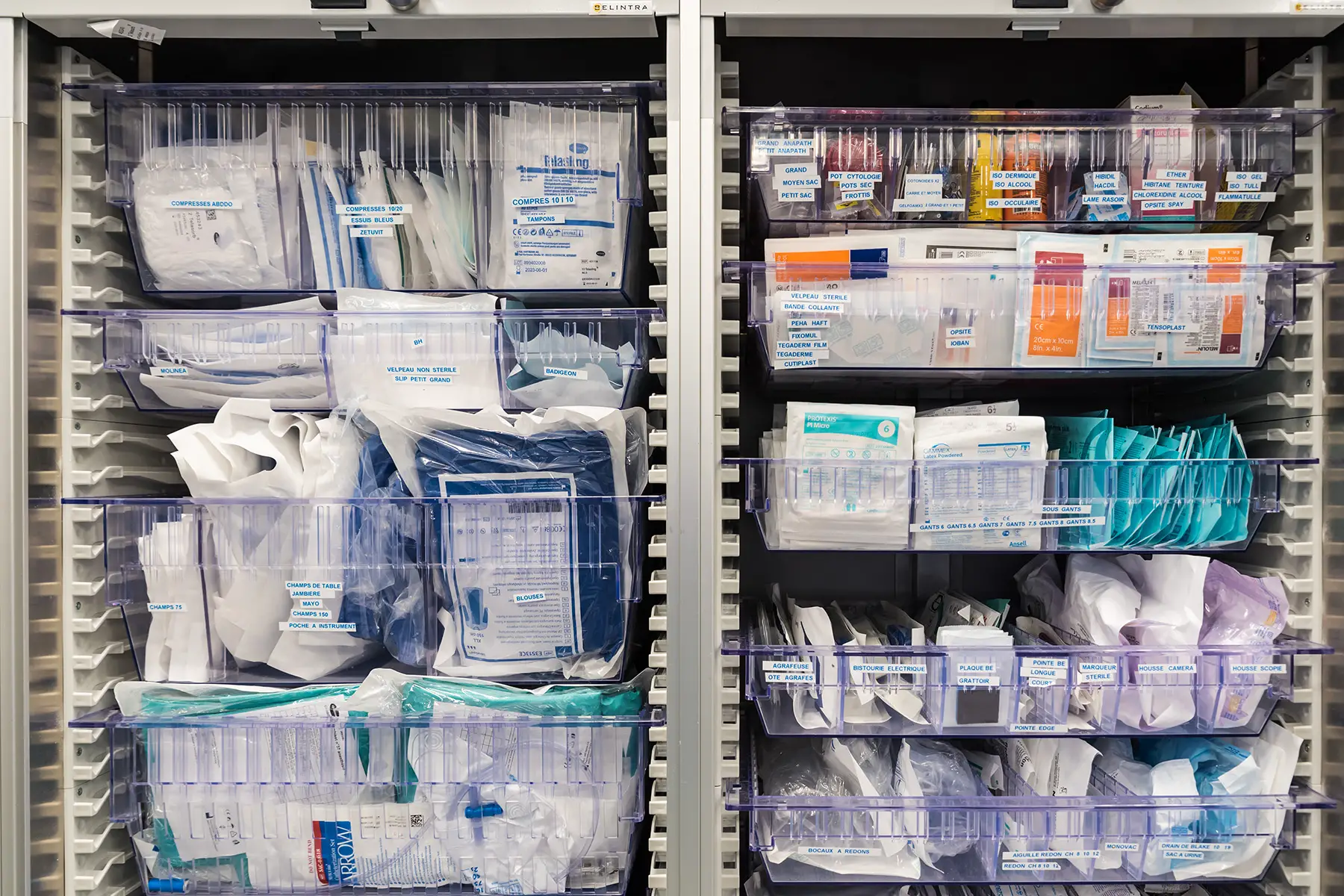
Everyone living and working in Belgium must have health insurance. The public healthcare system has (almost) universal coverage, though some payments are required for prescription medication and certain medical procedures.
Many locals and expats take out supplemental private health insurance to access shorter waiting times and a wider choice of doctors and specialists. It also offers extra coverage for other healthcare services, such as dentistry or vision care.

Basic insurance packages range from €120–160 a year. The more comprehensive the plan, the higher the premium will be. Older adults and those with pre-existing conditions may also face higher payments with private insurance.
In 2026, the monthly average expenditure on healthcare in Belgium will be an estimated €82 per person (Flanders: €81, Wallonia: €74, Brussels: €96).
Internet and telecom prices in Belgium
Belgian internet and other telecommunication services are relatively expensive compared to other Western European countries, with Brussels and Antwerp having the highest internet bills. In 2021, it was reported that internet-only subscriptions were up to 30% more expensive in Belgium than in other neighboring countries.
Of course, the cost varies per location and type of connection or service. You can often get a discount when you get a telecom package that includes TV, internet, and home phone. Internet-only subscriptions start from as little as €23 a month (excluding installation). The price increases if you want to increase the speed or add (more) TV channels.
Average monthly communication costs in 2026 will be an estimated €49 per person (Flanders: €49, Wallonia: €48, Brussels: €52).


The cost of clothing and footwear
The price of clothes and shoes in Belgium is in line with other EU countries. In 2026, people will spend an estimated monthly average of €67 per person on their wardrobe (Flanders: €73, Wallonia: €51, Brussels: €80).

The cost of clothing and footwear varies greatly, depending on the type and brand. For example:
- Underwear costs around €3–10
- Dresses and jeans, on the other hand, cost between €30–100.
- Business shoes for men and women range from €50–175.
Designer brands are more expensive, of course. The price of luxury clothing and accessories is similar to that in other parts of Europe.
The costs of transportation in Belgium
In 2026, Belgians will spend an estimated average of €170 per month on transportation (Flanders: €175, Wallonia: €210, Brussels: €126).
Public transport
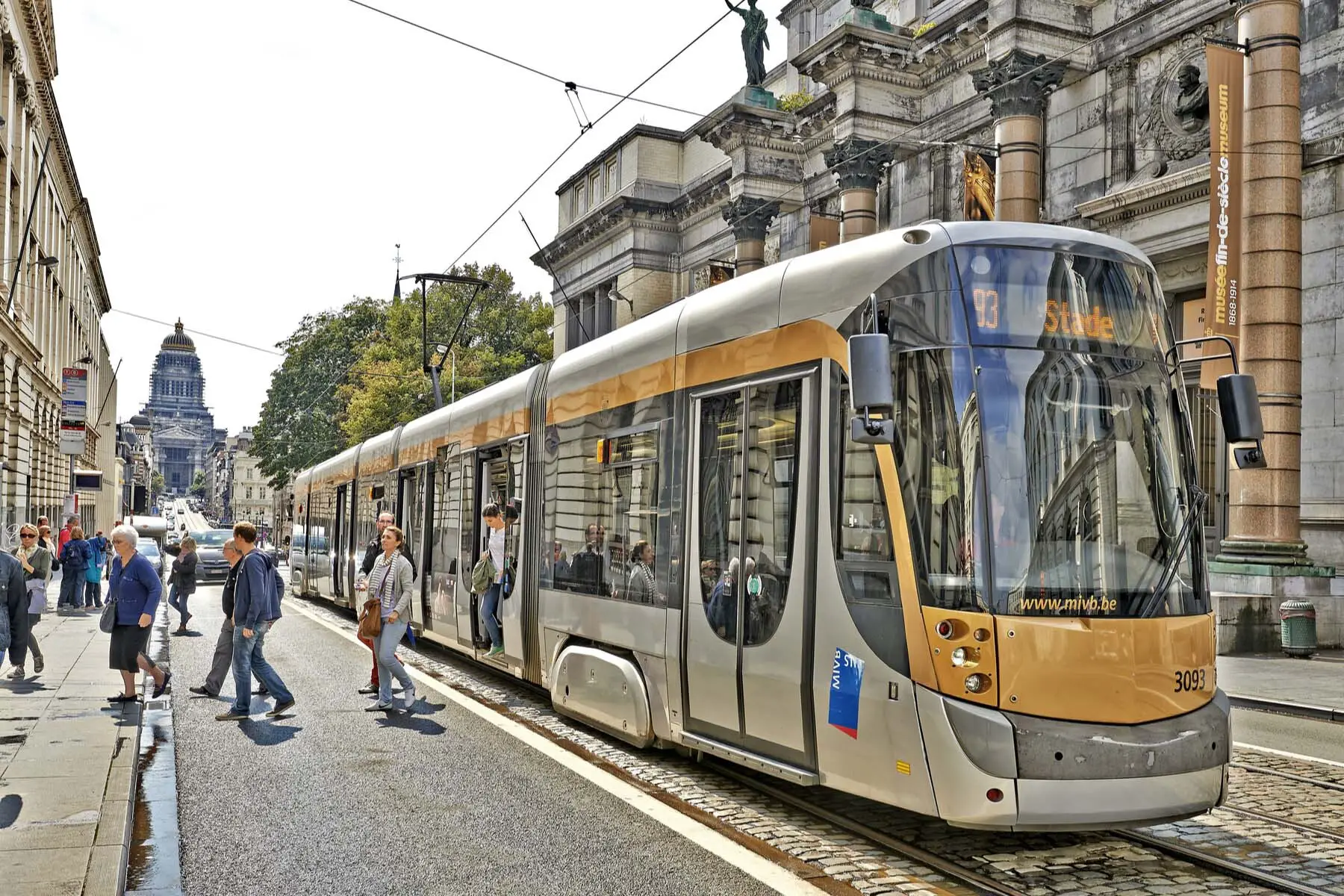
Belgium has a convenient public transport network of buses, metros, trains, trams, and, in some places, bicycles. These are run locally, so fares and availability differ on your location. For example, public bicycle services are currently only available in cities such as:
- Antwerp – subscription-based; first half hour is free, €0.50 for the second, €1 for the third, at least €6.50 for rides that last more than 90 minutes
- Brussels – subscription-based; first half hour is free, €0.50 for the second, €1 for the third, €2 for anything after that
Bus and metro fares also vary by city. According to Numbeo’s cost of living in Belgium, a single fare costs €2.60. Costs in the major cities range from €2.30 in Liege o €3 in Antwerp.
If you are planning to commute to work, it’s recommended you get a monthly or yearly plan to travel at a discounted cost.
Driving and vehicle costs
Having your own vehicle is a costly business in Belgium.
According to the 2025 Car Cost Index, it is the fourth most expensive country in Europe to own a car, after Switzerland, Portugal, and Norway. Belgian drivers paid an average of €1,176 per year.
Beyond the costs of lessons, a driving license, and the actual purchase of the vehicle, you’ll need to budget for:
- Car insurance – the mandatory Third Party Liability insurance costs €60–125 a month
- Annual Road Tax – the amount depends on the region, as well as the engine power of your vehicle
- Fuel costs – as of January 2026, gasoline costs €1.48 per liter, and diesel costs €1.59 per liter
- Maintenance – car maintenance typically costs around €200–400, depending on the vehicle type
Our article on driving in Belgium covers more about costs, mandatory insurance, and driving regulations.
How much do leisure activities cost in Belgium?
In 2025, the average person will spend an estimated €137 per month on recreation, sport, and culture (Flanders: €132, Wallonia: €127, Brussels: €156). Another €113 will be spent on hotels and restaurants each month (Flanders: €132, Wallonia: €97, Brussels: €134).
Movie theaters and cinemas
The average movie ticket in Belgium costs around €10–15, depending on the location. Some cinemas also offer theater passes that allow you to watch unlimited movies for an x amount per month. Others have discounted days and tickets, offering a screening for as low as €7–9.
Restaurants
Belgium – and especially Brussels – is home to some excellent fine-dining restaurants. But there are also plenty of affordable options for a date night.
Depending on your taste, a meal at an inexpensive bistro costs around €12–30. A three-course meal at a mid-range restaurant, on the other hand, can set you back €60–130.

Sports
If you are planning to join a gym in Belgium, you can expect to pay about €25–55 a month, depending on your location and membership. For example, Brussels is more expensive than other cities. There are also gyms that offer flexible plans where you pay per gym visit.
The costs of Belgian education and childcare
In 2025, people will spend only €4 per month on education (Flanders: €5, Wallonia: €3, Brussels: €5) in Belgium. Obviously, this does not include childcare.
Childcare
Working parents with (young) children may need to arrange for childcare from time to time. In Belgium, options include daycares, independent childminders, nurseries, and preschools.
Public childcare facilities usually charge parents based on their income. In 2026, these range from around €3 per day for low-income families to €38 for high-earners. You can also send your child to private childcare, where fees can range from €500–800 per month.
Some expat families may want to hire a nanny or au pair. Nannies have an average hourly rate of €18, whereas au pairs require room and board, as well as a minimum salary of at least €450 a month.

Children’s education
Belgium’s public schools are funded by the government. There are no tuition fees, and parents only pay for materials and outings.

Lessons are typically in Dutch or French. If this is not your primary language, you may prefer to send your children to a private or international school. These come with varying school fees depending on the school’s location, curriculum, and grade. For example, the annual cost of international kindergartens ranges from €14,000 to €37,000. High school students, on the other hand, can pay over €45,000 a year.
You can read more about school curriculums and fees in our article on international schools in Belgium.

For expat families paying international school fees from abroad, the cost of currency conversion can add up quickly. International schools typically charge in euros, so if you’re receiving income in another currency or transferring funds from your home country, compare how different providers handle the exchange. Banks in Belgium may add a markup to the exchange rate when converting tuition payments, which on amounts like €30,000–45,000 per year can mean a significant additional cost.
Specialist services like Wise use the mid-market exchange rate with transparent fees, which can help you calculate the exact cost of these regular large transfers.
University tuition fees
While not completely free (like, for example, in Austria or Germany), earning your university degree is much more affordable than elsewhere around the world.
Public universities typically charge around €1,000 per year for EU students and €2,500–7,500 for non-EU students. Tuition fees at private universities are a lot higher and can reach up to €10,000–20,000 per year.
Discover more about degree programs and requirements in our article on universities in Belgium.
How do Belgium’s prices compare to the rest of the world?
Although it’s not the cheapest place to live, Belgium’s high costs do come with high standards of living.
The country scores incredibly well on the OECD Better Life Index, which measures standards of living. Belgium scores well for income, gender equality, education, climate, life satisfaction, and voter turnout. It scores less well for employment rate, suicide rate, and pollution. Indeed, the Human Development Index ranks Belgium as the 10th best in the world.
The highest Belgian city on the 2024 Mercer’s Quality of Living Index is Brussels (40th), which is below Berlin (19th) and Paris (34th) but ahead of Dublin (43rd) and Rome (59th).

The cost of living in Brussels
The cost of living in Brussels is cheaper than many other capital cities. The metropolis ranks 40th on the 2024 Mercer’s cost of living index, meaning it is considerably cheaper to live in than Tokyo (Japan), Dublin (Ireland), and Stockholm (Sweden).
Compared to other capital cities, Brussel’s cost of living is (as of January 2026):
- 47.6% cheaper than New York (the US)
- 32.4% cheaper than London (the UK)
- 25% cheaper than Amsterdam (the Netherlands)
- 28.3% more expensive than Warsaw (Poland)
- 66.5% more expensive than Bucharest (Romania)
- 235.5% more expensive than Delhi (India)
The cost of living in Antwerp
Antwerp is Belgium’s second-largest city, with a total population of roughly 560,000 people. This port city in West Flanders is a massive creative hub, known for its vibrant culture, notable landmarks, and history of fine arts.
Compared to other cities around the world, the cost of living in Antwerp is (as of January 2026):
- 51.5% cheaper than New York (the US)
- 37.4% cheaper than London (the UK)
- 30.6% cheaper than Amsterdam (the Netherlands)
- 18.8% more expensive than Warsaw (Poland)
- 54.3% more expensive than Bucharest (Romania)
- 210.7% more expensive than Delhi (India)
The cost of living in Ghent
With a population of roughly 270,000, Ghent (Dutch: Gent, French: Gand) is the third-largest city in Belgium. This historic port city is the capital of East Flanders and is currently best known for its university and hosting of a ten-day festival Gentse Feesten.

The cost of living in Ghent is typically lower than in Brussels or Antwerp (as of January 2026), as well as:
- 49.7% cheaper than New York (the US)
- 35.1% cheaper than London (the UK)
- 28% cheaper than Amsterdam (the Netherlands)
- 23.2% more expensive than Warsaw (Poland)
- 60% more expensive than Bucharest (Romania)
- 222.4% more expensive than Delhi (India)
The cost of living in Charlerois
Charlerois is Belgium’s fourth-largest city, with a population of roughly 205,000. Located not far from the border with France, this city sits in a coal mining basin and is known for its heavy industries of coal, metal, and glass.
The cost of living in Charleroi is typically lower than in the rest of Belgium (as of January 2026), as well as:
- 58% cheaper than New York (the US)
- 45.8% cheaper than London (the UK)
- 39.9% cheaper than Amsterdam (the Netherlands)
- 2.9% cheaper than Warsaw (Poland)
- 33.6% more expensive than Bucharest (Romania)
- 169% more expensive than Delhi (India)
Financial support for the cost of living in Belgium
In certain situations, Belgian residents are entitled to financial aid and social security benefits. For example, low-income households can apply for a social integration allowance, which is €1,314 per month for single people. Parents receive up to €1,640 per month.

Other benefits that can help you with the cost of living in Belgium:
- Benefits in case of accidents at work or occupational diseases – available to people who are at risk of accidents in the workplace or occupational diseases
- Family benefits – to help with the cost of raising a child
- Invalidity benefits – for workers who have been incapacitated for more than a year
- Long-term care benefits – for dependent, disabled, or elderly persons who require specific equipment or long-term care
- Sickness cash benefits – available to workers who are no longer able to work due to a non-work-related illness or an accident
- Unemployment benefits – to help people who are in between jobs
If you are unable to pay for food and groceries, you can contact the local Public Centre for Social Welfare for support:
- Flanders: Openbaar Centrum voor Maatschappelijk Welzijn – OCMW
- Wallonia: Centre public d’Action sociale – CPAS
- Brussels: OCMW and CPAS
The social workers will assess your situation and may provide you with a food parcel (Dutch: voedselpakket, French: colis alimentaire).
Tips on how to save money in Belgium
All affordability is relative to your household income and size. A single bachelor may have more to spend than a family of four. Here are some tips for saving money while living in Belgium:
- Shop smartly at local markets – local markets often have fresh produce, bread, and other goods at a lower price than supermarkets. Time your visit well: there are better deals around closing time when vendors try to clear their stock.
- Check the weekly ads and plan meals ahead – use the weekly advertising flyers (Dutch: reclamefolders, French: flyer de supermarché) to see which supermarket has the best deals. You can save more money by planning ahead, as Belgian supermarkets often have promotions like “1+1 free” on bulk items.
- Dine out strategically – when you are eating out, look for plat du jour specials, as these are often more affordable than other dinner items. Also, take advantage of “Resto Days,” when participating restaurants offer discounted gourmet meals.
- Embrace cycling, public transport, and ride-sharing services – Belgium has a well-connected public transport system and is bike-friendly. Opt for a monthly or yearly transport pass or use a bike instead of driving. For longer commutes, consider carpooling with colleagues or friends or using a ride-sharing app to lower your travel costs.
- Shop at second-hand stores – Belgium has many thrift stores (like De Kringwinkel) where you can find affordable clothing, furniture, and household items. It’s also eco-friendly!
- Use energy wisely – save on heating and electricity by insulating your home, using energy-efficient appliances, and taking advantage of off-peak energy tariffs (e.g., to do your washing). You can also lower the thermostat a little and wear double layers inside the home.
- Review your contracts – regularly compare energy, internet, and phone plans to ensure you’re getting the best deal.
Useful resources
- The Consumer Mediation Service (Dutch: Consumentenombudsdienst, French: Service de Médiation pour le Consommateur) – official website of Belgium’s independent watchdog for consumers
- The Federation of Belgian Food Banks (Dutch: De Belgische Federatie van Voedselbanken – BFVB, French: La Fédération belge des Banques Alimentaires – FBBA) – website with information on food banks in Belgium