
'%20id='ico-down'%20stroke='%23000000'%20stroke-width='1.5'%3e%3cg%20transform='translate(1092.250000,%20254.750000)'%3e%3cpolyline%20id='Path-2-Copy-4'%20transform='translate(5.500000,%202.750000)%20scale(1,%20-1)%20rotate(-180.000000)%20translate(-5.500000,%20-2.750000)%20'%20points='0%200%205.5%205.5%2011%200'%3e%3c/polyline%3e%3c/g%3e%3c/g%3e%3c/g%3e%3c/svg%3e)


Moving
Visas & Immigration
Permanent residence in South Africa
Find out if you are eligible for permanent residence in South Africa and explore the application process, costs, and where to appeal if it is rejected.

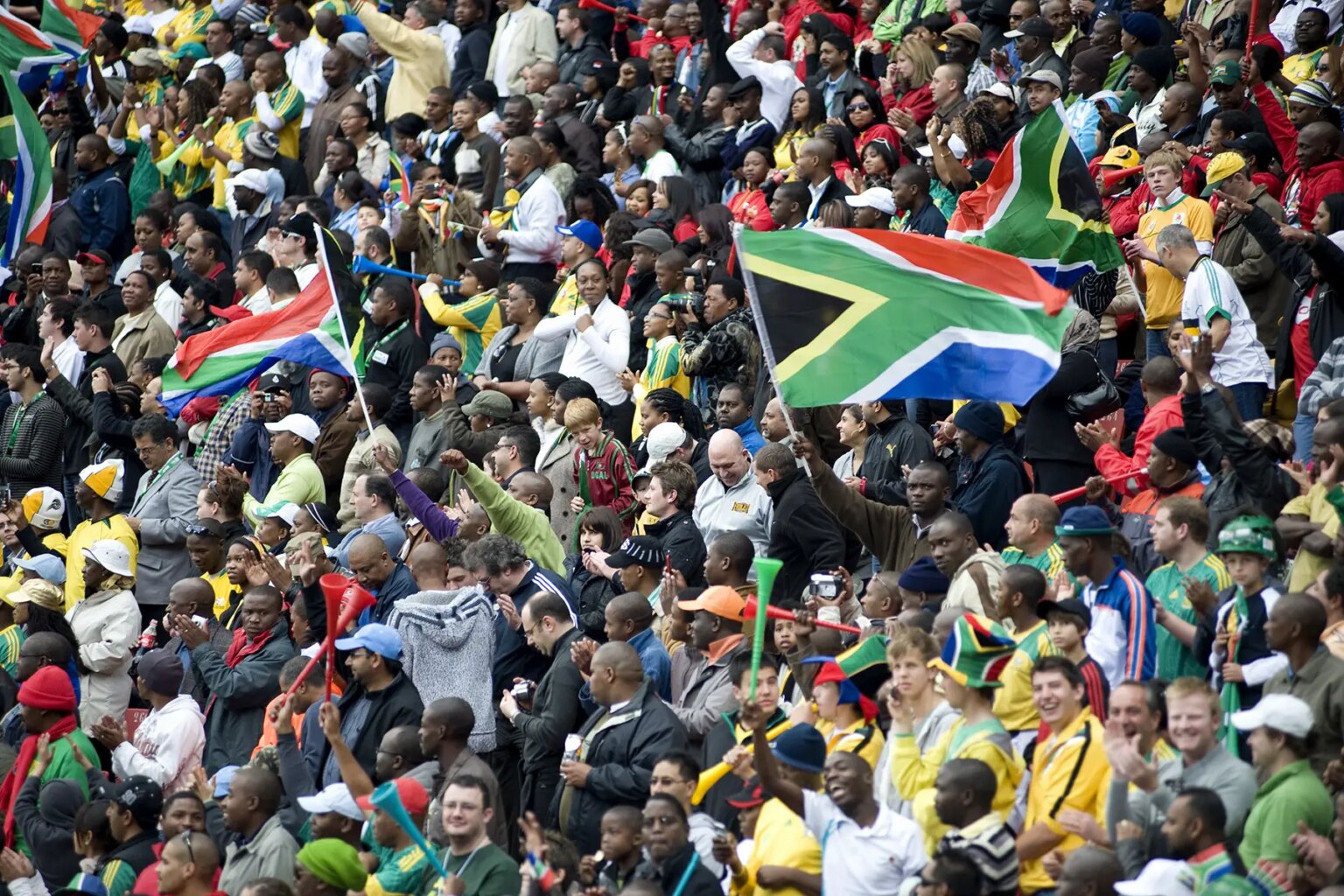
South Africa has a sizable expat population, many of whom have settled in the country with no plans to return to their home country or move elsewhere. Long-term visa holders who meet the qualifications can apply for permanent residence in South Africa to give them extra rights and benefits.
If you are an immigrant in South Africa wanting to make it your home, find out how to apply for permanent residence by looking at the following topics:
Use Wise for moving money abroad
Wise offers expatriate-friendly financial services including international money transfers at mid-market exchange rates with transparent, low fees, helping you save money when sending funds to family or managing finances across borders. Their multi-currency account allows you to hold, convert, and spend money in multiple currencies.

Permanent residence in South Africa
The Department for Home Affairs (DHA) issues permanent residence permits in South Africa and processes many applications yearly, as many foreign-born residents stay in the country indefinitely, citing reasons such as the quality of life, local relationships, sense of community, or pleasant climate.
According to the latest HSBC Expat Explorer survey (2021), South Africa had an overall ranking of 33 out of 46 countries based on the following elements:
- Living (30/46): quality of life, integrating into the local community
- Aspirations (36/46): disposable income, career goals/ambitions, retirement
- Future outlook (31/46): a sense of stability, optimism about the future
It was behind countries like Switzerland (1), Australia (3), Singapore (9), and the Netherlands (10) but ahead of nations, such as Japan (35), Saudi Arabia (39), United Kingdom (44), and Italy (45).
Permanent residence is a more secure option for expats who have been living in South Africa on a temporary visa for at least five years. And it is a stepping stone when applying for full citizenship.

However, only some long-term visa holders are eligible for a permanent residence permit, and the application process is often lengthy.
What is the difference between citizenship and permanent residence?
Getting permanent residence in South Africa means enjoying many of the same benefits as a South African citizen. For example, as a permanent resident, you can:
- Work or start up your own business
- Access the education system
- Buy property in South Africa
- Access social security benefits
- Move anywhere in South Africa and also leave and return to the country as many times as you like
However, there are certain rights reserved purely for citizens of South Africa. These are:
- The right to a South African passport
- Voting in all South African elections
- Leaving South Africa for unlimited periods; as a permanent resident, you can be abroad for a specific continuous amount of time
If you are a South African national, it also means that your children have more rights as they automatically qualify for citizenship.
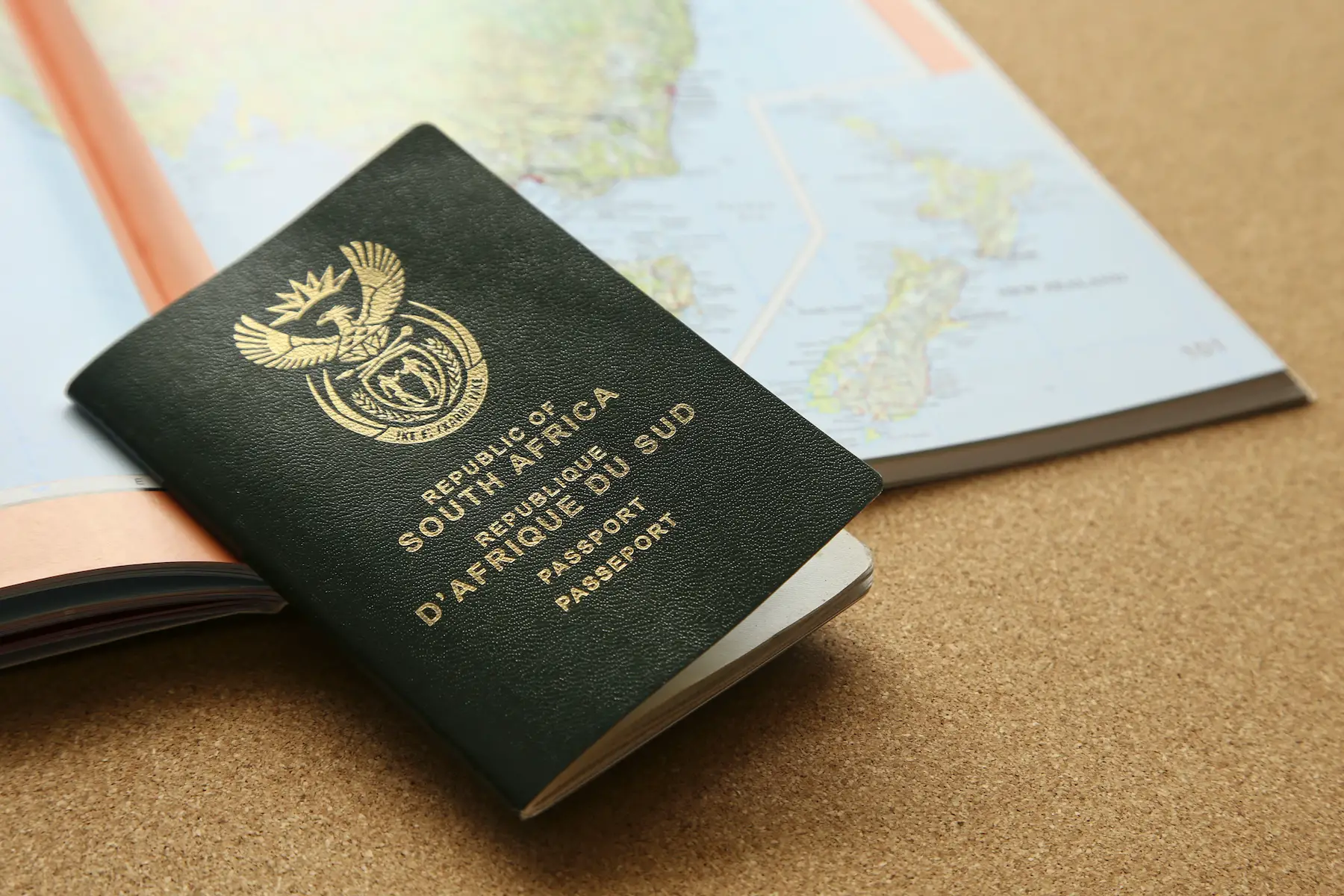
Furthermore, there are different criteria, for example, residency requirements. To become a permanent resident, you must live in South Africa for at least five years. For citizenship, you have to live in South Africa for five years on a permanent residence permit, meaning the overall residency requirement is ten years.
South Africa allows dual citizenship, but if your home country (e.g., the Netherlands) does not, you would have to renounce your first citizenship. This is not the case if you become a permanent resident.
Requirements for permanent residence in South Africa
The main general requirement for a permanent residence permit in South Africa is meeting the five-year residency period, and there are two types:
- Direct residence permits
- Residency-on-other-grounds permits
In most cases, you can migrate to South Africa on a temporary visa (e.g., a work visa) and then apply for permanent residence if you fit into one of the categories. The other general requirement is that the authorities do not consider you an “undesirable or prohibited person.” For example, this might include:
- Having an infectious disease that can spread quickly and pose a public health threat, as determined by the Department of Health
- Conviction or warrant of arrest for a serious crime
- Membership of, or proven support for a dangerous or violent organization
- Previous deportation from the country and no proof of rehabilitation
Direct residence permits
The following individuals can apply for this permit:
- Those who have been living in South Africa for five years on a work permit
- Spouses/civil partners who have been married for five years to South African citizens or permanent residents
- Minor dependent relatives (aged under 18) of South African citizens or permanent residents
- Other dependent relatives of South African citizens
Residency-on-other-grounds permits
You can apply for this permit if you:
- Have a permanent job offer in South Africa
- Have exceptional skills and qualifications to benefit the economy
- Intend to set up or invest in a business
- Qualify as a refugee
- Want to retire in South Africa (has minimum income threshold)
- Are financially independent
- Are the parent of a South African citizen/permanent resident or a dependent relative that doesn’t qualify for a direct residence permit
For all of the above categories (except being a parent or retiree), applicants can also include their spouses/civil partners and dependent children.
Send Money to South Africa for Your Residency Application
If you’re applying for permanent residence in South Africa and need to transfer funds from abroad to meet financial requirements or support your application, Wise offers a straightforward way to send money using the mid-market exchange rate with transparent, low fees. This can help you manage the costs associated with your residency application more efficiently while ensuring your funds arrive securely.
Learn more about Wise.
How do you apply for permanent residence in South Africa?
To apply for permanent residence, you must first request a declaration from the Minister of Home Affairs confirming that you do not fall into the prohibited or undesirable category.
Following this, you can use three application routes:
- Via your nearest DHA global office
- At the local embassy, if you live overseas
- Online via VFS.Global, the DHA’s official visa partner
You need to make an appointment at the exact location where you will submit biometrics and include the following documentation:
- Completed BI 947 form
- Passport or valid photo ID
- Birth certificate
- Current temporary residence permit
- Proof that you meet the category requirements (e.g., employment contract, marriage certificate, or proof of finances)
- Police clearance certificates from any country where you have lived for more than 12 months as an adult
- Proof of financial support for any dependents
- Medical report to show that you are clear of infectious diseases
- Proof that you paid the application fees
The process can be lengthy, taking from eight months to two years, depending on the immigration category. If successful, you should receive a permanent residence certificate from the DHA.
Costs
The fee differs depending on the category and is regularly updated, but you can expect to pay around R1600 per person for a standard application. The costs are non-refundable and split between the application fee (to be paid when you submit your application) and a confirmation payment when you receive your permanent residence certificate.
Refugees will pay a reduced rate, and applicants under the financially independent category must make an additional payment of more than R100,000, as determined by the Minister of Home Affairs.
Can family members apply for permanent residence in South Africa?
You can include the following family members in your permanent residence application:
- Spouse/civil partner
- Dependent children aged under 18

The exception is that the retired-person residence permit doesn’t allow the inclusion of family. If you want relatives to join you under this category, they will have to make an application independently.
Family members (i.e., spouse/civil partner, child, parents, or dependant relatives) do not need to apply at the same time as you as long as their visas are still valid. When they later submit an application, they can do so via the direct residence permit route as a spouse or dependant. The process is similar, but they will pay a reduced rate.
Siblings, grandparents, and grandchildren of citizens and permanent residents can apply for family visas and stay for a maximum of five years before they become eligible to apply for permanent residence independently.
Losing your permanent residence rights in South Africa
Although permanent residence in South Africa means you can remain indefinitely, the authorities reserve the right to revoke your permit in the following situations:
- You leave South Africa for a continuous period of three years or more
- You are convicted of a serious criminal offense
Additionally, there are conditions attached to the following categories:
- Business permit: you must prove that you have met and are still meeting the permit conditions after two years and again after five years (e.g., you have made the required investments and the business is still operational)
- Spouse/civil partner permit: you must prove that you are still in a relationship with the principal applicant, except if they are deceased
What can you do if your application for permanent residence in South Africa is rejected?
If the DHA rejects your application, they will inform you in writing and may even invite you to resubmit your documents. Common reasons for refusal include:
- The applicant is considered an undesirable or prohibited person
- Insufficient or incorrect documentation submitted
- Information is falsified
- You have not lived in the country legally for five years
If your application has been rejected early on based on an undesirable or prohibited status, you can plea for reconsideration via email.

However, you can also appeal – in writing – to the Director General to review your application within 10 days of receiving the decision. You can expect a response within 6–10 weeks.
If you are still unhappy with the outcome, you can take it to the South African courts. However, this can be costly, and you will need advice from a qualified immigration expert or lawyer.
Useful resources
- Department of Home Affairs (DHA) – the government department responsible for visas and residence permits
- gov.za – the South African government’s website
- VFS.Global – the goverment’s official visa and immigration partner


Did you find this guide helpful?