
'%20id='ico-down'%20stroke='%23000000'%20stroke-width='1.5'%3e%3cg%20transform='translate(1092.250000,%20254.750000)'%3e%3cpolyline%20id='Path-2-Copy-4'%20transform='translate(5.500000,%202.750000)%20scale(1,%20-1)%20rotate(-180.000000)%20translate(-5.500000,%20-2.750000)%20'%20points='0%200%205.5%205.5%2011%200'%3e%3c/polyline%3e%3c/g%3e%3c/g%3e%3c/g%3e%3c/svg%3e)


Healthcare
Healthcare Basics
Emergency services in the UK: numbers and helplines
Having some problems in the British Isles? This list of UK emergency numbers and helplines will get you out of any sticky situation.

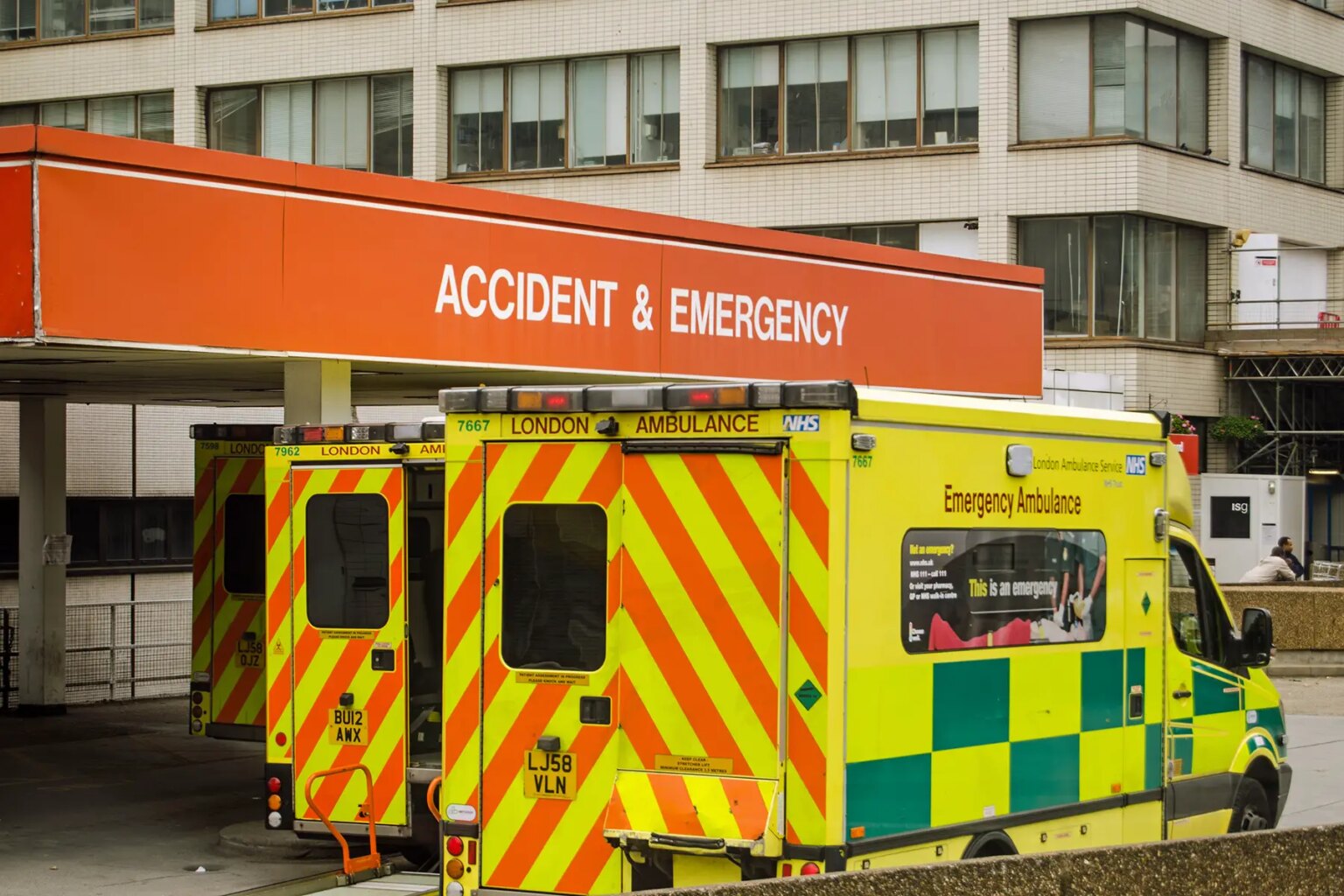
The UK is a relatively safe country. While it has a moderate crime rate (particularly in England and Wales), fraud and theft are on the rise. The country is also considered to be at high risk for terrorist attacks. Still, if you need the police, fire department, or medical care, the emergency services are there when you need them.
| Emergency service | Number |
| General emergency line | 999 |
| Ambulance | 999 |
| Fire brigade | 999 |
| Police | 999 |
| Sea rescue | 999 |
| Missing Child Line | 116 000 |
| Suicide crisis line | 111 |
Besides the above, the UK has a number of other emergency helplines you may not be familiar with:
Main emergency number in the UK
If you or someone else is in immediate danger, you can call 999 from any landline or mobile phone in the UK. If you call 112 or 991, you will be routed to the 999 emergency operator. If you are deaf or hearing impaired, you can contact them via the 999 BSL app. You can also send a text to 999, but only if you registered beforehand. You can do so by texting ‘register’ to 999.
You should only use the UK emergency number in genuine crises, such as a fire or a serious threat to your health. Using these lines for non-urgent issues causes delays for callers who require immediate help. If the situation is determined to be non-life-threatening, the dispatcher may advise you to attend the hospital, your local doctor’s surgery, or a pharmacist instead.
The Home Office is responsible for most rescue and emergency response services in England. In Scotland, Wales, and Northern Ireland, fire and rescue services are managed by their respective governments. Emergency planning and civil contingencies are coordinated nationally by the Cabinet Office, specifically through the Civil Contingencies Secretariat (CCS).
Ambulance and rescue services in the UK
In a medical emergency, call 999 for an ambulance. Regardless of your insurance status in the UK, you can access emergency healthcare for free. For general healthcare advice, you can also call your family doctor (GP), use the NHS 111 online service, or visit an urgent treatment center.
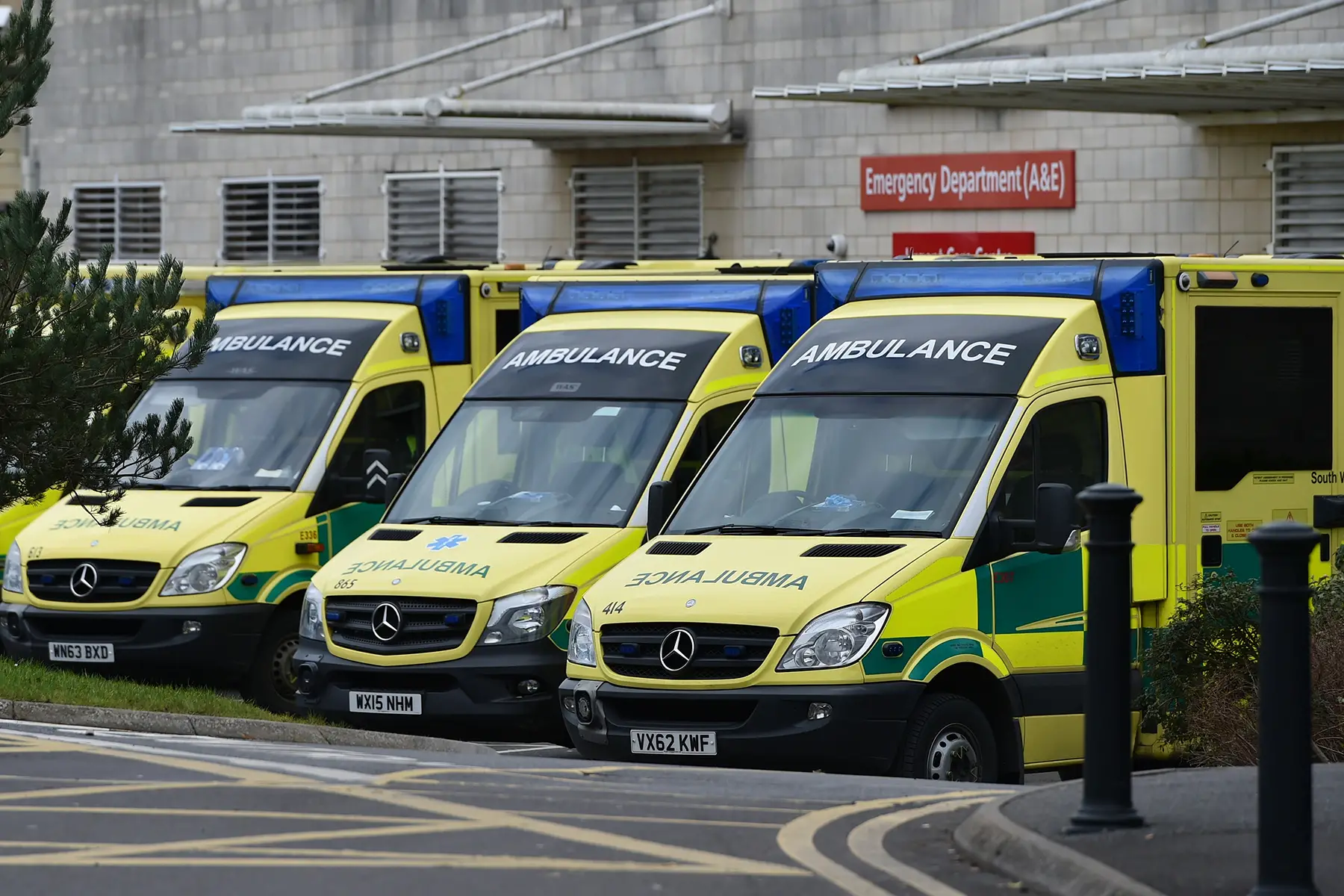
The dispatcher will assess the situation and assign you an emergency category:
- C1/Purple: life-threatening injuries and illnesses, such as cardiac arrests. The targeted response time is seven or eight minutes.
- C2/Red: immediate emergency calls, such as strokes, severe burns, or chest pain. The targeted response time is 18 minutes.
- C3/Amber: urgent calls, such as abdominal pains, and patients who can be treated in their own homes. The targeted response time is up to 120 minutes.
- C4/Yellow: less urgent calls such as vomiting, diarrhea, or back pain. These are sometimes treated with telephone advice or referrals to other services. The targeted response time is up to 180 minutes.
Despite the operational targets, average response times may vary. In January 2023, The Guardian reported that England’s ambulance response times were the worst on record. On average, patients with a C2 emergency had to wait 93 minutes for emergency services to arrive, five times the targeted response time of 18 minutes. By April 2025, this had improved to an average of 28 minutes, with 90% of ambulances responding within 56 minutes.

Rescue services and other helplines
The following are some other useful numbers to jot down:
- Missing Child Line: 116 000
- National Poison Information Service:
- England: 111
- Scotland: 111
- Wales: 111 or 0845 46 47
- Northern Ireland: 01 809 2166
- Macmillan Cancer Support Line: 0808 808 00 00
- Cancer Research UK helpline: 0808 800 4040
- HIV/AIDS triage line: 0300 421 6542
- Coast guard (calling from land): 999
- Coast guard (not on land): VHF Channel 16
- Veterans Support Line: 0808 1914 218
How to reach the firefighters in the UK
The fire service helps with fire emergencies, altitude rescue, water accidents, and incident response to hazardous substances (e.g., gas leaks). You can contact them at 999. In non-emergency situations, you can reach out to your local fire station; their number will be listed on their website.

Emergency number for the police in the UK
For urgent police assistance, call 999. This number applies to England and Wales, Scotland, and Northern Ireland. If the situation is less urgent (e.g., complaints, suspected drug use in your area, or damaged property), you can also contact their non-emergency number, 101.
The police force in the UK has three levels: local and national. Depending on the nature of the crime, the investigation is led by either of these units. If you have a tip about a crime, you can call the non-emergency number or reach out online. You can also report crime tips anonymously by contacting Crime Stoppers UK at 0800 555 111.
Some other specialist phone numbers for specific crimes:
- Action Fraud: 0300 123 2040 (for fraud and cybercrime)
- Anti-terrorist hotline: 0800 789 321
- Asylum helpline: 0808 8010 503
- British Transport Police: 0800 40 50 40 (for crimes on trains or tubes)
- MI5: 0800 111 4645 (for national security concerns)
Helplines for discrimination and gender-based violence
The UK has a number of emergency support lines for victims of violence. For example, you can call the national Victim Support UK at 0808 168 9111. This organization also has regional offices in Scotland (0800 160 1985) and Northern Ireland (Belfast: 028 9024 3133 or Foyle: 028 7137 0086).
Alternatively, you can reach out to:
- Age UK: 0800 678 1602
- Community Service Trust: 0800 032 3263 (for anti-semitism)
- Discrimination hotline: 0808 800 0082
- Gypsies, Roma, and Traveller Support Line: 01273 234 777
- Muslim Community Helpline: 020 8904 8193 or 020 8908 6715
- National Stalking Helpline: 0808 802 0300
- Report Racism GRT: 01707 247 088 (for Gypsies, Roma, and Travellers)
- SupportLine: 01708 765200
- Tell Mama Line: 0800 456 1226 (for anti-muslim hate)
Help for domestic violence and child abuse in the UK
The national helpline for domestic abuse is 0808 2000 247. You can also contact:
- ChildLine: 0800 1111
- Family Lives: 0808 800 2222
- Finding Legal Options for Women Survivors (FLOWS): 0203 745 7707
- Hourglass: 080 8808 8141 (for elder abuse)
- Jewish Women’s Aid: 0808 801 0500
- Karma Nirvana: 0800 5999 247 (for victims of honor-based abuse)
- ManKind Initiative: 0808 800 1170 or 01823 334 244 (for men escaping domestic violence)
- National Rape & Sexual Abuse Helpline: 0808 500 2222
- Respect Men’s Advice Line: 0808 8010327
- Rights of Women Advice Line: see website
- Southall Black Sisters: 020 8571 0800
- Stop It Now Helpline: 080 1000 900 (for child sexual abuse)
Children and adolescents can find more free, confidential youth advice and counselling services at Youth Access.
If you know of or witness child abuse, call the police at 999. If the situation is less urgent, you can report it to your local council. And if you are concerned about a child’s well-being, you can also contact the NSPCC at 0808 800 5000. For more resources, visit Child Exploitation and Online Protection (CEOP).
How to call LGBTQ+ services in the UK
In truth, the UK isn’t exactly a beacon when it comes to lesbian, gay, bisexual, transgender, and queer people (LGBTQ+) rights. Indeed, LGBT-phobic behavior and hate crimes are on the rise, with some feeling that society has reverted back to the 1990s. So, if you need help and support, you can reach out to the National Helpline for LGBT+ victims and survivors of abuse and violence at 0800 999 5428.
Other places of note:
- Act (for people aged 16-25 and at risk of, or experiencing, homelessness)
- FFLAG: 0300 688 0368
- Gendered Intelligence Support Line: 0800 640 8046 (for trans people)
- IMAAN (for LGBTQ+ Muslims)
- Mermaids UK: 0808 801 0400 (for trans, non-binary and gender-diverse people)
- LGBT Switchboard: 0300 330 0630
- LGBT Foundation: 0345 3 30 30 30
You can find more resources and support lines on the website of Stonewall UK.
Mental health and substance abuse helplines in the UK
Mental health services in the UK
If you’re struggling with mental health issues in the UK, you’re generally recommended to consult your GP first. They can prescribe medication or refer you to a suitable specialist.

However, if you are in an immediate mental health crisis, you can call the national suicide helpline at 111 or text ‘shout’ to 85258. Alternatively, you can reach out to:
- Call Mental Health Helpline For Wales: 0800 132 737
- Campaign Against Living Miserably (CALM): 0800 58 58 58
- Mind: 0300 102 1234
- Papyrus HOPELINE247: 0800 068 4141
- Samaritans UK: 116 123
- SOS Silence of Suicide: 0808 115 1505

Services that help with alcohol and drug abuse
When “just for funsies” is no longer fun, you can contact the following organizations:
- Alcoholics Anonymous UK: 0800 917 7650
- Al-Anon Family Groups UK & Eire: 0800 008 6811 (support for family and friends of alcoholics)
- DAN Wales Drug and Alcohol Helpline: 0808 808 2234
- Drinkline (national alcohol helpline): 0300 123 1110
- Drinkline Scotland: 0800 7314 314
- Narcotics Anonymous: 0300 999 1212
- National Association for Children of Alcoholics (NACOA): 0800 358 3456
- Scottish Families Affected by Alcohol and Drugs (SFAD): 08080 101011
- Talk to Frank helpline: 0300 123 6600
You can find more resources and support services on the Adfam website.
Emergency number for road and traffic accidents in the UK
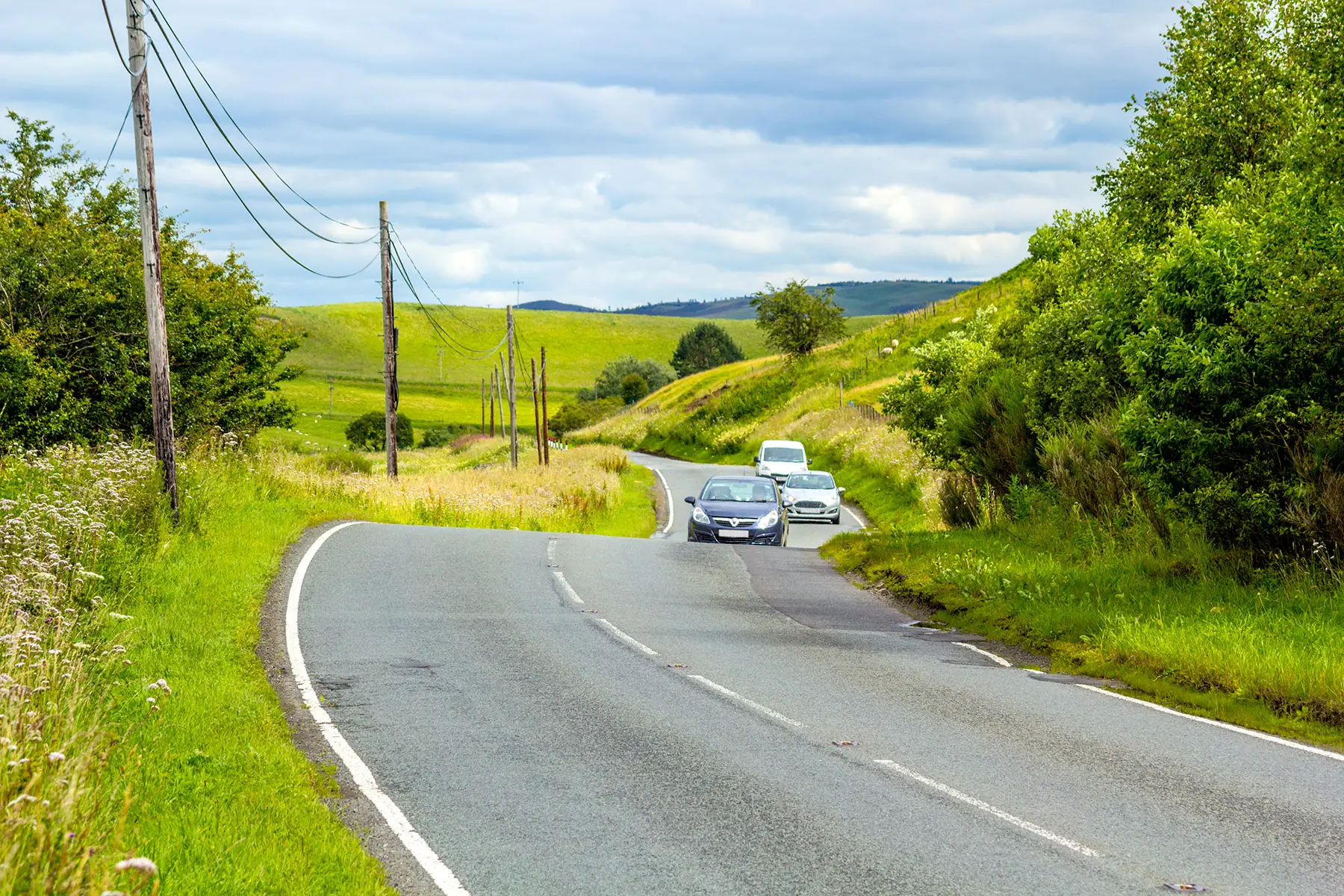
If you are involved in a road traffic accident in the UK, you should stop your car (preferably not obstructing traffic), turn on your hazard lights, and display your warning triangle. In the case of minor accidents with no casualties, swap phone numbers, addresses, and insurance details, and fill out an insurance form with the other party involved.

More serious collisions should involve the police (999). Driving off after an accident is illegal, so if the other party takes off, try to note down their number plate. Failing to stop, or failing to report an accident that caused serious damage or injury, can result in a hefty fine and even a prison sentence.
Who to contact in a property or housing emergency
Lost or stolen property in the UK
When you lose an item, you should first check the relevant lost and found desk (e.g., at the tube). After that, you can contact the Report My Loss database or Immobilise, the UK national property register. Stolen items can be reported to the police (online or in person by appointment).
If the item is an official document, make sure to contact the relevant authorities as well. For example, lost passports must be reported to the embassy or consulate. And if you’ve lost your credit or debit card, you should contact your bank to have the card frozen.
Victims of (online) fraud can contact the government’s fraud reporting agency, Action Fraud, at 0300 123 2040.
Utility and telecom services in the UK
(Suspected) gas leaks can be reported to the National Gas Emergency Service at 0800 111 999. For electricity outages, contact the National Grid hotline at 0800 6783 105 or 105. And if you see any flooding from other rivers, brooks, or streams, contact your local council or the Environment Agency incident hotline.
Of course, if there’s immediate danger, contact 999.
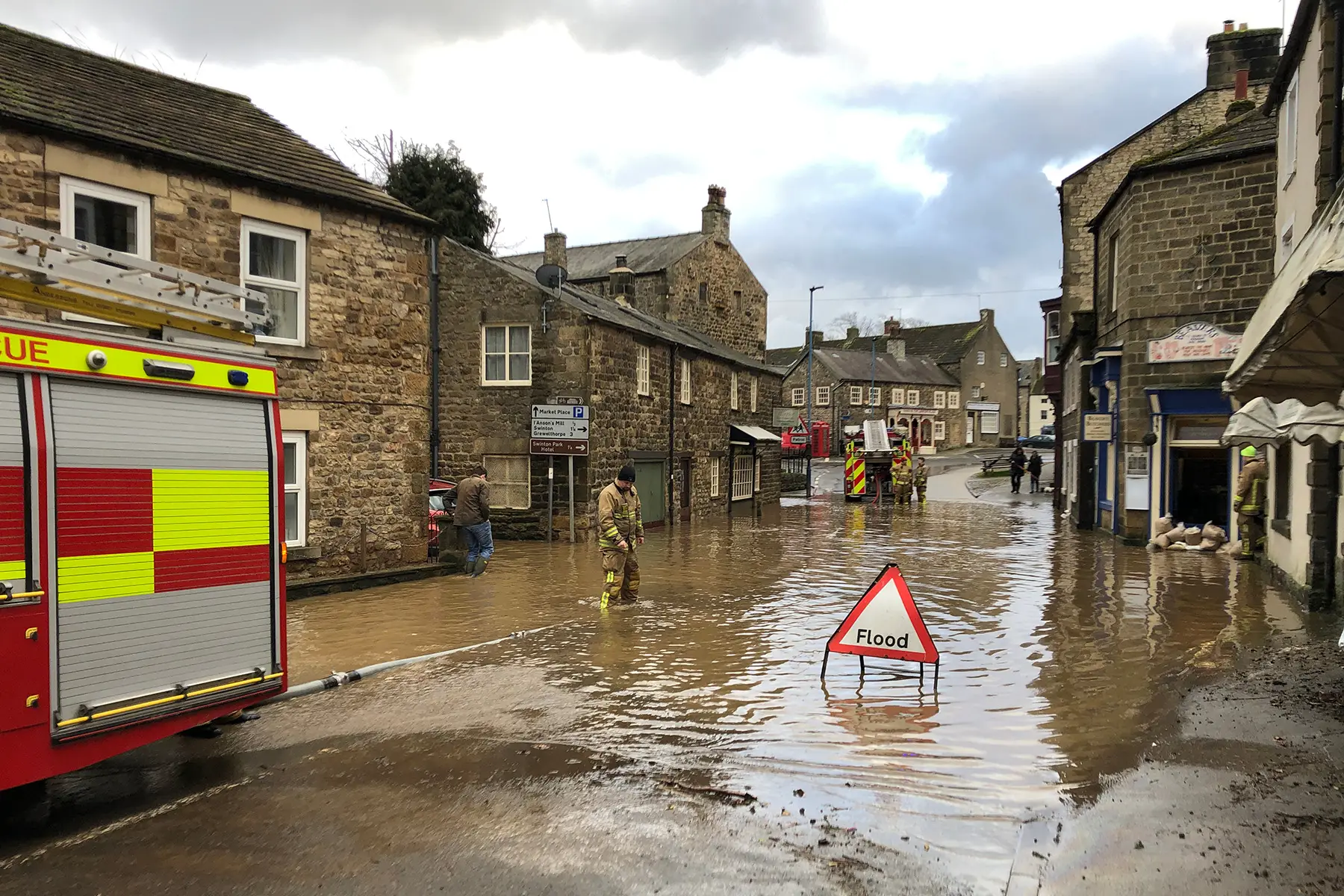
For other utility and telecom-related issues, the UK doesn’t have a national emergency number. Instead, you can call the regional services, which are typically listed on your utility or telecom bill.
How to call homelessness services in the UK
The UK has several organizations and services that offer support to people facing housing instability or in need of emergency shelter. For example, your local council must help anyone who is or will be unhoused within the next eight weeks.
The following organizations can offer more information and resources:
- Act (for LGBTQ+ people aged 16-25)
- Centrepoint
- Crisis UK
- Shelter England: 0808 800 4444
- Shelter Scotland: 0808 800 4444
- Shelter Cymru (Wales): 08000 495 495
- Shelter Northern Ireland
- St Mungos
- The Pavement
People requiring food assistance can get in touch with a local Food Bank or Food/Soup Run. And if you’re currently sleeping rough, make sure to notify StreetLink. The alert will be passed on to the local outreach team, who will try to find you at the given location.
How to reach the animal services in the UK
Visit the PDSA website to see what to do if your pet goes missing. If you find someone’s pet, you should take it to a veterinarian. They can see if the animal has any chip or identification and search the databases if so. Also, register the pet as found on DogLost or Animal Search UK.
You can report animal abuse to the RSPCA using their online form. If the abuse is ongoing or urgent, call 999 to contact the police.

Help for foreign nationals in the UK
London is a popular tourist destination, and many police stations have interpreters on staff, including those who speak Arabic, Berber, Chinese, and Farsi.
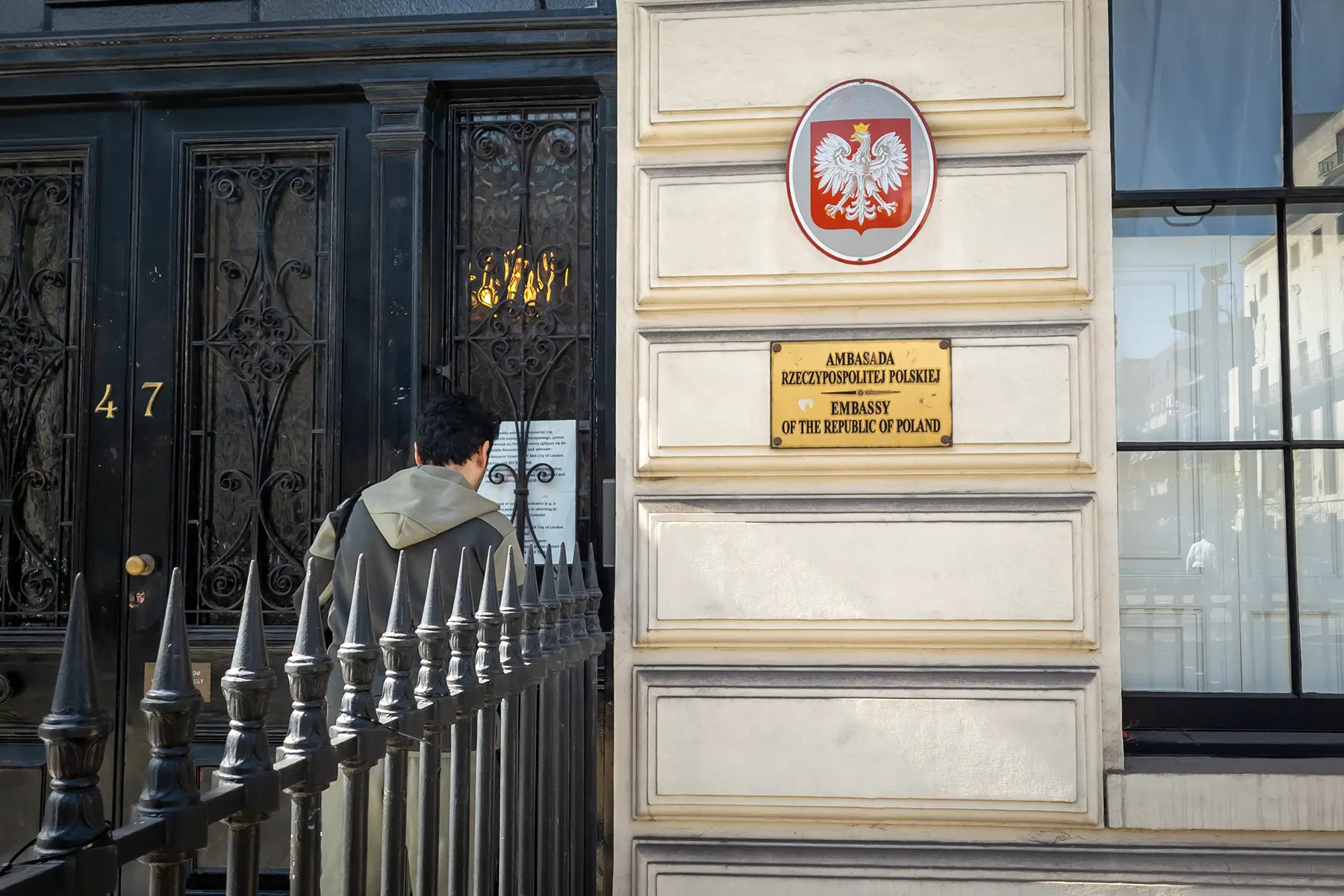
If you need consular or diplomatic help, most foreign representations are located in London and other major cities, like Edinburgh and Belfast. For a complete list of embassies, consult EmbassyPages. You can also visit the website of the Foreign, Commonwealth & Development Office.
What to do in an emergency in the UK
When calling 999 or any other emergency number in the UK, make sure to clearly state:
- Your name
- The location where help is necessary
- The situation, and whether it’s still happening
- How many people require help
- Whether there are weapons or dangerous substances involved
Other tips and things to keep in mind:
- Don’t forget the security code for your parking garage or apartment building
- Never hang up until you are told to do so
- If you have children, know their exact ages and weight in case you need to call an anti-poison center or administer medication
- If drugs were involved, make sure to inform them what was taken, and, if possible, give them the rest of the stash consumed
Useful resources
- Home Office – official government website of the agency is responsible for most rescue and emergency response services in England
- Foreign, Commonwealth & Development Office – official government website with more information on foreign embassies in the UK
- Stop Hate Crime – website with information and services for people experiencing domestic abuse and hate crimes


Did you find this guide helpful?