
'%20id='ico-down'%20stroke='%23000000'%20stroke-width='1.5'%3e%3cg%20transform='translate(1092.250000,%20254.750000)'%3e%3cpolyline%20id='Path-2-Copy-4'%20transform='translate(5.500000,%202.750000)%20scale(1,%20-1)%20rotate(-180.000000)%20translate(-5.500000,%20-2.750000)%20'%20points='0%200%205.5%205.5%2011%200'%3e%3c/polyline%3e%3c/g%3e%3c/g%3e%3c/g%3e%3c/svg%3e)



Key takeaways
- The NHS is the default route for eligible residents, and private cover is optional.
- Private medical insurance usually helps with faster access to some diagnostics and planned treatment, not emergency care.
- Pre-existing conditions, chronic conditions, pregnancy, and routine care are often excluded or limited.
- Premiums depend on age, postcode, smoking status, hospital list, outpatient cover, and excess.
- If your main risk is lost income, compare income protection instead. If you live across borders, international cover may suit you better.
Why self-employed people consider private health insurance
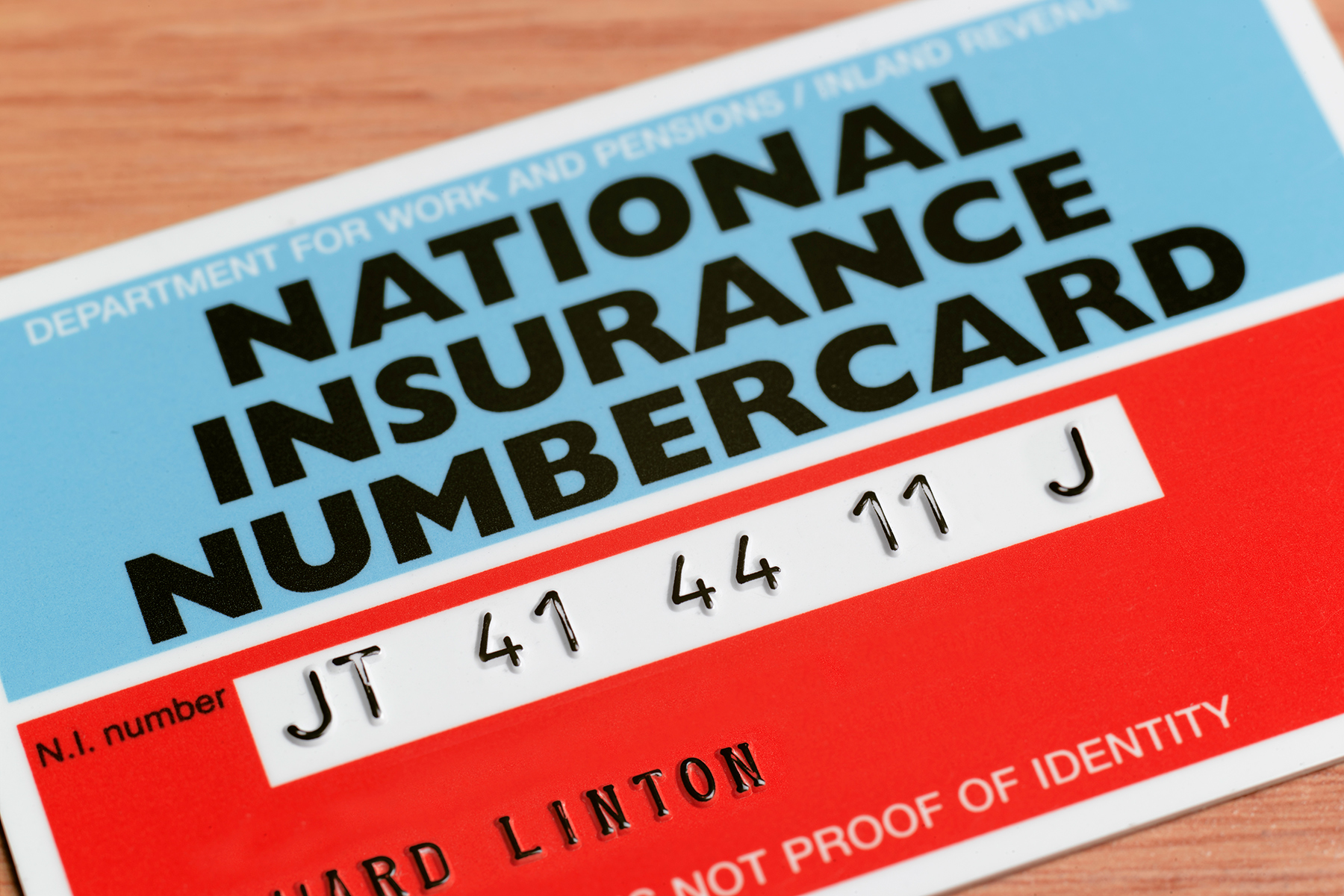
If you work for yourself, you may not have employer-paid cover or sick pay, and National Insurance entitlements may not fill the same gap as an employee benefits package, so a delayed diagnosis can quickly become a work problem as well as a health problem.
The appeal of private health insurance for self-employed people such as Cigna is usually speed and control, not replacing the NHS. As of April 2026, the consultant-led waiting list in England stood at 7.22 million cases, and about 2.53 million patients had been waiting more than 18 weeks, according to NHS England RTT data.
You may be more likely to compare cover if you:
- work alone and cannot easily absorb time off
- rely on your voice, hands, mobility, or concentration to earn
- want quicker access to scans or specialist advice for non-emergency issues
- would struggle to self-fund a large private bill at short notice
- want peace of mind, but know that peace of mind is different from income protection
Do you need private health insurance if you can use the NHS?
Usually, yes, you can use the NHS and skip private cover. The NHS is tax-funded and remains the core system for eligible residents, so private medical insurance is supplementary rather than a replacement.

Private cover may still make sense if your main concern is faster access to some tests, planned treatment, or a narrower choice of hospital. The NHS guide to waiting times says patients in England have a right to start non-urgent consultant-led treatment within 18 weeks in many cases, but that standard is not the same as a guarantee of immediate access everywhere.
| Area | NHS | Private medical insurance | What it means in practice |
| Emergency care | A&E and emergency admission | Usually not covered, use NHS | Private cover does not replace emergency services |
| GP and referrals | GP is often first step | Many policies still expect a GP referral and pre-authorisation | Keep your GP registration even if you plan to go private |
| Diagnostics and planned treatment | May involve a wait | Can offer quicker access, depending on provider and terms | Speed depends on pathway, hospital list, and approval rules |
| Chronic care | Long-term management often stays with the NHS | Often excluded or limited | Private cover is strongest for acute, treatable problems |
This comparison is based on NHS guidance and common private medical insurance terms; exact cover depends on the insurer and policy wording.
What self-employed health insurance usually covers
In the UK, private health insurance and private medical insurance such as Cigna usually mean cover for acute conditions, meaning illnesses or injuries that can be diagnosed, treated, and expected to improve. Policies differ, but most are built around planned care rather than everyday healthcare.
Before you compare plans, it helps to understand the language used in Guide to getting health insurance in the UK in 2026. Check the hospital list, any outpatient cap, and whether you need pre-authorisation before tests or treatment.

Common inclusions:
- inpatient and day-patient treatment
- consultations, scans, and other diagnostics
- surgery and follow-up for eligible acute conditions
- some physiotherapy, mental health support, and cancer care
Common add-ons:
- fuller outpatient cover
- dental or optical benefits
- travel or international extensions
- private GP services or digital health tools
What is usually excluded?
A common mistake is assuming private cover replaces everything the NHS does. It does not.
- Pre-existing conditions: symptoms, diagnosis, or treatment from before the policy started are often excluded or only covered after strict rules.
- Chronic conditions: long-term illnesses such as asthma, arthritis, or diabetes usually are not covered for ongoing management.
- Emergency treatment: A&E and emergency admissions usually stay with the NHS.
- Pregnancy and routine care: routine maternity, cosmetic work, and everyday health checks are often outside core cover.
- Acute vs chronic: acute means a condition you can reasonably recover from, while chronic means ongoing management over time.
How much does self-employed health insurance cost in the UK?
There is no single self-employed price, because insurers do not rate you based on job status alone. They price risk and cover choices, so two freelancers in the same city can see very different quotes.
One thing worth knowing is that a cheaper quote can simply mean a narrower hospital list, a higher excess, or weaker outpatient cover. If you are comparing private health insurance for self-employed people, compare what you would actually be able to use, not just the monthly number.
Main pricing factors:
- Age: older applicants usually face higher premiums
- Postcode: local treatment costs and hospital access vary
- Smoking status: insurers factor in health risk
- Excess: agreeing to pay more yourself can lower premiums
- Outpatient options: fuller cover for tests and consultations usually costs more
- Hospital list: central London and premium hospitals can raise the price sharply
How to compare plans and choose the right cover
Start with your real risk. If you are not sure whether you need insurance, ask what would hurt most.
- Decide whether you want faster treatment, help with big private bills, wider hospital choice, or cover in more than one country.
- Compare the excess, outpatient limit, and hospital list together. A low premium with a restricted list may be a false economy.
- Check underwriting. Moratorium means the insurer looks back over recent medical history and may exclude related conditions for a period, while full medical underwriting asks for your history up front.
- Review the claims path. Many policies still need a GP referral, insurer approval, and an agreed consultant before treatment goes ahead.
- Read the renewal terms and the policy wording for acute conditions. This is where readers often find the limits that marketing copy did not spell out.
- If you live across borders, compare UK-only private medical insurance with international options before you commit. That is the point where Best expat health insurance quotes in the UK can help you benchmark what is available.
Example: a Bristol graphic designer who mainly wants quicker scans may prefer NHS plus self-pay or a high-excess UK PMI plan, while a consultant splitting time between London and Lisbon may lean towards international cover.
Before buying, verify:
- the acute condition definition
- any waiting periods or moratorium rules
- whether you can choose your consultant or only approved networks
- how claims, renewals, and cancellations work
What details affect your quote?
Insurers and comparison tools usually ask for details like these:
- age and date of birth
- postcode and preferred hospital area
- smoking status
- who needs cover, just you or a partner
- excess amount
- outpatient cover level
- any recent medical history questions
Postcode and hospital access matter because treatment costs and network pricing vary sharply across the UK, especially around London and the South East.
When international cover may suit self-employed expats better
UK private medical insurance is usually built around treatment in the UK. If you spend long periods abroad, expect to move again, or want one policy across countries, international health insurance may be the more practical route.
This is where a product such as Cigna Global can fit naturally, because it is designed for expats and globally mobile customers rather than a purely domestic UK decision. It is not the default answer for every UK resident, but it can be worth comparing when portability and cross-border care matter.
International cover may be worth a look if you:
- work remotely from more than one country each year
- need treatment access in the UK and elsewhere
- want one portable plan rather than starting again after another move
- expect to earn in another currency and pay some costs in pounds
If you are paid in EUR or USD and budget in GBP, a Wise account can be a practical way to manage premium payments and income conversion with clearer pricing than major local banks such as Barclays, HSBC, and Lloyds.
Wise account for cross‑border income
If you’re self‑employed and get paid by overseas clients in EUR or USD but spend in GBP, plan how you’ll receive, hold, and convert those currencies. A Wise account can help you manage foreign‑currency payments and convert to GBP when you’re ready, making it easier to budget for regular costs like insurance premiums.

Conclusion
UK self‑employed health insurance is optional: most eligible residents rely on the NHS, while private cover (e.g., Cigna) can help with faster access to some diagnostics and planned treatment. Check key limits—especially pre‑existing conditions, chronic care, pregnancy, emergencies, and portability—and compare income protection separately, since health insurance usually won’t replace lost earnings.
FAQ
Frequently asked questions about self-employed health insurance in the UK
Is self-employed health insurance worth it in the UK? 
It may be worth it if faster access to tests or planned treatment would protect your ability to keep working. If you are comfortable relying on the NHS and paying out of pocket only when needed, NHS-only care or self-pay may be enough.
Does private health insurance cover pre-existing conditions in the UK?
Often not at first. A pre-existing condition usually means signs, symptoms, advice, or treatment from before the policy started. Moratorium underwriting looks back over recent medical history, while full medical underwriting asks for your history up front. In both cases, exclusions or limits are common.
Can self-employed people claim health insurance on tax in the UK?
Sole traders usually treat private health insurance as a personal cost rather than an allowable business expense under HMRC rules on allowable expenses. This is general information, not tax advice. If a limited company pays for cover, different rules can apply and there may be benefit-in-kind consequences. Check Guide to self-employed tax in the UK in 2026 and verify your position with HMRC guidance or a qualified accountant.
What is the difference between health insurance and income protection?
Health insurance helps with private treatment access and related medical costs. Income protection is designed to replace part of your earnings if illness or injury stops you working, so the two products solve different problems.
Can you use private health insurance and the NHS together?
Yes, many people do. They use the NHS for emergency or routine care and private pathways for selected scans, consultations, or planned treatment. In practice, check how GP referrals, medical records, follow-up care, and prescription arrangements work so you know which system handles each step.
Sources
- NHS: 18-week non-urgent treatment standard, 28-day cancer diagnosis standard, and patient choice rules, checked on 3 July 2026.
- NHS England: NHS Constitution referral-to-treatment context and official RTT framework, checked on 3 July 2026.
- British Medical Association: Current England backlog figures and recent waiting-list pressure context, checked on 3 July 2026.
- NHS: What NHS services are free to all, ordinary residence rules, and emergency care access context, checked on 3 July 2026.
- MoneyHelper: Distinction between private medical insurance and income protection for self-employed readers, checked on 3 July 2026.
- GOV.UK: HMRC guidance on allowable expenses for sole traders and the personal versus business cost caveat, checked on 3 July 2026.
- GOV.UK: Limited-company and benefit-in-kind caveat when a business pays for medical insurance, checked on 3 July 2026.
- GOV.UK: Current self-employed National Insurance wording and thresholds context, checked on 3 July 2026.
- Financial Services Register: Provider-checking reference before buying insurance, checked on 3 July 2026.
- Cigna Global: Cigna Global positioning as international cover for expats and globally mobile customers, checked on 3 July 2026.
- Wise: Limited Wise account mention as a practical tool for managing cross-border income and GBP payments, checked on 3 July 2026.


