
'%20id='ico-down'%20stroke='%23000000'%20stroke-width='1.5'%3e%3cg%20transform='translate(1092.250000,%20254.750000)'%3e%3cpolyline%20id='Path-2-Copy-4'%20transform='translate(5.500000,%202.750000)%20scale(1,%20-1)%20rotate(-180.000000)%20translate(-5.500000,%20-2.750000)%20'%20points='0%200%205.5%205.5%2011%200'%3e%3c/polyline%3e%3c/g%3e%3c/g%3e%3c/g%3e%3c/svg%3e)


About Singapore
Culture
Culture and social etiquette in Singapore
Learn about Singapore’s etiquette and culture, including greetings, gift-giving, body language, and business norms.

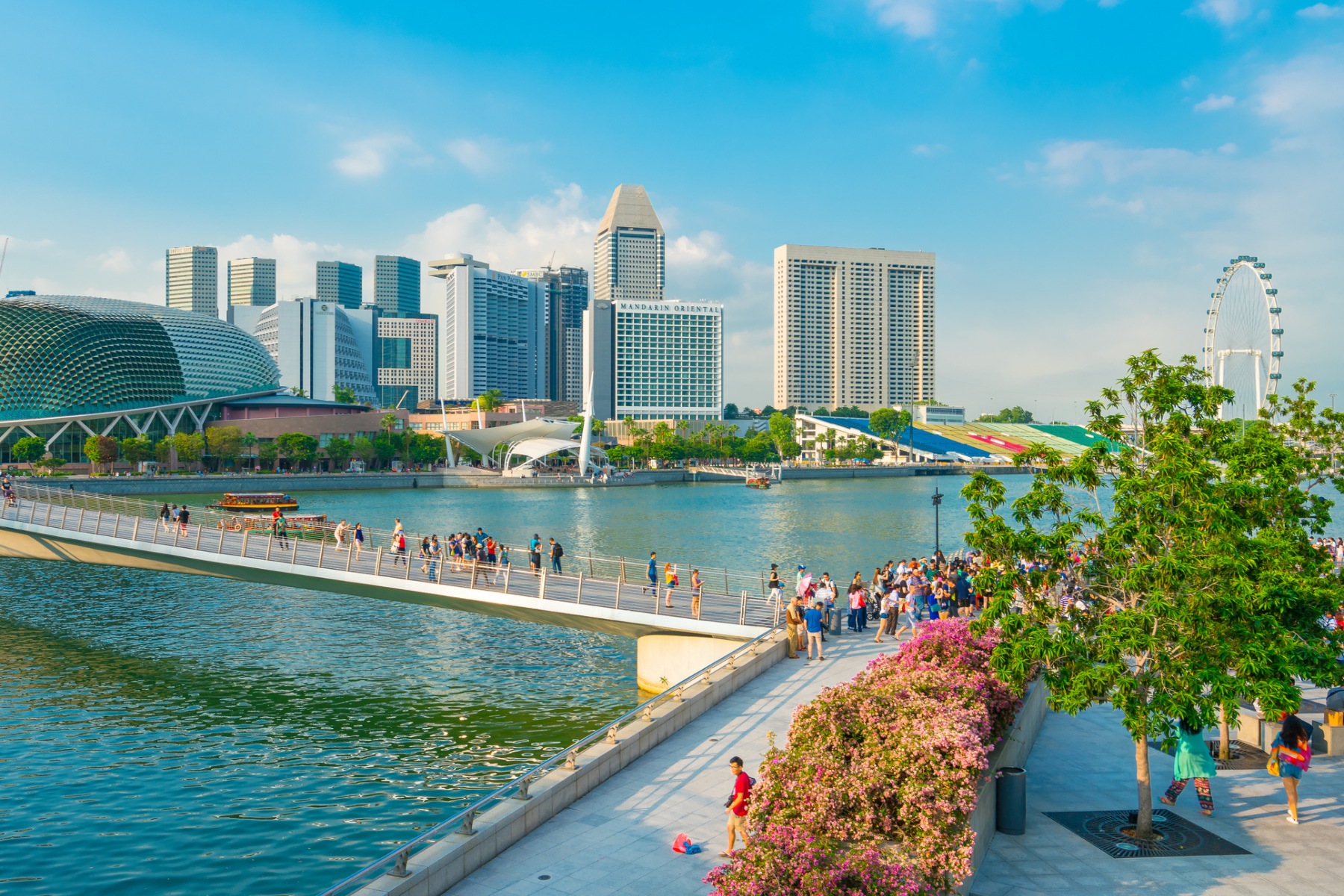
The city-state of Singapore is one of the world’s smallest countries. However, it packs considerable cultural diversity within its borders – its global population has shaped the country’s etiquette and social norms. If you’re relocating to Singapore and want to know how to fit in at work, in a restaurant, or out shopping, you’ve come to the right place.
Bring yourself up to speed with Singaporean etiquette by reading the following sections:
Singaporean demographics and language
Singapore is a multicultural country, with its 2020 population representing:
- Nearly 75% ethnic Chinese
- 13.5% Malay
- 9% Indian
- Other foreign residents
The country’s diversity includes its four official languages: English (the first language of 48.3% of the population), Mandarin (29.9%), Malay (9.2%), and Tamil (2.5%). Additionally, 8.7% speak other Chinese dialects. Singapore ranks 2nd on the 2022 English Language Proficiency Index, after the Netherlands.
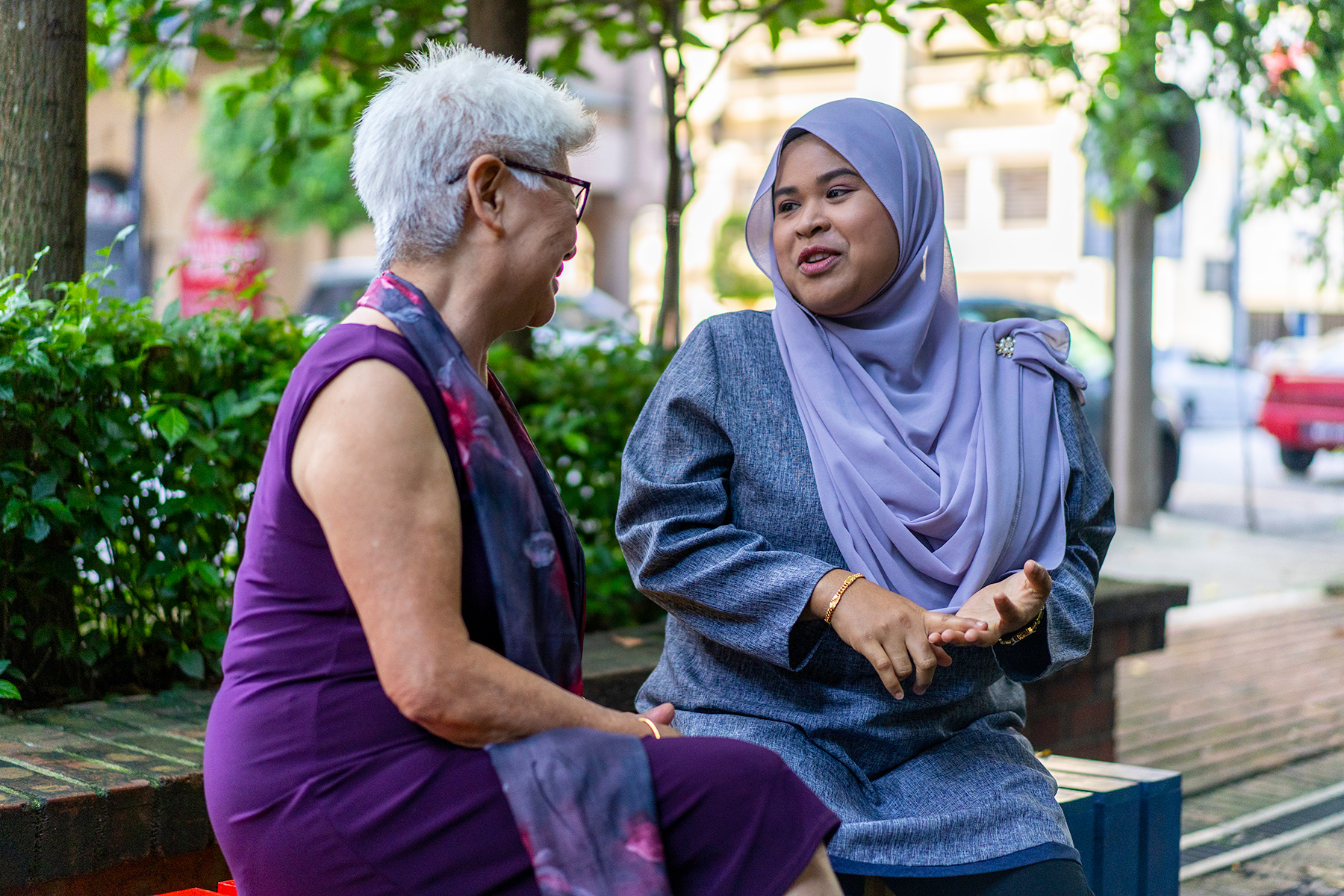
When it comes to religion, the 2020 census states that 31.1% of Singaporeans are Buddhist, 18.9% Christian, 15.6% Muslim, 8.8% Taoist, and 5% Hindu. One-fifth of the population has no religion.
National identity is strong, with an IPSOS study in 2020 finding that 85% of citizens and permanent residents are proud to be Singaporeans.
Social tensions in Singapore
Although Singapore is ethnically, religiously, and linguistically diverse, there are few tensions between residents. Recent studies have shown that class divisions are more evident than those between other groups in the country.
In addition, some groups face oppression in Singapore. Amnesty and Human Rights Watch (HRW) have noted discrimination against LGBT+ groups and migrant workers, along with general restrictions on freedom of expression.
What are the gender roles in Singapore?
Although women’s rights have improved over the years in Singapore, distinct gender divisions and traditional gender roles remain. 57% of Singaporeans see men as the head of the household, and 52% believe that women should take care of domestic and caregiving chores. Nuclear and extended families continue to be the norm.

Meanwhile, in employment, women make up 42.8% of the overall workforce in Singapore (2022). This is above the global average but slightly below the regional level. However, 71% of women believe that inequality still exists in the workplace. Furthermore, two in five women report experiencing sexual harassment at work.

Singapore ranks 49th on the 2022 Global Gender Gap Report, behind only the Philippines among Southeast Asian nations.
Expat women can generally expect fair treatment and not experience many professional or lifestyle restrictions.
How to greet someone in Singapore
Greetings in Singapore tend to vary slightly across the different ethnic groups. However, the most common form of greeting is the handshake. Hugging and kissing are only common greetings outside of business settings.
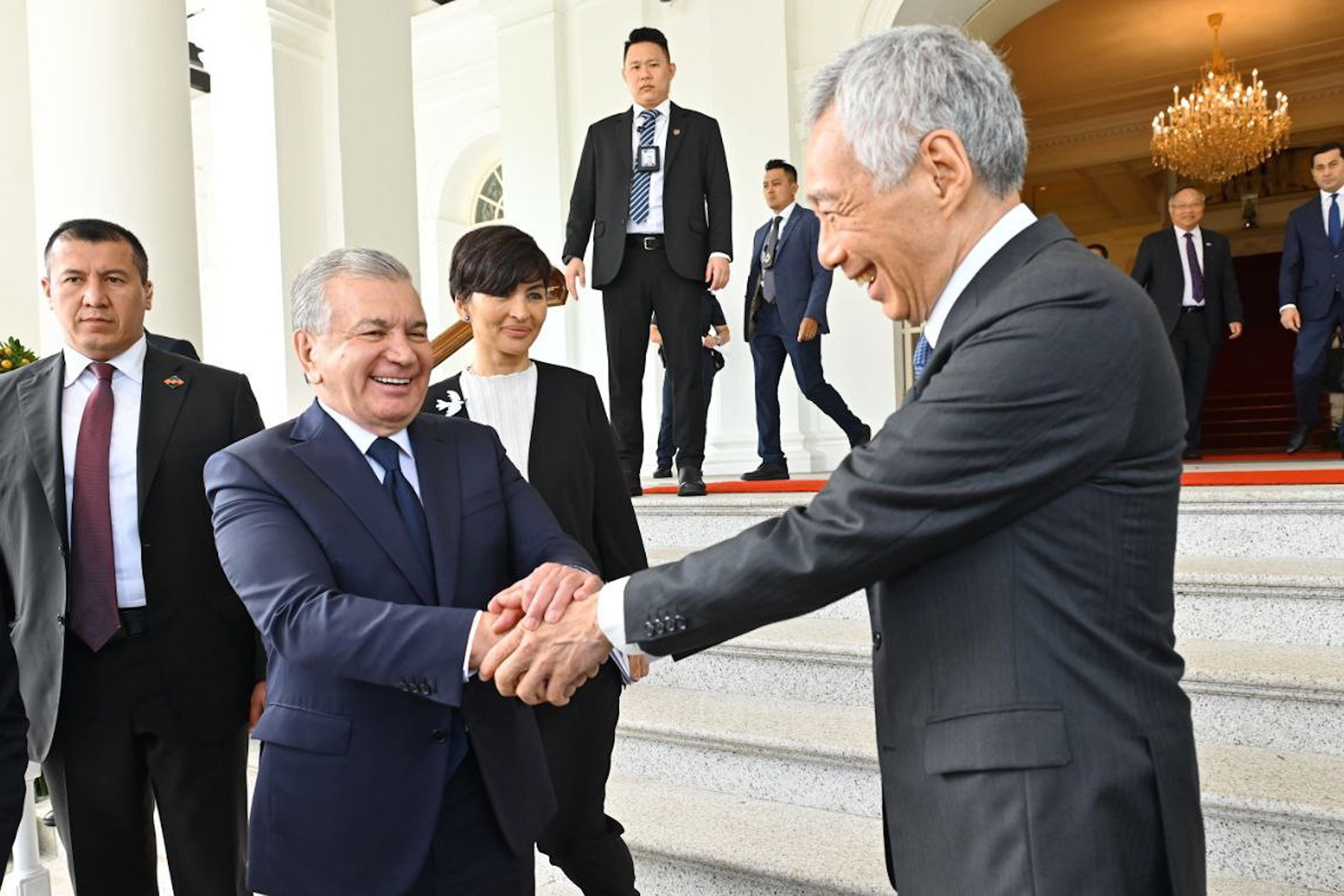
Older men often use a two-handed shake, with the second hand placed gently on the back of the hand being shaken. Singaporean handshakes are usually light, so don’t go in for a power grip.
Singaporean names
Naming conventions vary across the cultures in Singapore. However, people often have an English or shortened version of their name to use in conversation with expats. It is polite to use a title (Mr/Mrs/Ms/Miss/Mx) or professional title (Professor/Doctor) along with the surname or given name when speaking with people formally.
Conversation and communication in Singapore
Singaporeans tend to be reserved and polite in their conversation style, relying on moderate language and non-verbal cues. The tone is important as an indicator of someone’s feelings or emotions. Speaking loudly or brashly is seen as poor etiquette.
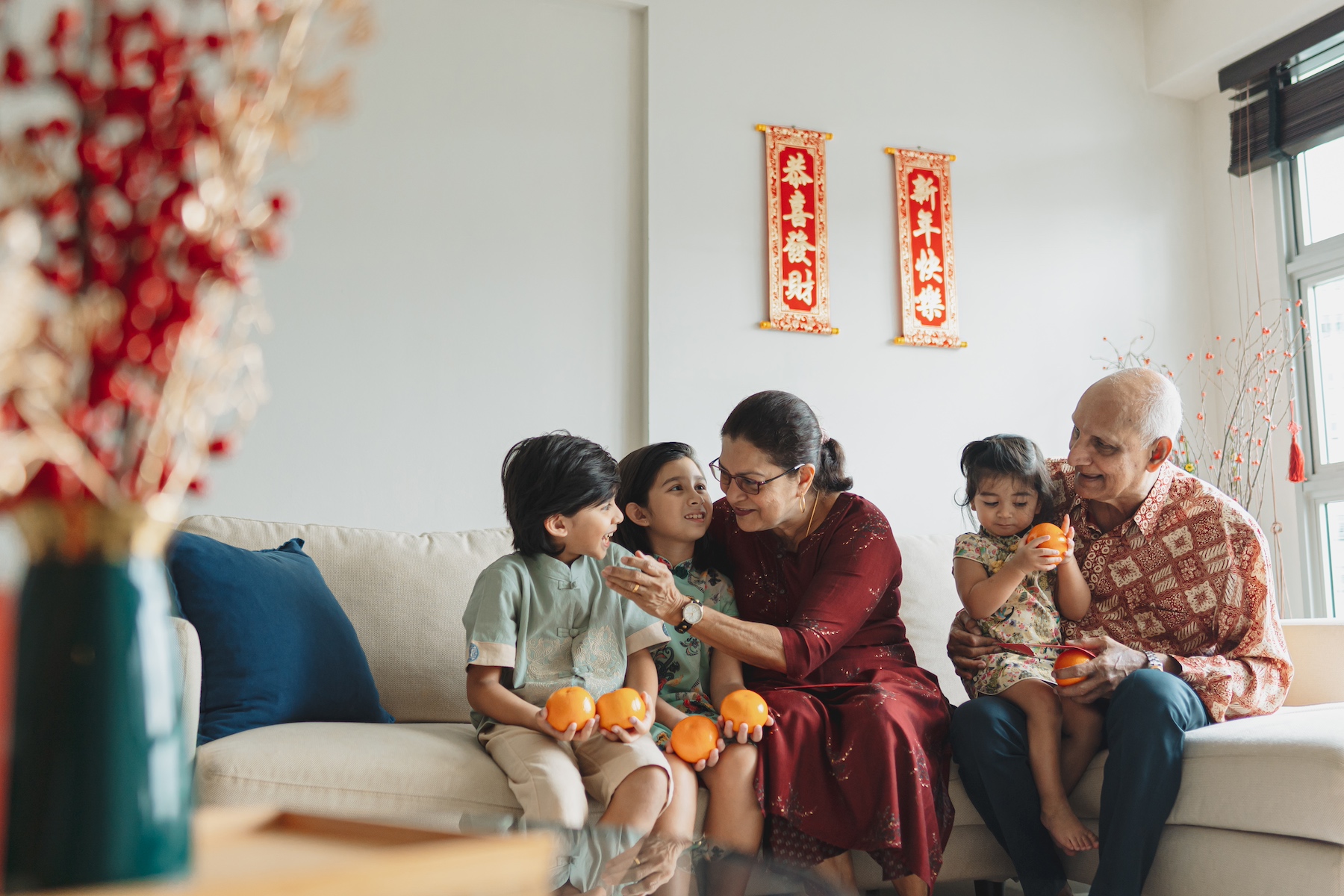
Good topics of conversation include work, hobbies, travel, food, or anything cultural, such as films, music, or TV. Avoid discussing religion, politics, or ethnic differences. Studies have shown that less than 10% of Singaporeans engage in political discussions, even with close friends. In fact, the 2020 World Values Survey found lower-than-average levels of interest in politics.
The locals are also typically quite private, so don’t strike up conversations that are too personal in nature.
Body language
As in all countries, indirect communication, such as facial expressions, is important in Singapore. People frequently nod gently while listening to show they are paying attention. It’s important to maintain enough eye contact to show interest and respect without turning a chat into a staring contest. Bear in mind that Malay and Indian people tend to avoid too much eye contact with those they consider as superiors.
Personal space is valued in Singapore. Try to give people at least an arm’s length when speaking to them. Casual touching, for example, a hand on the shoulder, usually only happens among close friends or family. Never touch anyone on the head, as this is a sign of immense disrespect in Singapore.

Expressive hand gestures are relatively rare in Singapore. You can raise your hand and give a little wave to get someone’s attention. Offensive and disrespectful gestures in Singapore include:
- Showing someone the soles of your feet
- Pointing with your index finger
- Hitting your open palm with your fist
- Placing your hands on your hips while talking to someone
- Yawning noisily or elaborately
Sense of humor
A recent study found that Singaporeans value humor as an essential aspect of life. So, what do Singaporeans find funny? Well, a variety of comedy styles go down well. However, as with any country, it’s best to avoid jokes about cultural stereotypes or anything too sensitive.
Other than this, sharp observational humor is popular, especially if it involves complaining about things such as public services. Again, you should keep it tasteful. Slapstick is another popular form of Singaporean comedy, as is humor that plays around with Singlish – the local Singaporean English vernacular.
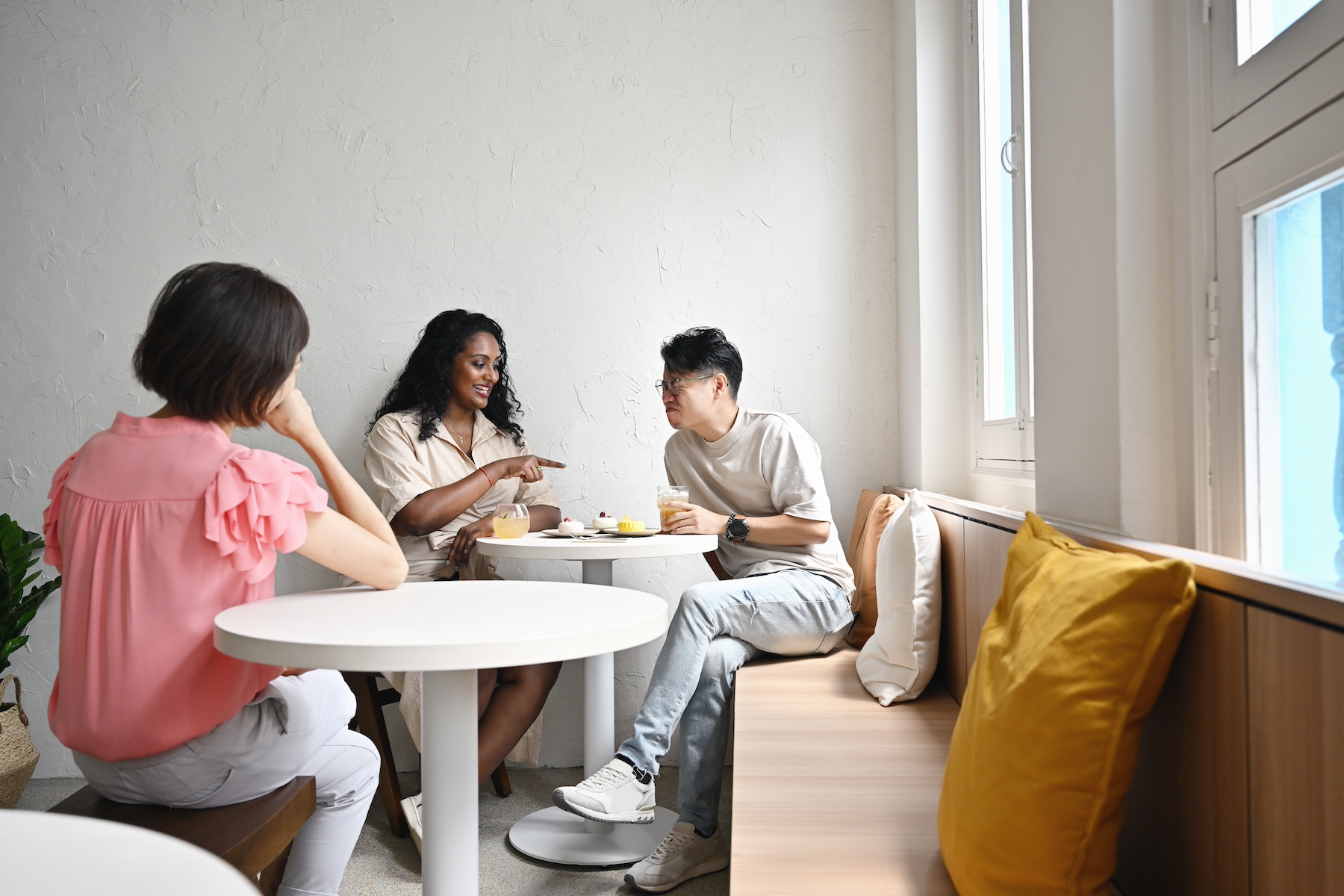
Irony and dry humor don’t work that well in Singapore, so don’t be too surprised if what you think is a zinger crashes and burns. The general rule in Singapore, as with most places, is to avoid making jokes until you get to know someone’s sense of humor.
Popular comedians in Singapore include Suffian Hakim, who wrote a satire based on Harry Potter.
Is there a typical dress code in Singapore?
Singapore has no official dress code. In public, Global North-style clothing is common, but you will also see a mixture of Chinese, Indian, and Malay styles. Singaporeans tend to dress according to the weather, so expect light trousers, shorts, t-shirts, skirts, and dresses in warmer months. You’ll only find people wearing garments such as pullovers, cardigans, and heavy shirts in buildings where the air conditioning has been turned up too high.
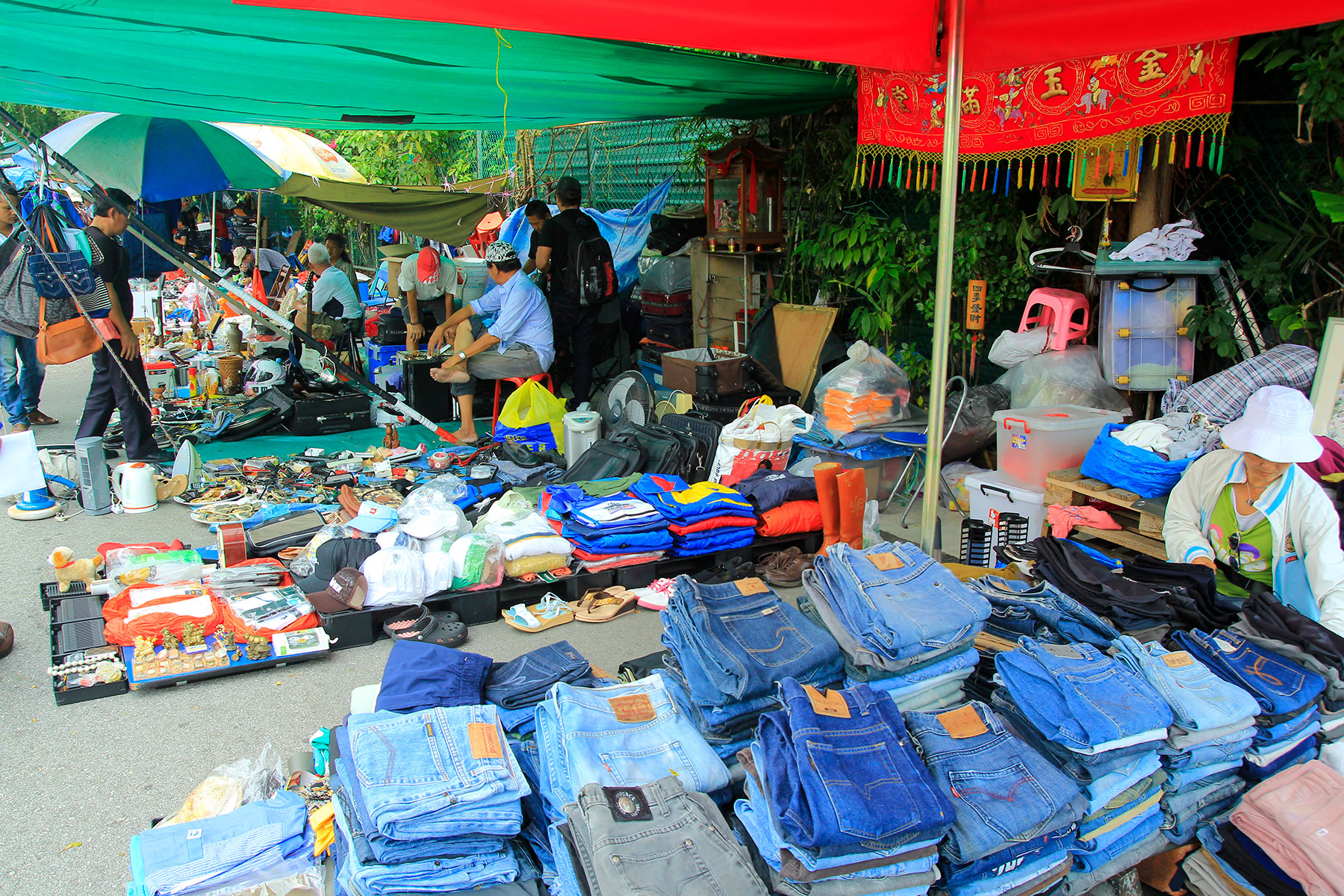
Although people tend to dress casually in Singapore, especially among the younger generations, you should dress formally for business and special occasions such as weddings. Men typically wear conservative dark suits with tasteful shoes. Women wear smart skirts, pantsuits, or dresses.
What dining etiquette do you need to know?
Dining is a popular social activity in Singapore, so you should become familiar with the local norms surrounding business meals and dinner parties. Dining etiquette varies slightly according to each culture.
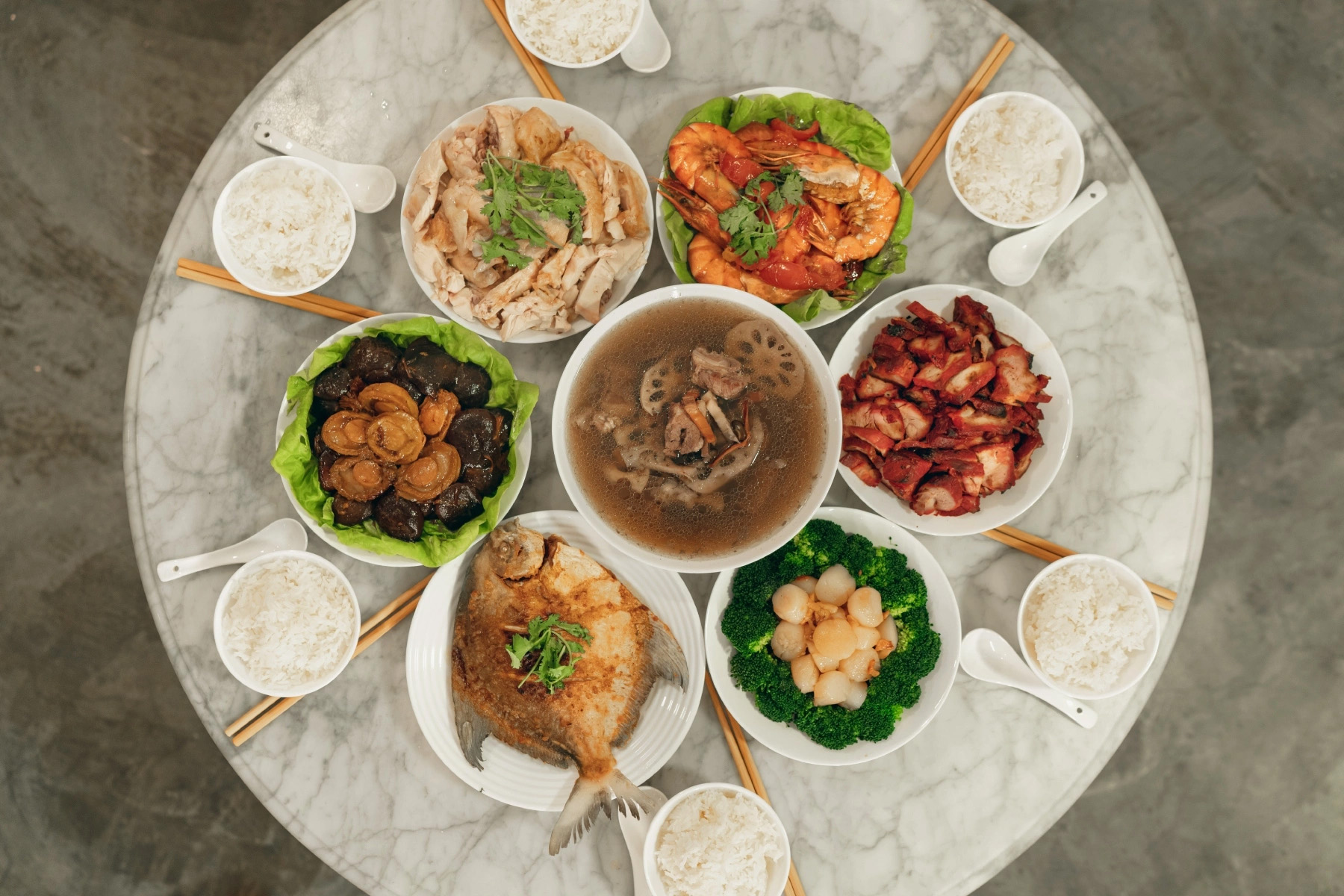
In terms of cutlery, people eat with knives and forks, chopsticks, or a fork and spoon. If you receive a fork and spoon, hold the fork in your left hand and the spoon in your right. Use your fork to position food onto the spoon, which you then eat from. Malay people often eat using their right hand only. Eating with the left hand is considered unclean.
When it comes to toasting, the host initiates it, raising their glass in their right hand and inviting guests to do the same. Most people say ‘cheers.’ If you want to summon the waiter, you should raise your hand. However, the host is normally the one who will do this.
Bear in mind that eating and drinking on public transport in Singapore is prohibited, and doing so carries a fine penalty.
Table manners
Common table manners to consider in Singapore include:
- In settings where everyone is sharing the food, such as in a Chinese restaurant, the host typically orders for everyone and signals when to start eating.
- Wash your hands before eating.
- When you’ve finished eating, place your cutlery together parallel on the plate or to the side of the dish if using chopsticks.
- You can leave a small amount of food on the plate to signal that you are full.
- Clean up after yourself and dispose of any litter if eating in a public place.
- Place your napkin on your lap before you start eating.
- If eating shared cuisine, make sure that the serving spoon doesn’t touch your plate.
Socializing in Singapore
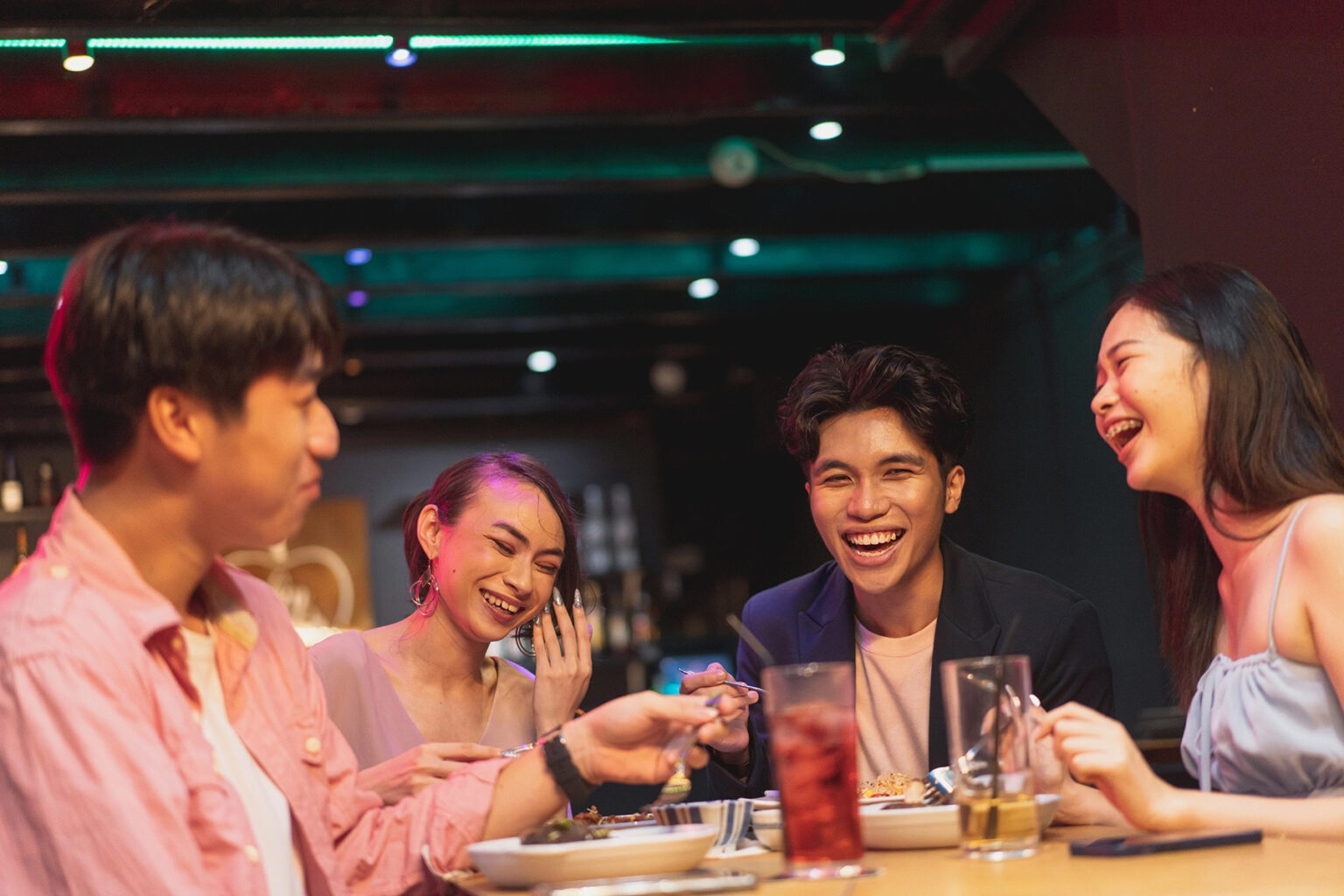
Socializing is an integral part of life in Singapore. People tend to gather in restaurants, bars, cinemas, theaters, parks, concerts, and sports activities. If you are an expat, there will be plenty of things to do both day and night and many interesting cultural activities to engage in.
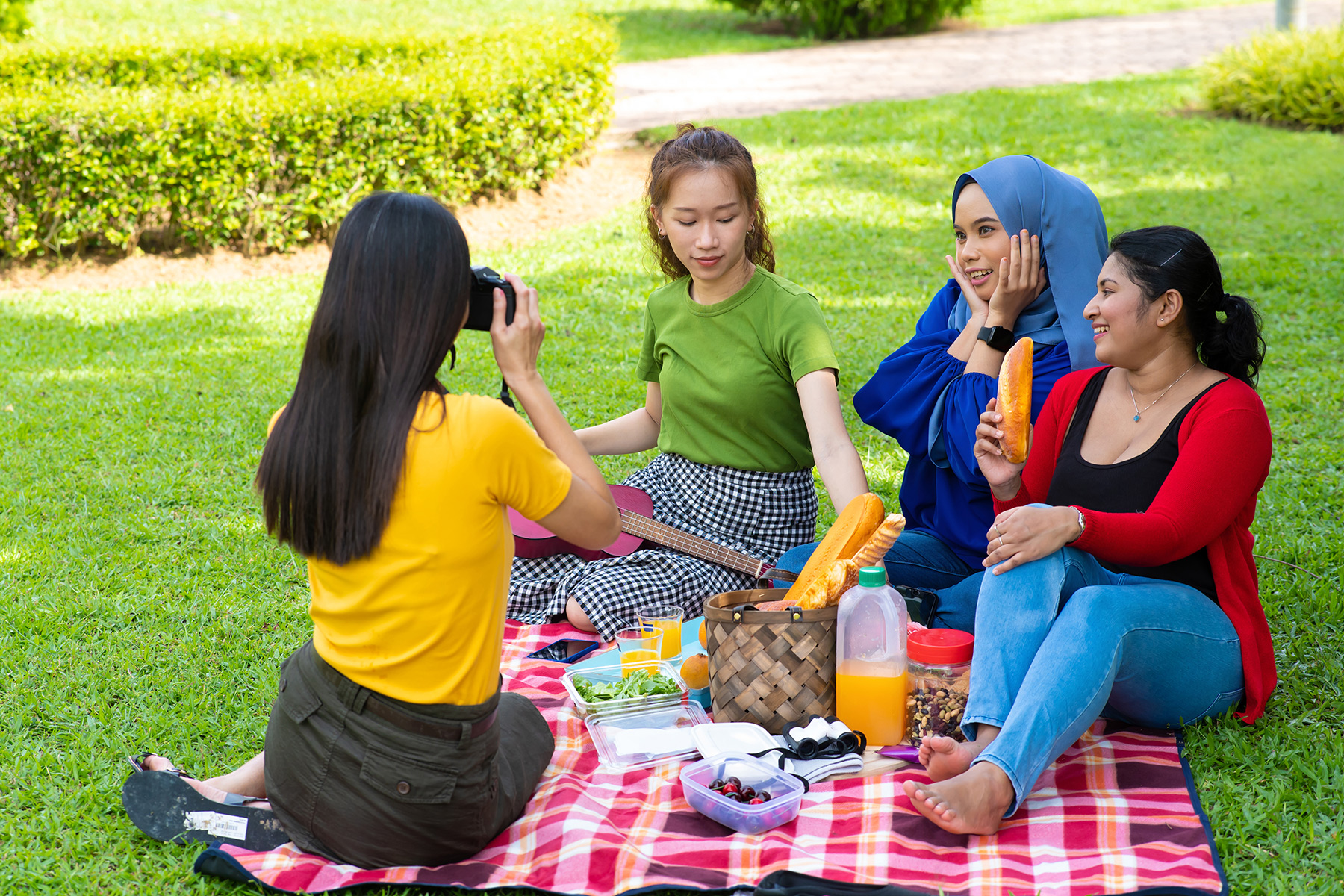
Whichever social activity you attend, punctuality matters a lot in Singapore etiquette. Lateness can be seen as a lack of respect, so be sure to turn up on time for meetings and gatherings.
Although alcohol is served in many places in Singapore, the country has lower-than-average drinking rates. According to World Bank data (2018), Singaporeans drink around 2 liters of alcohol per person each year. This is much lower than the global average of 6 liters and the regional average of 6.4.
Dating and relationships in Singapore
As with many other parts of the world, dating in Singapore now takes place on apps and online. Popular sites include Hinge, Bumble, Grindr, and the Singapore-based Love Express. Popular dating locations typically include restaurants, theaters, and parks.
Like in many countries, over-the-top displays of public affection aren’t hugely appreciated, but hand-holding and even some light kissing are pretty normal. Family plays a vital role across the board, so expect to meet your significant other’s immediate – and sometimes extended – family fairly soon into the relationship.
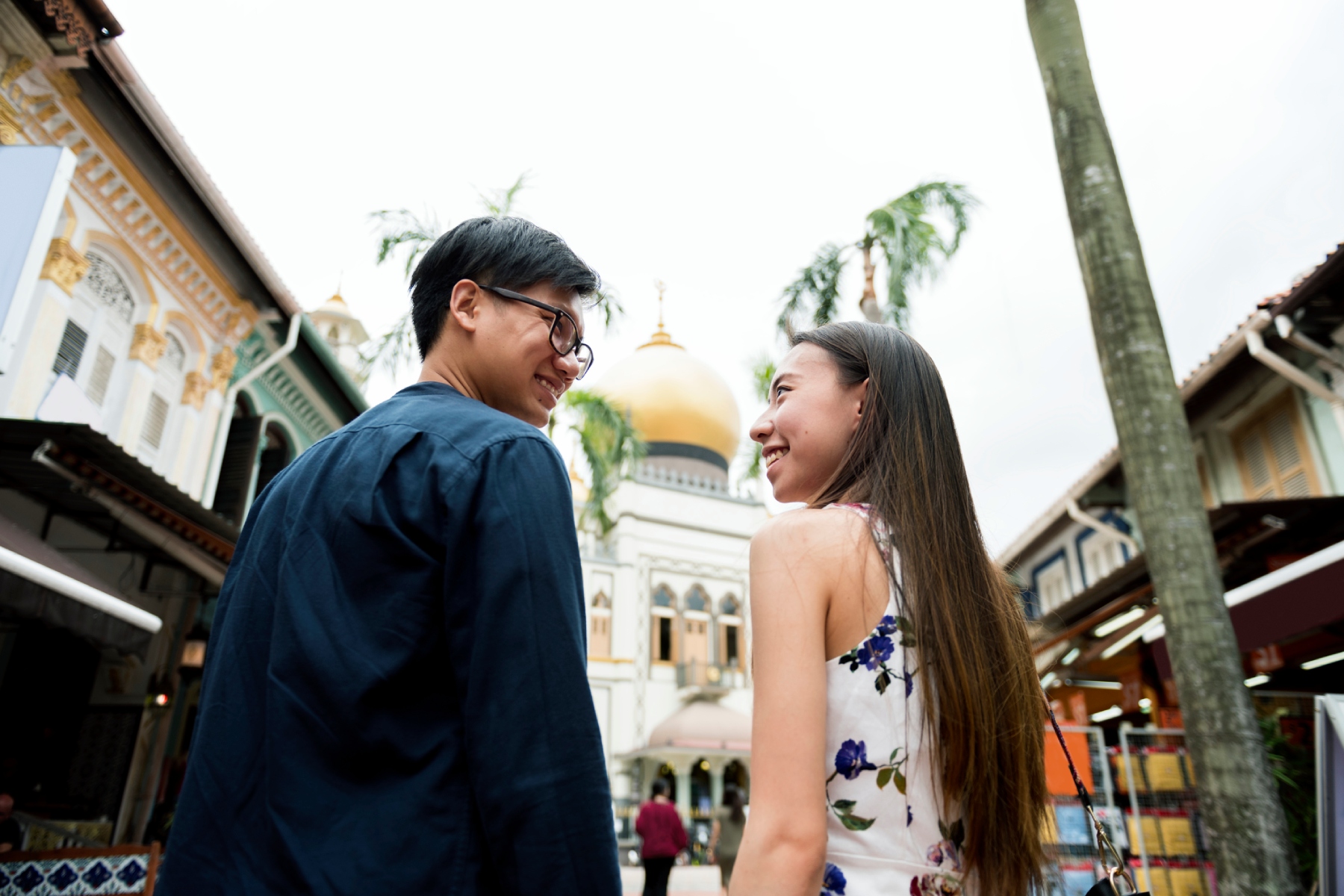
Marriage remains common in Singapore. According to government data from 2022, around 61.8% of the population is married. Same-sex marriage is currently still not legal in the country.
In fact, Singapore scores comparatively poorly in terms of LGBT+ equality. It has a rating of only 50/100 on the LGBT Equality Index. Same-sex marriage is still not legal, and discrimination remains prevalent in many areas.
What do people typically celebrate in Singapore?
As a multicultural nation, Singapore has a variety of celebration occasions in its annual events calendar. These include festivals and public holidays such as:
- Solar New Year (1 January)
- Christian celebrations such as Christmas (December) and Easter (around March/April)
- Lunar New Year (usually between late January and late February)
- Hindu festivals such as Deepavali (around October/November)
- Muslim celebrations such as Hari Raya Puasa, which is the Eid festival for Singapore’s Malay community (around September/October)
- Vesak Day, one of the biggest Buddhist festivals, which usually falls around May
- National Day (9 August)
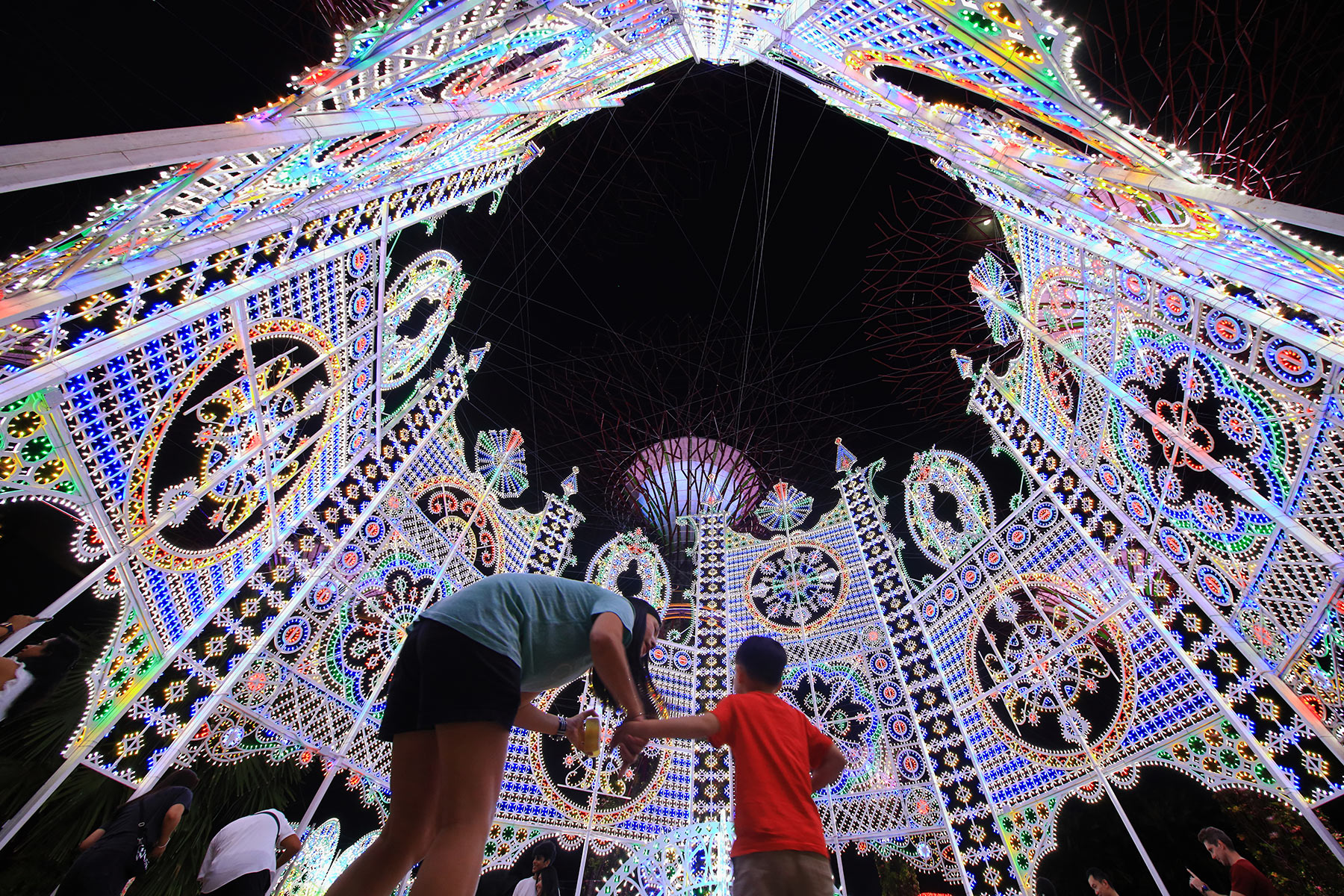
These occasions include various celebrations, from street carnivals, parades, and public decorations to private family gatherings and feasts. Parties with a lot of alcohol are pretty common, especially among international crowds. You’ll find lots of clubs and late-night bars in the busier city areas.
Birthdays
Celebrations for birthdays vary in Singapore. Global North-style birthday celebrations have become much more common in recent years. This means parties, drinks, birthday meals, or fun activities for adults. Parents may hold a party for children at their house or a nearby community venue. People typically celebrate with gifts for the birthday child, a cake, and fun games or activities.
Chinese Singaporeans usually commemorate with a meal of longevity noodles, which symbolize happiness and long life. This simple feast is a feature of many adult birthdays in the culture, too.
Other popular Chinese traditions include gifts themed around tigers for the child’s first birthday, as these are considered good luck. They also might take part in zhua zhou, where various objects based on different career paths are placed in front of the child. The item they grab is believed to indicate their future career.
Some Indian Singaporean families celebrate their child’s birthday by shaving their head. This may be done on the child’s first, third, or fifth birthday. However, this ritual doesn’t necessarily need to be carried out on the birthday.
Gifts
Exchanging corporate gifts between businesses is not common in Singapore and can be interpreted as attempted bribery. However, there are several social and personal situations where people give gifts to one another. These include religious celebrations, birthdays, visiting someone’s home, and celebrations for achievements or milestones, for example, passing an important exam.
Good gifts are chocolates or souvenirs, especially trinkets from your country. Small toys are a good suggestion for young children. Presents to avoid include:
- Alcohol, pork, or anything that is not halal if the recipient is a Muslim
- Clocks or watches to Chinese Singaporeans, as these are associated with running out of time
- Alcohol or food containing meat or animal-based ingredients if the recipient is a Buddhist
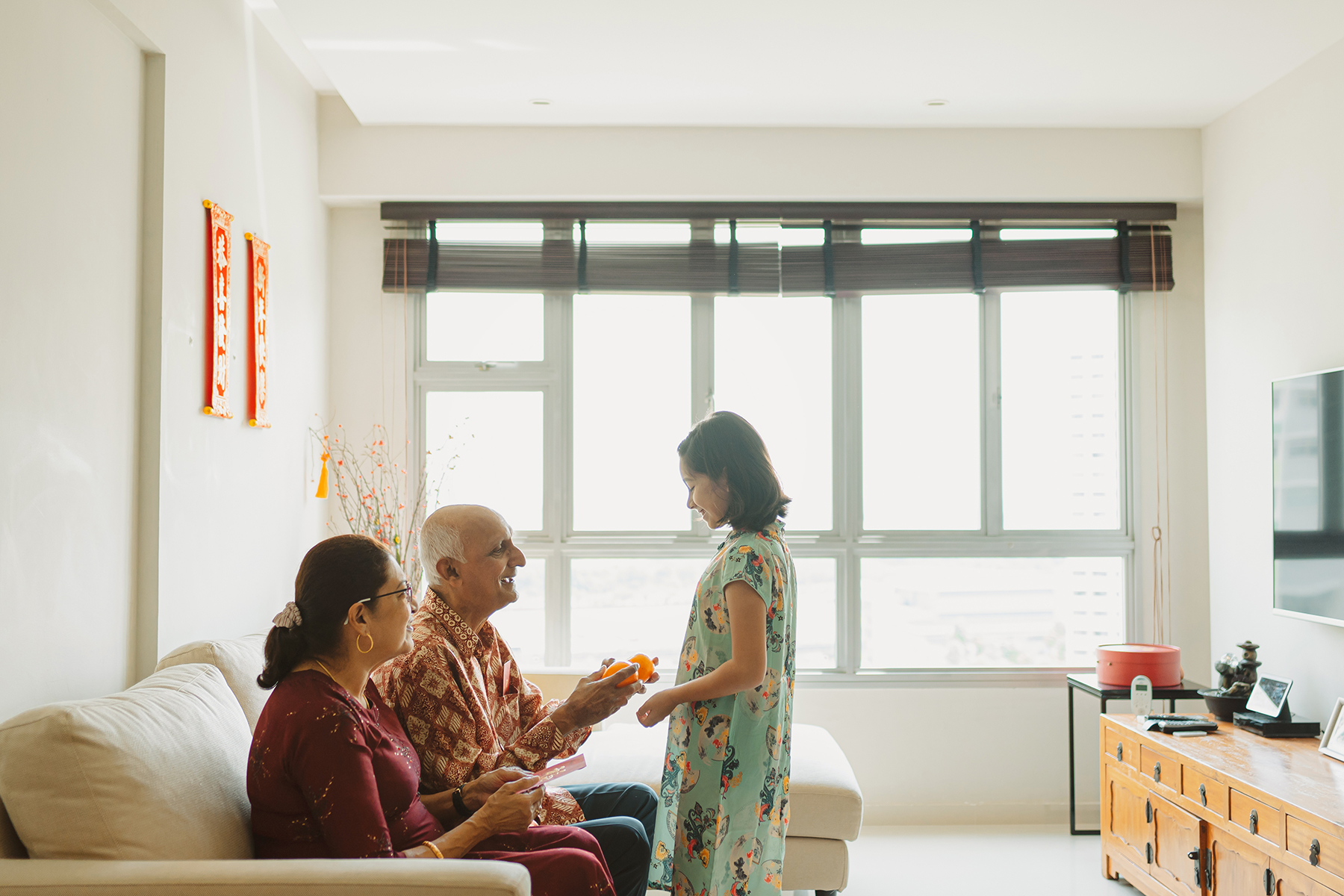
Flowers are fine, but check that the type you purchase doesn’t have connotations with specific occasions such as funerals or weddings.
Singaporeans generally appreciate a bit of effort put into wrapping a gift. Brightly-colored wrapping paper is popular. It is customary in Singapore to give and receive gifts with both hands. Presents are generally not opened in front of the giver.
Work and business culture in Singapore
Singapore prides itself on being a high-performing nation in business. The World Bank ranks it the second-best country to do business, after New Zealand (2019). It also has low levels of business corruption and ranks as the 5th least corrupt nation on the 2022 Corruption Perception Index.
Business culture in Singapore is formal, efficient, and hierarchical. Employees tend to be strongly attached to their organization and follow the rules. Senior bosses make the decisions. Hierarchy is often age-based, especially in smaller family-owned businesses.
Singaporeans favor building long-lasting close business relationships. This means that negotiations sometimes take a while. However, people tend to get straight down to business at meetings to not waste too much time. Discussions usually happen in English. It’s a good idea to bring a business card to important meetings to exchange before proceedings begin. When offering or receiving a business card in Singapore, do so with both hands.
Shopping and services in Singapore
Shopping in Singapore is highly multicultural and diverse. The country has all sorts of stores, from big-name department stores to small independent traders. There are several busy shopping malls to visit if you fancy a spending spree or bargain hunt.
Unsurprisingly, for a nation that prides itself on politeness, good manners, and economic performance, customer satisfaction matters to Singapore’s retail and service industries. Around 86% of businesses track customer satisfaction metrics.
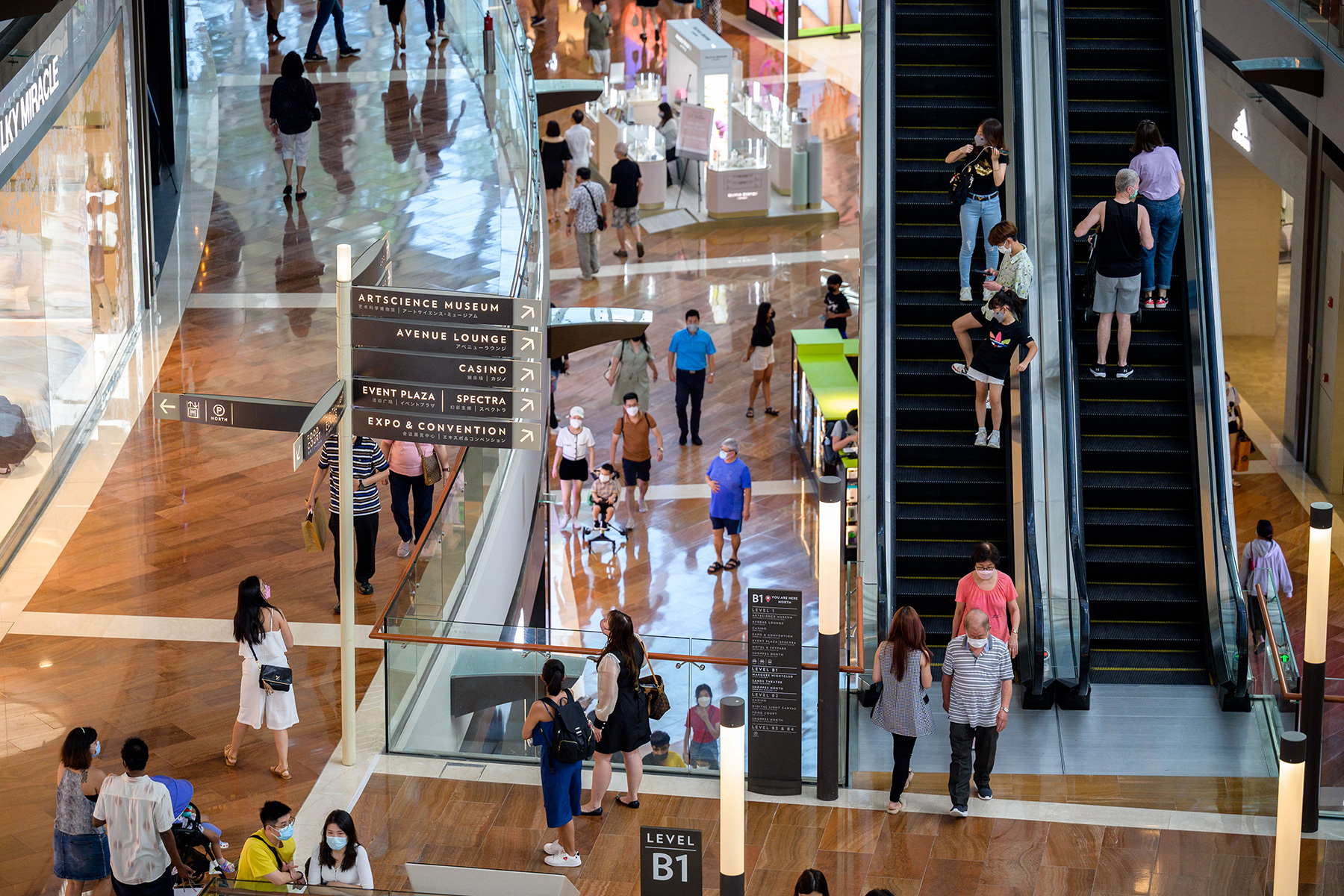
It’s considered bad etiquette to haggle over the price or get angry with staff in stores.
When it comes to standing in line, Singaporeans almost treat it as a national sport. They are well-known for forming orderly lines and being prepared to stand there for long periods if necessary, for example, to buy the latest iPhone or get the best seats at an event.
Should you tip?
Tipping is not customary in Singapore. Most businesses where tipping might be expected in other countries, such as restaurants and hotel services, add a service charge of around 10%.
However, you can still choose to tip if you’ve received exceptional service. Staff will accept and usually appreciate it.
If you want to tip staff such as hotel porters, leaving a surplus of S$5 should suffice. You can also tip tour guides or spa services around 10–15% on top of the bill cost should you want to. Taxi drivers generally don’t accept tips and will usually hand back the change if you pay with a note.
Does Singapore have any regional variations?
Although there are cultural and linguistic differences between the different ethnic groups in Singapore, these don’t manifest themselves too much as regional variations. This is mainly on account of Singapore’s size. The country is a city-state far smaller in both geographical size and population than cities such as New York, London, or Paris.
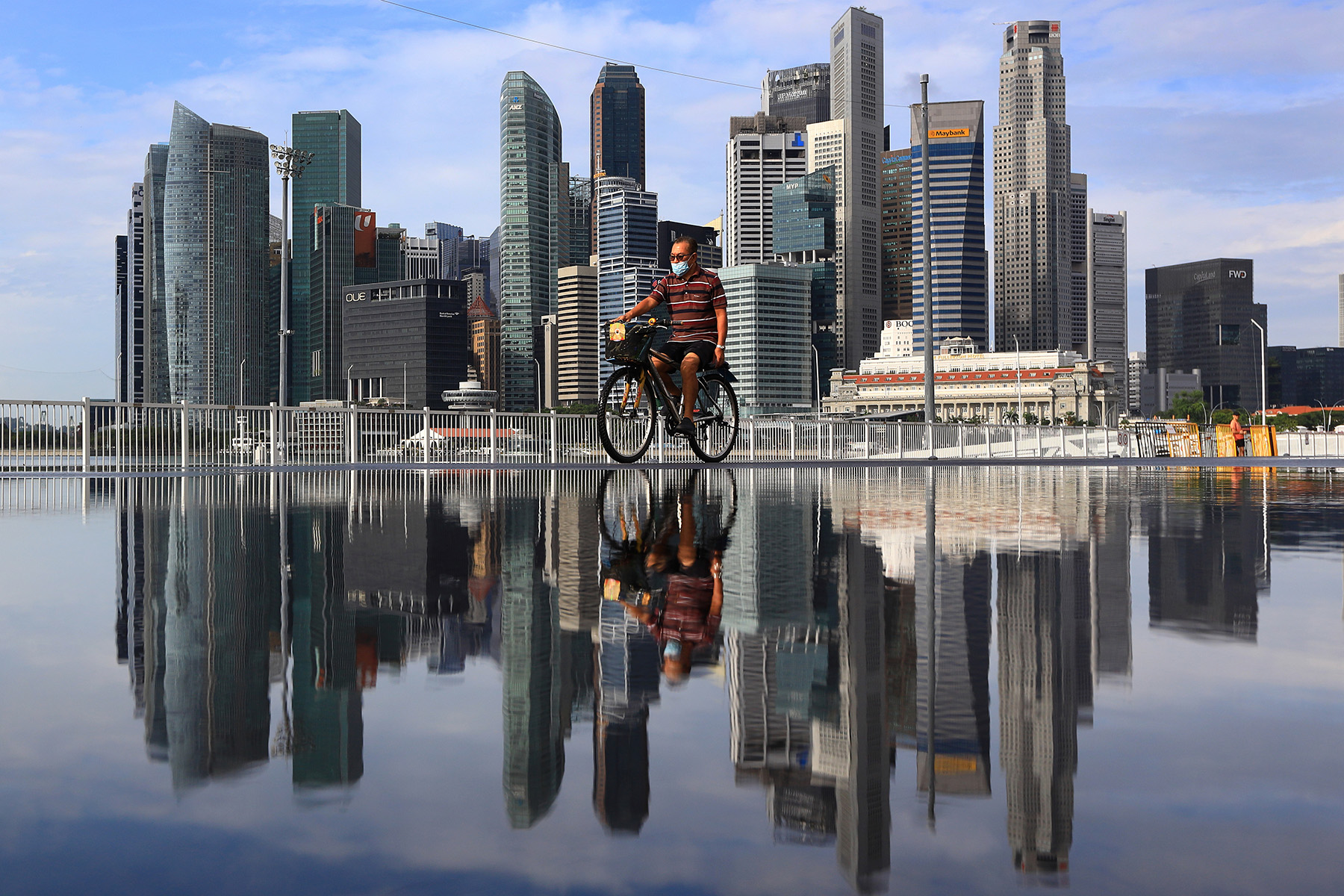
Because of this, there isn’t too much scope for large regional variations inside the country as people coexist in close proximity to one another.
What are the do’s and don’ts in Singapore?
Here is a summary of some of the main do’s and don’ts when it comes to Singapore etiquette:
- DON’T get overly affectionate in public. This is a bit of a taboo in Singapore. Holding hands, gently embracing, and light kissing is fine, but avoid any over-the-top displays.
- DO heed public laws: even minor violations of laws in Singapore can land you in trouble with a fine or even a stiff jail sentence. These include the criminalization of jaywalking, public vandalism, and chewing gum.
- DON’T interrupt silences during conversations. Singaporeans like to give careful consideration before speaking, and it’s not unusual for them to leave a gap of around 15–30 seconds before responding to something.
- DO clean up after yourself in public if you decide to have a picnic or a small public gathering involving food or drink.
- DON’T be late for anything. Punctuality is valued in Singapore, and lateness is viewed as rude.
Useful resources
- Visit Singapore – tourism website for Singapore
- Singapore Tourism Board – government tourism agency for Singapore
Related Articles


Editor's picks

Did you find this guide helpful?