'%20id='ico-down'%20stroke='%23000000'%20stroke-width='1.5'%3e%3cg%20transform='translate(1092.250000,%20254.750000)'%3e%3cpolyline%20id='Path-2-Copy-4'%20transform='translate(5.500000,%202.750000)%20scale(1,%20-1)%20rotate(-180.000000)%20translate(-5.500000,%20-2.750000)%20'%20points='0%200%205.5%205.5%2011%200'%3e%3c/polyline%3e%3c/g%3e%3c/g%3e%3c/g%3e%3c/svg%3e)



Luxembourg’s high standard of living and central European location make it an incredible destination for American expats, but relocating there requires navigating a specific administrative path. While US passport holders can easily visit for up to 90 days, setting up a permanent home means securing formal residence approval well before booking your flight.
The key to keeping stress levels low is having your documents and funds ready to go. Once your temporary permission to stay is approved, you will need to line up your local town hall declaration, healthcare sign-up, and rental deposit in quick succession.
Disclaimer: Article information is based on official Luxembourg and US sources checked on 11th August 2026, but it is general information only, not legal, immigration, or tax advice, and rules can change.
Key takeaways
- Visa reality: Distinguish between short visits and long-term moves by choosing your residence route before booking one-way travel.
- Work or study route: Secure a valid basis for your move (such as a job, study place, or family link) rather than attempting to resolve your status after arriving.
- Housing pressure: Prepare for fast-moving rentals and upfront costs by lining up temporary housing and keeping a cash buffer in EUR.
- Commune registration: Anticipate arrival administrative steps by checking your commune deadlines and required documents before flying.
- Money setup: Plan for initial expenses in EUR while your funds are in USD by comparing transfer costs and account options before departure.
Check your move route and visa timeline
US citizens can usually visit Luxembourg short term, but long-term relocation depends on the right residence route.
One thing worth knowing is that Luxembourg’s process is usually about sequence, not just eligibility. If you miss the order, you can create delays later.
For fuller route detail, see Expatica’s How to immigrate to Luxembourg: visas in 2026 and Work visas and permits in Luxembourg.

Which routes Americans usually use
Most US citizens move to Luxembourg under one of four main categories:
- Salaried work: Usually the clearest option if you already have a Luxembourg job offer.
- Study: Open to those with confirmed university enrolment and proof of sufficient funds.
- Family reunification: Designed for joining a qualifying partner or family member who legally resides in Luxembourg.
- Private reasons or self-sufficient stay: An option for financially independent applicants meeting high net-worth criteria.
Newcomers often wonder whether they can land in Europe under the 90-day visa-free rule and apply for long-term residency locally. Doing so is a gamble that rarely pays off, as Luxembourgish immigration rules strictly require non-EU nationals to secure their Temporary Authorisation to Stay before travelling. For those pursuing self-sufficient residency, bulletproof proof of funds and extensive health coverage are just as critical as the application itself.
What to do before departure and after arrival
Confirm your residence route and document list.
Apply for the pre-arrival authorisation or visa route that matches your case.
Arrange temporary or long-term housing and keep proof of address.
Travel with your core documents in paper and digital form.
Make your declaration of arrival with the commune after landing.
Complete any medical checks and residence permit follow-up required for your route.
For US citizens, the main hurdle is rarely crossing the border, but securing the exact pre-arrival authorisation that matches your reason for relocating. For step-by-step guidance and current requirements, check Guichet.lu and the Embassy of Luxembourg in Washington.

Build a realistic relocation budget
It helps to think of your moving expenses and your daily living costs as two completely separate pots of money. The initial push involves upfront payments like flight bookings, short-term accommodation, and rental deposits, while your everyday budget focuses on sustaining your lifestyle once you settle in.
Separating these costs prevents early cash-flow surprises, particularly since initial setup expenses land long before your local paychecks begin. Looking beyond the capital can certainly stretch your monthly income further, but you will still need a cash reserve ready to cover your initial move-in costs.
First-month: costs, housing pressure, and cash flow
Your first month often includes a rental deposit, first rent, temporary accommodation, food, transport, and setup costs such as a SIM or basic household items. One thing worth knowing is that these costs can land before your first local salary or before you fully open a bank account in Luxembourg.
USD savings can look comfortable on paper, but the practical issue is timing, because you may need EUR before a payroll cycle or local banking setup is ready. Agency fees may also apply in some housing searches, so check the listing terms early.
| Cost area | Why it appears early | Planning note |
|---|---|---|
| Temporary housing | You may need an address before a long lease. | Book a flexible first stop. |
| Deposit and first rent | Landlords often want cash ready. | Keep housing funds easy to move. |
| Daily costs | Groceries and local travel start at once. | Budget a buffer for the first few weeks. |
| Admin and documents | Translations, copies, and appointments add up. | Keep a small paperwork fund. |
A US employee arriving with a job offer may spend week one in temporary housing, use week two for rental viewings, and still need EUR ready before the first pay cheque lands.
US tax and paperwork money checkpoints
Moving abroad does not usually end your US filing duties. The IRS guidance for Americans abroad says US citizens and resident aliens abroad generally still have to follow US filing rules, so keep clean records of income, transfers, and foreign accounts.
If you sell assets, keep savings abroad, or open new foreign accounts, the reporting trail can be more important than many first-time movers expect. It also helps to keep passport copies, lease paperwork, transfer receipts, and proof of funds together. For personal tax advice, speak to a qualified adviser.

Set up your money before and after the move
Managing your money during an international move is rarely a single transaction. You will likely be transitioning US dollar savings or final paychecks into Euros to pay for your new life in the Grand Duchy.
Smart financial planning comes down to picking the right tool for each stage of the move. Plan your transfer strategy early to secure a local IBAN and protect your savings from steep conversion rates during your first few weeks.
Sending money from the US to Luxembourg
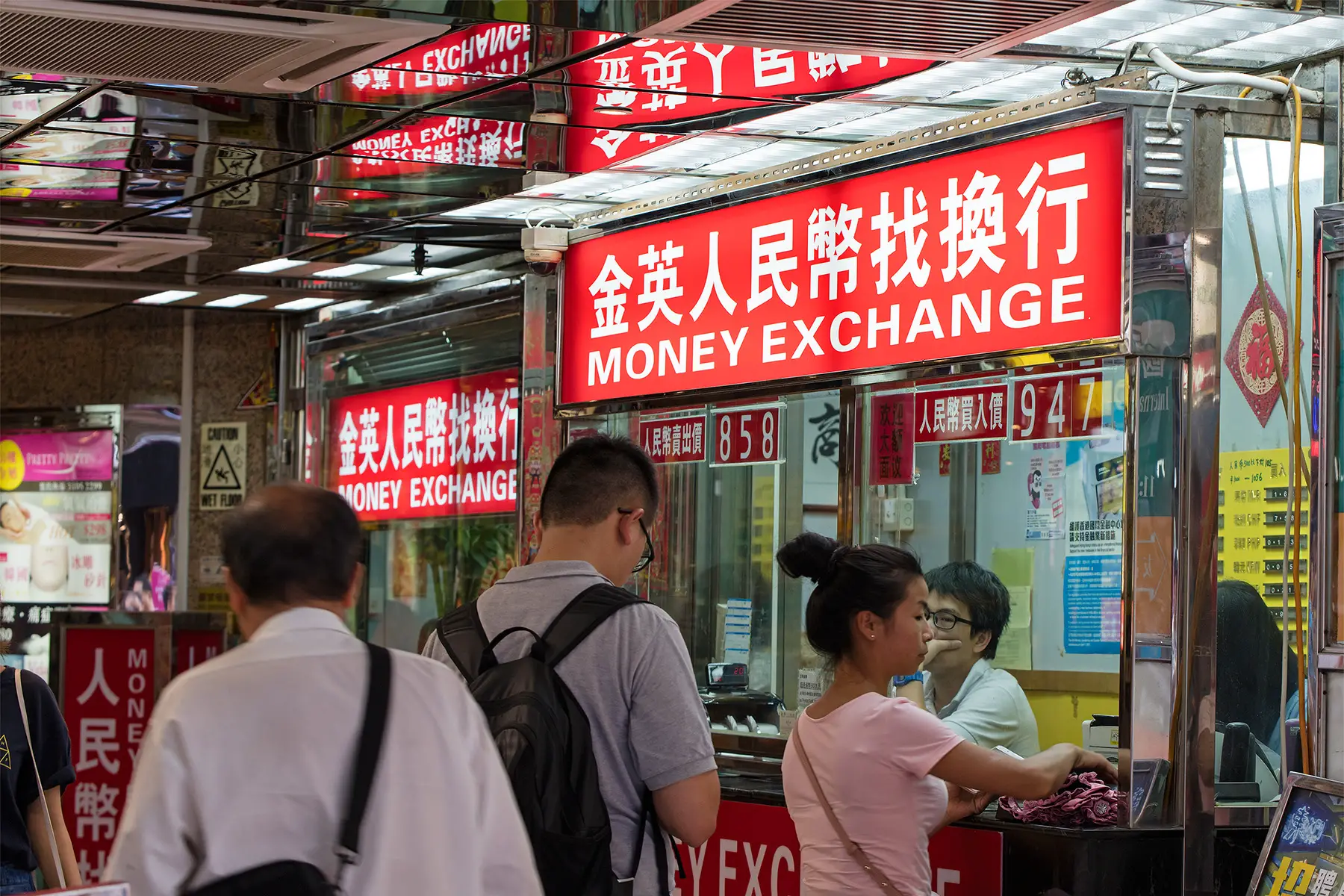
Getting your dollars converted into Euros efficiently is one of the most practical challenges you will face before your Luxembourg payroll kicks in. Many newcomers fall into the trap of using their main US bank account, assuming a flat $30 wire fee is the only cost involved. In reality, bank exchange rate markups silently drain hundreds of dollars from larger transfers.

Using a dedicated multi-currency service like Wise gives you complete transparency. Because Wise uses local bank networks on both sides of the Atlantic, your money lands safely in a Luxembourgish account at the mid-market rate without surprise intermediary charges.
Housing payments and proof-of-funds moments often come before your local salary starts, so it helps to have a transfer option ready before you fly.
When a Luxembourg bank account and a multi-currency account each help
Treat major banks and digital money apps as partners rather than rivals. Local heavyweights such as Spuerkeess, BGL BNP Paribas, or BIL are indispensable for long-term living, especially when employers demand a local IBAN for payroll or landlords set up automated rent payments.
A multi-currency account solves the immediate logistics of moving across borders. Using a platform like Wise lets you hold both currencies in one place, exchange funds when rates favour you, and pay initial deposits right away. Once your local bank completes its onboarding checks, you can comfortably transition your income into your new Luxembourgish account.

Handle your first weeks in Luxembourg
This stage is about becoming operational fast. Focus first on the tasks that affect where you live, how you register, and when your health cover begins.
If you are not sure what to prioritise, start with anything that affects your legal status or your address.
Housing, commune registration, and health cover
Prioritise these essential tasks during your first week:
- Secure temporary or long-term housing, and expect the rental market to move quickly. For local context, see Expatica’s Renting a property in Luxembourg and best cities for expats in Luxembourg.
- Register with your commune as soon as your route requires it.
- Check when public health cover starts, especially if your move depends on work or voluntary registration.
- Keep route-specific documents ready, because communes and later applications may ask for them again.
Rules and deadlines vary slightly by route and commune, so official confirmation still matters.

Editor in Luxembourg
Tarah Ren
Insider tip:
Many expats start with temporary housing because landlords may ask for paperwork that newcomers do not yet have. For health cover details, check the CNS and Expatica’s Guide to getting health insurance in Luxembourg.
Working life, language, and family setup
Living in Luxembourg as an American can feel easier in some settings and harder in others. English is spoken in many international workplaces, but not every landlord, commune office, or service desk will default to it.
Use this checklist:
- Expect multilingual workplaces and paperwork.
- Treat French as a practical everyday skill, even if your job runs in English.
- Start school or childcare research early if you are moving with children.
- Look at the cost of living in Luxembourg, international schools in Luxembourg, and Expatica’s 10 things to do during your first week in Luxembourg before arrival.
For families, choosing a school is not just about fees, but also about language of instruction and how long you expect to stay. Childcare waiting times can also affect where you live and when a partner can start working.
Even if your job runs mainly in English, basic French can make housing, admin, and family setup much easier. Luxembourg’s free public transport also removes one common early cost and can help you stay flexible while you decide where to live.
Common mistakes Americans make when moving to Luxembourg
Most problems are not dramatic. They are small planning gaps that stack up.
- Assuming visa-free entry equals move rights. Avoid it by separating short visits from long-stay residence rules.
- Underestimating housing pressure. Avoid it by lining up temporary housing and keeping documents ready.
- Waiting too long to plan transfers. Avoid it by testing your USD to EUR money route before a deposit deadline appears.
- Skipping document copies. Avoid it by carrying paper and digital versions of passports, contracts, and approvals.
- Treating local banking as an afterthought. Avoid it by deciding early what needs a Luxembourg bank account and what a multi-currency account can cover.
FAQ
Frequently asked questions about moving to Luxembourg from the US
Do US citizens need a visa to move to Luxembourg? 
While US citizens can visit Luxembourg visa-free for brief trips, setting up permanent residence requires advance approval. Anyone planning to live, work, or study in the Grand Duchy must secure a temporary authorization to stay from the Luxembourgish authorities before moving. Your specific visa requirements will hinge on the main reason for your move.
Can an American work in Luxembourg without a job offer?
In most cases, you need a confirmed job offer before you can legally work in Luxembourg. Employers typically need to sponsor your application and prove that no local or EU candidate was available for the role.
How much money do you need to move to Luxembourg from the US?
There is no single safe figure because your route, city, and housing choice change the answer. Build a buffer that covers moving costs, housing upfront, and first-month living cash, then verify live prices for your own plan.
Can Americans open a bank account in Luxembourg?
Often yes, but the rules depend on the bank, your residence status, and your documents. A local account and a multi-currency account can solve different problems, so compare both before you decide.
Useful resources
Information correct 11th August 2026
- Guichet.lu – for official arrival, commune, and resident admin steps.
- Embassy of Luxembourg in Washington – for US-facing visa and consular guidance.
- CNS – for public health cover and reimbursement information.
- ADEM – for labour-market and employment support information.
- IRS – for continuing US filing obligations after a move abroad.