
'%20id='ico-down'%20stroke='%23000000'%20stroke-width='1.5'%3e%3cg%20transform='translate(1092.250000,%20254.750000)'%3e%3cpolyline%20id='Path-2-Copy-4'%20transform='translate(5.500000,%202.750000)%20scale(1,%20-1)%20rotate(-180.000000)%20translate(-5.500000,%20-2.750000)%20'%20points='0%200%205.5%205.5%2011%200'%3e%3c/polyline%3e%3c/g%3e%3c/g%3e%3c/g%3e%3c/svg%3e)




If you’re an expat, frequent traveller, international student or digital nomad in Luxembourg, the chances are that you need to make frequent international wire transfers to pay bills, send funds home, and keep up with your day to day finances.
Transferring money internationally while living in a new country can be a challenge. This guide is here to help.
We’ll look at all of your available options for making international wire transfers from Luxembourg, including local banks, online services, mobile banking, and foreign exchange brokers. We’ll also look at how specialist providers such as Wise and CurrencyFair can help with low fees and transparent exchange rates.
Wise
Looking for an easy way to move money in Luxembourg? Look no further than the easy-to-use global money transfer platform Wise. You can also take advantage of their multi-currency account, letting you make and receive payments securely and without hidden fees. Get Wise and get more from your money in Luxembourg.

How do international money transfers in Luxembourg work?
As more and more people travel, work, study and live overseas, international payments are becoming a fact of life for many. According to the World Bank, the value of remittances sent from Luxembourg to other countries annually is $18.74 billion. This equates to 2.7% of annual GDP (2024).
The main transfer methods available in Luxembourg include:
- Overseas payments with specialist services such as Wise and CurrencyFair
- International wire transfers with banks such as Credit Agricole and Fortuna Bank
- Payments made with mobile banking and online banking providers such as N26 and Revolut
- Cash transfers through third party services such as Western Union
- Foreign exchange services via specialist brokers such as Saxo
Whether you need an instant international money transfer, or are looking for the cheapest way to safely send your payment, there’s an option out there for you.
However, you’ll need to invest a bit of time deciding how to process your payment to compare secure transfer services on costs, convenience, timeframes and availability.
Online international money transfer services in Luxembourg
Online transfer services are popular among many expats in Luxembourg as they’re easy, quick, low-cost, and convenient.
You can register, send money and track your payments with nothing more than your phone or laptop – and no need to go to a physical branch or store to get your money moving.
Many online international money transfer app services also offer instant or fast transfers, competitive fees, and often offer better exchange rates than banks can.
This makes them an attractive option even for large payments. Some major online transfer providers operating in Luxembourg include:
- Wise
- CurrencyFair
- TorFX
- Remitly
- OFX
Each online international money transfer service has its own features and fees, which may mean it’s more attractive to a particular type of customer, or for specific payment types. For example, Wise is popular among expats due to features such as multi-currency account capabilities, and benefits such as mid-market exchange rates and transparent fees.
When selecting a money transfer service in Luxembourg you’ll want to pick one which is properly licensed and regulated. The Commission de Surveillance du Secteur Financier (CSSF) is Luxembourg’s national regulator and licensing authority that implements the EU’s Payment Services Directive (PSD2).
It’s also important to compare both upfront fees and exchange rates against mid-market rates to make sure you get a good deal – we’ll look at this in more detail in a moment.
How to send money using an online money transfer service in Luxembourg
The exact process to send money using an online money transfer service in Luxembourg depends on the provider you select. You will be able to get everything sorted with a phone or laptop, and send your payment without needing to visit a branch or hand over any cash.
Generally, the process looks like this:
- Register an account with the provider and get verified: You will normally need to provide information like your name, date of birth, and email, and complete identity verification by uploading an image of your ID document and entering your SSN.
- Check and compare the exchange rate and fee: Many providers offer instant exchange rate and fee quotes which you can get online or in app – compare this with other providers to make sure you’re getting a good deal.
- Enter the transaction details: Once you’re happy with the rate and fees you can enter the amount to send, the currency to be received and any other required detail like transfer speed preference.
- Provide recipient details: If your money is being deposited to your recipient’s bank account you’ll be prompted to add their name, bank account number and other information depending on the destination country.
- Make payment: Many providers have various methods of payment available including using a card, bank transfer or wallet like Apple Pay. Once your transfer is funded, it’ll be on the way to the recipient.
Different online transfer services have their own delivery methods which usually include bank deposits but may also allow you to send money to an eWallet or for cash collection. Your provider is likely to also have a tracking system so you can keep an eye on your money as it moves through the system for peace of mind.
Fees for international transfers
When you send a payment overseas you may find you pay the following:
- Transfer fee – this is usually clearly stated by the provider, and may be a flat fee or may vary on the transfer type
- Exchange rate markup – this is a percentage fee added onto the rate used for conversion which can be harder to spot
- Third party fees – paid to intermediaries, these fees are less common when using online services compared to banks, but may still creep in
Exchange rate markups can often be the highest of all these costs – and the hardest to see. If a provider uses a 3% markup, you’ll pay €30 more on a transfer of €1,000 than you would with a provider using the mid-market rate. Or €300 if you’re sending €10,000 – this can very quickly mount up when sending high value payments.
To give an example, here’s a quick comparison of Wise fees compared with a wire transfer specialist (Western Union) and a big retail bank in Luxembourg (BNP Paribas).
In this example we’re sending 1,000 EUR to be received in USD:
| Provider | Fee | Exchange rate | Recipient gets |
|---|---|---|---|
| Wise | 6.21 EUR | 1 EUR = 1.1557 USD | 1,148.52 USD |
| Western Union | 0 EUR | 1 EUR = 1.13264 USD | 1,132.64 USD |
| BNP Paribas | 15 EUR | 1 EUR = 1.14055 EUR | 1,123.44 USD |
As you can see, in this example, the recipient would get more with Wise.
This is largely down to the exchange rate offered by Wise compared to the other providers. Even though Western Union doesn’t charge an upfront fee, the less favorable conversion rate it applies means that the recipient gets more money through the Wise transfer.

Wise exchange and transfer fees cost are from {{NumberWiseConversionFee}} (of amount being sent). Western Union’s exchange rate markup fees in this case are 2.88%, while the BNP Paribas markup is 0.73%.
Be sure to watch out for companies with low fees but high exchange rates, as you’ll almost always find they’re more expensive than picking a provider which uses the mid-market rate or as close as possible to it.
International money transfers in Luxembourg by local bank
Sending international wire transfers in Luxembourg with local banks is an obvious, and a very secure option – but not necessarily the cheapest. Banks are not specialists in wire transfers and can have higher overall costs compared to online providers – plus you may find you need to call or visit to arrange your transfer which may not be convenient.
Banks in Luxembourg are usually covered by the FDGL (Fonds de garantie des dépôts Luxembourg), which protects deposits of up to €100,000 per account holder, per bank. This can be reassuring, but you may also find limitations compared to specialized transfer companies, including higher fees, and longer processing times.
Bank transfer methods vary – you may be able to arrange your payment in-branch, by phone, or using the bank’s online banking, website, or mobile app.
Generally you’ll need to get full banking information from the recipient to process your payment including their account number or IBAN and their bank’s SWIFT code.
SWIFT transfers sent overseas with banks can typically take a few days to arrive, up to 1-5 working days in some cases, depending on the destination.
Transfers between countries using the euro currency can be made through the SEPA (Single Euro Payments Area) system, which is a fast and low-cost transfer method that can sometimes take less than a day.
Costs of international bank transfers in Luxembourg
Sending bank transfers overseas can be one of the more expensive options open to you thanks to relatively high exchange costs in most cases.
In the end the cost you pay depends on your own bank and may be influenced by transfer amount, destination, currency, hidden costs in exchange rate, and any additional fees which apply as the payment is processed.

To give an idea, here’s our earlier example of sending 1,000 EUR to be received in USD, this time with major US banks only:
| Bank | Fee | Exchange rate | Recipient gets |
|---|---|---|---|
| BNP Paribas | 15 EUR | 1 EUR = 1.14104 USD | 1,123.93 USD |
| Postal Bank | 37.90 EUR | 1 EUR = 1.15600 USD | 1,112.19 USD |
| Societe Generale | 36 EUR | 1 EUR = 1.13971 | 1,098.68 USD |
When sending a bank to bank wire transfer it helps to know that there can be fees imposed by both sending and receiving banks.
There are also often extra fees added to the exchange rate used when you convert funds for your payment – choosing a provider which uses the mid-market rate with no markups can help you get a better deal in the end.
This is why services such as Wise are popular for international payments. Wise uses the mid-market rate which, combined with low upfront fees, means that the amount that ends up in the recipient’s account is usually higher.
How long do international bank transfers in Luxembourg take?
The length of time it takes for a bank to process an international payment depends on various factors including the recipient’s country and currency, and the payment value.
BNP Paribas payments to other bank accounts typically take up to three days for SEPA payments and up to five days for non-SEPA payments. Using a local bank such as BCEE/Spuerkeess can take 5–7 days, unless you pay for a premium service.
High value payments may need additional verification which can also cause delays, so do check with your bank if you’re sending a larger amount.
How to make an international money transfer in Luxembourg by bank
You may be able to send money overseas with your bank in-person, by phone, through their website, or mobile app. In some cases you’ll need to send high value payments in person or by phone, as digital payments may have low maximum limits.
If possible, though, sending your payment with your phone or laptop is usually the easiest option.
Here’s how to make an international money transfer in Luxembourg with a bank online or in the mobile app:
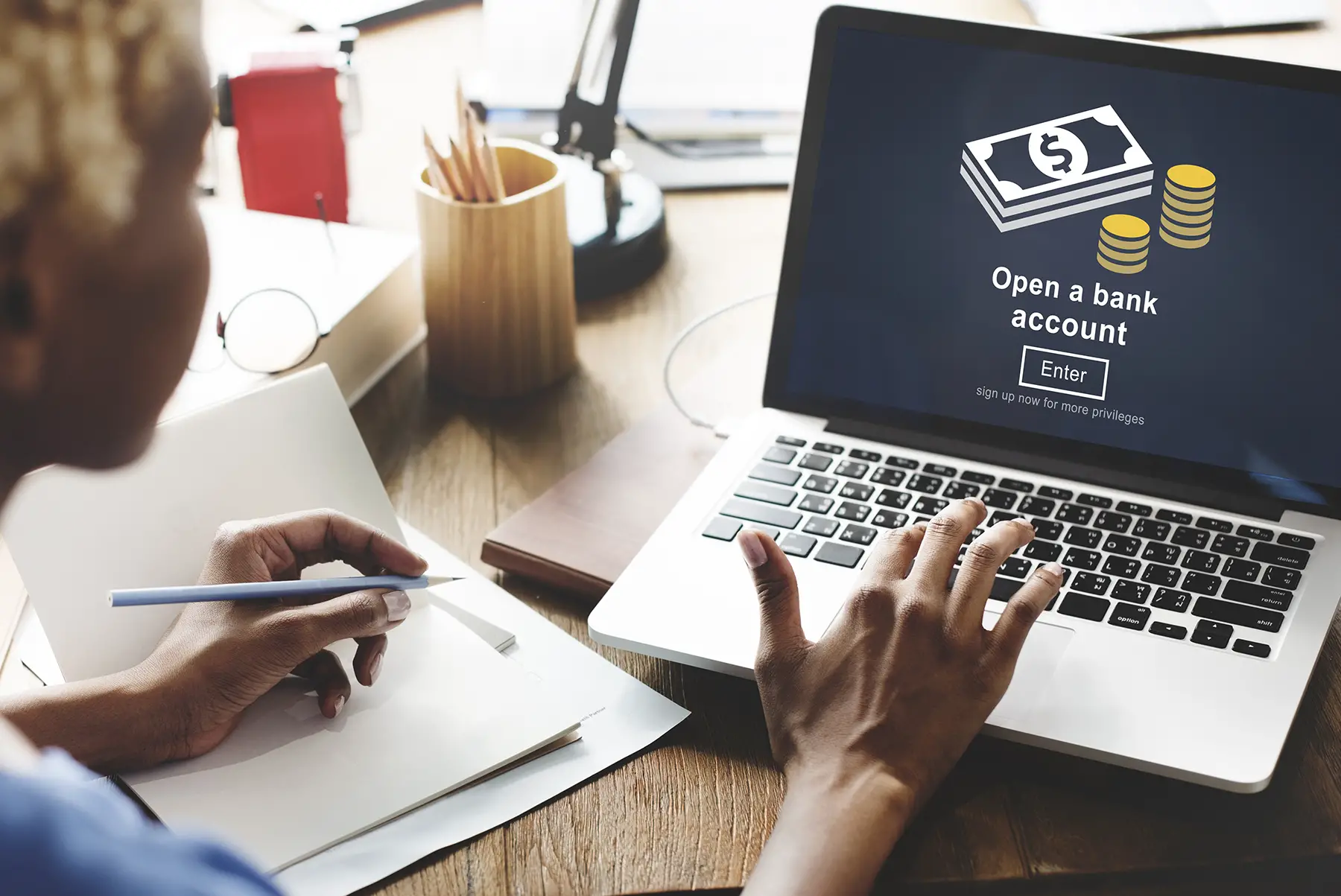
- Log into your mobile or online banking and navigate to the international transfer page
- Follow prompts to provide the required information:
- Sender details
- Recipient’s Bank Name and Address
- Recipient’s complete name
- Recipient’s IBAN or account number
- Recipient’s Bank Swift/BIC Code
- Transfer amount
- Currency
- Your payment will be sent once you’ve completed the authorization step, which may require an OTP or other security verification
Bear in mind that additional information may be required for sending large amounts or for compliance purposes. This is usually needed when you’re asked to prove the source of the funds you’re sending.
If you’re sending money from your salary you may be asked to provide payslips or your employment contract for example, or if you’re repatriating funds from the sale of a property you could be asked for proof of the sale. Your bank will guide you about what’s needed so you can explore your options.
How to receive an international money transfer in Luxembourg by bank
Receiving a bank transfer from overseas to your bank in Luxembourg usually requires very little effort as all the administration is handled by the sender.
You’ll need to give the sender some important information such as your bank name, account number and SWIFT code, and your complete name as shown on your account. You can find a SWIFT code using online tools if you’re not sure what yours is.
When you receive a payment to an EUR account from abroad, the money is usually converted to euros to be deposited. This may not be convenient if you’d rather keep a foreign currency balance for future use.

In this case you may like Wise’s local account details feature for receiving payments in foreign currencies without automatic conversion. Get paid like a local in {{NumberCurrencyLocalAccountDetail}}+ currencies and decide for yourself how and when to convert your money with no obligation.
International money transfers via online and mobile banking in Luxembourg
Most local banks in Luxembourg now offer online and mobile banking and transfer options. Fees are typically similar to those for in-person transactions.
Digital only providers like Wise may offer a more convenient service with lower overall costs and better exchange rates. There are also mobile banks operating in Luxembourg, such as N26 and Revolut. Both of these provide international money transfer services. It’s also worth bearing in mind that some banks have partnerships with online transfer services such as Wise, which can help to reduce costs.

If you choose to use your local banks’ mobile app you can usually make an international transfer which may have no upfront transfer fee. This may look like it’s cheaper than transacting in a branch, but don’t forget that exchange rate markups will still usually apply, which means your transfer isn’t free – and can end up more costly than choosing a specialist provider.
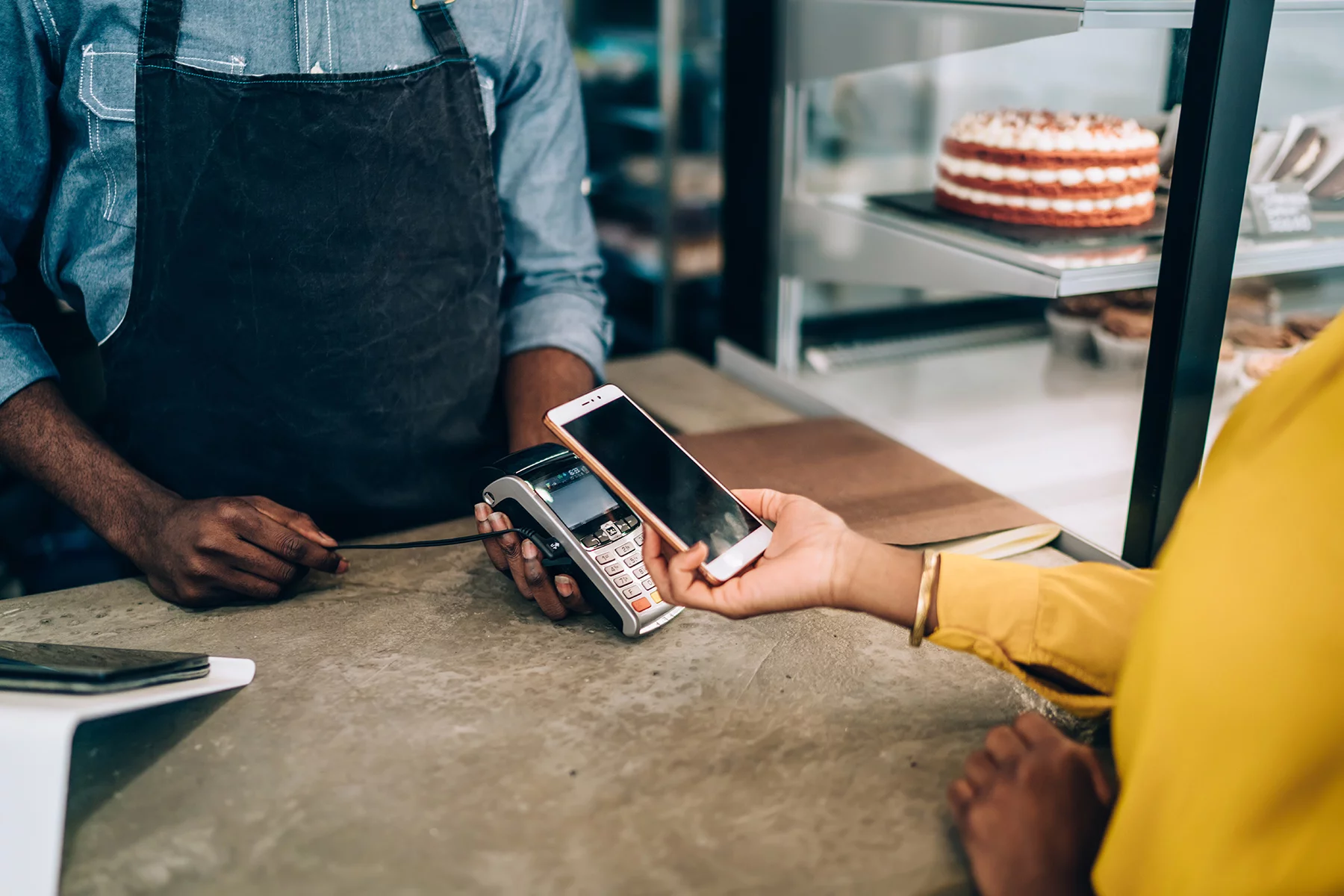
Whether you’re using a specialist provider or your bank’s mobile service, look out for additional security features you can use like fingerprint or face recognition for 2 factor authentication, full encryption, and instant card blocking.
Foreign exchange brokers in Luxembourg
You could also choose to send money overseas using a dedicated forex broker which has a specialization in buying and selling currency. In this case you’d need to deposit funds to the broker’s account, before they can conduct the currency exchange, and arrange the international transfer for deposit to your recipient.
With a foreign exchange broker you might find you can get free transfers with good exchange rates, while benefiting from 24-hour support, and currency advice.
However, providers may only work with higher value transfers, and fees do still normally apply somewhere along the line.
Take a look at services like OFX, TorFX, and Saxo as a starting point, and check out online comparison tools such as BrokerChooser to help you find the best rates available on your specific payment.
How to use a foreign exchange broker
Here’s how to use a foreign exchange broker in Luxembourg:
- Register an account with the provider and get verified: Sign up online, in an app, or by phone. You’ll typically need to verify your identity by providing an ID document (such as a passport or national ID card) and sometimes proof of address.
- Get a quote for the exchange rate and fee: Your broker will be able to tell you how they can help and give you a no obligation quote for your transfer.
- Provide recipient details: Tell your broker the recipient’s name, bank account number and other information depending on the destination country.
- Make payment: Send the money to your broker, often using a bank transfer
- Conversion and payment: The broker will convert your funds and send them to your recipient for deposit to their bank.
Fees for transferring to a broker’s account are usually low-cost or free, as the initial transfer is through the SEPA system. The typical fee is between €0–1. If you use a forex broker outside of the euro area, then these fees will increase significantly.
Useful resources
- Commission de Surveillance du Secteur Financier (CSSF) – Luxembourg’s financial services regulator
- Wise IBAN calculator – find the IBAN for your local bank
- SWIFT code finder – get a SWIFT code for global banks
- Wise high value payments – Learn about Wise volume discounts on high value transfers
- Wise personal pricing
(Information checked 6th March 2026)


