'%20id='ico-down'%20stroke='%23000000'%20stroke-width='1.5'%3e%3cg%20transform='translate(1092.250000,%20254.750000)'%3e%3cpolyline%20id='Path-2-Copy-4'%20transform='translate(5.500000,%202.750000)%20scale(1,%20-1)%20rotate(-180.000000)%20translate(-5.500000,%20-2.750000)%20'%20points='0%200%205.5%205.5%2011%200'%3e%3c/polyline%3e%3c/g%3e%3c/g%3e%3c/g%3e%3c/svg%3e)




Italy can be an appealing relocation destination for Australians who want to work, retire, study, or join family in the country. However, you may need to choose the right visa or residence route, find accommodation, arrange health cover, plan your finances, and complete local formalities after you arrive.
This guide takes you through the move in a practical order: choose your route, prepare before departure, complete the key registrations after arrival, and avoid common early mistakes. Rules can change, and requirements vary by visa type, consulate, Comune, and Questura, so check the latest official guidance before you apply or make firm plans.
Which visa route fits Australians moving to Italy?
Australians can visit Italy visa-free for short Schengen stays, but moving there is different. If you plan to live, work, study, or join family in Italy for longer than a short visit, you need to identify the appropriate immigration route before you move.
Short stays vs. moving permanently
A common question is whether you can arrive visa-free as a tourist and sort out a long-term stay later. In general, you should arrange the appropriate long-stay visa before moving to Italy rather than relying on the 90-day Schengen allowance of 90 days in any 180-day period.
- Use Visa for Italy to check requirements based on your nationality, stay length, and reason for moving.
- Check Smartraveller’s Italy advice for current information on Schengen entry rules, EU Entry/Exit System ( EES), health, and travel requirements.
- Check any instructions from the Italian embassy or consulate that serves your Australian state.
- Do not assume entering Italy for a holiday allows you to switch to a long-term residence route after arrival.
Common long-stay routes for Australians
Common routes include:
- working holiday
- digital nomad or remote work
- Study
- Employment
- Family
- elective residence.
The right option depends on why you are moving, whether you intend to work, and whether you meet the specific eligibility conditions.
Each route has its own document requirements. Depending on the visa, you may need to show evidence of your purpose of stay, income or savings, accommodation, health insurance, employment, qualifications, or family relationship.
If you are a remote worker considering the Digital Nomad Visa, bear in mind that Italy distinguishes between qualifying digital nomads who are self-employed and remote workers employed by a company, and simply having a remote job does not automatically make you eligible.
| Route | Usually fits | Common checks | Common risk |
| Working holiday | Younger Australians wanting a time-limited stay | Age and eligibility, funds, insurance | Local eligibility may vary, time and work restrictions may apply |
| Digital nomad or remote work | Qualified highly-skilled people working remotely | Professional status, income, work history, housing | Remote work alone does not guarantee eligibility |
| Study | Students accepted onto a qualifying course | Offer letter, funds, , accommodation, insurance | Course timing must match visa |
| Work, family, or elective residence | Hired staff, relatives, or financially self-sufficient retirees | Contract, relationship, or income proof | Right to work varies across categories |
What to do before leaving Australia
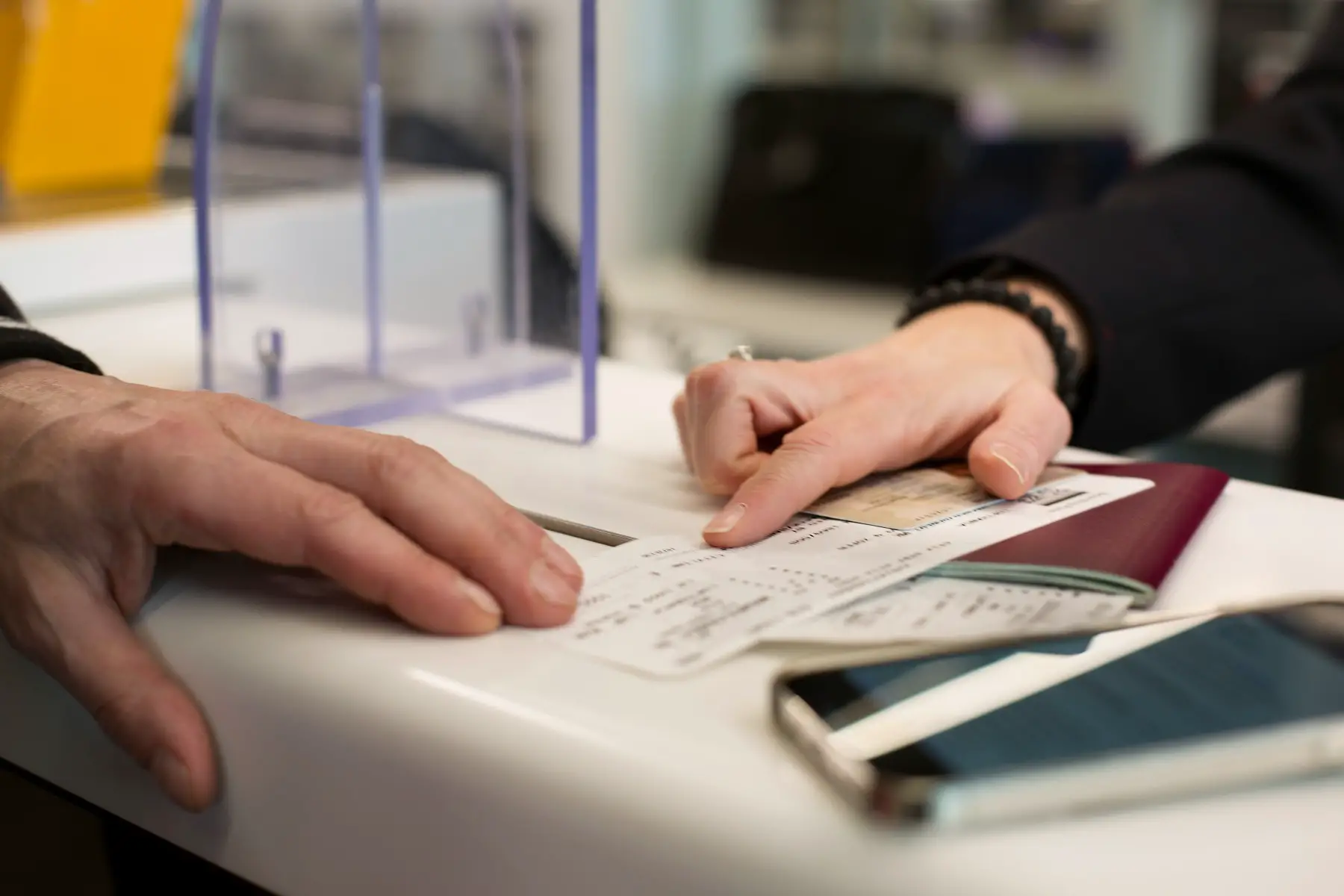
Good preparation before departure can prevent delays and expensive mistakes later. Sort your documents, finances, insurance, and essential bookings before you leave Australia.
Wise account
Are you an expat or thinking of moving to Italy? Managing your money across borders shouldn’t be complicated. With a Wise account, you can hold over 40 currencies and pay with a Wise debit card in more than 150 countries. Whether you need to spend abroad, receive or send money home, Wise can help make international money management simpler.

Documents, bookings, and admin to sort first
Small document problems can slow down an application. Check that names and dates match across your paperwork and that you have any translations, legalisations, or supporting evidence required for your visa.
Drawing up a good moving checklist can help you plan and keep everything organised and on schedule as appointments start to stack up.
Be sure to:
- Check that your passport meets the validity requirements for your visa and planned stay.
- Confirm the latest document list with the Italian consulate handling your application.
- Prepare any translations, apostilles, or legalised documents required for your application.
- Gather the accommodation evidence required for your visa, and check whether temporary accommodation is accepted.
- Save secure digital and printed copies of important records
- Avoid non-refundable travel or long-term accommodation commitments until you understand your visa requirements and application timeline.
Your first 30 days in Italy
Your first month in Italy is mostly about getting the essential paperwork underway and setting up everyday life. The exact order varies by visa route, housing situation, and local procedures, but some tasks are more urgent than others.
The core registrations: permesso, tax code, and local residency
- If your route requires it, start the permesso di soggiorno process, the residence permit for non-EU stays, within eight days of arriving in Italy.
- Make sure you have a codice fiscale (Italian tax code), which you will need for many administrative and financial tasks. If you did not obtain one before moving, arrange it after arrival.
- When eligible, register your residenza with your Comune. The timing and documents required can depend on your immigration status and housing situation.
- Work through other practical tasks such as healthcare registration, banking, utilities, and setting up your home.
These tasks can overlap, and the order is not identical for everyone. Your visa route, housing situation, and local office procedures can affect which step comes next, so check the requirements for each appointment rather than assuming there is one fixed sequence.
Banking, getting paid, and covering daily spending
You may not need an Italian bank account on day one, but having access to a euro account can make it easier to receive salary or pension payments, manage bills, and set up direct debits.
Banks may ask for identification, a codice fiscale, contact details, and evidence relating to your address or residence status, depending on the account and your circumstances.
Some new arrivals use Wise as a bridge for receiving, converting, sending, or spending money while they arrange their longer-term banking.


How to choose where to live in Italy
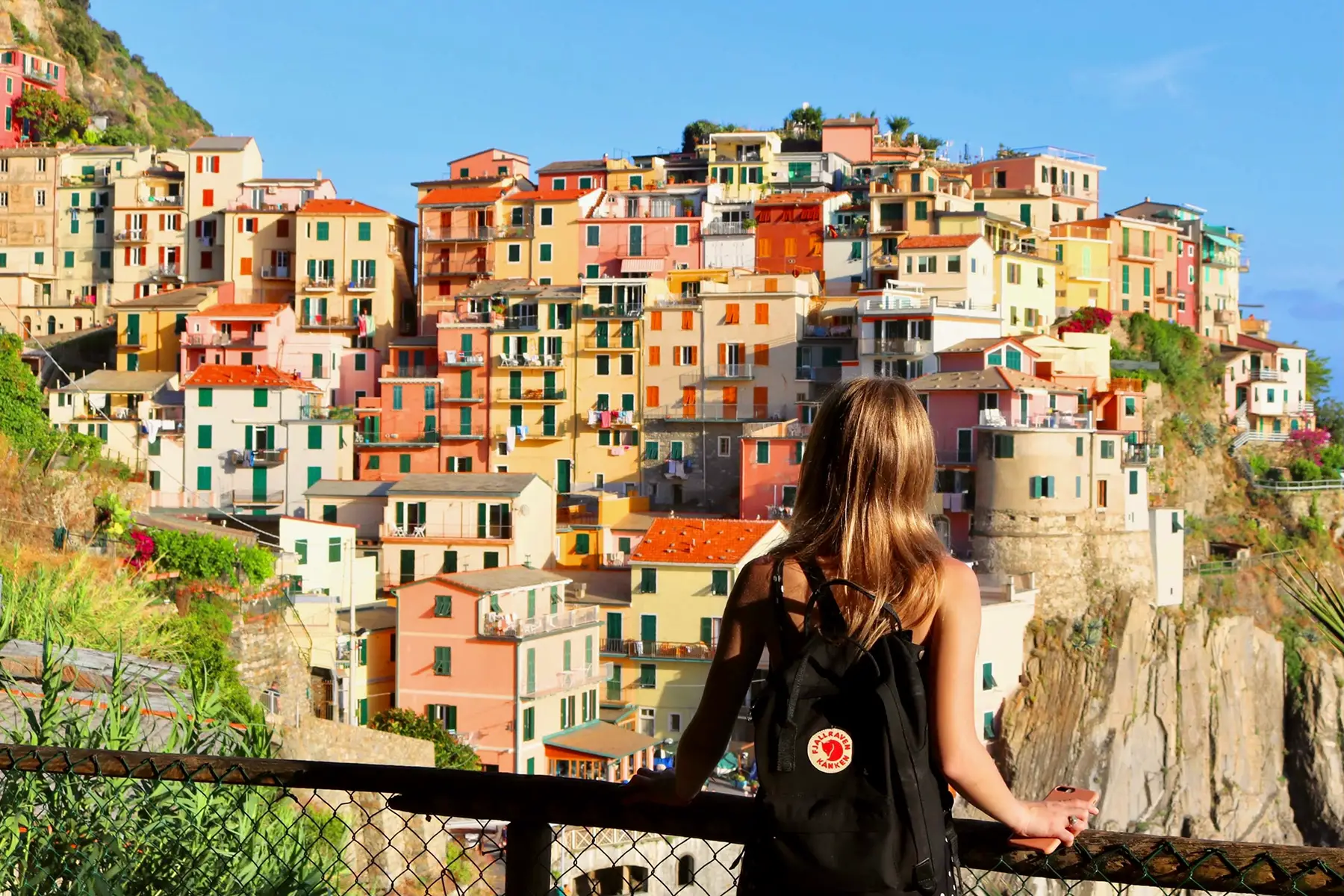
The best place in Italy depends on budget, work, climate, transport needs, language comfort, and lifestyle—not postcard appeal alone.
North, central, or southern Italy?
Italy has significant regional differences in employment and living costs, but north versus south is only part of the picture. Compare housing, transport, climate, services, and how much Italian you will need in everyday life as well.
| Area | Job market | Cost level | Best fit |
| North | Milan, Turin, and Bologna are major employment areas with strong transport links | High | Career-focused movers or connected remote workers |
| Center | Rome and Florence combine employment with universities, tourism, and international communities | Medium to high | Students and mixed household needs |
| South and islands | Smaller employment market, some big tourist areas | Lower to medium | Retirees and slower-pace movers |
Renting and budgeting as a new arrival
Finding a long-term rental can take extra preparation when you first arrive. Landlords or agents may ask for identification, a codice fiscale, evidence of income or employment, and other financial guarantees depending on the property and contract.
A short furnished rental can give you time to explore neighborhoods and prepare for a longer-term tenancy.
Accommodation and living costs vary sharply between Milan, Rome, Florence, other cities, and smaller towns, so you will need to factor this into your search.
- Compare the cost of temporary accommodation with longer contracts.
- Check what the rent includes, especially utilities, condominium charges, and other fees.
- Read the deposit, notice period, duration, and renewal terms carefully.
- Make sure your tenancy agreement is properly documented and registered if required.
- Be cautious if someone pressures you to transfer money before you have verified the property, landlord or agent, and contract.
Healthcare, work, and taxes: what Australians should expect
Healthcare, employment, and tax rules can work quite differently from the systems you know in Australia. Understanding the basics early can help you avoid gaps in cover, unexpected costs, and tax problems later.
Healthcare access and the role of private cover
Australia’s reciprocal healthcare agreement with Italy can help eligible Australians access essential public healthcare for up to six months after arrival, but it is not a substitute for long-term National Health Service (Servizio Sanitario Nazionale – SSN) registration or any health insurance required by your visa.
Longer-term healthcare arrangements depend on your visa and residence status. You may need private health insurance, qualify for SSN registration, or have different options available, while some residents also choose private cover for additional choice or faster access to certain services.
- Check what health insurance your visa requires.
- Bring your Medicare card and passport so you can show your eligibility under the reciprocal agreement.
- Check whether and when you can or must register with the SSN.
- Compare private cover if your visa requires it or you want additional access to private healthcare.
Allianz Care
Allianz Care is a world leader in providing international health insurance. Their various premiums provide professionally designed solutions for a variety of expat lifestyles. So, wherever your life takes you, make sure you have the right health protection for you and your family with Allianz Care.
Work prospects, tax residency, and reality checks
Italy can offer lifestyle advantages, but local salaries may feel lower than Australian benchmarks, and Italian-language skills are important for many local jobs. Major cities such as Milan, Rome, and Bologna generally offer broader employment markets than smaller towns, although opportunities vary by sector.
For tax, do not rely on the 183-day rule alone. Italian tax residence can depend on factors including physical presence, residence, and domicile, while the Australia–Italy double tax treaty may also matter if both countries could treat you as resident.
Once you know where you may be a tax resident, the treatment of your income can depend on its source and where the work is performed. Remote workers paid from Australia, retirees, and people taking local jobs should check their position early.
- Check whether you may become a tax resident in Italy.
- Treat immigration permission, tax, and social security as separate questions.
- If you are paid from Australia, verify how that income is treated.
- If you want local work, factor language skills and your industry into your city choice.
Common mistakes Australians make when moving to Italy
Many relocation problems are easier to avoid when you tackle tasks in the right order. Committing money too early can be particularly risky if your visa, paperwork, or accommodation is not yet settled.
If you’re not sure what to do next, return to the basic sequence in this guide: choose your visa route, complete your pre-departure admin, deal with urgent post-arrival registrations, and then work through your local setup.
Common mistakes include:
- Treating visa-free entry like a relocation route. The Schengen short-stay allowance is not a substitute for the appropriate long-stay visa.
- Underestimating paperwork. Keep printed and digital copies of every core document.
- Assuming English will be enough everywhere. Learning some basic Italian for appointments, housing, and everyday admin can make the first few weeks easier.
- Committing to housing too quickly. Consider temporary accommodation if you need time to explore neighborhoods and view long-term rentals in person.
- Ignoring first-month cash flow. Keep a euro buffer for setup costs.
Following a clear sequence will not remove every bureaucratic hurdle, but it can make your first month much easier to manage.
FAQ
FAQ
Do Australians need a visa to move to Italy? 
Yes, if you plan to live in Italy for more than 90 days, you will generally need the appropriate long-stay visa. The right route depends on your reason for moving, such as work, study, family, or elective residence, so check Visa for Italy and the Italian consulate responsible for your area.
Can Australians use Medicare in Italy?
Only in a limited way. Under the reciprocal healthcare agreement, eligible Australians can access essential care through Italy’s public system for up to six months after arrival. This does not replace any health insurance required for your visa or your longer-term SSN arrangements.
Can I drive in Italy with an Australian license?
Yes, but you should carry your valid Australian license together with an International Driving Permit (IDP) or an official Italian translation. Different rules apply once you become resident, so check the latest requirements with the Italian authorities before relying on your Australian license long term.
Is Italy cheaper than Australia?
It can be, depending on where and how you live. Housing and some everyday costs may be lower in parts of Italy, but Milan, Rome, Florence, and popular tourist areas can be expensive. Compare housing, utilities, transport, taxes, and expected local income rather than relying on a national average.
Can I open a bank account in Italy as a foreigner?
Yes. Banks may ask for a passport, codice fiscale, and documents relating to your address or residence status, depending on the account and your circumstances. Some newcomers use a cross-border account such as Wise to hold or convert euros and manage spending while setting up their longer-term banking.
Useful resources
(checked 20 August 2026)
- Visa for Italy – official visa checker for nationality, stay length, and route.
- Smartraveller’s Italy advice – Australian government notes on Schengen, health, driving, and border changes.
- Polizia di Stato – official residence permit overview and local police guidance.
- Agenzia delle Entrate – English information on getting a tax identification number.
- Services Australia: Visiting Italy – reciprocal health cover, limits, and what to show.