
'%20id='ico-down'%20stroke='%23000000'%20stroke-width='1.5'%3e%3cg%20transform='translate(1092.250000,%20254.750000)'%3e%3cpolyline%20id='Path-2-Copy-4'%20transform='translate(5.500000,%202.750000)%20scale(1,%20-1)%20rotate(-180.000000)%20translate(-5.500000,%20-2.750000)%20'%20points='0%200%205.5%205.5%2011%200'%3e%3c/polyline%3e%3c/g%3e%3c/g%3e%3c/g%3e%3c/svg%3e)


Moving
Visas & Immigration
Digital Nomad Visa in Italy
If you’ve ever wanted to go to Italy and experience la dolce vita, then a digital nomad visa might be of interest to you. A country with a rich history and good climate, as well as being part of the EU, Italy has plenty of positives for digital nomads.

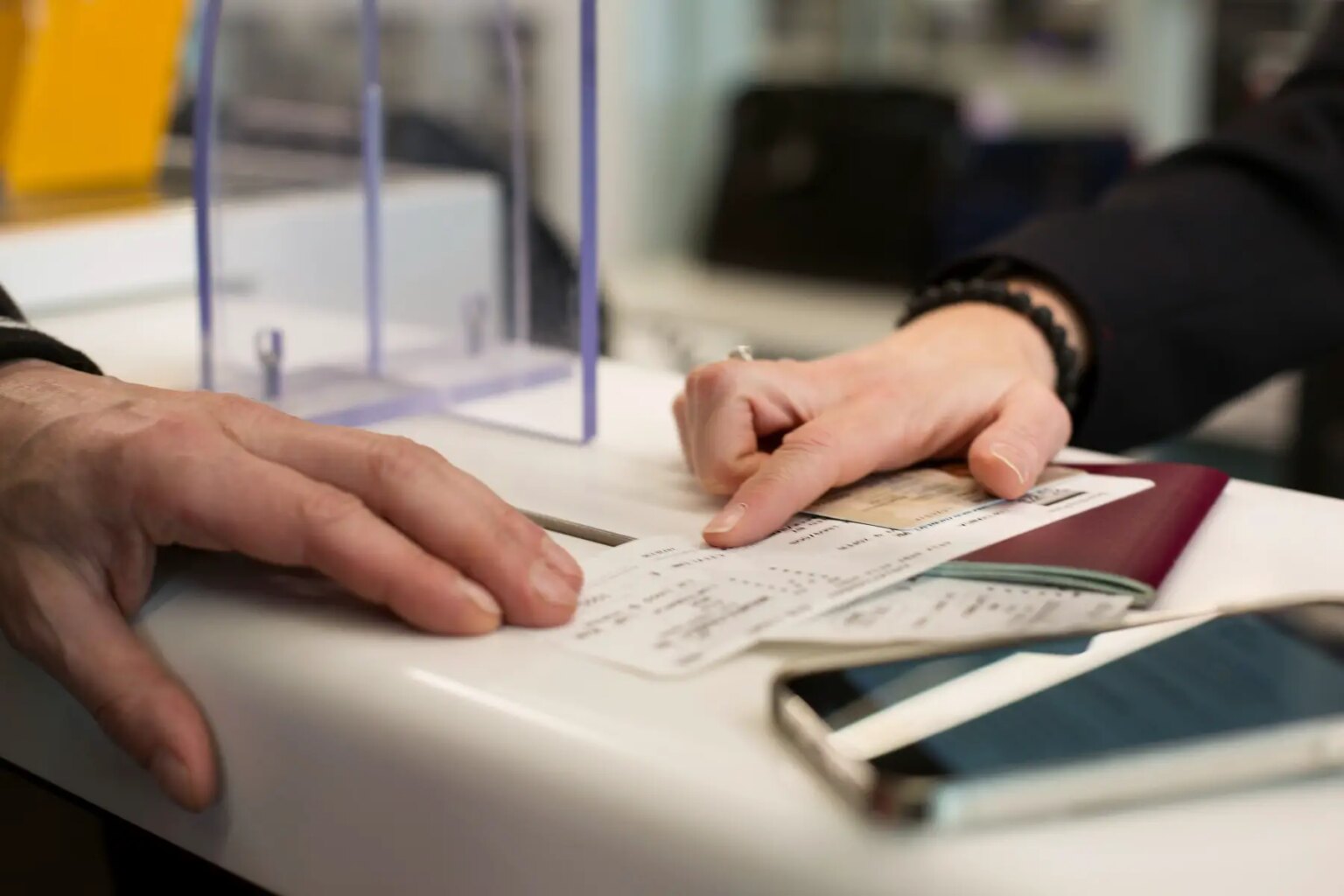
Italy’s digital nomad visa launched in 2025 and makes it easy for remote workers or freelancers from non-EU/EEA countries to relocate there. This guide will run through the visa, from eligibility and application to what you need to do to start your new life in Italy.
The Digital Nomad Landscape in Italy
Italy is a popular place to live and visit, so it’s no surprise that digital nomads enjoy it too. The big cities like Rome and Milan, along with Bologna and Florence, are popular among digital nomads. Islands Sicily and Sardinia are also popular and great if you want a more relaxed lifestyle by the coast.
It used to be technically possible to visit Italy on a tourist visa and work remotely, but it was somewhat of a legal grey area. The introduction of Italy’s digital nomad visa has made it clearer in terms of residency and taxation. The purpose of the visa is to attract digital nomads to Italy, with the expectation that they’ll spend money in the local economy and contribute to the local community.
You can apply for the visa at your nearest Italian consulate. The visa is subdivided into two categories.
One is the digital nomad visa, which lasts for a year and can be renewed annually as long as you continue to fulfil the initial application criteria. This visa could potentially lead to permanent residency after five years. It can be a good option if you want to work and travel throughout the EU, while maintaining minimum residency requirements in Italy.
The second category is the remote worker visa, which is also granted for a year. It works the same way as the digital nomad category. The difference is this is for remote employees of foreign companies, whereas the digital nomad visa is for freelancers.
Processing times may vary by consulate, but as an indication, in London it’s 30 days for the remote worker visa and 120 days for the digital nomad visa.
With both categories it’s possible to apply for a family visa once this visa has been granted. That would allow you to bring spouses or children under 18 to Italy with you.
Who is eligible for the Digital Nomad Visa in Italy?
Employment type
You need to work remotely for a company outside of Italy or be a freelancer.For the former you will need to show your employment contract and for the latter you’ll need to show proof of future work in the form of contracts and agreements with clients.
You’ll need to show proof that you’ve earned the minimum monthly income for the visa for the previous three to six months. This can be averaged out over the last three months.
Income and savings requirements
There’s a minimum income requirement for the visa. As of February 2026, you need to be earning €28,000 a year to apply for this visa. Some consulates might want to see higher, or even see that you have a sufficient amount of money in savings. If you plan to apply for a family visa after approval then bear in mind there are additional income requirements as well.
Expert Tip: You might have to prove you have other means to support yourself if your income is close to the threshold for this visa. If you plan to apply for renewal after a year then bear in mind that the minimum income requirements are likely to go up each year. Look at ways to increase your income if you are close, such as taking on more clients or working extra hours.
Health and character
You’ll need to show proof of private health insurance for Italy when you apply. It needs to be valid for the entirety of the visa, which is 12 months. You’ll need cover for at least €30,000.
If you apply for this visa then you’ll need a clean criminal record for the last five years. Remote employees need their employer to provide a declaration confirming they have no criminal convictions related to illegal immigration during that period.
Applying for Your Visa: A Step-by-Step Guide
Make sure you get all the required documents together before you apply. Some will need to be apostilled and translated if they’re not in Italian, so do that as well. This process can take a while, so get started well in advance of when you plan to apply.
It’s worth noting that you have to apply for some of these documents in Italy before you apply for the visa, so allow extra time for that.
You’ll need the following documents to apply:
- A completed and signed application form
- A valid passport or travel document duly signed (original plus a photocopy), valid for at least 3 months beyond the return date of your trip with at least two blank pages (passport might be kept at the consulate until visa is approved)
- A recent passport-sized photo taken within the last 6 months
- Proof of a recognised highly qualified profession, either with a degree, professional certification or three years of work in the relevant field in the last seven years
- Proof of annual income derived from legitimate sources of income – payslips, tax returns, with earnings of at least three times the minimum necessary to pay healthcare taxes in Italy
- You need to show proof of an address in Italy for the full 12 months, usually in the form of an official lease or property deeds
- Proof of valid health insurance covering all hospital and medical costs for the entire duration of your stay, with a minimum of €30,000 cover
- Previous relevant work experience for at least six months in your field
- Supporting documents must prove at least 6 months of work experience in the field of work for which you are applying for.
- Your employment contract or agreements for ongoing work with clients
The application
If you’re in your home country, you need to fill in the application form and book an appointment at the Italian consulate. In some countries the appointment will be at a partner like VFS Global. You’ll either be asked to pay the fee when booking the appointment or when you’re at the consulate. Again, this depends on which country you’re applying from.
You’ll need to gather all your documents to take to the appointment and submit them there. It’s always better to take more evidence than you think you’ll need.
Once you’ve applied you have to wait for the outcome. You should get a decision within 120 days for the digital nomad visa and within 30 days for the remote worker visa.
Timeline and fees
You should allow a month or two to organise all your documents. Some documents take a while to arrange and then you have to get documents apostilled and translated into Italian.
You might also have to wait a while to attend your appointment, depending on availability.
Once you’ve had the appointment you should get a decision within 120 days for the digital nomad visa and within 30 days for the remote worker visa. Once approved it gets stamped on your passport and you can travel to Italy. When you arrive in Italy you have eight days to get your residence permit from the Questura, which is the local provincial police headquarters.
It costs €116 to apply for the visa. There might be other application charges depending on where you’re applying from. There’s a separate charge for the residence permit (permesso di soggiorno), but this fee varies depending on circumstances. Expect to pay around €100 or more.
You’re also going to need to pay for documents to get translated and health insurance. If you use an immigration lawyer to apply, it could cost more than €1,000. These costs are higher if you’re bringing family with you. There’s not a single fixed cost because every application is different, so these figures are guidelines.

Financial Planning for Your Move
Initial costs
As part of the application process you’ll need to have a lease registered by the landlord at the Agenzia delle Entrate (the Italian tax authority) when you apply. That means you’ll probably need to pay a deposit. The legal maximum is three months’ rent, so budget accordingly.
Your visa application will cost at least a few hundred euros and some consulates may require you to have a certain amount in savings.
You also need to factor in the cost of transport to Italy. Not just your airfare, but if you are bringing lots of stuff with you.
International transfers
Expatica advice
When moving large sums for a deposit or paying visa fees, exchange rates and hidden bank fees can add up. A multi-currency tool like Wise can help digital nomads manage euros and their home currency more efficiently than traditional high-street banks during the move.
While it’s possible for non-residents to open a bank account in Italy, it isn’t a requirement for the visa application. If you decide you don’t want to open an account when you’re there, Wise can be a great option for most of your banking needs in Italy.
Insider tip: Living and working in a new country can be a fantastic experience. Before you apply for a visa, make sure you have all your paperwork in order and follow the instructions. That way you won’t have any nasty surprises that could potentially derail your application. The process can sometimes take a while and won’t always go smoothly, so just try to be patient if there are any roadblocks.
Taxes and Social Security in Italy
Tax residency
In Italy, if you spend more than 183 days in the country each year then you’re considered a resident for tax purposes. That means you’re liable to pay taxes there.
Italy has double taxation agreements with some countries, but you might still find that you need to file taxes elsewhere. It’s always best to speak to a tax expert about your own individual circumstances.
Special tax regimes
Italy doesn’t have a special tax regime for the digital nomad visa so you’ll be required to pay Italian taxes on all your worldwide income.
Social security
You’ll need to get an Italian tax ID (Codice Fiscale). In some cases, if you’re a remote worker employed by a foreign company and paying social security in your home country, you could be exempt from paying it in Italy. If you’re self-employed, it’s likely you’ll need to pay into the Italian social security system. Speak with a tax expert to understand your obligations.
Setting Up Your Life: Housing and Healthcare
Finding a rental
When you apply for the visa you have to show proof of accommodation for the entirety, which is 12 months. The best proof is a lease for a rental.
You could look for websites that specialise in finding rental properties for people planning to move to Italy. Contacting local estate agents in the area you’re planning to live could be easier still. If you have a friend or relative in Italy they might be able to help you find a place to rent.
It can actually be incredibly useful once you move to Italy if you have your accommodation organised in advance, even though it’s an added annoyance when you apply for the visa.
Healthcare
You’re required to have health insurance that covers you for at least €30,000 for at least a year.

Banking and Managing Money as a Digital Nomad
Local banking
It might make your life simpler if you open an Italian bank account when you arrive in Italy for your local banking needs. It can be helpful with rent payments and utility companies, though it’s not always required.
To transfer your money to Italy a service like Wise could help you save on fees compared to what banks charge you. And you can also keep getting paid by overseas clients into your Wise account.
Wise account
Are you an expat or thinking of moving to Italy? Managing your money across borders shouldn’t be complicated. With a Wise account, you can hold over 40 currencies and pay with a Wise debit card in more than 150 countries. Whether you need to spend abroad, receive or send money home, Wise can help make international money management simpler.

Checklist: Before You Go
- Check passport validity. For a digital nomad visa in Italy you need at least three months’ validity beyond the return date of your trip.
- You’ll need to show proof of work, such as your employment contract or freelance contracts and agreements with clients.
- Have no criminal record in the last five years.
- Set up a flexible way to manage euros. Wise is our suggestion.


Did you find this guide helpful?