
'%20id='ico-down'%20stroke='%23000000'%20stroke-width='1.5'%3e%3cg%20transform='translate(1092.250000,%20254.750000)'%3e%3cpolyline%20id='Path-2-Copy-4'%20transform='translate(5.500000,%202.750000)%20scale(1,%20-1)%20rotate(-180.000000)%20translate(-5.500000,%20-2.750000)%20'%20points='0%200%205.5%205.5%2011%200'%3e%3c/polyline%3e%3c/g%3e%3c/g%3e%3c/g%3e%3c/svg%3e)


Healthcare
Healthcare Basics
The French healthcare system
France has a universal public healthcare system. Find out how it works, who can access it, and how to register.


In France, state health insurance covers public and private hospitals, doctors, and other specialists who provide medical care to both citizens and internationals. In fact, it is considered one of the most comprehensive healthcare systems in the world because it insures everyone regardless of income level – at least in part.
Read on for more information, including:
Cigna Global
Enjoy peace of mind while living in France with Cigna Global’s long-term international health insurance plans (12+ months). Get tailored coverage, direct billing with many providers, complex case management, and global care on demand, with access to a global network of 2.4 million hospitals and healthcare professionals.

How does the healthcare system work in France?
Does France have free universal healthcare?
Is healthcare really free in France? The short answer is yes.
France has free universal public healthcare, colloquially nicknamed “la sécu” (social security), which is accessible to all citizens and residents.
As of 2016, a new healthcare system known as Protection Universelle Maladie (PUMa – “universal sickness protection”) replaced the previous Couverture Universelle Maladie (CMU). PUMa extended coverage to French citizens who have additional needs, and expanded access to state universal healthcare for foreigners.
However, in many instances, the public health insurance fund will only reimburse part of your medical bills. Most French residents complement their coverage with a private health insurance plan, also called mutuelle.
Is French healthcare good?
France’s universal healthcare system is considered one of the best in the world, not only in terms of access but also quality of care – and even wait times.
The country also offers a high level of preventative healthcare, with available services including addiction prevention, regular medical check-ups, and the promotion of regular physical activity and nutritious food choices.
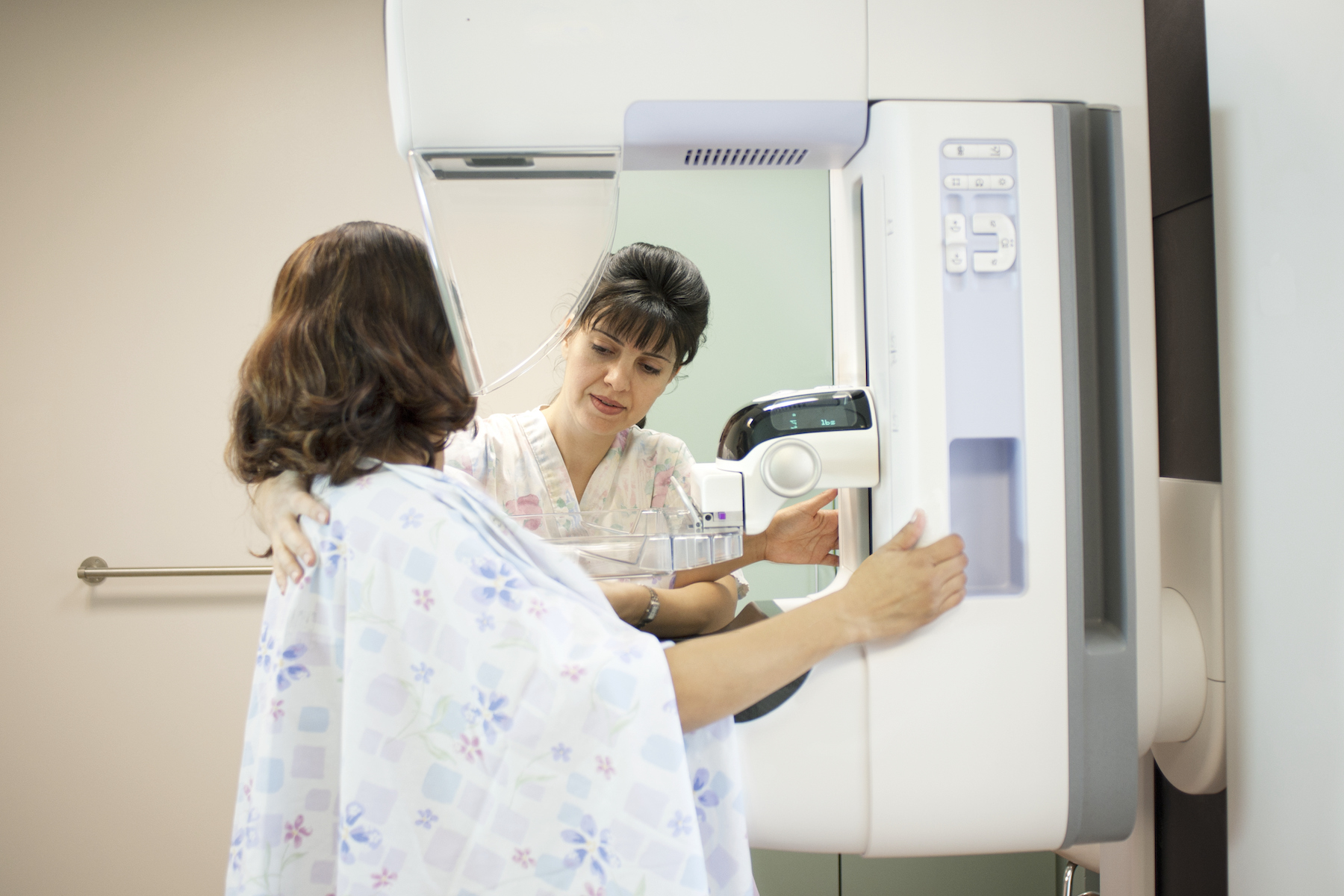
In fact, a comprehensive WHO report from 2000 found that France topped all other countries and provided the best overall healthcare, based on its five assessment indicators:
- the overall level of population health
- how well the system bridges inequalities
- the responsiveness of the system
- how well the population is served by the healthcare system
- the distribution of the financial burden of the healthcare system.
According to 2020 data, France is the second highest spender on healthcare within the EU, in terms of GDP percentage. It spent 12.2% of its GDP on healthcare that year, surpassed only by Germany with 12.8%.
Eurostat shows that only 12.7% of French residents reported having unmet healthcare needs due to financial reasons as of 2019. This figure is modest compared to over 25% of residents in Portugal and Finland.
Who administers French healthcare?
The Ministry of Social Affairs and Health (Ministère de la Santé et de la Prévention) regulates the public healthcare system in France.
However, it is the local offices of the CPAM (Caisse Primaire d’Assurance Maladie) that administer healthcare on the ground. The CPAM is the primary health insurance fund that handles all communication with the insured residents, from registration to individual reimbursements. That is all done in great part through their website, Ameli.
Primary and secondary care services are delivered by various public and private providers.
How is the French healthcare system funded?
The healthcare system in France is funded partially through social security contributions (cotisations sociales).
Every French resident pays the CSG (contribution sociale généralisée) as an individual contribution to the entire public social net in France: universal healthcare, state pensions, and all social benefits, including unemployment. In 2025, the standard CSG is 9.2% of an employee’s salary – but also of most other revenue sources (e.g., pensions, investments, real estate).
Employers pay 7% or 13% into the public health insurance fund, depending on the salary bracket of the employee.
Who can access healthcare in France?
Like many European countries, healthcare in France is an insurance-based system, and it is mandatory for all residents.
Access to medical care is considered by the French as a fundamental right, and therefore public healthcare is available to everyone in France, at some degree or another. Unemployed persons, retirees, and newcomers awaiting their residence permits are all guaranteed access to healthcare.
Can foreigners access French public healthcare?
Through PUMa, most internationals are eligible for state healthcare. For most, this will start three months after their arrival in France. Who can benefit from public healthcare varies greatly depending on:
- their country of origin
- whether they hail from a EU/EEA country or not
- the length and purpose of their stay in France
- what their socio-professional status is (workers, students, retirees).
Most expats and immigrants, including tourists, students, retirees, and job seekers, will be able to access the healthcare system in France:
- with their EHIC if they are from the EEA or Switzerland
- through their GHIC if they hail from the UK,
- and via an international health insurance plan if they hail from other countries
We cover the details extensively in our article about health insurance in France but as a quick summary:
- Applicants for permanent residence will be able to register with the French public healthcare system after three months of residence in the country. In the meantime, if your application for legal residence has not been finalized, you may be eligible for State Medical Assistance (Aide Médicale d’Etat – AME).
- Workers will obtain immediate medical coverage through their employer. Freelancers and entrepreneurs will be able to access French healthcare through the CPAM once they have registered their activity.
- Job seekers receiving unemployment in their own EU/EEA country may be able to transfer their benefits, including healthcare, to France.
- Asylum seekers can access a host of French medical care before the end of the three months wait period:
- Emergency and essential medical care, including maternity care and abortion services, by visiting the Permanences d’Accès aux Soins de Santé (PASS) located in hospitals;
- Maternity and child healthcare (including vaccinations) via the local Services de Protection Maternelle et Infantile (PMI).

Editor in Chief
Marie-Charlotte Pezé
Insider tip: La Comede
If you are not yet insured in France, you can still access medical, dental, ophthalmic, and psychological care by contacting local non-profit organizations. La Comede is the national non-profit organization that will serve undocumented foreigners.
In any case, you should contact the Cleiss (Center for European and International Social Security Liaison) to find out what your health insurance requirements are, preferably before moving to France.
How do I access the French healthcare system when I move?
To ensure that you have medical coverage in France before your move and/or during those first three months of transition, residents from the European Economic Area (EEA) and Switzerland can use their European Health Insurance Card (EHIC). In the same vein, visitors from the UK can show their Global Health Insurance Card to benefit from French healthcare.
For most others, an international health insurance plan is the best solution. Providers include:
Please note that proof of healthcare coverage is necessary for almost all types of French visas before you can enter the country. Unless you have an international health insurance plan, you can do this via the S1 form of the European office for coordination of social security benefits. The S1 form, which you must fill out before your departure by the healthcare authority of your country of origin, grants you a certificate of entitlement to healthcare when you go live in a foreign country.
Allianz Care
Allianz Care is a world-leader in providing international health insurance. Their range of premiums provide professionally-designed solutions for a variety of expat lifestyles. So, wherever your life takes you, make sure you have the right health protection for you and your family with Allianz Care.
Overview of French private healthcare
Do I need private healthcare in France?
Medical treatment and tests are partially paid for by the government, but the patient is responsible for the remaining amount. French universal health insurance covers 70–100% of necessary treatments like doctor visits and hospital stays. Low-income and long-term sick patients typically receive 100% coverage.
Most French residents and expats therefore take out supplementary private health insurance, called a mutuelle.
Why get private healthcare in France?
There are multiple reasons why private healthcare is a good idea in France:
- If you want 100% coverage on all medical care, bridging the 20-30% out-of-pocket gap with what universal public healthcare covers;
- If you are not eligible for public healthcare, e.g., during your first three months in France as a foreign citizen;
- If you want to receive reimbursements for certain specialists and medication, for comprehensive dental, optical, and hearing care, for complementary physical therapy, or for alternative medicine;
- If you want full access to (often better, and more timely) private health services and other perks, such as private hospital rooms, better maternity and breastfeeding support… etc.

Many private doctors and specialists in France receive funding through the state insurance scheme, allowing them to provide services through the universal healthcare system. So, those with public insurance can access most privately run hospitals. The price of privately run services, however, will run higher. This means that although your state health insurance covers the same percentage of costs, you must pay more for the part that isn’t covered unless you have a good mutuelle.
Private healthcare providers in France
There are many private healthcare providers in France, and it’s worth shopping around to find the best deals. For foreigners and expats, taking out a global plan to ensure access to the French healthcare system in the first three months after your move is highly advised. This is when you’re at risk of a coverage gap and responsible for paying any medical expenses out of pocket.
Private international health insurers offering supplementary coverage in France include:
For assistance deciding on a mutuelle or medical insurance for your visa, it’s also worth reaching out to an insurance broker who can explain your options. Brokers in France offering English-language support include Fab French Insurance.
Fab French Insurance
Make insurance fabulously easy with Fab French Insurance. This insurance brokerage has 10+ years of experience providing English-language support to internationals in France. Find affordable, tailored solutions for medical insurance for visas, mutuelles, and home and car insurance with Fab French Insurance.
See our article on health insurance in France for more information.
How to register with the French healthcare system
First check with Cleiss if you can provide an S1 form that will smooth the process of transferring your healthcare rights to the French system.
If you have lived in France for longer than three months, you can register for French healthcare via your local CPAM (Caisse Primaire d’Assurance Maladie) office. Find your local CPAM office via the Ameli website.
If you have an employer, they will first register you with the French social security system. If you are self-employed, see the Cleiss website for special rules to follow to get healthcare coverage.
You may need to show certain documents in order to register, which can include:
- Your passport or valid ID
- Proof of French residence
- Proof of address such as recent utility bill
- Marriage or birth certificates, if including family members
- Proof of income, like employment contract
You will also need to choose a primary care doctor and submit a declaration (declaration de médecin traitant) to your insurer before accessing healthcare in France.
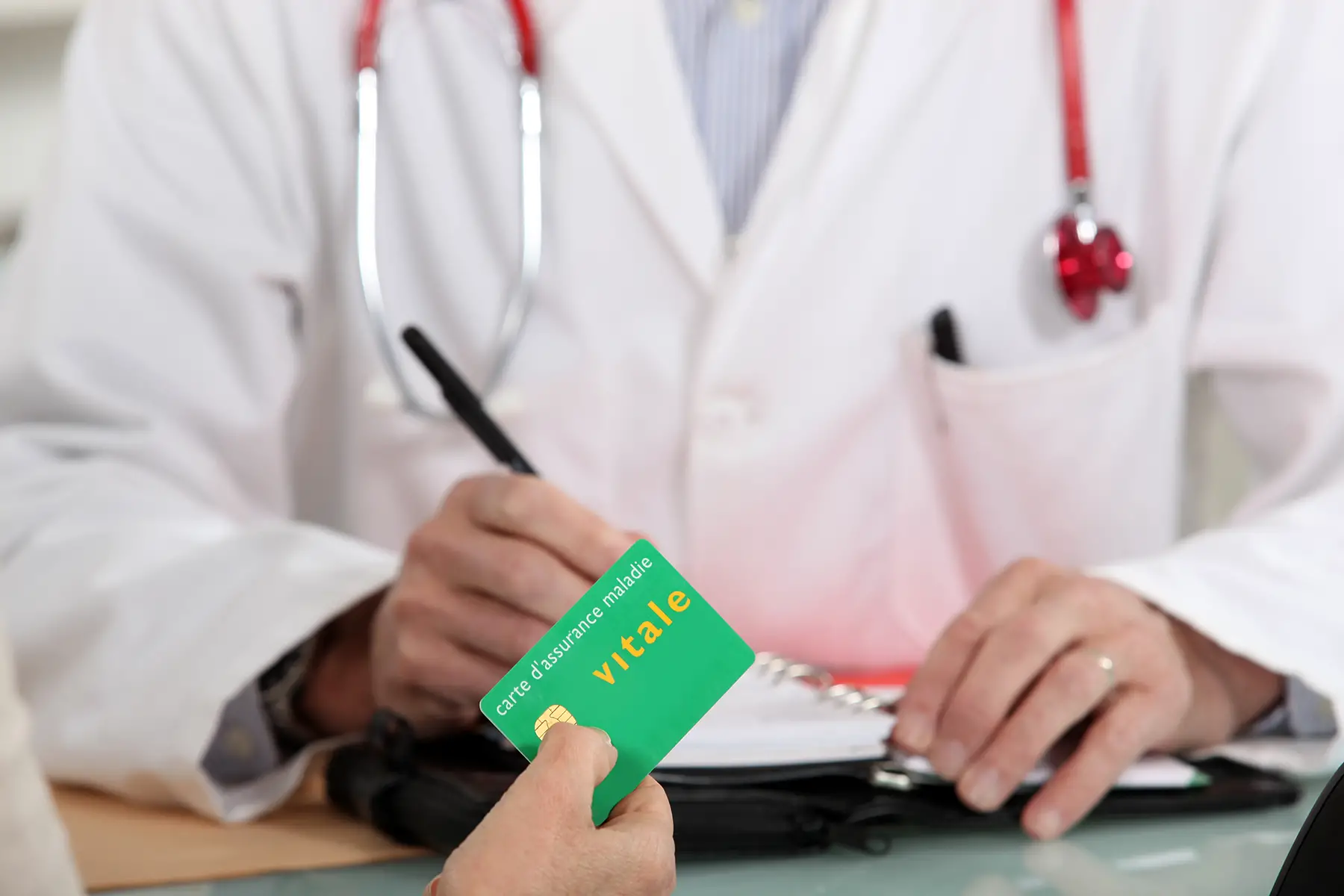
Once you register, you should receive a carte vitale within about a week. This is a green health insurance card bearing your photo and embedded with a chip that contains important information about you as a patient. You will need to take your carte vitale with you to all medical appointments in order to access free healthcare or claim a reimbursement.
Editor in Chief
Marie-Charlotte Pezé
Insider tip: Carte Vitale
Your green Carte Vitale is more than proof of healthcare coverage: at most medical facilities, you can use it to pay for health services directly, without having to front the fees and claim reimbursement later. It acts then a little like a debit card, which is connected to your CPAM account and your mutuelle rather than your bank!
Primary healthcare in France
French healthcare professionals
French doctors and specialists
The first line of healthcare in France is provided by family or general doctors (médecins généralistes). These doctors are mostly self-employed and work either alone or in group practices. You are free to choose whichever French doctor you prefer, but you must register them as your primary physician (médecin traitant) in order to claim a full reimbursement via the French healthcare system.
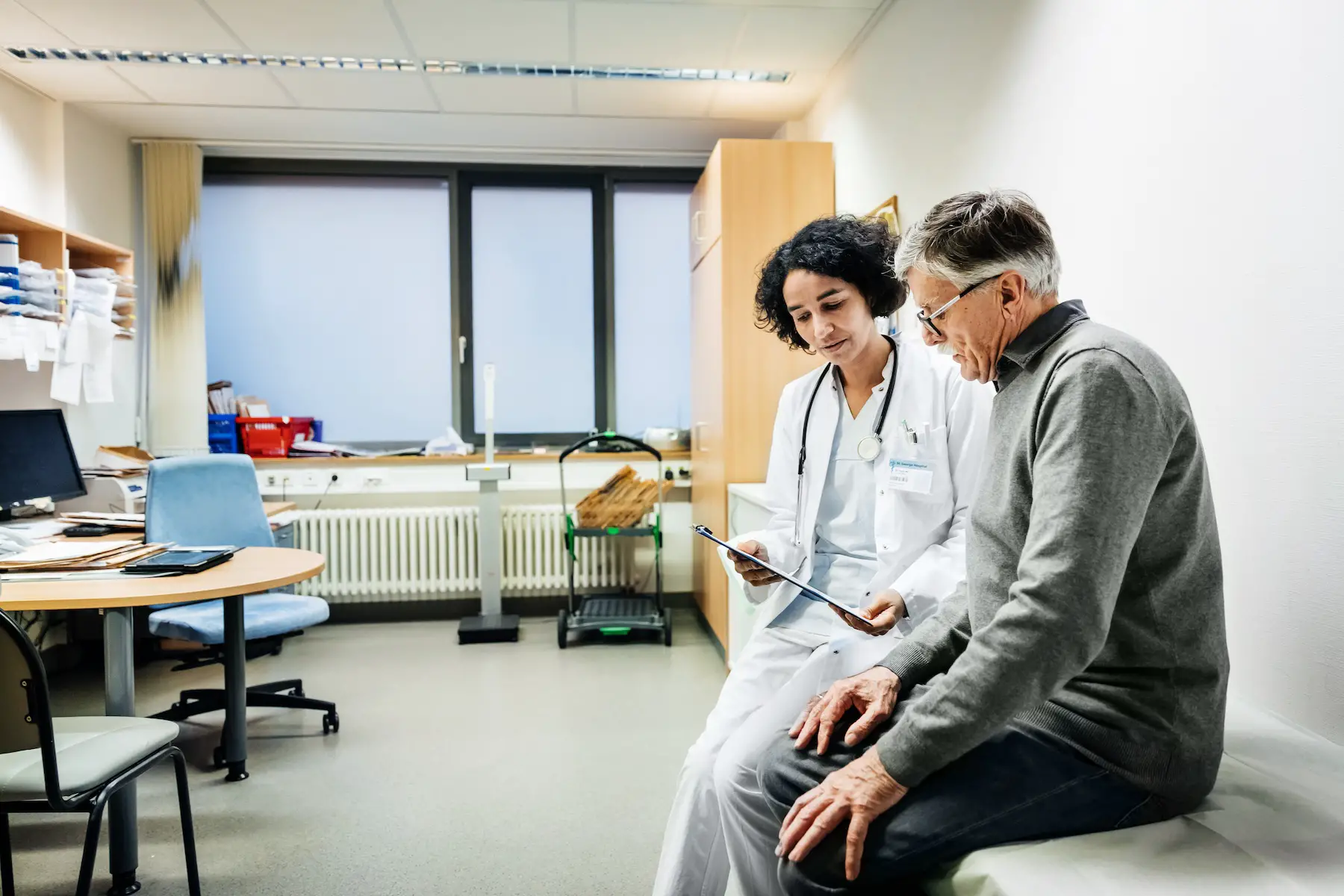
Your médecin traitant refers you to other doctors and specialists, holds and maintains your medical records, and coordinates follow-up treatments. If your médecin traitant refers you, insurance will cover 70% of your healthcare costs, such as medical consultations or treatments. If you choose your own specialist, then your medical fees may be higher and you will receive a smaller reimbursement.
Keep in mind that you don’t need a referral to see a gynecologist, pediatrician, or ophthalmologist, you can consult them directly.
French dentists
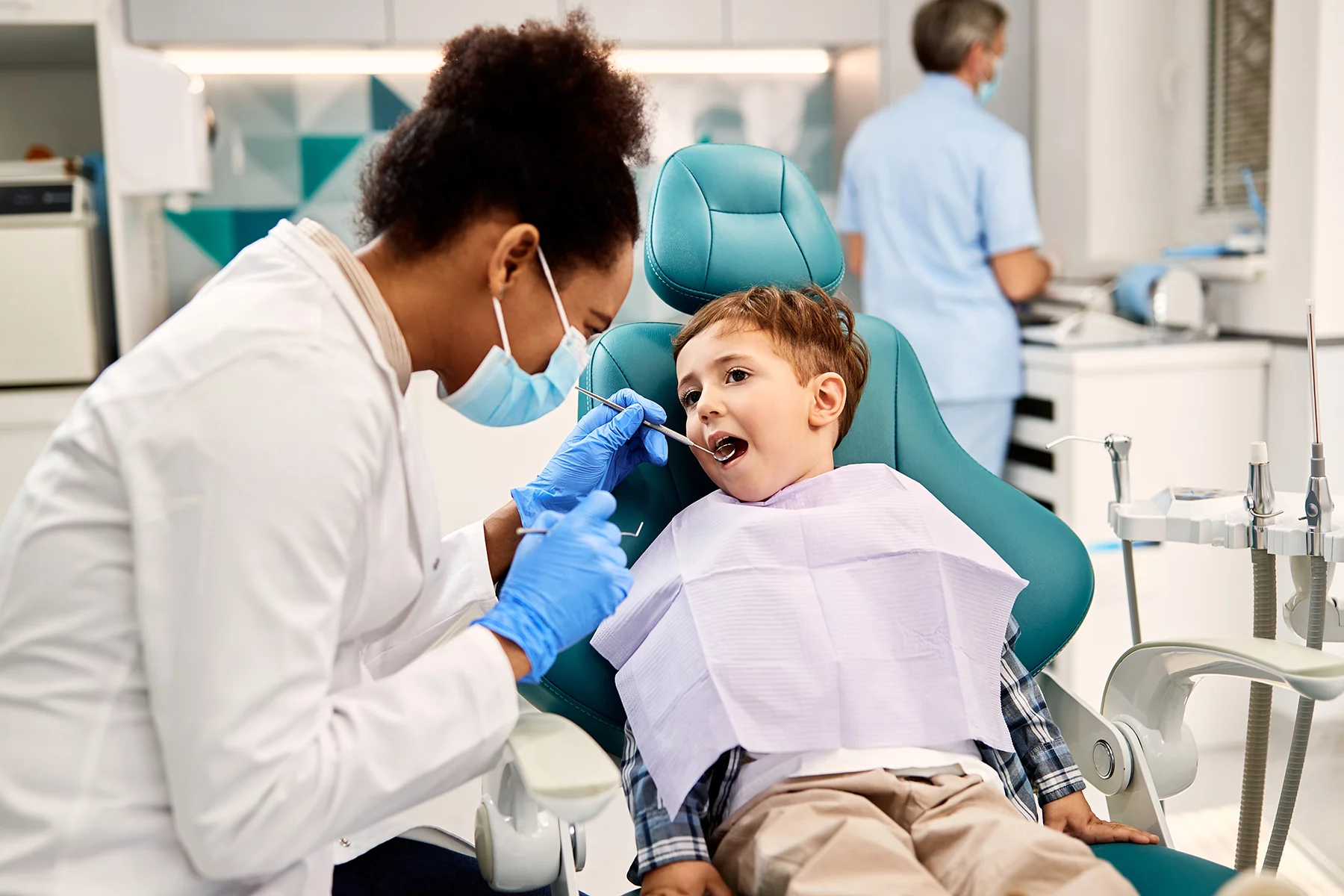
In France, you are free to go to any dentist you like and you don’t have to go to the same provider for all of your treatments. Most dentists work within the public French healthcare system, and costs are reimbursed in the same way as other medical treatments.
Dental charges for most adults are reimbursed at 70%, while children’s checkups are reimbursed 100%. However, the state healthcare system does not cover some procedures – for example, braces – so you will have to pay for this out of pocket unless you have top-up coverage.
French healthcare facilities
Health centers and clinics
Many health professionals – including doctors, dentists, and physicians – work in health centers (centres de sante) across France. There are a total of 1,600 centres de sante in various cities around the country. If you need to see a specialist, it’s possible they might be based at a centre de santé. You can search for the one nearest you on the National Federation of Health Centers (Fédération Nationale des Centres de Santé) website.
There are also sexual health centers (centres de santé sexuelle) that provide services such as contraception, parenting advice, sexually transmitted disease testing, and abortions. You can find out more information and search for services in your area on the Planning Familial website.
Editor in Chief
Marie-Charlotte Pezé
Insider tip: Clinique vs Clinic
Watch out! The French word clinique is a false friend. While in most of the English-speaking world, “clinic” describes an outpatient community-oriented medical center, in France “clinique” is actually the word for a private hospital.
Hospitals in France
There are two types of French hospitals: state-run hôpitaux and privately run cliniques. Both are often state-approved and work under the healthcare system in France, so your doctor can refer you to either one.
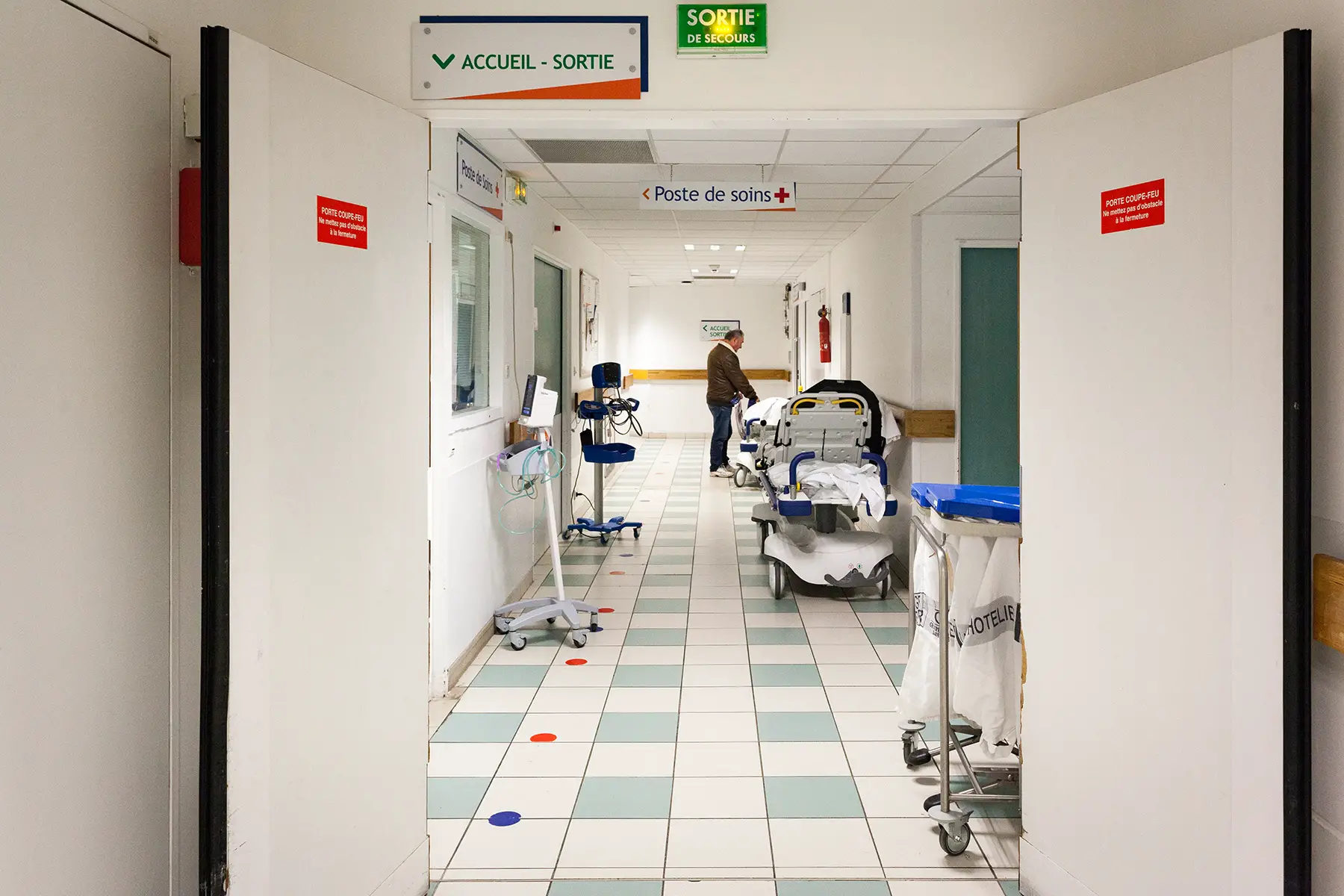
French universal healthcare reimburses around 80% of hospital charges. However, the board and lodging costs of a hospital stay are not reimbursed; this is where top-up insurance is useful, such as with AXA.
If you need immediate medical assistance, go the nearest hospital’s emergency room (urgences). You can also call 112 (114 for hearing assisted), which is the free pan-European number for any type of emergency.
Overcrowded emergency rooms are a serious issue across Europe, and they often have very long waiting times if your case is not life-threatening. For help with a non-emergency medical incident that occurs outside of clinic hours, you can call 116 117 to speak to an on-call doctor available 24/7.
Editor in Chief
Marie-Charlotte Pezé
Insider tip: SOS Médecins
Your child is running a fever or you have debilitating stomach pains? If it doesn’t feel like a life-threatening situation, there’s no need to make your way to the emergency room. France has an amazing 24/7 on-call service called SOS Médecins. Contact them via their website or by dialing 3624, and they’ll send a doctor to your home.


French pharmacies
You won’t have any trouble finding a pharmacy (pharmacie) in France as there are more than 20,000 across the country. French doctors typically don’t hesitate to prescribe medications when appropriate, so this increases the need for widespread pharmacies.

Once you take your prescription to a pharmacy, you will be expected to pay part of the cost of the medication, depending on the drug and your insurance. The amount reimbursed by public universal healthcare is either 15, 30, 65, or 100%.
In larger towns and shopping centers, pharmacies are usually open Monday to Saturday from 8:30–19:30; in smaller towns, they may close for lunch between 12:00 and 14:00. One pharmacy in each area will open on Sundays and after hours. To find this emergency pharmacy, look in the window of other pharmacies, call 3237, or check the website of the pharmacies de garde.
Specialized healthcare in France
Women’s healthcare in France
Gynecologists in France are fully accessible through public health insurance, meaning you don’t need a doctor’s referral to visit one. You can find French gynecologists on the Ameli website or through a database of feminist doctors.
For more information, read our detailed articles on women’s healthcare, pregnancy, and sexual and reproductive health in France.


Children’s healthcare in France
Children in France are automatically eligible for healthcare, regardless of nationality. Until the age of 18, children are automatically covered by their parent’s health insurance, but they can request their own insurance card or PUMa once they turn 16. Minors are exempt from the co-payment that apply to adult healthcare, including most dental care.
You can register your child with a family GP (médecin traitant) but most children in France visit a pediatrician (pédiatre).
Childhood health prevention
Children have 20 compulsory screenings from birth up until age 16, with yearly follow-ups recommended after this. These screenings check for health issues such as:
- Genetic diseases, like sickle cell anemia and cystic fibrosis
- Hearing disorders
- Visual disorders
- Language and learning problems
- Diabetes
France has a detailed vaccination schedule for children aged 0 to 13.


French healthcare for retirees and seniors
France boasts a life expectancy of 85.2 for women and 79.3 for men. A quarter of the population is over 60, so Santé Publique France promotes healthy aging and monitors chronic diseases.
The French public healthcare system covers all residents, and retirees are among the groups prioritized for health checkups (bilan de santé) and vaccinations, such as COVID-19, flu, and shingles.
While universal healthcare covers costs in great part, private insurance offers 100% reimbursements, more comprehensive care, and quicker access to specialists. Some insurers provide dedicated individual plans for seniors, such as Cigna Global.

The French government also provides resources to navigate senior care, including explanations of the personalized autonomy allowance (Allocation personalisée d’autonomie – APA). This financial support allows older people to continue living at home, and assists with the costs of:
- Home help
- Equipment (e.g., stairlifts)
- Hygiene supplies
- Meals
- Transport expenses
- Day centers
- Family caregiver expenses
For those needing more extensive care, retirement homes for over-60s (établissements d’hébergement pour personnes âgées dépendantes – EHPAD) offer residential support (including for people with neurodegenerative diseases), medical care, events, and activities.
For advice and support on growing older in France, you can read more about healthcare for seniors in France or visit your local information center for older people (point d’information local dédié aux personnes âgées).

Mental healthcare in France
In France, state mental healthcare is provided through psychological medical centers (centre medico psychologique – CMP). You will need a referral from your doctor for most treatment in the CMP.
If, like most French people, you see a psychiatrist or psychologist in their private practice outside of the CMP, you will be reimbursed at the same rate as for medical services. However, you will not get a reimbursement for the cost of private treatment unless you have private health insurance.
You can find English-speaking therapists on the Counselling in France website. Many of these will provide only private services.

Alternative medicine in France
The French healthcare industry recognizes alternative and complementary medicine.
The most popular types of alternative medicine in France are:
- Homeopathy
- Acupuncture
- Herbal medicine
- Water cures
- Chiropractic
People use these for minor ailments, chronic conditions, and preventive care. Anyone who practices alternative or complementary therapy in France must register with the Professional Society of Physicians (Société Francaise de Médecine Générale – SFMG). Many standard doctors and physicians in France offer some form of alternative therapy as a treatment option.
Treatments like homeopathy, acupuncture, osteopathy, and chiropractic can be covered by universal health insurance if they are performed by qualified professionals. Insurance does not cover other treatments, such as reflexology. Check with private health insurance providers to obtain comprehensive alternative medicine coverage.
Practical medical phrases in French
Some useful phrases and vocabulary to learn are:
| English | French |
| Help! | Au secours! |
| Call an ambulance! | Appelez une ambulance! |
| I’ve had an accident | J’ai eu un accident |
| I feel like I’m dying | Je sens que je suis en train de mourir |
| doctor’s office | cabinet médical |
| pain | douleur |
| headache | mal à la tête |
| stomach ache | mal au ventre |
| fever | fièvre |
| cough | toux |
| food poisoning | intoxication alimentaire |
| heart attack | crise cardiaque |
| prescription | ordonnance |
| vaccine | vaccin |
| x-ray | radio (graphie) |
| CT scan | tomodensitométrie (TDM) |
Useful resources
- Ministère de la Santé et de la Prévention – French government agency that oversees healthcare
- Complementary Solidarity Health Fund (Complementaire Santé Solidaire) – information about accessing healthcare for those on a low income
- Ameli – Website of the CPAM, the official administrative body of French healthcare. It contains a mine of healthcare information and advice. There is also an English-speaking advice line for information about French healthcare insurance: call 3646 from within France or +33 811 70 36 46 from abroad.
- Cleiss – provides information about healthcare in France and the social security system
- National Federation of Health Centers (Fédération Nationale des Centres de Santé) – find a local health center near you
- Le Planning Familial – information on family planning and centers offering related services
- 3237.fr – find a 24-hour pharmacy


Did you find this guide helpful?