
'%20id='ico-down'%20stroke='%23000000'%20stroke-width='1.5'%3e%3cg%20transform='translate(1092.250000,%20254.750000)'%3e%3cpolyline%20id='Path-2-Copy-4'%20transform='translate(5.500000,%202.750000)%20scale(1,%20-1)%20rotate(-180.000000)%20translate(-5.500000,%20-2.750000)%20'%20points='0%200%205.5%205.5%2011%200'%3e%3c/polyline%3e%3c/g%3e%3c/g%3e%3c/g%3e%3c/svg%3e)


Move
Visas + Immigration
How to get permanent residence in Japan
Learn more about permanent residency in Japan, including the requirements, application costs, and the process of renewal.

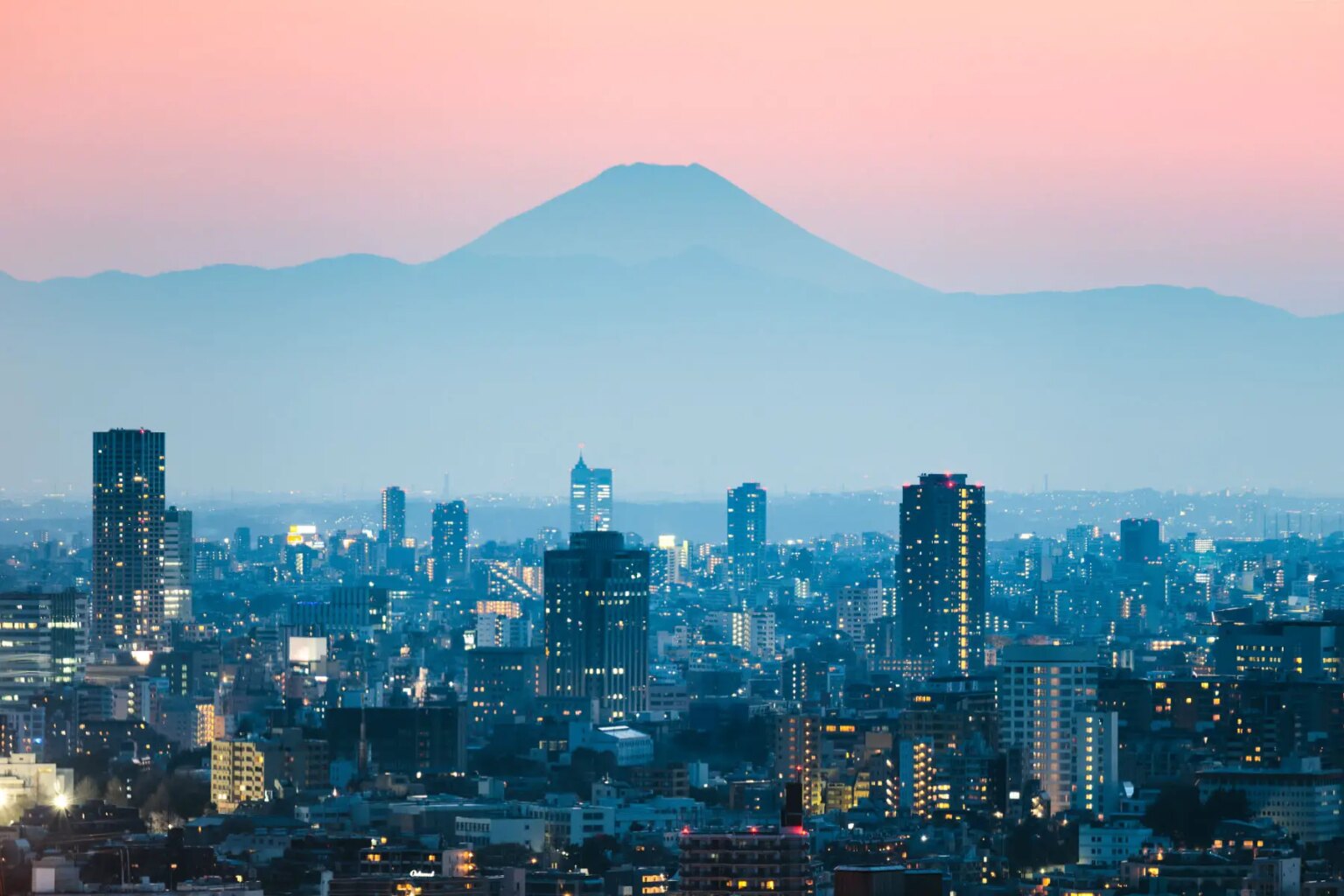
If you have built a life in Japan and you want to upgrade your visa, you can apply for permanent residence after 10 years of legal residence. This status means that you will have some – though not all – of the same rights as fully-fledged Japanese citizens. One of the benefits is that you don’t have to worry about renewing your temporary residence permit every so often.
Read on to discover what permanent residency in Japan entails and how you can apply for it. Sections include:
Use Wise for moving money abroad
Wise offers expatriate-friendly financial services including international money transfers at mid-market exchange rates with transparent, low fees, helping you save money when sending funds to family or managing finances across borders. Their multi-currency account allows you to hold, convert, and spend money in multiple currencies.

Permanent residency in Japan
Most internationals can apply for permanent residence (永住権) after 10 years of living in Japan, provided they meet all other requirements. Highly-skilled professionals can apply even sooner.
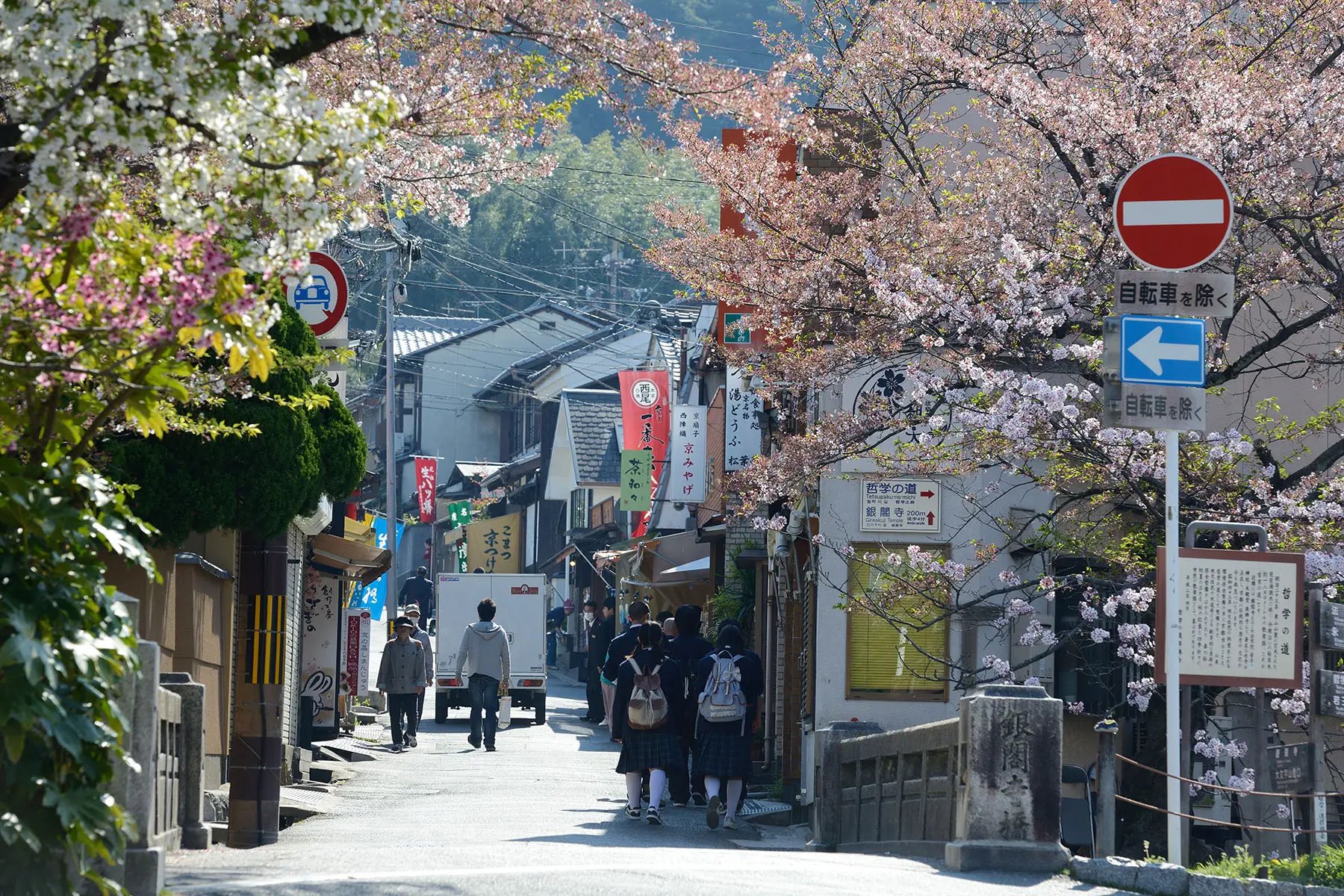
Getting a permanent residence permit is not mandatory, but does provide you with extra benefits – including no longer having to renew or extend your temporary visa.
There were roughly 864,000 expats with permanent residence rights in Japan at the end of 2022. Another 289,000 people had the status of ‘special permanent resident’ (特別永住者). Foreign nationals (and their children) who lost their Japanese citizenship due to the 1952 San Francisco Peace Treaty (i.e., people from the Koreas and Taiwan) qualify for this.

The Japanese Immigration Services Agency (出入国在留管理庁) is responsible for visas and immigration, including permanent residency. This is a part of the Ministry of Justice (MOJ – 法務省).
Difference citizenship vs permanent residence
Both citizenship and permanent residency in Japan come with similar rights. For example, you can:
- Live in Japan indefinitely
- Work for almost any employer and in any kind of (legal) job
- Take out a loan from a Japanese bank
- Access the healthcare, education, and pension systems
That said, there are also some notable differences. For instance, when you become a Japanese citizen (日本国民), you must give up your existing nationality (or nationalities). This is because Japan does not allow dual citizenship.
Other differences include:
- Japanese citizens must speak the language; permanent residents do not have this requirement
- You can become a naturalized citizen after five years and a permanent resident after 10 years (though, this is different for highly-skilled professionals)
- Unlike Japanese citizens, permanent residents of Japan cannot vote, work in public service jobs, or serve in public office
- The authorities can deport permanent residents convicted of a crime. Japanese citizens, however, cannot, and might face prison time.
Requirements for permanent residence in Japan
The most important requirement of permanent residency is that you will need to have lived in Japan for 10 consecutive years. You’ll need to have had a work visa for at least five of those years.

That said, there are some exceptions to this 10-year residency requirement rule. For example, holders of a high-skilled workers visa can apply for permanent residence after three years if they earn 70–80 immigration points, or one year if they score over 80 points.
You can apply after at least five years of legal residence in Japan if you are:
- Someone who has made a significant contribution to the country
- Long-term residents
- Recognized refugees
The residence requirement is reduced to just one year if you are the child or the spouse of a permanent resident (you must be married for at least three years). Note: Japanese law does not recognize same-sex marriages.
Managing Financial Requirements for Japan Permanent Residence
As you prepare for permanent residence in Japan, Wise can help you demonstrate the financial stability required for your application. With transparent fees and the mid-market exchange rate, Wise makes it simple to transfer funds from abroad to meet documentation requirements and maintain the consistent income records that Japanese immigration authorities require.
Learn more about Wise.
Other conditions
In general, other conditions of permanent residence include:
- Good conduct (i.e., you must comply with the law and lead a life that does not raise social criticism)
- Possessing sufficient assets or skills to make an independent living (i.e., do not become a burden on social welfare)
- The application must be considered to be in the interests of Japan, by proving that the applicant:
- Has not been given a fine or been sentenced to imprisonment
- Has appropriately fulfilled their public duties (e.g., paid their taxes, made state pension contributions, and took out public medical insurance)
Children or spouses of Japanese citizens, permanent residents, or special permanent residents are not required to have good conduct or be able to create an independent living. Likewise, refugees are also exempt from the requirement of having the assets or skills to make an independent living.
Required documents
You will need to submit proof to support your application for permanent residency in Japan. Required documents include:
- Completed application form
- Completed letter of consent
- Your passport or Certificate of Eligibility
- If you do not have these, a statement explaining why
- Your residence card and those of all household members
- Note: make sure to omit the My Number (個人番号/マイナンバー)
- Two recent photos
- Note: minors under the age of 16 are not required to submit a photo
- Completed letter of guarantee – usually this will be your parent or spouse
- Proof of your guarantor’s ID (e.g., driver’s license)
- Proof of your and/or your guarantor’s employment (e.g., certificate of employment)
- Proof of your and your guarantor’s income and tax payment status (e.g., copy of bank book)
- Of the past three years if you are a child or spouse of a Japanese citizen, permanent resident, or special permanent resident
- Of the past five years if you are a long-term resident, dependent, or in Japan on a worker’s visa
- Of the past year if you are a highly-skilled foreign professional with 80+ immigration points
- Of the past three years if you are a highly-skilled foreign professional with 70-80 points
- Proof of state pension and public medical insurance contributions
- Note: make sure to omit your basic pension number, medical insurance number, and insured person’s symbol/number
- Of the past two years if you are a spouse
- Of the past year if you are a child
- Of the past two years if you are a long-term resident, dependent, or in Japan on a worker’s visa
- Of the past year if you are a highly-skilled foreign professional with 80+ immigration points
- Of the past two years if you are a highly-skilled foreign professional with 70-80 points
Extra proof for family members
Japan does not grant permanent residency to family members other than spouses and children.
Children or spouses of Japanese citizens, permanent residents, or special permanent residents can apply by providing the above documents, as well as proof of their relationship with the guarantor (e.g., a birth or marriage certificate).
Extra proof for long-term residents, dependents, or those on a worker’s visa
If you are a long-term resident, dependent resident, or in Japan on a worker’s visa, you are required to provide:
- A reason statement why you need to get permanent residence (in or translated into Japanese)
- If you’re a dependent, proof of ID (e.g., birth certificate or family register)
- Proof of assets (e.g., real estate registration certificate)
- Proof of your contributions to Japan (e.g., letters of recommendation or appreciation)
Extra proof for highly-skilled foreign professionals
The additional documentation for highly-skilled workers is the same if you have 70-80 immigration points or 80+ points.
Extra documents include:
- Reason statement why you need to get permanent residency
- Note: If writing in any other language than Japanese, it must be translated
- Proof of the highly-skilled professional point calculation table (e.g., result notification)
- Explanatory documents for each item of point calculation
- Proof of assets
How to apply for Japanese permanent residence
You must apply for permanent residence before your existing visa expires. It’s therefore recommended to start collecting the necessary paperwork well in advance.
Applications can be submitted at the local Regional Immigration Services Bureau (地方出入国在留管理官署) or Immigration Information Center (外国人在留総合インフォメーションセンター). They usually take around four months to process, but, in some extreme cases, could take up to 12 months.
The costs of permanent residency in Japan are ¥8,000, which will need to be paid in revenue stamps (PDF).
If your application is successful, you can follow this online procedure to exchange your residency status to ‘permanent’ on your residence card.
Renewing your permanent residence status in Japan
Once you have been granted permanent residency, you can stay in Japan indefinitely (PDF). However, you will need to renew your residence card.

Residence cards are valid:
- Until your 16th birthday if you are a minor under 16 years of age
- For seven years if you are a (young) adult over the age of 16
Keep in mind that if you leave the country for more than a year, you must apply for a re-entry permit once you want to return to Japan.
Can you lose your permanent residency rights in Japan?
It is possible to lose your permanent residence status in Japan if you:
- Leave the country without a (special) re-entry permit
- Do not return to Japan before the deadline stated by the re-entry permit
- Committed fraud during your application (e.g., by giving a false address)
- Committed a crime and received a prison sentence of more than a year
- Committed a crime related to drugs or sex work
Once you have lost your permanent residence status, you are likely unable to get it back due to the requirement of good conduct.
What should you do if your application is rejected?
Although you might ask the Regional Immigration Services Bureau for the reason behind your rejection, there are no formal means to appeal a decision on your permanent residence application. Instead, you can try to re-apply at a later date.
Useful resources
- Guidance page for newcomers – official welcome guide for foreign newcomers by the Immigration Services Agency of Japan
- Immigration Services Agency of Japan – official government website with information on permanent residency in Japan


Did you find this guide helpful?