'%20id='ico-down'%20stroke='%23000000'%20stroke-width='1.5'%3e%3cg%20transform='translate(1092.250000,%20254.750000)'%3e%3cpolyline%20id='Path-2-Copy-4'%20transform='translate(5.500000,%202.750000)%20scale(1,%20-1)%20rotate(-180.000000)%20translate(-5.500000,%20-2.750000)%20'%20points='0%200%205.5%205.5%2011%200'%3e%3c/polyline%3e%3c/g%3e%3c/g%3e%3c/g%3e%3c/svg%3e)




The digital nomad is a modern concept shaped by the rise of remote work. It refers to people who can do their jobs online while living in a different country from where their employer or clients are based. This lifestyle is especially popular among freelancers and remote workers who can choose where to live without being tied to an office.
Japan is an attractive destination for many of these professionals. It offers a unique culture, high-quality cuisine, and a wide range of natural landscapes. It’s no surprise, then, that Japan has introduced a digital nomad visa.
This Japanese visa is designed for remote workers, freelancers, and self-employed individuals who want to live in Japan temporarily while continuing to work for clients or companies outside the country. In this guide, we will cover:
The Digital Nomad Landscape in Japan
Japan is a technologically advanced country with a developing digital nomad landscape. Just under a quarter of its workforce (24.8%) carry out remote work (2024). To promote the concept of flexible digital work, the Japanese government launched the Digital Nomad visa on 31 March 2024, effective on 1 April 2024. This marked a significant shift, as previously remote workers from abroad could only stay on short-term tourist visas.
Although Japan is not yet a global digital nomad hub on the scale of countries such as Portugal and Thailand, its ecosystem is expanding and the country’s appeal – culture, infrastructure, landscape – is driving increasing attention. Tokyo, the capital city, ranks at 4th on the current Nomad List (2026), with two other Japanese cities (Naha 23rd, Kyoto 58th) in the top 100.
Who is eligible for the Japan Digital Nomad Visa?
The official title of the Digital Nomad visa in Japan is the Specified visa: Designated Activities (Digital Nomad, Spouse or Child of Digital Nomad). It is a temporary six-month Japanese visa for remote workers that is non-extendable, meaning that you have to re-apply for the visa from outside Japan once it expires if you want to stay longer than six months.
Unlike more permanent work visas, it doesn’t offer a pathway to permanent residence or citizenship in Japan. However, it does allow you to live in and work from Japan for up to six months, bringing a dependent spouse and children with you.
To be eligible for a Digital Nomad visa, you must meet the following requirements:
- Be a national from one of over 50 countries with visa/tax agreements with Japan (including the US, the UK, Australia, and France)
- Agree to engage in remote freelance or employment activities for clients or companies based outside Japan
- Have an annual income of at least 10 million JPY (approx. £46,500)
- Have private health insurance coverage
📝 Important note: Income thresholds sometimes change annually based on national minimum wages and average salaries, so it’s a good idea to check regularly for updates.
How to apply for the Japan digital nomad visa (step‑by‑step)
Here are the steps to follow to apply for the Digital Nomad visa.
Step 1: Check your eligibility
Before applying, make sure that you meet the eligibility requirements mentioned above. For example, are you a national of one of the listed countries and do you meet the minimum income threshold?
Step 2: Gather your documents
You will need to supply the following documents as part of your application:
- Completed visa application form along with a photo
- Valid passport
- Certificate of Eligibility (CoE) issued by the Immigration Services Agency of Japan confirming that you meet the visa requirements
- Letter explaining your planned activities and period of stay (if you don’t have a CoE)
- Proof that you meet the minimum income threshold, e.g., tax certificate, income certificate, employment contract (if you don’t have a CoE)
- Proof of health insurance (at least 10 million JPY of coverage)
- Passports, proof of relationship, and health insurance coverage for any dependent spouse or children included in the application
Step 3: Apply for your visa
You can apply for your visa through the Japanese embassy or consulate in your home country, following their specific procedures. While some embassies allow online appointment booking or initial document screening, you must generally submit applications in person or by post, and a fully online application is not currently available.
Processing time and visa fees
It usually takes around five working days for the Japanese authorities to process your visa once they have received it. However, it can sometimes take longer if there are large numbers of visas to process, or if there is a problem with your application (e.g., missing documents or incomplete information).
The current cost of the Digital Nomad visa is approximately 15,000 JPY for a single-entry visa and approximately 30,000 JPY for a multiple-entry visa, following a fee revision effective 1 July 2026. Check the Ministry of Foreign Affairs (MOFA) website for up-to-date fees.
Financial Planning for Your Move
Financial preparation for your move to Japan involves budgeting for various different costs. These include:
- Visa fees: Currently 15,000 JPY (single-entry) or 30,000 JPY (multi-entry).
- Proof of funds: While you don’t have to deposit any funds into a Japanese account, you will need to show that you meet minimum income requirements to obtain your visa.
- Housing costs: You will probably be renting accommodation in Japan as a temporary resident, which means having available funds for a deposit and first rent payment.
- Relocation costs: These include travel costs (flights to Japan) and any costs of relocating your personal (or business) belongings/equipment that you’ll need in Japan.
- Living costs: It’s a good idea to research the cost of living in Japan so that you know what you’ll need to budget for.
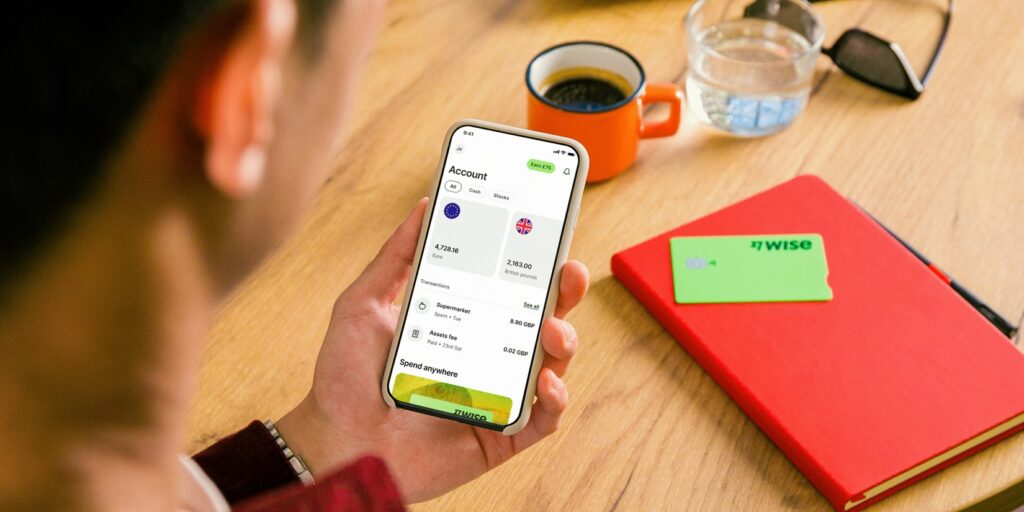
When moving large sums of money abroad to pay for deposits or fees, hidden bank fees and exchange rate markups can soon add up, increasing the cost of your move. Opening a multi-currency account with a provider like Wise can help nomads manage JPY and their home currency in one place.
Wise allows you to hold funds^ in 40+ currencies for exchange/spend purposes and order a debit card for everyday spending in 160+ countries. Conversions use the mid-market rate with no hidden fees, so you’ll get no surprises when you check your bank account.

Wise uses the mid‑market rate; a fee applies and varies by route, currency and payment method. See pricing at wise.com for details. Exchange rates are variable. Third‑party charges (e.g., ATM owners) may apply. In Japan, Wise issues a Mastercard debit card. Apple Pay and Google Pay are not supported. Credit card pay‑in for transfers is not available in Japan.
^In Japan, Balance is a Type 2 Funds Transfer activity. Transfers from Balance are limited to JPY 1,000,000 per transaction. Funds should be held for exchange/spend purposes; avoid using the Balance to ‘save’ or ‘store’ long‑term.

Writer
Gary
Insider Tip
Upfront costs can be high in Japan, particularly when it comes to arranging short-term accommodation. Serviced apartments are the easiest option, but pricier – and the advance payments can eat into your budget. Consider living somewhere with lower living costs outside of Tokyo or Kyoto. This can help make your finances go further.
Taxes and Social Security in Japan
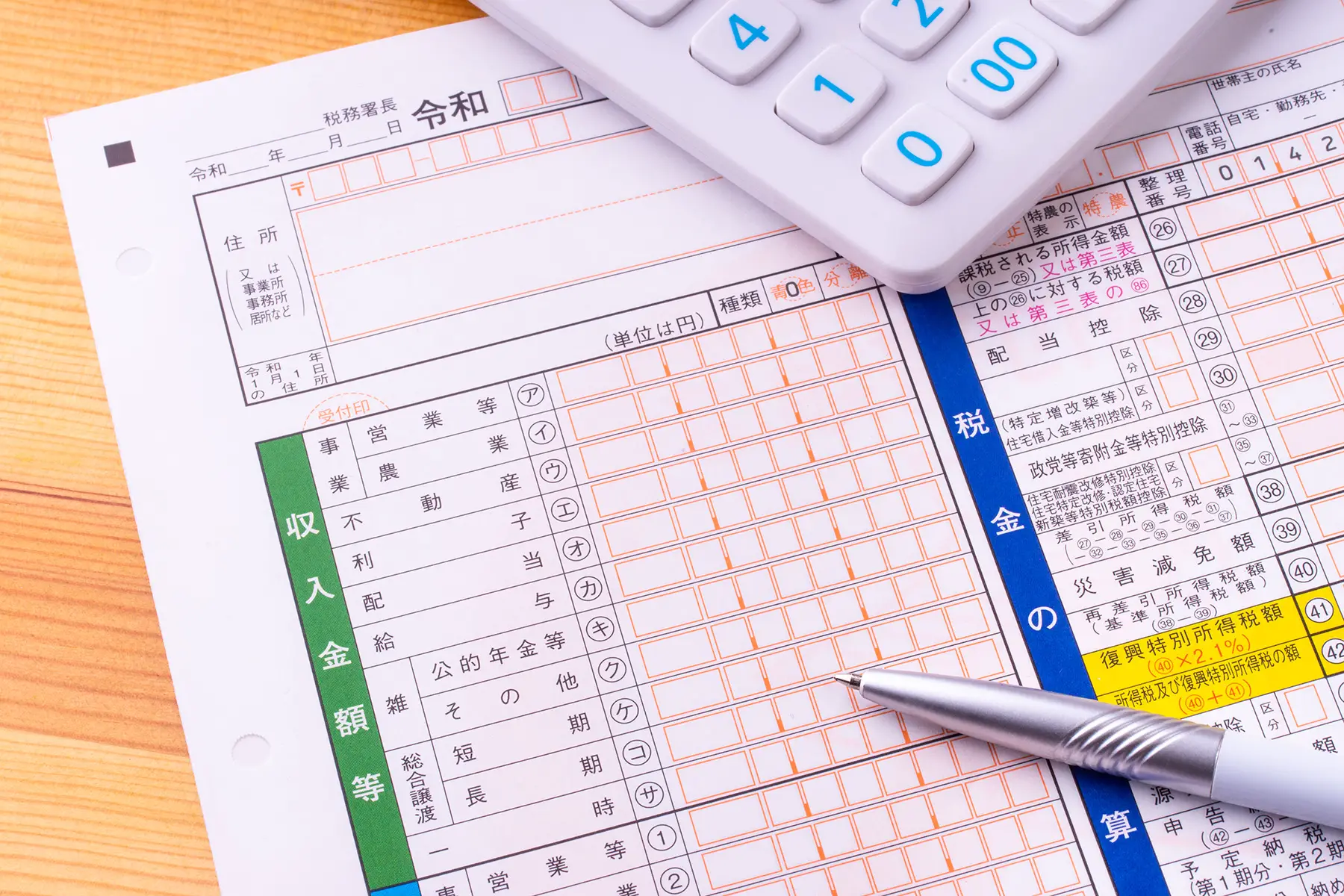
Under Japanese tax laws, non-residents generally only pay tax on income earned in Japan. Digital nomad visa holders are typically structured to remain non-residents and, as their income is from a foreign source, they generally don’t have to pay any Japanese income tax – although they will be liable if they earn any income from a Japanese source.
If a visa-holder stays in Japan and becomes a tax resident, they may be classified as a non-permanent resident and taxed on Japan-source income and foreign income remitted to Japan, usually at progressive rates. The Digital Nomad visa is currently only available to countries with double tax treaties with Japan, which reduce the risk of being taxed twice on the same income.
Digital Nomad visa applicants must have private medical insurance with at least JPY 10 million of medical treatment coverage. Whether you must/can enroll in National Health Insurance (NHI) may depend on residence registration and local rules—confirm with your municipality.
Setting Up Your Life: Housing & Healthcare
If you move to Japan on a Digital Nomad visa, you will probably rent your accommodation. There are a variety of options available – including apartments, houses, shared accommodation, and serviced apartments – but standard rental contracts are typically one or two years.
For this reason, short-term options such as serviced apartments, monthly rentals, or foreigner-friendly share houses are often more practical. Serviced apartments, in particular, are a convenient choice for temporary residents, as they are usually fully furnished and available on flexible lease terms.
However, costs can be high, and you’ll usually have to pay a deposit (typically around two months’ rent), your upfront first rent (usually 1–2 months), key money, and agent fees.
During your stay, you will have access to Japan’s high-quality healthcare system. However, Digital Nomad visa holders are generally not eligible for the national public health insurance scheme, making private health insurance essential. With private insurance, you can access both public and private medical facilities, although you will often need to pay upfront and claim reimbursement later, depending on your policy.
You can also consider a global health insurance policy with expat-friendly international coverage. Providers in Japan include:
- Allianz Care
- Cigna Global

Banking and Managing Money as a Nomad
Opening a Japanese bank account to manage your finances can be difficult as a digital nomad. Many Japanese banks require long-term visas and residence cards. Furthermore, banks that do offer accounts for short-term residents can be costly for those receiving payments from abroad.
A common challenge for digital nomads in Japan is receiving foreign payments from international clients or employers and converting them into JPY for local use to pay for rent, utilities, and day-to-day shopping bills. Some providers may charge foreign transaction or international transfer fees and add an exchange‑rate markup. Check your provider’s fees.
Services like Wise can be useful for managing money across multiple currencies. The Wise multi-currency account allows you to hold and convert 40+ currencies as well as use a debit card for local spending.
Funds are converted using the mid-market rate with transparent fees. You can typically open an account online using your ID and address, which helps avoid the eligibility hurdles and paperwork often required by local banks.
Checklist: Before You Go
✅ Check your passport validity before applying for your visa. You will need at least six months remaining before the expiry date.
✅ Ensure that you have evidence to show that you meet the minimum income threshold
✅ Secure your remote work contract(s) to ensure you have sufficient work for when you arrive in Japan on your Digital Nomad visa
✅ Set up a flexible way to manage your money and make payments in JPY, for example a Wise multi-currency account
Useful Resources
- Ministry of Foreign Affairs of Japan – link to official information on the Digital Nomad visa (accessed 24 April 2026)
- Expatica guide to the healthcare system in Japan (accessed 24 April 2026)
- Expatica guide to renting in Japan (accessed 24 April 2026)
- Wise Japan – home page for Wise products and services in Japan (accessed 24 April 2026)