
'%20id='ico-down'%20stroke='%23000000'%20stroke-width='1.5'%3e%3cg%20transform='translate(1092.250000,%20254.750000)'%3e%3cpolyline%20id='Path-2-Copy-4'%20transform='translate(5.500000,%202.750000)%20scale(1,%20-1)%20rotate(-180.000000)%20translate(-5.500000,%20-2.750000)%20'%20points='0%200%205.5%205.5%2011%200'%3e%3c/polyline%3e%3c/g%3e%3c/g%3e%3c/g%3e%3c/svg%3e)


Finance
Retirement
Pensions in Japan
Learn about pensions in Japan, including age requirements, contributions, and applying for the Japanese state pension.

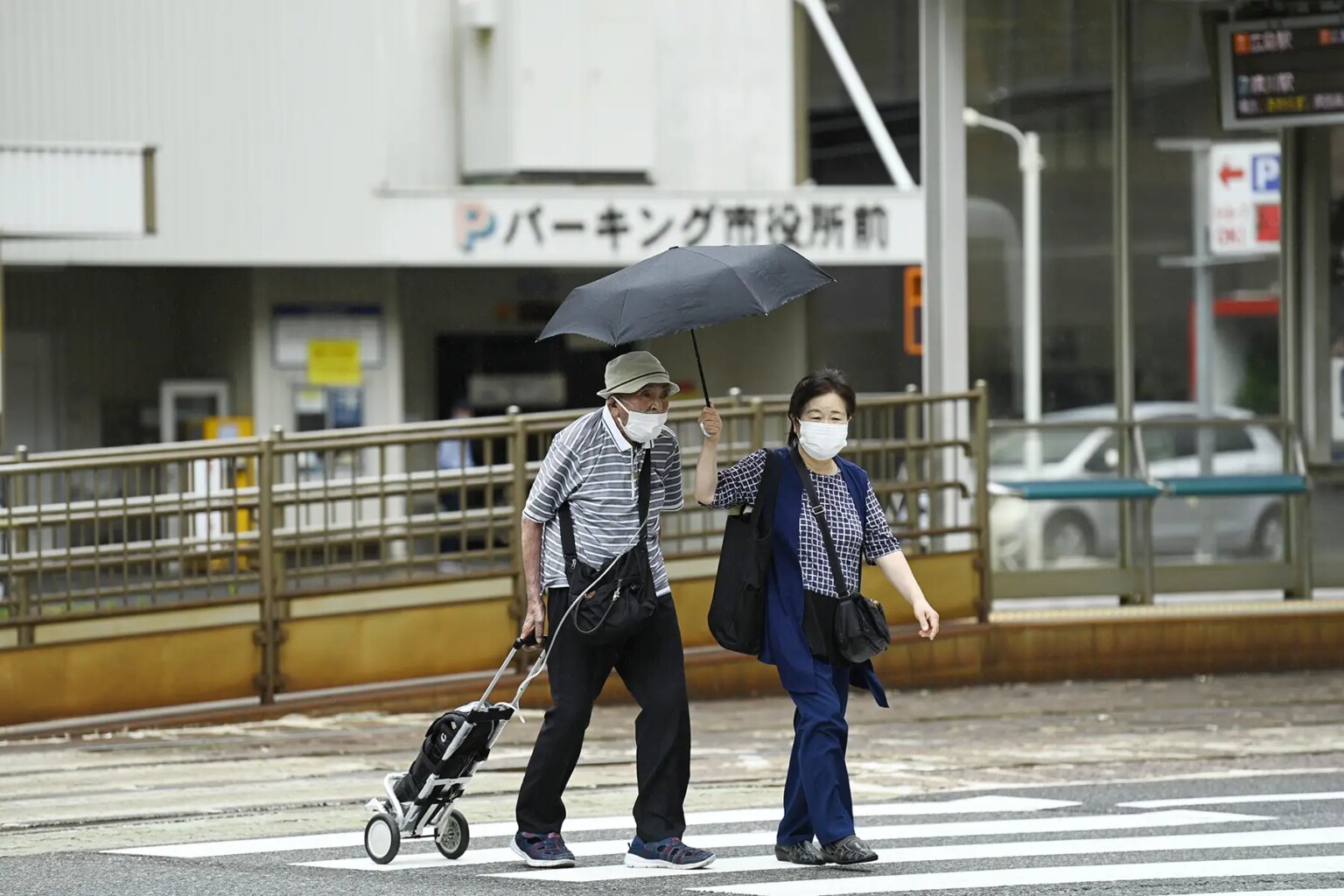
As an expat working in Japan, it’s important to plan ahead and think about how you’ll fund your retirement (退職). However, getting to grips with Japan’s pension system can be tricky at first. It consists of the state pension and compulsory workplace pensions and has recently come under scrutiny, with the government facing challenges presented by an aging population and labor shortages.
Furthermore, there is an extra layer of complexity – the rules for transferring them from your home country vary. Read on to learn the basics of Japanese pensions (年金), including advice on the following:
The Japanese pension system
Japan’s pension system has two pillars – the basic state pension (国民年金) and employment-related pensions (厚生年金保険). The Japan Pension Service (日本年金機構), part of the Ministry of Health, Labour and Welfare (厚生労働省), oversees the scheme.
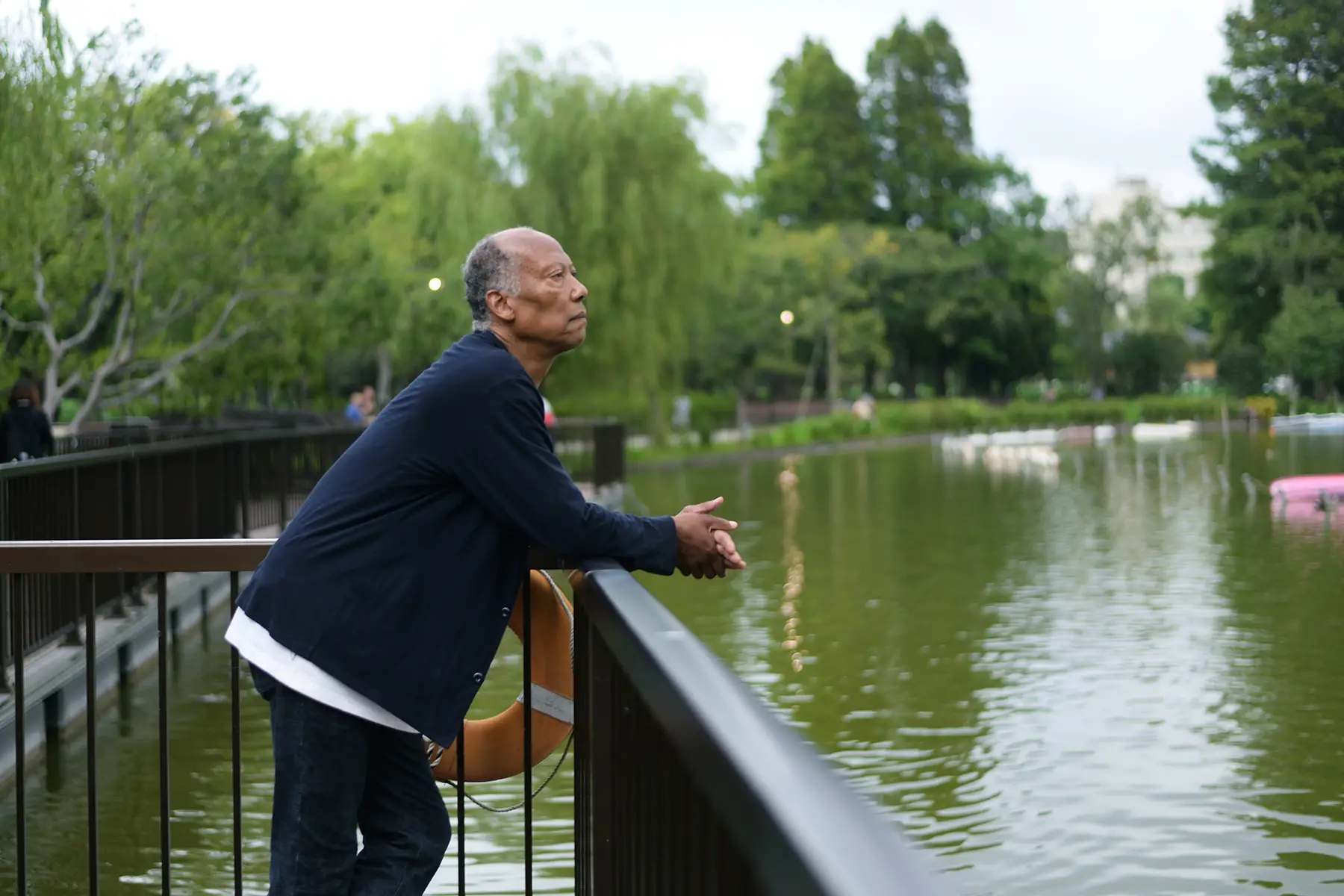
Japan spends around 9.4% of its GDP on public pensions, compared to an OECD average (PDF) of 7.7%. The country’s pensions are a hot topic, as the population has a large proportion of seniors (高齢者). Data from the Japanese Ministry of Internal Affairs (総務省) shows over-65s make up 29% of Japan’s population. This is expected to rise to 38% by 2065.
Japan has a relatively small basic pension. This has resulted in many residents working longer, sometimes well beyond the standard retirement age. Overall, around nine million over 65s are still in work – 14% of the country’s population. Businesses in Japan are being encouraged to offer employment opportunities for older citizens, such as rehiring people beyond retirement age or providing them fixed-term contracts.
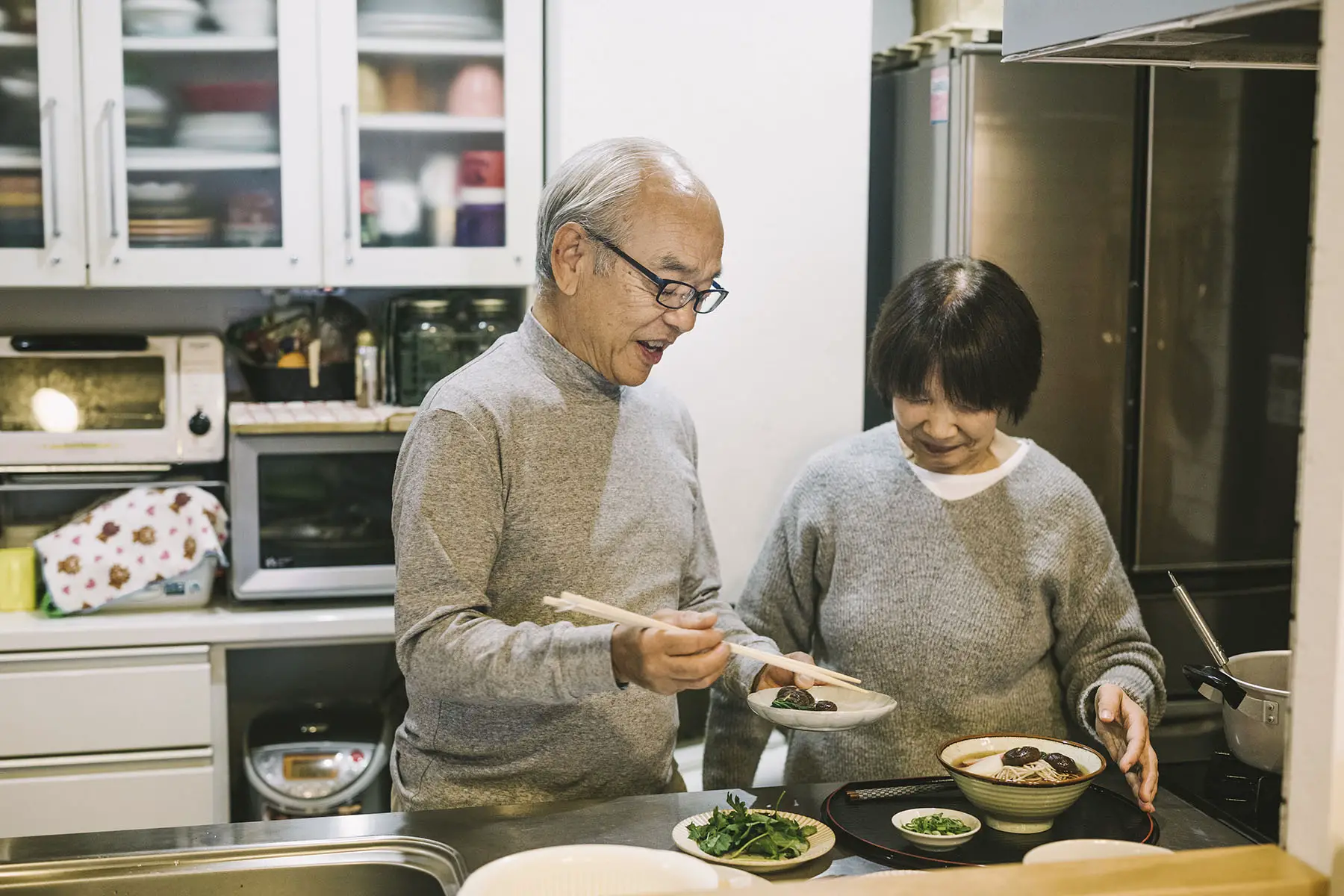
Labor shortages are also taking a toll. As a result, the Japanese government has increased the retirement age for civil servants and local government workers to 61 in 2023, up from 60 in 2022. This figure will continue to rise every other year until it reaches 65 in 2031.
Pensions advice and support in Japan
Pension contributions and entitlements can be difficult to get your head around, especially when you’ve just moved to a new country. With this in mind, it’s a good idea to get expert advice. The following organizations can help you to assess your Japanese pension options:
- Japan Pension Service – provides local pension consultation centers where residents can get advice on their retirement finances
- Japan Association for Financial Planners (日本ファイナンシャル・プランナーズ協会) – a non-profit organization promoting financial planning and certifying finance professionals
Who is eligible for pensions in Japan?
Pension age in Japan
Japan’s state pension is called the National Pension System (NPS) (国民年金). The standard state pension age is 65, and pension contributions are compulsory for anyone between 20 and 59 living in Japan, regardless of nationality. From the age of 60, payments become voluntary.
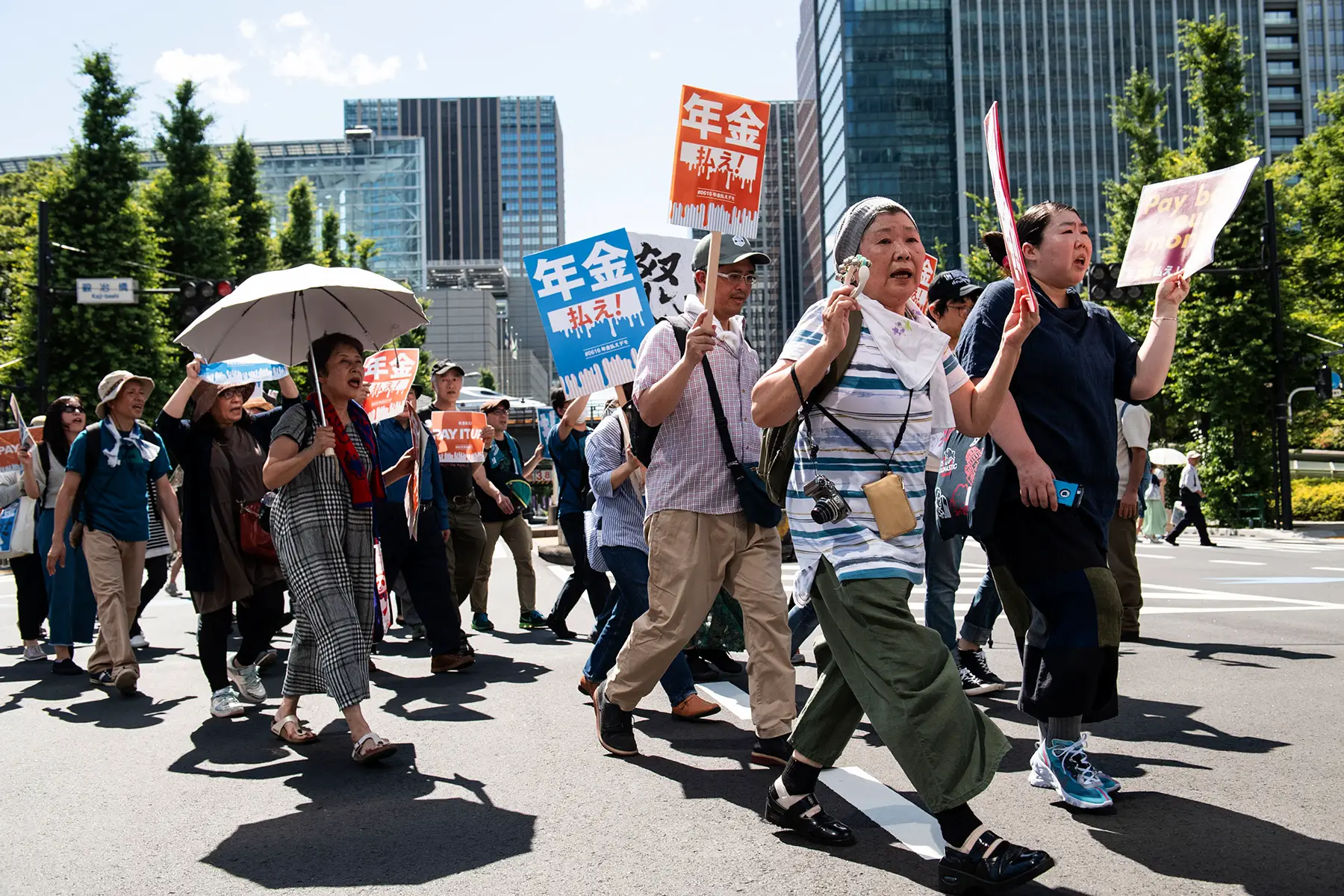
The contribution rate is fixed for all citizens. State pension contributions cover the payment of the basic old-age pension and other benefits such as disability and survivor’s pensions.
People living in Japan fall into three categories for pension purposes:
- Residents covered exclusively by the state pension – This category includes people aged 20 to 59 who aren’t covered by workplace pensions. It also includes students and self-employed workers (自営業者). They receive notice of their pension contributions and details of how to pay them.
- Employees in Japan covered by Employees’ Pension Insurance (EPI) – Contributions to the EPI system are deducted directly from your salary.
- Dependent spouses of workers in category 2 – Residents in this category are covered by the contributions paid by their spouse.
What happens if you’re not eligible for a full pension?
To receive a full Japanese state pension, you must be 65 years old and have made 40 years of contributions. If you have not paid into the system long enough, your pension benefit will be calculated pro rata. The minimum required for a partial state pension is 10 years of contributions.
Can you access your pension early?
You can access your pension early from age 60 (known as ‘early payment’ – 繰上げ受給,), but you will receive a lower sum than if you worked until 65. People accessing their pension at 60 receive 76% of the amount they would at 65.
Likewise, you can choose to work beyond 65 to build up more years of contributions (‘delayed payment’ – 繰下げ受給). If you work until 75, you’ll receive 184% of the amount you would have received at 65. For more information, see the ‘option of early payment or delayed payment’ section of the Japan Pension Service’s website.
Workplace pensions
If you work for a company in Japan, you’ll contribute to a workplace pension through the EPI system. Expats working for Japanese companies must pay both state pension and EPI contributions.
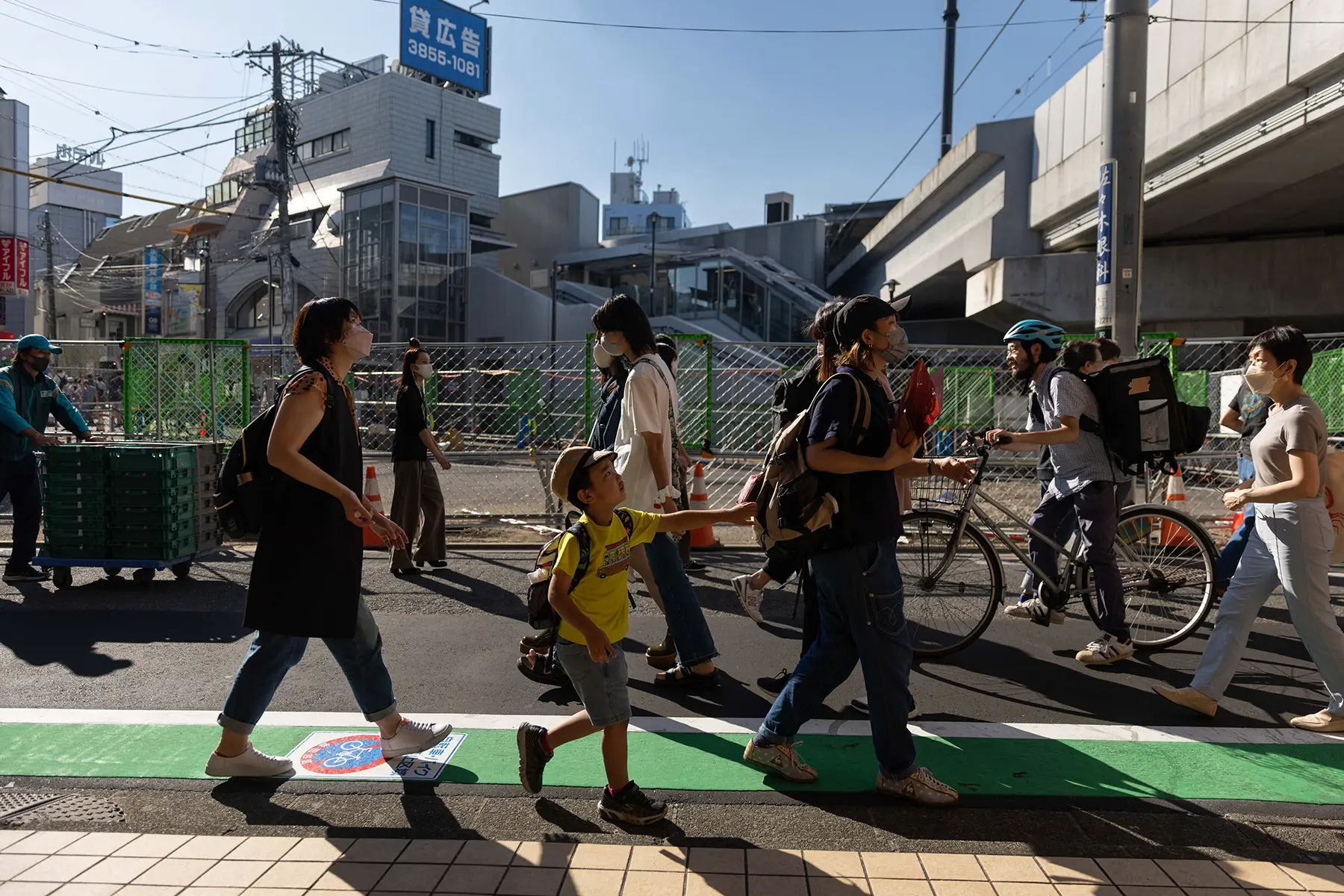
Contributions to the EPI system are split 50/50 between you and your employer, and coverage lasts until age 70.
Pensions in Japan for expats
There are a couple of rules that may benefit internationals planning their retirement in Japan. While the Japanese state pension only pays out to people with at least 10 years of contributions, the country has social security agreements with many nations.
These agreements have two purposes – first, they can prevent internationals from having to make state pension contributions in both Japan and their home country (known as ‘dual coverage’). In some cases, they also allow expats to combine (or ‘totalize‘) their contribution periods in both countries.
Japan has agreements with 22 countries, including Australia, Canada, France, the United Kingdom, and the United States. Some relate to both dual coverage and totalization, while others only relate to dual coverage. You can see the latest list on the Japan Pension Service website.
Japan also has a lump-sum withdrawal scheme for non-Japanese citizens. This allows people who’ve paid into the state pension system for less than 10 years to reclaim some of their contributions if they leave the country. To qualify, you must have made at least six months’ worth of contributions to the state pension or EPI and not have been eligible for other pension benefits.
The maximum you can reclaim is five years of contributions (PDF), and tax on the lump sum is payable at 20.42%.
Japanese pension rates and contributions
In 2023, the standard state pension contribution in Japan is ¥16,520 per month (PDF). Residents can boost their contributions by a further ¥400 per month under a voluntary payment plan. Pension contributions can be made online and at banks, post offices, and convenience stores (コンビニ, konbini) by providing a payment notice (納付書) from the Pension Service.
The basic state pension, based on 40 years of contributions, pays out ¥795,000 per year in 2023. The exact amount you’ll receive varies depending on the number of years you’ve contributed and your retirement age.
Supplementary pensions in Japan
Anyone working for a Japanese company must pay into the EPI system. Contributions are split between the employee and their employer.
For 2023, the standard contribution is 18.3% of salary, with the employer and employee each paying 9.15%. Your employer is responsible for enrolling you in the pension plan and deducting your contribution from your paycheck. It then sends both payments to the Pension Service. Contributions are only payable on the first ¥650,000 of monthly wage.
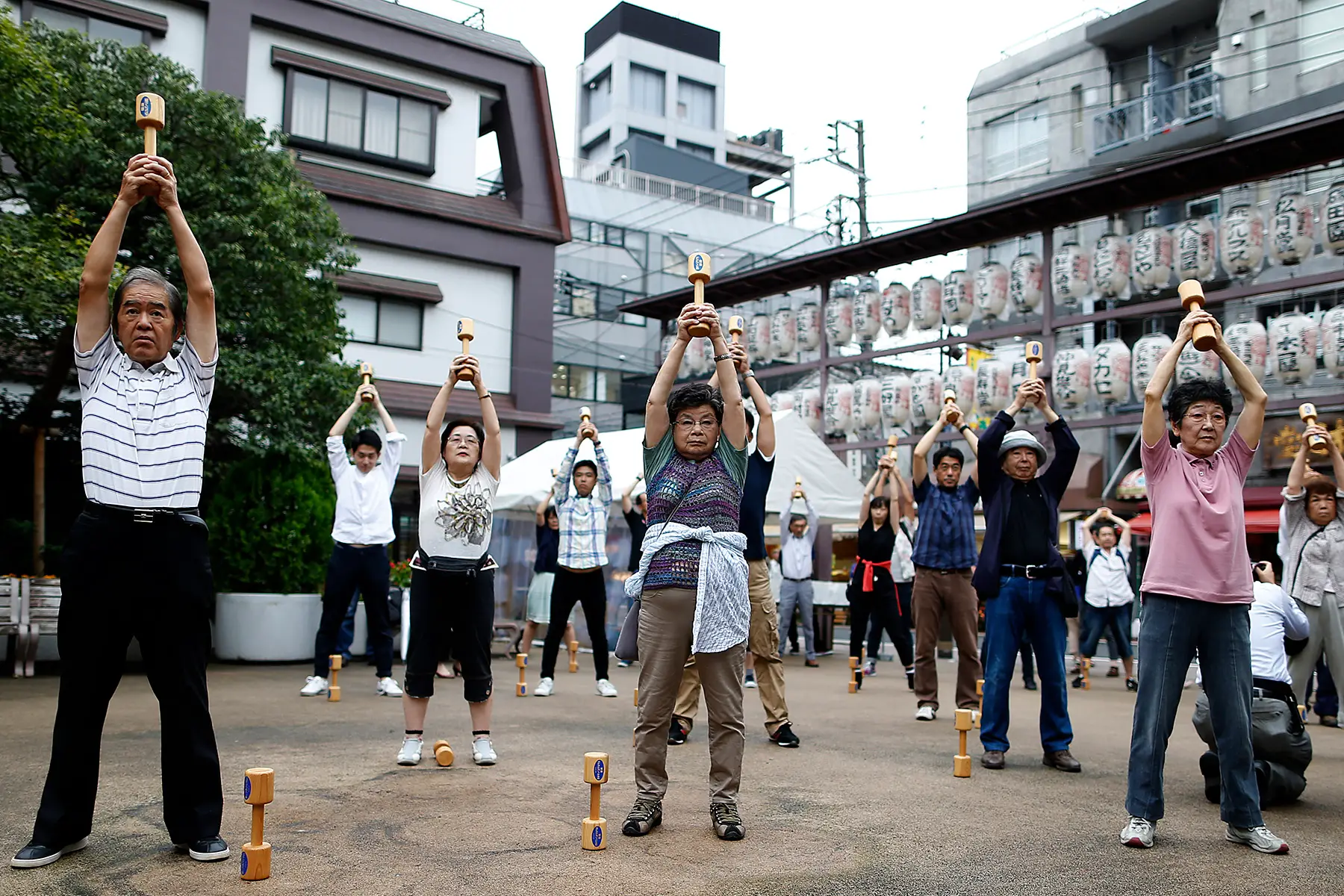
Working out exactly how much you might receive from the EPI system can be very complicated, so it’s worth taking personalized advice from a pension expert.
Non-contributory pensions and other support for low earners in Japan
If you can’t afford to pay your state pension contribution, you can apply for the contribution exemption system (PDF) or contribution postponement system. These schemes allow you to benefit from coverage without making contributions yourself. You must be under 50 to apply and prove that you and your spouse earn below a certain income.
If your application is approved, you may receive a full or partial exemption of your payment. For details on how to apply, see this step-by-step guide.
A special payment system is also in place for students. This allows them access to social security benefits such as public healthcare without needing to contribute while they’re studying. Students must apply for an exemption at their local municipal office (役所).
Other pensions in Japan
- Disability pension (障害年金,): a disability pension is payable to people with Grade 1 or Grade 2 disabilities who have previously contributed to the Japanese state pension or have been exempt due to their age. In 2023, Grade 1 disability pensions are payable at ¥993,750 per year and Grade 2 disability pensions at ¥795,000 per year. Additional sums are paid if you have dependent children. For the first and second child, you’ll receive an additional ¥228,700. For any subsequent children, the payment is ¥76,200.
- Survivor’s pension (遺族年金): if someone dies while contributing to the state pension, a basic survivor’s pension is payable to their spouse if they had children together. The basic allowance for a spouse caring for one child is ¥1,023,700 per year. The exact amount payable varies depending on when the deceased was born and how dependent children there are. You can find the full rates on the Japanese Pension Service website (see the section titled ‘Survivor’s Basic Pension’).
- Widow’s pension (寡婦年金): this pension is payable to the widow of a resident who has been paying into the state pension but has no qualifying dependents. The widow must have been married to the deceased for at least 10 years and have been financially supported by them.
- Lump-sum death benefit (死亡一時金): this benefit is payable if someone dies without receiving any pension benefits. It is paid to the family member who shared their livelihood with the deceased. The deceased must have made payments for at least three years to qualify.
Applying for your Japanese pension
If you are in category one for pension purposes – and are therefore covered solely by the state pension – you’ll need to register your residence at your local municipal office. Once you have done so, your municipality will add you to the state pension system. If you’re in category two and covered by the EPI, your employer will enroll you.
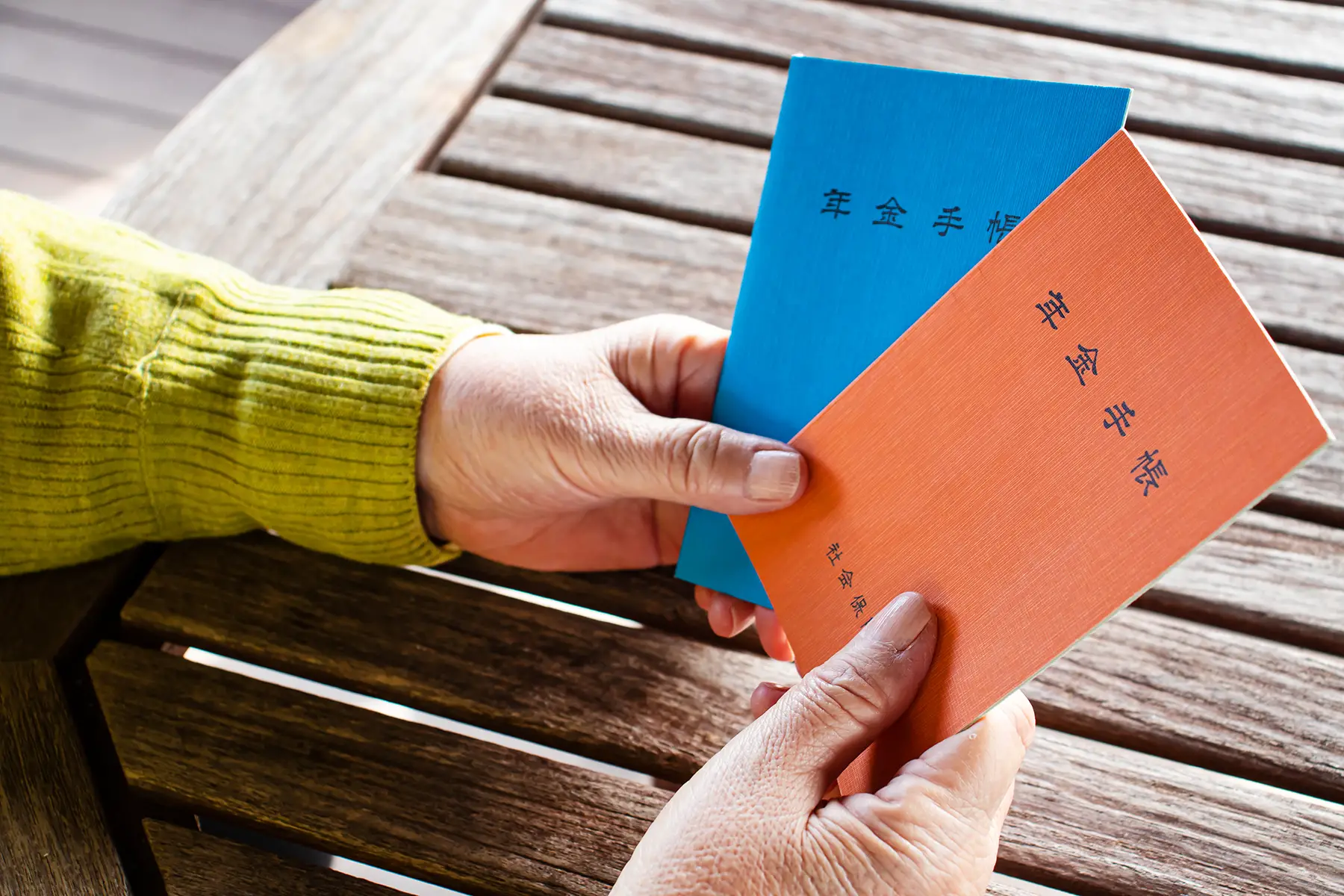
Up until March 2022, you would receive a pension handbook (年金手帳) once you’ve enrolled in the pension system. However, the handbook has been replaced by a new basic pension number notice (年金基礎番号通知書). Keep this safe, as you’ll need it to apply for pension-related benefits.
To claim your state pension upon retirement, you must submit an application form at a local branch of the Japan Pension Service or a Pension Consultation Center (PCC) (年金相談センター). As part of the application, you’ll need to present a document containing your pension number (基礎年金番号) and handbook.
Useful resources
- Japan Pension Service – a guide to the state pension
- List of Japan’s social security treaties
- OECD profile of Japan’s pension system


Did you find this guide helpful?