
'%20id='ico-down'%20stroke='%23000000'%20stroke-width='1.5'%3e%3cg%20transform='translate(1092.250000,%20254.750000)'%3e%3cpolyline%20id='Path-2-Copy-4'%20transform='translate(5.500000,%202.750000)%20scale(1,%20-1)%20rotate(-180.000000)%20translate(-5.500000,%20-2.750000)%20'%20points='0%200%205.5%205.5%2011%200'%3e%3c/polyline%3e%3c/g%3e%3c/g%3e%3c/g%3e%3c/svg%3e)


Finance
Taxes
VAT refunds in Japan: A guide to tax-free shopping 2026
Value Added Tax (VAT) adds 10% to the cost of most goods you buy in Japan. But if you’re a short term visitor you can reclaim your VAT payments, making shopping for those Japanese treats even more accessible.

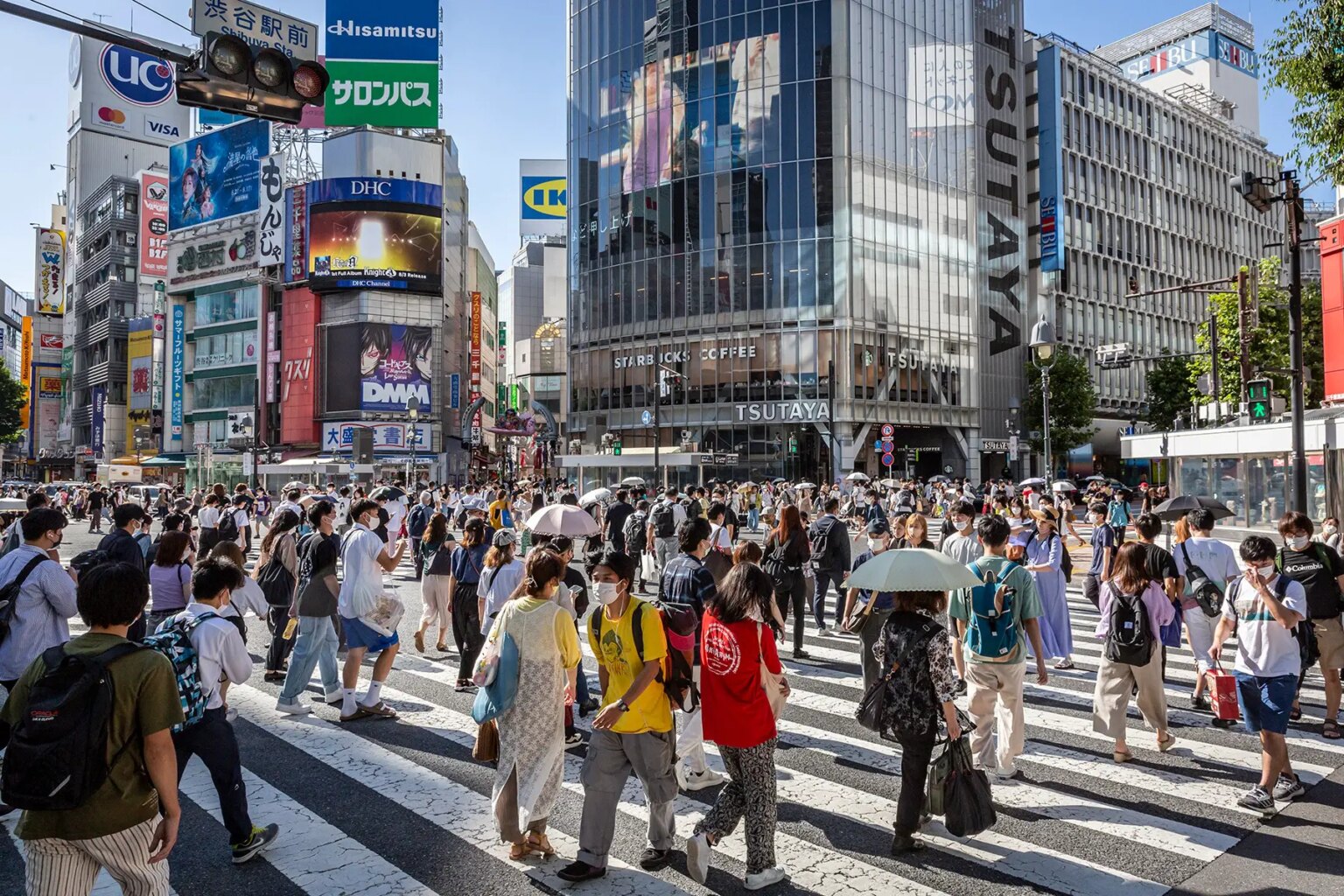
Japan is a popular destination for shopping, thanks to its huge range of high end stores, luxe boutiques, off beat independent options as well as great places for Japanese niche items from manga to makeup.
If you’re in Japan to shop – or even just picking up souvenirs of your trip, Value Added Tax (VAT) can mean you pay more than you need to.
The good news is that short term tourists in Japan are able to reclaim VAT conveniently, so you have more to spend while you’re visiting.
This guide covers how VAT refunds in Japan work, and who is eligible. Here’s a quick look at the topics we’ll cover in this comprehensive guide to VAT refunds in Japan:
How much is the VAT in Japan?
In Japan, the Value Added Tax (VAT) is officially known as the Consumption Tax (shōhizei). VAT in Japan is set at 10% for all goods (correct at time of writing, 24th April 2026). There’s also a reduced tax rate of 8% on sales of food and non-alcoholic beverages, excluding dining out.
When you reclaim your VAT in Japan the actual amount you get back may be slightly less than this due to handling fees which are deducted as your payment is processed.
Who is eligible for a VAT refund in Japan?
You may be eligible for a VAT refund in Japan if any of the following apply:
- You’re a short-term visitor staying for less than 6 months in Japan
- You’re a cruise ship visitor or crew member
- You’re a diplomat or are in Japan on the official status of residence
You must also apply for a refund in person on the same day that you purchase, and meet the minimum spend amount: 5,000 JPY or more before tax at a participating store.
Special Rules for Digital Nomads and Long-term Visas
There are no specific rules for digital nomads when it comes to Japanese VAT refunds, so whether or not you can claim will come down to your residence in most cases.
You’re not eligible for a VAT refund f if you’re a resident of Japan for over 6 months, and if you become a resident of Japan after purchasing tax-free goods you’re required to declare them and pay any owed duties.
If you’re unsure about whether or not you’re entitled to claim a VAT refund based on your visa or residence status, seek the advice of customs officers before you make your purchase.
The VAT Refund Middlemen: Who handles your money?
You may be able to get VAT refunds in cash in the store you bought your items from, or through a third party provider. Most major department stores and shops can support VAT refunds for tourists, and there are also services through providers like Pie VAT which play the same role and may allow you to get a refund via an app instead of in cash.
It’s worth noting that while at the moment some stores will give you an instant discount equivalent to the VAT (so a 10% reduction in price rather than a refund), from November 2026, this will no longer be allowed. Instead you’ll pay the full amount upfront and then claim your refund at a separate kiosk, before leaving the country no more than 90 days later.
What goods are eligible (and ineligible) for a tax refund?
Goods must not be wholly or partly consumed in Japan. Standard‑rated goods you will take out of Japan (e.g., clothing, electronics, jewellery, souvenirs) may qualify; accommodation and services do not.
Goods exported by freight are ineligible. The ‘separate shipment’ treatment for tax‑free purchases was abolished on 31 March 2025; tax‑free goods must be carried out personally. You can’t claim on items used in Japan, services and accommodation, or things you’re exporting by freight. Here’s a quick summary:
- Eligible: New, unused and properly packaged clothing, electronics, jewelry, souvenirs.
- Ineligible: Goods wholly or partly consumed in Japan; goods exported for business or commercial purposes; goods that will be exported by freight; accommodation in a hotel/hostel or similar; services are not eligible.
At the time of writing there is a limit on the value of consumable goods (like makeup for example) you can claim a refund of, which sits at 500,000 JPY However, this upper limit is being removed from November 2026.
Step-by-Step: How to claim your VAT refund
Here’s a quick walk through of how to claim your VAT refund. The process is fairly simple, and as the stores which offer VAT refunds tend to be in popular tourist areas, staff are familiar with the process and always happy to help you if you need it.
Step 1: In the Store
Look for stores with the “Japan Tax-Free Shop” logo. Here you can usually have the tax refunded instantly in the form of a discount off the purchase price. Tell the staff you want to take advantage of the tax free scheme to get your discount.
In other stores, before you make your purchase, tell the staff you’ll need to apply for a VAT refund. You’ll be given the paperwork needed to apply for your refund at the kiosk instead.
In both cases you’ll need to show your passport to prove you’re eligible for the refund.
Changes from November 2026: From November 2026, in store instant refunds (as a reduction of purchase price) will no longer be allowed, and you’ll need to pay upfront before claiming a refund later
Step 2: Visit a tax refund counter on the same day
If the store can not instantly refund your VAT they’ll give you the document needed to make your refund, and you can get your money at a tax refund counter instead. Bear in mind that this should be done on the same day as the purchase.
You can find Customs validation counters/kiosks at major airports like Narita, Haneda, and Kansai to validate your purchases; under the current system, refunds are handled in‑store on the date of purchase.
Step 3: At the airport
Show your items to the customs staff at the airport to complete the process. You may also need to show your passport and boarding pass or ticket proving your onward flight.
Once you’ve completed the physical inspection you can then pack your items for check in and proceed to departures.
From 1 November 2026, tax‑free shops will sell at tax‑included prices. You must obtain Customs confirmation within 90 days of purchase, and the refund is then paid by the shop or its entrusted operator (e.g., bank transfer, credit card, app transfer, or cash at the port of departure) after Customs confirmation.
Where to find Customs validation counters in Japan
You can find VAT refund desks in Japan in major stores, or at the airport. Until 31 Oct 2026: apply in‑store on the date of purchase. From 1 Nov 2026: obtain Customs confirmation within 90 days of purchase; your refund is paid after this confirmation.
Airports
Look for the “Tax-Free Counter” sign as you pass through major airports like Narita, Haneda and Kansai.
Department stores and retailers
If you’re in a big department store like Mitsukoshi, Isetan or Takashimaya you can use the in store refund desks. Large standalone retailers in tourist spots like Shibuya or Shinjuku often also have their own refund desks and kiosks you can choose.
Some third party services have listings of kiosk locations – Pie VAT Stations – for example. Otherwise, check the individual store website for details.

Deadlines: How long do you have to claim your VAT?
You must claim your VAT refund on the same day of the purchase. You’ll need to find a VAT refund kiosk within store opening hours if you’re relying on an in store service, so don’t leave it too late to get your refund processed.
Common Mistakes: Why VAT refunds get rejected
Finally, here are a few common errors you’ll want to avoid to make sure your VAT refund reclaim goes smoothly:
- Not meeting the minimum spend – purchases must be 5,000 JPY or more
- Forgetting your physical passport when you make your purchase – staff can’t help you with a claim if you don’t have your passport on you
- Sending someone else to the refund counter – usually only the person who made the purchase can make the refund claim
- Being unable to pass customs inspection – if your goods are in checked luggage and have gone before customs validation can happen, you will be denied your refund
Conclusion: Tips for a smooth refund process
Getting a refund of your VAT can mean you have 10% more to spend on your purchases. However you’ll need to follow the eligibility and validation rules to make sure everything goes well.
- Claim your VAT refund in person on the day of your purchase
- Arrive at the airport in good time to finalise your refund claim
- Keep all original receipts ready for your final customs inspection
Useful resources (checked 24th April 2026)
- Japan Customs – Official clearance information
- Global Blue – Japan VAT explainer from popular VAT refund network
- National Tax Agency – Poster explaining VAT eligibility and penalties
- Pie VAT – VAT refund ‘middleman’
- Pie VAT Stations – VAT kiosk locations operated by Pie
- National Tax Agency – Poster explaining changes in tax processes from November 2026



Did you find this guide helpful?