Moving to Italy as a digital nomad usually means thinking about health insurance twice: first for the visa file, then for your first months on the ground. The policy that gets you to the consulate may not suit daily life after arrival.
If you’re comparing plans, the hard part is matching the policy to the right stage of the move. Visa evidence, residence-permit administration, and public healthcare access connect to each other, but they don’t start at the same time.
This article is for general information only and does not replace legal, immigration, tax, or regulated insurance advice. Italian consulates, the Questura, and local ASL offices may ask for different supporting documents depending on jurisdiction and personal status.
Key takeaways
- If you are a non-EU applicant using Italy’s digital nomad or remote worker route, you will usually need private cover for the visa stage.
- Before you buy, make sure your insurance certificate clearly shows your name, dates of cover, territorial validity, medical expenses, hospitalization, and repatriation wording.
- Visa approval and Italian public healthcare are separate. Servizio Sanitario Nazionale (SSN) access depends on residence status and local administration, not the visa alone.
- Keep the certificate, policy wording, and renewal proof for your consulate appointment and later permesso di soggiorno steps.
- After arrival, sort out your codice fiscale and ask the local Azienda Sanitaria Locale (ASL) whether SSN enrollment is mandatory, voluntary, or unavailable in your case.
Manage your relocation money with Wise Account
- Hold euros while preparing for your move to Italy and comparing your insurance costs
- Receive eligible payments from abroad while setting up your life in Italy
- Manage certain relocation and insurance-related payments

Do digital nomads need health insurance in Italy?
If you’re applying as a non-EU digital nomad or remote worker, private health cover is usually part of the move, not just an optional extra. Italy’s official Visa for Italy portal helps you confirm the right route first, and Expatica’s Digital Nomad Visa in Italy guide explains who that route is designed for.
Your visa file may need proof of private cover before travel, while the Servizio Sanitario Nazionale (SSN), Italy’s public health service, only becomes relevant if your residence status and local administration allow it after arrival.
This guide is mainly for:
- Non-EU applicants using the digital nomad or remote worker route
- Remote workers planning a stay over 90 days
- Readers who may later qualify for SSN access
- Expats already in Italy who need to check whether private cover still makes sense during the permesso di soggiorno stage
What proof do consulates and the Questura usually expect?
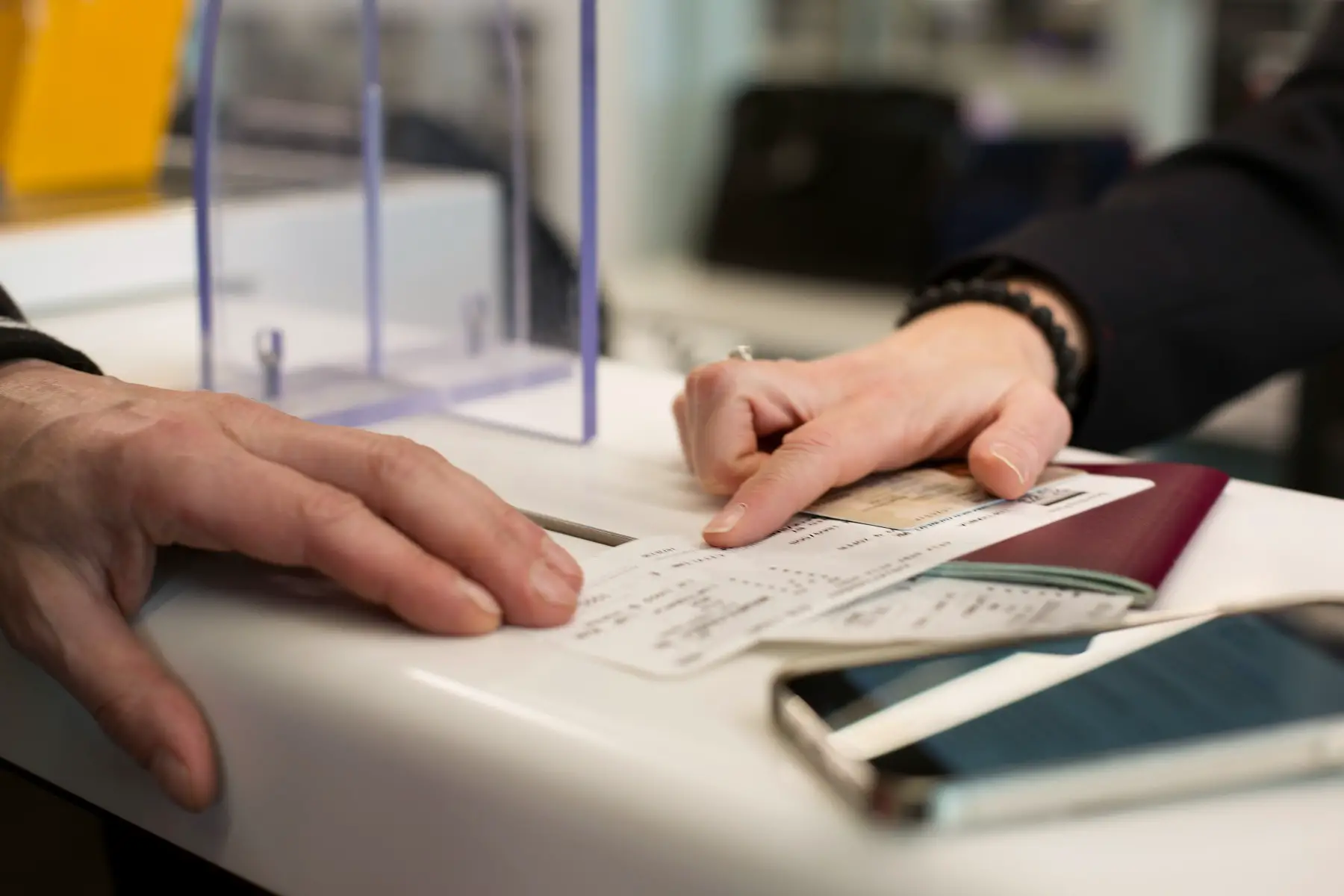
Italy’s Consulate General in New York asks digital nomad and remote worker visa applicants for evidence of medical expenses, hospitalization, and medical repatriation cover. Its guidance also sets a minimum coverage amount and provides alternative documentary arrangements in certain circumstances. Requirements and accepted documents may vary by consular jurisdiction, so check the instructions from the Italian consulate responsible for your application before purchasing a policy.
Check that your certificate makes these points easy to see:
- Full name of the insured person
- Exact start and end dates of cover
- Territorial validity for Italy, or for Italy and the Schengen area if relevant
- Wording that clearly mentions medical expenses and hospitalization
- Wording that covers repatriation or medical transport where required

Which type of cover works best?
Not all insurance solves the same problem. Travel insurance is often built for short trips and emergencies, while long-term international or private health insurance is designed more for living abroad, ongoing care, and a longer claims relationship. What works for a holiday may be too narrow for a year in Italy.
Even if you later qualify for public healthcare, you may still need private cover for the consulate appointment and the gap before local registration. Expatica’s Health insurance in Italy guide explains how public and private cover fit together.
Travel insurance, international health insurance, and the SSN compared
The following table compares three coverage options by their likely use case, administrative suitability, and main points to check.
| Option | Likely use case | Admin fit | Key watchout |
|---|---|---|---|
| Travel insurance | Short stays, trip disruption, emergency care | Sometimes too narrow for a long-stay move | May not show the wording a consulate wants |
| Long-term international or private health insurance | Non-EU nomads moving to Italy for months, not days | Often suitable, subject to consular requirements and policy terms | Check waiting periods, exclusions, and certificate wording |
| SSN access | Residents who qualify for Italy’s public healthcare | Useful after arrival if your status allows enrollment | Not the same as having visa-stage private cover in place |
If you want an expat-focused provider to compare, Cigna Global is one long-term international option. You still need to verify the certificate wording, exclusions, and whether the policy suits your consular jurisdiction.

How to choose a policy without costly mistakes
The risk is buying a policy that looks fine in marketing copy but fails on wording, dates, or exclusions. Start with the official route rules, then shortlist policies that can produce a certificate your consulate or later Questura stage is likely to accept.
Paying monthly does not automatically prove you have 12 months of suitable cover. What matters is the validity shown on the certificate and in the policy wording, not the billing cycle.
Confirm your route. If you’re unsure whether you fit the digital nomad route or another long-stay path, read Expatica’s Italian visas: how to immigrate to Italy overview and recheck the official criteria on the Visa for Italy portal.
Shortlist policy types, not just brands. Decide whether you’re comparing short-stay travel cover or long-term international cover for living in Italy.
Verify the wording. Ask to see hospitalization, medical expenses, territorial scope, waiting periods, exclusions, renewal rules, and whether pre-existing conditions are covered or excluded. If family is moving with you, check whether each person needs separate cover or a named dependent arrangement.
Request the certificate before final payment if possible. You want a document that clearly states your name, dates, territory, and key benefits in plain English or bilingual format.
Keep a full paper trail. Save the certificate, policy wording, payment receipt, and renewal documents, because the same file may help again when you deal with the permesso di soggiorno.
Also ask how claims work in Italy. Do you pay first and claim later, or can the insurer help arrange treatment? That will shape whether you face upfront bills once you’re in Italy.
Common mistakes that can delay approval
- Buying short-stay travel cover for a long-stay relocation
- Assuming visa approval means you can use the SSN straight away
- Leaving repatriation or medical transport wording unclear
- Choosing dates that don’t match the planned stay or first year abroad
- Skipping checks on waiting periods, exclusions, or whether dependents need their own cover

What happens after you arrive in Italy?
Arriving in Italy does not put you straight into the public system. Expatica’s The healthcare system in Italy explains how public care works day to day, but the short version is that the visa, the permesso di soggiorno process, your codice fiscale, and any local healthcare registration all sit on related but separate tracks.
The permesso di soggiorno is the residence permit for non-EU nationals staying longer than three months. According to Polizia di Stato, first-time applicants generally have eight working days after entering Italy to apply for a residence permit. Your codice fiscale, or Italian tax identification number, is often needed for later administration, and Expatica’s guide to the codice fiscale explains why it matters so early.
Arrival: Keep your passport, visa, insurance certificate, and accommodation records together.
Residence permit: Start the permesso di soggiorno process using the local route that applies in your area, often involving the Questura and sometimes a post-office filing stage.
Tax code and local registration: Get or confirm your codice fiscale, and start residence registration with your comune or anagrafe if your status requires it.
ASL check: Contact the local Azienda Sanitaria Locale (ASL), which handles local healthcare administration, to find out whether SSN enrollment is mandatory, voluntary, or not yet available in your case.
Health card: If you do join the SSN, the tessera sanitaria is the card linked to that registration.

Can you switch to the SSN later?
Some foreign residents can move from private cover to SSN access later, but it depends on status, work situation, and local administration. The official Agenzia delle Entrate guidance for foreign citizens says foreign nationals must first register with the SSN before getting the health card, and it notes that some legally resident foreign citizens can also register voluntarily.
Possible outcomes include:
- Some residents qualify for mandatory SSN registration through their status or work situation
- Some may be able to enroll voluntarily and pay an annual contribution
- Some need to keep private cover for longer
- Local ASL practice and document requests can vary, so always check before assuming entitlement
Costs, renewals, and paying for cover
Budget for more than the premium. Excesses or copays, family-member costs, translations, possible permit or document fees, and renewals can all add up, especially if your Italian paperwork is still in progress. Expatica’s cost of living in Italy guide can help you place insurance costs alongside rent, deposits, and other first-year expenses.
Before year two, recheck whether your status has changed, whether SSN access is now possible, and whether the policy still fits life in Italy. Some expats keep private cover after public registration because wait times, provider choice, or cross-border cover still matter.
When you compare policies, check the premium, any excess, family pricing, renewal terms, and whether future administrative needs require translated certificates.
Managing premiums and euros during the move
By this stage, you may be paying a rental deposit, moving income into euros, and covering first-month costs before your Italian banking setup is stable.
A Wise account can help you hold euros, receive overseas income, and pay some relocation or insurance costs while you settle in. It is optional, and some recurring local payments may still work better through major local banks such as Intesa Sanpaolo or UniCredit, so compare the setup you need. Expatica’s guide to using Wise in Italy as an expat covers the details.
The bottom line
For a digital nomad moving to Italy, choosing the right health insurance starts with the visa requirements, but it shouldn’t end there. Check the policy wording, keep your documents together, and confirm your public healthcare options with the local ASL once you arrive. As you prepare for insurance premiums and other relocation expenses, Wise Account can also be an optional way to manage euros and eligible payments from abroad.
FAQ
Digital nomad health insurance in Italy
Is travel insurance enough for the Italy digital nomad visa? 
Not always. Travel insurance and long-term health insurance are not interchangeable, and the answer depends on your route, the duration of stay, the certificate wording, and what your consulate or local authority expects to see.
Can I use the same policy for my visa and permesso di soggiorno?
Sometimes, yes, if the policy is still valid and its wording still fits the later stage. Keep the certificate, policy wording, and renewal proof in case a later appointment asks for them.
Can digital nomads join Italy’s public healthcare system?
Sometimes, but not automatically. Access depends on residence status, work or self-employment circumstances, and local administration, so check the official rules and your local ASL rather than assuming SSN access starts with the visa.
What does the tessera sanitaria do?
The tessera sanitaria is Italy’s health card linked to SSN registration and healthcare administration. It helps you use the public system, but it is not the same as buying private insurance before your move.
Does private health insurance need repatriation cover for Italy?
It often needs wording on repatriation or medical transport for visa purposes. Don’t assume basic medical cover alone is enough. Check the certificate language that your route and consular office expect.
Healthcare, immigration, and insurance rules were checked in October 2026 against official and provider sources available at the time of writing, and they can change.
Sources
Expatica’s experts are all about providing the most up to date and accurate information. All guides are fact checked, and whenever we use external sources (like government websites or research papers) we’ll make a note of them here so you can check them out too.
- Check whether your stay is short-term or long-term and which visa route applies, Visa for Italy – Ministry of Foreign Affairs and International Cooperation
- Digital nomad and remote worker visa requirements and document checklist, Consulate General of Italy in New York
- Residence-permit timing and application process, Polizia di Stato – Residence permit
- Tax identification number for foreign citizens, Agenzia delle Entrate
- Health insurance card for foreign citizens and SSN registration, Agenzia delle Entrate
- Healthcare access for citizens from non-EU countries and voluntary enrollment, Ministero della Salute – Assistenza sanitaria Paesi extra UE
- International private health insurance options, Cigna Global – International health insurance
- Multicurrency account features and availability in Italy, Wise – Wise Account