
'%20id='ico-down'%20stroke='%23000000'%20stroke-width='1.5'%3e%3cg%20transform='translate(1092.250000,%20254.750000)'%3e%3cpolyline%20id='Path-2-Copy-4'%20transform='translate(5.500000,%202.750000)%20scale(1,%20-1)%20rotate(-180.000000)%20translate(-5.500000,%20-2.750000)%20'%20points='0%200%205.5%205.5%2011%200'%3e%3c/polyline%3e%3c/g%3e%3c/g%3e%3c/g%3e%3c/svg%3e)


Housing
Housing Basics
Housing in France
Have you caught the bug that is Emily in Paris? Discover more about the housing market in France, from renting and selling to building your dream home.

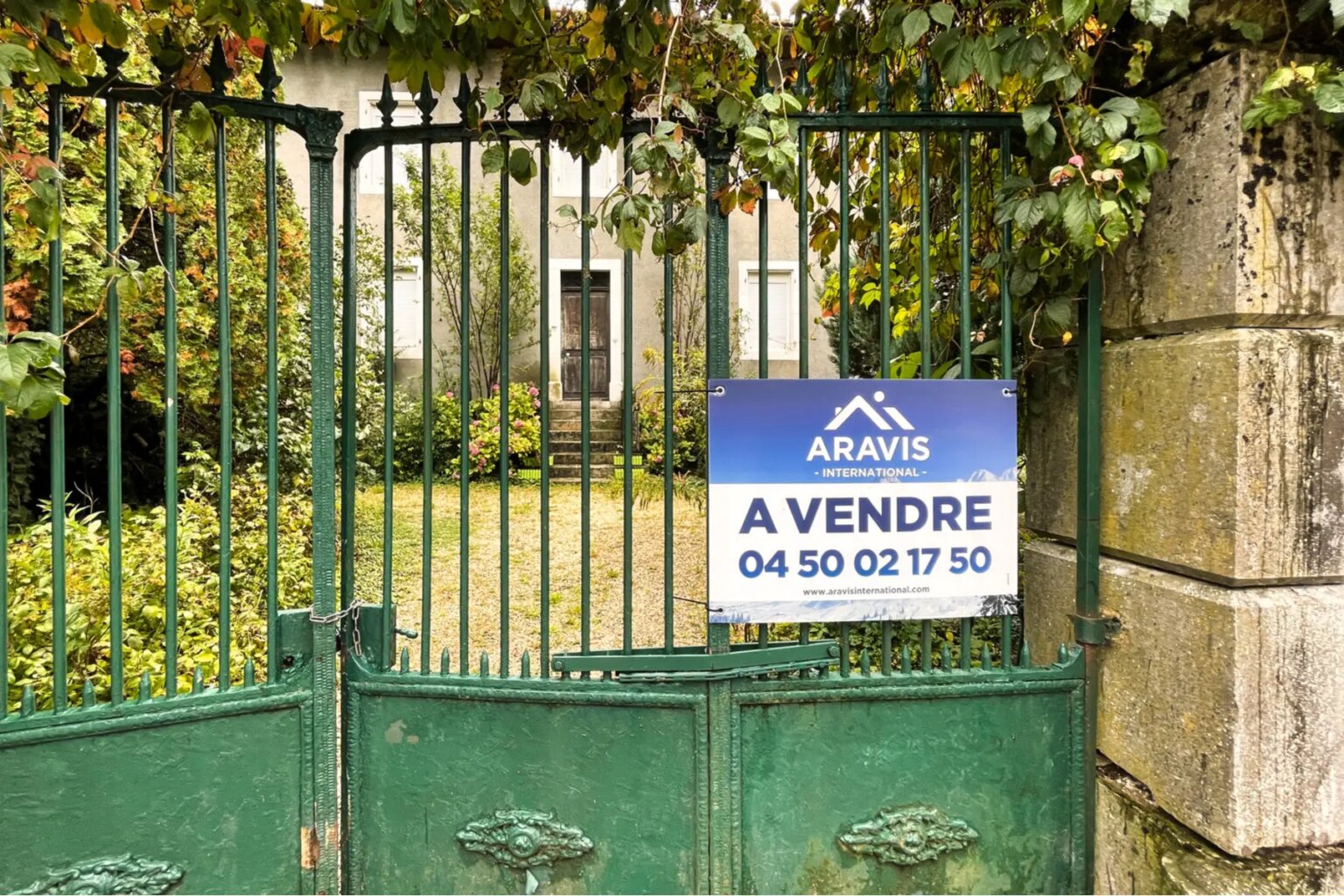
French property prices are some of the most expensive in Europe. Luckily, mortgage rates hit an all-time low in 2022. If you’re not sure how long you will be in France or aren’t looking to commit just yet, you can also consider renting a home. And thankfully, the country’s strict tenancy laws will protect your rights.
Learn all there is to know about the housing market in France in the following sections:
Spotahome
Looking for an easy way to find your next home? Spotahome is an online property portal operating in France that takes the stress out of renting. With Spotahome's unique online platform, you can find, look around, and book your next rental property without leaving home. Making moving home easier with Spotahome.

An overview of housing in France
According to Eurostat figures from 2020, around 64% of the population in France are homeowners, which is below the European average of 69.7%. International buyers – who are primarily British, Belgian, and German – purchase around 5.8% of French property. This percentage includes both residents and non-residents.
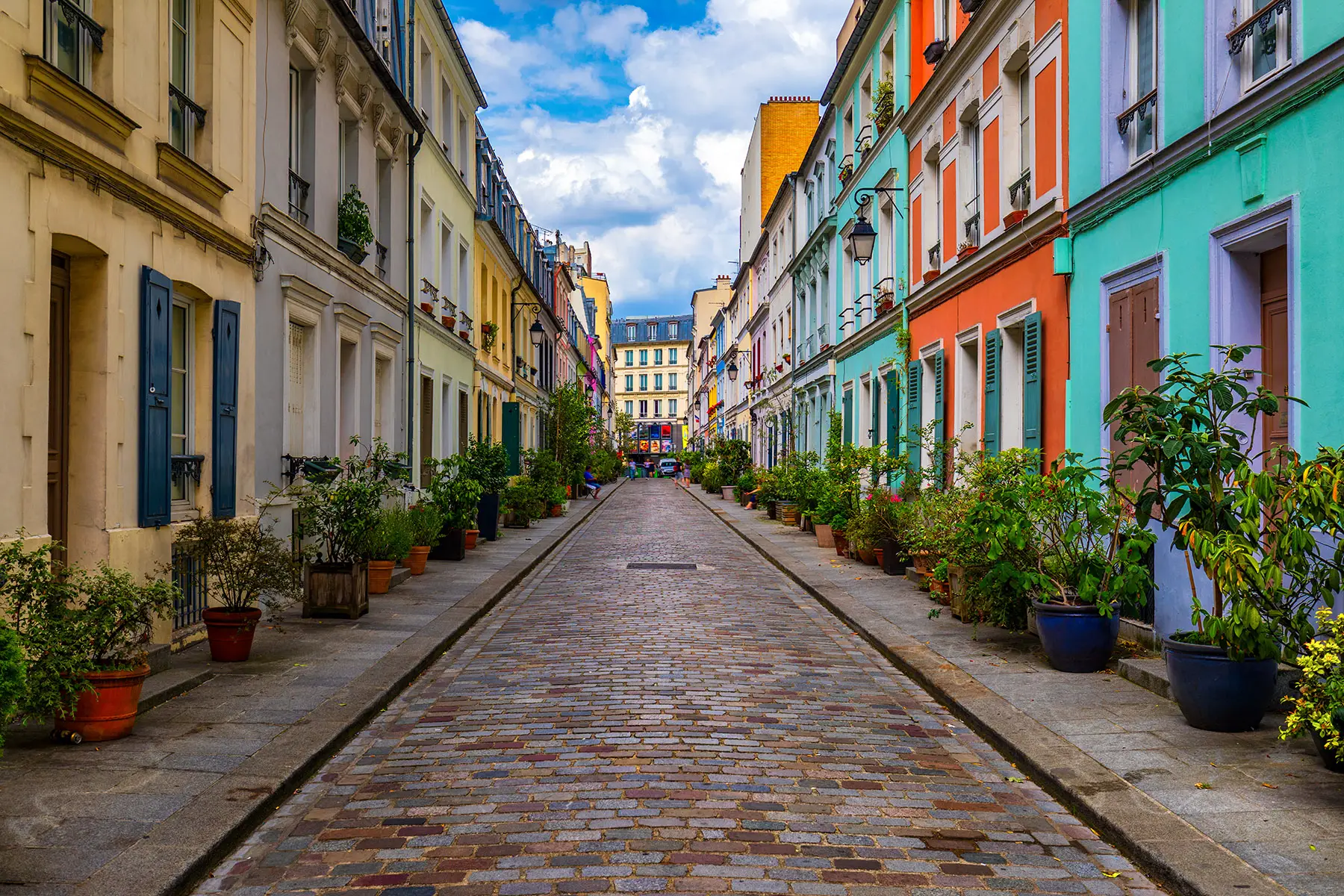
The data further reveals that 66% of city dwellers live in flats, which drops to 27% in smaller towns and suburbs. In contrast, 95% of rural residents live in houses. French houses tend to be slightly bigger than the European average, with around 1.8 rooms per person. France also has more under-occupied homes (42%), meaning that fewer homes are overcrowded.
The housing market in France
While buying real estate in France remains expensive, there was a 14.5% increase in property purchases in 2021 compared to the same period in 2019. Interestingly, buyers began to ditch city apartments in exchange for homes with gardens. As a result, apartment prices only increased by 5.2%, while house prices rose by 9%.
Of course, whether you choose to rent or buy, the price per square meter varies significantly between arrondissement (neighborhoods), cities, and rural areas. France saw a slower increase in house prices, rental rates, and inflation than the rest of Europe from 2010 to 2020. For instance, average house prices went up by 26% across the EU, compared to only 17% in France. Similarly, EU rents increased twice as much as in France. And French inflation (11%) rose less than the EU average of 17%.
Moreover, the cost of water, electricity, and gas did not increase significantly during this period. However, during the COVID-19 lockdowns, household utility demands increased, resulting in a supply shortage and subsequent rate hikes. As a result, the French government announced a temporary freeze on gas prices in October 2021 to help struggling households. They will review this again in June 2022.
Housing laws and regulations in France
While expats can rent and buy private property in France, securing a loan from a French bank may be difficult depending on the applicant’s nationality and how long they have been in the country.
The state allocates social housing according to income and prioritizes low-income families. A resident can request social housing via the government’s online portal. However, waiting lists are long, and applicants cannot choose the location or type of property.
Rental laws in France
French rental laws protect the tenant, affording landlords only a few reasons to evict renters. These include:
- To use the property as a primary residence
- To sell the property
- For extensive refurbishment
- When the tenant defaults on the rent repeatedly
- Disorderly conduct (e.g., intentional damage to property, excessive noise, or criminal activities)
In addition, landlords must give tenants three months’ (furnished property) or six months’ (unfurnished property) notice.

All tenants have the right to request an extension on their lease, and if their landlord refuses, they can appeal at a tribunal. The new owner must respect any existing rental agreements if a landlord sells the property. Both tenant and landlord associations provide support, advice, and mediate disagreements. However, courts will resolve disputes beyond this.
Before you move in, you must sign a rental agreement and complete an inventory (état des lieux). This document reviews the state of the property on the occupation date. Notably, even though the property owner pays for any repairs, the tenant must maintain the home. And when the occupant moves out, the landlord will arrange another état des lieux. If there is no evident damage, they will reimburse the rental deposit.
Property purchase and building laws in France
If you want to build a new home or extend an existing property in France, you must request a permit (permis de construire) from the local municipality. However, you don’t need authorization for internal renovations or minor external work (under 20-square-meters), such as adding a small terrace or garden basin.
Nevertheless, it is recommended to contact an architect concerning any renovations to establish whether you only declare these (déclaration préalable en mairie) or request a permit. Just bear in mind that it may take two to three months to finalize the building consent.
Buying or renting in France?
Before buying a property in France, it might be wise to rent in an area you like so you can become familiar with the neighborhood and gain insight into the local property market. You could also consider a short-term, flexible lease while you house hunt. You can find furnished apartments on sites such as:

Generally, the occupancy duration of rental contracts is a minimum of 12 months, which is long enough to give security without a mortgage commitment. Even though tenants must maintain the property, landlords will cover any repair costs if it was not intentional damage by the occupant. Renters can also enjoy a fair amount of freedom to decorate their rental homes.
Of course, it only makes financial sense to buy a home if you intend to stay longer in France. After all, French real estate is expensive and transactional fees (frais de notaire) can add an extra 8% onto the total purchase price. That said, mortgage interest rates are low – at around 1.1% in 2022 – making buying a property an excellent investment. This also means that you’re not paying someone else’s mortgage, and you can invest money in renovations.
Renting in France
Naturally, rents can vary significantly between cities and neighborhoods in France. Of course, big cities, especially Paris, are more expensive. For instance, the monthly rent for a small two-bed apartment can range from €420 to €1,500 in the city. There may also be a high demand for rental properties in university towns such as Toulouse, Lille, Bordeaux, or Lyon, particularly from September to June.
Often, rural and suburban areas offer a wider choice of property types, with more space at affordable rates. Here, you may come across the following terminology:
- Bastide – a detached, square stone building with a flat roof, typically found in the countryside
- Domaine – an estate property with additional land (e.g., vineyards)
- Ferme/Fermette – a country farmhouse with land attached
- Pavillion – a French bungalow
- Longere – a rectangular one-story property like a converted barn
- Mas – a traditional Provençal house found in southern France or the Midi region
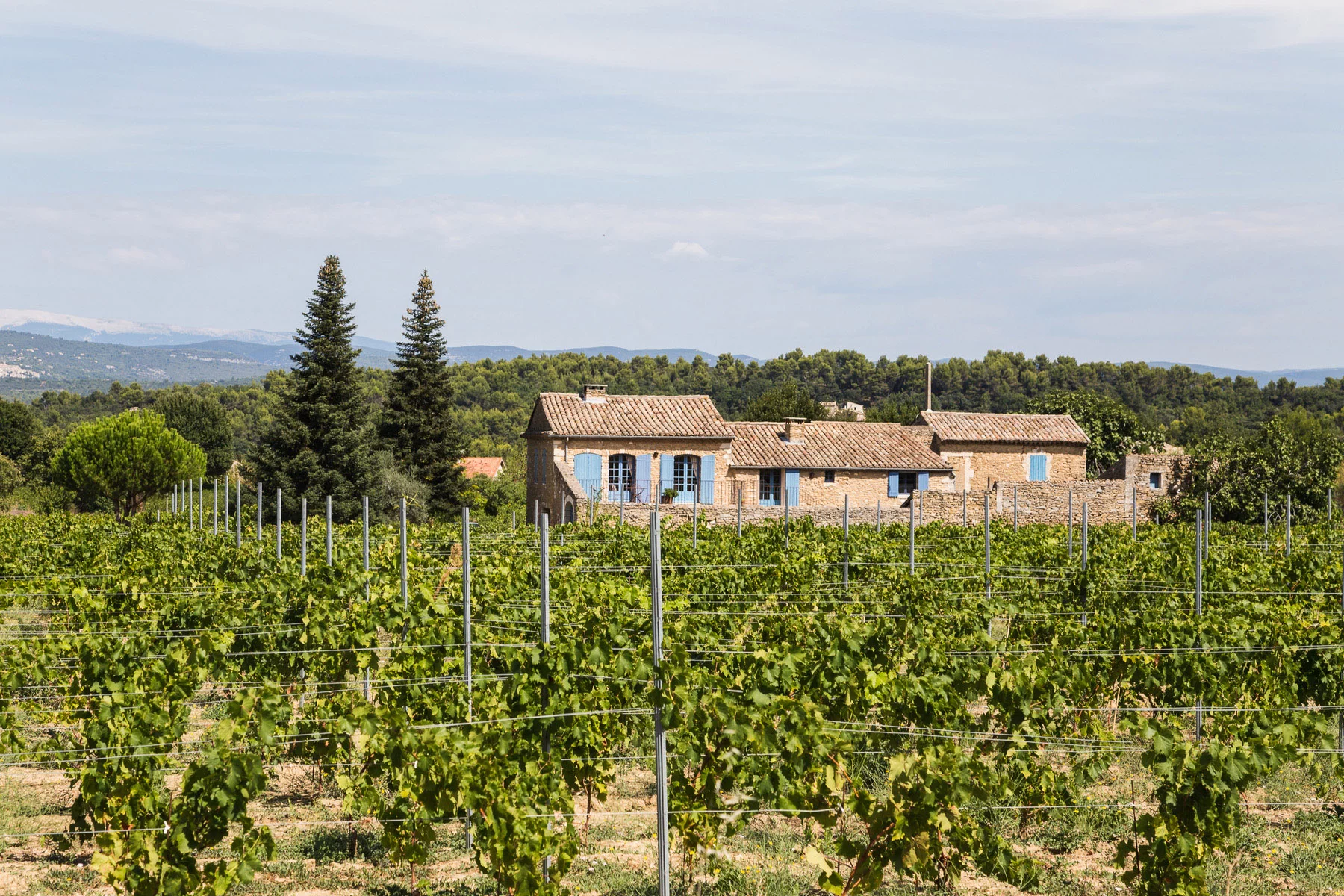
To find a rental property, you can use online search portals like SeLoger, PAP, and LeBonCoin. Notably, landlords have their pick of prospective tenants, so it’s wise to go to a viewing prepared with a dossier that contains your employment and income details.
Social housing in France
Only 16% of French households live in social housing, which is called Habitations a loyer modere (HLM). In response to the shortage of public-sector homes, the government passed the SRU law (solidarité et au renouvellement urbain) in 2000. This stipulates that certain municipalities must provide a minimum number (20% to 25%) of HLMs by 2025.
Public and private housing associations offer HLMs at reduced rents, which are typically between 50% and 66% of the market price. Properties are allocated based on needs, with priority being given to tenants who live with disabilities, are unemployed, have low incomes, or are homeless.
You can register for social housing or find more information on the French government website.
Renting out your property in France
You can rent out your property in France, even if you aren’t a resident. However, different regulations and taxes apply depending on the location of the property and whether it is your primary residence or investment property.

It is best to contact a local realtor who can help with the process, which may involve:
- Taking photographs and advertising the property
- Drawing up rental agreements
- Choosing a tenant
- Dealing with the état des lieux
- Responding to tenant queries and fixing any property issues
If you go through an agency, roughly 10% of the rent will cover their service fees. However, this is usually negotiable. You can, of course, bypass agencies and market your property through platforms like Particulier à Particulier (PAP). Just keep the following in mind if you choose to manage the rental yourself:
- Local authorities may control rents (encadrement des loyers), meaning there is a maximum limit set; use this simulator to see if this affects your property
- Different taxes and regulations apply depending on the property status (primary residence, holiday home, or investment property) and whether it is furnished
- Different rental contracts include the bail classique, bail mobiltié (up to 10 months), and bail étudiant (nine-month set contract)
- You will need a good command of French to communicate with tenants and complete the état des lieux
Buying a home in France
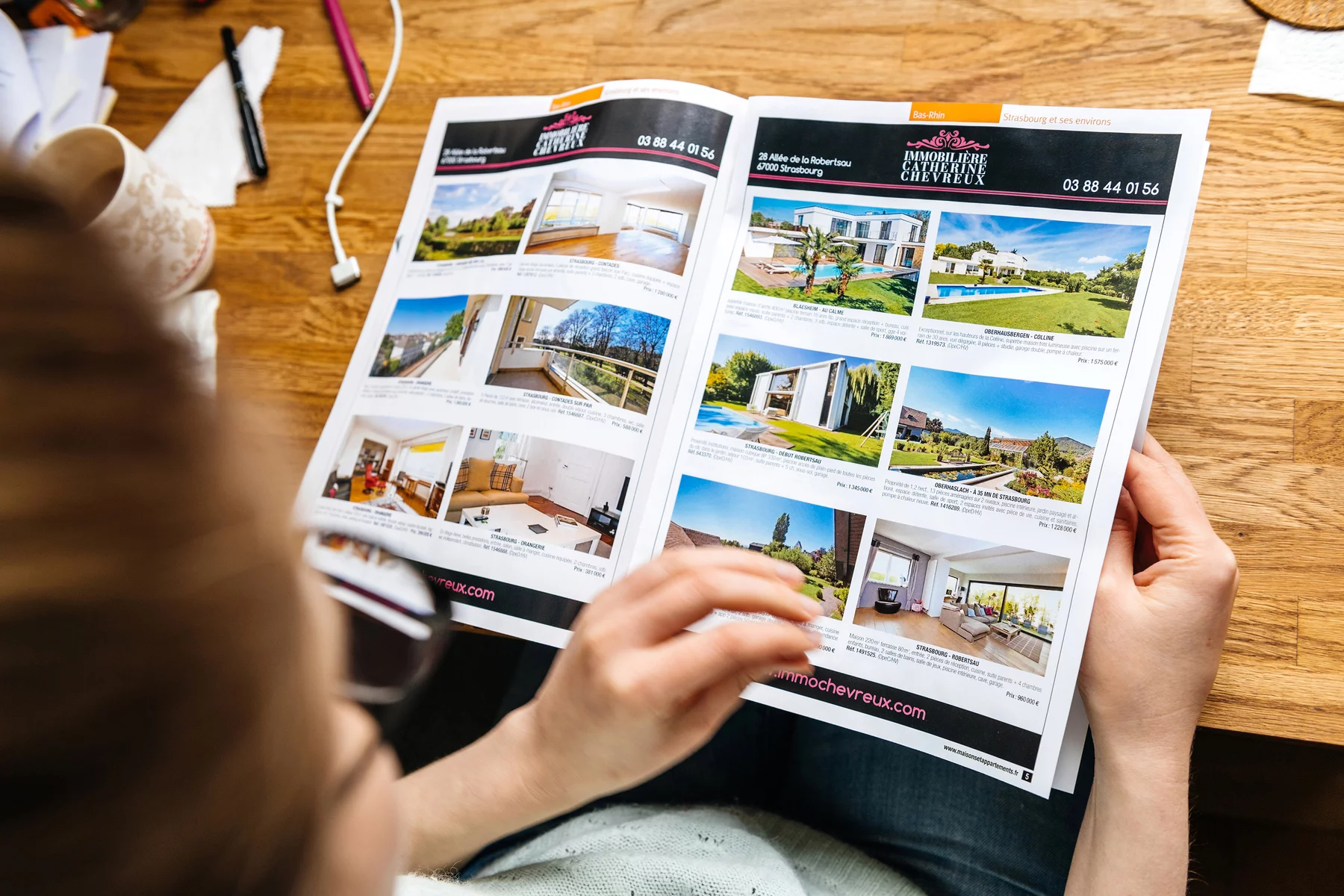
You can browse local property magazines or visit realtors (agents immobilier) to find properties for sale in France. Most estate agents post online housing adverts on property and sales platforms such as SeLoger, ParuVendu, and LeBonCoin. Alternatively, if you visit the PAP website, you will deal directly with owners selling their properties.

You can find more information about placing bids, securing a mortgage, finalizing the contract, and moving into a property in our article on buying a home in France.
Affordable housing in France
The French government has set up various schemes to make housing more accessible. These include:
- Le Logement D’abord – a plan to increase investment in social housing infrastructures for low-income households and tenants who are homeless
- Tax cuts – abolishing housing tax on primary residences for 80% of the population
- Zero-interest loans – a prêt à taux zéro (PTZ) can be used to finance up to 40% of the purchase or construction costs of a home
- Pinel Law – tax reduction for investment in a new property that will be rented out for a minimum of six years
- ELAN Law – a law concerning the development of housing (including accessibilty) and urban planning
- Prime Accession – a €10,000 purchasing grant for first-time buyers employed in the private sector
- Revival Plan for the Construction Sector – building affordable homes for those who don’t qualify for social housing but cannot afford to buy properties in the open market
- Eco-innovation – applying new technology to create affordable social housing, like the first 3D-printed house in Nantes
- Capping rents – in areas with housing scarcity (zones tendues), such as Paris, Lille, and Lyon
Sustainable housing in France
The state introduced new measures and regulations to improve its building stock’s sustainability and energy efficiency.

These measures include:
- MaPrimeRénov – a tax credit investment for improving a property’s energy efficiency
- PREH – a Housing Energy Efficiency Renovation Plan (Plan de rénovation énergétique de l’habitat) to renovate and improve the energy efficiency of properties
- Eco-PLS (Éco-prêt logement social) – a social housing eco-loan for renovation work, including a reduced VAT rate for landlords improving the energy performance of their property
- ANAH – a national housing agency that grants financial support to low-income households for renovations that improve access and energy efficiency
- Habiter Mieux – financial aid for renovations, covering 35% to 50% of costs depending on income level
- Éco-prêt à taux zéro (éco-PTZ) – a zero-interest loan (€7,000 to €50,000) for renovations if it improves the property’s energy efficiency
- New rental laws – from 2023, it will be illegal to rent out a property with an energy consumption above 450 KWh/m2 (i.e., low energy efficiency)
Mortgages in France
International residents can apply for mortgages in France. However, this will depend on several factors, including:
- Country of origin – for example, strict fiscal agreements between France and the United States (US) make it difficult for Americans to access housing loans
- Earnings – you’ll need a minimum deposit of 10% of the property price, and your monthly repayment should not exceed 35% of your total income
- Residence status – you need proof of intent to stay in France for the duration of the loan repayment if you are not a full-time resident
- Financial records – you cannot have an overdraft or any history of default payments
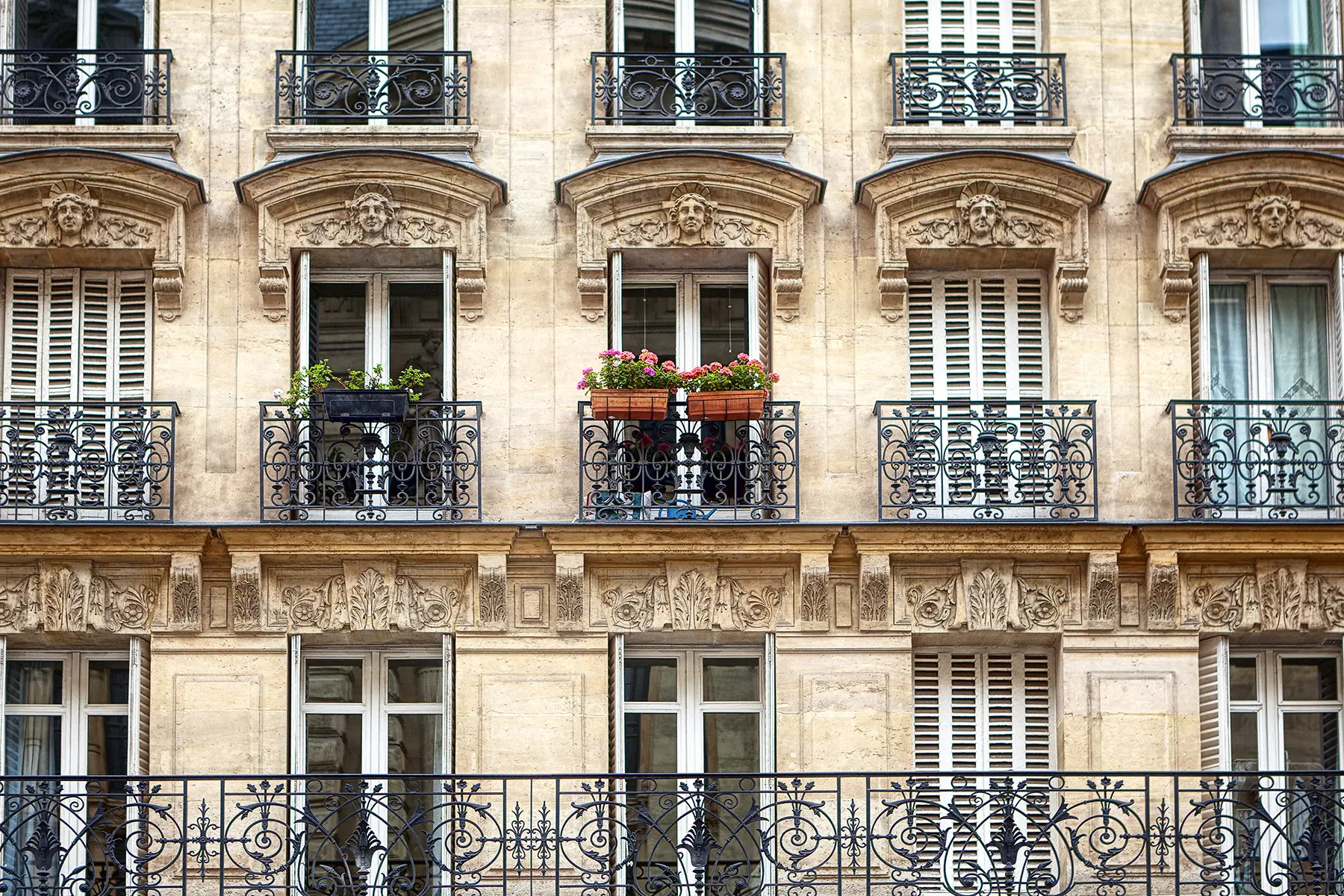
Fixed mortgage rates were around 1.1% in France in 2022, but you should contact your bank to find out the exact interest rates. Variable-rate mortgages are also available. How much you can borrow will depend on the bank’s assessment of your financial situation. It is a good idea to compare offers from different banks, and you can hire a broker (courtier) to find the best mortgage deal.
Selling a home in France
If you want to sell your property in France, you need to consider a few things. You can market your property independently, or use an agency. They can estimate a realistic market value or you can do an online real estate valuation. Realtors will manage all the administration and offer additional services like professional photography, but their fees can be expensive.

You must also arrange a technical survey (diagnostic immobilier) and fully disclose the property’s energy performance, pollution risks, and surface measurements (diagnostic de surface loi Carrez) to potential buyers.
If a buyer is interested, you can negotiate a purchase price. Importantly, once you have signed the promise of sale agreement (compromis de vente or promesse de vente), you cannot offer the property to someone else at a higher price.
You must also hire a notary (notaire) to draft contracts and manage the sale, and the buyer will cover their fees. A buyer will also pay 20% VAT on the sale of land or new builds that are less than five years old. However, older properties are exempt.
Building a home in France
If you decide to build rather than buy a home in France, the National Housing Agency or ANIL (Agence Nationale pour l’information sur le Logement) offers comprehensive information and resources.
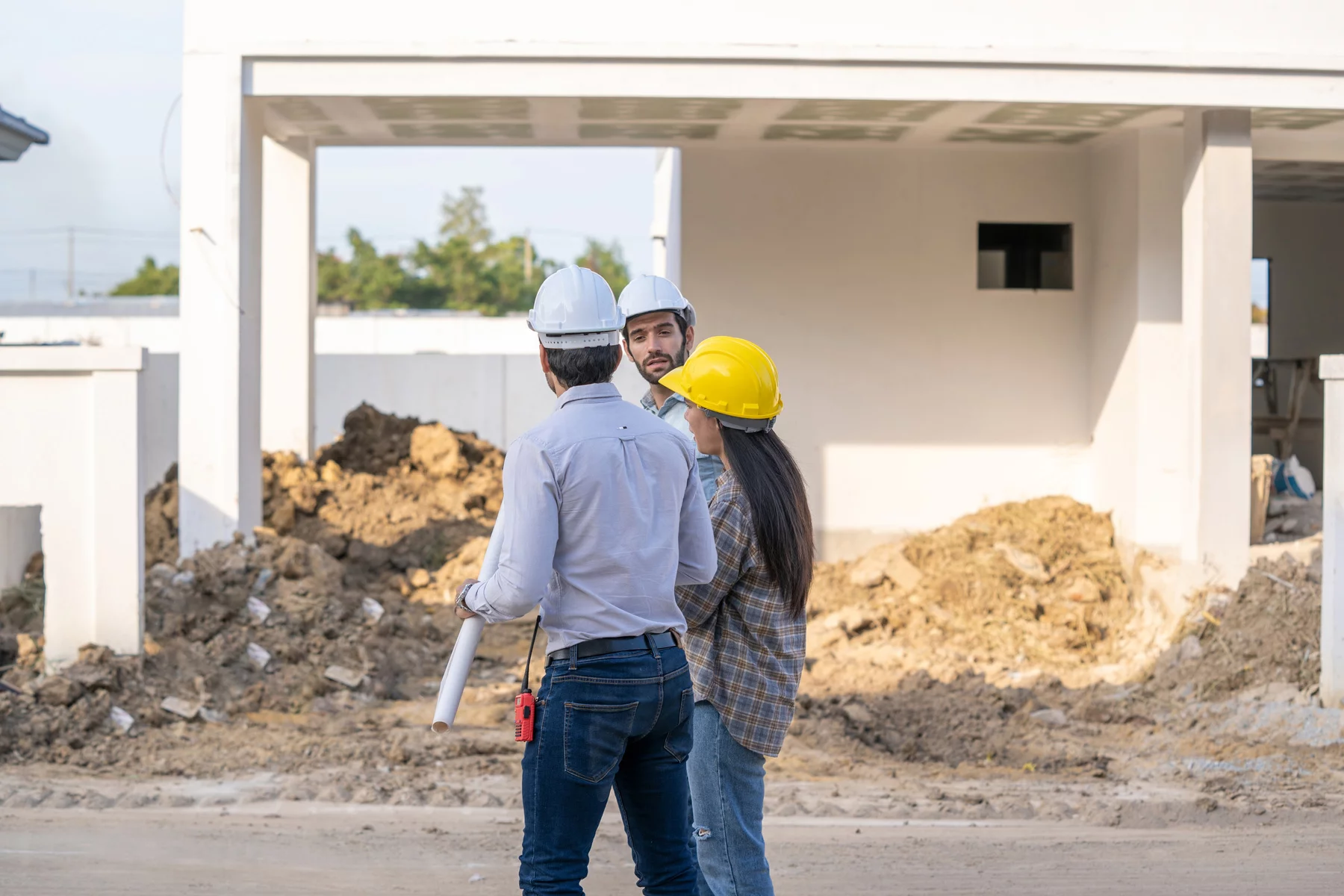
Typically, building a home will include the following steps:
- Contact a bank or financial advisor to determine the budget and feasibility of your project
- Search for a plot of land through an online platform like SeLoger Construire or contact local realtors
- Hire an architect for a mission de conseil to advise whether you can build on this land and if it can be connected to local utilities
- Check local building regulations with the municipality (mairie)
- Once you have your land, you need to apply for a construction permit (permis de construire), which takes several months
- You must hire an architect for home designs that are larger than 150 square-meters
- For smaller builds, you can hire construction companies (constructeur de maison individuelle)
Housing associations such as ANIL (Agence Nationale pour l’information sur le Logement), CLCV (Consommation, Logement , Cadre de Vie), and AAMOI (Association d’Aide aux Maîtres d’Ouvrage Individuels) can help you find insurance, provide legal advice, and act as mediators with contractors.
Useful resources
- Service-Public – the government-run portal with detailed information about housing in France
- Ministry of the Environmental Transition – information on sustainable development initiatives
- Calculateur de crédit immobilier – the government’s estimation calculator for loan capacity
- Ministry of the Economy – online platform that includes fiscal information for homeowners
- Particulier à Particulier (PAP) – for property sales by owners (no agencies)
- SeLoger – find properties for sale
- SeLoger Construire – information about building a home
- Etalab – interactive inventory of all recent property sales in France
- Notaires.fr – official website of French notaries, including directory
- ANIL (Agence Nationale pour l’information sur le Logement) – national organization for housing information and support
- CLCV (Consommation, Logement, Cadre de Vie) – national association for the defense of consumers
- AAMOI (Association d’Aide aux Maîtres d’Ouvrage Individuels) – an association that supports individual home builders
- ADIM (Associaiton de défense d’investisseurs victimes de la défiscalisation) – an association that provides guidance and support if you’re lookng to buy a new build

Did you find this guide helpful?