


IBI is an ongoing local cost, not a one-time buying tax, and municipalities usually bill whoever owns the property on the 1st of January each year.
This guide explains what IBI in Spain means, who pays it, how it is calculated, where to check the bill and deadline, and how it fits into the wider mix of property taxes in Spain because rates, discounts, and payment dates vary by municipality.
Key takeaways
- IBI, short for Impuesto sobre Bienes Inmuebles, is Spain’s annual municipal property tax on real estate.
- The owner on January 1st is usually responsible for that tax year, although a sale contract can split the cost differently between buyer and seller.
- The bill is usually based on the property’s valor catastral, or cadastral value, and the local rate set by the municipality.
- Non-resident owners generally still pay IBI because it is linked to the property, not to where the owner lives.
- Always verify the current local rate, discount rules, and payment window with the official municipal or delegated collection portal before paying.
This guide is for general information only, not legal or tax advice.
What is IBI in Spain?
IBI, short for Impuesto sobre Bienes Inmuebles, is Spain’s annual municipal property tax. Expats often first see it on sale paperwork, a yearly bill, or a lawyer’s due-diligence list.
It can apply to apartments, houses, holiday homes, garages, plots, and some commercial property. It is a recurring ownership cost charged locally by the town hall (ayuntamiento).
Wise account
Are you an expat or thinking of moving to Spain? Managing your money across borders shouldn’t be complicated. With a Wise account, you can hold over 40 currencies and pay with a Wise debit card in more than 150 countries. Whether you need to spend abroad, receive or send money home, Wise can help make international money management simpler.

What does IBI stand for?
IBI stands for Impuesto sobre Bienes Inmuebles, which means tax on immovable property. Many English-speaking buyers first meet the acronym on a bill or in completion paperwork.
What does IBI pay for?
IBI helps fund everyday municipal services, although each town decides exactly how its budget is used. It usually supports the wider municipal budget rather than one named service.
Common uses for IBI tax revenue can include:
- Street lighting
- Local roads and maintenance
- Parks and other town services
Who pays IBI in Spain, and when?
The owner on the 1st of January is generally responsible for that year’s IBI. This includes residents, non-residents, second-home owners, and landlords.
Buyer and seller can still agree a different split between themselves in the sale contract. So if you buy mid-year, the municipality may look to the January 1st owner, while the contract may say the buyer reimburses part of the cost.
Check before you assume who pays:
- Who owned the property on 1 January
- What the sale contract says about IBI
- How the completion statement adjusts the cost
The 1 January rule for buyers and sellers
The 1 January rule is the legal starting point. In practice, though, the contract often decides whether the cost is shared for the months after completion.
- Municipality follows the January 1st owner.
- Contract may split the year between buyer and seller.
- Your lawyer should confirm the adjustment before signing.
Do non-residents pay IBI?
Yes. Non-resident owners generally still pay IBI because it is linked to the property, not to where the owner lives. It can also sit alongside separate obligations in Expatica’s guide to taxes in Spain for expats, including IRNR.
How is IBI calculated?
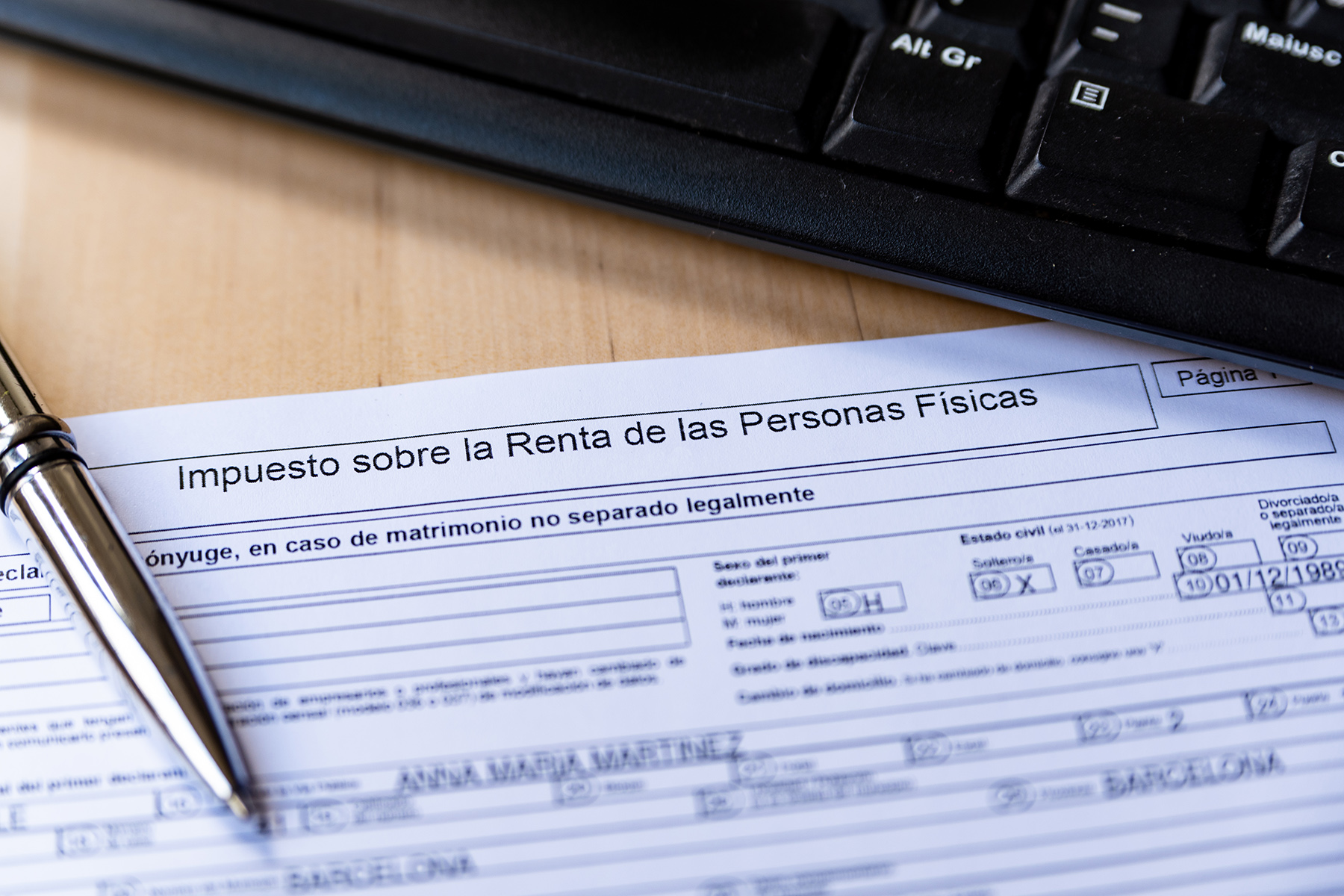
IBI is usually based on the property’s valor catastral, or cadastral value, and the municipal rate set by the local authority. As a result, two similar homes can still have different IBI bills.
Do not estimate it from the asking price alone. The safest check is the latest paid receipt, backed up by the local portal or collector.
Simple formula: Valor catastral x municipal rate = annual IBI
What to verify:
- Latest paid receipt
- Cadastral reference
- Local rate and collector
- Any valid rebate
What is valor catastral?
Valor catastral is the official cadastral value used for tax purposes. You can often find it on the IBI receipt or by checking the Sede Electrónica del Catastro.
It is not the same as market value. So the IBI amount may not match what you paid for the home.
Why IBI is not based on market value or purchase price
IBI is generally linked to cadastral value and the local rate, not the sale price. That is also different from other Spanish property taxes that may look at other official values.
- Market value: Open-market sale estimate
- Purchase price: Agreed deal price
- Cadastral value: Usual IBI basis
- Valor de referencia: Separate official tax value
How and when do you pay IBI?
There is no single Spain-wide IBI deadline. Payment windows vary by municipality and sometimes by the delegated collector, so you need to confirm the local timetable every year. The IBI deadline in Spain is local, not national.
Owners may pay through the town hall portal, direct debit, an online payment page, or a delegated collection body. Not receiving a paper bill does not always remove the obligation to check and pay.
How to stay on top of payment:
- Save the latest receipt
- Confirm the payment window early
- Check whether direct debit is active
- Keep the payment confirmation
Where to find your bill and deadline
Start with the latest paid IBI receipt, then check the local council portal or delegated collector page. Confirm the payment window on the official website each year.
- Latest paid IBI receipt
- Official municipal tax portal
- Official collector notice
Paying through your ayuntamiento or a collector such as SUMA
Some owners pay through their ayuntamiento. Others, especially in parts of Alicante province, may deal with SUMA instead.
SUMA says its 2026 annual voluntary payment period runs from 27 July to 8 October for the municipalities it handles, except Alicante and Xàbia, which have separate local arrangements.
Many owners use direct debit from a Spanish account with CaixaBank, Banco Santander, or BBVA. Depending on the authority, online card payment or online banking may also be available.
Discounts, exemptions, and other property charges to know
Some municipalities offer discounts or rebates, but they are local and conditional. Verify them before you budget around them.
IBI is also only one property cost. You may still face community fees, waste charges, or separate non-resident tax rules.
Common discounts and limited exemptions
Discounts can exist for categories such as large families or some energy-efficiency upgrades, but the rules vary by municipality and often need an application.
- Large-family reductions
- Solar or energy rebates
- Legal exemptions for some property types
- Small direct-debit incentives
IBI vs community fees, basura charges, and non-resident taxes
IBI is not the same as community fees, basura charges, or IRNR. For some owners, IRNR works as a separate non-resident property tax in Spain. They cover different things and may be billed by different authorities.
Paying IBI does not usually replace the others. If you are planning your yearly budget, treat them as separate lines unless the local paperwork clearly says otherwise.
| Charge | What it covers | Who usually sets it | Does paying IBI replace it? |
| IBI | Annual municipal property tax | Municipality or delegated collector | No |
| Community fees | Shared building or development costs | Owners’ community | No |
| Basura charge | Waste or rubbish service | Municipality or collector | No |
| IRNR | Separate non-resident property tax rules | State tax authority | No |
What expats should check before buying or owning property in Spain
For expats, the real risk is often not the tax itself – it’s missing a receipt, misunderstanding who collects the bill, or finding that the property record does not match the home being sold.
Before completion, make sure the tax trail is clear. This sits alongside the wider legal checks in our guide to buying a house in Spain, but deserves special attention because local charges can cause problems later.
Due-diligence checklist:
- Latest paid IBI receipt
- Cadastral reference
- Seller up to date
- Local payment authority
- Matching property record
How to verify unpaid IBI and avoid inherited issues
Ask for the latest IBI receipt, any proof of payment, and the cadastral reference. Then have your lawyer confirm the municipal tax position before completion.
Unpaid local charges can create problems later, especially at resale or during an administrative check. Even a small bill can cause problems later if the records are wrong.
- Latest receipt
- Proof of payment
- Cadastral reference
- Lawyer’s confirmation

Expatica Content Editor
Connor Glaze
Insider Tip
Ask your lawyer to compare the IBI receipt with the Catastro record before signing the escritura.
What documents to ask for before completion
Ask for the latest IBI receipt, proof of payment if available, the cadastral reference, and the local tax-account or collector details. You will also usually need an NIE number in Spain for tax and property administration.
- Latest IBI receipt
- Proof of payment
- Cadastral reference
- Local tax-account or collector details
Managing cross-border property money

If you pay Spain property costs from another country, the main issue is usually timing and currency management. Many expats keep a EUR balance ready for IBI and other recurring bills.
Some expats use a free-to-open Wise account as a practical tool to transfer money between currencies, hold EUR alongside other currencies, and spend with a card in multiple countries while managing Spain-related property costs. Check current fees, limits, and availability before choosing any provider.
- Track Spanish due dates and funding dates
- Keep enough EUR ahead of payment windows
- Check fees, limits, and payment methods first
FAQ
Frequently asked questions about IBI in Spain
Is IBI the same as council tax? 
Not quite. It works like a local recurring property charge, but the legal basis, calculation, and billing for property tax in Spain are different.
Can unpaid IBI become the buyer's problem?
Yes, it can. Do not assume old municipal issues disappear at sale, and ask your lawyer and the local authority to confirm the position before completion.
Is IBI based on the market value of the home?
Usually not. IBI is generally linked to valor catastral in Spain and the local rate, not the home’s market sale price.
Can you pay IBI online from abroad?
Often you can. Many municipalities or delegated collectors offer online payment or direct debit, but you must check the official portal and payment window each year.
Does every property in Spain pay IBI?
In most cases, yes, but some exemptions exist. Check special cases directly with the local authority before assuming no bill is due.
Sources
Expatica’s experts are all about providing the most up to date and accurate information. All guides are fact checked, and whenever we use external sources (like government websites or research papers) we’ll make a note of them here so you can check them out too.
- Consolidated text of the Local Treasury Law, BOE
- Vivienda y otros inmuebles, Agencia Tributaria
- No residentes: tributación de inmuebles, Agencia Tributaria
- Catastro, Sede Electrónica
- Catastro – Valor de Referencia, Sede Electrónica
- Diputación Provincial de Alicante – Annual payment period, Suma Gestión Tributaria


