
'%20id='ico-down'%20stroke='%23000000'%20stroke-width='1.5'%3e%3cg%20transform='translate(1092.250000,%20254.750000)'%3e%3cpolyline%20id='Path-2-Copy-4'%20transform='translate(5.500000,%202.750000)%20scale(1,%20-1)%20rotate(-180.000000)%20translate(-5.500000,%20-2.750000)%20'%20points='0%200%205.5%205.5%2011%200'%3e%3c/polyline%3e%3c/g%3e%3c/g%3e%3c/g%3e%3c/svg%3e)


Finance
Insurance
Does Spain require health insurance? Visa rules explained
Sorting out Spanish health insurance can feel like a moving target. Spain does require cover for most visas and residency applications, but what you actually need depends on your situation, whether you are moving long term, working locally, or already eligible for public healthcare.


If you are comparing international policies, you will almost certainly come across names like Cigna and Allianz healthcare. These big providers are popular choices, but Spanish consulates care far more about the small print than the name on the badge.
We’re breaking down exactly who needs private cover and the exact policy features consulates look for so you can apply with confidence.
Key takeaways
If you want the fast answer first, use this table to find your likely route.
| Your situation | Is insurance required? | What usually counts? |
|---|---|---|
| Visiting Spain for a short stay, visa-free | Not usually mandatory, but strongly recommended | Travel insurance or other cover for emergencies and unexpected care |
| Applying for a Schengen visa | Usually yes | Schengen-compliant travel insurance for the visa period |
| Applying for a long-stay national visa or residency from abroad | Usually yes | A visa-compliant policy or other qualifying public coverage accepted by your consulate |
| Employed in Spain and paying into Seguridad Social | Private insurance may not be needed once rights are active | Public healthcare through the Sistema Nacional de Salud (SNS) and your Tarjeta Sanitaria Individual (TSI) |
| EU or UK mover using EHIC, GHIC, or S1 | Sometimes, but not for every case | EHIC or GHIC for temporary stays, S1 for some pensioners and other cross-border situations |
| Comparing private plans for visa use | Brand alone is not enough | Readers often compare Cigna healthcare for Spain and Allianz healthcare for Spain, but the certificate, no-copay terms, and full-period validity matter more than the name |
Does Spain require health insurance?
If you are asking if Spain requires health insurance, the short answer is yes for many visa and residency cases, but not for every person in Spain. The real answer depends on your nationality, your visa route, how long you will stay, and whether you already have a valid path into Spanish public healthcare.
Proving you hold compliant cover at your exact stage of the move matters far more than simply having a basic policy. Your paperwork must demonstrate clear healthcare access, whether through an approved private contract or registered rights with the Sistema Nacional de Salud (SNS). Expatica provides detailed checklists on medical certificates and Spanish visa insurance for anyone needing a more in-depth look.
When health insurance is required in Spain

Spain enforces strict health insurance requirements whenever you apply for a visa or long-term residence before gaining access to the national healthcare system. Understanding these triggers early helps you avoid unexpected delays during your application process.
Short stays and Schengen visa cases
Visiting Spain for under 90 days involves an entirely different set of insurance rules than moving to the country permanently, with exact obligations depending heavily on your passport.
Applicants applying for a Schengen visa must present compliant travel insurance as a non-negotiable part of their application. Visa-exempt tourists enter without a legal requirement to hold coverage, though going without protection leaves you exposed to potentially heavy private medical and repatriation costs. Travel insurance covers short-term emergency care during temporary stays, which sets it apart from the comprehensive resident-style private health insurance expats purchase for long-term residency.
- Tourists from visa-exempt countries may not need insurance by law, but they still take a real financial risk without it.
- Travelers who need a Schengen visa usually need visa-compliant travel insurance.
- Your home plan may not pay for treatment abroad, or it may reimburse only part of the bill.
- EHIC or GHIC can help with some public care, but not private care and not every travel cost.
- Travel insurance is usually for temporary stays, not for long-stay residency compliance.
Long stays, national visas, and residency applications
If you are applying for a non-lucrative visa, a digital nomad visa, a student visa over 90 days, or some family-based residence routes, health insurance is often part of the file from day one. Spanish consulates regularly focus on whether the policy mirrors public cover closely enough, not just whether you bought something called insurance.
For a non-lucrative visa, some consulates say the policy must be valid for one year, cover all risks insured by Spain’s public system, and have no copays, no deductibles, no waiting periods, and no coverage limits.
For example, a non-EU applicant moving from the US for retirement will often need compliant private cover before arriving, because future access to the SNS does not help at the visa appointment. Digital nomad cases can also require qualifying public or private coverage, although the exact paperwork can vary by consulate and by whether Spanish social security registration is already in place.
- Non-lucrative visa applicants usually need private cover or another qualifying route before travel.
- Digital nomads may need private insurance, public coverage proof, or social security evidence depending on the case.
- Students staying longer than 90 days often need to prove comprehensive cover.
- Family members may need their own compliant cover unless they clearly qualify through the main applicant’s route.
Some consulates reject policies with even small copays, so ask the insurer for a Spanish-language certificate that clearly states sin copagos, sin carencias, and full-period validity before you book your appointment.
When private health insurance may not be needed
Holding private insurance is always an option, but certain legal routes allow you to satisfy residency requirements through public healthcare instead. Showing official documentation of your public access or cross-border rights fulfils your obligations without requiring a separate private contract.
Workers, social security, and the TSI card
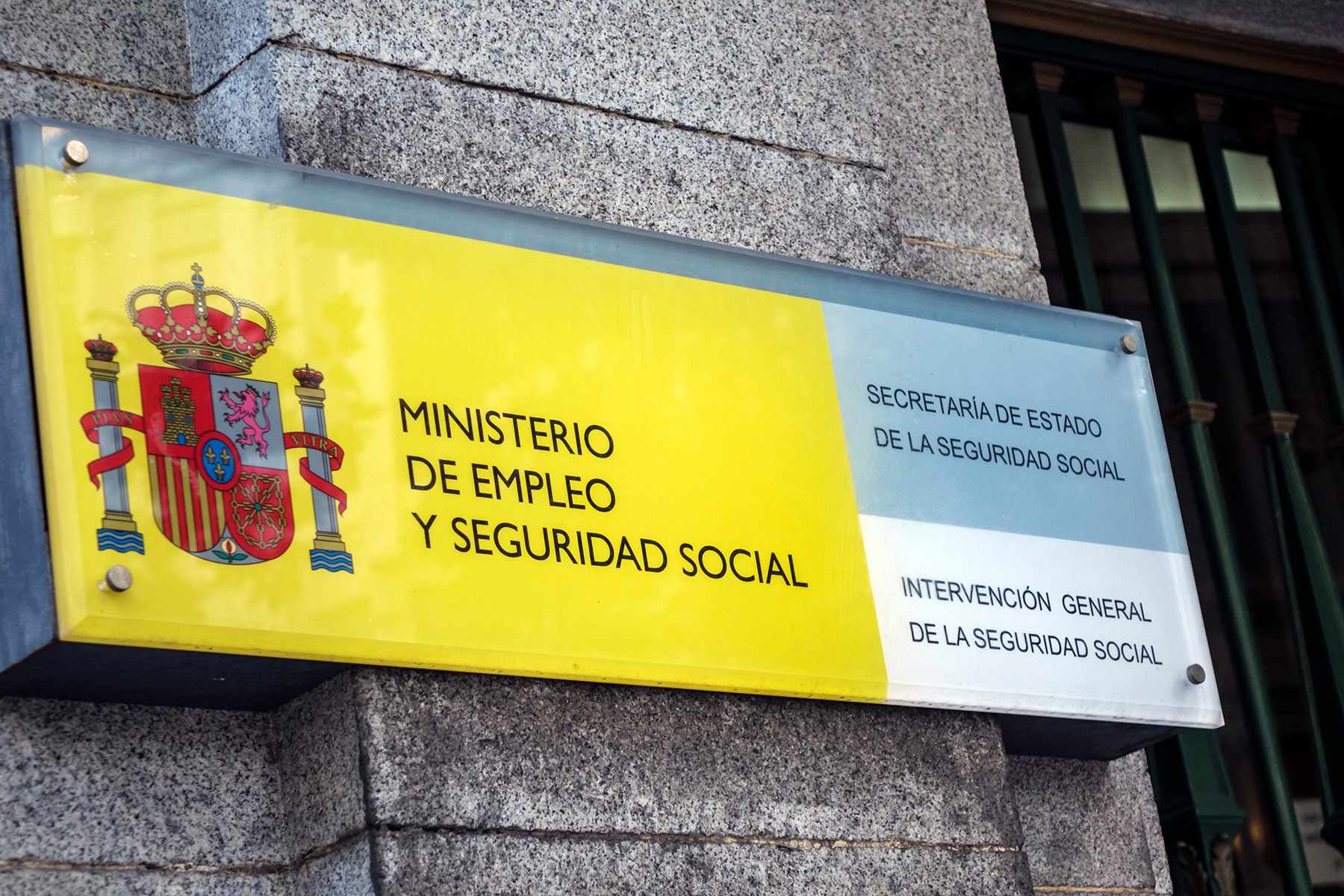
If you work in Spain and pay into Seguridad Social, you can usually access public healthcare through the SNS once your status is active. That public route then connects to your Tarjeta Sanitaria Individual (TSI), which is the health card you use in practice. Expatica’s guides to The healthcare system in Spain and The social security system in Spain explain how that works in more detail.
The risk here is timing. Future eligibility is not the same as current proof. For example, if a worker has a job offer but applies from abroad before social security registration is active, the consulate may still want separate insurance. Once you are registered and have local access, you can usually move into the public system and later find a local doctor in Spain through your assigned area.
EHIC, GHIC, S1, and other public-healthcare routes
EHIC and GHIC are mainly for medically necessary public care during temporary stays. Spain’s own EHIC guidance says the card is not valid when the purpose of the move is to change residence, which is why EHIC in Spain and GHIC Spain healthcare questions cause so much confusion.
The S1 form is different. For some pensioners and other cross-border cases, it can transfer healthcare responsibility from one country to another. The EU’s Your Europe guidance explains that pensioners moving to another EU country can often register an S1 for full healthcare in the new country of residence.
Example: An EU retiree moving to Alicante with a valid S1 may not need to buy separate private cover once that route is properly recognized in Spain.
- When this works: Temporary visits with EHIC or GHIC, or relocation routes backed by a valid S1
- When it does not: Long-stay visa files that require private cover and do not accept card-based temporary access as a substitute
- What to remember: Card-based access and residency compliance are not the same question
Moving from Bristol to Alicante, two retirees spent over 2,000 euros on private health policies under the mistaken impression that their UK S1 form granted immediate public system access upon arrival. Local INSS (social security) staff actually required a municipal padrón certificate, an in-person appointment, and sworn translations of their marriage documents to register the non-pensioner spouse as a dependent. Completing those specific administrative steps ahead of time stops you from buying duplicate private insurance or facing temporary gaps in medical care while your public registration completes.
What kind of health insurance counts?
This is the point where many applications succeed or fail. Not every private plan counts for a Spanish visa, even if it looks comprehensive on a comparison page.
Policy features visa officers usually check
| Policy feature | Why it matters | Usually acceptable? | What to verify |
|---|---|---|---|
| No copays | Consulates often want cover that works more like full local private insurance | Usually yes | Ask for explicit certificate wording |
| No deductibles | A deductible means you pay part of the risk yourself | Usually yes | Check the schedule, not just the summary |
| No waiting periods | Delayed access can make the policy unsuitable at the start of residency | Usually yes | Look for sin carencias in the certificate |
| Valid for the full stay | A short policy can leave a gap in coverage | Usually yes | Match the dates to your visa period |
| Insurer authorized in Spain | The provider must be allowed to operate in the market | Usually yes | Search the DGSFP insurer registry |
| Clear Spanish-language certificate | Consulates and immigration staff may want plain wording they can assess quickly | Often helpful | Ask for a Spanish certificate before you pay in full |
Before you buy, ask what health insurance is accepted for a Spanish visa in your exact consulate. One thing worth knowing is that the sales page and the certificate are not the same document. The certificate is what gets judged.

How to compare providers and avoid rejection
If you are not sure whether to choose a local Spanish policy or international expat cover, start with your actual use case. A cheaper policy can become an expensive option if it is rejected, excludes a pre-existing condition you care about, or creates friction when you need treatment.
Think about how you will live in Spain, not just how you will pass the application. Age, underwriting, waiting periods, direct billing, and language support all matter. Price quotes also vary by age, health history, coverage level, and sometimes region, so any cost example should be treated as a moving target, not a promise.
- Compare the certificate wording, not just the headline benefits.
- Ask whether pre-existing conditions affect acceptance or pricing.
- Check how claims work in practice, reimbursement, direct billing, or both.
- Confirm whether the policy renews cleanly after the first visa period.
- If you expect cross-border travel, check territorial cover carefully.
- If you only focus on price, you may miss a clause that causes rejection.
Where Cigna healthcare for Spain and Allianz healthcare for Spain fit
Readers who want greater portability or an expat-oriented setup often compare Cigna healthcare and Allianz healthcare alongside local Spanish plans. That can make sense if you expect cross-border care, need English-language support, or want one policy that still works if your plans change.
The key question is still compliance, not brand recognition. When comparing Cigna healthcare and Allianz healthcare, check whether the certificate matches your visa route, whether there are waiting periods or copays, how claims are handled, and whether the plan is designed for Spain healthcare for foreigners or for general international use. Local Spanish policies may still suit some residents better, especially if most of your care will happen inside Spain and you want simpler local administration.
- Compare certificate wording
- Compare territorial cover
- Compare waiting periods
- Compare claims and billing method
- Compare renewal terms and underwriting changes
Frequently asked questions about whether Spain requires health insurance
Is health insurance mandatory for a non-lucrative visa in Spain?
Usually yes. For most applicants, Spanish health insurance visa compliance means a private policy or other qualifying coverage that matches consular rules for full coverage, no copays, and the full application period. Generic travel insurance is usually not enough, so always check the latest wording on your own consulate page before you submit.
Can I use EHIC or GHIC instead of private insurance in Spain?
Sometimes for temporary healthcare access, but not automatically for residency. EHIC or GHIC can help with necessary public care during a short stay, yet they do not automatically replace a compliant private policy when a long-stay visa or residency file calls for one.
Do retirees need private health insurance to move to Spain?
It depends on whether they have a valid S1 form Spain healthcare route or another public entitlement. If not, private cover is often needed, and retirees should check age-based pricing and pre-existing-condition terms early. Expatica’s guide to Healthcare and health insurance for seniors in Spain is a good next step.
What happens if my policy has copays, deductibles, or waiting periods?
Those features can make a policy unsuitable for visa or residency purposes, even if the plan looks broad on paper. Before you submit anything, ask the insurer to confirm in writing whether the policy has copays, deductibles, waiting periods, coverage limits, and a certificate that clearly states the exact terms.
Before you book a visa appointment, match your scenario to the rule, then confirm the certificate wording with the insurer and the latest consulate checklist. If you also need a simple way to hold euros, pay arrival costs, and spend across currencies while settling in, the Wise account and card can help with that practical next step.
Useful resources
Editorial note: This guide is informational only and does not replace legal, insurance, or medical advice. Health insurance rules can change by nationality, visa type, employment status, public healthcare eligibility, autonomous community, and even the consulate handling your case.
Related Articles


Editor's picks
 Top 10 Spanish foods – with recipesWhat better way to explore Spain than with your tastebuds? From tasty tapas to delicious dishes, here are the best Spanish foods.
 Dating in Spain: finding love as an expatSingle and ready to mingle? Learn how to find love on Spain's dating scene, where casual meet-ups can spark genuine romantic connections.
 Guide to getting health insurance in Spain in 2026Find out whether you need private health insurance in Spain in 2026, with insider info on costs, coverage, and medical professionals.
Did you find this guide helpful?