This guide compares the options, including visas available without a degree, and explains the {{curent-year}} salary rules, required documents, insurance and first steps after arrival. If you’re still looking for a job, the separate Opportunity Card may be relevant.
This is general information, not legal advice; document requirements can vary by German mission and local authority.
Key takeaways
- Experienced IT specialists (Section 19c(2)): May qualify without a degree with two years of relevant experience in the last five years and a qualifying job offer. The usual 2026 minimum salary is €45,630.
- EU Blue Card (Section 18g): The standard 2026 salary threshold is €50,700, with €45,934.20 for qualifying lower-threshold cases. Some IT professionals can apply without a degree.
- Qualified employment (Sections 18a and 18b): An option for applicants with recognised academic or vocational qualifications who do not meet Blue Card conditions.
- Health insurance: Cover is needed from arrival, including any gap before your employment and ongoing insurance start.
- Entry and work: Some nationalities can apply after visa-free arrival, but entering visa-free does not itself authorise employment.
Which Germany route fits your profile?
“IT specialist visa” is a broad term – Germany offers several residence routes for non-EU tech workers, depending on the job, qualifications, experience and salary. Expatica’s Germany visas guide explains the wider options.
| Route | Best for | Main test | Main upside | Main watch-out |
|---|---|---|---|---|
| Experienced IT specialist | IT experience, often no degree | Two years’ relevant IT experience in five years; qualifying role and pay | No formal qualification required for eligible IT cases | Salary and evidence requirements |
| EU Blue Card | Recognised higher qualification, or eligible no-degree IT experience | Qualifying job of at least six months; experience or qualification; salary | Faster settlement and family benefits | Higher experience threshold for no-degree applicants |
| Qualified employment | Recognised academic or vocational qualification | Qualified job and recognition/comparability | Alternative if Blue Card does not fit | Recognition requirements |
The IT specialist route for experienced professionals
This route is for IT professionals with at least two years of relevant work experience in the previous five years, even without a formal degree. The job must be qualified IT employment, and the Federal Employment Agency normally approves the working conditions. The usual 2026 minimum salary is €45,630, although qualifying collective agreements can provide an exception. For applicants aged 45 or over, the threshold is €55,770 or evidence of adequate pension provision.
EU Blue Card for IT professionals
If you have a recognised academic or comparable tertiary-level qualification and a suitable job offer, you may qualify for an EU Blue Card. Certain IT professionals without a degree can also apply with at least three years of relevant higher-level IT experience in the previous seven years.
The standard gross salary threshold is €50,700 in 2026. Qualifying IT shortage-occupation and no-degree cases can use the lower €45,934.20 threshold, generally with Federal Employment Agency approval. The employment offer must last at least six months.

Qualified employment as the fallback route
If you have a recognised academic or vocational qualification but do not meet Blue Card conditions, you may be eligible for a skilled-worker visa under Section 18a or 18b. This route requires a qualified job and recognised or comparable qualifications, although the job does not always need to be in the same field as your qualification.
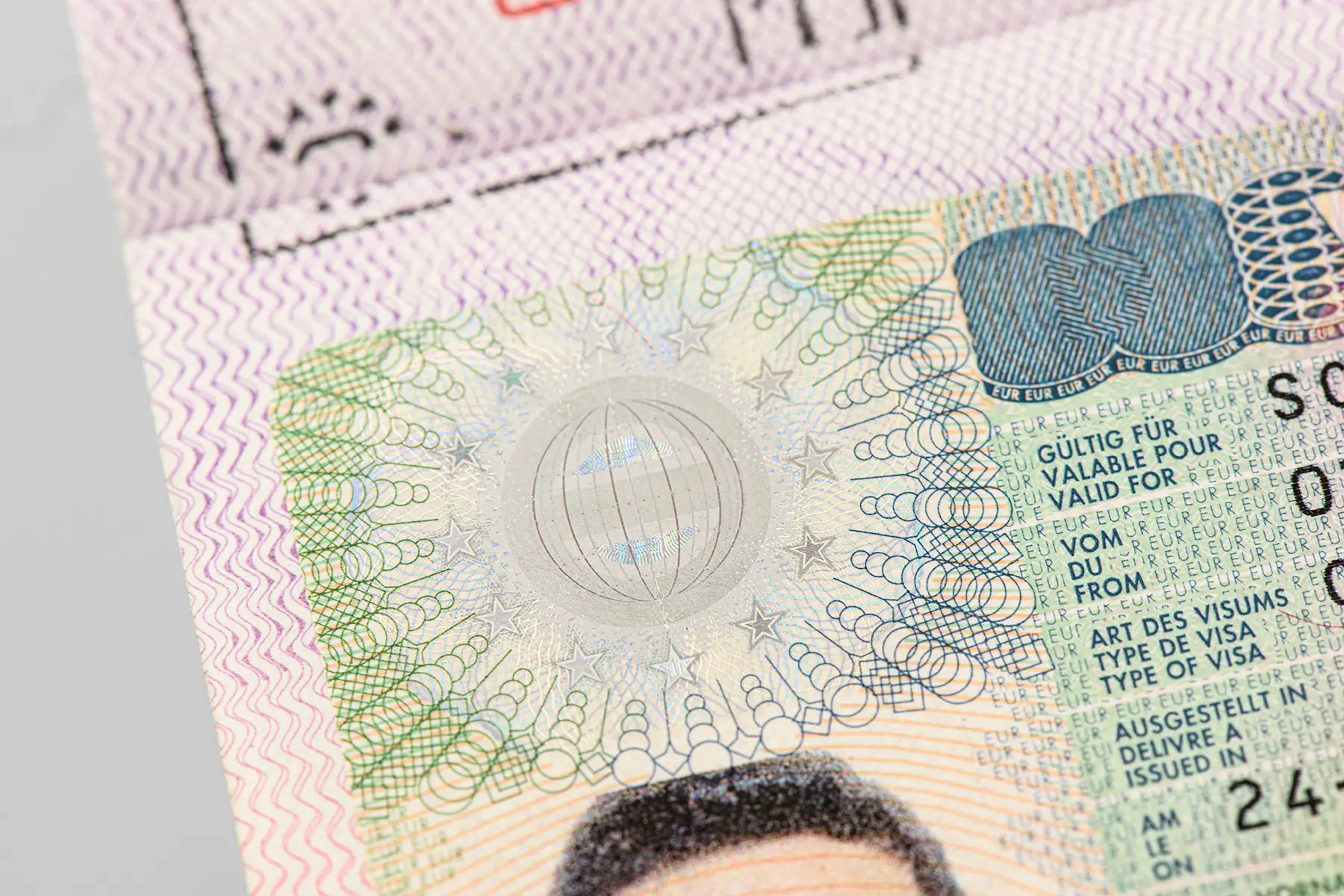
Can you get a Germany IT visa without a degree?
Yes – some non-EU IT professionals can qualify without a university degree, provided they have a concrete German job offer and can show sufficient relevant experience. The Section 19c(2) route generally requires two years of IT experience in the past five years; the no-degree EU Blue Card route requires three years of comparable higher-level experience in the past seven years.
Useful evidence includes detailed employer references, contracts, project summaries, client letters for freelance work, certifications and a CV showing dates, duties and technologies. Titles such as “tech assistant” or “digital consultant” are not enough on their own: the work must demonstrate the required IT skills.
Mistakes to avoid:
- Vague job titles without a description of duties
- Freelance work that cannot be supported by client records or contracts
- Assuming all entry-level support roles qualify as specialist IT experience

How to apply: documents, salary and timeline
Check your route and salary. For 2026, the experienced IT route usually requires €45,630 gross annually and qualifying lower-threshold IT Blue Card cases require €45,934.20. The standard Blue Card threshold is €50,700.
Be sure to check age-related and collective-agreement exceptions where relevant.
Confirm the legal route. The EU Blue Card is under Section 18g, the experienced IT route under Section 19c(2), and qualified employment under Sections 18a or 18b of the Residence Act.
Gather route-specific evidence. Qualification recognition matters for Blue Card and qualified employment applications, while documented experience is central to no-degree IT applications.
Check where to apply. Use the Federal Foreign Office’s Consular Services Portal or Visa Navigator and follow the instructions from your German mission.
After approval, prepare for arrival. Register your address and follow local foreigners-authority instructions for any further residence-permit application.
Your visa or residence title must explicitly permit the work you intend to do. Receiving a visa, registering your address and applying for a longer-term residence permit are related but separate steps.
Documents and proof to prepare
Your German mission or local authority will confirm the final document list. You may need:
- Valid passport
- Job offer or signed employment contract
- Employer’s Declaration of Employment (Erklärung zum Beschäftigungsverhältnis), where required
- CV
- Qualification recognition or comparability evidence, if required for your route
- Experience evidence, including references, contracts and project records
- Proof of suitable health insurance
- Biometric photograph
- ZAB assessment or anabin database evidence, where relevant
Some missions request translations or additional local forms, so check the mission-specific checklist before applying.
Can you apply after arriving in Germany?
Sometimes. Nationals of certain countries, including the UK, US, Canada, Australia, Japan, Israel, New Zealand and South Korea, can generally enter without a visa and apply for the relevant residence title after arrival. Many other non-EU nationals must apply for a national visa before travelling.
Visa-free entry alone does not authorise you to start work. Confirm your permitted start date and application procedure before making employment or travel arrangements. Processing times vary by mission and local foreigners authority (Ausländerbehörde).
Health insurance requirements for IT professionals moving to Germany
Health insurance is required from your arrival in Germany. If your job starts later, you may need suitable incoming or travel health insurance for the intervening period. Once employment starts, many employees join Germany’s statutory health insurance system (gesetzliche Krankenversicherung, or GKV), while others may have a valid private option.
| Stage | What you usually need | What to check |
|---|---|---|
| Before work starts | Suitable incoming or other accepted cover for the arrival gap | Whether the insurance meets your German mission’s documentation requirements |
| Once employed | GKV if eligible, or suitable long-term private insurance | Start date, payroll arrangements and any overlap with temporary cover |
If there is a gap before your job begins, Feather’s expat health insurance offers incoming cover that may be suitable, depending on the visa and the insurer’s conditions. Feather also helps eligible customers arrange statutory insurance after employment starts.
These are different products, and the German authorities make the final decision on your insurance proof.

First steps after approval: Anmeldung, banking, and moving money to Germany
Once your entry permission is confirmed, these are usual first steps:
Secure accommodation where you can register your address
Complete Anmeldung (address registration) at the local Bürgeramt (residents’ office)
Keep your Meldebescheinigung (registration certificate)
Follow instructions from your local Ausländerbehörde about your residence card
Arrange salary payments, rent and everyday banking
Some temporary rentals cannot supply the landlord confirmation needed for Anmeldung. Check this before booking a long stay, as it may delay registration and related administrative steps. Opening a local account can be easier once you have registered your address.
For relocation savings or payments across currencies, Wise can help eligible customers hold and convert euros, and guides to transferring money overseas in Germany and the moving to Germany checklist offer further guidance.
Manage relocation money with Wise
- Hold euros and other supported currencies in a multi-currency Wise Account
- Convert currencies at the mid-market exchange rate, with fees shown upfront
- Use available EUR account details to receive supported payments

FAQ
Frequently asked questions about the Germany IT specialist visa
Can I get a Germany IT specialist visa without a degree? 
Yes. Eligible IT professionals can use the experienced-worker route with at least two years of relevant experience in the previous five years, or the no-degree Blue Card route with three years of higher-level IT experience in the previous seven years. Both require a qualifying job offer.
What salary do IT specialists need for Germany in 2026?
It depends on the route. The experienced IT route generally requires €45,630 gross annually, or collectively agreed remuneration where applicable. The lower EU Blue Card threshold is €45,934.20, while the standard threshold is €50,700. Applicants aged 45 or over may face additional conditions under the experienced-worker route.
Is the EU Blue Card better than the IT specialist route?
The EU Blue Card offers advantages such as faster eligibility for settlement in qualifying circumstances, but has its own qualification, experience and salary rules. The experienced IT route may suit eligible applicants without a degree who meet its shorter work-experience requirement.
How long does the Germany IT specialist visa take?
There is no single processing time. It depends on your visa route, the German mission or authority handling the application and whether you have supplied all required documents. Check official local estimates rather than assuming a fixed number of weeks.
Can I apply from inside Germany after arriving visa-free?
Sometimes – certain non-EU nationalities can apply for the necessary residence title after entering Germany. However, visa-free entry does not itself permit employment, so check your eligibility and work-authorisation date first.
Sources
Sources
Expatica’s experts are all about providing the most up to date and accurate information. All guides are fact checked, and whenever we use external sources (like government websites or research papers) we’ll make a note of them here so you can check them out too.
- Visa options for IT professionals, Make it in Germany
- EU Blue Card, Make it in Germany
- Visa for professionally experienced workers, Make it in Germany
- Work visa for qualified professionals, Make it in Germany
- Homepage – Consular Services Portal, Federal Foreign Office
- Consular Services Portal | Visa Navigator, Federal Foreign Office
- Statutory health insurance – GKV-Spitzenverband, GKV-Spitzenverband
- Erklärung zum Beschäftigungsverhältnis, Federal Employment Agency
- Expat health insurance in Germany: Get covered, Feather