
'%20id='ico-down'%20stroke='%23000000'%20stroke-width='1.5'%3e%3cg%20transform='translate(1092.250000,%20254.750000)'%3e%3cpolyline%20id='Path-2-Copy-4'%20transform='translate(5.500000,%202.750000)%20scale(1,%20-1)%20rotate(-180.000000)%20translate(-5.500000,%20-2.750000)%20'%20points='0%200%205.5%205.5%2011%200'%3e%3c/polyline%3e%3c/g%3e%3c/g%3e%3c/g%3e%3c/svg%3e)


Healthcare
Healthcare Basics
Coronavirus in the UK: where to get COVID-19 information
Where can you find the most current information about COVID-19 in the UK? We help you navigate the latest UK coronavirus measures, tests, vaccines, travel regulations, and various support schemes.

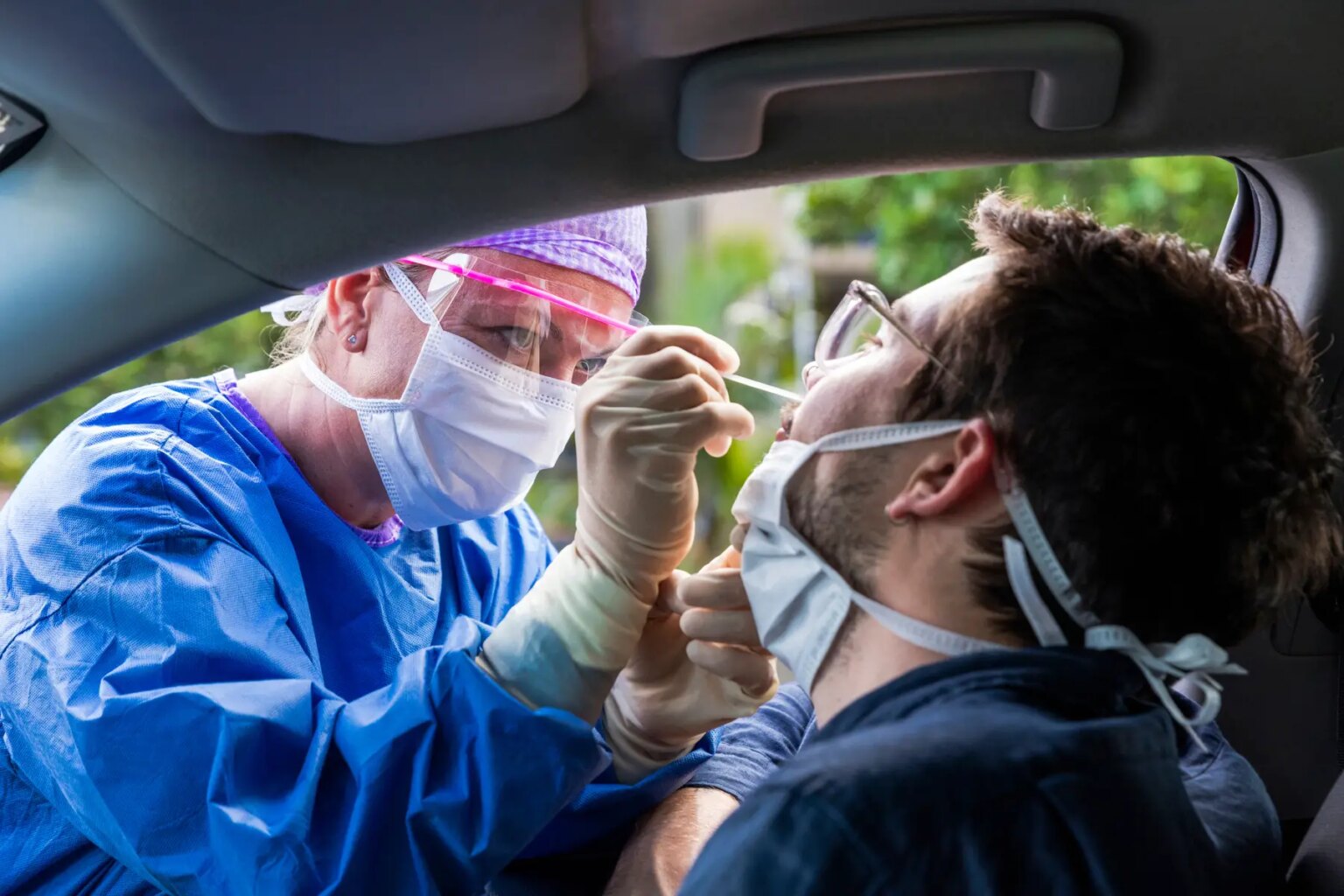
If you contract COVID-19 in the UK or want to protect yourself against the health or economic effects of the coronavirus, there is a range of support and advice on offer through NHS healthcare services, government financial support, and supplementary service provision. The UK has been one of the countries worst hit by the pandemic; although it has been one of the fastest to respond in terms of vaccinating its population.
This guide gives an overview of the UK coronavirus situation and explains where you can go to find out or get what you need. Sections include:
Cigna Global
Enjoy peace of mind while living in the UK with Cigna Global’s long-term international health insurance plans (12+ months). Get tailored coverage, direct billing with many providers, complex case management, and global care on demand, with access to a network of 1.5+ million doctors, specialists, and therapists.

Coronavirus in the UK
The UK has been among the worst-hit countries in terms of total COVID-19 cases and deaths; ranking among the top ten nations since the early days of the pandemic. The first recorded case of Coronavirus in the UK was on 31 January 2020, followed by the first death on 2 March 2020. However, it is now thought that the first death may have actually occurred earlier than this at the end of January.
The Department of Health and Social Care (DHSC) is the government body responsible for healthcare in the UK, including its COVID-19 response. The UK Health Security Agency (UKHSA), part of the DHSC, is the central agency responsible for public health protection and infectious disease response. Scotland, Wales, and Northern Ireland also have their own independent national public health bodies.
The UK government provides daily updated statistics on COVID-19, including on cases, deaths, and hospitalizations. You can search for a breakdown of statistics in your local area.
Coronavirus rules and measures in the UK
The UK has used a variety of measures to combat the spread of COVID-19; although the government has been criticized for not implementing measures such as lockdowns and border controls soon enough. COVID-19 rules change confusingly often, but you can refer to the UK government’s coronavirus website and to the links below to get the most up-to-date information on the measures, which to date have included:
- Lockdowns – a mixture of national and local lockdowns, beginning on 23 March 2020. Consisting of the closing of non-essential businesses, restrictions on non-essential travel, restrictions on social gatherings and limits to time spent outside the home for non-essential purposes.
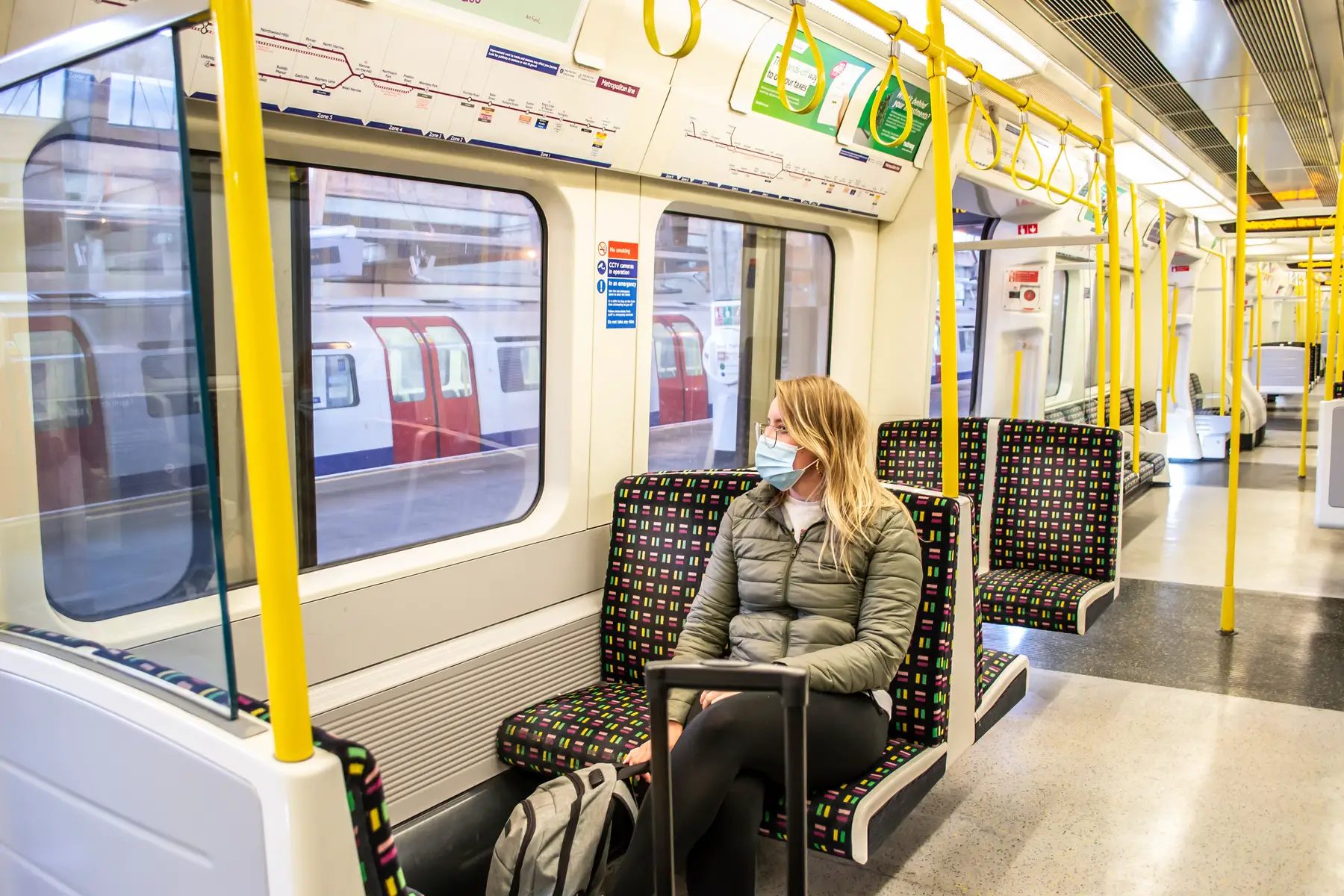
- Face masks – first introduced on 24 July 2020 in indoor spaces and on public transport, unless with an exemption. Information on latest guidelines here.
- Border controls – first introduced on 8 June 2020, with rules varying across countries (with red, amber, or green categorizations). Measures may include quarantine periods on return, vaccine passports and mandatory coronavirus testing. See here for the latest rules.
- Social distancing and isolating – in the UK, social distancing was set to two meters between all people from different households. In case you have coronavirus symptoms or have been in close contact with someone who tests positive, see the rules for self-isolation. The NHS has also issued advice on isolating if you have virus symptoms.
- Contact tracing – Test and Trace, administered largely through an NHS app, where people register their presence in public spaces such as pubs, restaurants, and cafes.
The government has produced health and safety guidelines on how to stay safe and prevent the spread of COVID-19 in the UK, as well as general guidance and support. If you are planning on going to a large event or festival in the UK, you can find information and advice on the Festival Safe website.
In addition to central government measures, the devolved governments of Scotland, Wales, and Northern Ireland have also introduced their own guidelines to combat COVID-19 in the UK.
Apps for COVID-19 in the UK
The way we tackle health problems and look after ourselves is changing in the digital age, with the more tech-savvy among us taking advantage of the various mobile apps now available.

There are a few different apps relating to COVID-19 that you can download onto your mobile phone or device. These include:
- NHS App – allows you to access a range of NHS services, including getting your digital COVID Pass (used for entry to domestic events and travel abroad), and get up-to-date coronavirus information and advice. Different apps are available for Scotland, Wales, and Northern Ireland.
- NHS COVID-19 App – features include contact tracing alerts, symptom checker and test ordering service. Different apps available for Scotland and Northern Ireland.
- Coronavirus Support App – free app developed by Expert Self Care and over 40 health professionals with tools to help you look after your health and wellbeing during the pandemic.
Coronavirus testing in the UK
There are two types of tests for determining whether or not you currently have COVID-19 in the UK: lateral flow tests (also called rapid antigen tests) and polymerase chain reaction (PCR) tests.
Lateral flow tests
Lateral flow tests are readily available throughout the UK. They are free and you can use them to find out if you have Coronavirus even if you don’t have symptoms. Because of this, people use them regularly to check if they are infectious with the virus. You can do the test by either:
- Picking a testing pack up from a collection point, usually a pharmacy or covid testing site
- Ordering a test online
- Visiting a testing site (you may have to book first)
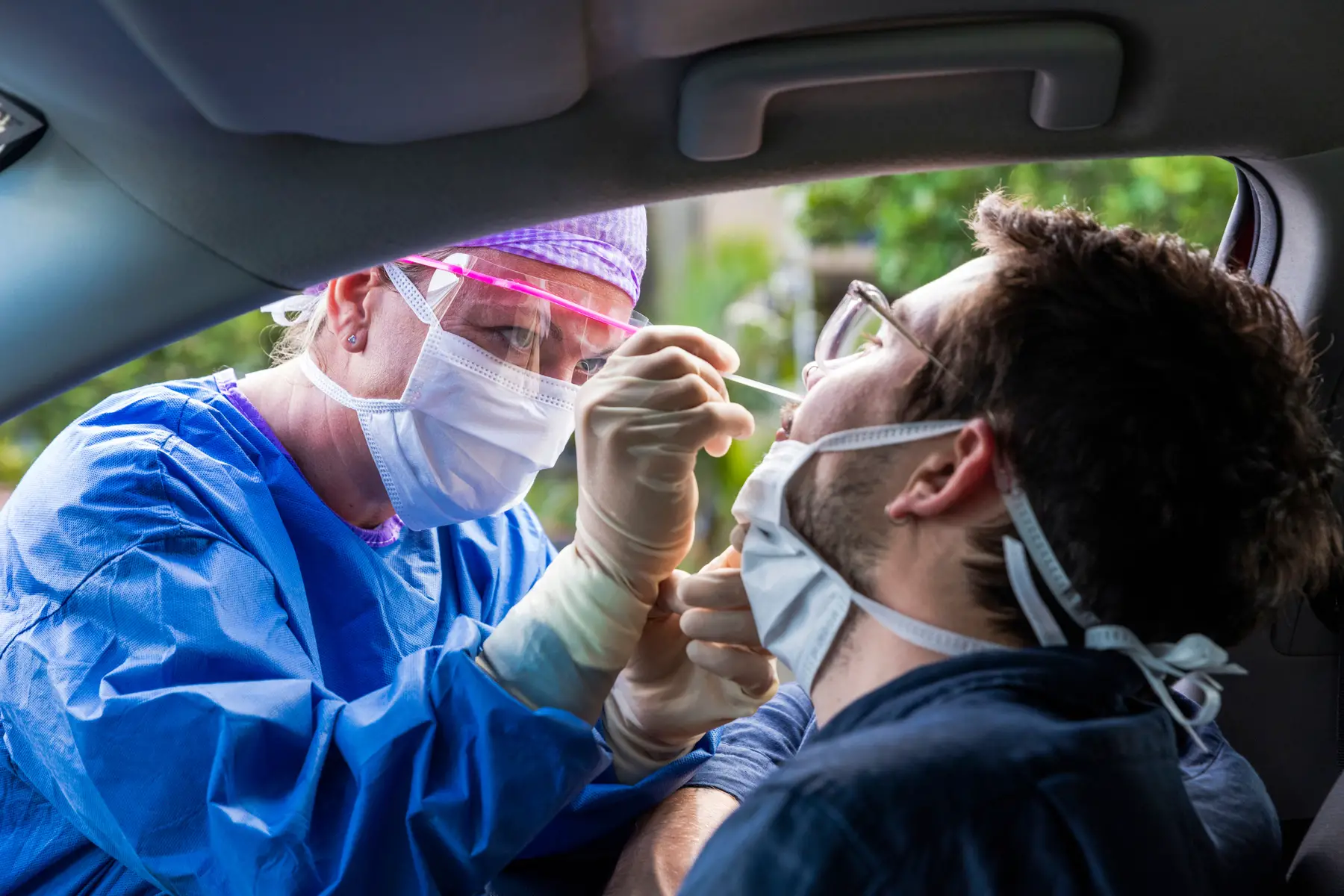
These tests use a device similar to a pregnancy test which gives you the result in under 30 minutes. If you are tested at a site, you should receive your results by email within a few hours. If you test yourself at home, you will need to rub a cotton swab around your tonsils and the inside of your nostril and then follow the instructions in the pack.
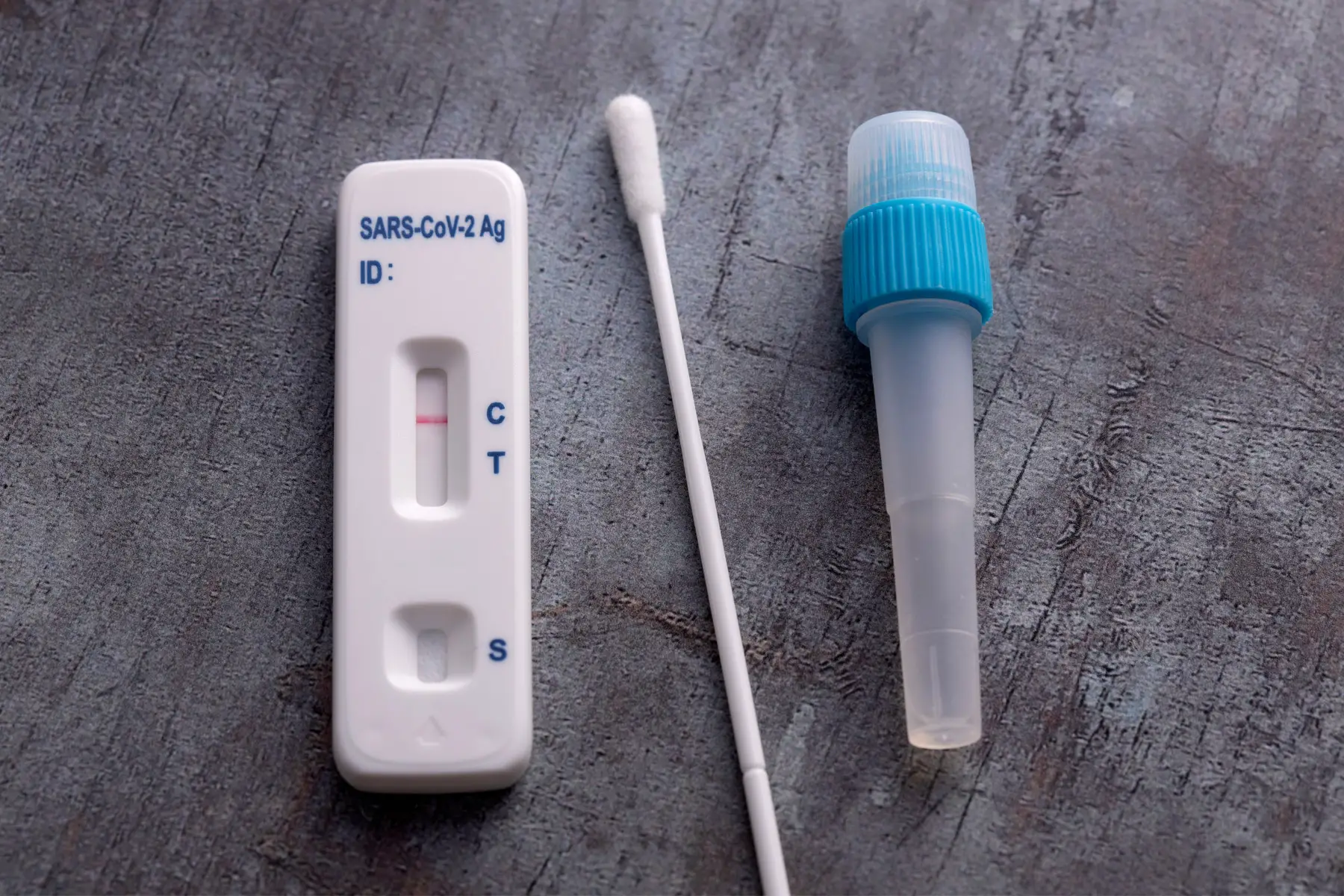
Research shows lateral flow test results to be 99.9% accurate. You can report the results to the NHS if you use a self-testing kit.
See separate information about getting a lateral flow test if you live in Scotland, Wales, or Northern Ireland.
PCR tests
PCR tests are similar in many ways to lateral flow tests. However, they are mainly for people with covid symptoms or who have been in close contact with those who have tested positive for the virus. You can either order them online or book a test at a PCR testing site.
The process for administering the PCR test is similar to the lateral flow test. However, the main difference is that you need to register for the test online and send it off to a lab for examination. You should receive the results within 24 – 48 hours. Research shows PCR tests to be more accurate than lateral flow tests.
PCR tests are free if you have covid symptoms, have been in close contact with someone who has tested positive, or if the NHS, your GP, or local council has asked you to get tested. Otherwise, you can get them online or from many high street chemists for around £70 to £90.
See separate information about getting a PCR test if you live in Scotland, Wales, or Northern Ireland.
Surge testing in the UK
Surge testing is testing concentrated in particular geographic areas of the UK, usually in areas where new coronavirus variants are spreading. This is typically carried out at mobile testing sites, or sometimes by door-to-door testing. You can also pick up a home-testing kit.
If you live in an area undergoing surge testing, your local council will contact you by letter, email, or text with instructions on how to get your test.
If you test positive for coronavirus in the UK
You should do the following if you test positive for COVID-19 in the UK:
- Self-isolate immediately for a minimum period starting from the date of your test.
- Contact your employer, college, or school to inform them of your positive test.
- If you tested positive with a lateral flow test, you should report your result and order a PCR test to confirm the result. You will need to restart your isolation period if the second test is also positive.
- Inform anyone you have been in close contact with over the last 5–7 days so that they can get tested.
Other adult members of your household will also have to isolate if they are not fully vaccinated or don’t meet other criteria. See NHS guidance for further information on what to do if you test positive and when you need to self-isolate. Separate information is available for those living in Scotland, Wales, and Northern Ireland.
If you experience COVID-19 symptoms but haven’t yet tested positive, you should book a PCR test straightaway. You should also self-isolate immediately until you complete your covid test.
COVID-19 antibody tests in the UK
COVID-19 antibody tests check if your body has generated antibodies to the virus, either through earlier infection or in response to the covid vaccine. However, not everyone who gets COVID-19 or gets vaccinated makes antibodies. This means a negative test doesn’t mean you definitely haven’t had the virus.
You can get a free test if you meet eligibility requirements. These vary across different parts of the UK but typically include being aged over 18, working in certain sectors such as primary care, or taking part in antibody research. Check here for eligibility and how to register for a test.
If you do a free test, you will receive a home-testing kit, which involves pricking your finger, collecting blood in a tube, and sending it off for testing. You will usually get results within 3–7 days.
You can also get an antibody test at private clinics, either by pre-booking an appointment or sometimes using a walk-in service. Many clinics will offer two distinct types of tests:
- Rapid tests, which determine the presence or absence of immunoglobulin (IgG) antibodies and will give a positive or negative result in around 15 minutes. Costs are around £65 to £85.
- Quantitative tests (sometimes called spike protein tests or vaccine immunity tests), which tell you the number of antibodies your body has created. This is the test most suitable post-vaccination. Costs are around £120 to £130.
See more information on covid antibody testing on the NHS website and the UK government website.
COVID-19 vaccinations in the UK
The UK has fared relatively well in terms of vaccinating its population against covid, consistently featuring among the top group of nations in global charts. You can keep a track of the number of people vaccinated against covid in the UK on the government website.
The UK rolled out its vaccination program in stages, starting with over-75s and people with serious health conditions and then staggering the program by age group. The vaccine is given in two stages, the second dose between 8–12 weeks after the first. The current vaccines being offered are:
- Oxford/AstraZeneca (AZ)
- Pfizer/BioNTech
- Moderna
- Janssen (available late 2021)
You cannot choose which vaccine you have in the UK.
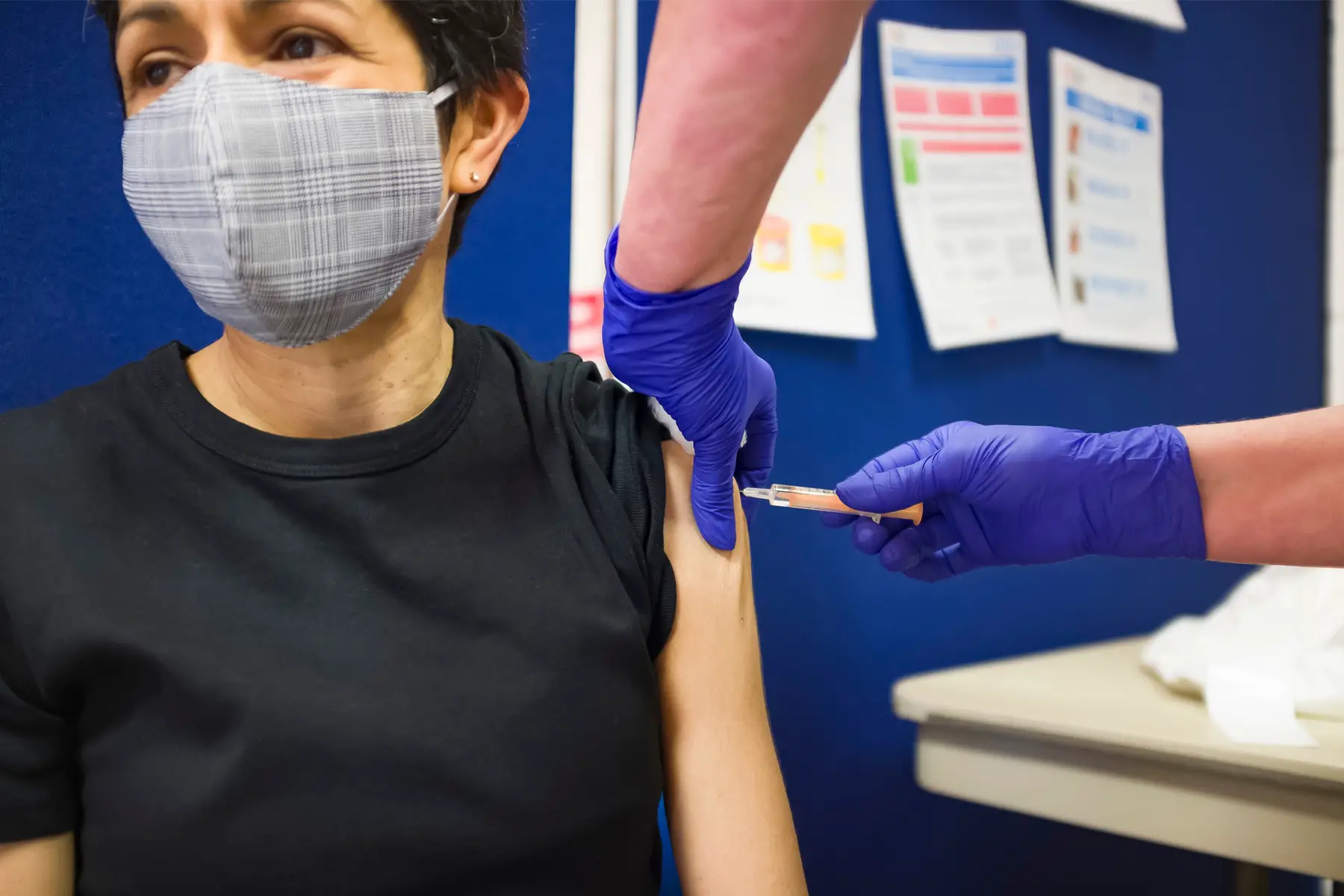
Coronavirus vaccinations in the UK are taking place in vaccination centers (which could be health centers, hospitals, or other large venues such as football stadiums) and pharmacies. You can book an appointment or, at some locations, just turn up on the day. If you are registered for healthcare in the UK, you should receive an invitation to book your vaccine as soon as you are eligible.
You do not need to be registered with a GP to book your UK coronavirus vaccine and you do not need to bring an ID, although it may help if you have your NHS number. Once you have had both injections, you can get your COVID-19 vaccine pass if you have your NHS number.

See more information on the NHS website for England, NHS Inform for Scotland, the Welsh Government website for Wales, and the HSCNI website for Northern Ireland.
International travel during COVID-19 in the UK
If you embark on international travel from the UK at any point while coronavirus restrictions are in place, you will need to check the entry restrictions for the country you are traveling to, as well as restrictions on any countries through which you may transit.
You will also need to comply with the rules and regulations on returning to the UK. These vary depending on whether the country you are traveling from is listed as red, amber, or green. Depending on where you are traveling from, as well as your vaccination status, you may need to:
- Take a COVID-19 test shortly before coming or returning to the UK
- Take an additional Day -2 test shortly after entering the UK
- Quarantine for a period of time when you arrive in the UK, either at home or in provided accommodation such as a hotel.
You can get a covid pass that proves your vaccination status for international travel on the NHS app.
There are a number of providers offering PCR tests, should you need to complete one before leaving or after returning to the UK. Before paying for any tests, be sure to read reviews and check how the process works. This is essential to ensure you’ll receive results as required and avoid any unnecessary hassle. PCR test providers operating in the UK include:
See separate information if you are embarking on international travel to or from Scotland, Wales, or Northern Ireland.
Long COVID support in the UK
Many people who get COVID-19 still suffer debilitating symptoms long after the virus has passed, such as fatigue, chest pain, sickness, and brain fog. This is known as long COVID. Research has shown that over two million adults may experience long COVID in the UK.

If you experience any long-term effects of the coronavirus in the UK, you should make an appointment to see your GP in the first instance. They may refer you for further support. NHS services have set up 69 long COVID clinics across England that offer treatment and support to sufferers.
You can also find long COVID support on:
- The NHS Your COVID Recovery website
- The Long COVID Support website
- Survivor Corps, which is an international grassroots support network for COVID-19 survivors worldwide
Although there hasn’t been a great deal of focus on COVID-19 in children, either in the UK or worldwide, children and young people also suffer the effects of long COVID. According to official data, 7.4% of children aged 2 to 11 and 8.2% aged 12 to 16 report continued COVID symptoms. The NHS is now setting up 15 pediatric long COVID hubs to provide tailored support. You can access additional support through Long Covid Kids.
See separate information on long COVID for Scotland, Wales, and Northern Ireland.
Read our guide to UK healthcare to find out more about what services are available.
COVID-19 support for businesses, the self-employed, and freelancers in the UK
The coronavirus hasn’t just affected health and wellbeing. It has also had a huge impact on the global economy. The UK saw its GDP decline by 9.8% in 2020, the biggest drop since records began. To try and mitigate the economic impact of the pandemic, the UK government has committed to spending around £340 billion across 2020 to 22.

Support for UK businesses and self-employed people has included:
- Support to pay employees during temporarily off work during lockdown periods through the Coronavirus Job Retention Scheme
- Grants to cover lost earnings for those self-employed or freelancing
- Deferred tax payment and business rates relief
- COVID recovery loans
- Additional support to help with implementing health, social distancing, and safety measures
You can check what current support is available on the UK government website. See separate information on support for businesses in Scotland, Wales, and Northern Ireland.
The COVID-19 pandemic and education in the UK
With schools, colleges, and universities across the UK closed for long periods during the lockdowns, it is unsurprising that COVID-19 has impacted education in the UK at every level. Remote teaching, homeschooling, and online learning replaced classroom-based activities during these periods.

There is no research available yet to identify the long-term effects of COVID-19 on education in the UK. However, research so far has highlighted the disproportionate impacts on low-income families, especially those who lack access to digital equipment and resources, as well as negative impacts on young people’s mental wellbeing.
You can find up-to-date information on the situation regarding schools, colleges, and universities in the UK on the government website. You can also get help with remote learning. The UCL Institute of Education has compiled a useful list of free online learning resources for students, parents, and teachers.
See separate information for Scotland, Wales, and Northern Ireland.
Support around COVID-19 for vulnerable people in the UK
One of the priorities throughout the pandemic has been protecting elderly residents and those with serious health issues who have been most at risk from the coronavirus in the UK. These groups have isolated for the majority of the pandemic, receiving support from government and neighborhood schemes. Help has included:
- Priority supermarket delivery
- Neighborhood grocery and prescriptions delivery
- Transport to and from urgent medical appointments
- Telephone befriending for those isolated
You can check the UK government website to see what support is available as well as for current COVID guidance. To access or get involved with neighborhood community support, see Covid-19 Mutual Aid UK and Mutual Aid for information and details of local support groups.
See separate information for Scotland, Wales, and Northern Ireland.


Did you find this guide helpful?