
'%20id='ico-down'%20stroke='%23000000'%20stroke-width='1.5'%3e%3cg%20transform='translate(1092.250000,%20254.750000)'%3e%3cpolyline%20id='Path-2-Copy-4'%20transform='translate(5.500000,%202.750000)%20scale(1,%20-1)%20rotate(-180.000000)%20translate(-5.500000,%20-2.750000)%20'%20points='0%200%205.5%205.5%2011%200'%3e%3c/polyline%3e%3c/g%3e%3c/g%3e%3c/g%3e%3c/svg%3e)


Finance
Taxes
How to file income taxes in the UK in 2026
Do you need to submit a Self Assessment tax return for your UK income? Find out the income tax rates for 2026, deadlines, and how to file.

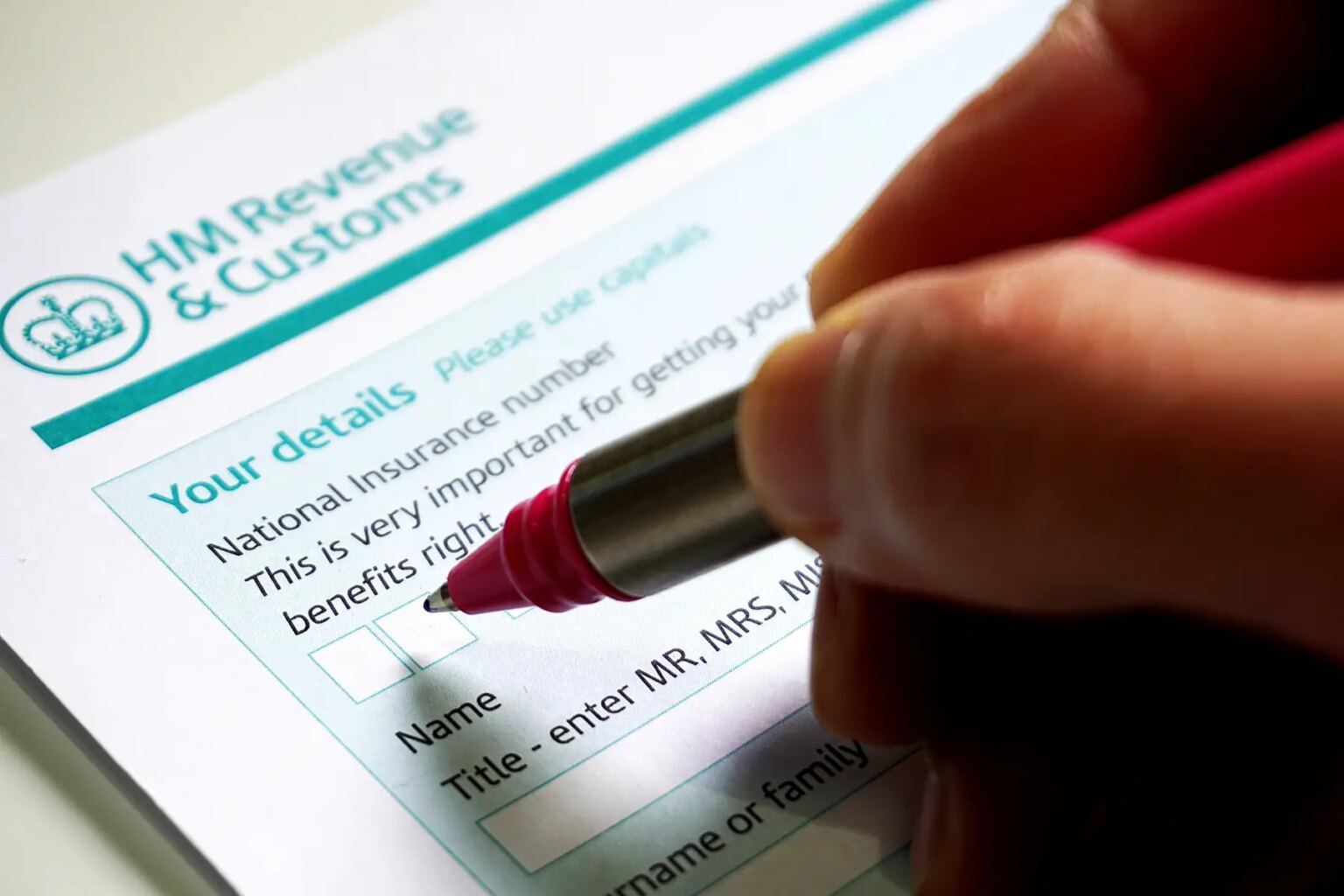
Most UK workers do not need to submit a tax return because their income tax contributions are taken directly from their salary via the PAYE (Pay As You Earn) system. However, there are some instances where you need to submit a Self Assessment tax return.
Find out whether you need to complete a tax return, how to do so, the tax brackets and rates, and the deadlines for filing and paying.
H&R Block
Filing U.S. taxes from the UK? H&R Block’s expat tax experts simplify the process with easy online registration and remote filing. Whether it’s answering tricky tax questions or managing paperwork, they’ve got you covered. Stay compliant, stress-free, and up-to-date – contact H&R Block today.

UK income tax: overview and latest developments
Income tax is your contribution to the UK government’s spending on essential services such as public transport, the NHS, and education. This contribution comes from your earnings, and how much you pay depends on your annual income.
In addition to income tax, employees in the UK must pay National Insurance, a form of social security funding benefits and pensions. Most people make payments alongside income tax via PAYE or Self Assessment.
HM Revenue and Customs (HMRC) oversees income tax in the UK.
Taxable income can include:
- Your salary and benefits from employment
- Business profits
- State benefits and pensions
- Rent
- Interest on savings or investments
- Dividends
- Cryptoassets
Latest developments – 2026
UK Chancellor Rachel Reeves announced the following in her 2025 Autumn Statement:
- Maintenance of personal tax thresholds and the National Insurance contributions (NICs) secondary threshold from 2028 until 2031.
- Increasing the basic rate (8.75% to 10.75%) and higher rate (33.75% to 35.75%) of tax on dividend income from April 2026.
- Increasing the National Living Wage for the lowest paid to £12.71 per hour in April 2026.
These follow the measures from the previous 2025 Spring Statement:
- Continued rollout of Making Tax Digital (MTD): all sole traders and landlords with qualifying income above £20,000 to join the scheme by April 2028.
- Increasing the late payment penalties from April 2025.

In brief, although the budget will reportedly raise overall taxes by £26.6 billion, there were no huge changes to income taxation. Increases to the minimum wage and support to vulnerable groups will help many struggling with the cost of living in the UK.
How much income tax will I pay in the UK in 2026?
Income tax in the UK falls into a series of brackets (known as bands in British English). England, Wales, and Northern Ireland all use the same thresholds, while Scotland has its own tax brackets. The current UK income tax rates are as follows:
2026–27 tax year (6 April 2026 – 5 April 2027)
| England/Wales/Northern Ireland tax band | Taxable income | Income tax rate |
| Personal allowance | Up to £12,570 | 0% |
| Basic rate | £12,571–50,270 | 20% |
| Higher rate | £50,271–125,140 | 40% |
| Additional rate | £125,141+ | 45% |
2026-27 rates in Scotland:
| Scotland tax band | Taxable income | Income tax rate |
| Personal allowance | £12,570 | 0% |
| Starter Rate | Over £12,570*–16,537 | 19% |
| Scottish Basic Rate | Over £16,537–29,526 | 20% |
| Intermediate Rate | Over £29,526–43,662 | 21% |
| Higher Rate | Over £43,662–75,000 | 42% |
| Advanced Rate | Over £75,000–125,140** | 45% |
| Top Rate | Over £125,140** | 48% |
** those earning more than £100,000 will see their Personal Allowance reduced by £1 for every £2 earned over £100,000.
2025–26 tax year (6 April 2025 – 5 April 2026)
| England/Wales/Northern Ireland tax band | Taxable income | Income tax rate |
| Personal allowance | Up to £12,570 | 0% |
| Basic rate | £12,571–50,270 | 20% |
| Higher rate | £50,271–125,140 | 40% |
| Additional rate | £125,141+ | 45% |
| Scotland tax band | Taxable income | Income tax rate |
| Personal allowance | £12,570 | 0% |
| Starter Rate | Over £12,571*–15,397 | 19% |
| Scottish Basic Rate | Over £15,397–27,491 | 20% |
| Intermediate Rate | Over £27,491–43,662 | 21% |
| Higher Rate | Over £43,662 – £75,000 | 42% |
| Advanced Rate | Over £75,000 – £125,140** | 45% |
| Top Rate | Over £125,140** | 48% |
** those earning more than £100,000 will see their Personal Allowance reduced by £1 for every £2 earned over £100,000.
Try one of the UK Government’s online UK income tax calculators in order to determine how much tax you will pay. They also provide a ‘self-employed ready reckoner‘ to help entrepreneurs budget for their income tax bill.
Who pays income tax in the UK?
All residents of the UK must pay income tax to HMRC. Non-residents who earn income in the UK, such as rent or income from investments, must also pay UK income tax.
Under UK tax law law, you are considered a UK resident for the relevant tax year if you meet one of the following criteria:
- You have been in the UK for at least 183 days during a tax year
- Your main home is in the UK, and you have owned, rented, or lived in the country for at least 91 days, including 30 days during a tax year
- You worked full-time in the UK for a 365-day period and at least one of those days was in that tax year
However, you can qualify as a non-resident if you either:
- Spent fewer than 16 days in the UK (or 46 days if you have not been a UK resident for the previous three tax years)
- Worked abroad full-time (35 hours a week) and spent fewer than 91 days in the UK, of which no more than 30 were spent working
Who needs to file an income tax return?
Workers in the UK generally pay their income tax through the PAYE system. Under this arrangement, employers and pension providers deduct income tax and national insurance contributions before paying wages or pensions.
However, you may need to file a Self Assessment tax return if:
- Your self-employment income exceeds £1,000 per year
- You are in a business partnership
- You earn over £150,000 per year from employment or pensions
- You claim child benefit, and your (or your partner’s) income is over £60,000
- You receive taxable income that has not been taxed at source (such as rental income, foreign income, or certain investment income)
- You had to pay Capital Gains Tax
UK income taxes for foreigners
The same rules apply to international residents of the UK, meaning they are taxed on their worldwide income. However, there are agreements with about 130 countries to prevent double taxation.
If you are taxed at the source of income from another country, you can usually claim tax relief to get some or all of this back. For example, international students who work in the UK do not need to pay UK tax on their income if their country has a double taxation treaty.
People with income from abroad should check the rules for each type. For example, most foreign income follows the same rules as UK earnings, but there are special circumstances for pensions, rent, and some types of employment.
Filing US taxes from the UK
Every US citizen and Green Card holder must file a tax return with the IRS, even those living abroad. Many US expats are unaware of this obligation, assuming that, as expats, they don’t need to file or pay taxes in the US. The good news is that as long as you’re paying taxes in another country, you usually don’t owe anything to the IRS, but it’s essential to make sure, and the law says you still have to file.
Learn how to file your US tax returns from the UK by reading our article on taxes for American expats. Alternatively, you can seek advice from a company that offers a specialized tax filing service for expats, such as H&R Block.
Who is exempt from UK income tax?
Most UK taxpayers are entitled to a tax-free Personal Allowance of £12,570, which applies in full to incomes up to £100,000 and is gradually withdrawn for incomes above this level, reaching zero at £125,140. The £12,570 allowance is frozen until April 2031.
Personal Allowances are higher for blind people, who can benefit from an additional £3,130 in 2025/26 (increasing to £3,250 in 2026/27).
Furthermore, married couples may transfer some of their tax-free amount to reduce their tax liability.
Specific rules govern individuals working in the following situations:
- Offshore
- Gas or oil industries
- The European Union, UK government employees abroad, and volunteer development
How to file your UK income tax: step-by-step and deadlines
The UK tax year runs from 6 April until 5 April. For example, the 2025-26 tax year runs from 6 April 2025 until 5 April 2026. Therefore, the following deadlines apply to the income earned during this period:
| Step | Deadline (2026-27 tax year) |
| Registration with HMRC | 5 October 2027 |
| Submitting a paper return | 31 October 2027 |
| Submitting an online return | 31 January 2028 |
| Paying tax | 31 January 2028 (additional payment 31 July 2028) |
In the event that you miss a tax deadline, you must usually pay a penalty. However, there are situations in which you can appeal against this. To find out more, read the UK government’s information on deadlines for various employment situations.
How to register for tax in the UK
When coming to work in the UK, one of the first things you should do is apply for a National Insurance number. This is used to track contributions to National Insurance, as a personal identifier, and to ensure you are paying the correct amount of tax. It is essential to pay tax in the UK, whether through PAYE or Self Assessment.

You can apply for a National Insurance number online via the UK Government.
Before filing your first Self Assessment tax return, you must register with HMRC. You can usually do this through your tax account on the UK Government Gateway. Otherwise, you can fill out one of the following forms and send it to HMRC:
- Registering for Self Employment as a sole trader: CWF1
- A new partnership: SA400
- A partner in a partnership: SA401
- Partners who are not individuals: SA402
- Registering for Self Assessment for other reasons (not self-employed): SA1
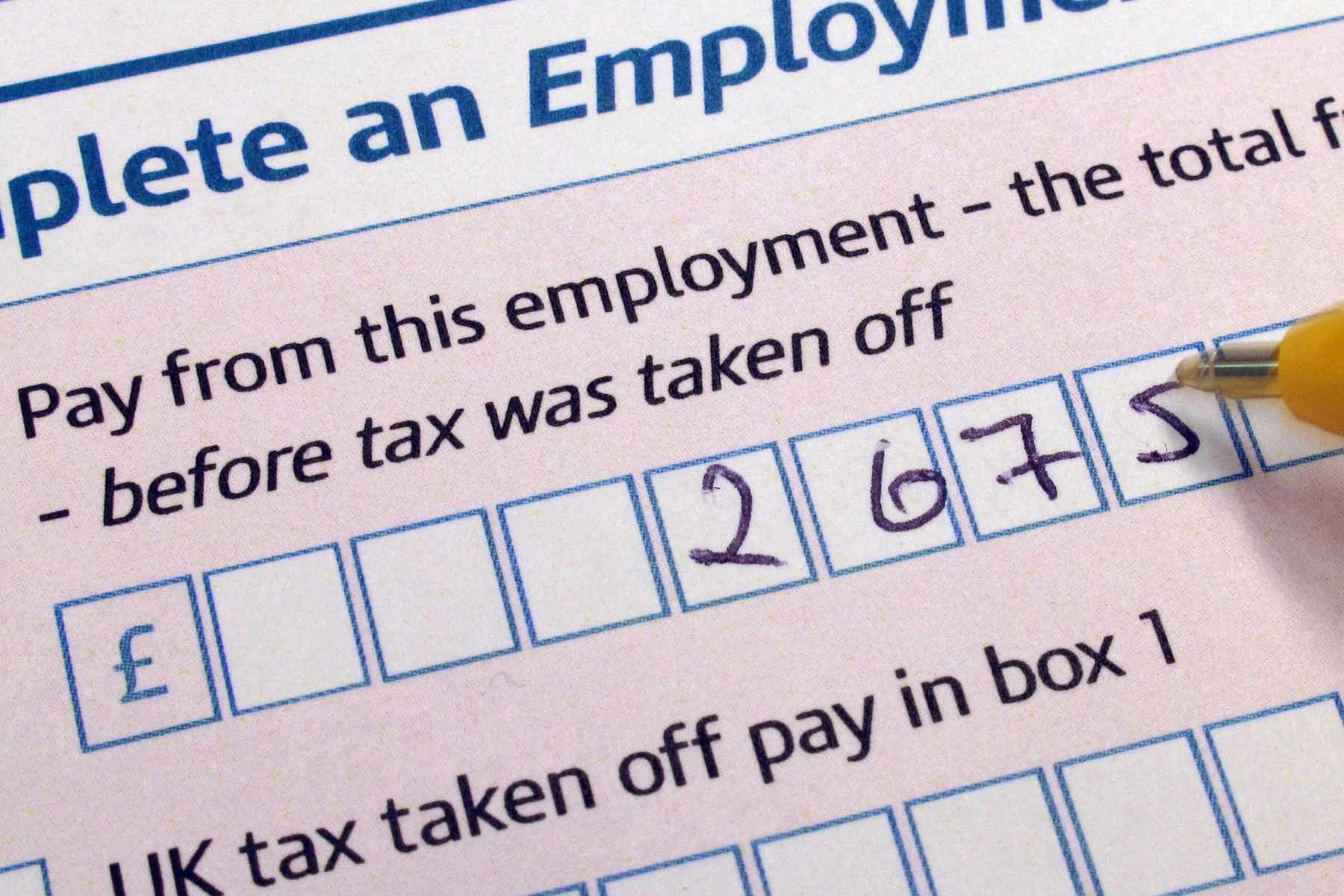
Once you have registered, you will receive a Unique Taxpayer Reference (UTR), which you can use when filing.
Which forms do I need to fill out?
The most convenient way of filing your tax return is online via the UK Government Gateway. This also allows you to check your details and view previous tax returns.
However, you can also submit your return on a paper form. You will need the main form, SA100, on which you will fill out personal details, including:
- UTR
- NI number
- Employer reference (if applicable)
- Name and address
Form SA100 includes the following income:
- Self-employment income
- Interest and dividends from UK banks and building societies
- UK pensions, annuities, and other state benefits
- Other UK income not included on supplementary pages (see below)
- Child Benefit (if earning over £60,000)
This form is where you can record tax reliefs relating to pensions, charitable giving, Blind Person’s Allowance, and Marriage Allowance. You must also list Student Loan repayments.
The address for submitting a paper form from an address in the UK is:
Self Assessment
HM Revenue and Customs
BX9 1AS
If you live abroad, use the following address:
HM Revenue and Customs
Benton Park View
Newcastle Upon Tyne
NE98 1ZZ
United Kingdom
Supplementary pages
In addition to SA100, you must complete supplementary pages – check gov.uk for a comprehensive list. They include:
| Name | Form number | Who it’s for | What it includes |
| Employment | SA102 | People with income from employment or directorships | Pay from employment minus UK tax Benefits, including company cars and medical insurance Employment expenses like travel |
| Self-employment (short) | SA103S | Self-employed individuals with an annual business turnover of under £85,000 | Business income, including turnover Business expenses like travel, goods for resale, and office space Net profit and loss |
| Self-employment (full) | SA103F | Self-employed people with an annual business turnover of over £85,000 | Business income Net profit or loss Business expenses Capital allowances |
| Partnership (short) | SA104S | Partners in a business partnership | Partnership details Partner’s share of profits or losses Other adjustments |
| Partnership (full) | SA104F | Partners in a business partnership with complex financial affairs | Detailed breakdown of partnership income and expenses Extensive financial adjustments Capital allowances Balancing charges |
| UK property | SA105 | Individuals receiving rental income | Property details Rental income Allowable expenses for maintenance Net profit or loss |
| Foreign | SA106 | UK residents with foreign income | Interest and dividends from overseas savings and investments Income from foreign property Overseas pensions, social security benefits, etc Remitted income and gains Foreign tax paid (for foreign tax credit relief) |
| Capital gains | SA108 | People who have disposed of assets like property, shares, and securities during the tax year, non-residents with capital gains on UK property or land | Gains or losses on disposal of residential properties Other property assets Shares and securities Adjustments and reliefs Non-resident capital gains tax |
| Residence, remittance basis etc | SA109 | UK residents with international tax considerations | Residence status Remittance basis Personal allowances Information about tax residence Double taxation relief Domicile status |
The UK Government provides detailed notes for each form, which you should read carefully when completing a Self Assessment.
Deductibles and tax relief
When completing your tax affairs, it’s important to claim any allowable expenses to reduce your tax bill. If you complete a Self Assessment tax return, allowable expenses must be claimed on that return. PAYE employees with allowable expenses of £2,500 or less can usually claim them online through their Government Gateway account or by contacting HMRC, while those with expenses above £2,500 are generally required to submit a Self Assessment tax return.
Work-related deductibles include:
- Reimbursement for business travel. If your employer does not provide Mileage Allowance Payments (MAPs), you may claim tax relief on 45p per mile up to 10,000 miles and 25p per mile after that.
- Expenses on business trips. These could include transport, accommodation, food and drink, or parking fees.
- Work uniform expenses. HMRC has a list of occupations for which tax is deducted for employment-related clothing.
- Membership fees from an HMRC-approved list of organizations
- Costs for working from home, including energy and telephone costs.
You may also be able to claim income tax relief on certain personal payments, including:
- Charitable donations made under Gift Aid, which qualify for tax relief
- Pension contributions, which generally attract income tax relief subject to annual and earnings limits.
How do I pay UK income tax?
There are several ways to pay your British income tax. For same or next-day transfers, you can do so:
- Online via gov.uk
- On the HMRC app
- With your UK bank account
- Via online or telephone banking
- By CHAPS
- With your corporate debit or credit card
- At the bank or building society
Visit the UK Government website to find more ways to pay your tax.
Tax refunds
You may be entitled to a refund if you have paid too much tax in a fiscal year. This can happen if you had too much tax taken from your pay, stopped working, took out a pension or life annuity plan, or lived in one country and had income in another.
The UK Government provides an online tool to find out if you’re owed a tax refund. You can then claim what HMRC owes you through the government portal, and they should reply to you within a few weeks.
What happens if I don’t pay my income tax on time?
If you miss the deadline for submitting your tax return, then you’ll have to pay a penalty fee of £100 if it is up to three months late. After that, the fine increases, and you may accrue interest.
Late payments incur a fine of 5% of the unpaid tax if more than 30 days late. This increases to 10% after six months, and 15% after 12 months. You will also have to pay interest on the unpaid amount.
HMRC will contact you if you miss a tax payment. Bear in mind that refusal to pay or contact HMRC can result in:
- Being contacted by a debt collection agency
- The amount owed being collected directly from wages, your bank account, or savings
- HMRC taking your belongings and selling them
- Being taken to court
- Being made bankrupt
When you know you will not be able to pay your tax on time, get in touch with HMRC as soon as possible. In many situations, you can organize a payment plan to cover what you owe.
In order to avoid problems with tax filing in the UK, it’s a good idea to ask a professional for help, especially if your financial situation is complex.
Income tax advice
Although the above information provides a step-by-step overview of income tax returns in the UK, it should not be taken as tax advice for your individual situation.
However, as Self Assessment tax returns can be tricky, it’s strongly recommended to enlist the help of a tax adviser. Not only can they answer specific questions, but they can file taxes on your behalf.
When choosing a tax adviser, you should make sure they’re registered with one of the following bodies:
- Association of Accounting Technicians (AAT)
- Association of Chartered Certified Accountants (ACCA)
- Association of Taxation Technicians (ATT)
- Chartered Institute of Taxation (CIOT)
- Institute of Chartered Accountants in England and Wales (ICAEW)
- Institute of Chartered Accountants of Scotland (ICAS)
Check out Unbiased to browse financial advisers and find one who suits your needs. Finally, if you decide to take on your own tax return, it’s worth checking out the UK Government’s guidance on commercial software and advice on where to get help with your Self Assessment.
Unbiased
In need of some expat financial advice in the UK? Knowing where to turn for trusted advice can be challenging, but with Unbiased you’ll be able to find the right financial advisor for your needs. Search by your needs and access a network of over 26,000 professionals across the UK. Find financial advisors, accountants, and more with Unbiased.
Useful resources
- HM Revenue & Customs – Explore all information relating to income tax, including PAYE, tax credits, and Self Assessment
- Gov.uk helpline for Self Assessment
- Gov.uk income tax pages
- Mygov.scot – Details on Scottish income tax
- TaxAid – Assistance for tax problems
- Tax Help for Older People – Charity service advising on tax matters for pensioners on a low income


Did you find this guide helpful?